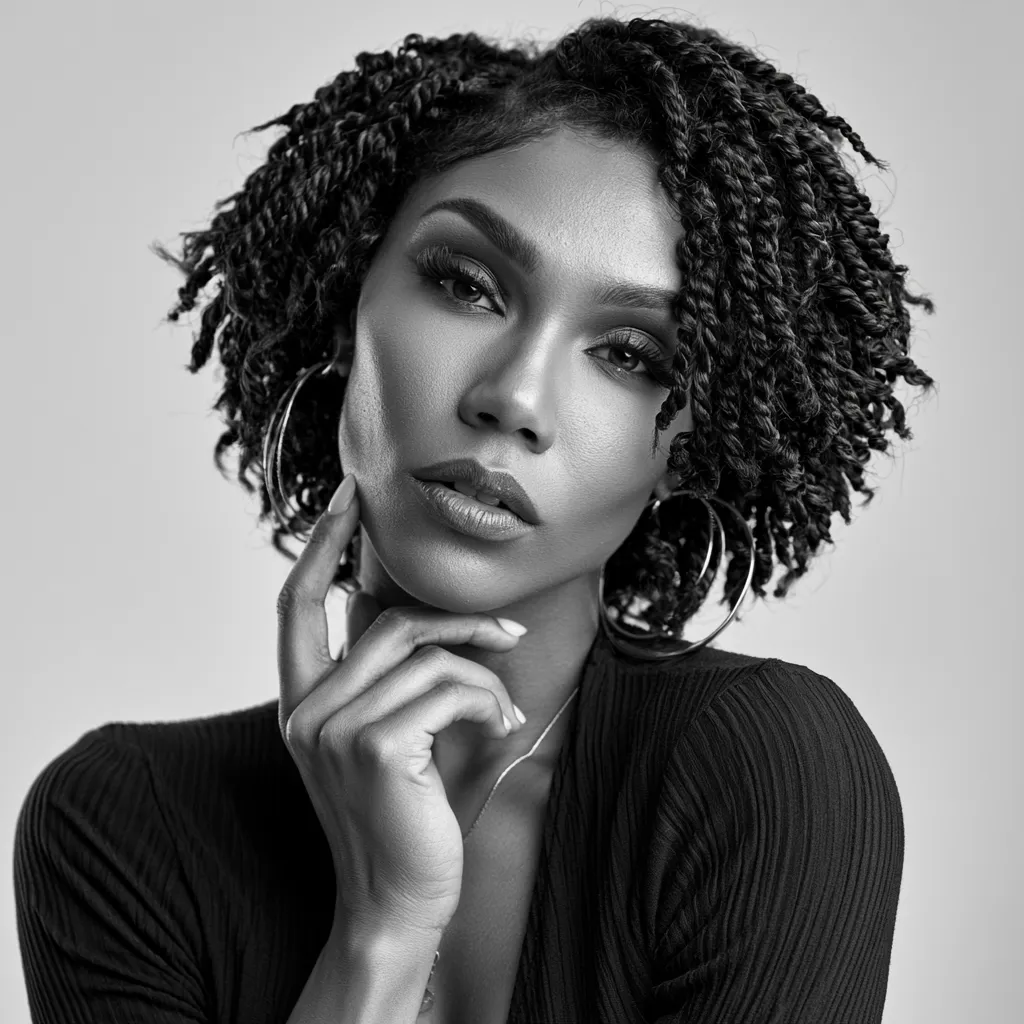
Natural hair twist styles only earn their place in your rotation if they survive more than a weekend, and most don’t. I’ve tested every twist variation that promises “long-lasting” results, and the three that actually hold past two weeks share one thing in common: they start with the right moisture layer, not the prettiest product on the shelf. You’ll notice the difference the first morning you wake up and your twists still look defined instead of fuzzy at the root.
What separates a twist that lasts from one that unravels by day four usually comes down to tension and section size. Too tight, and your scalp pays for it. Too loose, and the twist slips before lunch. My go-to is medium sections — about the width of two fingers — twisted on damp, not dripping, hair with a butter-based cream rather than a gel that flakes.
Below are three natural hair twist styles built for different occasions: a voluminous side-part look, a crowned updo with beaded ends, and a sleek twisted ponytail. Each one comes with the products I actually buy, what to skip, and how to stretch the style past the usual five-day mark.
Quick Scan
Voluminous auburn twists with a deep side part hold volume for 7–10 days with a satin bonnet at night.
The caramel brown crown updo uses beaded ends and works best on well-moisturized hair pinned into a structured shape.
A twisted high ponytail in jet black needs a tension-free hair tie and edge control to stay sleek past day three.
Twisting on dry hair is the single fastest way to lose definition within 24 hours.

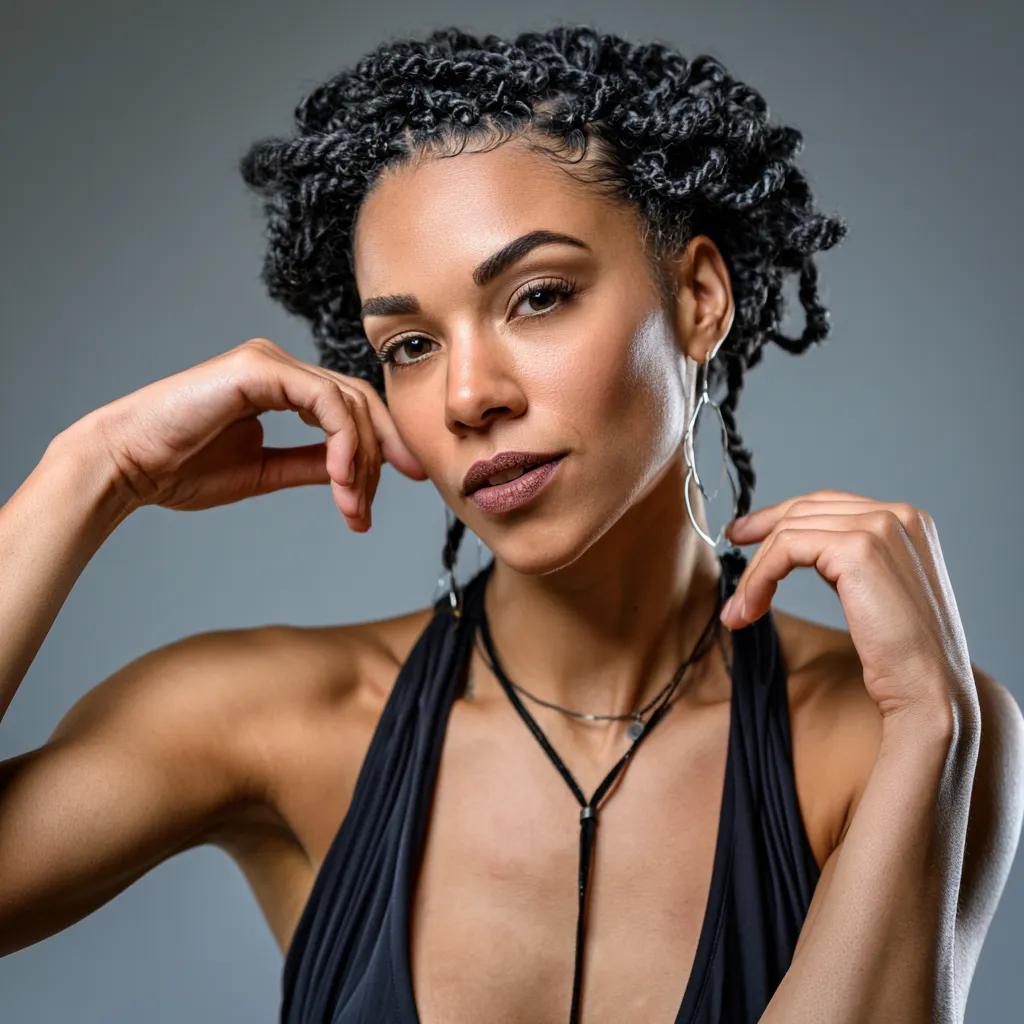


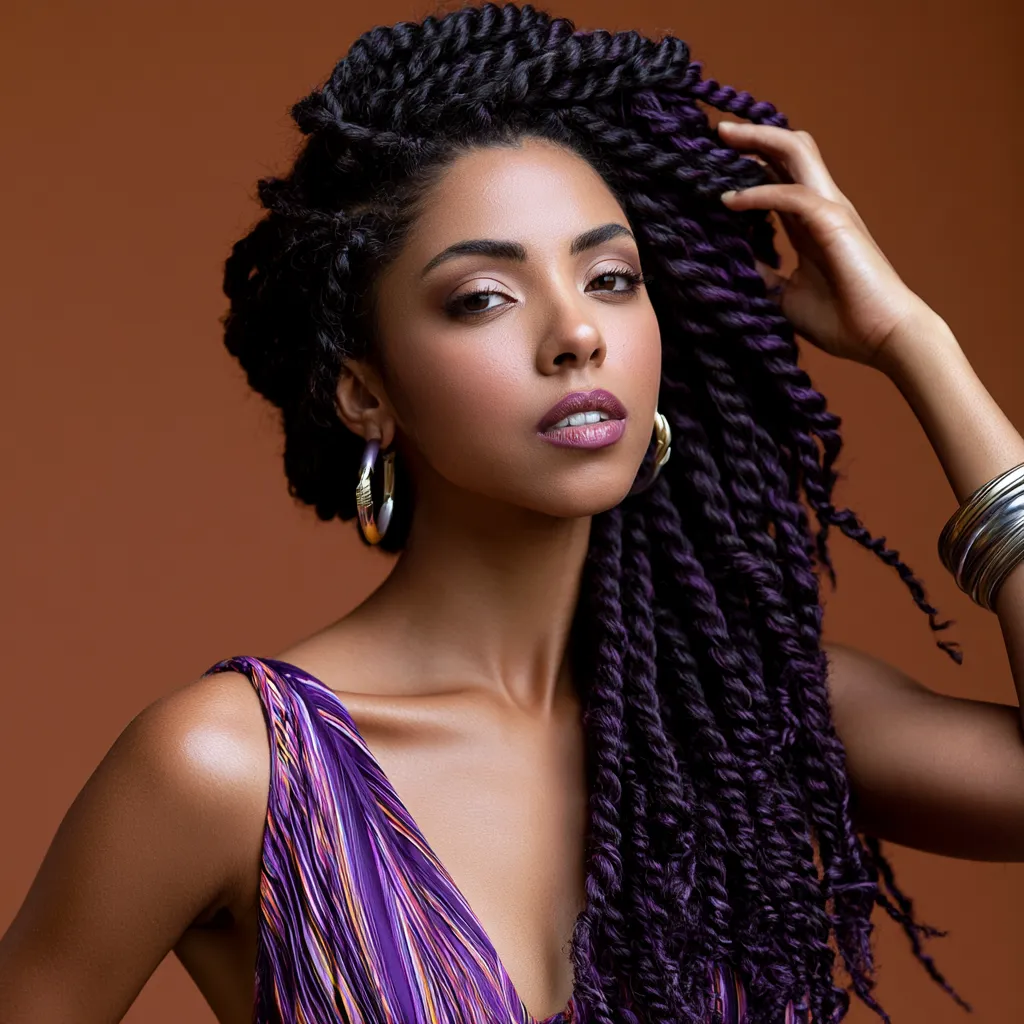

Auburn Side-Part Twists Bring the Volume Without the Bulk
Natural hair twist styles with a deep side part read fuller than a centered part because the eye reads the asymmetry as volume, even when the section count is identical. Auburn does double duty here — it catches light differently than black hair, so every twist looks individually shaped instead of blending into one mass. I cleanse and deep condition first, then apply a rich twisting butter to damp hair before sectioning. Skipping the deep condition step is the fastest way to end up with twists that look dull by day three.


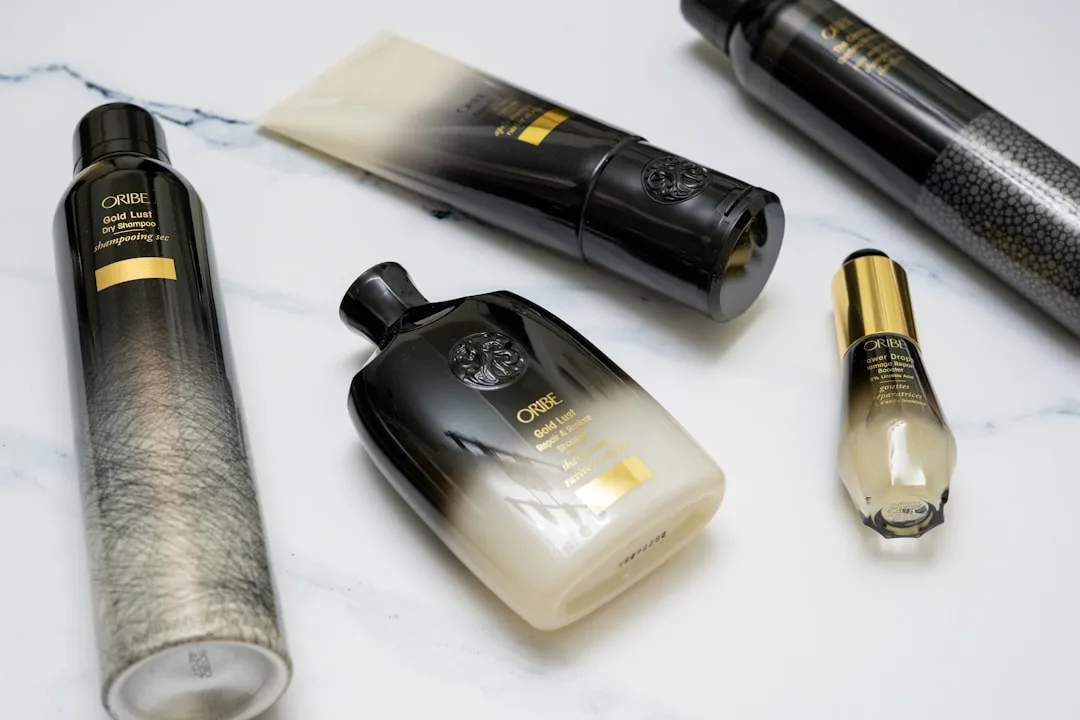
Try this hydrating twist butter for defined and long-lasting twists.
A deep side part frames the face the way a good blazer frames shoulders — it’s a small structural choice that changes the whole silhouette. Statement earrings work well against this look since the part already does the heavy lifting; I’d skip a busy necklace on top of it. To refresh between wash days, mist lightly and seal the ends with oil rather than reapplying a full coat of cream, which tends to weigh the twists down by day five. Sleeping in a satin bonnet is non-negotiable if you want the volume to survive past one night.
Color-treated auburn fades fastest at the part line, where sun exposure hits hardest. A color-safe shampoo and a weekly leave-in keep the tone from going brassy. Do twists actually slow down fading? Not entirely, but reduced manipulation means less friction pulling pigment out of the cuticle. I’ve stretched a single auburn twist set to twelve days with a scalp massage every few nights using a lightweight, non-greasy oil — anything heavier just sits on top and attracts lint.
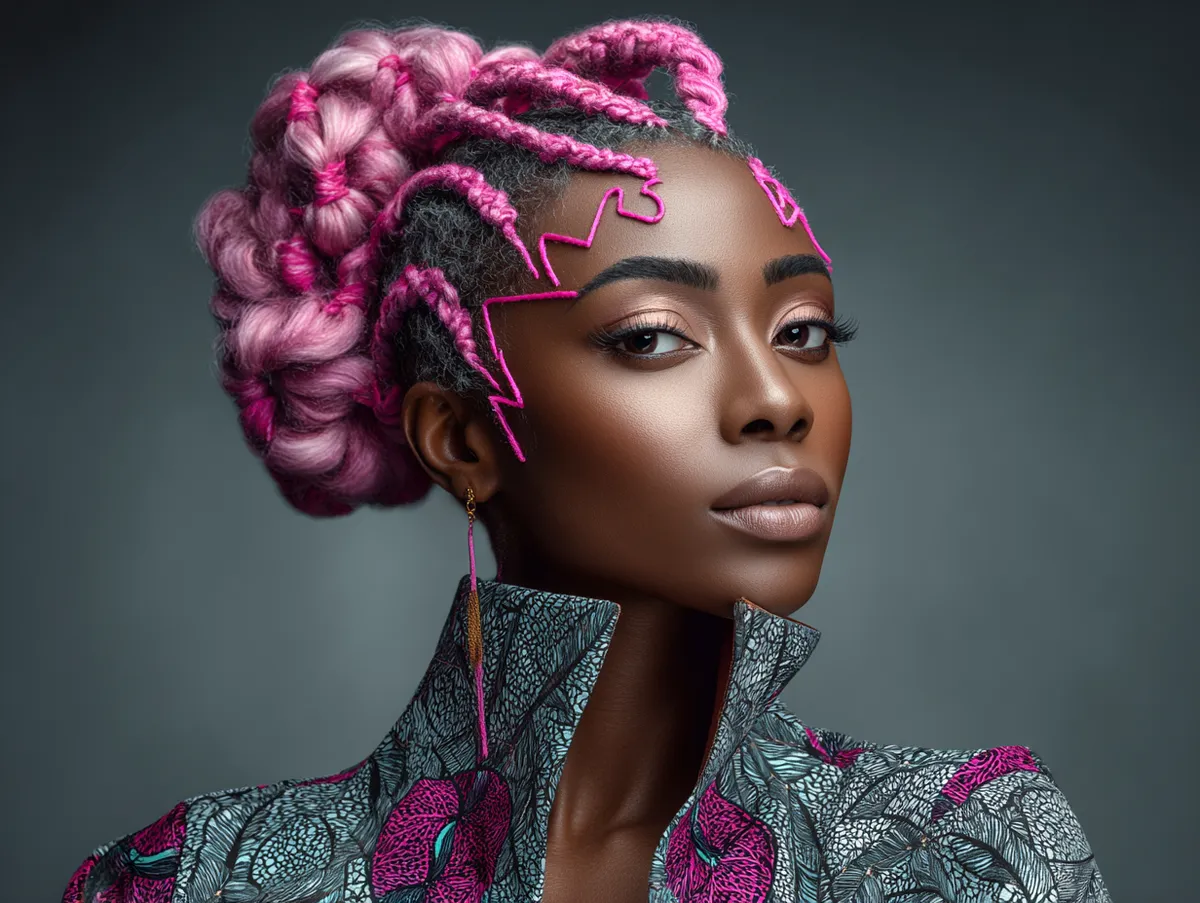
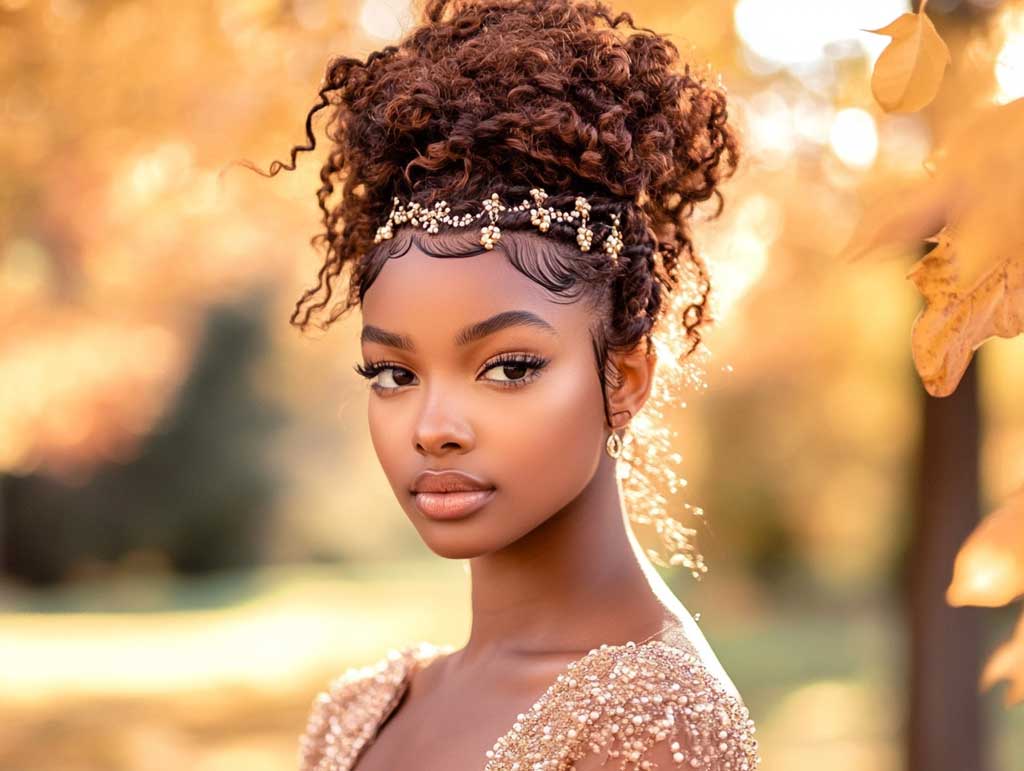
A Beaded Crown Turns Caramel Brown Twists Into an Updo That Holds Shape
Crowned natural hair twist styles work because the structure does the styling for you — once the twists are pinned into a halo shape, there’s nothing left to fall out of place during the day. Caramel brown adds warmth without the upkeep of a brighter color, and beaded ends turn a protective style into something closer to jewelry. Each strand needs to be well-moisturized and cleanly separated before twisting, or the crown shape ends up lumpy instead of sculptural.



Use this scalp-nourishing twist oil to promote healthy hair growth.
This crown shape pulls hair off the face entirely, which makes statement earrings or a layered necklace do more visual work than usual. A light edge control keeps the hairline from looking unfinished against the structured updo above it — I use about a dime-sized amount, since more than that turns into a white cast by midday. Refresh with a gentle water-and-oil spritz rather than re-wetting the whole head; over-saturating beaded ends makes the beads slide and the twists loosen at the root.
Beaded ends let you customize color and material, which is part of why this look photographs so well for events. The trade-off is weight: too many beads on fine strands can pull at the root over a long day, so I cap mine at one bead per twist on finer hair types. Wrapping the whole updo at night, rather than just the loose hair, keeps the crown shape from collapsing by morning. This is one of these year-round protective hairstyles for natural hair that genuinely survives a full week without a single touch-up.
Jet Black Twists Pulled Into a High Ponytail Read Sharper Than Loose Twists
A twisted high ponytail trades softness for precision, and jet black amplifies that effect — there’s no warm undertone to soften the line, just a clean shape from root to crown. You’ll want to twist on well-moisturized hair before gathering everything high; trying to twist after the ponytail is already in place produces uneven, lumpy sections that won’t sit flat. A gentle hair tie matters more than people think here, since constant tension at the same spot is exactly what causes thinning at the hairline over time.


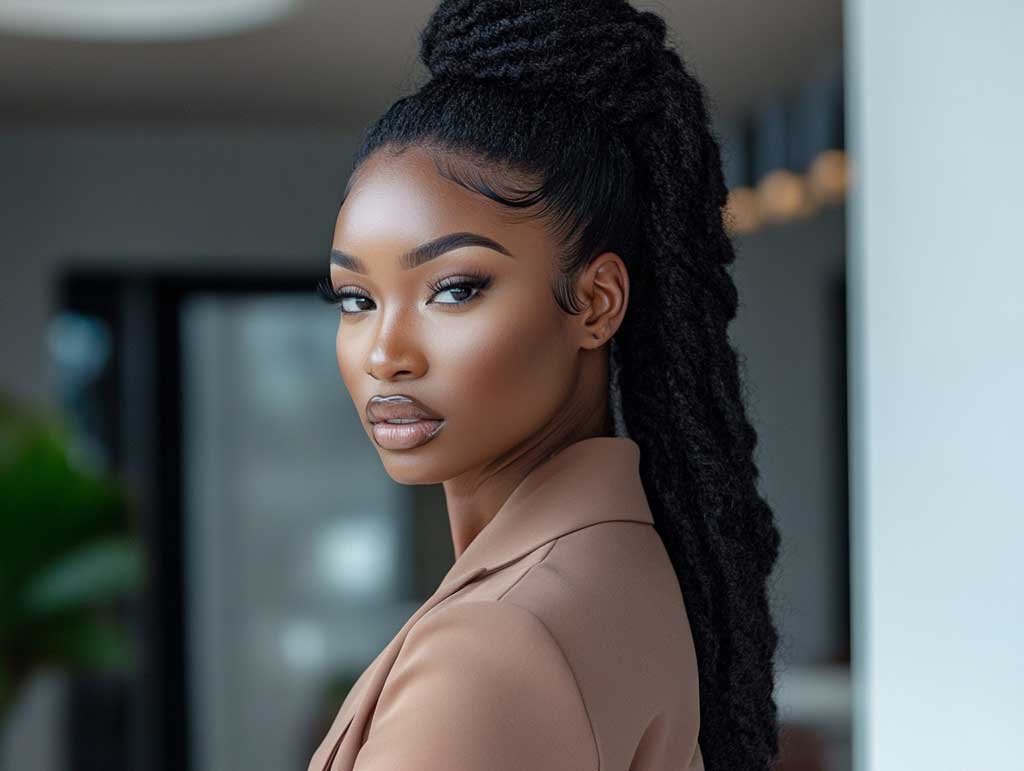

Get this long-lasting edge control gel for a sleek finish.
This style is the one I reach for when an outfit already has a lot going on — minimalist tailoring or a structured blazer both pair well with the clean pull-back. A quality edge control smooths the hairline without flaking by evening, but skip anything alcohol-heavy; it dries out the hairline faster than it holds it down. Lightweight oils massaged into the scalp between wash days keep the high tension point from drying out, which is the part of this style most people neglect.
Don’t Do This
Don’t twist on dry hair. Twists formed without moisture unravel within 24 hours and the hairline looks rough instead of sleek by the next morning.
Don’t use a tight elastic on a high ponytail. Constant pull at one point on the scalp is a known driver of thinning along the hairline over months of repeated wear.
Don’t oversaturate beaded twists when refreshing. Beads slip and twists loosen at the root if you re-wet the whole head instead of misting lightly.
A silk scarf wrapped around the ponytail at night prevents the kind of frizz that shows up first at the crown, where friction against a pillow is worst. A light mist of leave-in conditioner in the morning keeps definition without restarting the whole twist process. Whether it’s paired with casual weekend clothes or something dressier, this twisted ponytail holds its shape better than almost any loose twist-out I’ve tried, and two strand twist styles for natural hair in lighter colors give you a softer alternative if jet black feels too severe for your skin tone.
Tight protective styles can come with real downsides if you’re not paying attention to tension. Healthline’s breakdown of protective hairstyles covers how to spot early signs of traction alopecia before it becomes permanent, which is worth a read if you wear twisted ponytails often.
Natural hair twists offer limitless styling possibilities, allowing for personal expression while maintaining hair health. Whether styled voluminously with a side part, crowned with beaded ends, or pulled into a sleek ponytail, each look provides a fresh take on seasonal trends. With proper care, hydration, and the right styling products, these styles remain vibrant and long-lasting. Exploring different twist variations brings new levels of creativity and confidence, making natural hair twists a beautiful choice for any season.
THE BOTTOM LINE
Twists that last past two weeks start with moisture, not the prettiest product
Medium sections twisted on damp hair outlast anything done dry, regardless of how good the cream smells.
A satin bonnet at night does more for longevity than any single product on this list.
Pick the style for the occasion, not the trend — a deep side part for volume, beaded crowns for structure, twisted ponytails for precision. Save this post so you have the steps ready before your next wash day.