Protective hairstyles for natural hair do more than look good — they cut breakage, lock in moisture, and let your ends rest from the daily friction that quietly destroys length. My 4C hair used to snap at the edges every single wash day until I committed to wearing protective styles at least three weeks out of every month. The difference in retention was visible within 90 days.
You’ll notice the options below range from a $0 low bun you can do in five minutes to faux locs that run $150–$250 at a salon. Each one serves a different lifestyle, season, and budget. I’ve worn every style on this list, so the notes come from real installs — not theory.
Dermatologists and trichologists agree that consistent use of protective hairstyles for natural hair can increase length retention by up to 30% over six months. The mechanism is simple: less manipulation equals less mechanical stress on the shaft. What you do between styles — how you moisturize, how you sleep — matters just as much as the style itself.
- Low buns and braided crowns are the lowest-tension protective styles and safe for fragile hairlines
- Two-strand twists last up to two weeks with proper nighttime wrapping — the longest of any no-extension style
- Faux locs can last six weeks but carry real tension risk; lightweight synthetic hair like Freetress Water Wave reduces scalp stress significantly
- Bantu knots double as a curl-setting tool — unravel them for a free twist-out the next morning
- Satin, not cotton, is the rule for every nighttime wrap regardless of which style you’re wearing
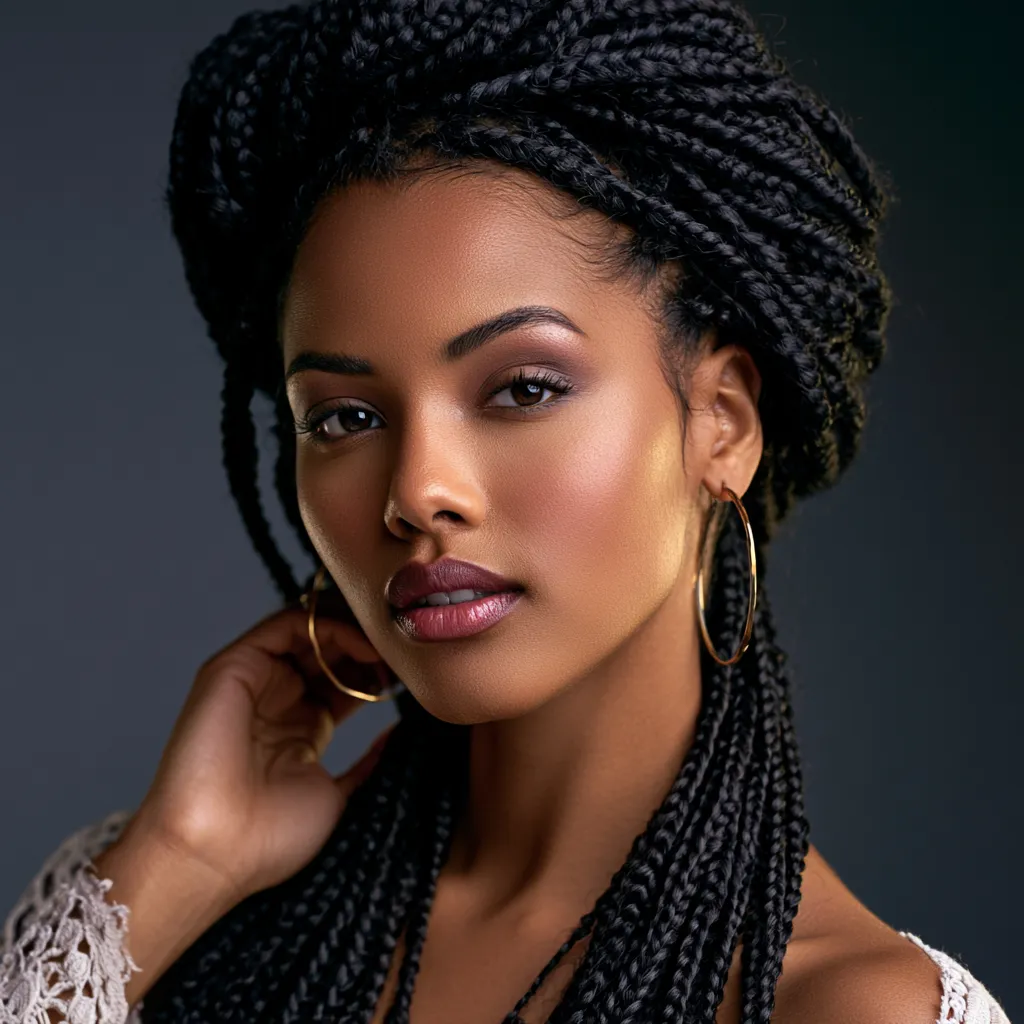
Low Bun Protective Hairstyles for Natural Hair Hold Up Longer Than You’d Think
Protective hairstyles for natural hair don’t get more accessible than the low bun — no extensions, no appointment, no $30 product haul. You need freshly moisturized hair, a satin scrunchie (I use SLIP brand, around $18), and about five minutes. The entire structure of this style works because the ends stay tucked and protected from the fabric friction that causes split ends on wash-and-go routines.


For a sleek finish, apply Eco Styler Olive Oil Gel ($4 at most drugstores) along the hairline before smoothing with a soft bristle brush. A stretched bun — where you braid or twist the hair the night before, then gather it — gives twice the volume of a direct bun on shrunken hair. Gold cuffs from ALOHA Hair Jewelry ($12 a pack) are my go-to when I want the bun to read more editorial and less rushed. Does a low bun work for formal events? Absolutely — I’ve worn mine to job interviews and a gallery opening in the same week.
What doesn’t work: a rubber band directly against your strands. Even one use can snap a section of natural hair at the hairline. The damage is subtle but cumulative — I learned this the hard way after noticing my right temple thinning. Swap to a fabric-covered elastic or a satin scrunchie every single time. Spritz the bun with water and seal with a lightweight oil like Mielle Rosemary Mint Scalp Oil ($13) every other day to keep strands pliable. A well-maintained low bun holds easily for four to five days.
Wrap the entire style with a satin scarf at night — this single step is what separates a Day 1 bun from a Day 4 bun. You can also check out more inspiration on natural hair twist ideas that pair beautifully with a low bun when you want to add texture at the nape.
Two-Strand Twists Last Two Weeks When You Moisturize the Right Way
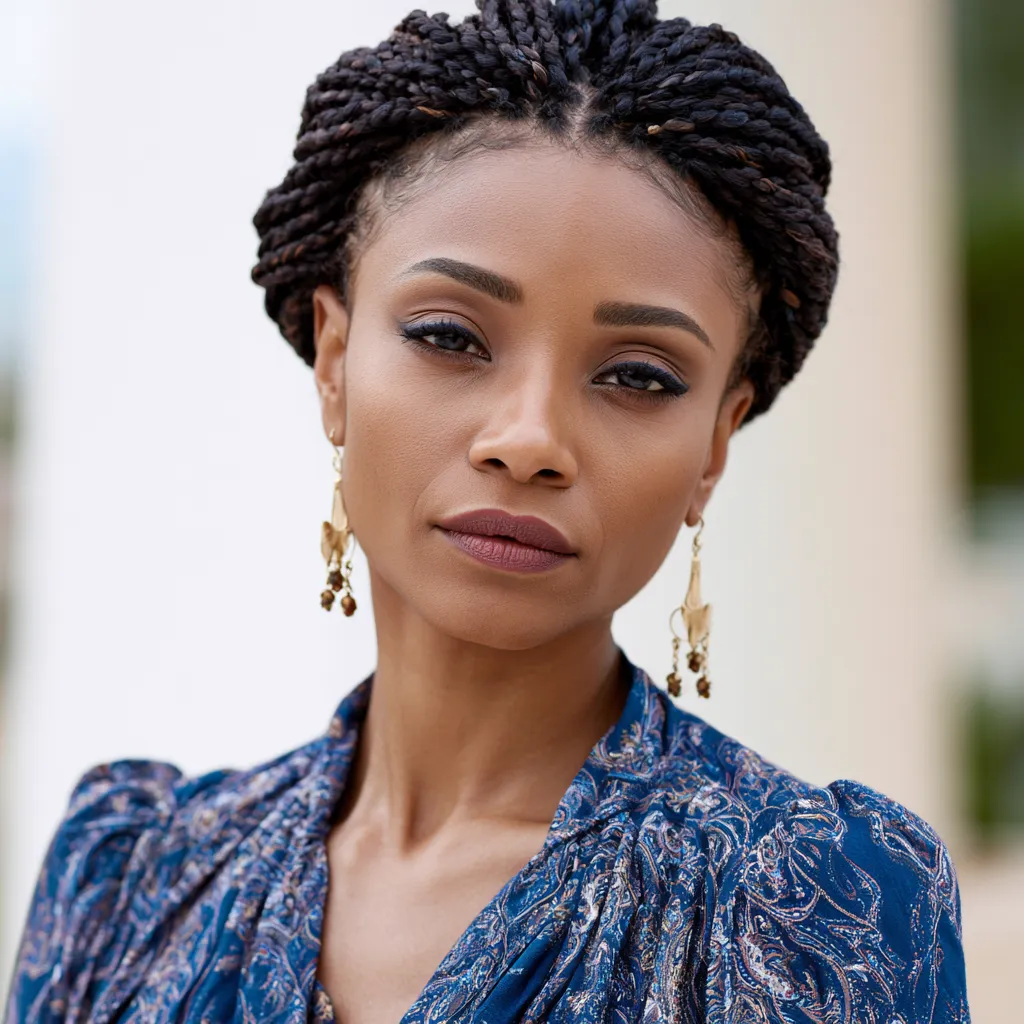
Two-strand twists are my most-reached-for protective hairstyles for natural hair because of one specific advantage: they last. With a proper install on freshly deep-conditioned hair and nightly satin coverage, I consistently get 12–14 days before the style needs refreshing. That’s the kind of low-maintenance math that changes a whole morning routine.


Camille Rose Naturals Curl Maker ($16) is the twisting product I keep coming back to — it holds definition without the crunch and doesn’t turn white on darker hair. Section the hair into four parts first, then work each section smaller as you go. Twisting on hair that’s about 80% dry rather than soaking wet gives the cleanest finish and reduces frizz at the root. Your twists will be like a rope under tension — tight at install, then relaxing into a softer shape over the first 48 hours.
The anti-advice here: don’t twist hair that isn’t moisturized through to the strand, not just the surface. I’ve made this mistake with a quick spray of water that didn’t penetrate, and by Day 3 the twists felt like straw. Use a leave-in like Kinky-Curly Knot Today ($15) first, then seal with oil, then apply your twisting cream — this layered approach, the LOC method, keeps each twist hydrated from inside out rather than just coating the exterior.
Unraveling twists after a week gives a dramatic twist-out — one of the most voluminous styles possible on natural hair without any heat. You can find extended styling ideas at protective styles for natural hair with thick coarse texture if your hair density is on the heavier side.
Braided Crown Protective Hairstyles for Natural Hair Read as Formal Anywhere
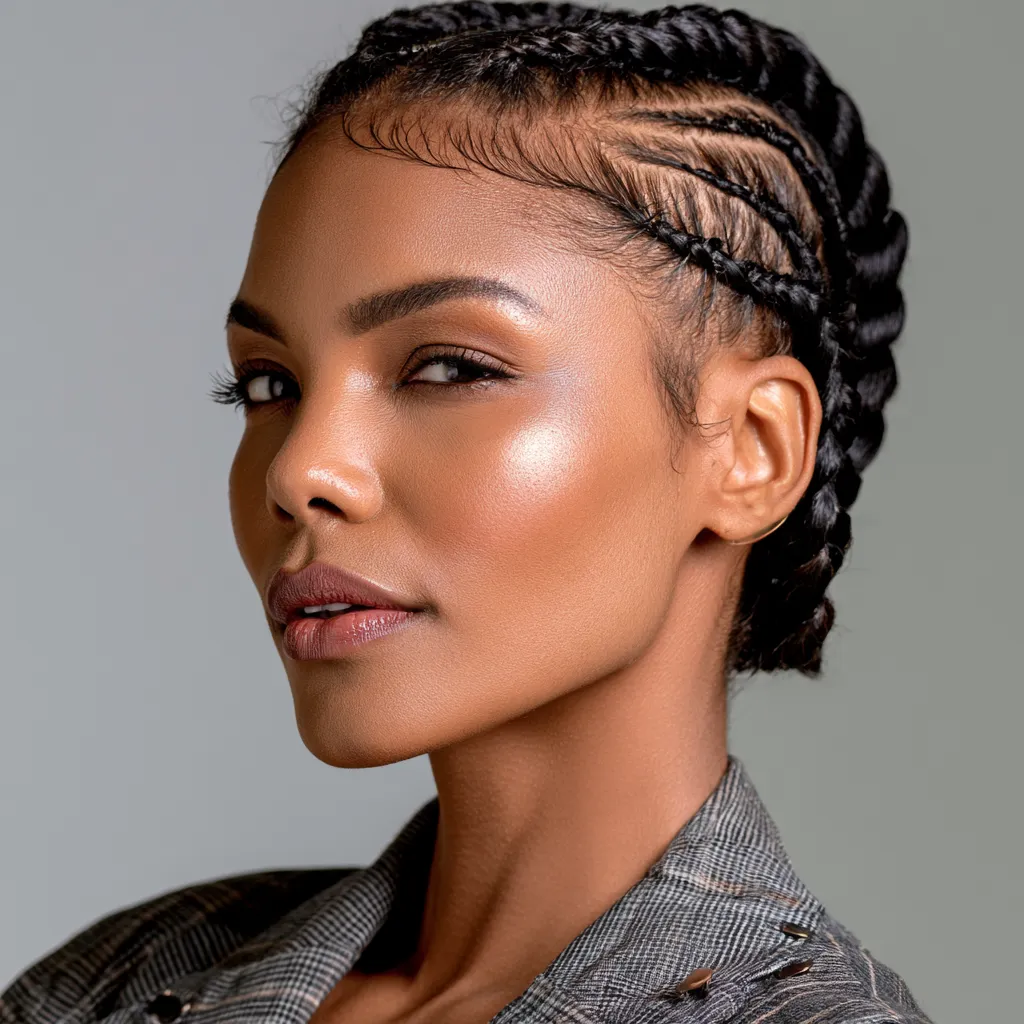
A braided crown sits at the intersection of protective and elevated — I’ve worn mine to a press dinner and a beach bonfire in the same summer, and both times it held. This style works by gathering the hair into two or more braids that wrap around the head in a halo formation, keeping every end tucked and shielded from the elements. For natural hair specifically, the crown braid acts like armor against humidity-induced shrinkage, because the structure keeps stretched hair stretched.


Stretch your hair the night before with a banded method or Bantu knots — this makes braiding significantly easier and creates a flatter, more balanced crown. A dime-sized amount of Design Essentials Natural Honey & Shea Edge Tamer ($10) along the parts keeps flyaways controlled without the stiff look of a heavy gel. Pin each braid in place with bobby pins angled under the braid body, not through the top — that single technique is what prevents the style from feeling stiff or unnatural.
Fresh flowers look incredible photographed, but they wilt within hours and leave moisture against the scalp — not ideal for a style you want to last three or four days. Fabric or wire flowers from craft stores ($5–$8) replicate the look without the drawbacks. Lightly mist the finished crown with a diluted leave-in conditioner spray (I use Carol’s Daughter Wash Day Delight, $12) and wrap the entire structure in a satin bonnet at night. You’ll wake up with the shape intact rather than a flattened side.
- Don’t use rubber bands directly on natural hair. The latex grips and snaps strands at the hairline — satin scrunchies or fabric elastics only.
- Don’t install faux locs with hair that’s too long or too heavy. Extensions longer than mid-back on fine natural hair create traction at the root. Ask your stylist to use lightweight synthetic hair and keep sections small.
- Don’t skip scalp care inside a protective style. Neglected scalps develop buildup that blocks the follicle. Dilute shampoo in a spray bottle and apply directly to parts every 1–2 weeks.
- Don’t extend any style past 6–8 weeks. Even well-installed braids start to mat the new growth at the root, and takedown becomes a breakage event rather than a refresh.
Faux Locs Give Six Weeks of Low-Maintenance Protective Hairstyles for Natural Hair
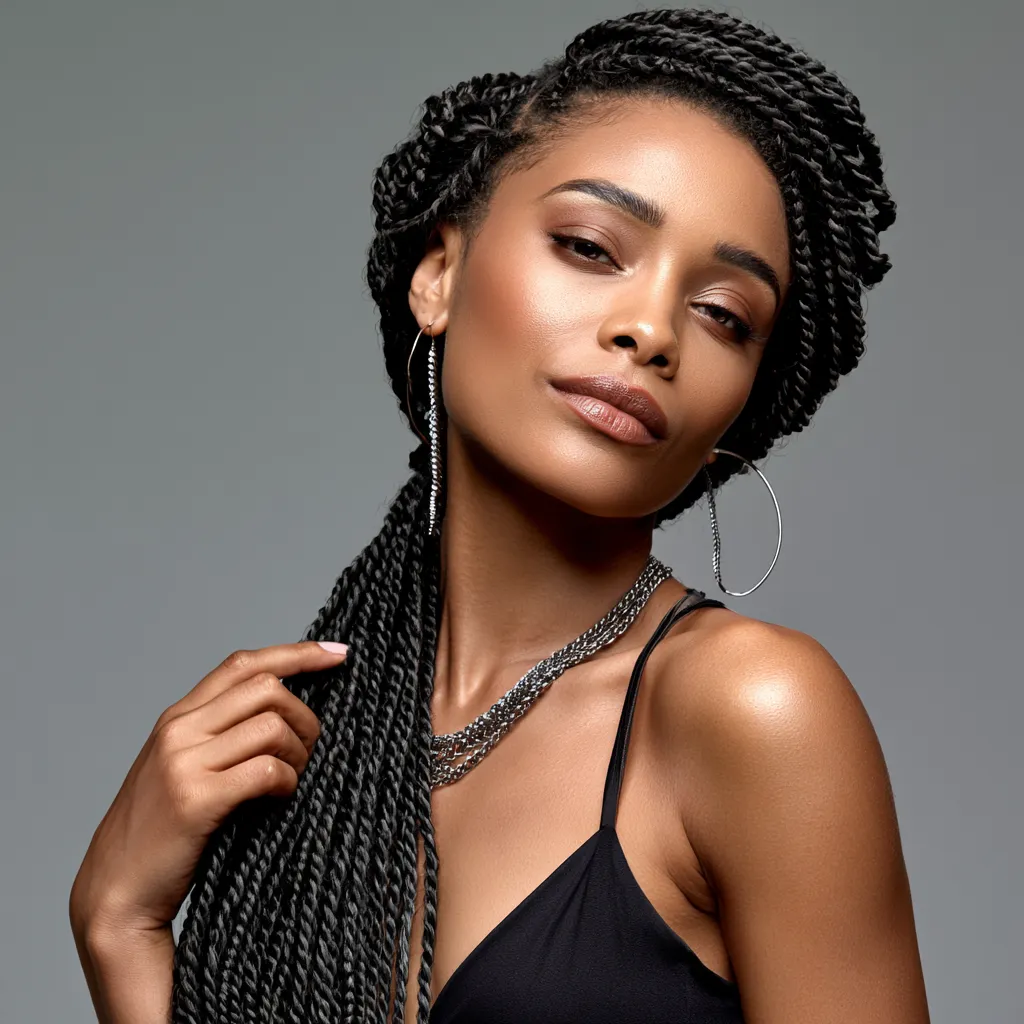
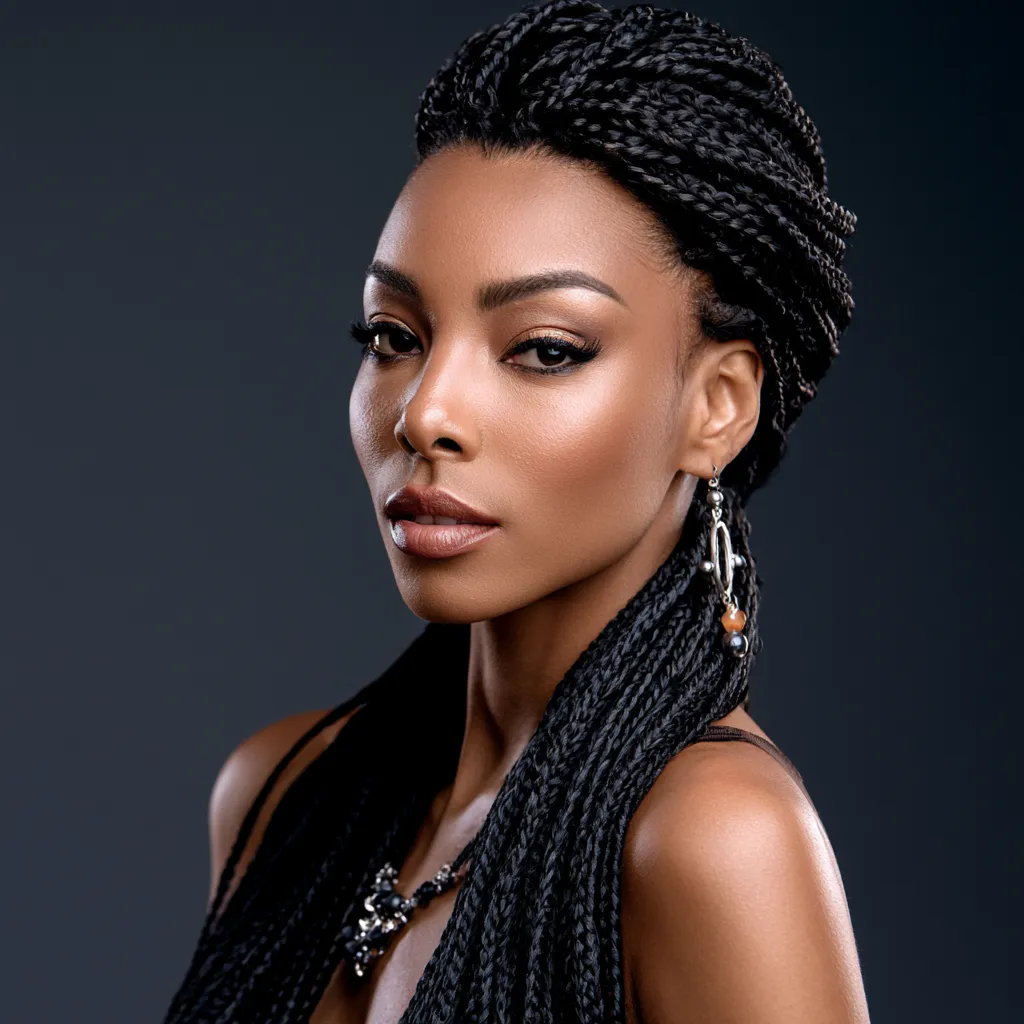
Faux locs are the longest-lasting protective hairstyles for natural hair you can get without committing to real locs — six weeks of a style that requires zero daily manipulation once installed. The look mimics traditional sisterlocs by wrapping synthetic or natural extensions around individual sections, building a rope-like structure that holds its shape through weather, workouts, and sleep.


Freetress Water Wave bulk hair ($8–$12 per pack, and you need 6–8 packs for a full head) is what I recommend over heavier Marley hair — lighter extensions reduce the tension at the root that leads to traction alopecia over time. Healthline’s medical reviewers specifically flag heavy faux locs as a traction risk, which is why extension weight matters more than most stylists emphasize. Expect to pay $150–$250 at a salon for a full faux loc install; budget another $20 for gold cuffs and shells if you’re going for the boho look that photographs so well on Pinterest.
Spray the scalp between locs twice a week with a diluted tea tree and jojoba oil mix — this keeps the follicle clean and reduces the itching that happens around Week 2 when the scalp starts producing sebum under the extensions. A satin bonnet every night is non-negotiable because it preserves the loc texture and prevents the frizz that makes the style look aged before its time. Is six weeks the absolute limit? Yes — beyond that, new growth mats against the extension base and removal becomes a breakage event.
For an authoritative breakdown of which faux loc extension weights are safest for different natural hair densities, Healthline’s medically reviewed guide to protective hairstyles covers the traction risks in detail worth reading before your first install.
Bantu Knots Double as a Curl Reset Inside Protective Hairstyles for Natural Hair Routines
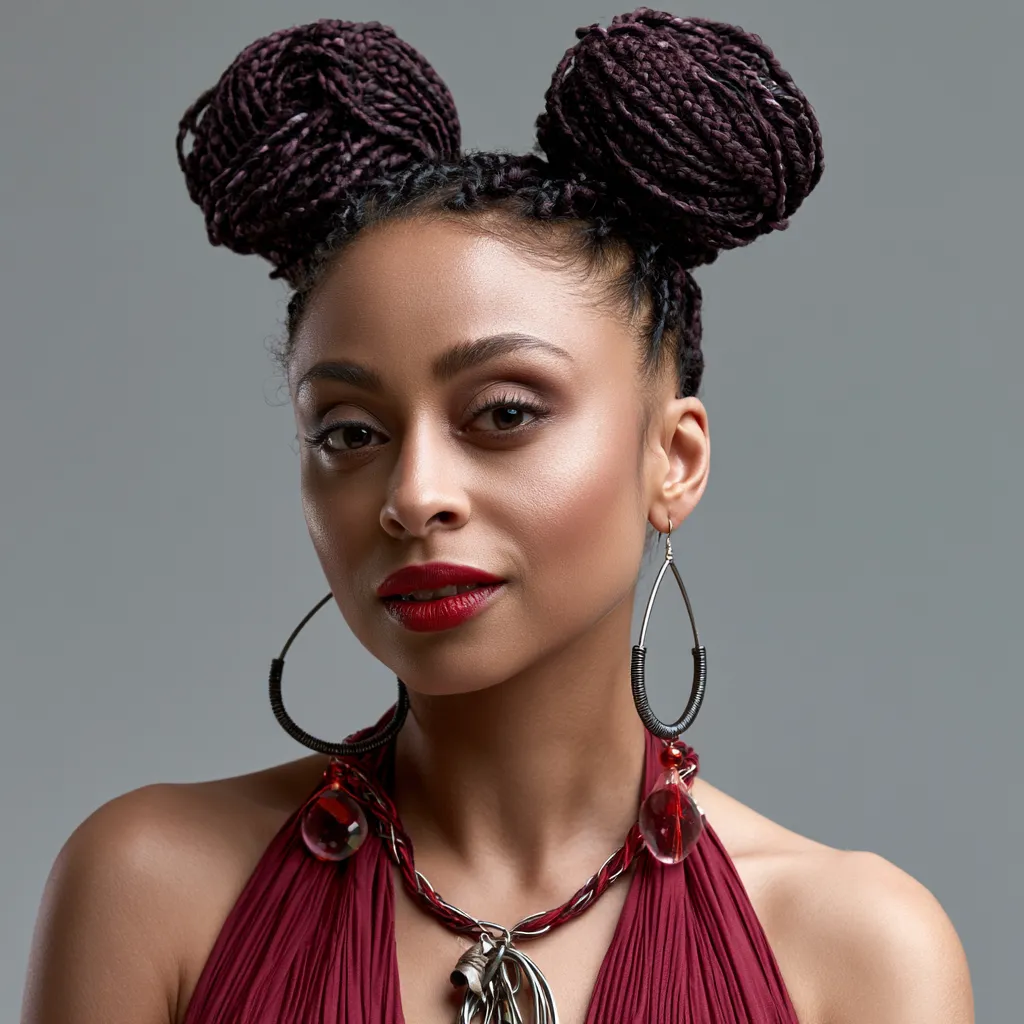
Bantu knots are the rare protective style that gives you two looks for the price of one install. Worn as knots, they’re a sculptural, editorial protective style that can last four to seven days. Unravel them after 24 hours on freshly moisturized hair, and you get a defined, heat-free curl set that rivals any rod set I’ve seen. That second function is what I stole from a friend with 3C hair — she uses Bantu knots every single wash day as her setting method instead of a diffuser, and her curl definition is remarkable.


Shea Moisture Curl Enhancing Smoothie ($13) is my product of choice for Bantu knot installs — it provides enough slip to wrap the strands tightly without causing the sticky residue that makes unraveling difficult. Section the hair into even parts first: uneven sections create knots at different sizes, which makes the resulting curl-out look mismatched. Twist each section in one direction, then coil the twist around itself and tuck the end under to secure — no bobby pin needed on most natural textures.
Where people go wrong with Bantu knots: coiling too tight at the root. You want the knot to sit flat against the scalp but not pull the follicle — if your scalp feels tender after install, the tension is too high, which is how you get hairline recession over time. Maintaining the style means applying a light oil to the scalp every two days and covering with a silk scarf at night. Pair Bantu knots with statement earrings — the exposed neck and ears make oversized hoops or geometric drops look particularly strong.
Final Word
Protective Hairstyles for Natural Hair Work When You Don’t Skip the Nighttime Routine
Every style on this list lasts significantly longer with a satin bonnet or scarf — not sometimes, every single night. That one habit is worth more than any premium styling product.
Moisture is what protects protective styles from the inside. Spritz, seal, and never assume a style that looks fine on the outside is hydrated underneath.
Save this post — you’ll want it when you’re deciding between a quick low bun and a six-week faux loc commit.