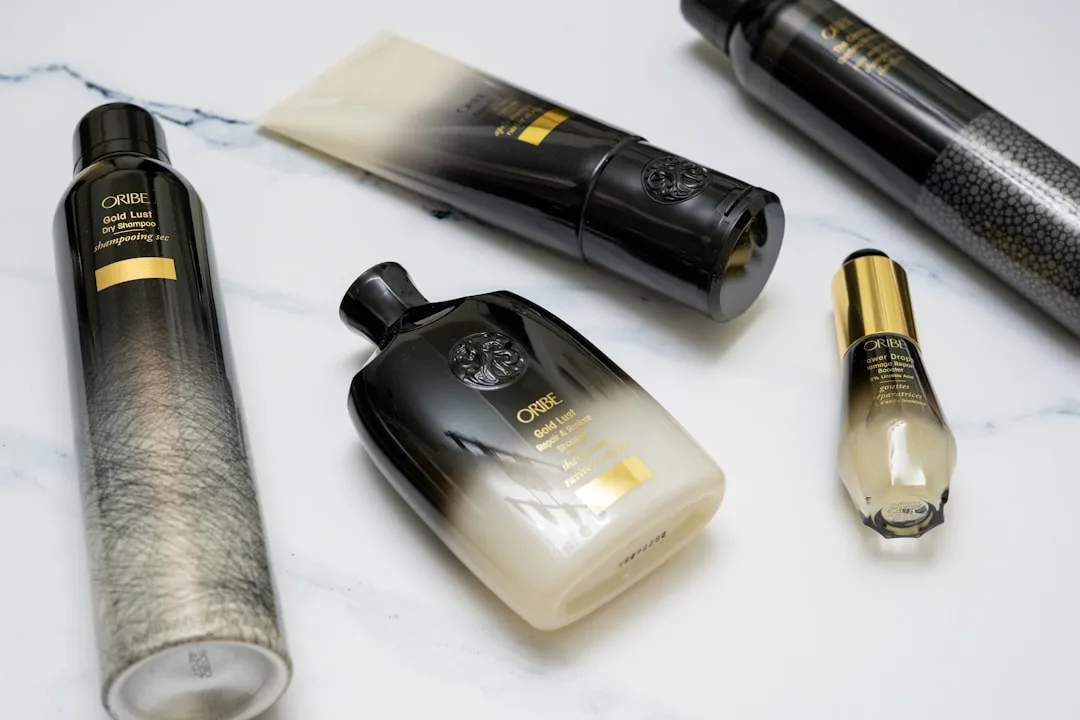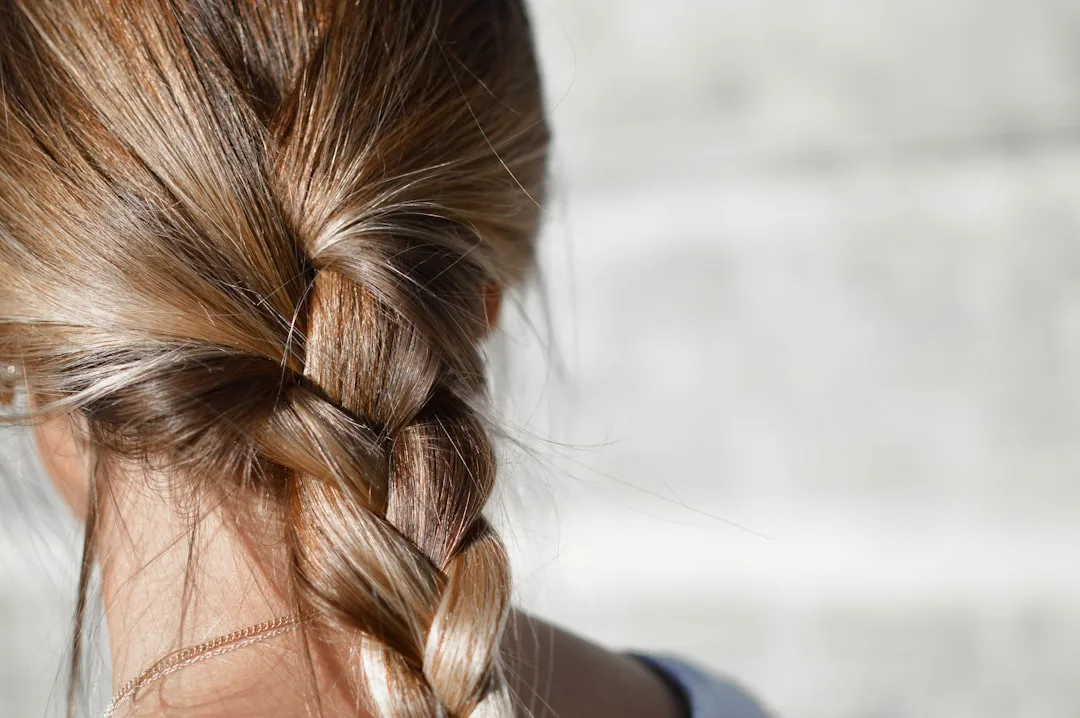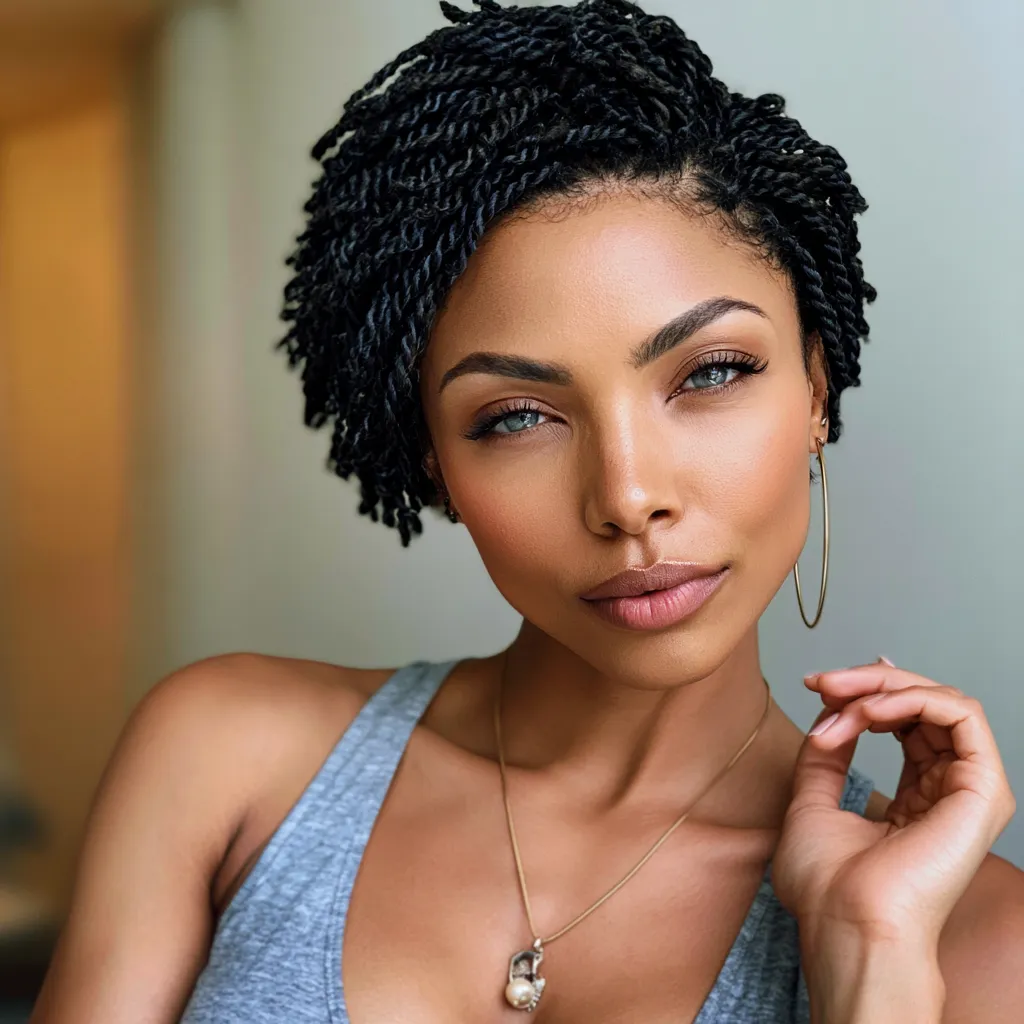
Hair twist ideas that actually survive a full week start with one decision made before the first strand gets wrapped: damp hair, not soaking wet. Water still dripping from the shower over-expands the hair shaft, and once it contracts back down the twist loosens and frizzes by day two or three. A hydrating cream like Cantu Coconut Curling Cream ($5.99 for 12 oz at Target) coats each section while the hair is still pliable, which is the real difference between a twist that photographs well on day one and one that still looks intentional on day ten. Skip the water-bottle soak that shows up in a lot of tutorial videos — a light mist is enough to work with, not a drenched section.
Three variations cover most of what people are actually after when they search for natural hair twist styles: swept to one side for definition, curled at the ends for movement, or gathered into a bun for length of wear. Each uses the same core two-strand technique with a different finish, so the choice comes down to how much daily upkeep is realistic. A side part reads more polished for work, curled ends add volume for casual days, and a bun buys the most wear time between refreshes. Think of the twist itself as the frame of a house — the finish is just the paint job on top, and swapping it doesn’t touch the structure underneath.
Quick Scan
- Twist on damp, not soaking-wet, hair — twists installed too wet frizz by day two or three
- Cantu Coconut Curling Cream: $5.99 for 12 oz (Target)
- Red by Kiss flexi rods: about $15.99 for a 30-piece set, no heat required
- Cantu Extra Hold Edge Stay Gel: $3.99 for 2.25 oz (Target)
- Most protective styles, twists included, last 2–4 weeks before a rest period
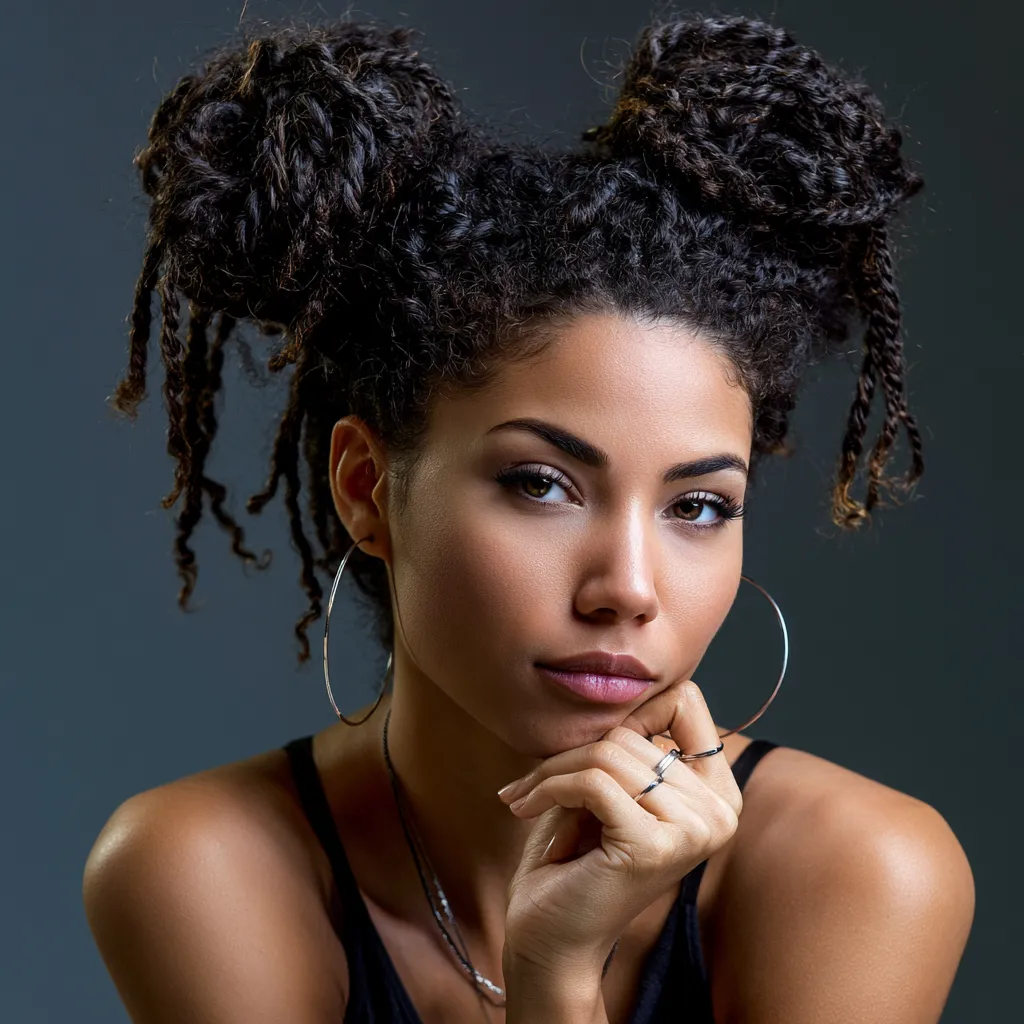

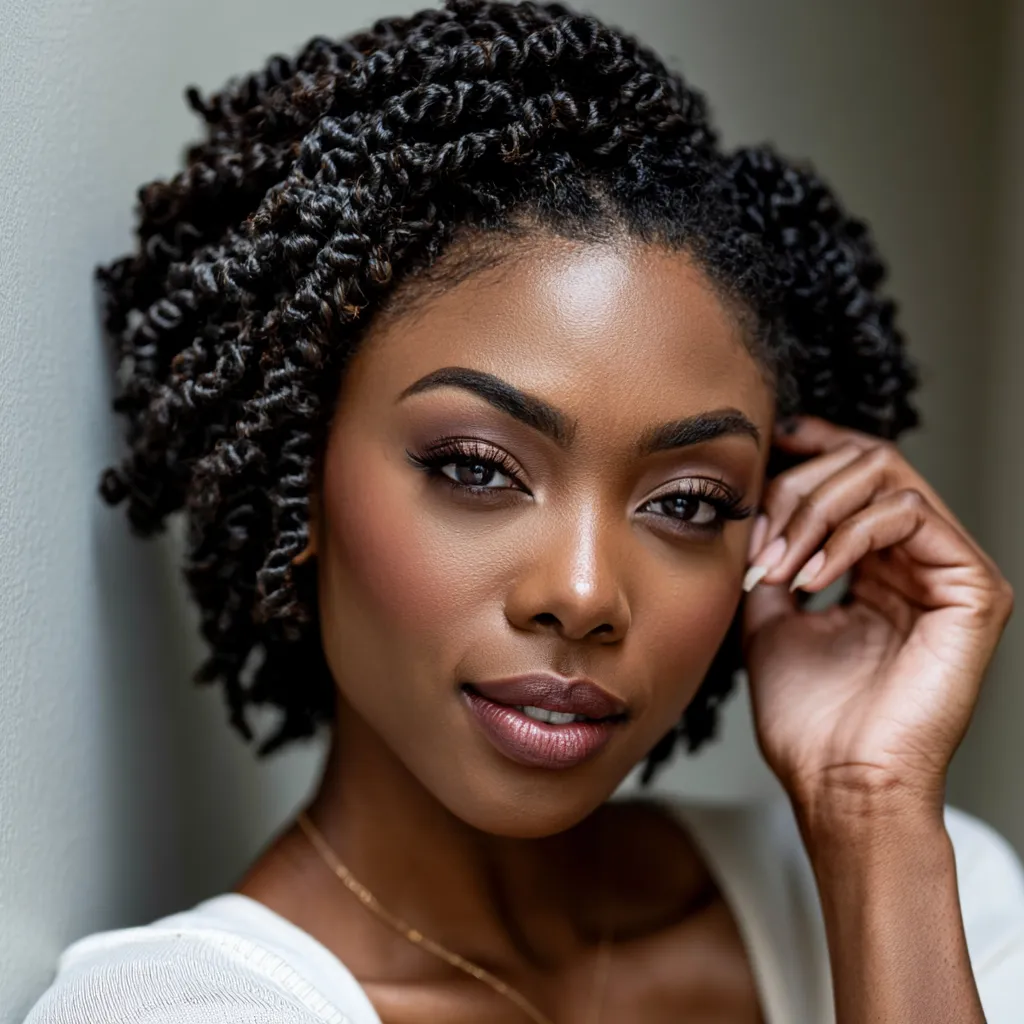




One Side Part Turns Basic Hair Twist Ideas Into an All-Day Look
How to twist hair so it stays swept to one side starts with the part, not the twist. Set it high, roughly level with the arch of the eyebrow, so the weight of each twisted section pulls toward one shoulder instead of springing back to center by midday. Twist on damp hair using a hydrating cream worked from root to tip in even coats, section by section. Skip the temptation to twist tighter for more hold — over-tight twists at the root are the leading cause of tension headaches by hour three, not longer wear.


Cantu Coconut Curling Cream runs $5.99 for a 12-ounce tub at Target, and one tub covers roughly six to eight full installs on shoulder-length natural hair.
A side-swept install pairs naturally with the broader family of two strand twist styles for natural hair, where color and section size do most of the styling work once the twisting technique itself is dialed in. Statement earrings read better against a side-swept twist than against a symmetrical style, since the asymmetry already draws the eye toward one side. A satin scarf wrapped at night keeps the sweep in place; cotton pillowcases pull moisture out of the twist and start the unraveling process by morning.
Does a side-swept twist work on shorter hair? Yes, though the sweep reads shorter and less dramatic below chin length — the asymmetry still shows, just with less visual pull toward the shoulder. On very short natural hair, pin the ends flat with a crossed bobby pin rather than trying to force a sweep with product alone.
Don’t Do This
Don’t twist soaking-wet hair with a heavy butter on top. The extra water weight over-stretches the hair shaft, and as it dries and contracts, the twist loosens from the root outward — usually by the second day, right when it should be at its most defined. Damp hair with a lightweight cream holds the shape as it dries instead of fighting against it.
Flexi Rods Give Natural Hair Twist Ends Curl Without a Blow Dryer
Flexi rods set the curl at the end of each twist without a single pass of a blow dryer or curling iron. Wrap the last two to three inches of a freshly twisted section around a rod, secure by bending the ends together, and leave the rods in for at least six hours or overnight. A 30-piece set of Red by Kiss flexi rods costs about $15.99 and curls every twist on a full head in a single session. Skip pulling the rods out after an hour to check progress — the curl needs the full set time or it unravels within the hour of removal. The relaxed wave that forms by day two reads as natural texture, not a fresh set fighting to hold its shape.



A 30-piece Red by Kiss flexi rod set costs about $15.99 and outlasts several install cycles before the foam cores start losing their shape.
Perm rods do a similar job with a firmer plastic core, producing a tighter, more sculptural curl than the softer bend of a flexi rod. A 10-pack of foam perm rods runs closer to $12. Flexi rods work like a gentle suggestion and perm rods like a firm instruction — both end in curl, but one looks styled and the other looks set. Shoulder length is the sweet spot for this look because the curled ends carry enough weight to hang with movement instead of springing up toward the scalp.
How long does the curl last once the rods come out? A well-set curl on a twist holds for five to seven days before it loosens into a softer wave, longer than the two to three days a curled twist-out typically manages without the rod-setting step. Refresh with a light water mist rather than re-wetting the whole section, which collapses the curl pattern the rods created.
A Low Bun Hides Twist Ends From Humidity and Long Meetings
Low maintenance protective styles for natural hair rarely get simpler than gathering finished twists at the nape and securing them flat. Twist small, damp sections first, since thinner twists gather into a smoother bun than chunky ones, then sweep them back and wrap once at the nape with a soft elastic before pinning down any flyaways. A dab of edge control smooths the perimeter without the crunch that heavier gels leave behind. Skip wrapping the bun too tightly against the scalp — added tension at the hairline for hours at a time is a documented risk factor for hair thinning along the front edge, not just discomfort.


Cantu Extra Hold Edge Stay Gel costs about $3.99 for 2.25 ounces at Target, and a dime-sized amount is enough to smooth an entire hairline without buildup.
A low bun sits comfortably alongside the wider category of protective hairstyles for natural hair, most of which share the same goal of tucking hair ends away from friction and weather. Gold cuffs or a single pearl pin dress the style up for evening without adding bulk at the nape. Humidity actually works in favor of a low bun twist, since the extra moisture in the air keeps twists from drying out and frizzing along the crown the way a looser style would.
How long can a protective style like this stay in before it needs a break? Most protective styles, according to a 2026 Healthline review of protective hairstyling, are worn for about two to four weeks with a rest period in between to let the scalp recover from tension. Hair itself grows around one centimeter a month regardless of the style worn, so a low bun twist mainly protects the length already there rather than speeding anything up.
| Twist Style | Best For | Wear Time | Key Product |
|---|---|---|---|
| Side-Swept Two-Strand Twist | Work or evening events | 1–2 weeks | Cantu Coconut Curling Cream ($5.99) |
| Shoulder-Length Twist, Soft Curled Ends | Everyday volume | 5–7 days curled | Red by Kiss Flexi Rods, 30-pc ($15.99) |
| Low-Bun Twist | Formal settings or humid weather | Up to 2 weeks | Cantu Extra Hold Edge Stay Gel ($3.99) |
THE TAKEAWAY
The twist itself barely changes — damp hair, one product, patience. The finish is the only real variable.
Side-swept twists photograph best against a $6 curling cream and a high side part.
Flexi rods turn plain twist ends into soft curl for about $16 a set, no heat required.
A $4 edge control gel and a low bun buy two full weeks before a single twist needs a redo. Save this post before wash day so the products and timing are one tap away.