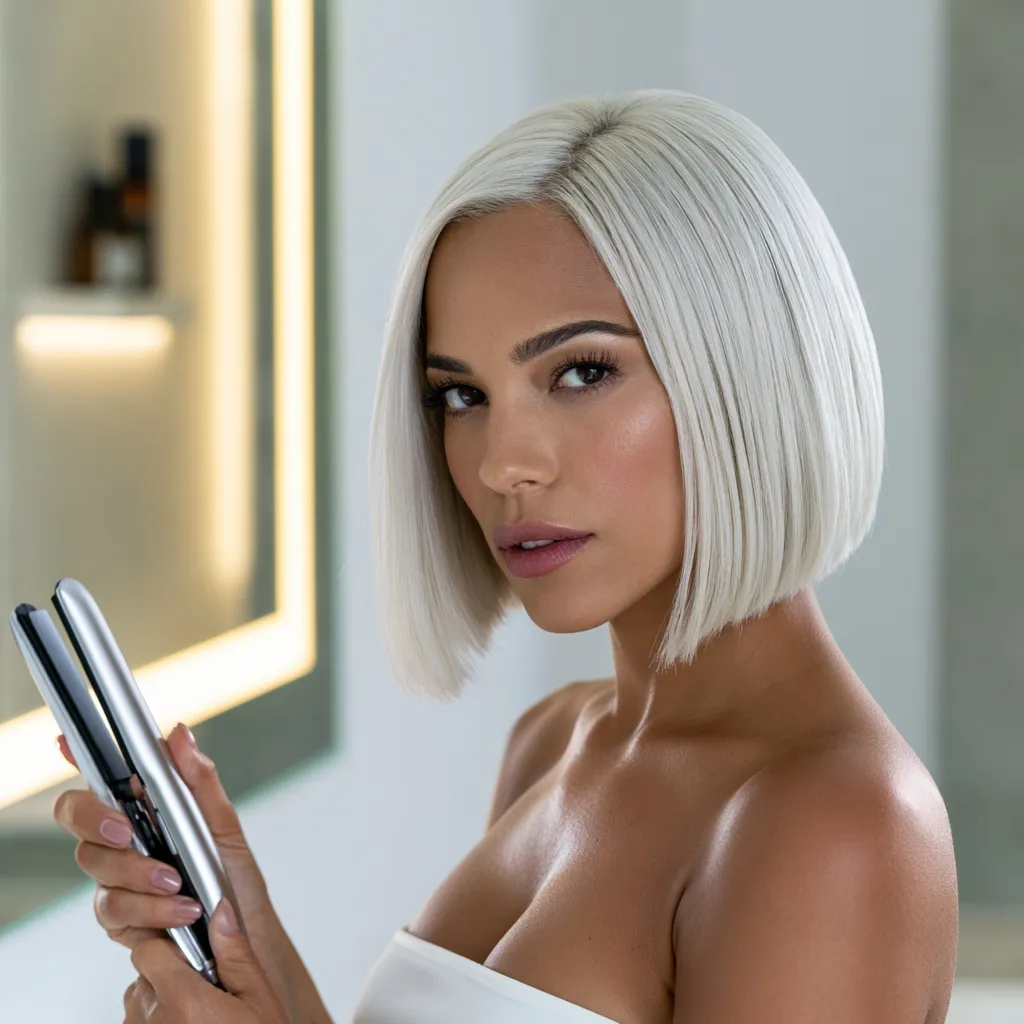
Protective styles for natural hair with thick, coarse texture behave differently than they do on finer strands — and that difference works in your favor. Coarse hair grips braids and twists from the inside, extending wear time to 6–8 weeks for box braids and up to 10 weeks for micro-sized installations, compared with 4–6 weeks on finer textures. The structural density that makes coarse hair feel like work to style is the exact property that makes protective styling pay off harder.
Color is what turns a functional protective style into something worth photographing. Auburn braids catch warm light with a glow that looks editorial against dark or medium complexions. Honey blonde twists add length illusion. Jet black updos compress all that coarse volume into sculptural forms that read formal or fashion-forward depending on the finishing. Each section below covers one of these three directions — what makes it work, what kills it, and what to buy.
Stylists consistently recommend building every protective install on freshly deep-conditioned hair. Dry strands going into a braid or twist will be even drier at the root six weeks later — and the takedown becomes a breakage event rather than a refresh. A protein-moisture balance check before install is not optional on coarse hair; it’s the difference between retention and regret.
– Box braids on coarse natural hair last 6–8 weeks — up to 10 weeks on tightly coiled textures in smaller sizes
– Auburn braids photograph with a warm glow that plays well against deep skin tones; color-safe shampoo extends vibrancy
– Honey blonde Senegalese twists run $125–$175 at mobile braiding services; deep-condition before install to lock moisture in coarse strands
– Jet black updos tuck ends completely, the single most protective mechanical action for coarse hair that breaks at the tips
– Satin bonnet every night adds 2–3 weeks of wear on any of these three styles — no product outperforms that one habit
– Healthline’s medically reviewed guide flags traction alopecia as the primary risk; lightweight extensions and loose tension at the root prevent it
Auburn Braids Earn Their Color Where Coarse Natural Hair Protective Styles Perform
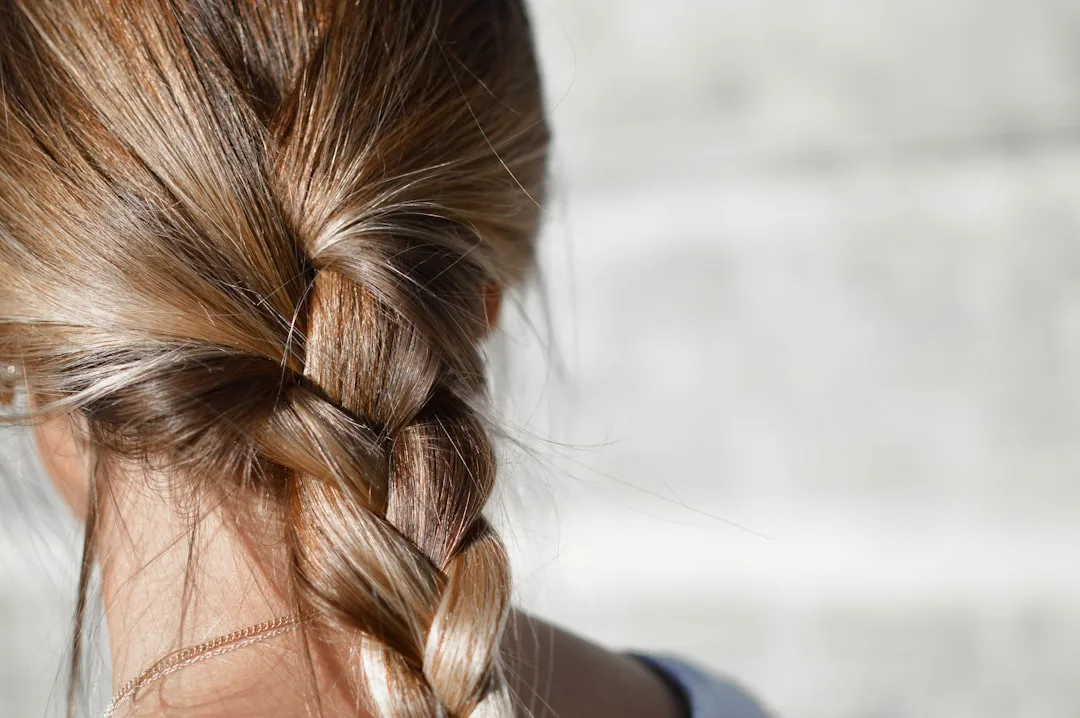
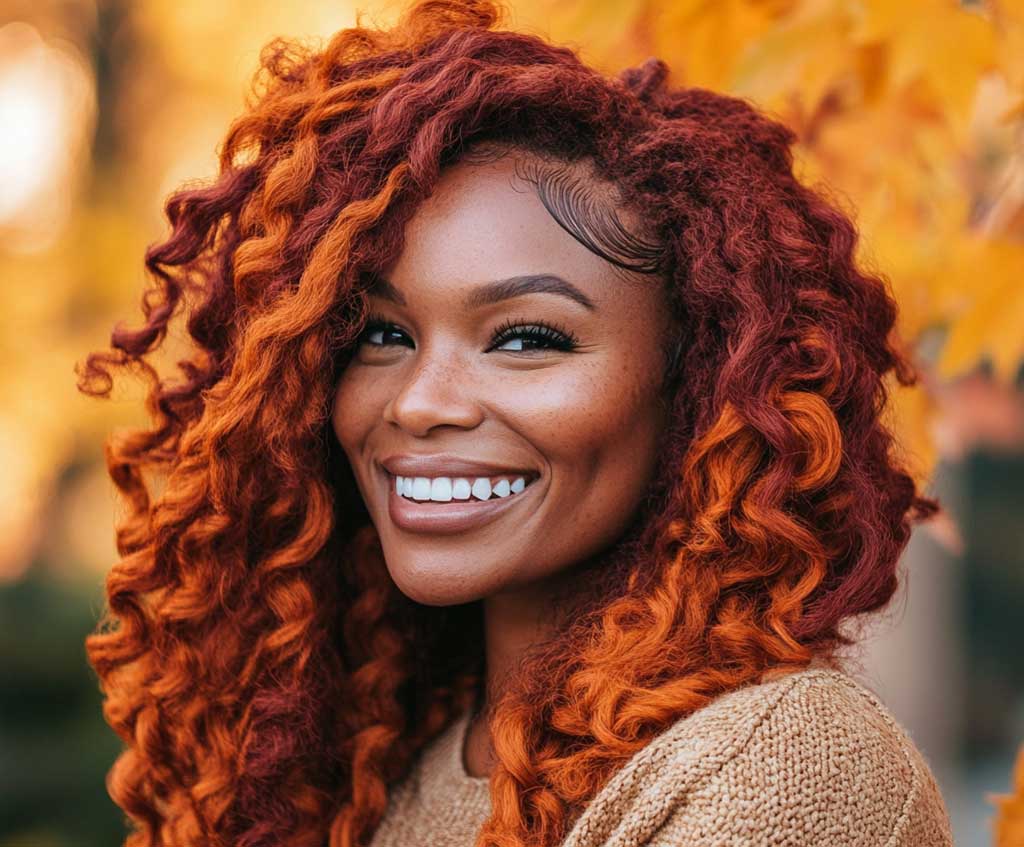
Auburn braids on thick, coarse natural hair work because of a specific structural advantage: coarse strands grip synthetic or human hair extensions tighter than fine textures do, which is why stylists report that people with tightly coiled, dense hair often push box braids past the standard 6-week mark to 8 or even 10 weeks. That longevity matters when the color investment is already built into the style. Auburn is a warm reddish-brown range that hits particularly well against medium and deep skin tones because the warmth creates contrast without clashing — something cooler reds or silvers can’t replicate as reliably.
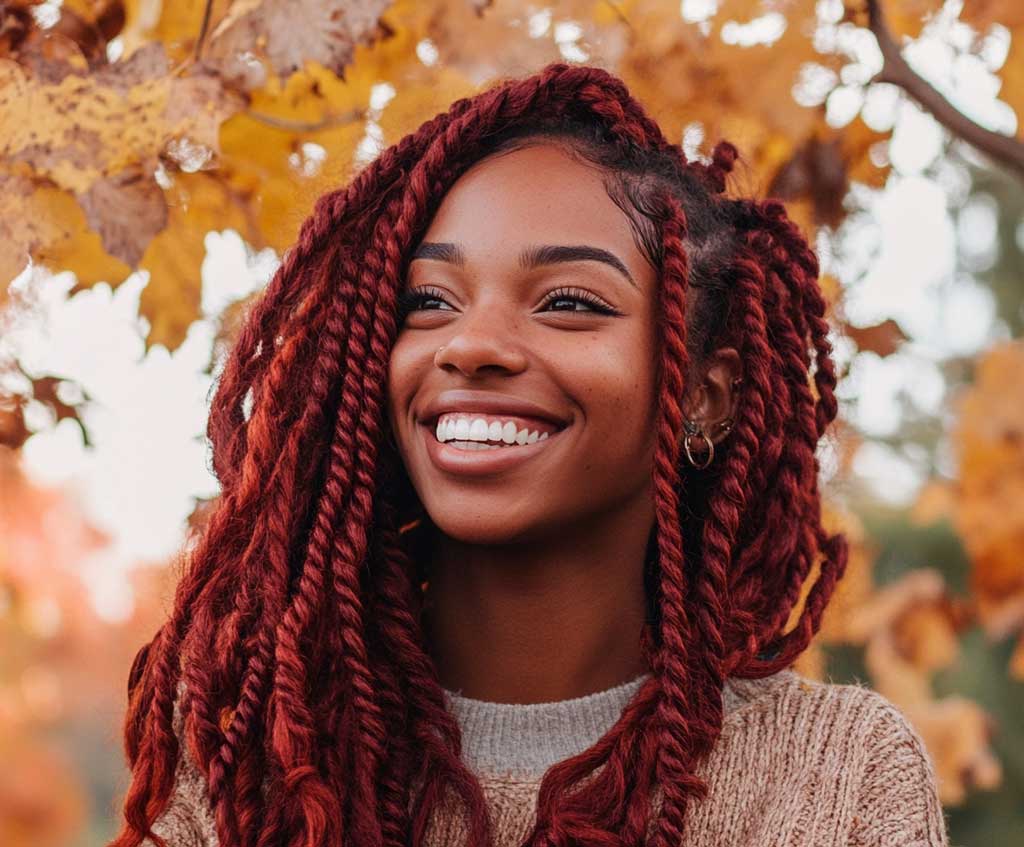


A mix of cornrows at the crown transitioning into box braids at the back is the approach that stylists recommend most for coarse thick hair specifically. Cornrows at the top reduce bulk and keep the silhouette flat — important when the hair’s natural density would otherwise push extensions outward and create a heavier-looking part line. Box braids flowing from the nape give length and movement. The combination also allows for multiple styling positions: pulled into a high bun, half-up with braids loose at the front, or full down for a statement wear. Try this on freshly moisturized hair after a deep conditioning treatment; the moisture barrier inside the braid slows drying and frizz at the root over the following weeks.
Auburn color in synthetic braiding hair sits most naturally in medium warm-brown bases — look for labels that read auburn, copper-brown, or 30 on the standard shade chart. Pure red braiding hair without the brown undertone can read orange once installed, especially in direct outdoor light, which is a different and less flattering result. Color-safe shampoo used every 10–14 days along the scalp extends vibrancy and avoids the fading that strips the warmth out and leaves dull, muted strands by week four. The color works beautifully with gold cuffs and beads at the ends — accessories that sit at the tips rather than at the root minimize any tension at the follicle while adding visual weight to the style.
What does not work with auburn braids on coarse hair is installing extensions that are too heavy for the section size. Thick coarse natural hair is resilient, but adding several feet of bulky synthetic hair to each small section creates cumulative tension that builds over weeks — this is the traction alopecia mechanism that dermatologists flag most frequently with long, heavy installs. Keep individual braid sections medium-sized or larger. If you want a fuller look from more braids, ask your stylist to use a knotless technique, which distributes the extension weight along the length rather than concentrating it at a tight knot at the root.
Honey Blonde Twists and the Length Illusion on Thick Natural Hair
Senegalese twists in honey blonde do something visually specific that darker shades on coarse natural hair cannot: light tones catch from multiple angles simultaneously, making the same length of twist read as two to three inches longer in photographs and in mirrors. Stylists and session photographers have noted this effect in natural hair shoots repeatedly — it’s why honey blonde keeps appearing on natural hair Pinterest boards even for people whose base color is deep brown or black. The rope-like structure of a Senegalese twist shows the color’s full range of values because each wrapped strand catches light at a slightly different angle, creating depth without highlights or gradient dye.


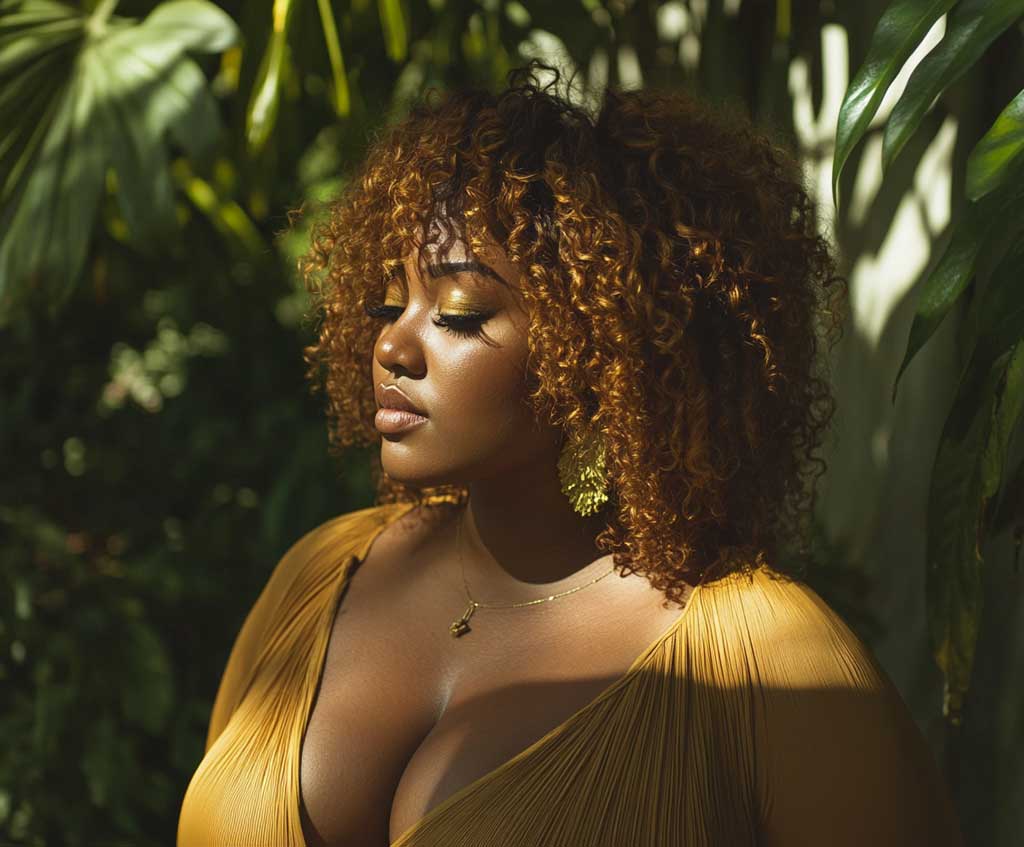
Senegalese twists installed at a mobile braiding service like Unruly run $125–$175 depending on length, with a full install taking roughly 4–6 hours in the chair. With proper maintenance — satin bonnet nightly, light scalp oil applied 2–3 times per week — these twists last 6–8 weeks on coarse hair. The coarse texture grips the extension hair consistently along the twist’s length, which means the style stays neater longer than it would on a finer curl type. How do you know when it’s time to take them down? When the new growth at the root has matted noticeably against the extension base — usually around the 8-week mark — removal becomes harder and the takedown risk to your natural hair goes up sharply.
The product choice at install matters more for honey blonde than for darker shades. Gel-based twisting products flatten the tonal quality of light colors by creating a uniform surface sheen — the dimensional warmth disappears. A butter-based cream like Camille Rose Naturals Almond Jai Twisting Butter ($12) or Mielle Organics Pomegranate Honey Twisting Soufflé ($14 at Target) keeps each strand’s surface soft enough to catch light at varied angles, which is what preserves the honey effect. Apply on hair that is about 80% dry rather than soaking wet; wet installation over-swells each strand and creates frizz by day two that dulls the color’s impact before the style has even settled.
Gold cuffs and pearl pins pull from the warm metallic tones in honey blonde rather than competing with them — this is the accessory rule that works here. Silver or chrome hardware creates a color temperature clash that makes the warm shade read yellower or brassier than it actually is. For maintenance, seal the ends of the twists weekly with argan oil rather than coconut oil; argan penetrates the shaft while coconut sits on the surface and attracts lint. You can explore more detail on twist installation and wear-time on coarse hair in this article on two strand twist styles for natural hair, which covers product picks and texture-specific timing across 3a–4c curl types.
Don’t use rubber bands or latex elastics directly against your strands. Even one use can create a fracture point at the hairline on coarse hair — the damage is subtle and cumulative. Satin scrunchies or fabric-covered elastics only.
Don’t extend any style past 8 weeks. New growth mats against the extension base and the takedown becomes a breakage event. The style’s function is protection; past that window it starts working against you.
Don’t skip scalp cleaning inside the style. Dilute a sulfate-free shampoo in a spray bottle with water at a 1:3 ratio, apply directly to the parts every 10–14 days, and rinse. Buildup inside a protective style blocks the follicle and causes the itching and tenderness that force early removal.
Jet Black Updo Protective Styles for Natural Hair Compress Volume Into Something Architectural
A jet black updo on coarse natural hair does something no other color-style combination replicates: it turns volume into structure. The density that makes thick coarse hair feel unmanageable in an open style becomes the exact raw material an updo needs — enough hair to build real height at the crown, enough weight to hold a chignon in place without a dozen pins, enough texture to create grip at every anchor point. Jet black deepens all of that by absorbing light rather than reflecting it, which gives the shape itself maximum visual impact rather than the surface sheen.
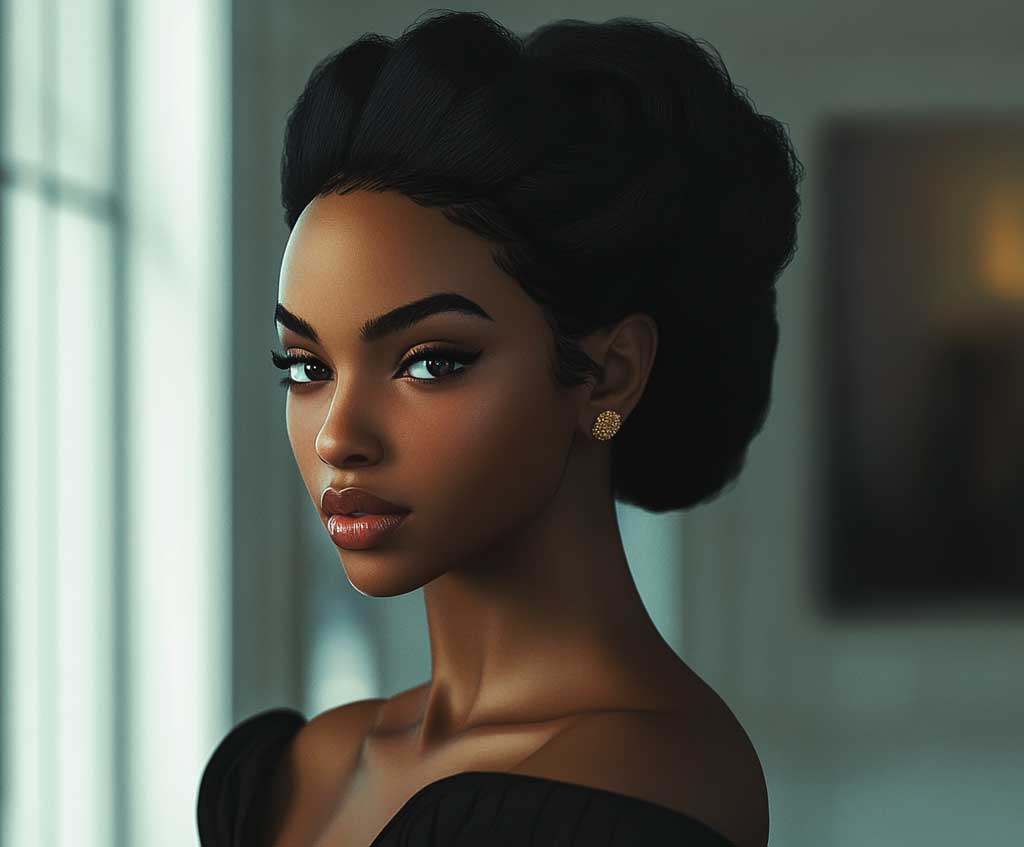
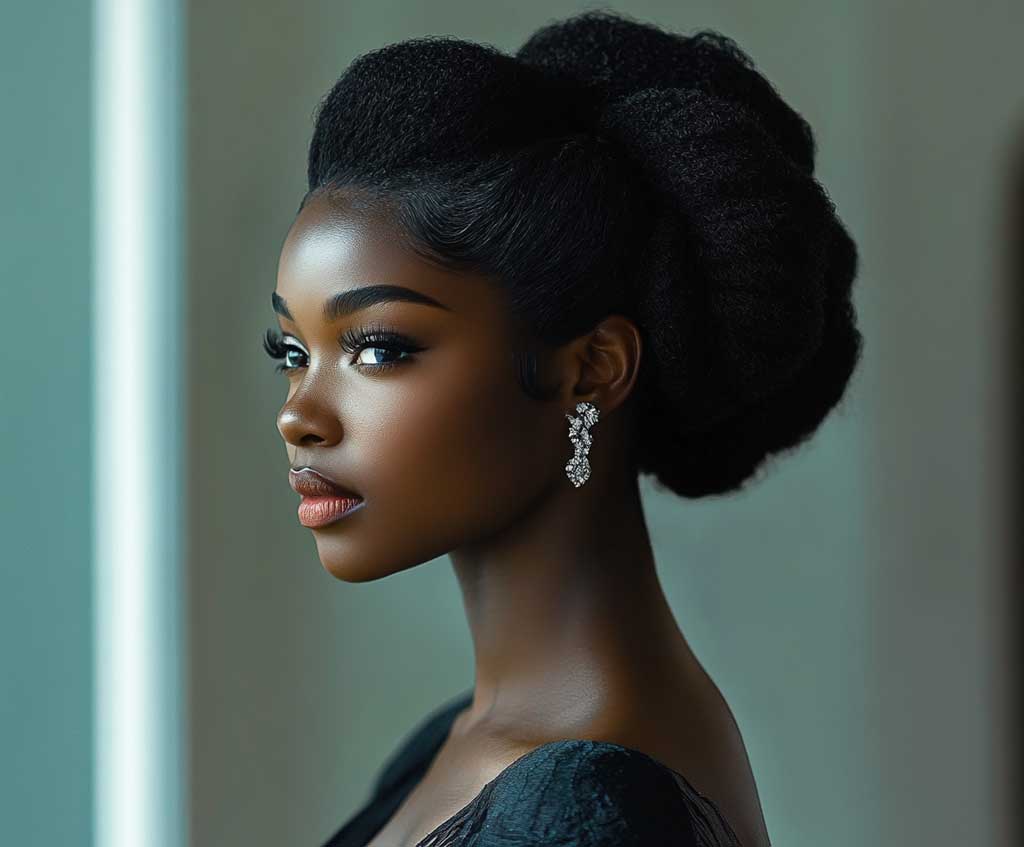

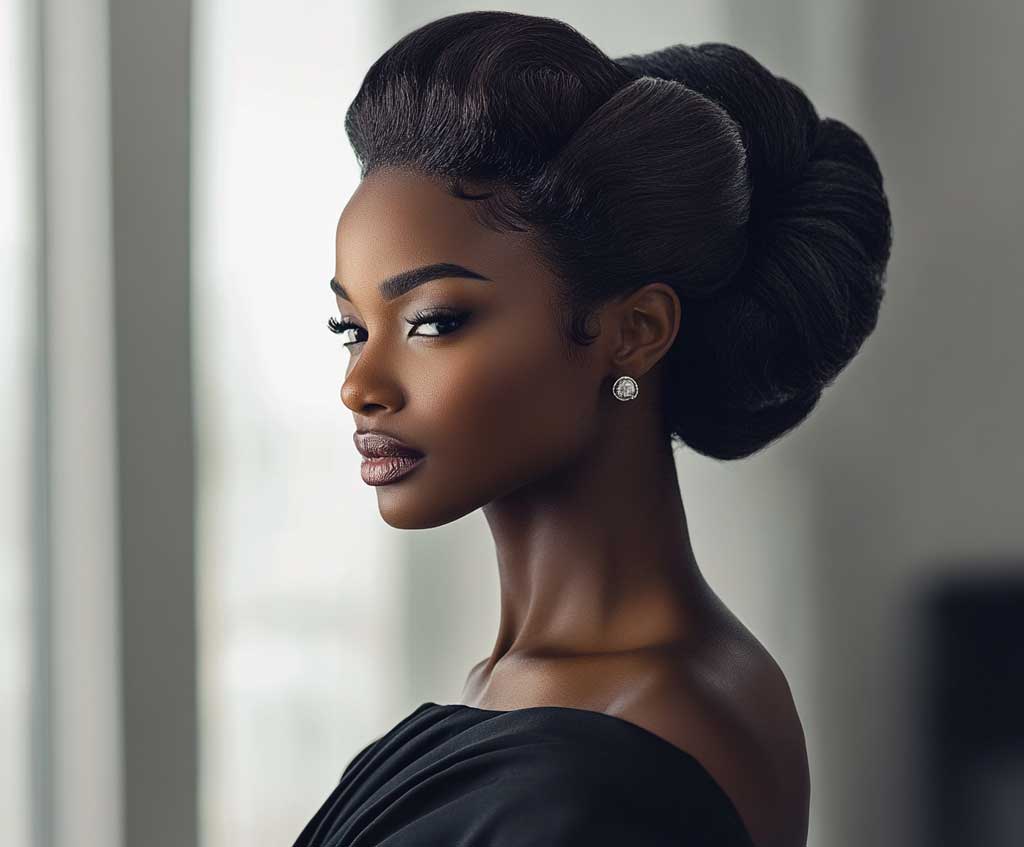
Updos are mechanically the most protective format for coarse hair that experiences tip breakage. Ends on coarse natural hair are the oldest section of the strand — they’ve been through every wash, every manipulation, every weather event the hair has encountered — and the updo tucks them completely away from friction and environmental exposure. Healthline’s medically reviewed guide to protective hairstyles notes that hair grows roughly 1 centimeter per month on average; the updo’s end-tucking action means more of that growth is retained rather than lost to tip damage before it becomes visible length. A well-installed low bun refreshed at night with a satin bonnet can last 4–7 days, making it the fastest-to-execute protective style in this article at zero cost beyond the accessories.
Creating volume at the crown while keeping the sides pinned close to the head gives the high bun its regal proportion — the contrast between width at the top and sleekness at the sides is what makes it read elevated rather than rushed. Eco Styler Olive Oil Gel ($4 at most drugstores) works for sleek edges on coarse hair without the flaking that heavier gel formulations leave on darker strands. Apply along the hairline with a soft boar-bristle brush before pinning. For a formal finish, a few drops of lightweight shine oil pressed along the surface of the bun deepens the jet black tones and creates a lacquered finish that photographs well under artificial light — which is exactly the scenario a high bun gets deployed for most.
The one failure mode worth naming: using heat to sleek a coarse natural updo without a heat protectant first. The appeal is obvious — a flat iron or blow dryer on the surface makes the bun look more polished in person. But jet black coarse hair that’s been heat-stressed over several styling sessions shows damage as dullness, not as breakage — the strands lose their light-absorbing depth and start reading brownish or faded, which defeats the entire visual argument for the color. Try this instead: stretch the hair the night before with braids or twists rather than direct heat, then gather into the updo on already-stretched strands. The result is nearly as smooth, and the jet black stays dense. For inspiration on pairing protective updo structures with year-round maintenance habits, the coverage at protective hairstyles for natural hair that actually last goes into nighttime care routines in practical detail.
| Style | Color | Wear Time (Coarse Hair) | Key Risk |
|---|---|---|---|
| Box / Knotless Braids | Auburn | 6–10 weeks | Heavy extensions cause traction at root |
| Senegalese Twists | Honey Blonde | 6–8 weeks | Gel products flatten color dimension |
| High Bun / Updo | Jet Black | 4–7 days per set | Heat-sleek without protectant kills color depth |
Protective styles for natural hair work best when the decision about tension and product is made before the install, not after. For a comprehensive breakdown of how thick and coarse natural hair responds to heavy versus lightweight extension installs, Healthline’s medically reviewed guide to protective hairstyles covers traction risks, scalp care inside a style, and how long each category can be safely worn.
Bottom Line
Coarse Natural Hair Protective Styles Pay Off Most When Color Isn’t an Afterthought
Auburn braids can last 8–10 weeks on coarse, thick hair — longer than on any other natural texture. The density that feels like friction on wash day is the same property that locks extensions in place and makes the color read warmer and richer against the strand.
Honey blonde Senegalese twists at $125–$175 installed create a length illusion that no other shade achieves on the same style, and coarse hair holds the twist’s structure longer than finer textures. Jet black updos compress volume into architecture — and the end-tucking action protects the oldest, most fragile part of the strand from the daily friction that quietly destroys length.
Satin bonnet every night. Scalp oil 2–3 times a week. Takedown by week 8 maximum. Save this post before your next install appointment and show your stylist the specific color reference — it’s the fastest shortcut to getting the exact result in the photos.