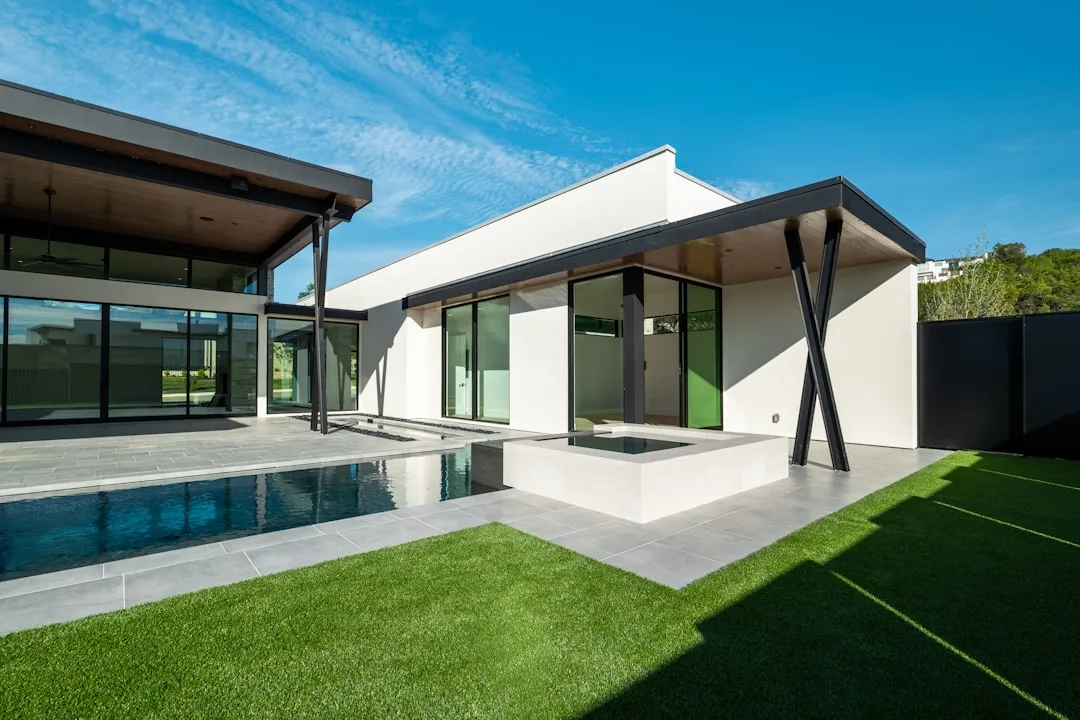
In June 2026, the National Association of Home Builders released survey data showing that 68% of builders in high-cost metros now offer accessory dwelling unit (ADU) packages as standard add-ons to new construction. Accessory dwelling units boost property value by creating immediate rental revenue while appreciating the primary home itself. This is not a speculation trend—it’s a structural shift driven by housing affordability crisis, millennial inheritance patterns, and zoning law liberalization across 41 U.S. states.
Why Accessory Dwelling Units Boom Right Now
California legalized ADUs statewide in 2020, but the real catalyst arrived in 2024 when Oregon, Washington, Minnesota, and Massachusetts eliminated single-family zoning restrictions. By July 2026, 19 additional states had followed suit. ADUs are no longer a workaround—they’re now the default strategy for maximizing lot yield.
A homeowner in Portland with a $680,000 property can add a 800-square-foot detached ADU for $220,000–$280,000 (depending on labor costs and permit fees in that region). That secondary unit rents for $1,800–$2,200/month in 2026, generating $21,600–$26,400 annually. The primary home’s value climbs 12–18% within 18 months post-completion because appraisers now factor in documented rental income streams.
This replaces the old equity-building playbook where homeowners waited 10–15 years for natural appreciation.
Quick Tips
- Check your local zoning code first—ADU legality varies by county, not just state
- Budget for a surveyor ($600–$1,000) and civil engineer ($1,500–$3,000) before contractor bids
- Secure financing through a home equity line of credit (HELOC) or ADU-specific construction loan—standard mortgages exclude secondary units
- Hire a real estate attorney to navigate rental agreements; 5 Reasons to Know a Real Estate Attorney Even When Not Selling Your Home covers liability shielding
- Plan utility separation (electric, gas, water meter) into your budget—shared systems complicate appraisals
ADU Design Formats and ROI Comparison
| Format | Build Cost | Monthly Rent & Payback |
|---|---|---|
| Detached cottage (800 sq ft) | $220k–$280k | $1,800–$2,200 / 11–13 years |
| Garage conversion (600 sq ft) | $120k–$160k | $1,400–$1,700 / 8–10 years |
| Basement apartment (750 sq ft) | $90k–$140k | $1,200–$1,500 / 7–9 years |
| Prefab modular ADU (700 sq ft) | $180k–$240k | $1,600–$2,000 / 10–12 years |
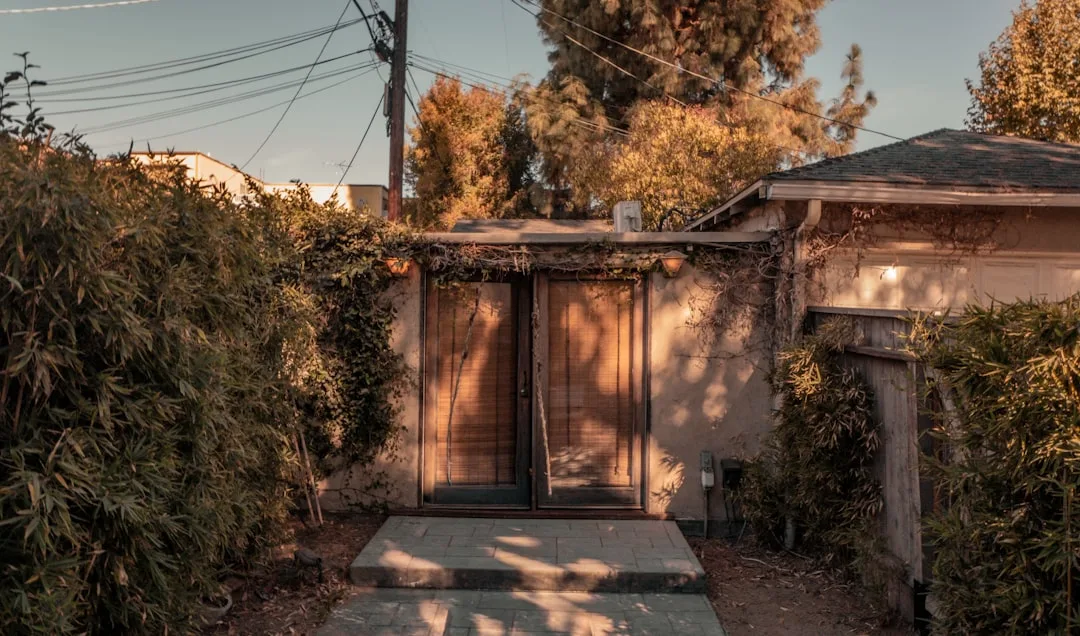
Detached cottages command the highest rents because they feel like standalone homes—tenants pay 8–12% premiums over basement or garage units. Garage conversions deliver the fastest payback because structural work is minimal.
Modular ADU companies like Plant Prefab and Method Homes have standardized the detached format, cutting design costs from $15,000–$25,000 to $3,000–$8,000. Their units arrive 80% built, reducing on-site labor by 40%.
The Mistake Most Homeowners Make
The number-one failure is underestimating utility separation costs. A homeowner in Seattle invested $240,000 in a detached ADU, assuming water and sewer were already split from the primary home.
The inspector discovered a single meter system serving both structures. Separating water, sewer, and electric added $18,000 and delayed occupancy by 8 weeks. The project broke even 14 months later instead of 10—a costly assumption.
Always budget 15–20% contingency and hire a civil engineer before signing contractor agreements. This single step prevents $10,000–$30,000 surprises.
Market Data Reshaping Appraisals and Financing
Fannie Mae updated its appraisal guidelines in March 2026 to explicitly allow income-producing ADUs in primary residence valuations. Previously, appraisers treated secondary units as speculative add-ons.
Now, a $700,000 home with a $2,000/month ADU may appraise at $800,000–$830,000 because lenders can document 24+ months of actual rental history (or conservative 80% occupancy projections for new units). This is a structural change: the property itself becomes a small multifamily asset, not just a house.
Lenders including Guaranteed Rate and Wells Fargo now offer ADU-specific construction loans with terms up to 20 years. Previous options maxed out at 7–10 years. Longer amortization means $200–$350/month lower payments on a $250,000 ADU build.
Zoning and Legal Reality Check
Although 41 states have ADU-friendly laws, local implementation is chaotic. Denver allows ADUs citywide but caps them at 800 sq ft and requires owner occupancy of the primary residence. Austin permits multiple ADUs per lot—some homeowners now stack two units on single-family lots.
Check your city’s ADU design guidelines, setback requirements, and parking mandates before spending on design fees. Some jurisdictions require 1–2 parking spaces per unit; others eliminated this requirement entirely in 2025. Wrong assumptions cost $8,000–$15,000 in redesign.
A real estate attorney experienced in your local ADU code (not a general property lawyer) is essential. Essential Tips for Selecting Your Ideal Real Estate Home emphasizes due diligence before investment, and ADU legality is that foundation.
Tenant Selection and Rental Risk Management
ADUs typically attract three renter profiles: young professionals seeking affordable housing, graduate students, and family members (parents or adult children). Screening is identical to traditional rentals—credit checks, income verification (typically 3x monthly rent), and reference calls.
Landlord insurance for accessory units costs an additional $300–$600/year over standard homeowners coverage. Some policies exclude ADU rental income; others require a separate landlord policy. This matters when insuring $240,000 in improvements.
Vacancy rates in ADU markets average 5–8%, meaning expect 2–4 weeks between tenants annually. Budget $1,500–$3,000/year for maintenance, appliance replacement, and repairs—ADU tenants treat the space like renters do, not owners.
This lifestyle shift redefines property wealth-building: your home becomes both a residence and a micro-multifamily business. Accessory dwelling units boost property value by 15–25% while generating $12,000–$31,200 in annual income—a combination unavailable through traditional home equity strategies five years ago.
Related Topics