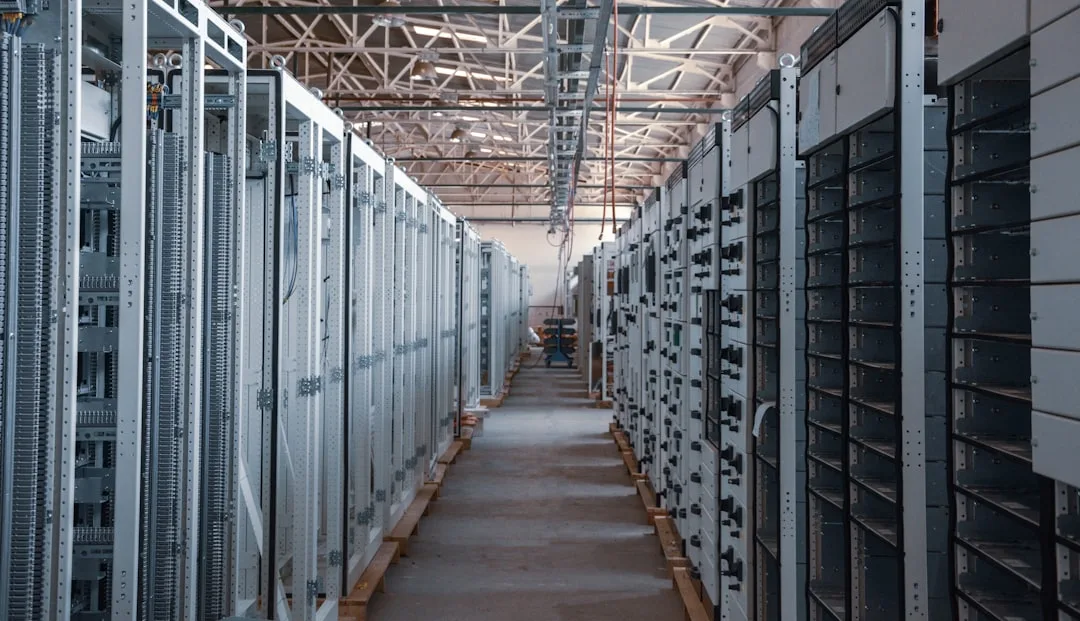
While office landlords across America debate conversion strategies and mixed-use repositioning, a quiet upheaval is reshaping where billions in capital actually flow. Dallas has emerged as the leading global market for data center development, while Houston and across Texas remain highly active hubs driving significant power demand growth tied directly to AI infrastructure expansion. This is not incremental growth—this is capital completely rotating away from struggling office sectors. Understanding data center real estate investment means grasping why traditional real estate assumptions are now dangerously outdated.
Why Dallas and Texas Dominate Data Center Development
Dallas did not become the world’s leading data center market by accident. The city offers a convergence of factors that made it irresistible for infrastructure investors: abundant electricity capacity, lower land costs than coastal alternatives, existing interconnection infrastructure, and favorable regulatory conditions. Most large ERCOT interconnection requests tied to data centers confirm this regional momentum is real and accelerating.
Houston mirrors this trajectory, with data center development continuing to drive substantial growth projections. Texas as a state has positioned itself as the backbone of North American AI infrastructure, fundamentally shifting commercial real estate capital allocation away from downtown office towers.
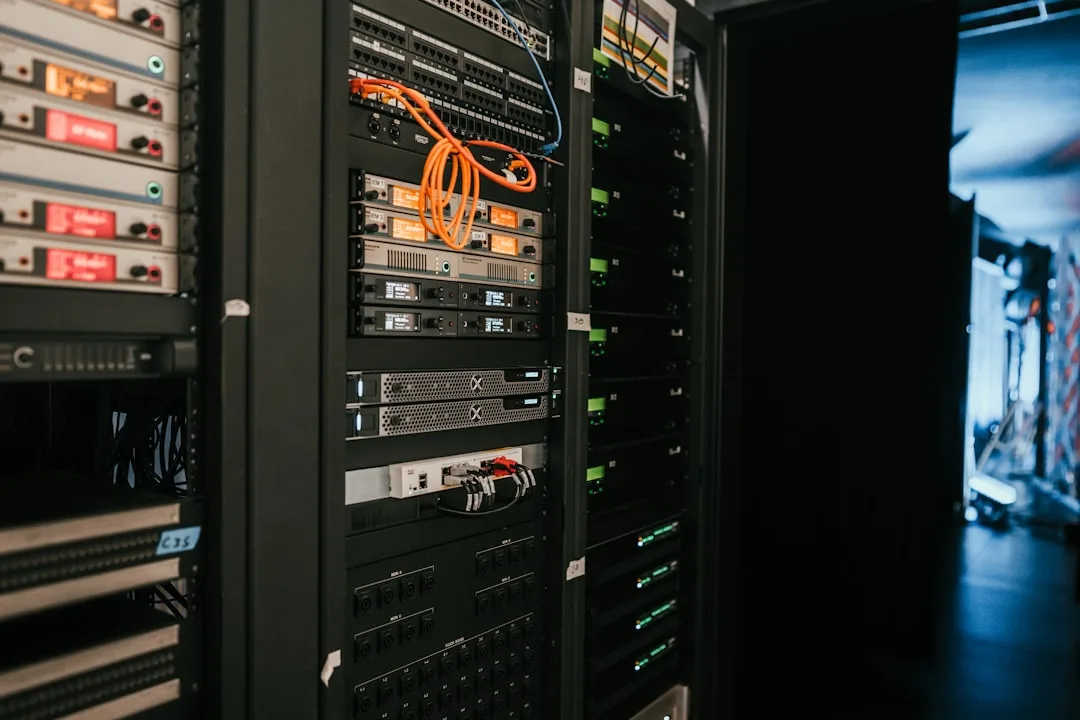
The power grid itself tells the story. ERCOT interconnection requests—the formal process data center operators use to connect to the grid—are dominated by AI infrastructure projects, not traditional office tenants or retail spaces.
Quick Tips
- Monitor ERCOT interconnection requests to track data center pipeline activity in Texas markets
- Track Atlanta development momentum—data center activity continues leading commercial real estate there
- Assess your portfolio’s exposure to office versus data center infrastructure assets
- Review your market’s power capacity constraints before assuming traditional office will stabilize
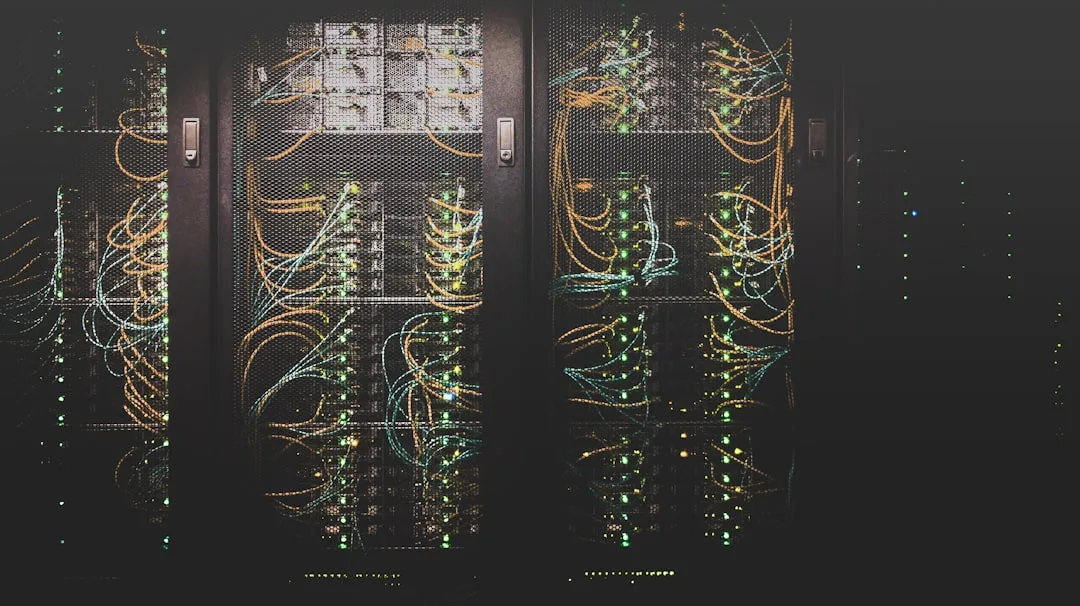
Atlanta and Coastal Markets Show Consistent Data Center Momentum
Atlanta is not Houston or Dallas, yet data center development continues leading commercial activity in this key Southeastern market. This geographic diversity proves the trend is not a Texas phenomenon—it is national and accelerating.
Key coastal markets are similarly reshaping their CRE priorities, with capital flows tracking away from downtown office corridors toward industrial-zoned data center facilities. The pattern repeats: wherever power infrastructure and land availability align, data centers arrive.
| Market Region | Primary Growth Driver | Office Fundamentals |
|---|---|---|
| Texas (Dallas/Houston) | Data center development leading | Elevated vacancy persists |
| Atlanta Southeast | Data center activity continues | Uneven fundamentals across submarkets |
| Coastal Markets | Infrastructure investment acceleration | Valuation pressure remains |
| Midwest | Data center investment continued | Industrial stabilizing reliably |
The Critical Mistake Investors Are Making Right Now
Here is what seasoned real estate investors are getting dangerously wrong: they assume traditional office and mixed-use development will recover as financing improves, missing entirely that capital is aggressively rotating toward data center infrastructure to support AI expansion. This is not a recovery story for office buildings—it is a permanent reallocation.
Consider a concrete example: an investor with a portfolio of downtown Class-B office assets in a secondary market observes improved lending conditions in mid-2026. They assume this signals office demand will normalize, so they refinance at attractive rates and hold. Meanwhile, data center developers two towns over are already under construction with pre-leases from major tech companies, and institutional capital is flooding toward those projects instead.
The mistake is treating office recovery as inevitable. It is not. Even more scarcity of available prime office space is expected by year-end 2026, but scarcity does not equal demand recovery—it signals further consolidation and downsizing among remaining tenants.

Commercial Real Estate Investment Surge Reflects Infrastructure Priorities
Overall commercial real estate investment activity is expected to increase by 16% in 2026 to reach $562 billion—a genuinely significant expansion. But this headline growth masks a deeper story: the surge in AI infrastructure investment reveals precisely where that growth is concentrating.
That $562 billion in 2026 investment is not distributing evenly across office, industrial, and retail. It is clustering aggressively toward data center facilities and the industrial sectors supporting them. Office fundamentals remain uneven, with certain markets still experiencing elevated vacancy and valuation pressure even as total CRE investment rises.
Growth in the living sector and data centers is expected amidst improving financing conditions. The living sector represents residential multifamily assets, which are stabilizing differently than office. But data centers are the genuine acceleration story fueling investment velocity.
Why Industrial Stability Matters as Offices Struggle
Industrial real estate has stabilized as a consistent, reliable performer across most regions—and that consistency is no accident. Industrial properties support supply chains, last-mile logistics, and increasingly, data center support infrastructure.
Office landlords watch their vacancy rates climb while industrial developers maintain occupancy rates and steady tenant demand. This is not cyclical—it reflects structural shifts in how businesses use physical space. Essential Tips for Selecting Your Ideal Real Estate Home applies to investor decision-making as much as residential buyers.
The divergence tells the real story. When office is struggling and industrial is reliably performing while data centers accelerate, institutional capital allocation naturally follows performance, not hope. 5 Reasons to Know a Real Estate Attorney Even When Not Selling Your Home becomes increasingly relevant for complex infrastructure asset transactions.
Positioning Your Portfolio for the Data Center Era
The practical implication is stark: investors who continue assuming office recovery will miss the data center acceleration unfolding now. The capital allocation question for 2026 is not whether office will recover—it is whether your portfolio is positioned to capture the infrastructure growth actually happening.
Texas markets offer the most direct exposure due to power infrastructure dominance and clear development pipelines. Atlanta and coastal markets provide geographic diversification for data center exposure. Industrial assets tied to supply chain and logistics continue performing reliably, offering defensive portfolio balance.
This is where commercial real estate growth is actually concentrating in 2026, and ignoring that reality amounts to betting against the capital flows actually reshaping the industry.