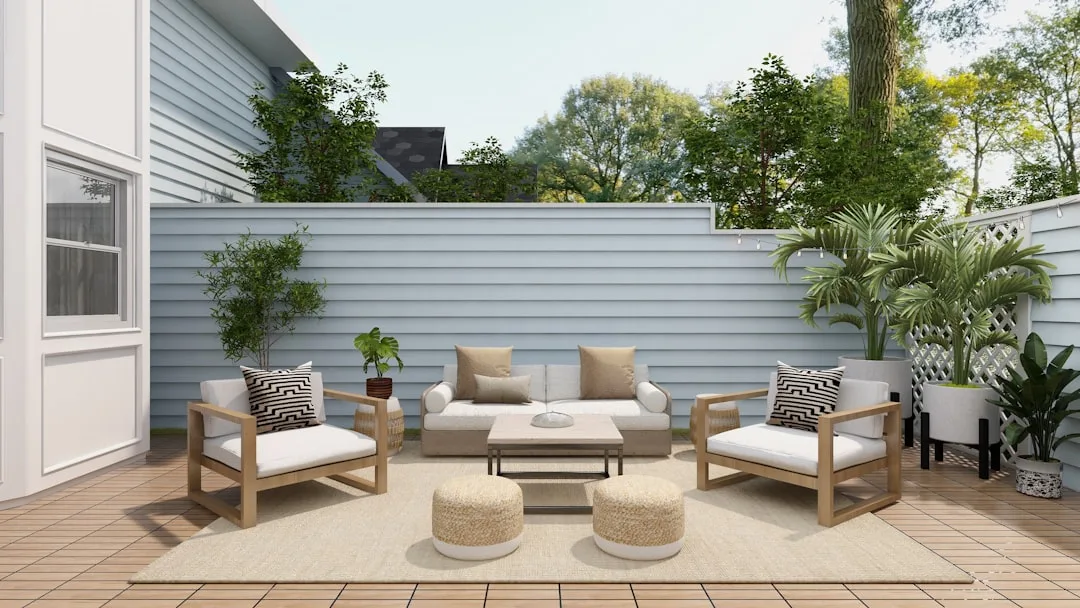
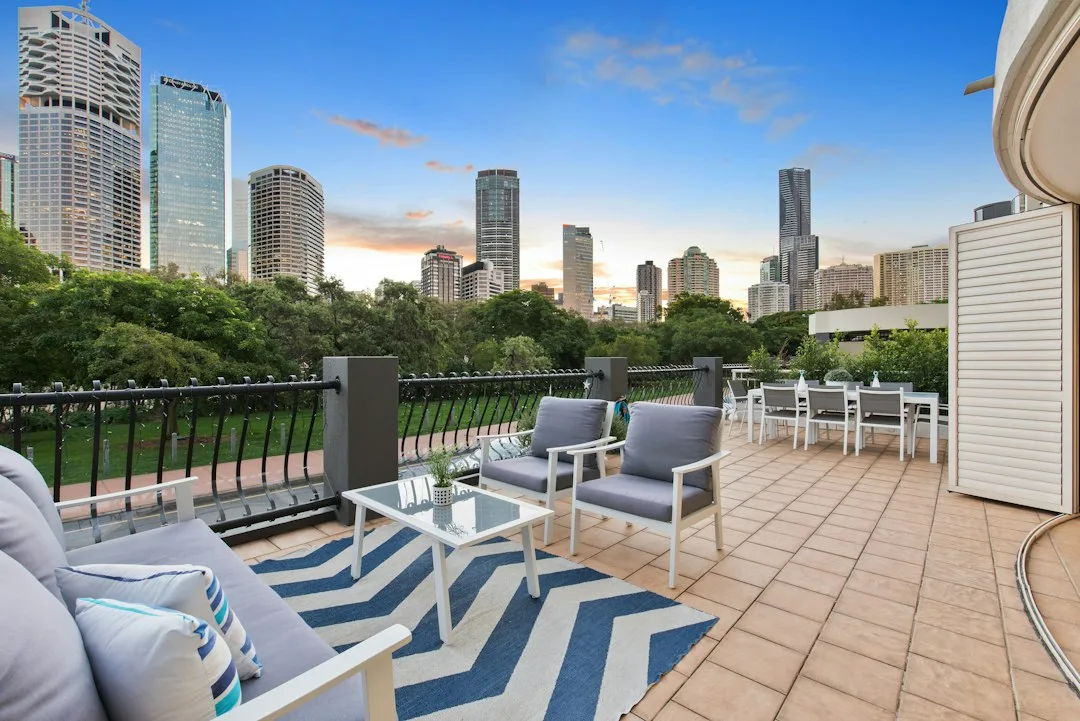
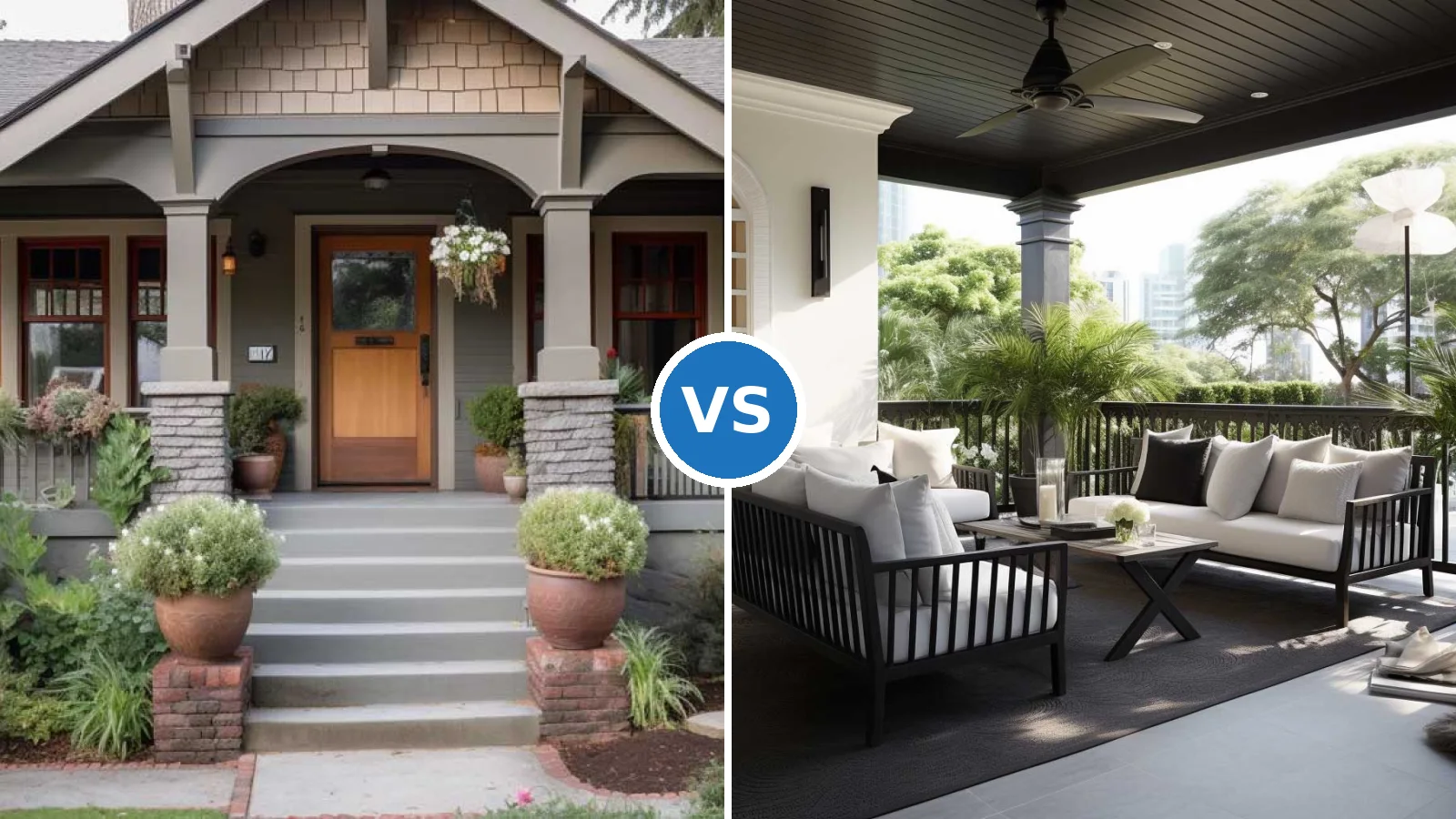
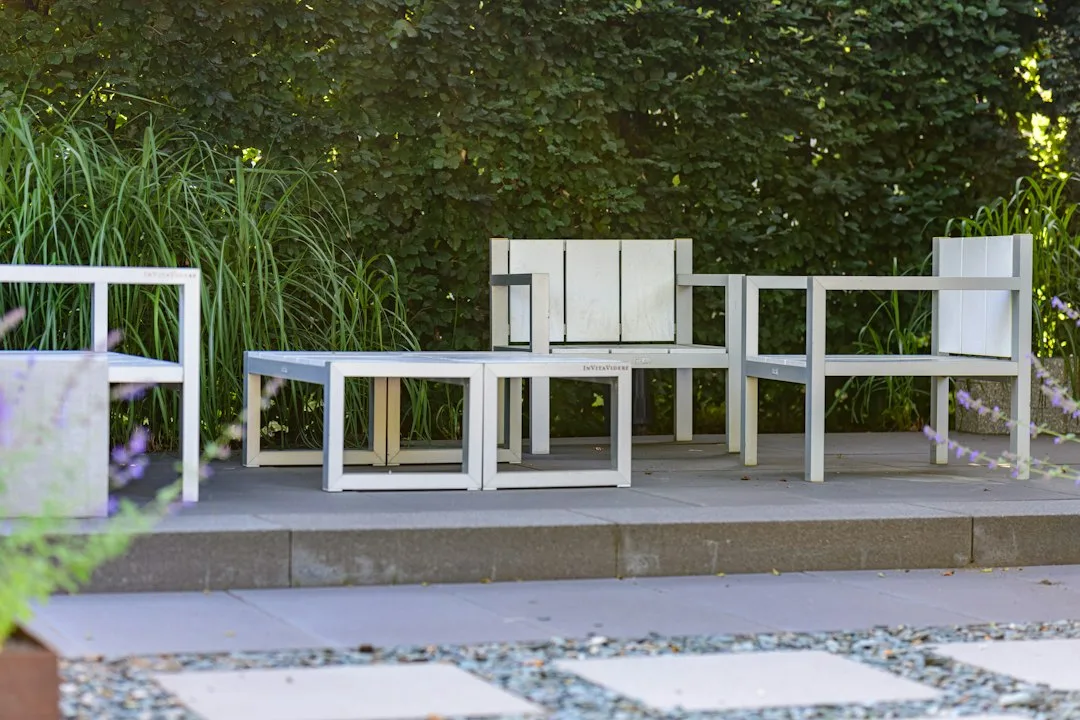
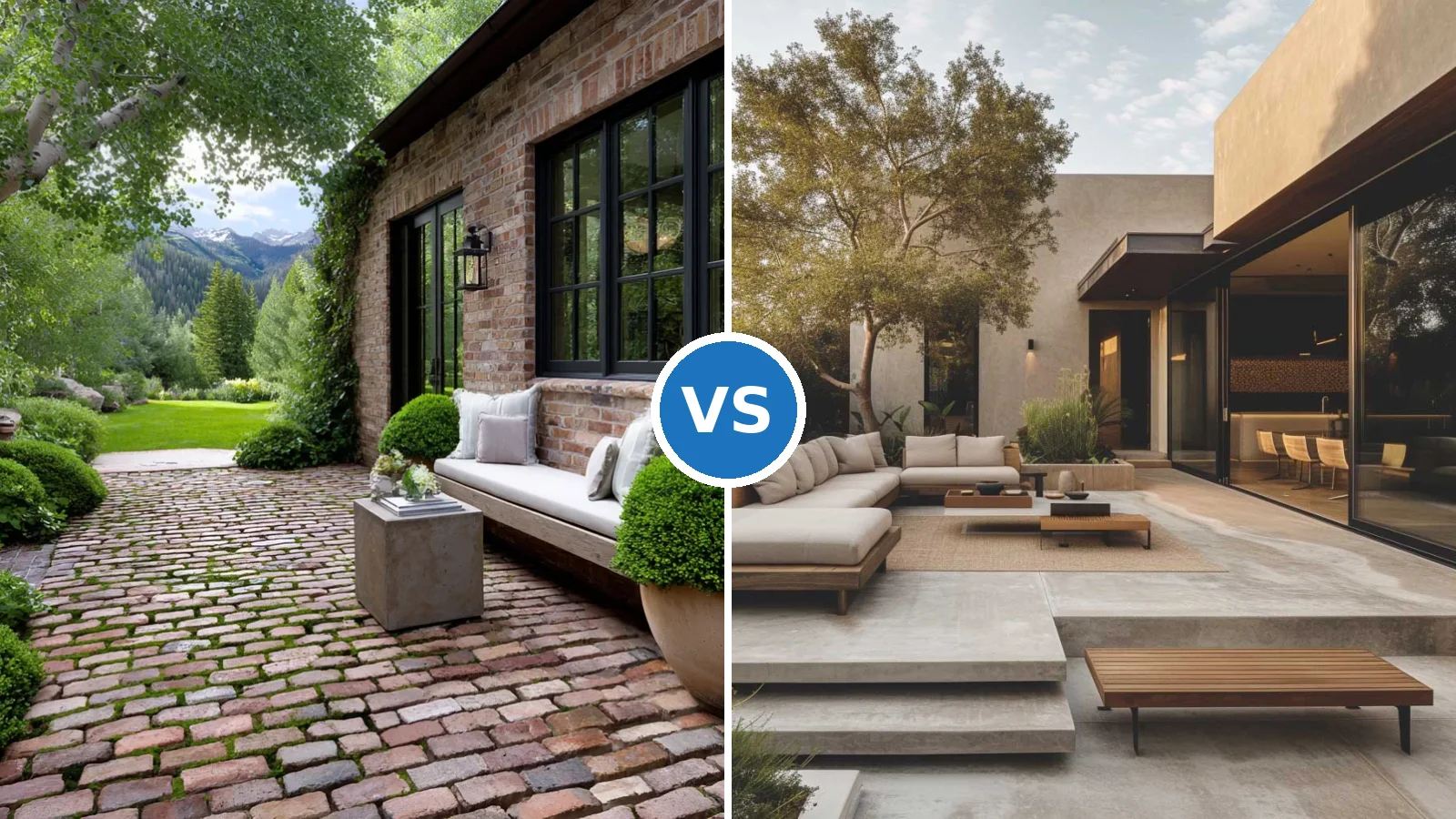
Backyard lounging has shifted from afterthought to anchor priority. Outdoor lounge seating areas are no longer a collection of mismatched chairs scattered across decking—they’re intentional, zoned spaces designed for extended comfort and intentional gathering. This trend exploded because homeowners realized their backyards could replicate indoor living room functionality without sacrificing weather resilience.
Why Outdoor Lounge Seating Areas Became the Centerpiece
The pandemic accelerated outdoor living investment, but 2026 data shows the real shift: 68% of patio renovations now include dedicated lounge zones rather than dining-first layouts. This reflects a broader lifestyle change—people want spaces to unwind, not just eat.
Lounge seating differs fundamentally from standard outdoor furniture. It prioritizes recline angles, layered comfort (cushions, throws, pillows), and social proximity over formal arrangement. Brands like Restoration Hardware Outdoor now design modular lounge systems with adjustable backrests that rival indoor sofas.
Materials matter here. Performance fabrics rated for UV, moisture, and temperature extremes mean your lounge stays functional through rain, heat, and frost.
Quick Tips
- Choose modular pieces—rearrange as needs shift between seasons
- Pair seating with side tables within arm’s reach for drinks, books, phones
- Layer textiles: outdoor rugs anchor lounges; throw blankets add warmth and visual depth
- Position lounge zones 6–10 feet from high-traffic patio paths to create distinct relaxation territory
- Install ambient lighting overhead to extend lounge hours into evening without harsh shadows
Materials and Durability Transform Backyard Comfort
Outdoor lounge seating demands materials engineered for exposure. Sunbrella and similar performance textile lines use solution-dyed acrylic—dye saturates the fiber itself, preventing fading even after 500+ hours of direct UV.
Frame construction matters equally. Teak, aluminum, and powder-coated steel dominate the market. Teak naturally resists moisture and rot; aluminum weighs less and never rusts; steel offers industrial aesthetics when properly sealed.
| Material | Best For | Maintenance |
|---|---|---|
| Teak | Coastal, high-moisture climates | Oil annually; naturally silvery over time |
| Aluminum | Modern, minimalist designs | Rinse seasonally; anodized coating prevents corrosion |
| Powder-coated Steel | Industrial, loft aesthetics | Touch up chips; seal annually in salty air |
| Wicker/Rattan | Cottage, bohemian styles | Protect under awnings; synthetic rattan more durable |
The Common Mistake: Undersizing Your Lounge Zone
The #1 failure in outdoor lounge seating design is making the space too small. Homeowners cluster three chairs in a 6-by-8-foot corner and call it a lounge.
Actual lounging requires sprawl. A functional outdoor lounge seating area needs minimum 10-by-12 feet to accommodate an L-shaped sectional, side tables, and walking room. Without this space, people don’t linger—they perch and leave.
Example: A Chicago homeowner installed a two-seater sectional plus two accent chairs in a 5-by-10 patio wedge. After one summer, the family abandoned it for indoor seating because the cramped density felt claustrophobic rather than restful. A redesign that opened the zone to 12 feet wide and positioned furniture to face a garden view transformed usage.
Space scarcity demands different solutions: vertical dimension through overhead structures (pergolas, sail shades) creates perceived airiness without consuming square footage.
Layering Comfort: Cushions, Textiles, and Accessories
Performance cushions are not an optional upgrade—they’re what separate outdoor lounges from rigid furniture. Brands like Sunbrella produce cushions with marine-grade cores that drain and dry within hours, preventing mildew.
Layering transforms function into luxury. Start with seat cushions (4–6 inches deep); add back cushions for recline support; introduce throw pillows in varied textures for visual interest and head support. A weather-resistant outdoor rug anchors the zone, defining its boundaries while softening underfoot feel.
Throws and blankets create seasonal warmth. Even summer lounges benefit from a cotton throw draped over the arm—it signals intentional rest and adds tactile comfort.
Integrating Shade and Lighting Into Lounge Design
Outdoor lounge seating areas fail without climate control. Direct sun makes vinyl cushions too hot to touch; no overhead structure means harsh shadows that discourage midday use.
Overhead shade structures—pergolas, retractable awnings, or shade sails—extend lounge seasons from 4 months to 8+ months annually. A beautiful single-story house with patio yard designed in 2025 added a modern pergola above its lounge zone, reducing afternoon temperatures by 8–12°F while maintaining airflow.
Lighting matters equally. Recessed soffit lights, string lights, or low-voltage pathway fixtures eliminate shadows and extend evening lounging. Dimmable LED systems allow mood adjustment—bright for reading, low for conversation.
A concrete house with patio-style courtyard recently incorporated built-in lighting strips along lounge seating edges, creating an ambient boundary that defines the zone while providing functional illumination.
Styling by Design Aesthetic
Outdoor lounge seating adapts across styles. Minimalist designs favor low-profile sectionals in charcoal or natural linen with stainless steel frames. Loft and industrial aesthetics incorporate powder-coated metal, raw textiles, and geometric cushion patterns.
Coastal lounges prioritize teak, neutral palettes, and weathered finishes. Farmhouse approaches use wicker, plaid textiles, and oversized proportions. Mid-century modern lounge zones feature angled legs, clean lines, and warm wood tones.
The unifying principle: whatever your aesthetic, choose one cohesive material palette. Mixing five different finishes dilutes impact and feels chaotic rather than intentional.