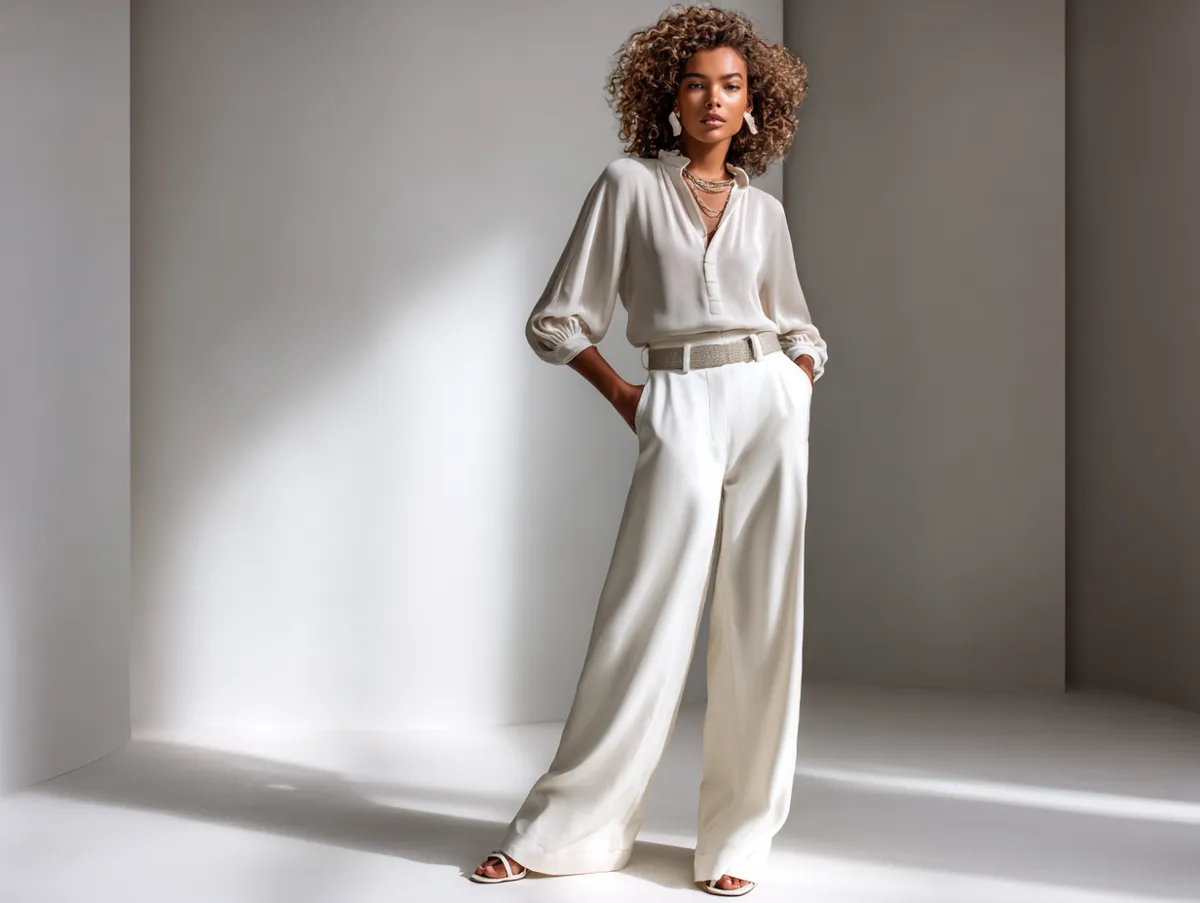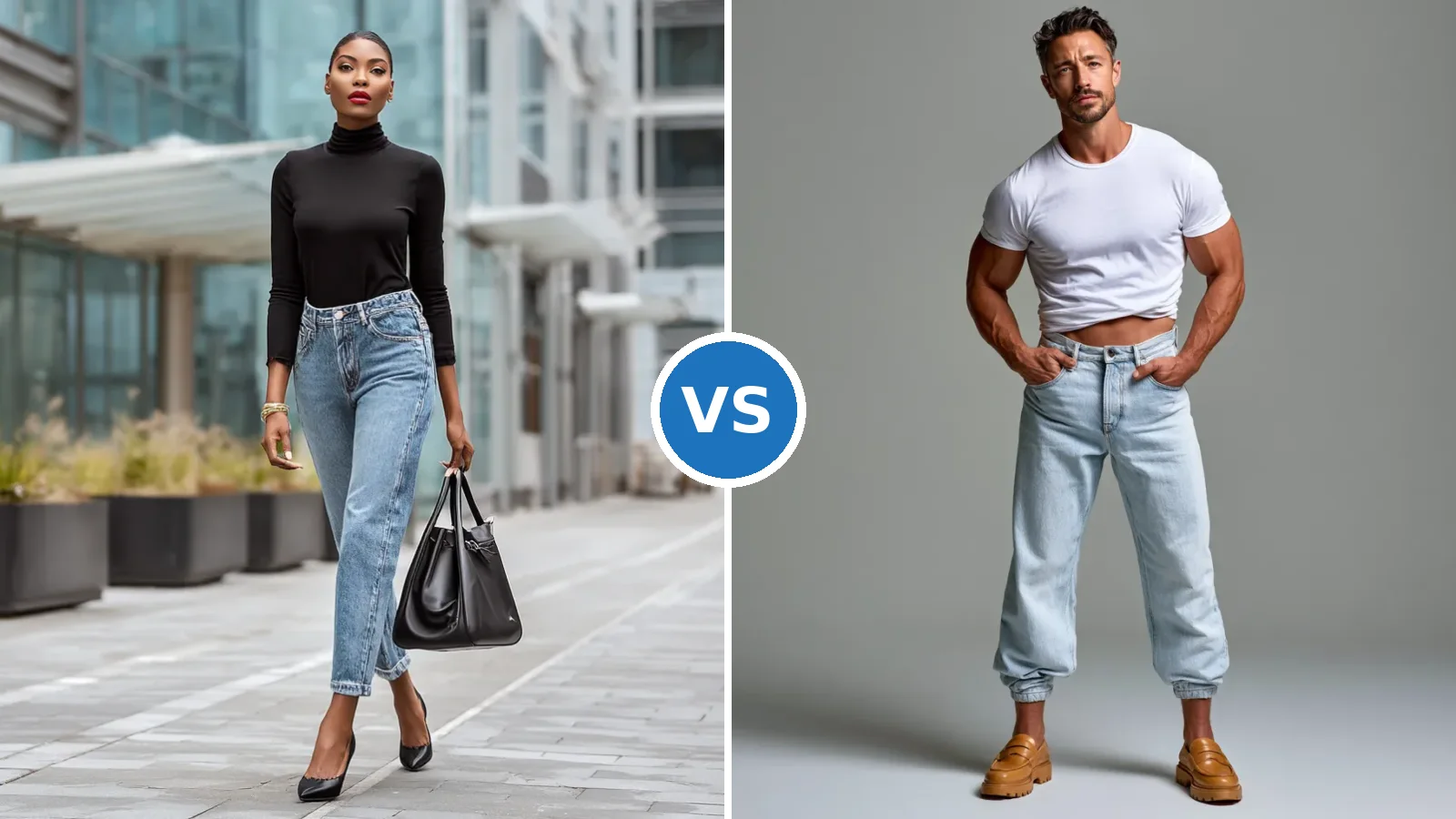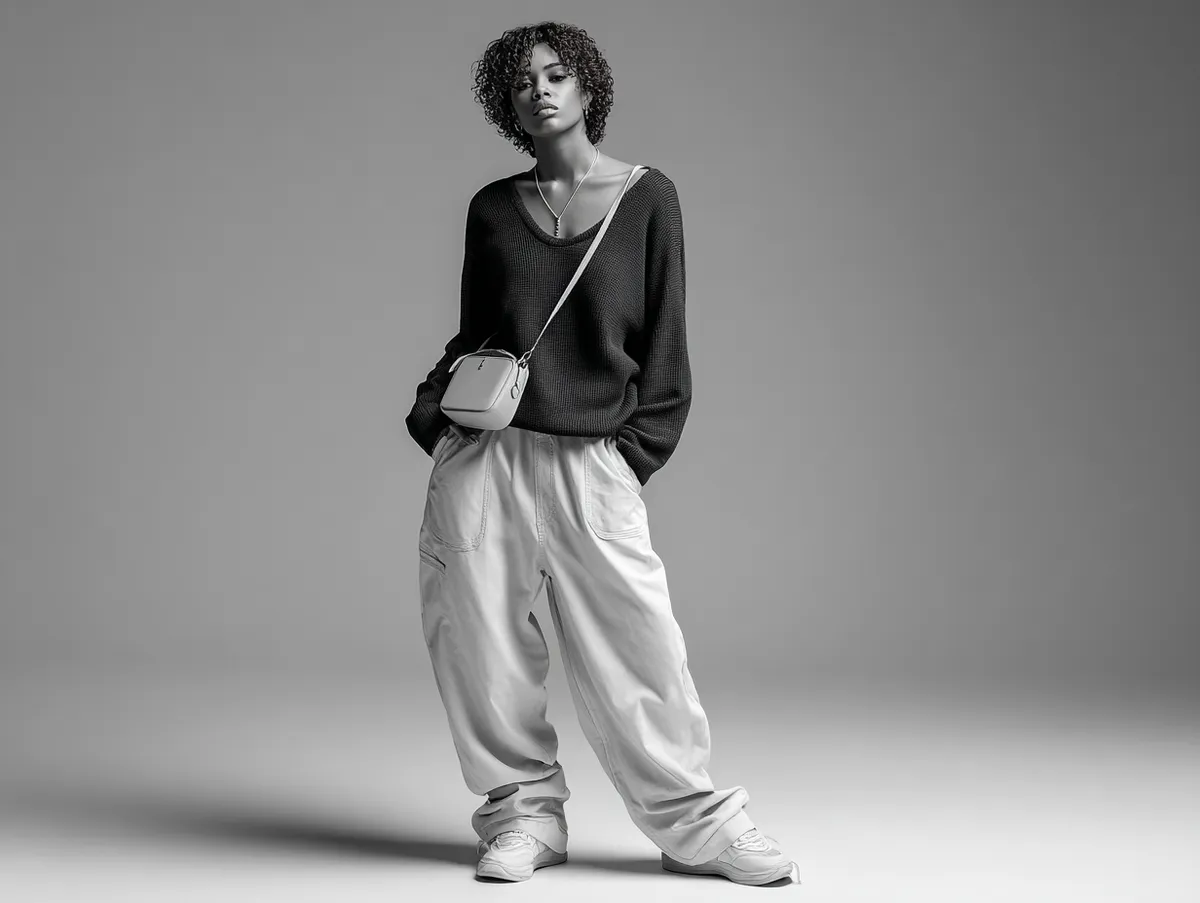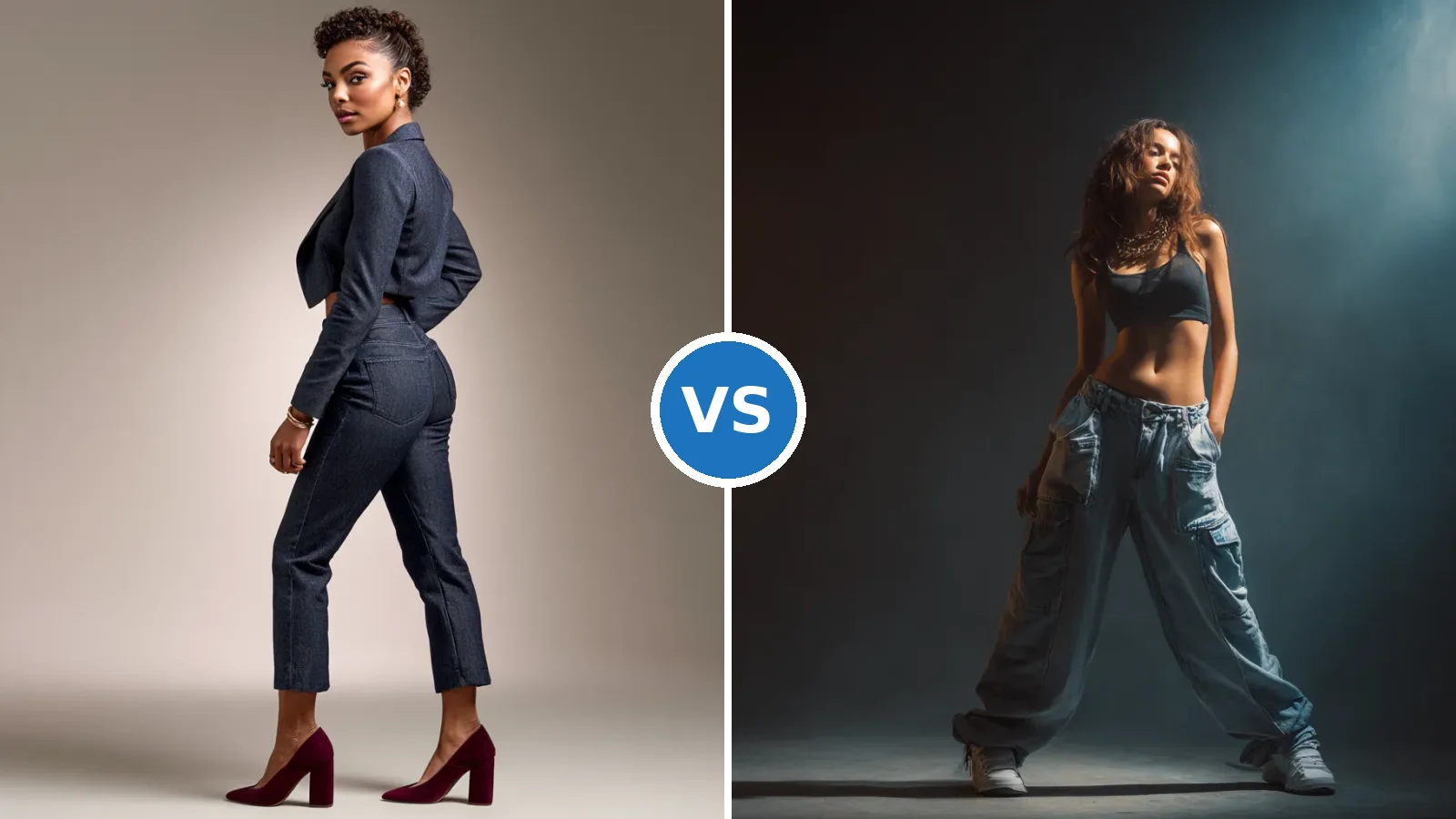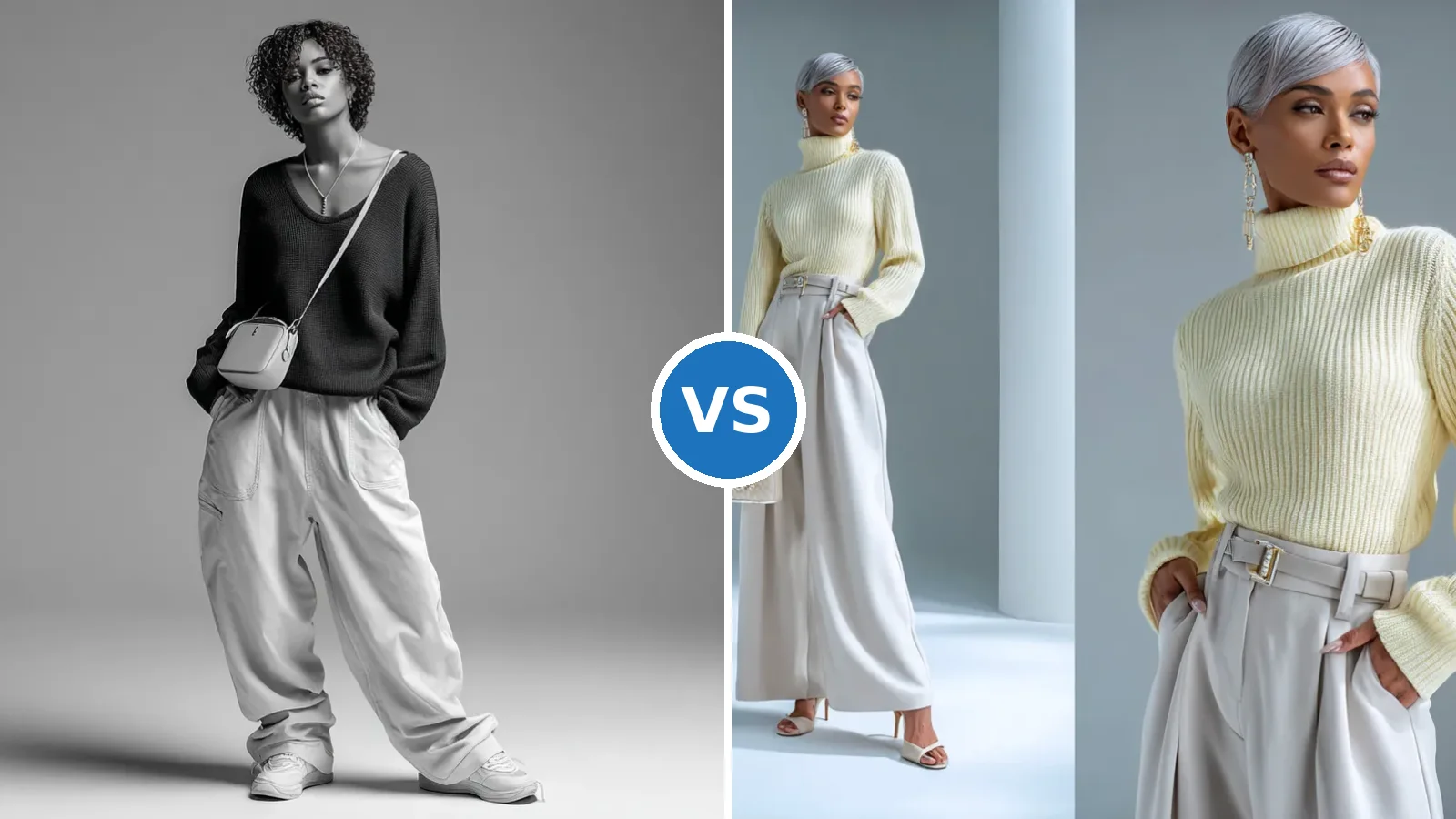
The choice between baggy jeans vs wide leg jeans depends on whether you want a foundation for understated simplicity or a canvas for bold color play. Both silhouettes flatter the body through generous proportions, yet they attract different styling temperaments and serve distinct wardrobe philosophies. Minimalist dressers often gravitate toward baggy jeans, while those who embrace color and graphic contrast tend toward wide leg styles.
Understanding baggy jeans and wide leg jeans
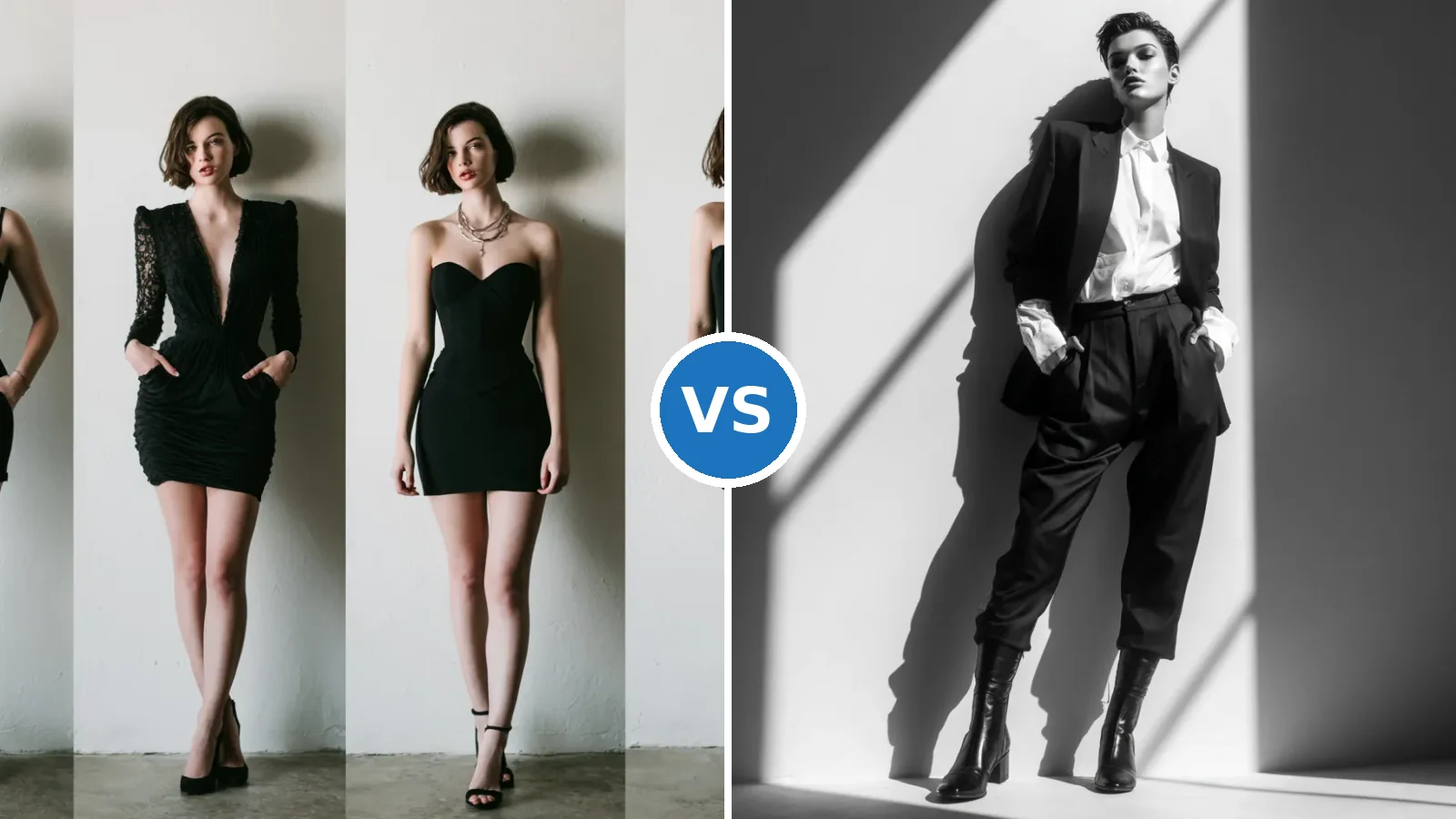
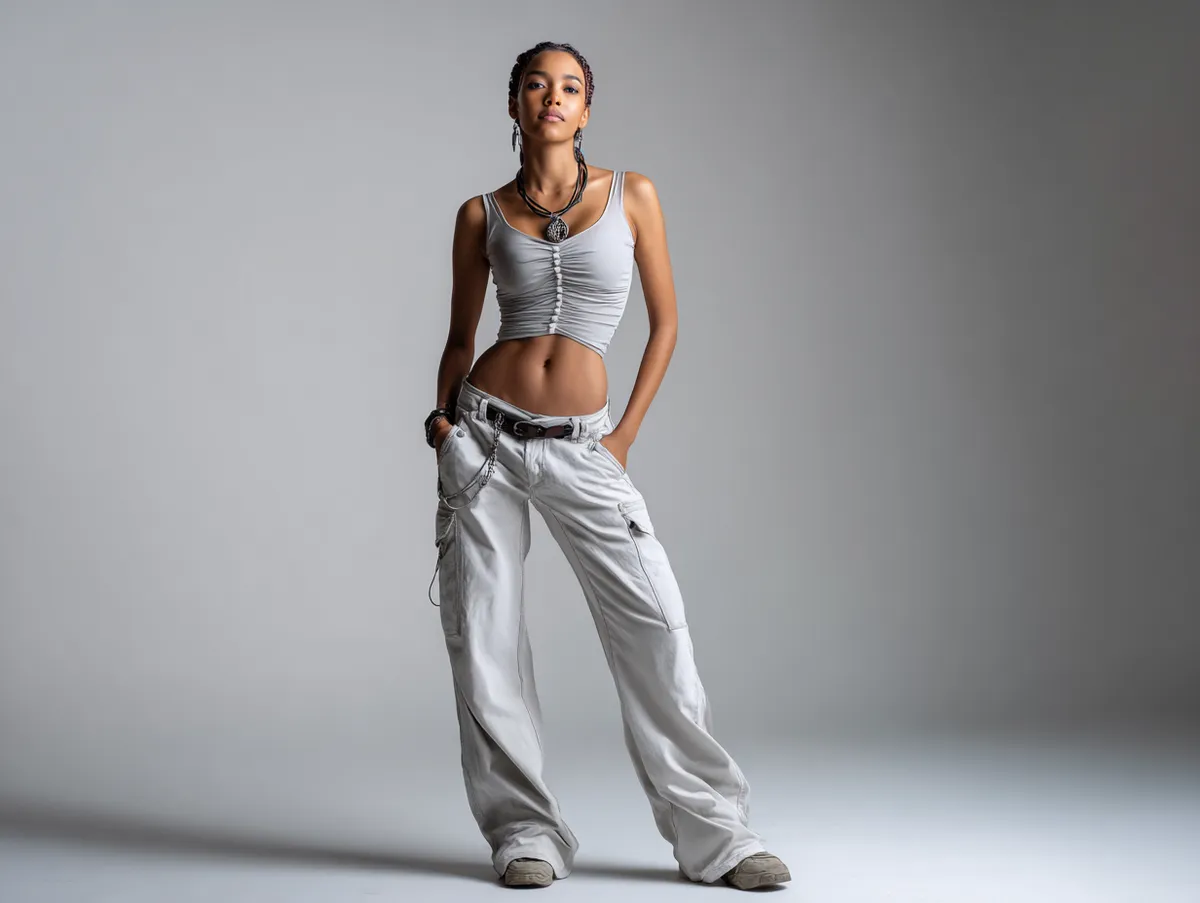
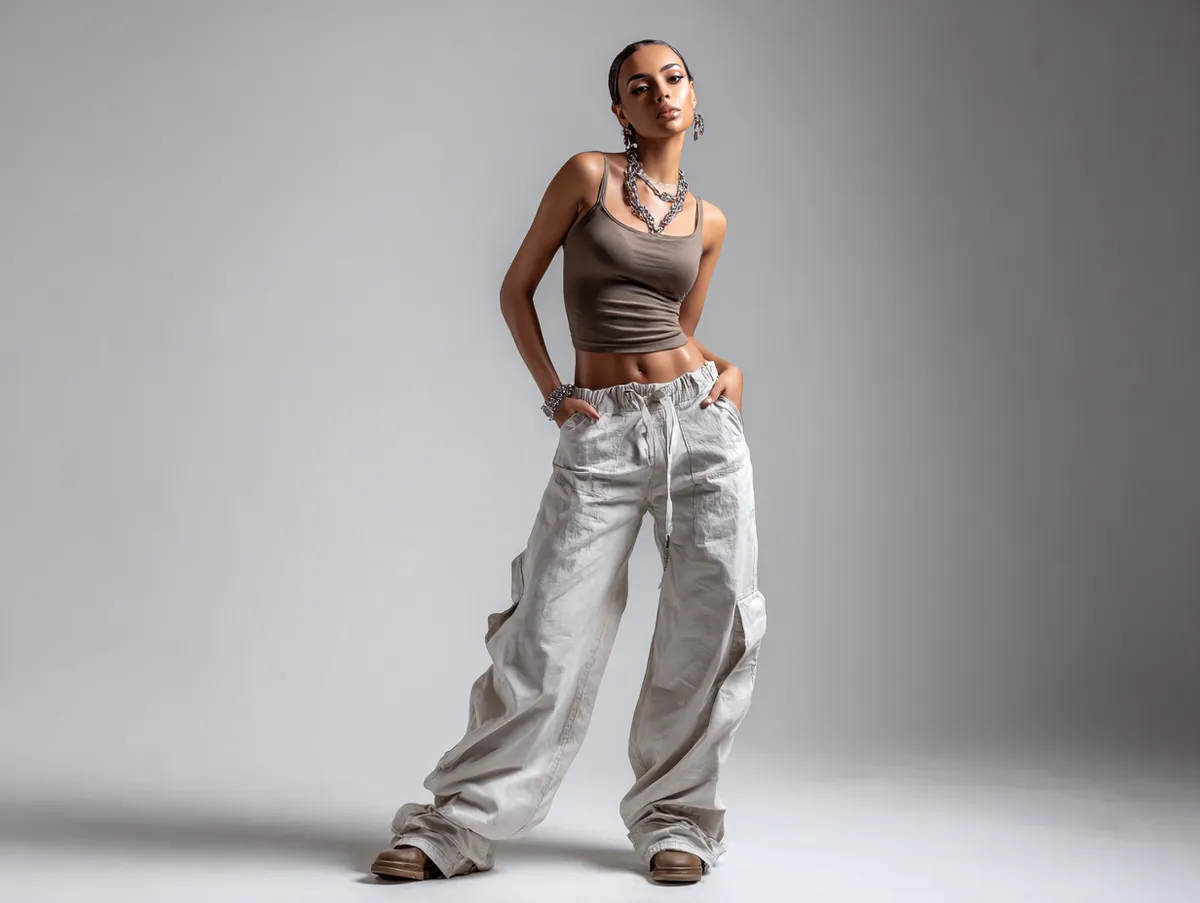
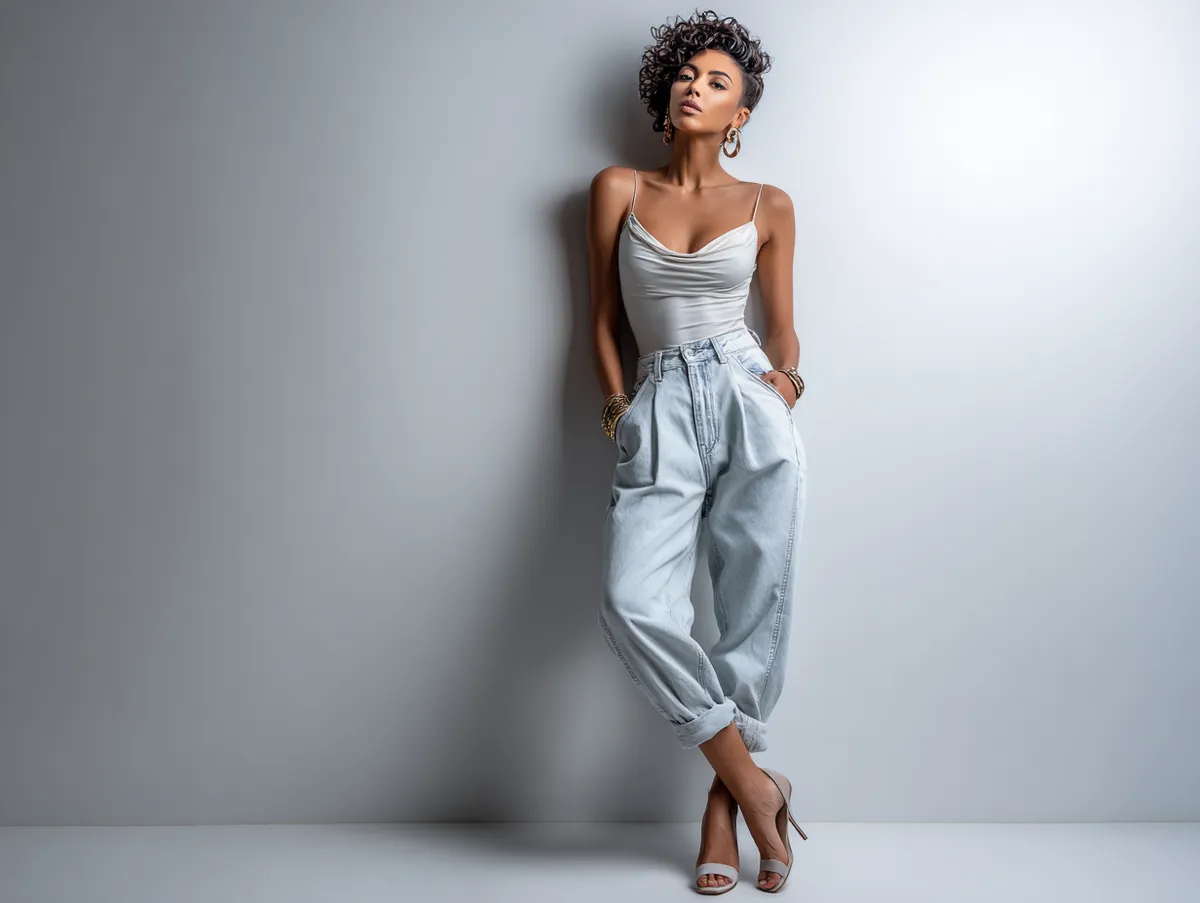
Baggy jeans sit loose through the hip and thigh, maintaining an easy drape that celebrates relaxation without losing structure. Clean lines define minimalist baggy jeans styling, where neutral tones and fitted upper pieces create visual balance against the loose lower half. The appeal lies in comfort paired with quiet intentionality—every piece chosen for purpose rather than visual drama.
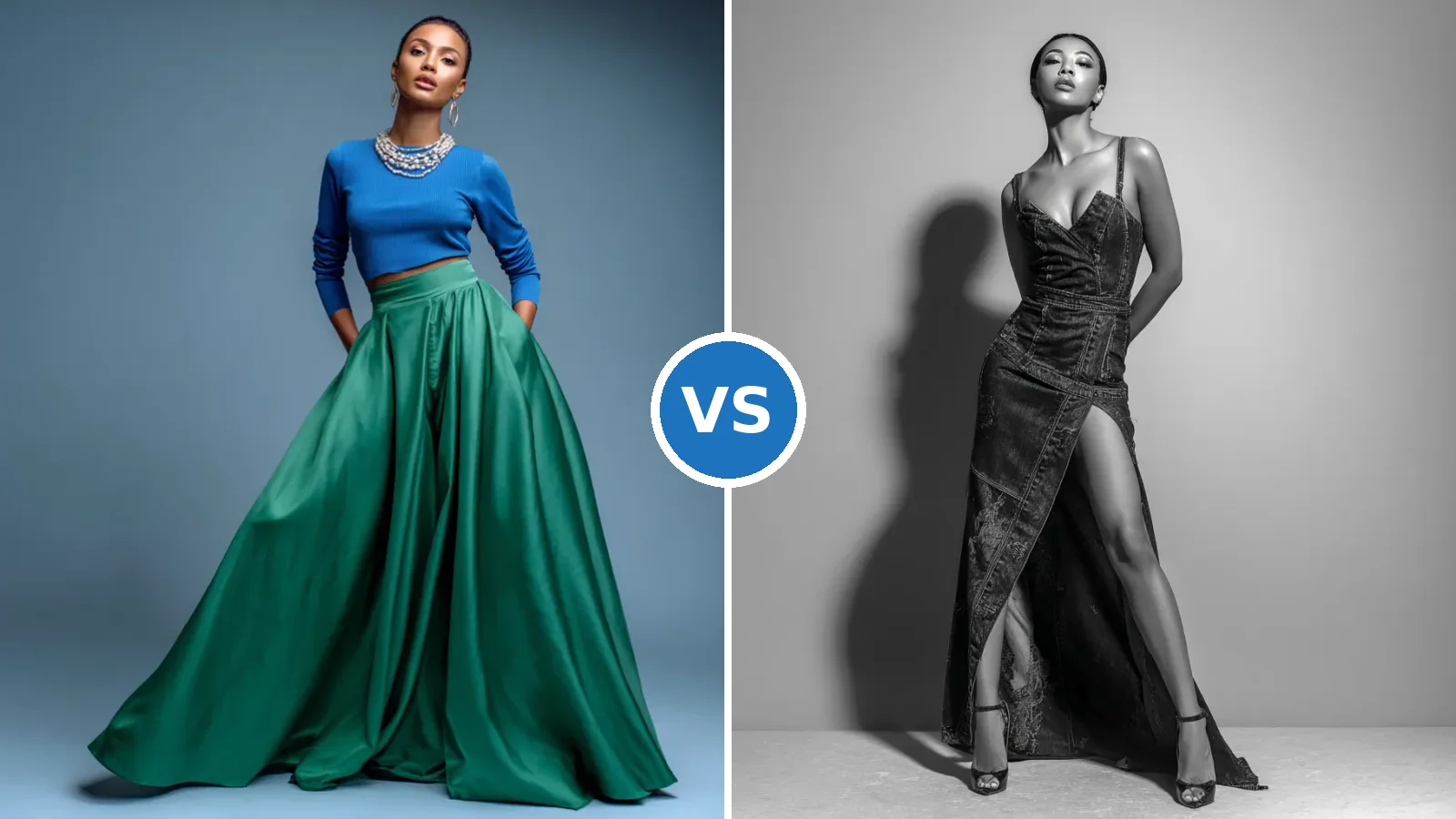
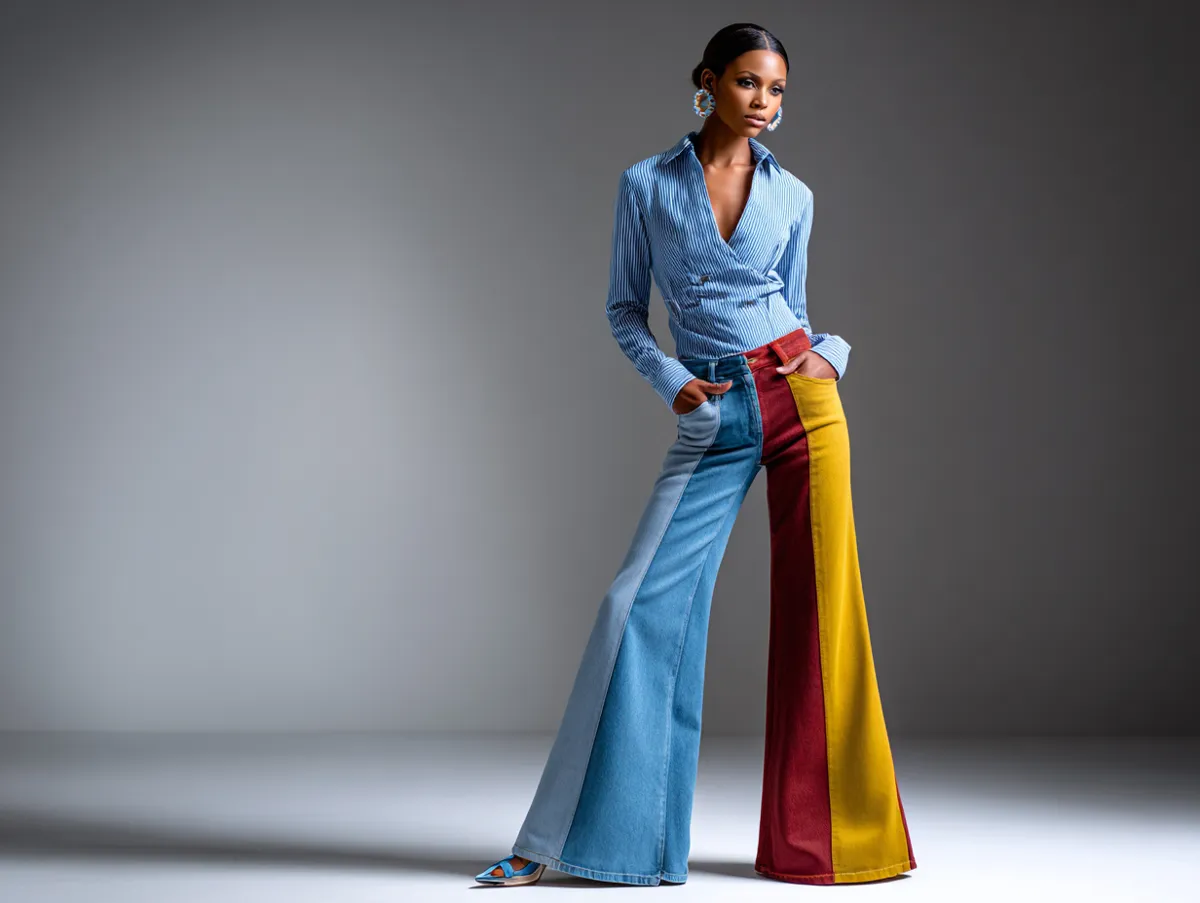
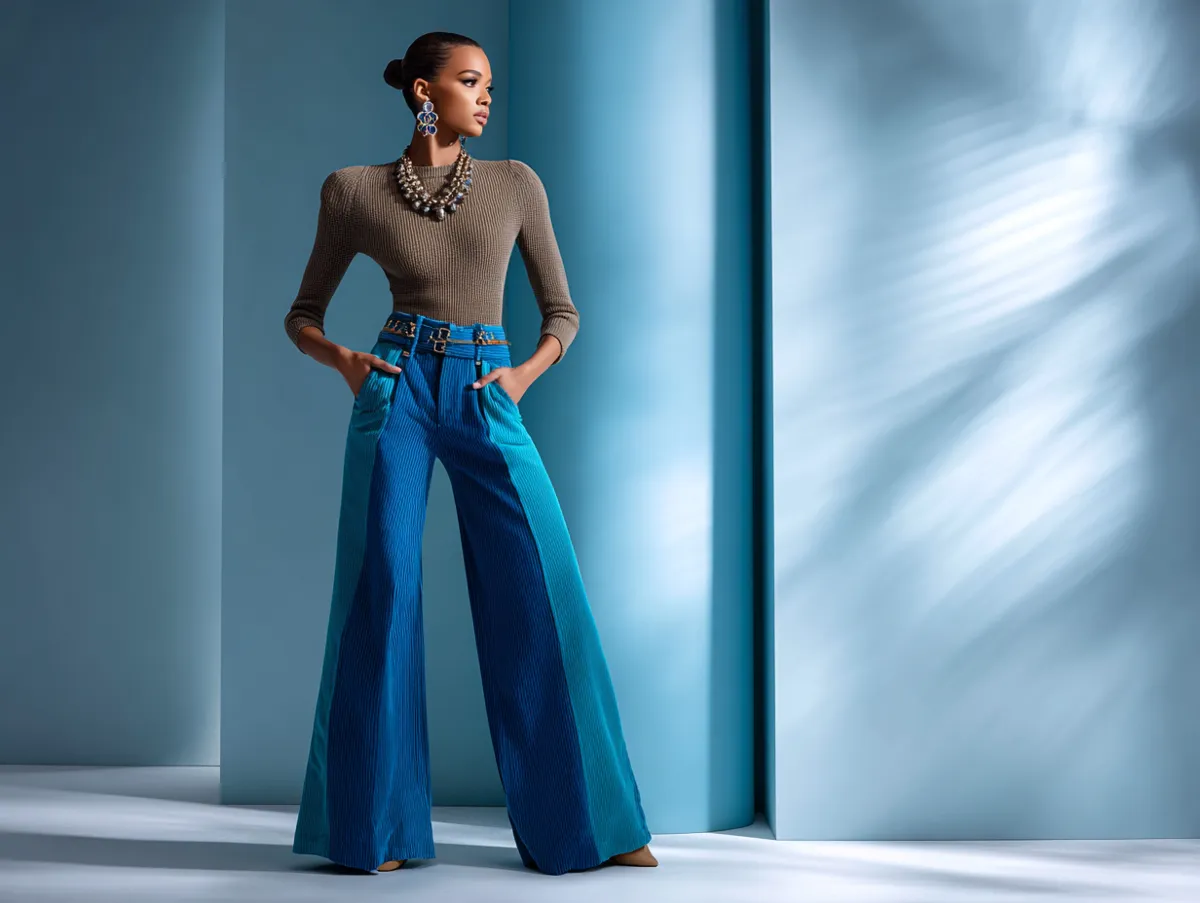
Wide leg jeans follow a similar loose silhouette but carry a different cultural weight. Wide leg jeans invite color blocking techniques that celebrate vibrancy, allowing jewel tones, soft contrasts, and vivid pairings to flourish. This silhouette functions as a neutral base that amplifies what you layer above it, rather than asking for restraint.
Both share the gift of movement and elongation, but their cultural identity differs fundamentally.
Quick Verdict
- Choose minimalist baggy jeans if you prefer monochrome palettes, structured layering, and letting fabric quality speak for itself.
- Choose wide leg jeans if you love color coordination, bold hue combinations, and a denim base that supports expressive tops.
- Choose baggy jeans if you want a tapered ankle and clear silhouette structure.
- Choose wide leg jeans if you prefer uninterrupted vertical lines and maximum ankle freedom.
Fit, proportions, and the baggy jeans vs wide leg jeans distinction
Baggy jeans typically feature a structured waistband and taper slightly toward the ankle, maintaining architectural definition even in their looseness. The silhouette grounds itself in shape, preventing an all-over blob effect. This construction makes them ideal when paired with fitted tops—the contrast becomes the entire point of the outfit.
Wide leg jeans often skip the taper, flowing generously all the way down. This creates an uninterrupted vertical line that elongates the frame in a more dramatic way. The lack of definition at the ankle allows for layering underneath and makes the silhouette feel more deliberately bold.
For height: wide leg jeans generally require less thought about proportion because their sweep works with most body types. Baggy jeans, by contrast, benefit from intention around fit and upper-body styling. Neither choice is wrong—they simply reward different amounts of styling effort.
Styling approach and flexibility in baggy jeans vs wide leg jeans
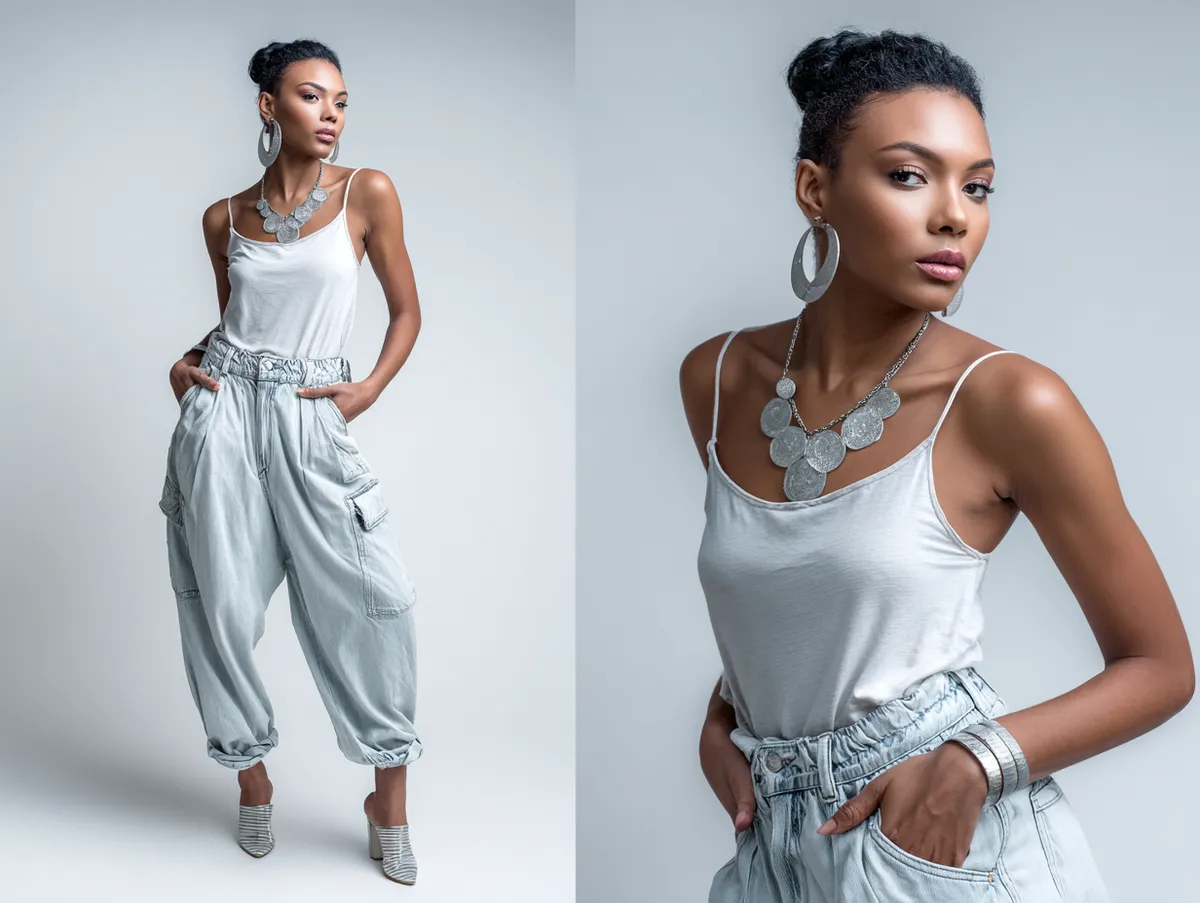
Minimalist baggy jeans demand intentional pairing. Soft wool, organic cotton, and lightweight linen partner with these jeans to create texture-based interest. A fitted turtleneck, crisp cotton shirt, or cropped blazer introduces geometry that plays against the looseness below. Accessories stay invisible—a slim leather belt, low-profile loafers, or minimalist sneakers complete without distraction.
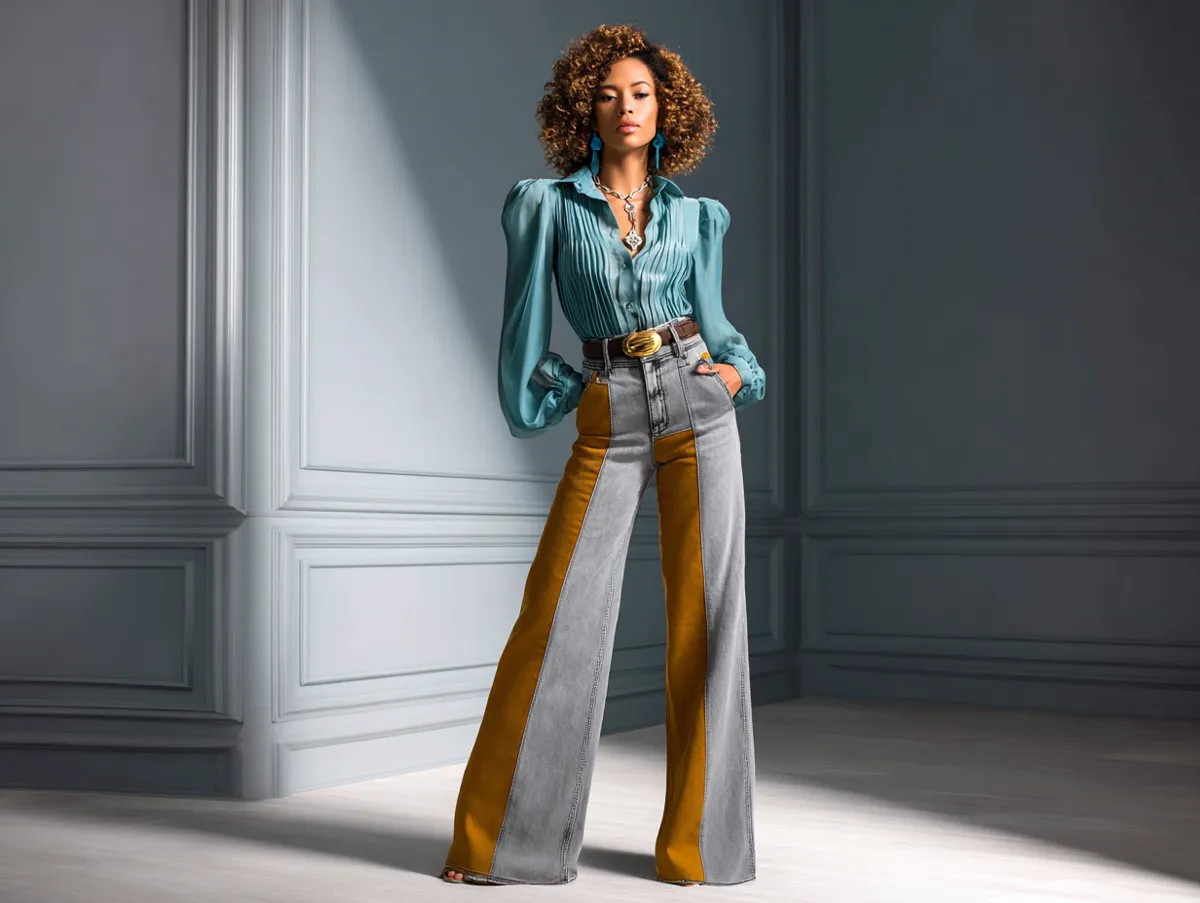
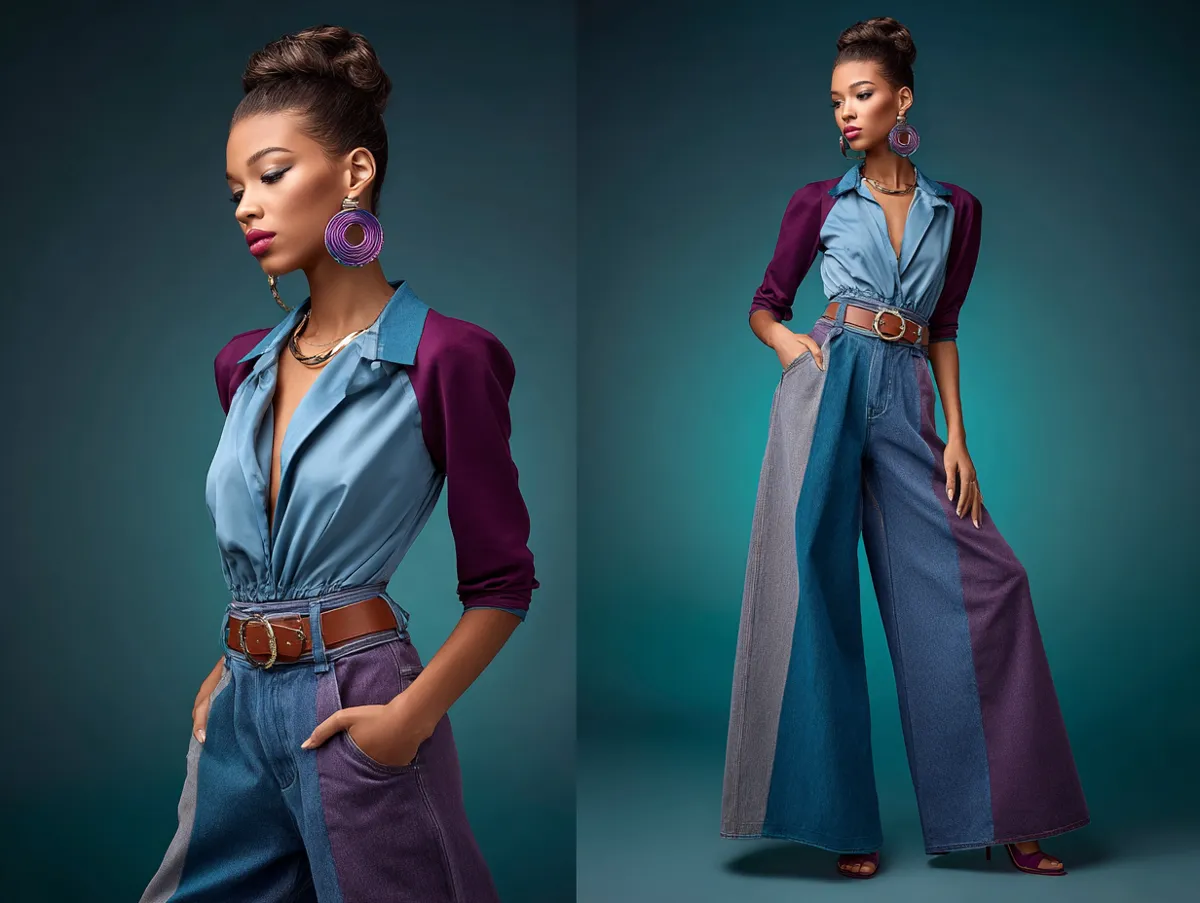
Wide leg jeans thrive on visual contrast. Emerald blouses, garnet silk, sapphire jackets, and teal velvet transform the ensemble into editorial statements. Jewel tones, soft pastels, and vivid pairings all work because the jeans provide neutral grounding. Accessories become punctuation—gold hoops, structured leather totes, and styled belts add refinement without overwhelming.
| Criteria | Minimalist Baggy Jeans | Wide Leg Jeans |
|---|---|---|
| Color palette | Neutral, monochrome, muted tones | Bold, jewel-tone, vibrant contrasts |
| Top styling | Fitted layers, structured silhouettes | Loose, patterned, colorful blouses |
| Proportional balance | Tight above, loose below | Flexible, depends on top choice |
| Accessory role | Minimal, functional, restrained | Prominent, expressive, decorative |
| Texture emphasis | Fabric quality and weave variation | Color interaction and hue depth |
| Styling complexity | High (precision required) | Medium (color harmony guides choices) |
Where minimalist baggy jeans win
Baggy jeans excel when your lifestyle demands calm visual consistency. In creative workspaces, calm city strolls, and minimalist living, they communicate that each piece was chosen deliberately. The monochrome approach—layering cream with stone with ivory—creates a cohesive visual narrative that feels intentional without appearing matchy.
They also win for those who find color coordination draining. Once you’ve selected your neutral palette, outfitting becomes simple arithmetic. Grab any fitted top, add the baggy jeans, slip on neutral shoes, and you’re complete. The styling simplicity appeals to people who want to look thoughtful without investing mental energy in color theory.
Baggy jeans also flatter when texture matters to your aesthetic. Soft shadows from gathered fabric, the interplay of matte and subtle finishes, and the visual poetry of how denim folds all become visible when color doesn’t compete for attention.
Where wide leg jeans win
Wide leg jeans triumph for expressive dressers who see clothing as art. If you own jewel-tone blazers, vintage silk blouses, or patterned pieces that excited you, wide leg jeans become their perfect partner. These jeans ask the top half to shine rather than asking it to stay quiet.
They also win for flexibility across occasions. A wide leg jean can transition from casual (paired with a soft linen tee and sneakers) to editorial (emerald silk blouse, gold jewelry, heeled mules) within the same day. The silhouette doesn’t demand a particular styling mood—it adapts.
Wide leg jeans also win for those with less interest in tailored fit details. The generous cut forgives variation in body proportions and proportional preferences, making them less finicky to style well. You’re building from color and fabric rather than from precise geometric contrast.
The biggest mistake when choosing between them
The most common error: assuming that baggy jeans and wide leg jeans are interchangeable. Someone buys baggy jeans hoping to style them with bold color pairings, then feels disappointed when a jewel-tone top clashes with the baggy fit’s already-generous proportions. The look becomes overwhelming rather than grounded.
Or the reverse: someone selects wide leg jeans, then attempts minimalist monochrome styling, only to find the silhouette feels boring without the visual interest color provides. The wide leg’s generous cut needs something to anchor the eye—whether that’s a bold hue or a patterned fabric. Minimalism paired with wide legs can feel less intentional and more like you ran out of outfit ideas.
Match the silhouette to your styling philosophy first. Color palette comes after you’ve chosen the cut.
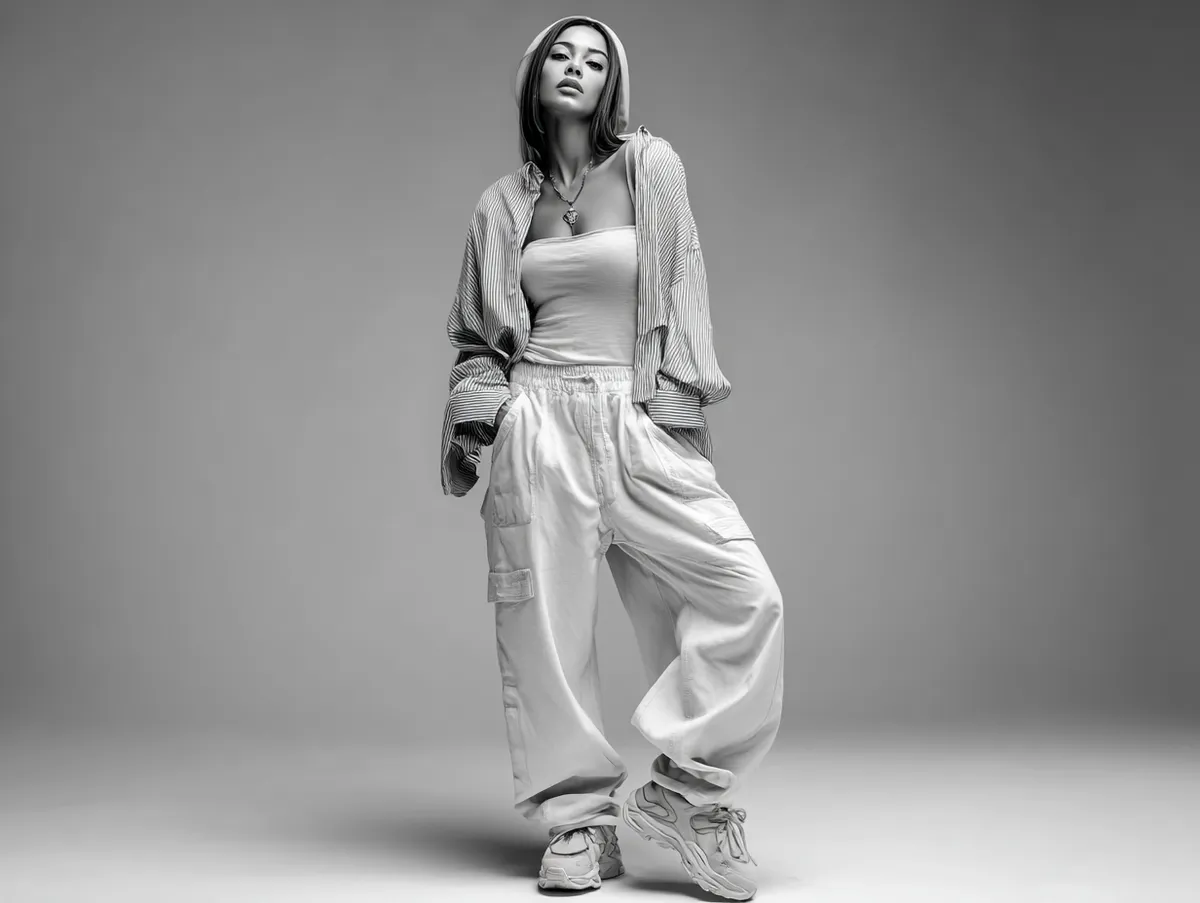
Final verdict — choosing your denim silhouette
Choose minimalist baggy jeans if you’re drawn to neutral wardrobes, love monochrome layering, and find satisfaction in texture and proportion play. They suit reflective dressers who want each choice visible and deliberate. This silhouette demands styling discipline but rewards you with an easily calm presence.
Choose wide leg jeans if you own a range of colors, enjoy experimenting with jewel tones and bold pairings, or prefer a silhouette that adapts across many moods. They suit expressive personalities who see their outfits as creative acts rather than functional puzzles. The wide leg provides freedom; your color choices provide the statement.
Neither silhouette is universally superior—they’re different tools for different dressing philosophies. The right choice depends on what honestly excites you about getting dressed.