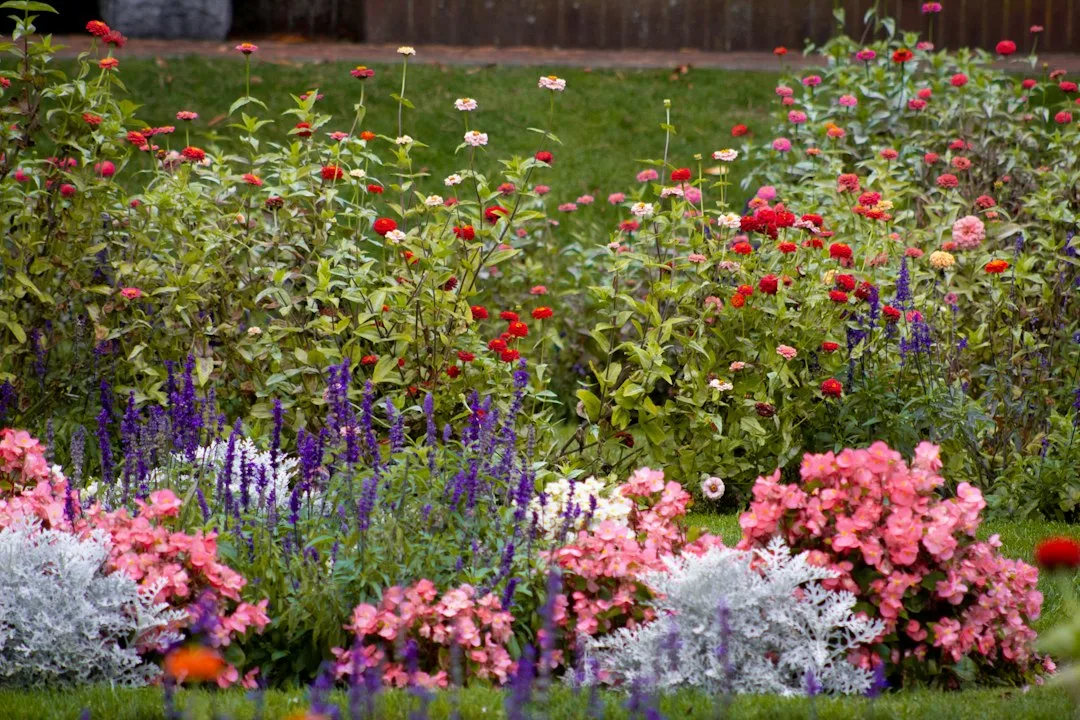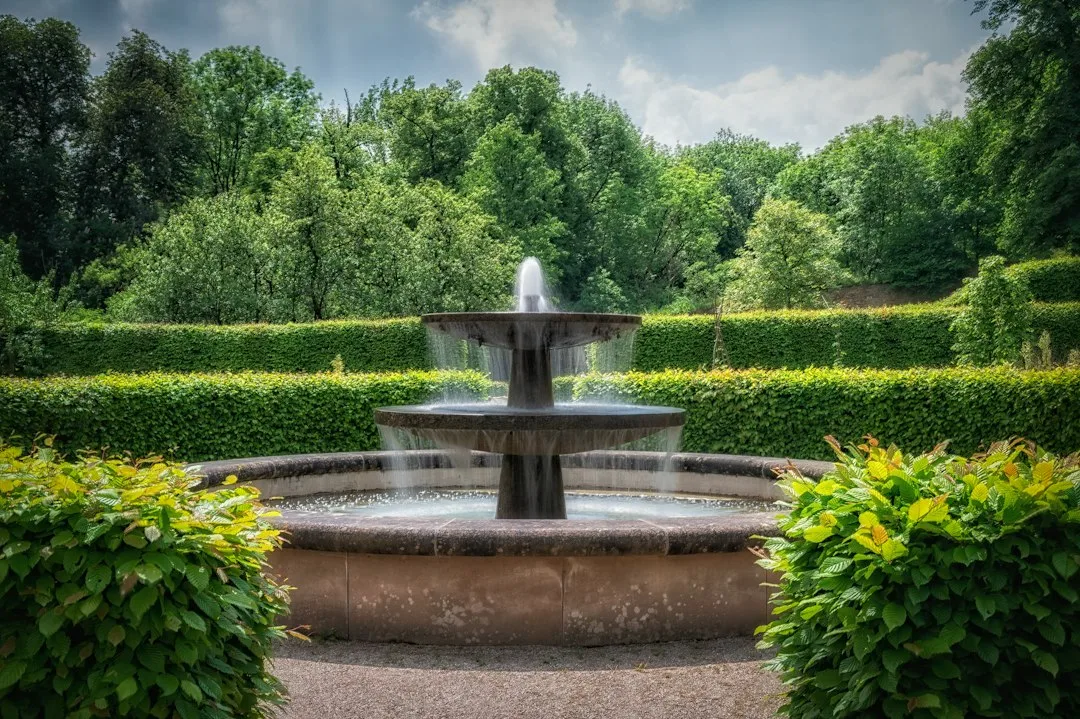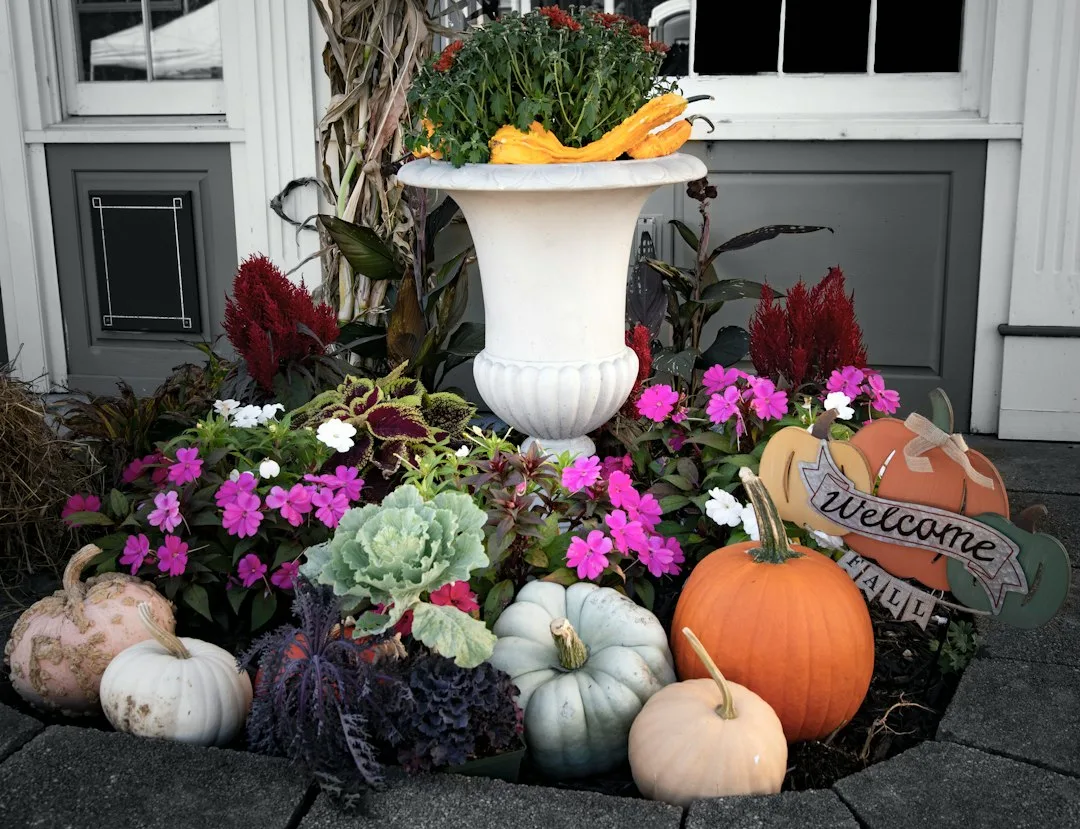
By late September, most gardeners still treat autumn container gardens like a chore—rip out the petunias, dump the soil, start over. But that’s exactly backward. The most compelling fall gardens right now aren’t replanted; they’re transitioned. Autumn container garden transitions preserve existing structure while layering in cold-season depth, turning tired summer pots into the most visually complex displays of the year.
See also: 13+ Cool Vertical Wall Gardening Design Ideas.
Layering Dormant Bulbs Before the First Frost
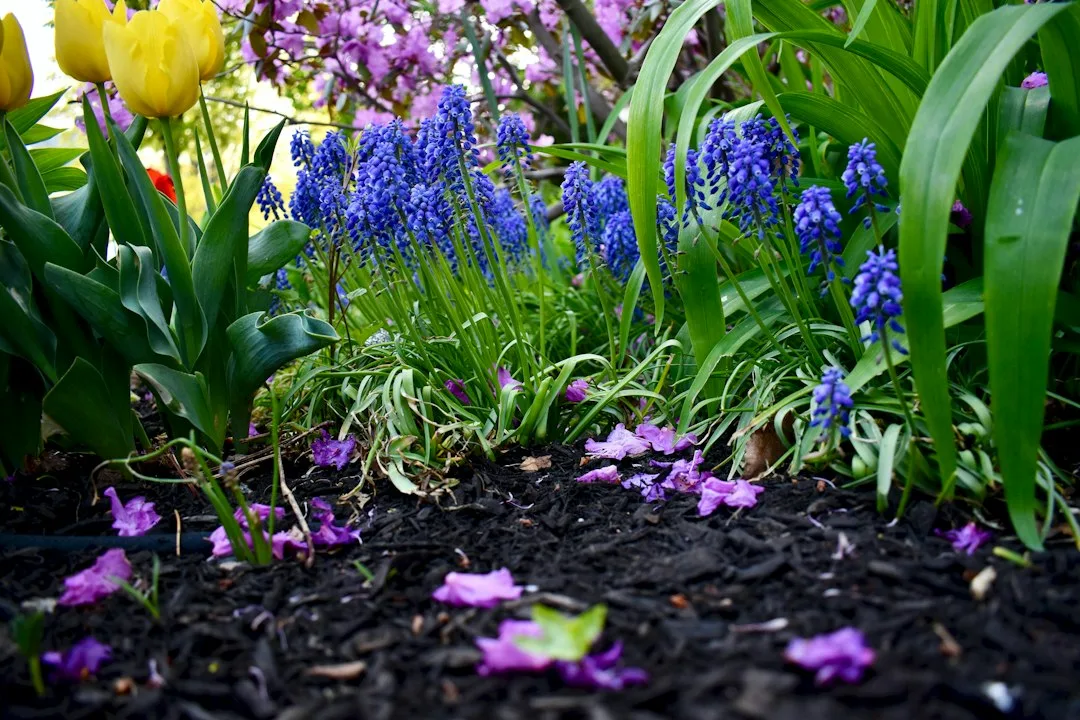
The mechanics are simple but require precision timing. Around mid-September in zones 5–7, plant spring bulbs—tulips, daffodils, crocus—directly into the top 2–3 inches of existing containers while annuals still occupy the soil beneath. The bulbs will root down over autumn while the fading summer plants provide temporary visual coverage and insulation.
Burpee and Johnny’s Selected Seeds both offer pre-chilled bulb assortments designed for this exact practice, with packaging that specifies chill hours already met. A standard 14-inch container holds 8–12 tulips comfortably. Once frost kills the annuals in November, the container shifts from dense and colorful to spare and architectural—the bulbs already sited, ready to emerge.
Quick Tips
- Plant spring bulbs 2–3 weeks before ground freezes to allow root establishment
- Use soil with perlite or coarse sand to prevent winter waterlogging in containers
- Leave faded annuals in place; they insulate roots and stabilize bulb depth
- Water bulbs lightly after planting, then only during dry autumn spells
- Label each container with bulb variety and expected bloom date for spring reference
Swapping Single Containers for Hardscaped Focal Points
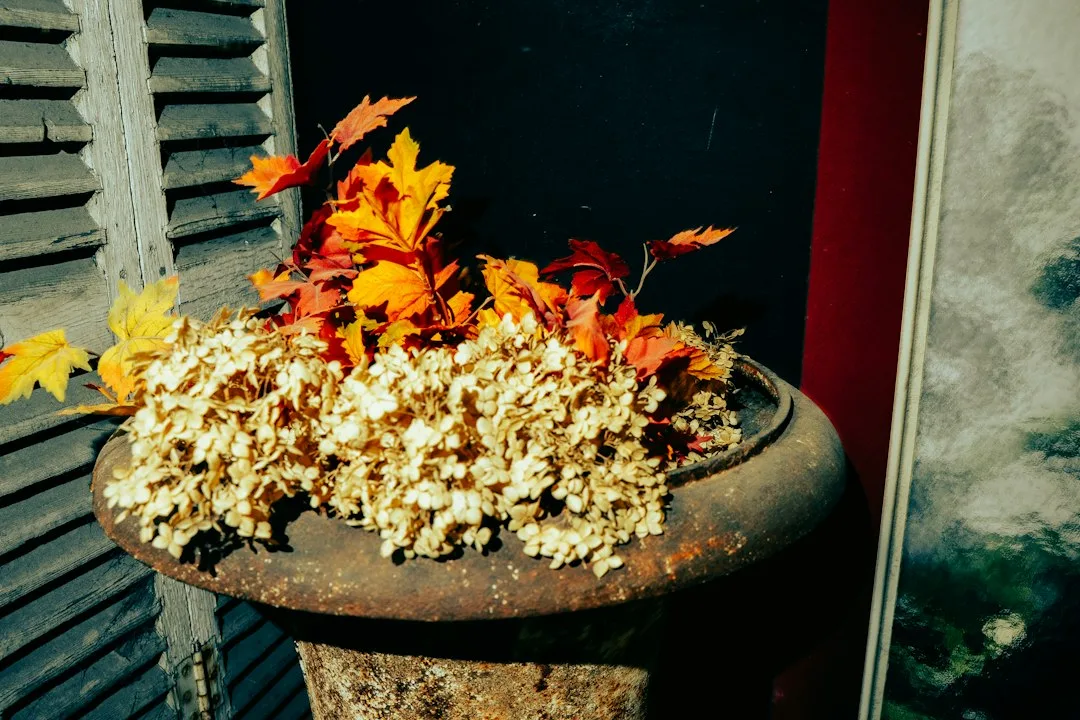
Summer demands bright centerpieces: one statement pot in the middle of the patio. Autumn demands orchestration. Instead of replacing a single 16-inch container, designers now group three to five containers of varying heights around a fixed hardscape element—a low stone plinth, a piece of corten steel, a weathered timber block.
Corten steel planter inserts, which oxidize to a rust-red finish, are now standard in this category. A 24-inch tall corten cyl costs around $120–150 and can hold a single tall specimen (ornamental grass, dwarf conifer) that anchors the cluster. The surrounding pots then hold lower textural material: sedums, winter heather, small-leafed ivy.
This arrangement serves two purposes. First, it reads as intentional—a designed sequence rather than miscellaneous pots. Second, the hardscape element persists after containers are removed for winter, maintaining visual weight in the landscape.
| Method | Timing | Result |
|---|---|---|
| Complete replacement | Labor-heavy in September | Uniform appearance, no layering |
| Bulb layering into existing soil | Mid-September, one session | Spring bulbs with autumn structure |
| Hardscape-anchored clusters | Phased swaps through October–November | Year-round architectural presence |
| Single seasonal replant | One refresh cycle per season | Predictable, lower visual complexity |
The Critical Mistake: Leaving Drainage Open to Winter Freeze
Here’s what kills autumn container transitions before they start. Gardeners water the newly planted bulbs in mid-September, then forget about drainage holes as temperatures drop. Water pools inside the pot, freezes, and splits the container sides—or rots the bulb entirely before it can root.
A real example: a gardener at a Brooklyn community garden planted ‘Red Impression’ tulips in a standard plastic nursery pot on September 15, set it on the patio, and didn’t check drainage. By November, the soil was frozen solid 4 inches down, bulbs unrooted and floating in ice. When thawed in March, they were long dead.
The fix is simple but non-negotiable. Elevate every autumn container on pot feet or a thin gravel bed so water drains freely even when soil surface is frozen. Check drainage holes weekly after planting; if clogged, clear them immediately. This single practice determines whether your bulbs root or rot.
Textural Depth Through Ornamental Grasses and Evergreen Foliage
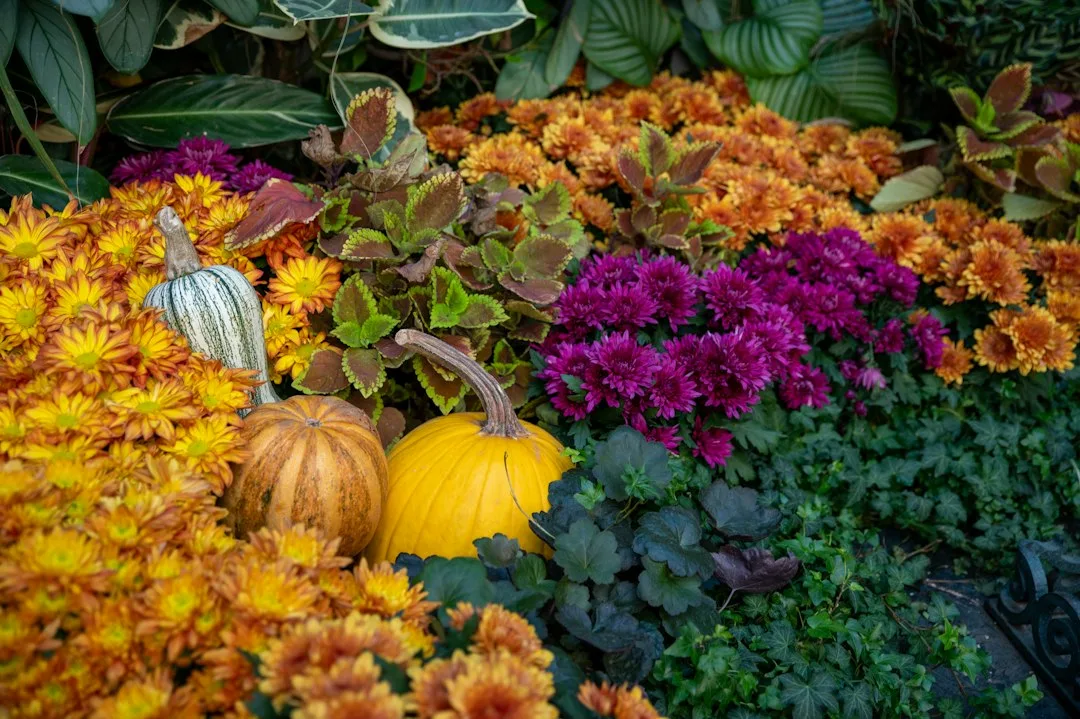
As annuals decline through October and November, ornamental grasses become the visual backbone of autumn containers. Panicum ‘Shenandoah’ turns burgundy-red as temperatures drop; Miscanthus ‘Strictus’ holds vertical structure well into December.
These aren’t afterthoughts. A single specimen of Panicum ‘Shenandoah’, 18–24 inches tall, can anchor a 14-inch container alone and look intentional for four months. Pair it with sedum (which fades to rust-bronze), small-leafed ivy, or trailing jasmine. The combination reads as composed, not exhausted.
For shaded autumn containers, combine fern fronds with hellebores and winter-blooming heather. The fern browns gracefully; the hellebores open in December; the heather provides a dense base. This layering works best when plants are installed in early October, giving them three weeks to establish before hard frost.
Phased Container Removal and Winter Structure
The final phase of autumn container garden transitions is the removal itself. Rather than clearing everything on November 1, stagger the process. Remove annuals and tender perennials once they’re killed by frost (usually early-to-mid November). Leave the structural elements—grasses, evergreen shrubs, hardscape anchors—in place until March.
Tall ornamental grasses left standing all winter provide visual interest and trap early snow, which insulates roots. Containers with evergreen structure create a consistent rhythm across the patio when everything else is dormant. This isn’t laziness; it’s design intent.
Walk your garden by mid-October and identify which containers will read well stripped down. A pot of Miscanthus × giganteus with its dried seed heads visible against gray February sky beats an empty container removed in November. Group remaining containers around that hardscape focal point—corten steel, timber, or stone—and let them hold the landscape through winter.