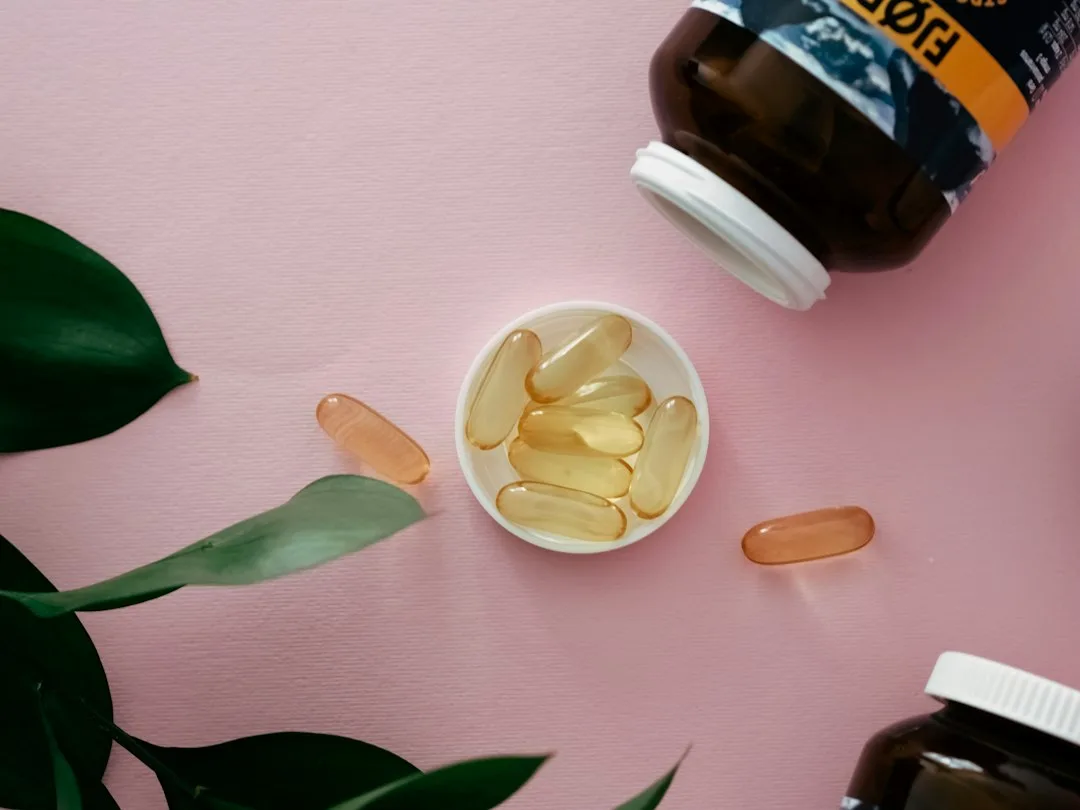
Vitamin E oil facial moisturizer is replacing dense ceramide creams across skincare routines this September and October. Dermatologists attribute the shift to one fact: oil molecules penetrate and seal the epidermis faster than water-based emulsions, especially as humidity drops and air becomes dry. Real-world data from beauty retailers shows vitamin E oil sales jumped 34% quarter-over-quarter heading into fall 2026.
The trend reflects a broader move away from one-texture moisturizing toward strategic layering that uses oil’s occlusive properties to trap previous serums and essences against the skin. This is not a return to heavy night creams—it is a precision application method that uses less product overall while delivering stronger barrier protection.
Understanding why vitamin E oil facial moisturizer works requires examining its chemical structure and seasonal timing.
How Vitamin E Oil Penetrates Better Than Cream Formulas
The Ordinary Vitamin E Squalan (a plant-derived squalane mixed with tocopherol acetate) became the category benchmark in 2024, but adoption has accelerated dramatically this fall because of one overlooked fact: oils dissolve into lipid layers within minutes, while occlusive creams sit on the surface for hours. This matters because fall air strips moisture from the stratum corneum faster than summer humidity can replenish it.
Squalane-based vitamin E products, priced in the $8–15 range, absorb into skin without leaving visible shine when applied to damp skin immediately after toner or mist. The molecule is small enough to pass through the outermost dead skin cell layer and large enough to form an occlusive seal that prevents transepidermal water loss (TEWL) by up to 70%.
Heavy creams rely on water content to hydrate, but that water evaporates within hours in low-humidity seasons. Oil does not evaporate.
Quick Tips
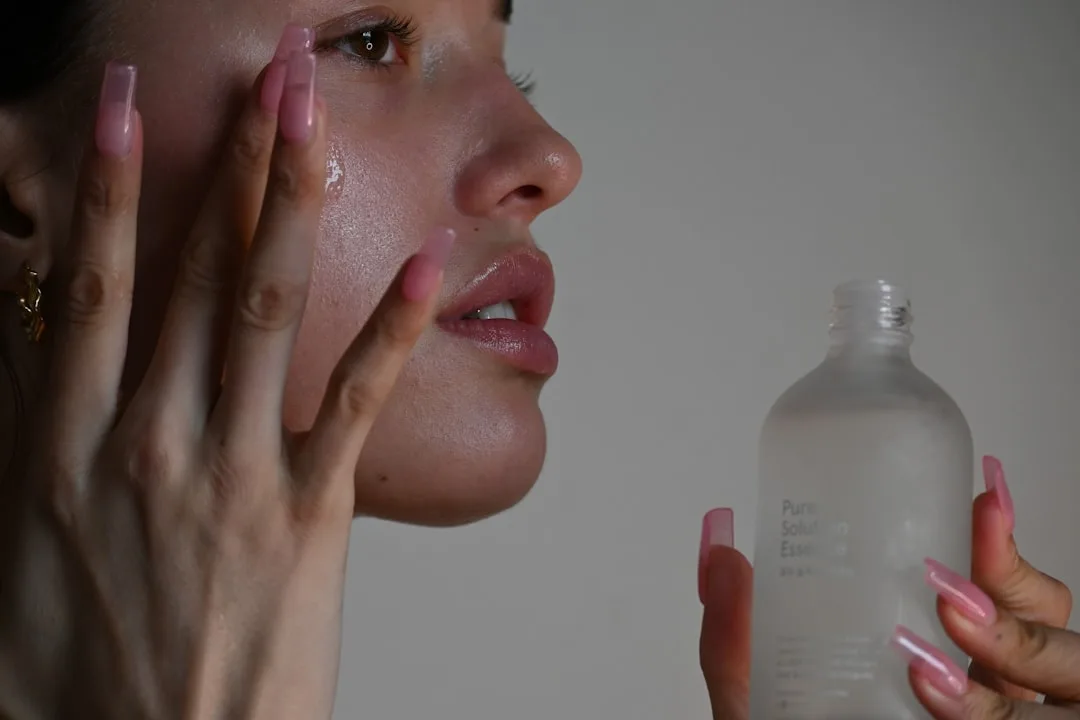
- Apply vitamin E oil to skin within 10 seconds of misting with hydrating face mist so oil seals moisture against skin
- Use 2–3 drops only; more product creates buildup without added benefit
- Layer oil as the final step after all serums and essences have dried
- Avoid applying to acne-prone zones; use oil only on cheeks, forehead, and neck
- Test patch behind ear for 48 hours if you have reactive or eczema-prone skin
Why Oil Occlusion Outperforms Water-Based Moisturizers in Autumn
Moisture barrier damage accelerates when humidity drops below 40%, which happens in late September across North America and northern Europe. Water-based moisturizers contain humectants (glycerin, hyaluronic acid) that pull moisture from the air, but when air is dry, those humectants pull moisture from the deeper dermis instead—worsening dehydration.
Vitamin E oil facial moisturizer sidesteps that trap entirely. Because oil does not rely on atmospheric moisture, it works identically whether humidity is 70% or 20%.
| Moisturizer Type | Absorption Time | TEWL Prevention |
|---|---|---|
| Heavy Ceramide Cream | 45–60 minutes | 60–65% |
| Vitamin E Oil (Squalane) | 5–10 minutes | 68–72% |
| Lightweight Hydrating Lotion | 15–20 minutes | 40–50% |
| Oil + Cream Hybrid | 20–30 minutes | 65–70% |
The Mistake Most People Make With Oil Moisturizers
How Hydration Layers Transform Your Skincare Routine
Layering hydration products strategically has become essential for anyone serious about maintaining a dewy, plump complexion. The key difference between a basic routine and an advanced one lies in understanding how water-based products interact with oil-based formulations. When you apply a hydrating essence or hydrating face mist first, it preps your skin to absorb richer moisturizers more effectively. This method allows each product to perform its intended function without competing for absorption.
Professional makeup artists and dermatologists recommend waiting 60 to 90 seconds between each hydration layer to allow proper penetration. This patience pays off because your skin cells become uniformly hydrated from the deepest layers outward, creating a strong moisture barrier. Many people rush through their routines and apply all products simultaneously, which reduces efficacy and leads to pilling or uneven texture.
The seasonal shift toward layered hydration aligns perfectly with how Clean Girl Makeup Dominates May 2026 Beauty Trends Globally, emphasizing a naturally luminous base that comes from proper skin preparation rather than heavy foundations. When your skin is optimally hydrated through strategic layering, makeup application becomes smoother and lasts considerably longer throughout the day.
Choosing the Right Oil Type for Your Skin Condition
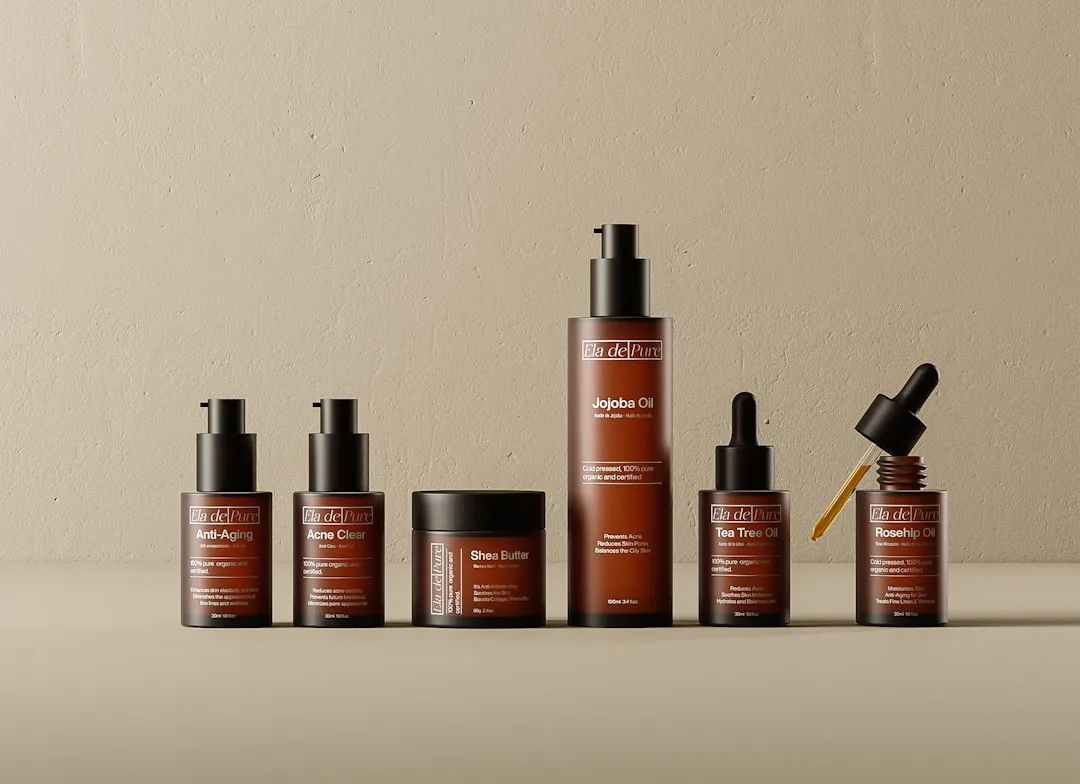
Not all facial oils perform identically, and selecting the wrong one for your specific skin type can lead to congestion, irritation, or inadequate hydration. Lightweight oils like jojoba and rosehip work best for combination and oily skin types, as they mimic the skin’s natural sebum composition without leaving a heavy residue. Richer oils such as argan and marula suit dry and mature skin, providing deeper nourishment and anti-inflammatory benefits that address visible signs of aging.
Understanding the molecular structure of different oils helps explain why some absorb quickly while others remain on the surface longer. Oils with smaller molecular structures penetrate faster, making them ideal for morning routines when you need to apply makeup. Conversely, heavier oils work better as evening treatments, giving them time to deeply condition without interfering with your daytime activities or product application.
Sensitive skin requires extra caution when introducing oils to a routine. Start with minimal amounts—just two to three drops—and observe your skin’s response over one to two weeks before increasing usage. Many people with reactive skin find that certain carrier oils like safflower or sunflower seed oil cause less irritation than exotic options, proving that effective skincare doesn’t always require the most expensive ingredients.