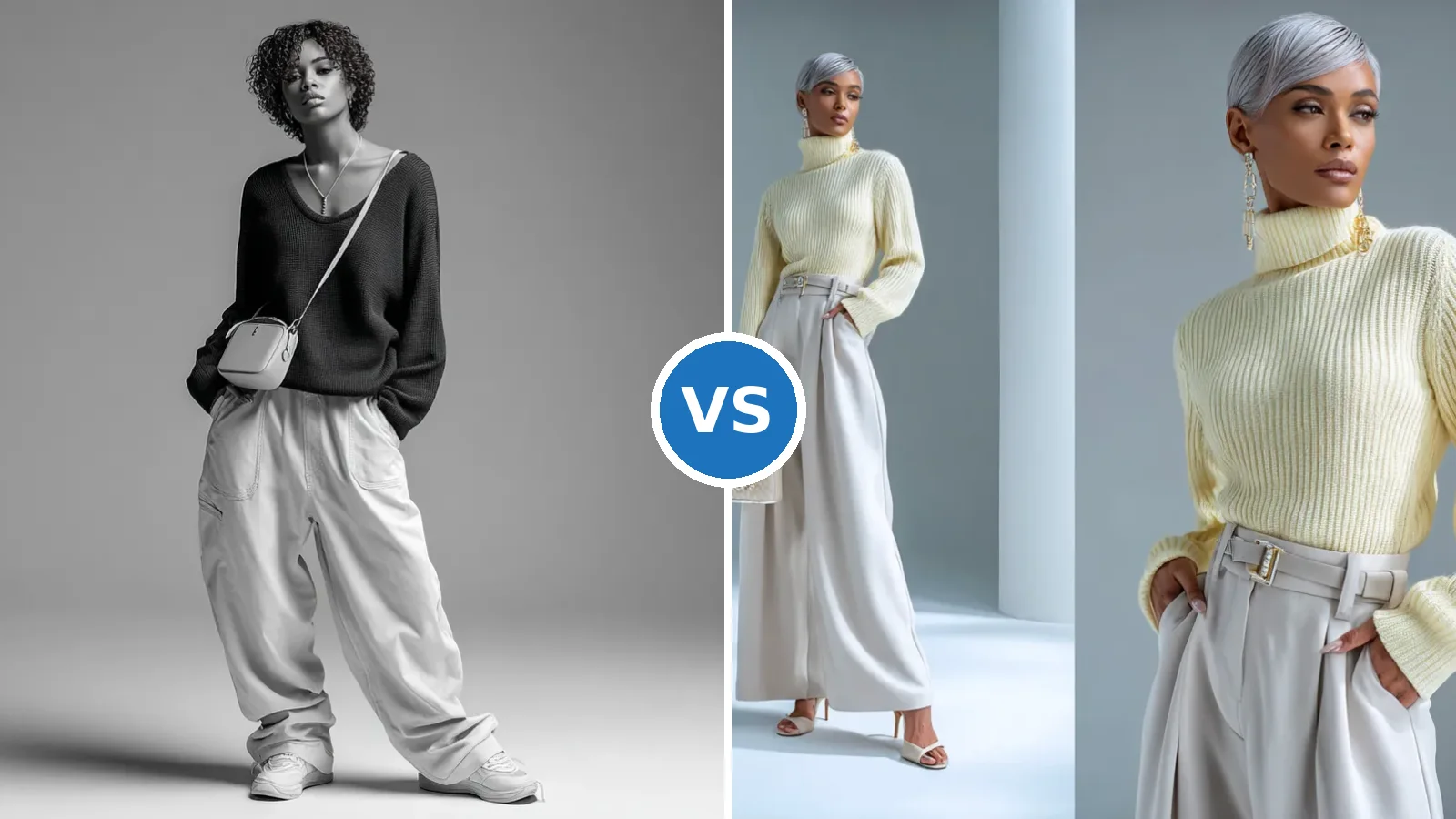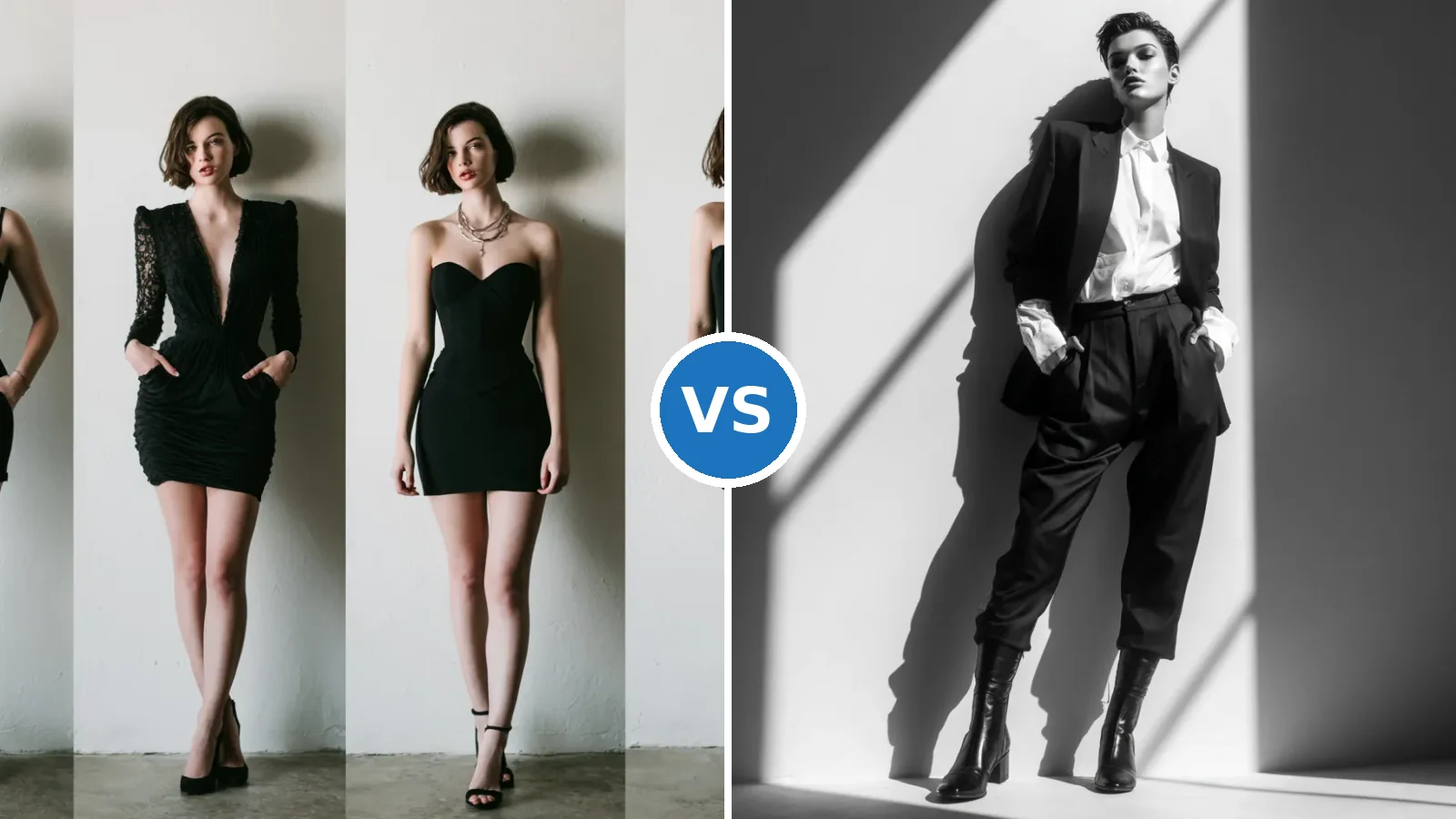
Standing in front of your closet most mornings and feeling like you have nothing to wear despite a full rack is not a closet problem—it is a system problem. The solution lies in building a cohesive wardrobe where every piece works together, but two distinct philosophies dominate this approach: the minimalist capsule wardrobe and the gender neutral capsule wardrobe.
Both reject the retail industry’s push toward endless accumulation, both prioritize intentional purchases over trend chasing, and both promise to eliminate decision fatigue. Yet they operate from different priorities, and choosing between them depends entirely on how you want to express yourself while keeping your closet streamlined.
A minimalist capsule wardrobe emphasizes a tightly controlled color palette and mathematical harmony between pieces, while a gender neutral capsule wardrobe prioritizes versatile silhouettes and freedom from gendered clothing categories. One suits those who find confidence in visual discipline and timeless restraint; the other serves people who want boldness and proportion without conforming to traditional style boundaries.

What Each Wardrobe System Actually Delivers
The minimalist capsule wardrobe is built on the principle that fewer items worn repeatedly create more usable combinations than many items worn occasionally. The core philosophy strips away noise to reveal true personal style through rigorous curation of color and fit.
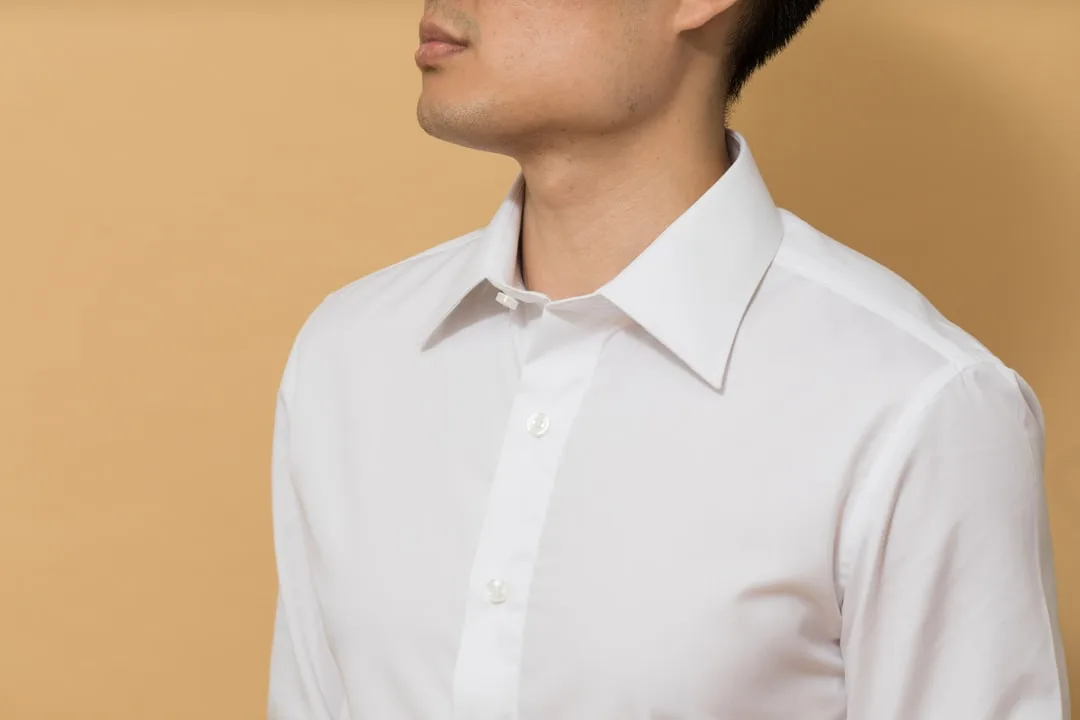
You begin with an audit of what you own, removing anything that does not fit perfectly or align with your lifestyle, then build upward from foundational pieces like a crisp white button-down shirt and perfectly tailored black trousers. The mathematics work because five tops and five bottoms generate twenty-five distinct outfit combinations before accessories enter the picture.
Color discipline anchors this system. A minimalist capsule wardrobe typically relies on a palette of camels, beiges, whites, blacks, navies, and perhaps one or two accent neutrals like charcoal or olive.
Every piece must harmonize with every other piece—no orphaned items that only match one specific garment. Monochromatic dressing becomes a powerful styling tool, where wearing varying shades of a single color elongates the silhouette and projects sophistication without effort.
A gender neutral capsule wardrobe approaches wardrobe building from a different angle. Rather than imposing strict color restrictions, it emphasizes that clothing need not be sorted by traditional gender categories.
Instead, it focuses on clean lines, balanced silhouettes, structured blazers, tailored trousers, and pieces that adapt across multiple styling contexts. The color palette remains simplified—usually neutral-based—but the real magic lies in versatile fit and proportion.
Gender neutral wardrobes celebrate silhouette and layering as primary design languages. An oversized blazer paired with fitted trousers creates visual tension; a sleeveless vest layered over a crisp shirt introduces dimension.
Bold proportions become the statement rather than printed patterns or saturated colors. The philosophy is that personal style emerges through how you manipulate fit and line, not through adhering to a predetermined color story.

Head-to-Head Comparison of the Core Mechanics
Both systems rely on quality fabrics and superior construction as their foundation. A minimalist wardrobe demands that each piece be impeccably made because fewer items are worn more frequently, requiring maintenance to stay polished.
Heavy-weight cotton poplin, wool trousers that hold shape, and quality steaming and tailoring become essential investments. Similarly, gender neutral wardrobes prioritize cotton poplin shirts, wool trousers, fine knitwear, and structured outerwear because versatility demands durability.
Where they diverge is in color strategy versus silhouette strategy. A minimalist approach spends significant mental energy on ensuring every color you own coordinates flawlessly. You might stand in a neutral store choosing between ivory and cream for your light base, knowing this single decision affects dozens of future outfit combinations.
Color theory becomes your primary design tool. A gender neutral approach spends that energy on fit and proportion instead, asking whether an oversized coat works structurally with your core pieces and whether proportions create visual interest.
| Criteria | Minimalist Capsule | Gender Neutral Capsule |
|---|---|---|
| Color Palette Discipline | Strict, pre-determined neutrals | Flexible, accent colors optional |
| Silhouette Approach | Classic, refined proportions | Bold, statement-making proportions |
| Fit Restrictions | Precise tailoring essential | Wide range of fits accepted |
| Styling Flexibility | Limited by color harmony | Expanded through proportion play |
| Starting from Scratch | Requires color self-reflection | Clearer foundational rules |
Quick Verdict
- Choose minimalist if you value color harmony, find comfort in mathematical precision, and want a timeless, editorial aesthetic.
- Choose gender neutral if you prioritize bold silhouettes, want freedom from gendered categories, and enjoy playing with proportion and layering.
- Both suit those committed to quality investment and rejecting fast fashion trends.
- Minimalist wins on consistency and visual predictability; every combination works before you get dressed.
- Gender neutral wins on expressive range and styling adventure within a restrained color palette.

Where the Minimalist Approach Truly Shines
A minimalist capsule wardrobe delivers unmatched visual clarity and reduced morning decision-making. Because every color in your collection has been pre-vetted to harmonize, you literally cannot assemble a clashing outfit.
Grab anything and pair it with anything else; the result will be refined and intentional. This mathematical precision creates an ecosystem where pieces support each other rather than compete.
This approach also excels for people with packed schedules or those who simply do not enjoy the process of styling. You know that your camel trench coat will work with every combination because it was selected specifically to tie your color story together. A sleek beige silk camisole pairs perfectly with matching trousers under that coat.
There is no hunting, second-guessing, or wardrobe regret. The monochromatic technique creates an unbroken visual line that elongates the silhouette and projects sophistication instantly.
Minimalism also shines in professional environments where visual restraint signals competence. A crisp white button-down tucked into perfectly tailored black trousers is a globally recognized uniform of polish and authority. There is psychological power in knowing your presentation is flawless before you leave home.

Where the Gender Neutral Approach Takes the Lead
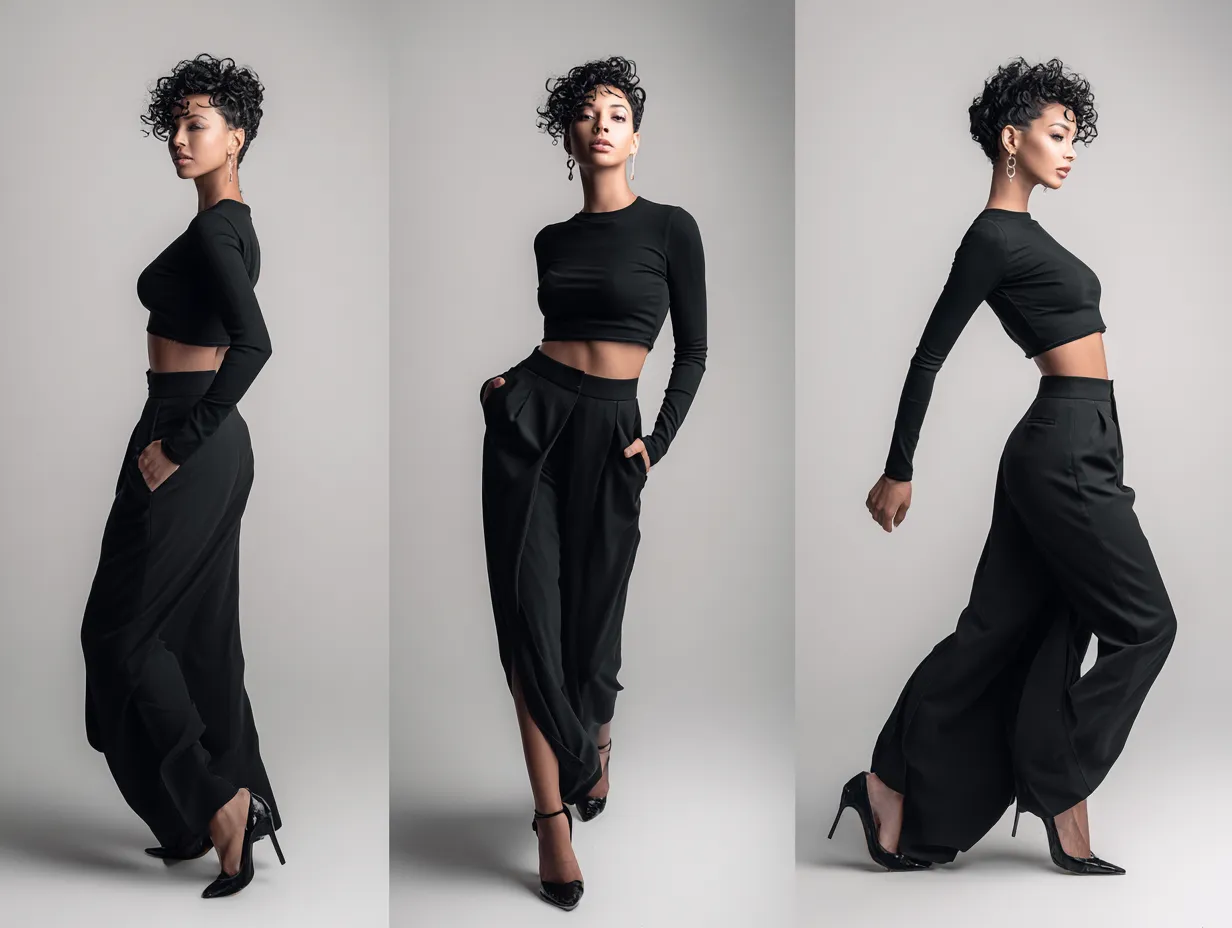
A gender neutral capsule wardrobe offers far greater creative play within its simplified framework. Bold silhouettes become your primary design language, meaning you can experiment with oversized coats, wide-leg trousers, and dramatic layering combinations that feel modern and dynamic. This approach celebrates proportion as a legitimate form of self-expression without requiring you to conform to traditional gendered clothing categories.
Gender neutral wardrobes also grant permission to incorporate accent colors like deep emerald or burgundy without disrupting cohesion. One signature shade can give character to your collection without the rigid discipline required by pure minimalism. Fewer rules around color mean more breathing room for personality.
This system particularly excels for people whose bodies, identities, or lifestyles do not fit neatly into conventional fashion boxes. By removing gendered language entirely and focusing on fit, line, and function, you build a wardrobe that reflects who you actually are rather than who retail marketing says you should be. The result feels authentic and empowering in ways that strict color discipline sometimes cannot deliver.


The Number One Mistake People Make When Choosing Between Them
The biggest error is trying to blend both philosophies simultaneously without commitment to either. Someone might decide to follow minimalist color rules while also wanting the bold silhouette play of gender neutral styling, ending up with a wardrobe that lacks coherence in both dimensions. They own five colors of trousers and twelve different blazer fits, discovering too late that the collection feels scattered rather than harmonious.
Here is what that looks like in practice: you begin with a minimalist palette of black, white, beige, and navy, but then add a charcoal blazer, a olive shirt, and some burgundy pants because you love color. Next, you buy an oversized trench coat, then a fitted jacket, then a relaxed linen shirt.
By month three, you have neither the color harmony that makes minimalism work nor the clear silhouette strategy that makes gender neutral dressing sing. Each purchase felt justified individually, but together they create decision paralysis rather than relief.
The fix is simple: choose one philosophy and follow it consistently for at least three months before adding anything new. If minimalism appeals to you, stick to your predetermined color palette religiously. If gender neutral styling calls to you, commit to the silhouette framework and resist the temptation to layer in complex color rules.

Final Verdict: Which System Matches Your Lifestyle
Both the minimalist and gender neutral approaches solve the same core problem—decision fatigue and wardrobe chaos—through quality and intention. The minimalist capsule wardrobe suits those who find confidence in visual discipline, who appreciate editorial polish, and who want zero outfit failures. It is ideal for people with structured lives, professional presentations that matter, or personalities that thrive on systems and clarity.
The gender neutral capsule wardrobe suits those who value creative expression through silhouette and proportion, who want to dress beyond gendered categories, and who enjoy the process of mixing and layering. It is ideal for people in creative fields, those seeking authenticity over convention, and anyone who feels more alive when playing with bold proportions and line.
Neither approach is objectively superior. A minimalist wardrobe will never generate the proportion-play excitement of gender neutral dressing; a gender neutral wardrobe will never match the flawless consistency of perfect color harmony.
Choose based on what kind of person you are and what your mornings actually require. The right system is the one you will actually maintain.

Building Your Chosen System With Intention
Whichever path you select, begin slowly. Start with a small foundation of core pieces rather than attempting to assemble a complete wardrobe immediately.
For a minimalist approach, choose your dark base, light base, and one accent neutral before purchasing anything else. For gender neutral styling, select foundational structured pieces and layering essentials to establish your proportion vocabulary.
Quality fabrics matter equally in both systems. Cotton poplin delivers crispness; wool trousers hold shape; fine knitwear moves beautifully.
Since fewer items are worn more frequently, maintenance becomes paramount. Learn proper laundering techniques for natural fibers, invest in a quality steamer, and build a relationship with a local tailor who understands your vision.
Both approaches also require seasonal adjustment without losing core coherence. A minimalist winter wardrobe might swap lightweight linen for wool, but maintains the same color story.
A gender neutral wardrobe might shift from oversized summer linen to structured winter coats, but preserves the silhouette logic. The foundation remains steady while execution adapts to weather and season.