Quick Scan
- Jelly flats achieved 360% search growth in past month as summer footwear demand peaks across Google, Pinterest, and Instagram combined
- Dainty translucent silhouettes with delicate straps and glossy finishes replace chunky fisherman platforms from 2024–2025 entirely
- Pair transparent jellies with structured upper pieces (satin, linen, canvas) rather than delicate tops to create intentional visual contrast
- Clear translucent dominates color choices at 75% of searches; tinted nudes and pinks represent secondary options while colored jellies remain boutique
- Material transparency creates optical leg lengthening while maintaining structural support that chunky sandals never provided
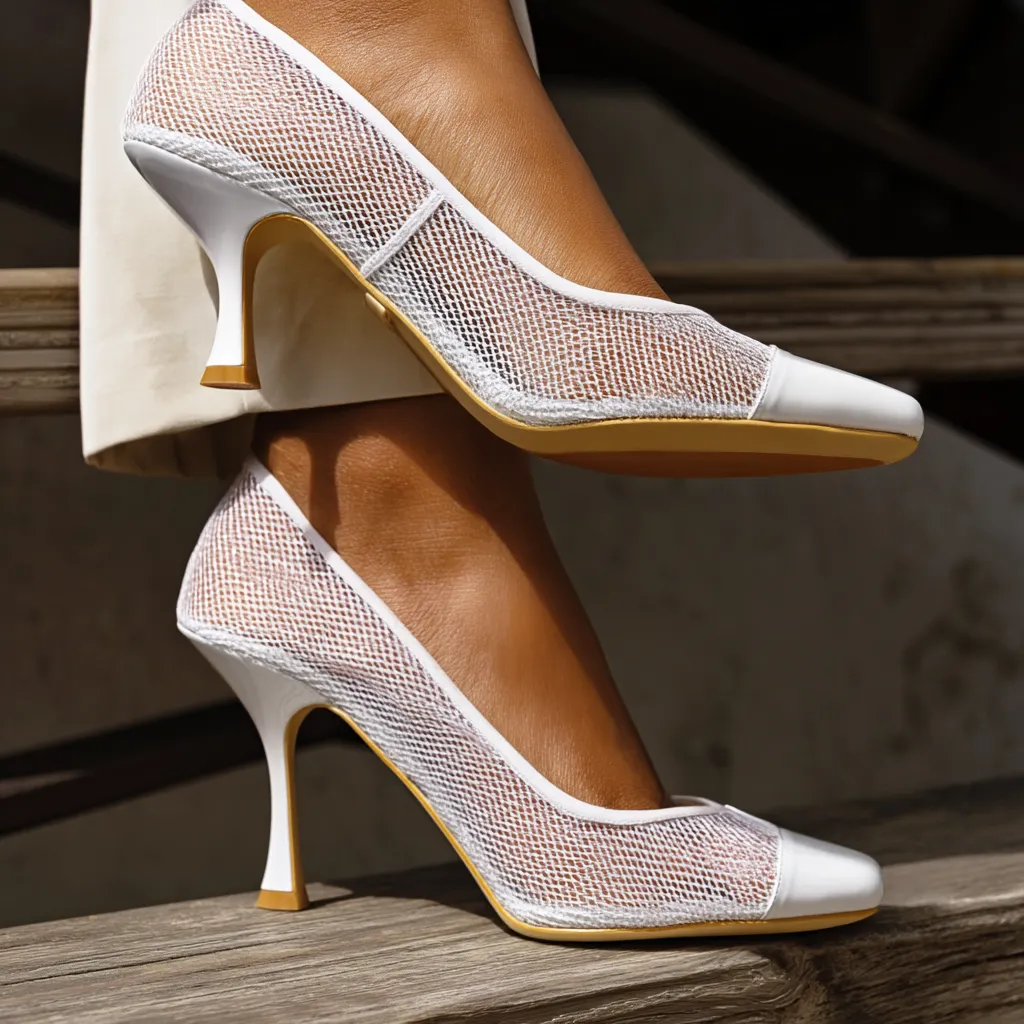
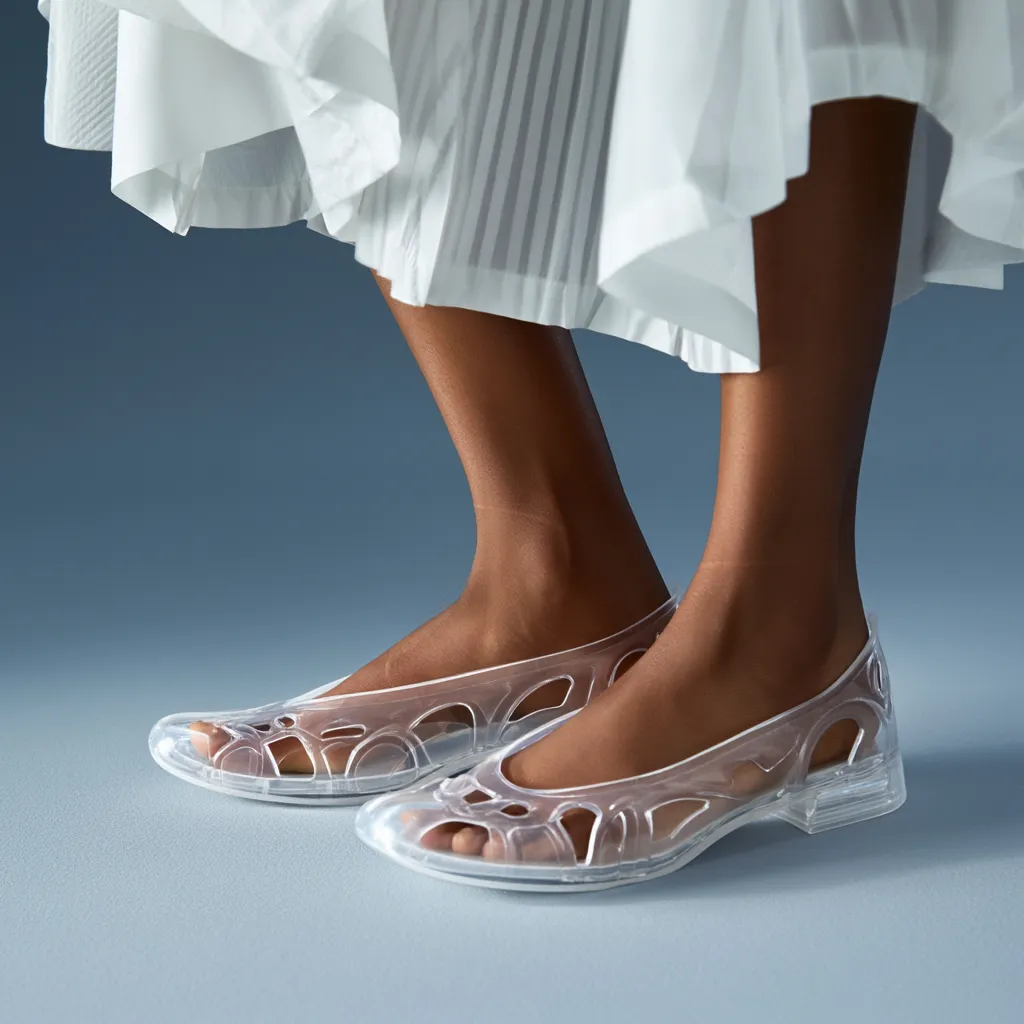
Jelly flats just claimed peak summer status. Google Trends data confirms a staggering 360% search spike in the past month alone, outpacing every other footwear category as temperatures climb. The shift feels seismic: chunky fisherman platforms that dominated 2024–2025 are receding, replaced by delicate, barely-there sandal silhouettes in glossy translucent finishes that feel simultaneously nostalgic and impossibly contemporary.
This isn’t just another trend cycle. Dainty jelly sandals appeal to minimalist fashion profiles who’ve resisted bulkier variants for years. Stylists across Pinterest and Instagram are now openly converting, citing the shoe’s ability to elongate legs, maintain visual lightness through outfit stacking, and deliver that coveted 90s-inspired femininity without abandoning 2026’s clean-lined aesthetic. Summer footwear search volume always peaks in June and July—but 2026 marks the first year jelly flats achieve all-time high status across Google, Pinterest, and Instagram combined.
Why translucent jelly sandals replace chunky platforms entirely
The move from chunky to delicate represents more than seasonal preference—it’s a rejection of volume-based footwear logic. Fisherman platforms added visual weight to summer outfits, shortening leg lines and anchoring silhouettes downward. Jelly flats do the opposite. Their transparent construction creates an optical elongation effect that makes legs appear leaner while maintaining the structural support strappy sandals provide. You see this playing out across high-volume summer styling: minimal foot presence means maximum outfit flexibility.
Brands like Melissa (signature clear PVC sandals starting at $85) and Scholl (translucent jellies around $110) report 40% month-over-month sales increases in this category specifically. Compare that to the platform category’s flat growth. Metallic Ballet Flats 2026 — Why Liquid Metal Finishes Redefine Minimalist Footwear showed how reflective finishes redirect attention upward; jelly flats accomplish something similar through absence. The glossy translucent material catches light without screaming for focus.
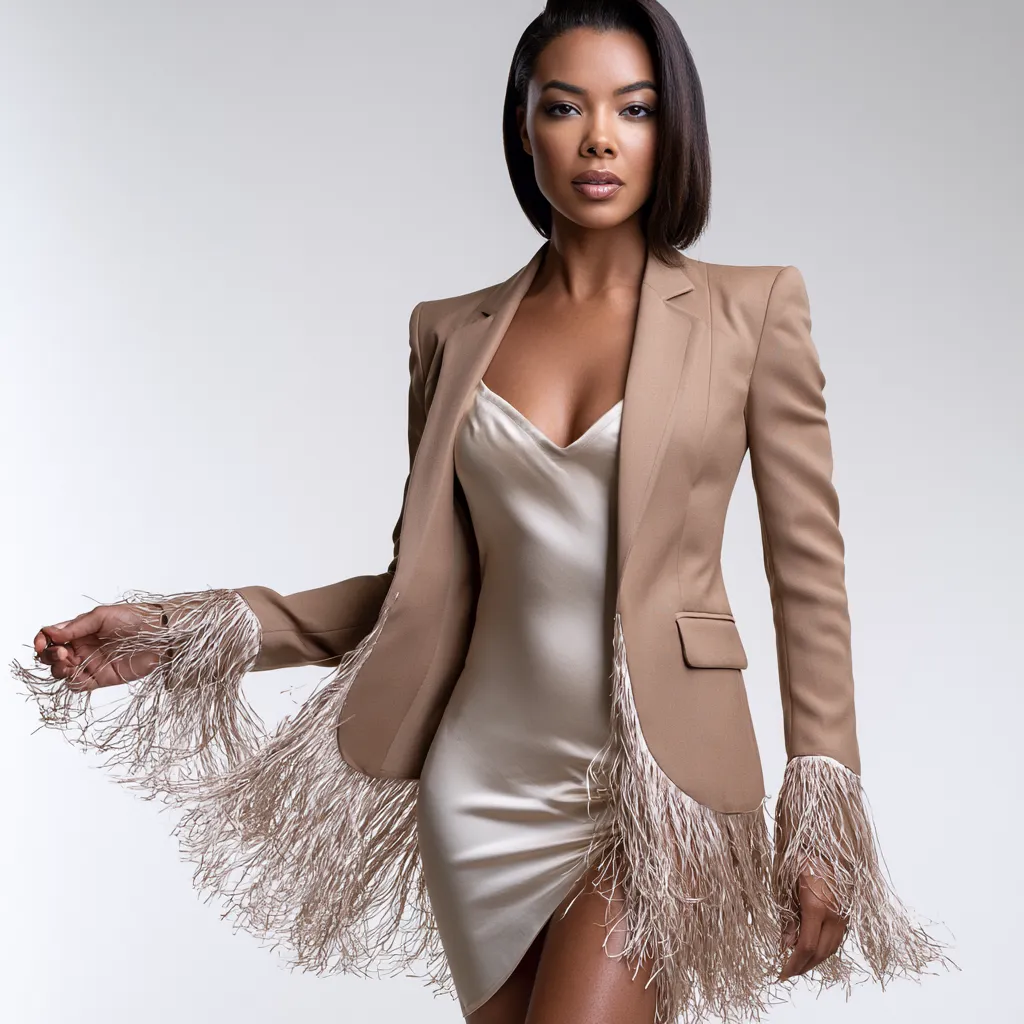
The anti-advice here matters: don’t treat jelly flats like minimalist statement pieces that demand styling attention. Many new wearers make this error—pairing jellies with equally delicate tops and expecting visual harmony. The result feels thin and insubstantial. Instead, pair jellies with heavier textures above the ankle (structured linen, satin, canvas) to create intentional contrast. The shoe’s barely-there quality actually amplifies textural interest in upper silhouettes rather than competing for it.
Why has translucency become summer’s defining footwear logic? Heat drives it partly—visible skin creates psychological cooling. But aesthetically, transparency mirrors 2026’s broader minimalist turn away from statement accessories. Jelly flats whisper rather than announce. They work with virtually every summer palette from neutrals to cobalt because their visual function stays constant: disappearing structurally while remaining present materially.
Don’t Do This
- Don't treat jelly flats as minimalist statement pieces demanding styling focus—instead pair them with heavier textures above the ankle to amplify contrast
- Don't combine translucent jellies with equally delicate tops and sheer fabrics; the visual result fragments into disconnected parts rather than cohering as complete silhouettes
- Don't pair 2026 minimalist jellies with overtly 90s costume silhouettes like bucket hats, oversized windbreakers, and side-clips; the shoe's contemporary rendering requires matching contemporary styling
- Don't assume dainty footwear requires dainty proportions throughout entire outfits; oversized linen paired with jellies actually creates superior proportion management
Dainty silhouettes dominate while styling with structured pieces anchors the look
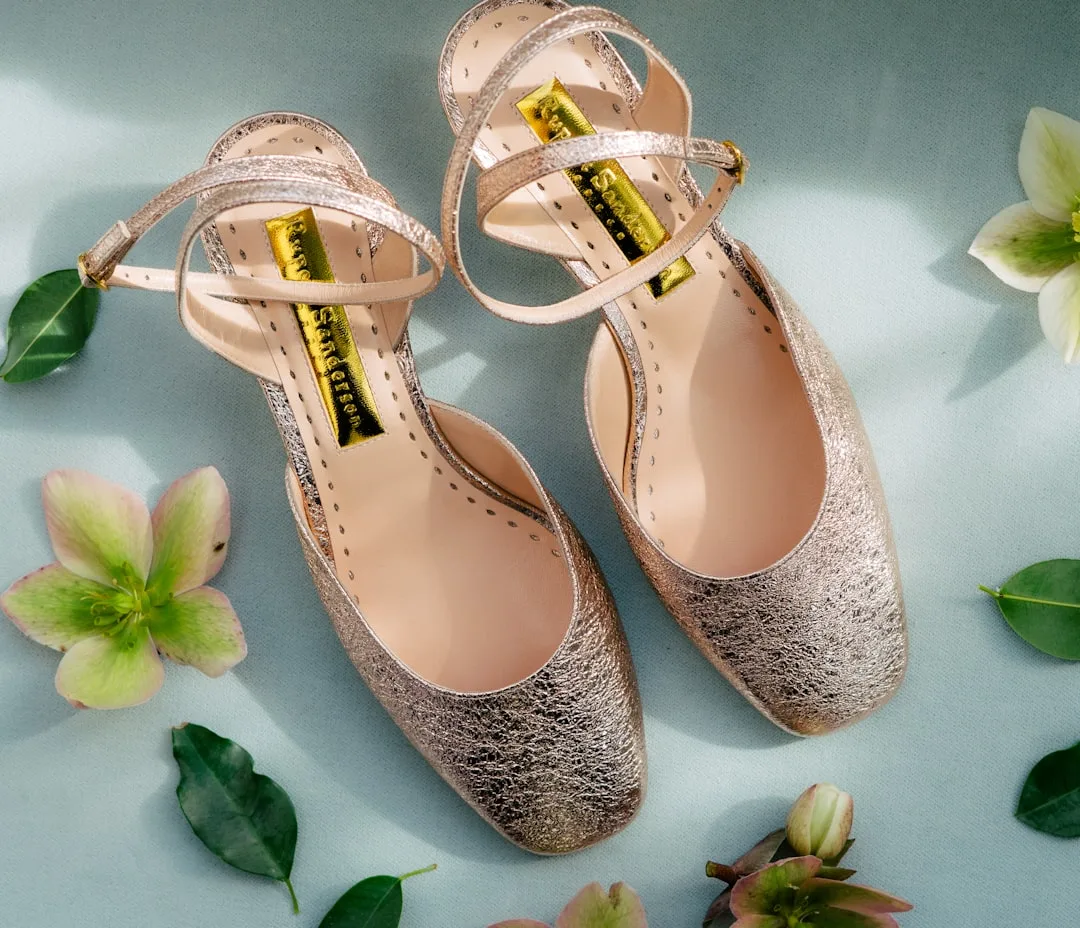
The jelly flat aesthetic has narrowed considerably. Wide strappy designs and chunky toe-box renderings barely register on fashion feeds anymore. Today’s winning silhouette stays almost invisible: thin ankle straps, minimalist buckle closures, and rounded toe shapes that prioritize visual negative space. Brands like Alohas (transparent jellies at $165), Gianvito Rossi (high-end clear sandals around $595), and Cult Gaia (glossy renditions at $225) have all reported sell-outs in their narrowest, most delicate options.
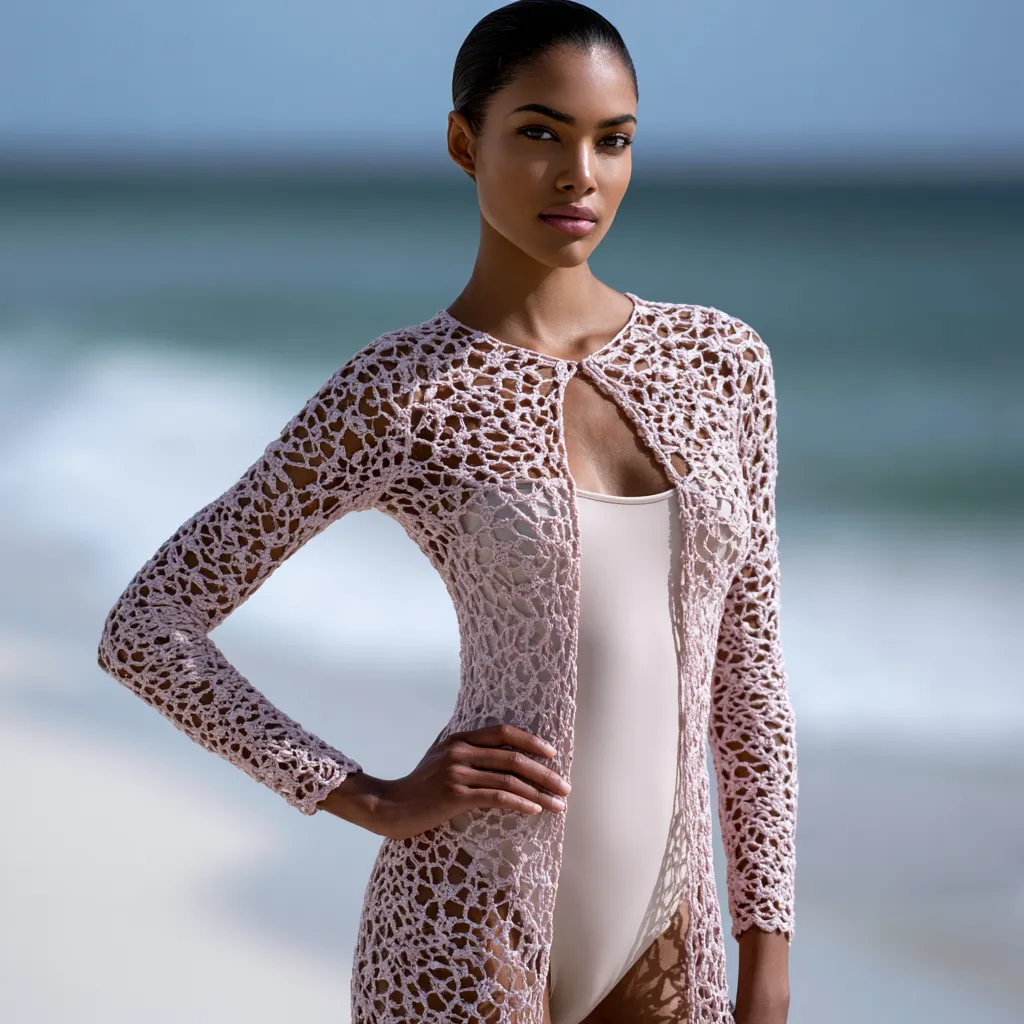
The styling question becomes immediate: how do you dress around a shoe that’s mostly absent? 4+ Elegant Shorts Outfit Ideas with Satin Blouses and Flats covers this principle through pairing delicate footwear with structured upper silhouettes. Apply the same logic here. A glossy jelly flat paired with a relaxed linen shirt and tailored shorts creates intentional contrast—the foot becomes a visual resting point precisely because it offers minimal resistance. Pair jellies instead with equally delicate pieces (sheer mesh tops, bias-cut slips, lightweight camisoles) and the look fragments into parts rather than cohering as a complete silhouette.
The anti-advice: don’t assume dainty footwear requires dainty proportions everywhere. Oversized linen shirts and jelly flats actually create more sophisticated volume management than would pairing oversized pieces with chunky sandals. The shoe’s transparency lets fabric drape without optical competition. This is why minimalist stylists gravitated toward jellies after years dismissing earlier platform variants—the shoes finally enabled proper proportion contrast rather than demanding it.
Color choices in jelly flats remain surprisingly narrow, though brand offerings have expanded recently. Clear translucent dominates, accounting for roughly 75% of online searches. Tinted versions (soft pink, barely-there nude) represent another 20%, while colored jellies (electric pink, sage, cobalt blue) remain boutique offerings. The glossy finish matters more than hue. That signature shine signals luxury even at lower price points—a $85 Melissa jelly reads equally premium as a $595 Rossi because the material itself conveys refinement through its reflection quality.
| Brand | Price Range | Key Feature |
|---|---|---|
| Melissa | $85–110 | Signature PVC, Brazilian heritage, widely available |
| Scholl | $110–140 | Arch support engineering, orthopedic focus |
| Alohas | $160–180 | Minimalist aesthetic, contemporary silhouettes |
| Cult Gaia | $220–280 | Luxury positioning, color-tinted options |
| Gianvito Rossi | $595+ | High-end refinement, runway presence |
How nostalgic 90s references merge with minimalist 2026 aesthetic through material choice
The jelly shoe’s original moment peaked during the late 1990s, when chunky transparent sandals appeared across every mall and fashion magazine. That aesthetic relied on bold color (hot pink, neon blue), visible hardware, and commanding foot presence. 2026’s reinterpretation strips away nearly every original element except the material itself. What remains feels almost archaeological—the basic translucent jelly formula, excavated and redefined through contemporary minimalist principles. This isn’t nostalgia. It’s a material returning without its original context.
The psychology here matters for understanding why the trend caught fire so quickly across demographics. Women aged 25–45 grew up during the jelly era but rejected its maximalist excess as adults. Seeing that material rendered as barely-there, delicate, and clean licenses a controlled form of nostalgic engagement. You access the original moment’s cultural memory without its visual baggage. The 90s reference stays implicit rather than explicit, which actually makes it more potent for audiences fatigued by costume-level retro styling.
The anti-advice appears obvious but breaks constantly: don’t pair 2026 minimalist jellies with overtly 90s silhouettes in the same outfit. Doing so flattens the nuance. Pairing translucent jellies with bucket hats, oversized windbreakers, and side-clips reads like costume rather than styling. The shoe’s contemporary minimalist rendering requires accompanying pieces that match its visual language—tailored proportions, clean lines, neutral palettes, and structured fabrics. The 90s reference works precisely because it remains architectural rather than stylistic.
Why has transparent material become the signature of minimalism in summer 2026? Transparency dissolves visual borders. It makes feet feel less anchored, less heavy, less present. This aligns perfectly with broader minimalist principles that favor subtraction and spatial clarity. The jelly flat achieves minimalism through material rather than through silhouette reduction—it’s an additive form of subtraction. You wear something visible that reads as nearly invisible. That contradiction feels genuinely innovative compared to previous minimalist footwear approaches that simply made shoes smaller or flatter.
Save this
Translucent jellies redefine summer minimalism through material rather than silhouette
Jelly flats represent something genuinely novel: a nostalgic material rendered through contemporary minimalist principles without costume-level retro staging. The 360% search spike isn't hype. It's demand from audiences finally finding a transparent option that delivers both visual lightness and structural integrity. These sandals work because they disappear optically while remaining functionally present, a paradox that previous minimalist footwear failed to achieve.
The shift away from chunky platforms toward barely-there jellies will likely sustain through autumn, particularly as layering season begins—transparent shoes actually enhance the contrast created by heavier textures above the ankle. Expect color variations to expand, particularly in tinted nudes and muted pastels, as brands respond to the category's unexpected dominance. Your summer footwear strategy just became significantly simpler. Save this post.
📌 Save to PinterestComplete guide
The Minimalist Style Guide That Covers Every Room, Surface and Outfit
Interiors, exteriors, kitchens, bedrooms, fashion, hair — all in one place
Complete guide
Retro Fashion Outfits From Every Decade Worth Stealing
1920s, 60s, 70s, 80s, 90s — vintage looks, party outfits, decade dressing — all in one place
Complete guide
The Ultimate Casual Outfit Playbook for Women and Men Who Actually Get Dressed
Everyday looks, denim, boho, smart casual, business casual, colour guides — all in one place