Quick Scan
- Size exhaust fans by CFM rating: 50 CFM for standard bathrooms, 80–100+ CFM for larger or steam-prone spaces
- Duct moisture outdoors completely—attic venting causes hidden mold and insulation damage worth thousands to repair
- Install humidity sensors or time-delay switches to run fans only when needed, cutting energy waste while preventing moisture buildup
- Wrap ductwork with insulation in unconditioned spaces to stop condensation dripping and improve system efficiency
Bathroom moisture doesn’t just create that steamy mirror moment—it seeps into drywall, spreads mold spores, and rots structural wood underneath tile and paint. Most homeowners only notice the problem after black spots appear or water stains show on the ceiling below. A properly sized exhaust fan running during and after showers removes that humidity before it settles into walls and creates expensive damage. The right ventilation setup costs $200–$800 installed and prevents repair bills that spike into thousands.
Choosing the Right Exhaust Fan Size and CFM Rating
CFM (cubic feet per minute) measures airflow capacity—the amount of humid air your fan pulls out per minute. An undersized fan circulates stale air without actually removing moisture. For a standard 5×8 bathroom, you need 50 CFM minimum; larger or moisture-heavy bathrooms (double vanities, oversized tubs) require 80–100 CFM or higher. Panasonic WhisperCeiling 110 CFM fans ($180–$250) excel in quiet operation; Broan Ultra X4 models ($220–$320) add LED lighting and humidity sensors that turn the fan on automatically when moisture levels spike.
Never buy a bargain contractor-grade fan expecting it to last. Budget models like basic Nutone units move air but create vibration and noise that drive homeowners crazy—you’ll avoid using them, defeating the whole purpose. Ask yourself: do you want a fan that whispers or one you’ll mute with earplugs? Premium options like The Benefits of Professional Junk Removal at Home address the broader bathroom renovation context; during upgrades, old fixtures create debris that removal services handle efficiently. Retrofit kits exist for homes with existing ductwork ($400–$600 total), while new installations in older bathrooms without proper venting run $600–$900 when ducting must be run through walls or attics.
What does CFM actually feel like in practice? A 50 CFM fan moves air gently but noticeably; 100 CFM creates suction you hear across the room. Measure your bathroom dimensions (length × width × height), multiply by 1.07, and match the result to CFM recommendations—this ensures moisture removal within 20 minutes after a hot shower.
Don’t Do This
- Don't buy cheap contractor-grade fans expecting durability—bargain models vibrate loudly and fail within 3–5 years, making homeowners skip use entirely
- Don't vent exhaust fans into attics, soffits, or return-air ducts—moisture condenses in insulation, rots roof sheathing, and spreads mold invisibly until structural damage requires replacement
- Don't crush or kink flexible ductwork to fit spaces—friction loss cuts actual airflow 30–40% below rated CFM, making oversized equipment perform like undersized units
- Don't run fans continuously 24/7 to fight persistent moisture—instead, install humidity sensors that activate automatically and reduce energy waste by 40–60%
Ductwork Installation and Ventilation Routes That Actually Work
Most bathroom moisture damage occurs because exhaust fans vent into attics instead of outdoors. Humid air rises into unconditioned attics, condenses on roofing materials, and causes insulation to absorb water—this ruins R-value and triggers mold growth in spaces you never see until damage becomes catastrophic. Proper ducting runs straight outside through the roof or exterior wall, terminating with a damper hood that closes when the fan stops (preventing outdoor air from flowing backward). Flexible aluminum ducts cost $1–$2 per foot; rigid metal ducting runs $3–$5 per foot but moves air more efficiently and resists crushing or kinking that restricts airflow.
Don’t route bathroom exhaust through soffit vents or attic return paths—moisture will re-enter your living space or settle in insulation. The damper hood matters more than most renovators realize: Deflect dampers ($25–$50) swing open when airflow activates, then close with gravity; motorized dampers ($80–$150) seal completely, preventing thermal loss in winter. During installation, insulate ductwork with wrap ($0.50 per linear foot) if it passes through unconditioned spaces—condensation forms on cold metal, dripping water back into the bathroom. The Benefits of Regular Dirt Removal for Your Home’s Health extends to ductwork maintenance: dust, lint, and mold buildup inside ducts block airflow and reduce effectiveness by 30–40% over three years. Annual cleaning or replacing flex ducts every five years keeps systems performing at rated CFM.
Can you use flexible ducting through an attic? Yes, but wrap it with closed-cell insulation to prevent condensation. Why does a 10-foot straight duct outperform a 25-foot kinked one? Friction loss in crushed sections cuts actual airflow dramatically—you install 100 CFM equipment but get 60 CFM output.
| Fan Type | CFM Range | Price & Key Feature |
|---|---|---|
| Panasonic WhisperCeiling 110 | 110 CFM | $180–$250 | Ultra-quiet operation |
| Broan Ultra X4 | 80–110 CFM | $220–$320 | Humidity sensor + LED light |
| Nutone Budget Basic | 50–75 CFM | $80–$120 | Loud, short lifespan |
| Honeywell Home Smart Sensor | 90 CFM | $300–$450 | Wi-Fi + remote monitoring |
Humidity Sensors and Smart Controls That Prevent Overspending
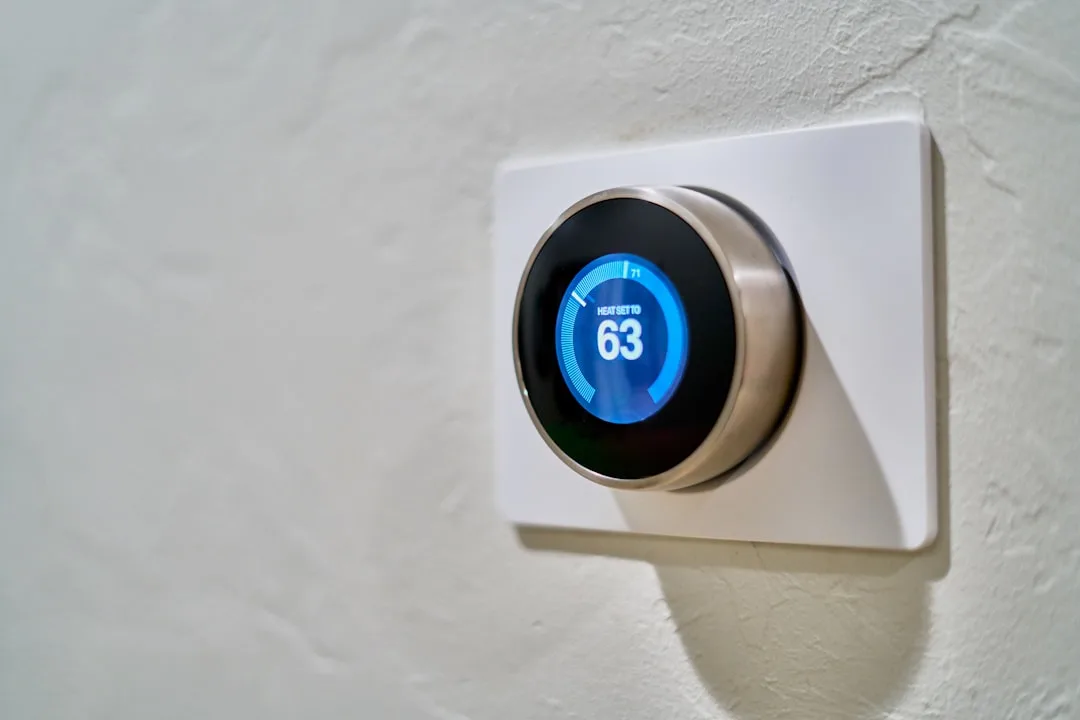
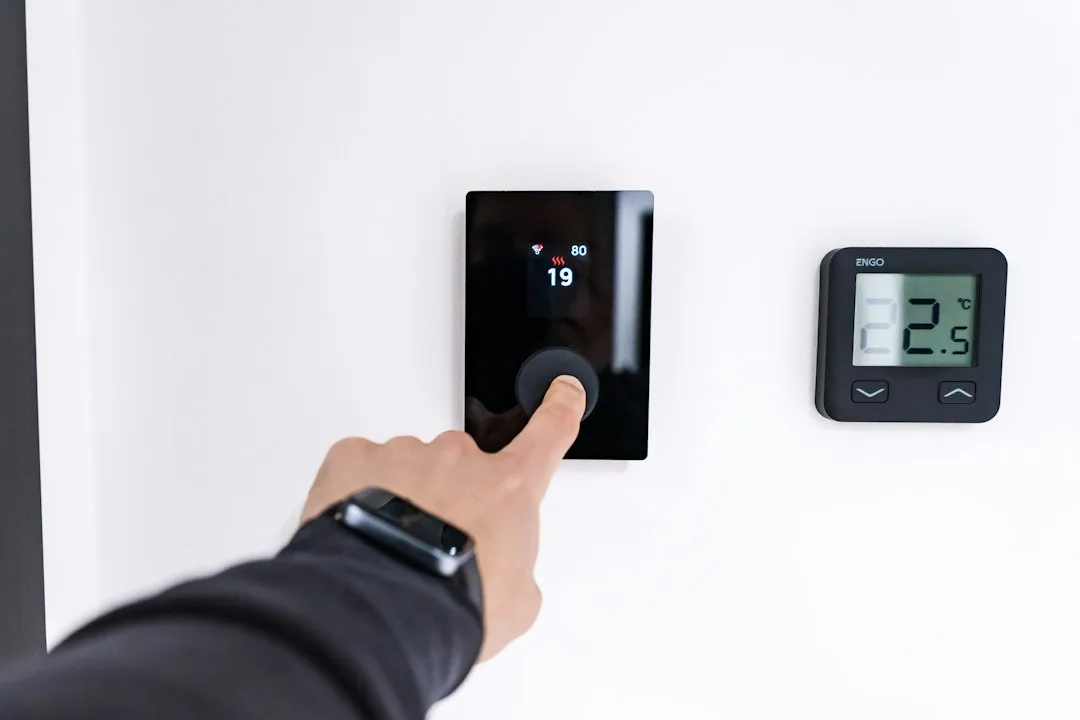
Running an exhaust fan 24/7 wastes energy and inflates utility bills $15–$30 monthly. Smart humidity-sensing fans like Broan Ultra X4, Panasonic WhisperControl, and Honeywell Home units ($280–$450) turn on automatically when moisture exceeds 55–60% relative humidity, then shut down after moisture drops. Installation connects the sensor to existing wiring (no additional ducting needed). Wi-Fi-enabled models let you monitor humidity remotely and adjust sensitivity through phone apps—this matters if multiple bathrooms share one larger ventilation system. Time-delay switches ($30–$60) offer a simpler approach: they run for 15–30 minutes after you flip the switch, then shut off automatically, requiring zero sensor maintenance.
Never install a regular on-off switch expecting users to remember to activate the fan—occupancy-based automation outperforms human discipline every time. Occupancy sensors detect movement and turn fans on when someone enters; humidity sensors keep them running as needed. Combining both approaches costs $150–$250 extra but eliminates the stubborn partner who never turns on ventilation. Energy Star certified fans use 30% less electricity than standard models while delivering the same CFM, offsetting higher upfront costs within three years of typical household use.
What’s the difference between a 15-minute and 30-minute delay? Larger bathrooms with high steam generation (steam showers, jetted tubs) need 30 minutes to fully dry. Standard 5×8 bathrooms dry in 15 minutes. Some fans offer adjustable delays—set it once and optimize airflow without overshooting.
How to Install a Humidity-Sensing Exhaust Fan
Replace an existing fan or install new ducting with smart sensor activation. This process takes 2–4 hours for straightforward retrofits; new ductwork routes add 4–8 hours.
-
1
Turn off power and remove old fan
Locate the circuit breaker controlling bathroom ventilation and switch it off. Remove the old fan cover, disconnect the electrical connector, and unbolt the housing from the ceiling. Take photos of wire colors before disconnecting to guide reconnection.
-
2
Install new housing and ductwork if needed
Place the new fan housing in the opening, securing with provided brackets. If existing ducts are undersized or routed incorrectly (into attic), replace with rigid or flexible ducting that terminates outdoors through a damper hood. Insulate exposed ducts in unconditioned spaces with wrap.
-
3
Connect wiring and humidity sensor probe
Wire the fan to the existing circuit, connecting ground, neutral, and hot wires according to the manufacturer diagram. Mount the humidity sensor in a location where steam naturally rises (above the vanity or near the shower entrance, not directly above the fan outlet).
-
4
Seal, test, and adjust sensitivity settings
Caulk around the fan housing with silicone to prevent air leaks. Turn power back on, run a hot shower to test activation, and adjust humidity setpoint (typically 55–60% relative humidity) using the control panel or app. Verify the fan shuts off 10–15 minutes after moisture drops below threshold.
Save this
Proper bathroom ventilation solves moisture problems before they become expensive structural damage
A well-designed exhaust system runs 15–30 minutes after showers, pulls moisture outdoors through sealed ducting, and uses humidity sensors to prevent overshooting. Total investment of $400–$1,200 eliminates mold risk, protects drywall and insulation, and typically pays for itself within three years through energy savings and avoided repairs.
Start by measuring your bathroom, calculating the CFM requirement, and choosing between humid-sensor or time-delay activation—then route ductwork outside (never into attics), insulate exposed sections, and install a proper damper hood. Save this post.
📌 Save to PinterestComplete guide
Bathroom Design Ideas That Transform Every Space From Ordinary to Exceptional
Tiles, colors, fixtures, layouts, remodels, mirrors, decor — all in one place