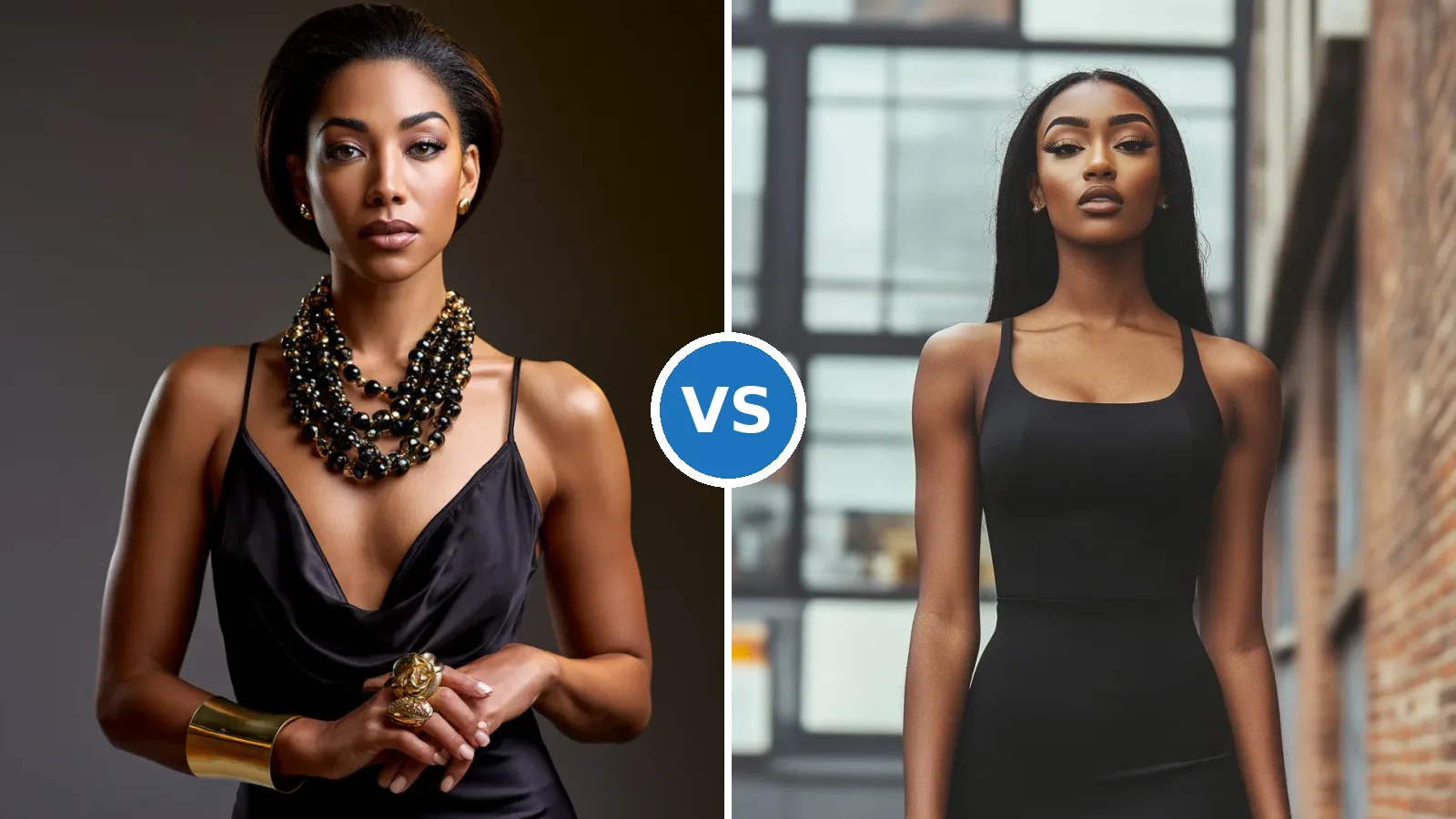
You are standing in front of your closet in mid-2026 facing a real styling choice. Do you invest in a substantial piece of jewelry that announces itself from across a room, or do you commit to the architectural precision of a bodycon dress that puts your silhouette front and center? Both approaches to chunky statement jewelry vs bodycon dress outfits hit peak Google search interest simultaneously this year—not by coincidence, but because each represents a fundamentally different approach to how fashion works.
Chunky statement jewelry is about addition: layering sculptural pieces that create visual drama and presence. Bodycon dresses are about subtraction: removing everything except the line of your body, then building restraint around that core.
Chunky statement jewelry suits anyone ready to let accessories carry the entire outfit story. Bodycon dresses serve those who find clarity in simplicity and prefer the silhouette itself to be the statement.
What chunky statement jewelry and bodycon dresses actually are
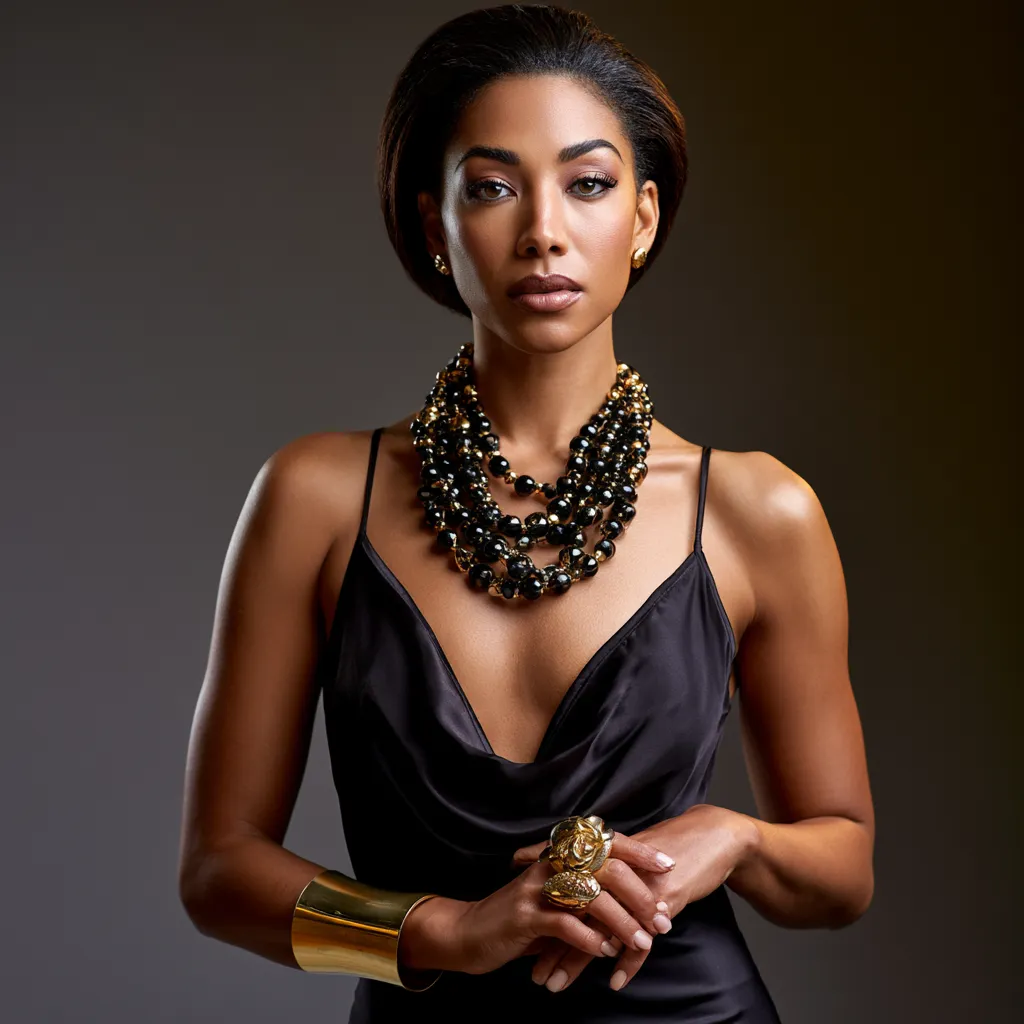
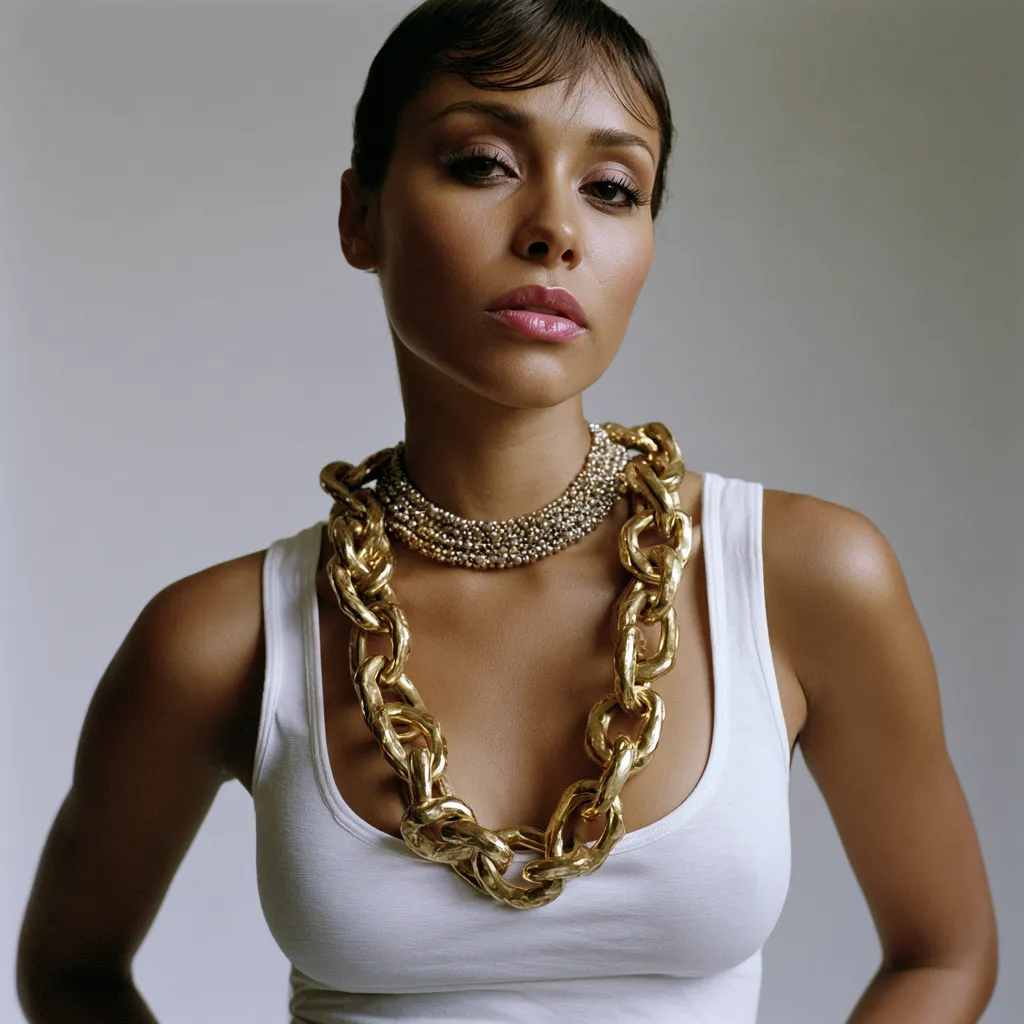
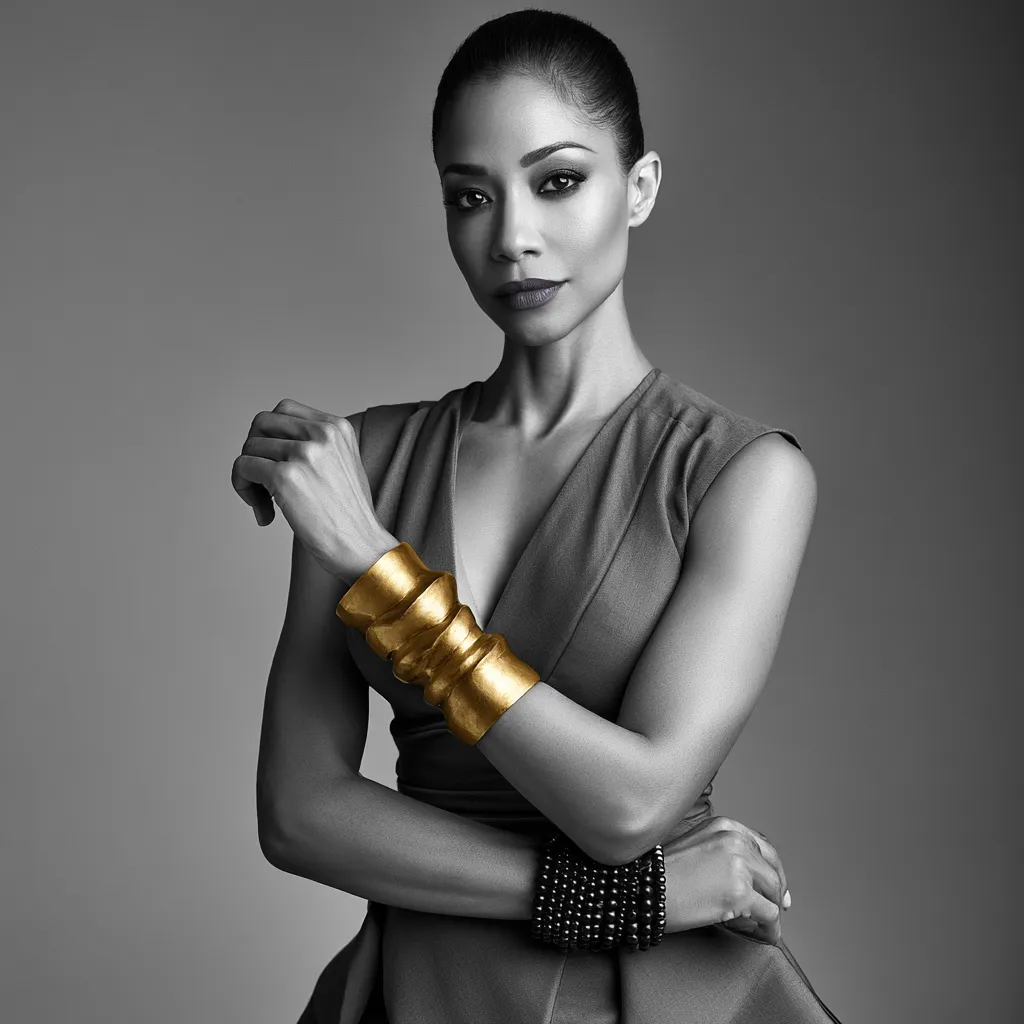
Chunky statement jewelry in 2026 represents oversized, sculptural pieces—beaded necklaces, cuff bracelets, and chain links designed for visual impact. Brands like Saint Laurent, Chanel, and Bottega Veneta sent these pieces down runways in the SS26 season, validating the shift from quiet luxury minimalism toward maximalism you can see from across a room.
Accessible entry points start around $150–$300 for designers like Zankov, while higher-tier options from Alison Lou run $400–$900, and luxury anchors include David Yurman and Repossi cuffs in the high hundreds or above. The styling logic requires discipline: one hero piece per category, a controlled silhouette underneath, and deliberate proportion choices.
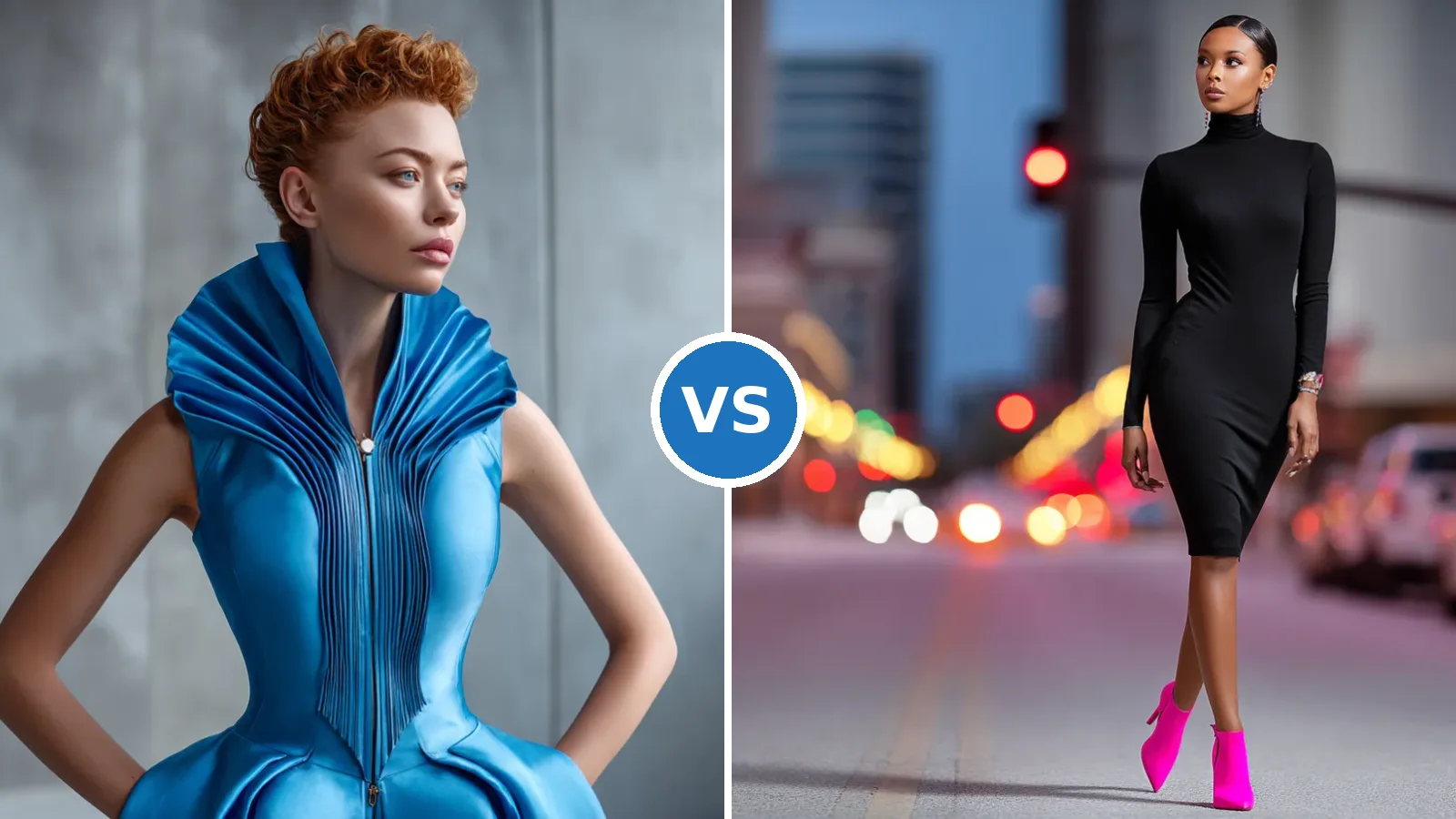
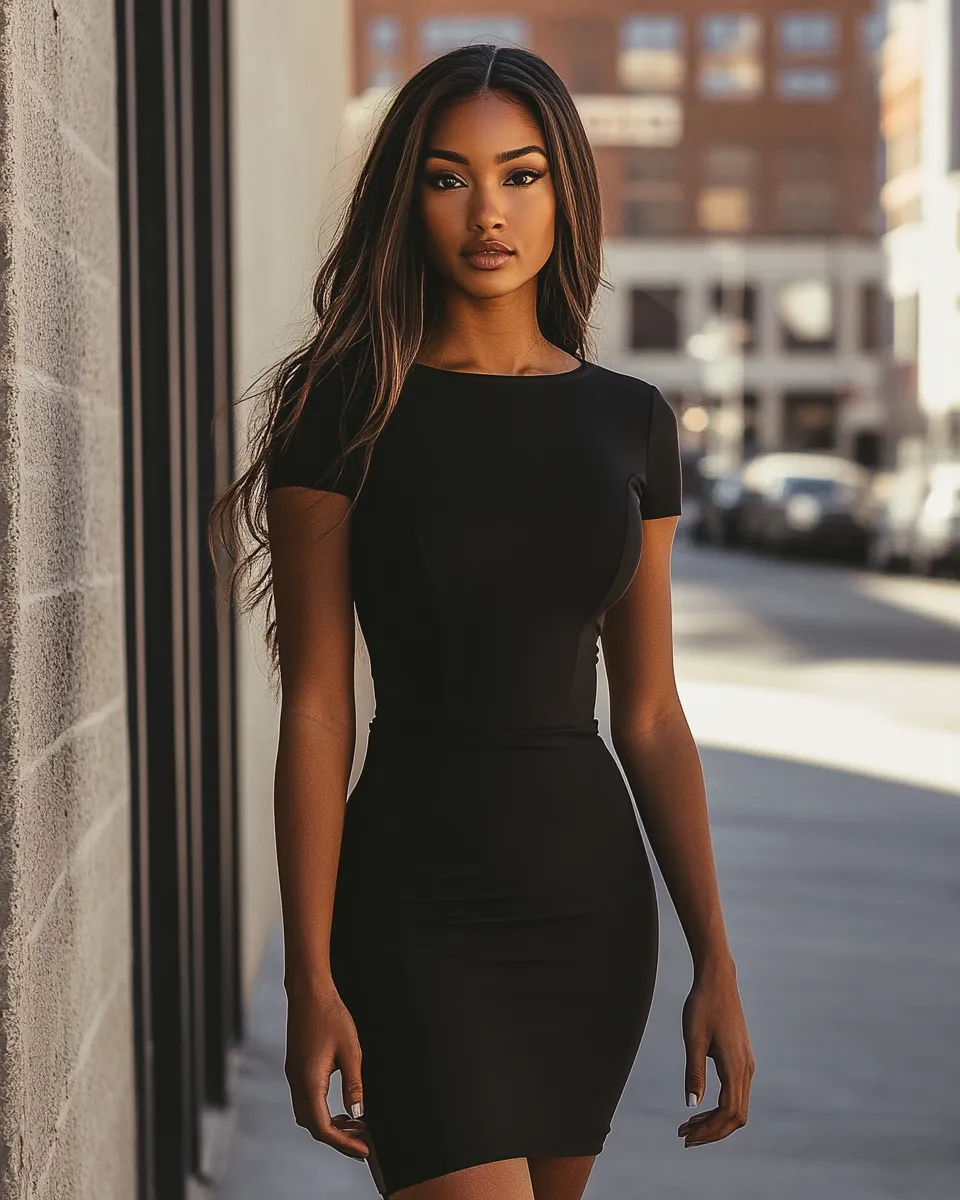
Bodycon dresses follow the body’s line from shoulder to hem without interruption—no volume, no drape, no layer obscuring the shape. They come in multiple versions: mini for night, midi for versatility, long-sleeve for coverage, and cut-out styles for evening drama. What they all share is a demand for intentionality everywhere else in the outfit.
Quick Verdict
- Choose chunky statement jewelry if you own solid basics (white fitted tees, structured blazers, ribbed tanks) and want to maximize outfit permutations from minimal new pieces.
- Choose bodycon dress if you prefer a single garment to anchor an entire look and you are willing to customize shoes, bags, and layers for specific occasions.
- Choose jewelry if you like experimenting within one outfit; choose bodycon if you prefer building complete looks from a single statement piece.
Cost, durability, and styling flexibility in chunky statement jewelry versus bodycon dress outfits
| Criteria | Chunky Statement Jewelry | Bodycon Dress Outfits |
|---|---|---|
| Entry Price | $150–$300 accessible; $400–$900 mid-luxury | Varies widely; dress alone is the primary cost |
| Styling Complexity | High—requires controlled outfit underneath | High—every layer and accessory must serve or recede |
| Occasion Range | Day and night; most effective with neutral base | Highly occasion-dependent; mini = night only |
| Garment Care | Minimal—jewelry stays consistent | Critical—fabric quality determines fit and longevity |
| Flexibility Across Outfits | Very high; one piece works across many base outfits | Medium; styling formula changes by dress length |
| Wardrobe Dependence | Requires compatible basics already owned | Requires layers, shoes, bags specific to context |
Where chunky statement jewelry wins
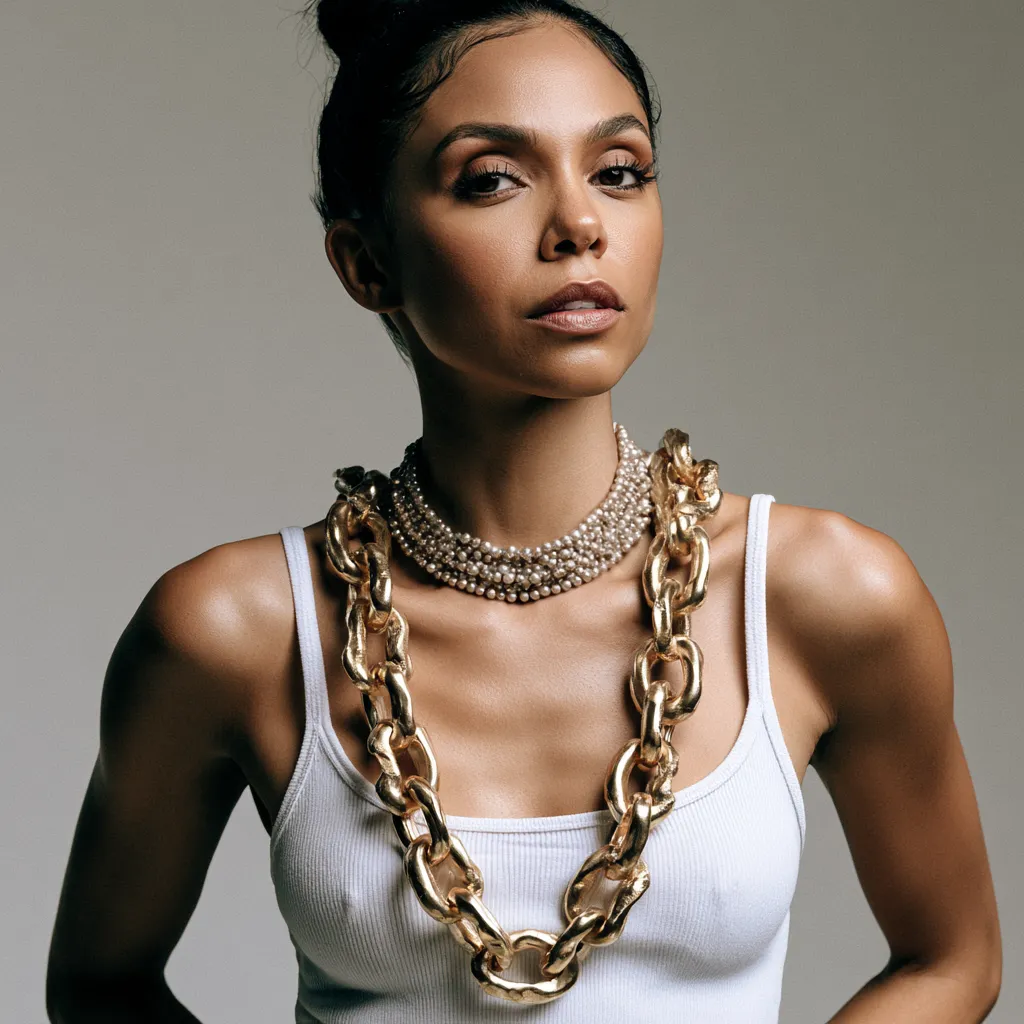
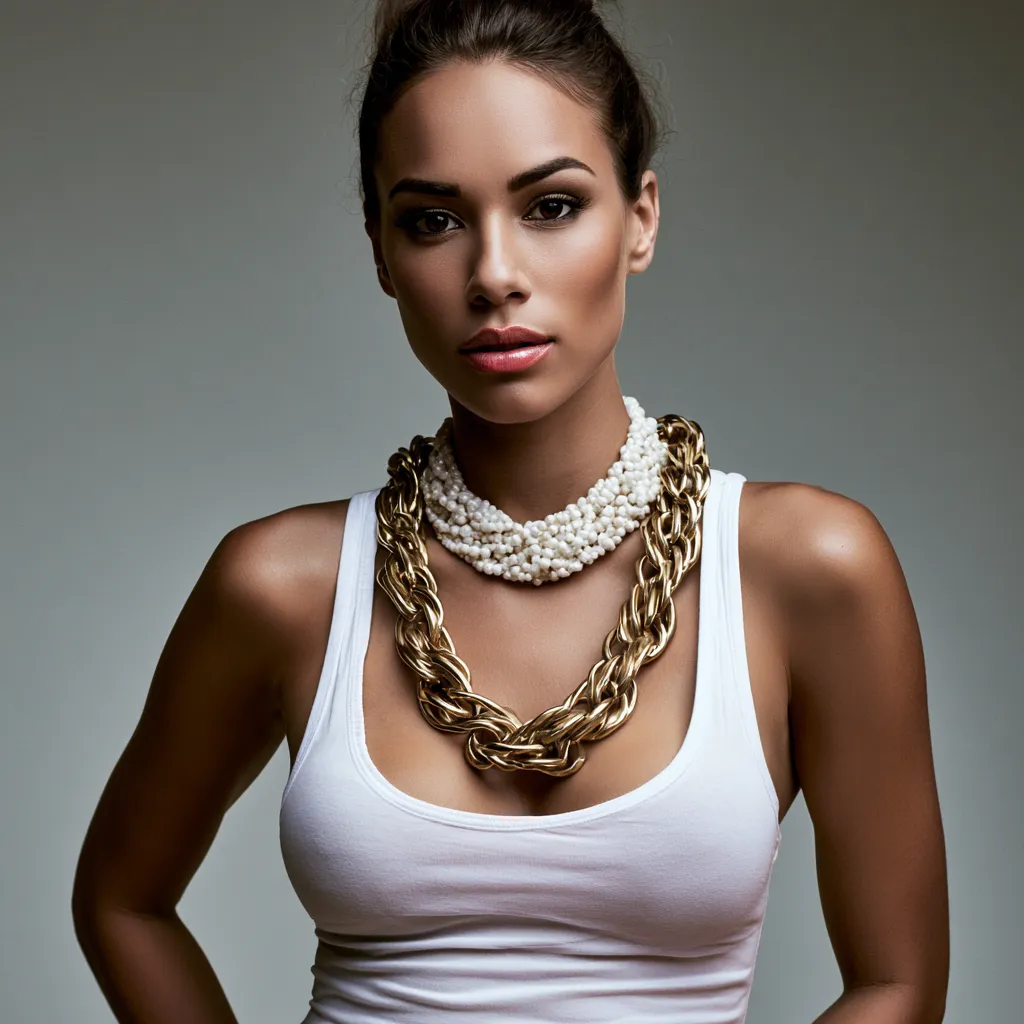
Chunky statement jewelry offers unmatched flexibility once you own it. A single cuff bracelet works across dozens of outfits depending on tier and brand without needing any changes to the piece itself. You wear it against a white ribbed tank one day, a structured blazer the next, and a slip dress after that—the jewelry does not change; your base does.
This is the opposite of a bodycon dress, which requires a completely different styling equation depending on whether it is mini length, midi length, or long-sleeved. The dress stays the same; everything around it shifts. With jewelry, the equation reverses, making it a smarter investment for anyone who likes variety without constant purchasing.
Jewelry also sidesteps the fit complexity that dominates bodycon styling. Bodycon dresses demand perfect fit—gapping, rolling, or pulling at seams undermines the entire silhouette.
Jewelry has no fit concerns. A beaded necklace works on every body equally; its visual impact comes from its architecture, not your proportions.
Where bodycon dress outfits win
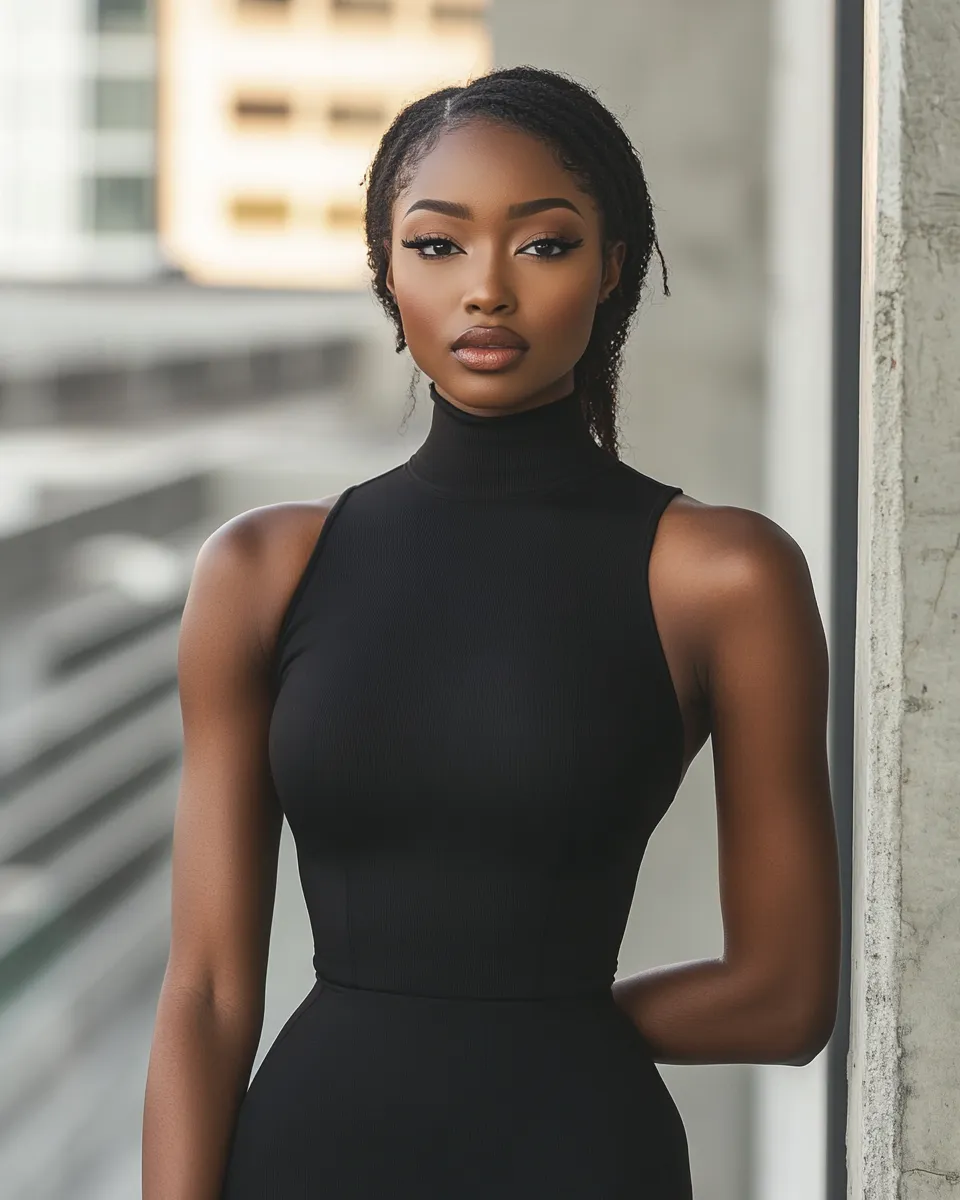
Bodycon dresses deliver complete outfit closure with a single garment. In office contexts, a midi bodycon in black crepe paired with a structured blazer and pointed-toe flat reads as polished immediately—without needing to think about jewelry, proportion balance, or accessory stacking rules. One intentional choice does the work; nothing else is necessary.
Jewelry requires a compatible wardrobe already in place. You need solid-color basics, controlled silhouettes, and necklines that do not compete with your statement pieces.
If your closet is patterned prints and relaxed volumes, chunky jewelry has nowhere to land visually. A bodycon dress has the same baseline requirement—controlled basics—but the dress itself *is* the controlled silhouette, so you do not need to pre-own it.
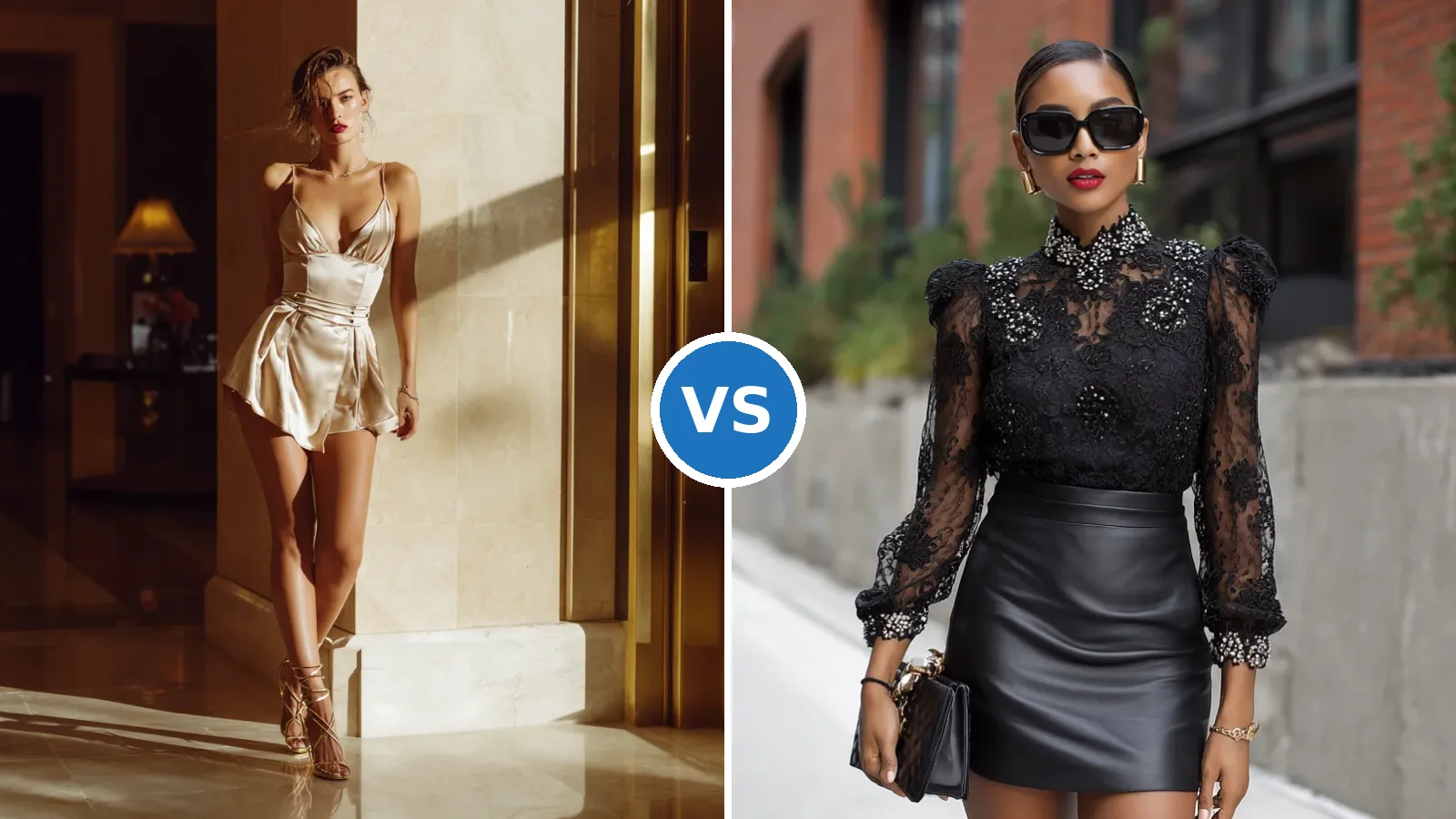
For night-out occasions, a mini bodycon in a jewel tone or metallic with strappy heels and minimal jewelry reads as one cohesive editorial moment. Chunky jewelry requires that same restraint elsewhere in the outfit, but you also have to source a separate dress that earns that restraint. The bodycon is both the constraint and the solution.

The number one mistake when choosing between these two approaches
The biggest error people make is thinking chunky statement jewelry and bodycon dressing are compatible in the same outfit. They are not.
A bodycon dress is designed to be the single focal point; a chunky statement necklace or cuff demands to be a focal point. Put them together and you create visual competition where both pieces lose impact.
Here is what this looks like in practice: a midi bodycon in black—already a strong, clean silhouette—paired with a large beaded necklace and a cuff bracelet in hopes of creating a “maximalist” evening look. Instead of drama, you get confusion. The dress says “I am a clean architectural silhouette.” The jewelry says “Pay attention to my scale and weight.” The outfit does not have a single point of view; it has two fighting for dominance, and neither wins.
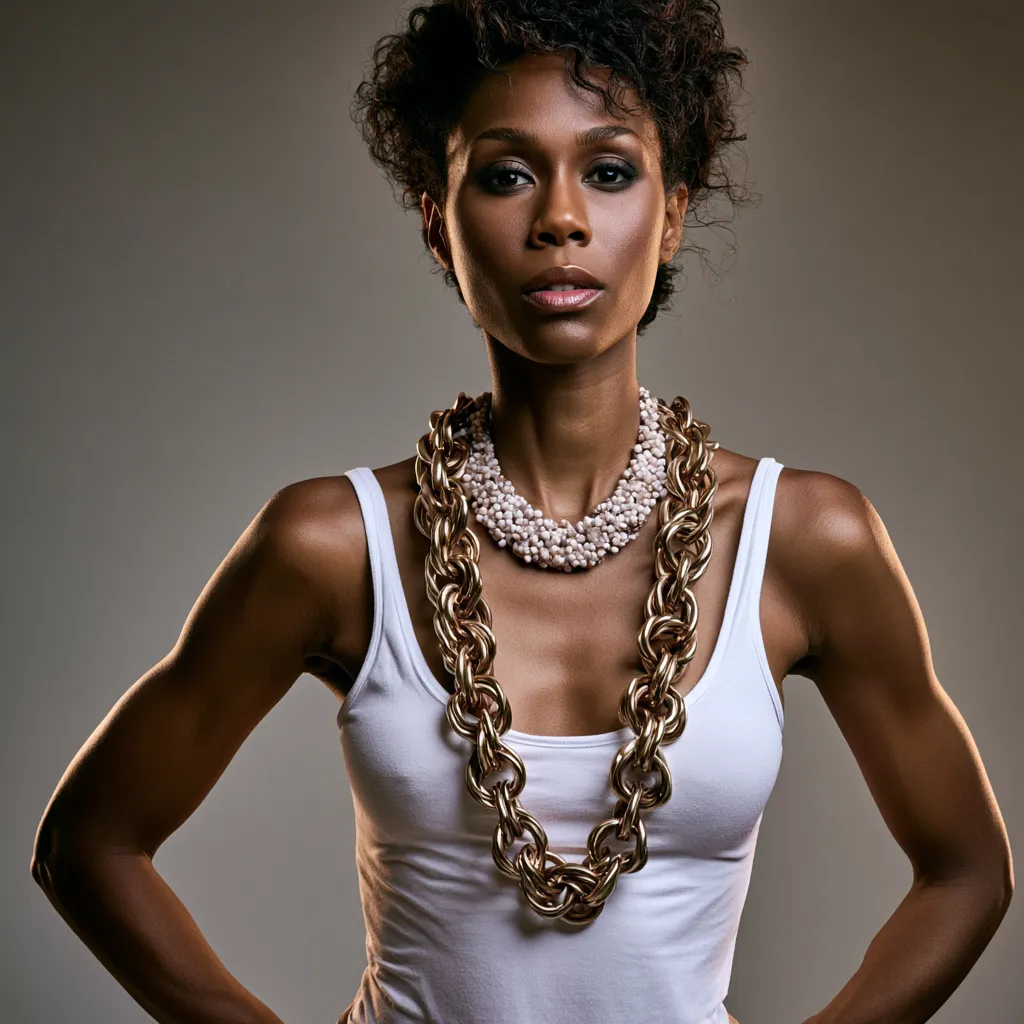
The correct approach: if you are wearing chunky jewelry, choose a simple fitted tee or structured blazer underneath—something that exists to support the jewelry, not compete with it. If you are wearing a bodycon dress, treat the dress as your singular statement and reduce jewelry to one small focal point—minimal earrings or a delicate ring, nothing that occupies the same visual space the dress already owns.
How styling rules differ fundamentally between these two approaches
Chunky statement jewelry follows a maximalist grammar: one hero piece per category (one necklace, one cuff, one ring), controlled silhouettes underneath, and deliberate spacing. The outfit is built *toward* the jewelry; the jewelry is the destination. Every other element—neckline, sleeve, color, fabric texture—exists to make the jewelry read clearly.
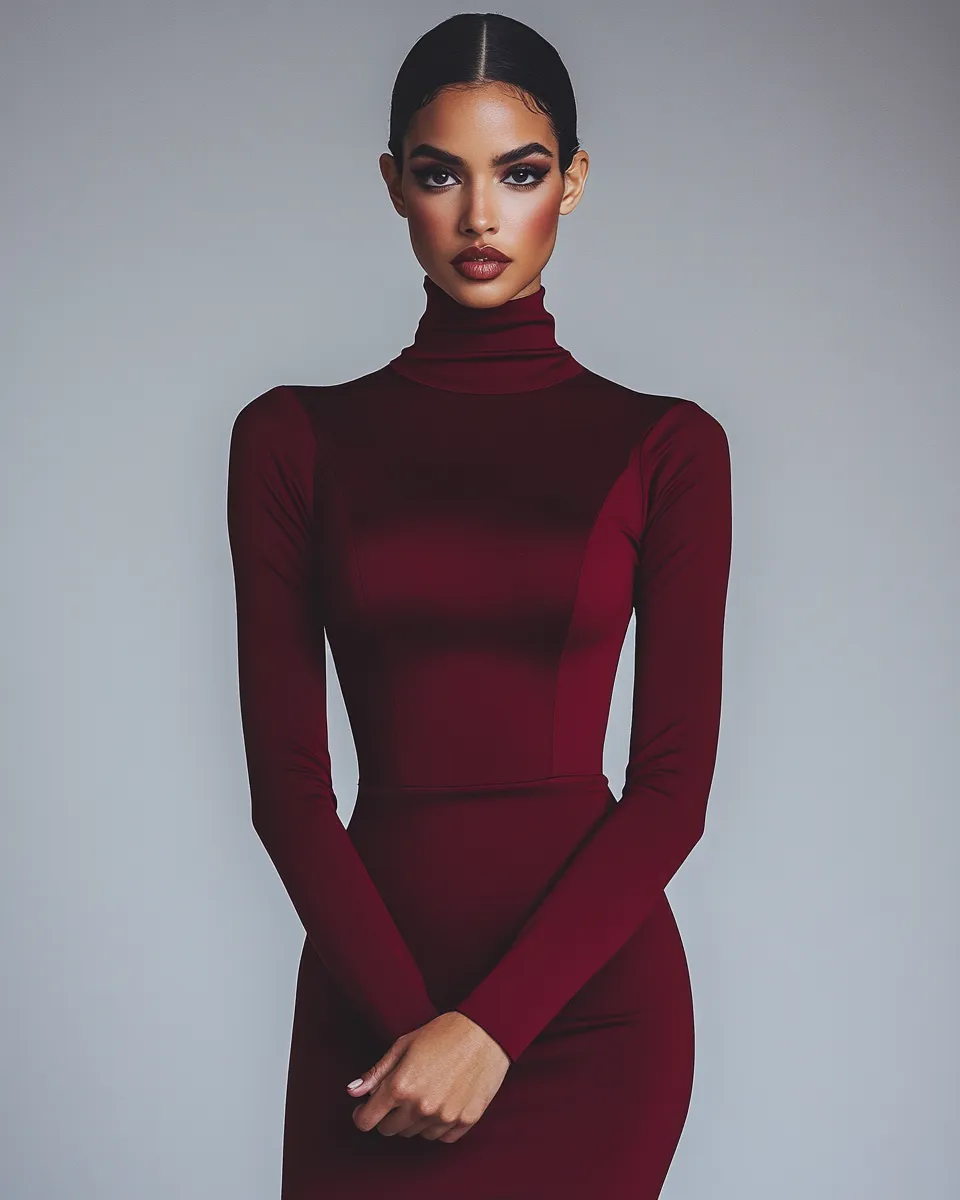
Bodycon dresses follow a minimalist grammar: one focal silhouette (the dress), one footwear statement, one bag size, one jewelry restraint. The outfit is built *around* the dress; the dress is the anchor. Every other element—blazer, shoe, bag, jewelry—exists to either complete the silhouette or vanish entirely.
These are opposite strategies. Jewelry maximizes accessories.
Bodycon minimizes them. Choosing one means accepting its rule set; trying to borrow from both creates the visual noise that makes both approaches fail.
Which approach matches your wardrobe and lifestyle
If you already own solid-color basics—white fitted tees, ribbed tanks, structured blazers, slip dresses—and you like the idea of buying one or two investment pieces that work across dozens of outfit combinations, chunky statement jewelry is the smarter move. You are leveraging pieces you already own, and each jewelry investment multiplies your outfit options without requiring new purchases elsewhere.
If your strength is picking cohesive outfit moments and you like the clarity of a single silhouette carrying an entire look, bodycon dresses suit you better. You will need to invest in complementary layers and footwear depending on the occasion and dress length, but once you do, the dress itself requires minimal thought—it simply needs the right context around it.
The real deciding factor: do you want to invest in multiple pieces that work together, or in single garments that stand alone? Jewelry is the multiplier. Dresses are the anchor.
Final verdict on chunky statement jewelry versus bodycon dress outfits
Neither option is objectively better—they serve different styling philosophies. Chunky statement jewelry wins for anyone with existing basics and a desire for accessory-led outfits. Bodycon dresses win for anyone who prefers a single statement silhouette and does not want to navigate jewelry proportion rules.
If you are budget-conscious and own good basics, start with jewelry. One cuff bracelet at $150–$300 works across more outfits than a single dress ever could. If you prefer simplicity and already have a clear occasion-dressing routine, invest in bodycon dresses suited to each context—midi for work and dinner, mini for night, long-sleeve for day-to-evening transitions.
The choice ultimately reflects how you like to build outfits: from accessories inward, or from a silhouette outward. Both are valid.
Both require commitment to their own rules. Respecting those rules is what makes either approach work.