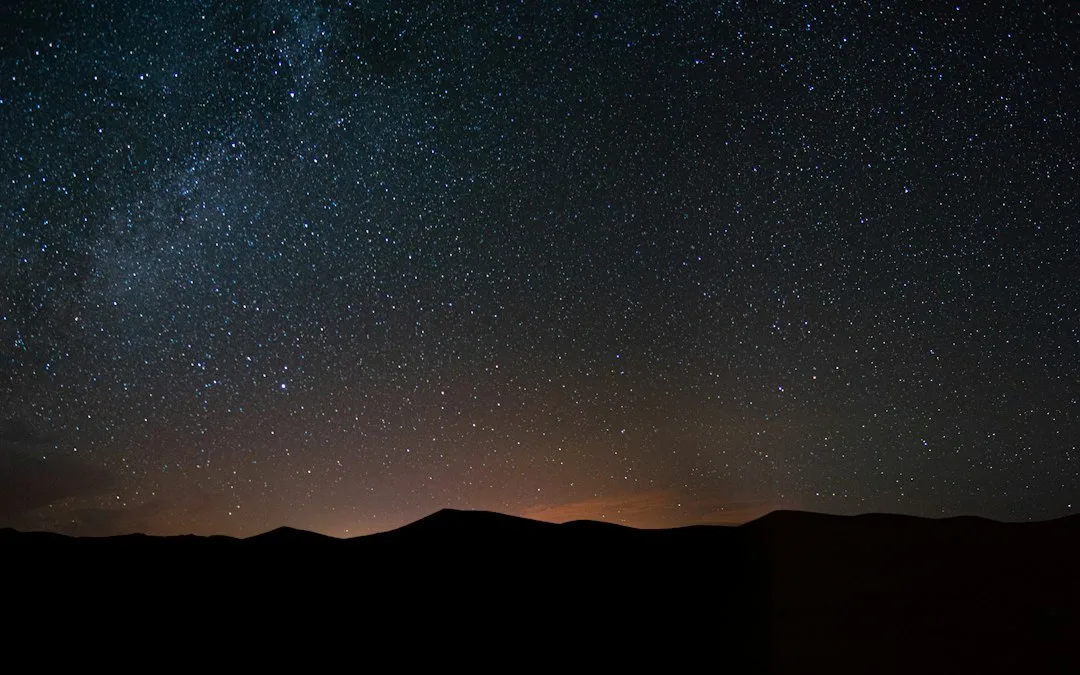
Pull up a satellite map of the United States at night and most of the Eastern Seaboard glows like a single bruise of orange. Dark sky travel flips that picture, because travelers now plan trips around the darkest patches on the map. Desert campsites and mountain cabins are booked for the views overhead, and the Milky Way has become a reason to buy a plane ticket.
Why Dark Sky Travel Is Pulling Planners Away From Cities
The International Dark-Sky Association certifies places around the world that protect night skies, from national parks to whole communities. Joshua Tree National Park in California and Death Valley National Park both carry that recognition, and they draw visitors who never planned to look up. Autumn adds an edge, since nights run longer and the air in many western deserts often dries out.
The shift is practical as well as romantic. City residents rarely see the Milky Way from home, so a clear desert night can feel like a discovery. Travelers now treat a dark sky as a destination in the same way they treat a beach or a ski slope.
Quick Tips
- Check a light pollution map before booking, since dark sky designations show which areas stay dim at night.
- Give your eyes 20 to 30 minutes after sunset to adapt to the dark.
- Pack a red-light headlamp, because white light resets night vision.
- Choose a new moon weekend for the faintest skies.
How Light Pollution Shapes Where Stargazers Go
A Sky Quality Meter, made by Unihedron, measures how dark the sky is in a single reading. Many amateur astronomers carry one on road trips to compare sites. Those numbers reveal far more than a brochure can.
Free planning tools fill the gap before you leave home. Stellarium runs on desktop and mobile and shows which stars, planets, and the Milky Way will sit overhead at a chosen hour and location. Checking the sky map the night before saves a long drive to a site where clouds roll in.
Here is how four widely visited dark sky destinations compare.
| Destination | Why It Stands Out | What to Pack |
|---|---|---|
| Joshua Tree National Park, California | Desert air, dark campgrounds, and striking rock formations | Warm layers, extra water, red headlamp |
| Death Valley National Park, California | Very dry air and a remote sky with few nearby towns | Extra fuel, sun protection, spare water |
| Natural Bridges National Monument, Utah | Designated dark sky park with open canyon views | Cold-weather layers and a tripod |
| Mauna Kea Visitor Information Station, Hawaii | High elevation and thin, clear air | Layers for a sharp temperature drop and an altitude plan |
Gear That Makes a Night Under the Stars Worth It
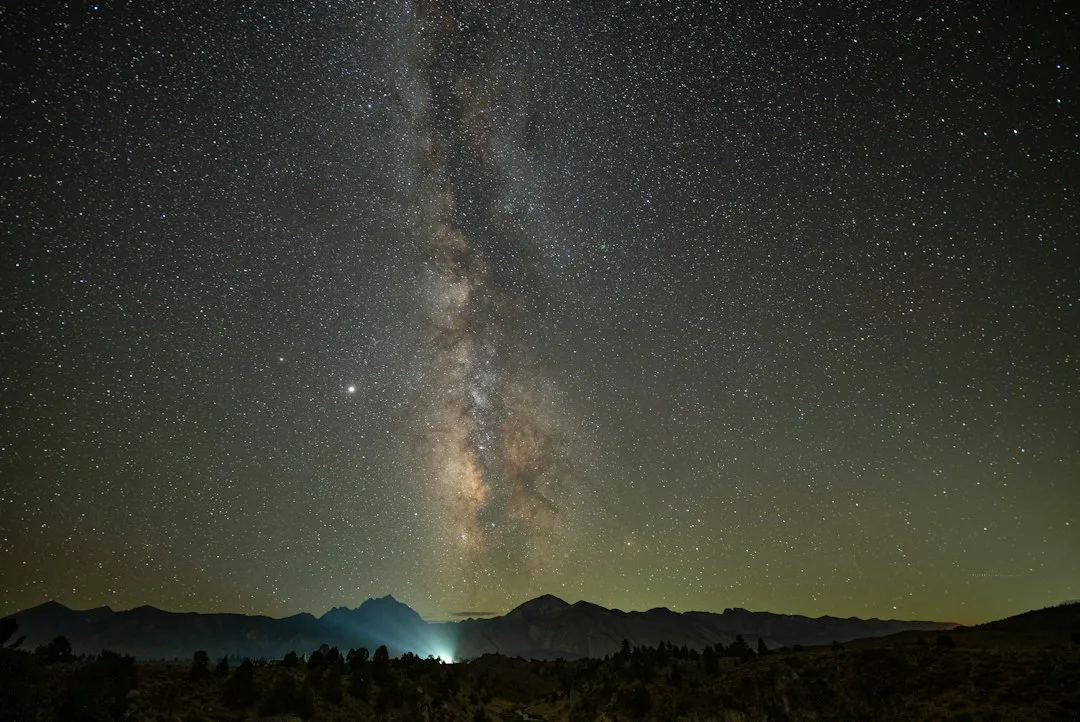
Binoculars are the simplest upgrade, and a pair of 10×50 models shows star clusters and the dense band of the Milky Way without any setup. Many travelers already own them for birdwatching. Keep them in a soft case so they survive a rough desert road.
A tabletop telescope comes next for those who want planets and galaxies. The Sky-Watcher Heritage 100P is a compact tabletop Dobsonian that packs into a car trunk. Celestron’s NexStar line adds computerized tracking that locates objects for beginners.
Start simple, though. A telescope that sits unused in a closet adds weight without adding views.
The Mistake That Wrecks Most First Night Trips
The most common error is arriving at dusk and expecting the Milky Way to appear within minutes. Picture a family pulling into a desert campsite at 8 p.m., switching on a bright lantern, and checking their phones every few minutes. Their eyes never fully adjust, and the faint sky they came for stays hidden.
The fix takes one change in habit. Turn off white lights, use a red headlamp, and sit still for at least 20 minutes after sunset. Keep screens dimmed, because a bright phone can undo that adaptation in seconds.
Choosing Dates Around the Moon and Weather
A bright moon can wash out fainter objects, so a new moon weekend usually gives the darkest sky. Check the lunar calendar before booking, then confirm cloud cover with a forecast that covers overnight hours. Desert regions often offer the clearest sky, but mountain weather can turn quickly.
Build flexibility into the plan. Book two or three nights, so one cloudy evening does not end the trip. Leave a buffer day for daytime hikes in places like Joshua Tree, where rock formations look as striking in sunlight as they do under stars.
Dressing for Cold Desert Nights Without Overpacking
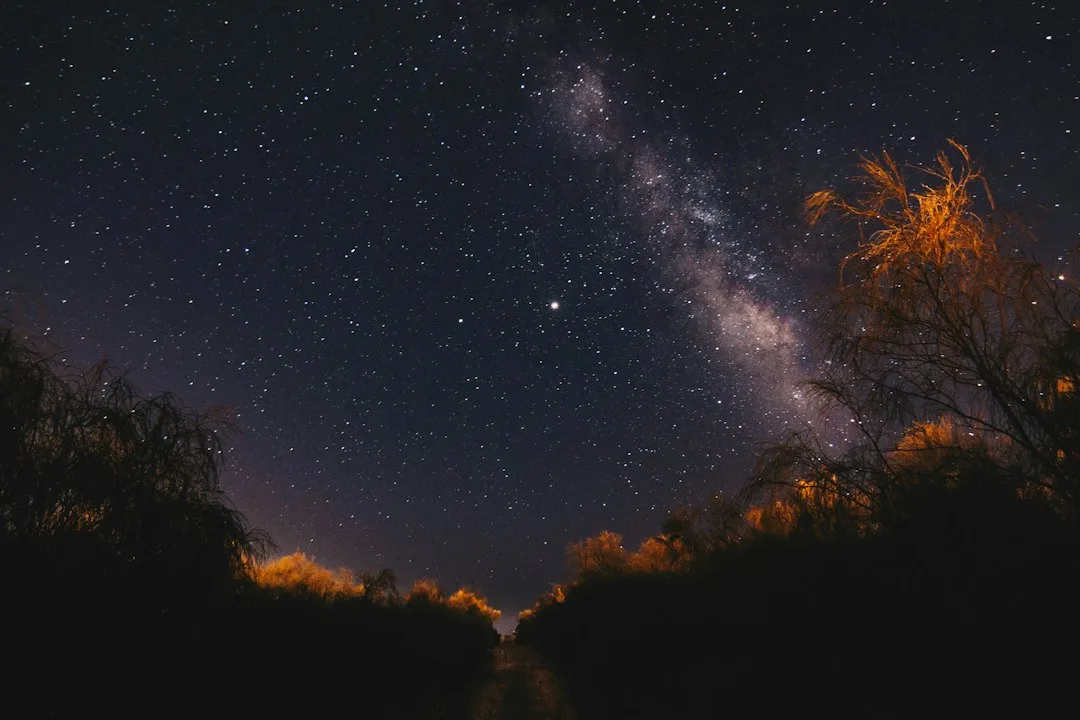
Desert temperatures can drop sharply after sunset, even when afternoons feel warm. Layer a fleece or insulated jacket over a base layer, and add a hat and gloves for long stretches of stillness. Dark neutral tones keep you comfortable and blend into the landscape.
For more on matching clothing to destinations, see How Fashion Influences Travel and Adventure: A Style Guide for Explorers. Pack one warm layer you can wear all day. Cold nights reward preparation.
What Dark Sky Trips Mean for Rural Towns
Small towns near dark sky parks have started hosting star parties, evening talks, and telescope rentals. Those visits fill motels and diners on weeknights that once sat empty. Travelers who book locally keep that spending in the community.
Visitors can support that shift by choosing locally owned lodging and joining organized viewing events. Ask hosts which nearby sites are open after dark. Local knowledge often beats a map.