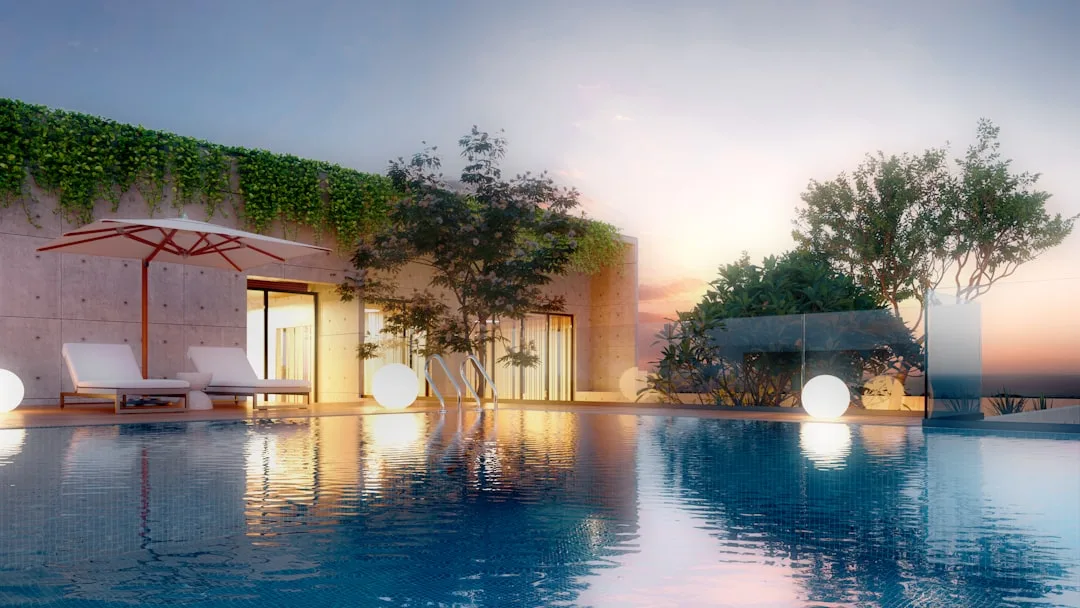
By mid-2026, the rooftop has become the most coveted real estate in urban travel. Not the suite. Not the lobby. The roof itself—transformed into private gardens, silent lounges, and shared wellness sanctuaries that sit above the noise and chaos of the street below. Urban rooftop travel escapes are no longer optional amenities; they’ve become the primary reason travelers choose one hotel over another, fundamentally reshaping where city visitors actually spend their time.
Design and Spatial Separation Drive the Trend
The trend stems from one core insight: city travelers increasingly want to be in a city without being of it. Soho House, the members-only club empire, pioneered this concept decades ago, but rooftop-first hospitality design has now become mainstream across luxury and lifestyle hotel brands. A rooftop space offers spatial distance without geographical distance.
In September 2026, four major hotel groups—including Marriott’s Autograph Collection and Hilton’s LXR brand—have actively repositioned their urban properties around rooftop-first programming. Rooftops now feature modular furniture, shade structures designed by architects (not contractors), and lighting that adapts from work-ready brightness to evening ambiance. The design philosophy treats the rooftop as a fifth room in a three-room suite.
This spatial hierarchy matters because it addresses a fundamental failure in traditional city hotel layouts. Ground floors and lobbies feel transactional; rooftops feel like discovery.
Quick Tips
- Check rooftop access policies before booking—some are guest-only, others are open to public or members
- Arrive mid-morning or early evening to avoid peak sunlight and crowd overlap
- Wear layered clothing; rooftops expose you to wind and temperature shifts street level masks
- Ask concierge about programmed events—many rooftops now host yoga, sound baths, and artist collaborations
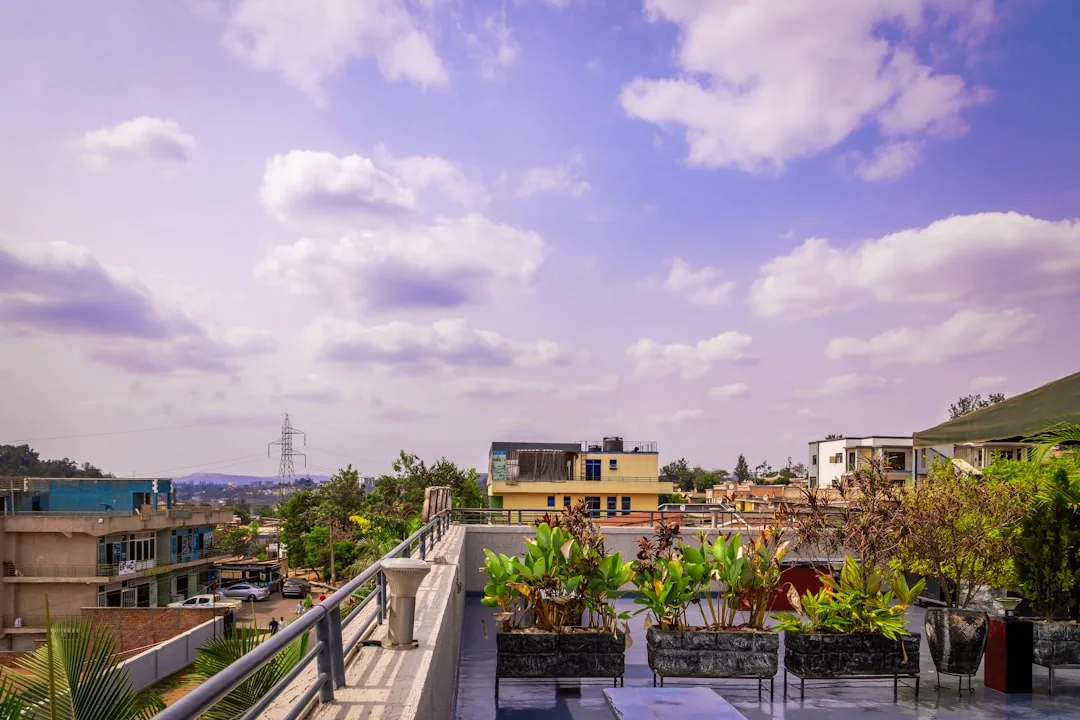
Wellness Programming Replaces Passive Viewing Spaces
The critical difference between a rooftop bar and an urban rooftop travel escape is programming. Hotels like The Standard (with locations in Miami, New York, and Los Angeles) have invested heavily in rooftop meditation, breathwork classes, and circadian rhythm lighting aligned with sunset times. This programming attracts guests who would normally book restorative retreats in quieter locations.
A typical 2026 urban rooftop itinerary looks like this: sunrise yoga at 6:15 a.m., co-working corner with high-speed connectivity until noon, lunch at a plant-forward café, afternoon wellness session (acupuncture, massage, or sound therapy), social aperitif at 5 p.m., and evening dinner under string lights. The rooftop becomes the agenda, not the backdrop.
| Rooftop Type | Primary Use | Ideal Traveler |
|---|---|---|
| Wellness-Focused | Meditation, yoga, breathwork | Bleisure workers, health-conscious |
| Social Community | Co-working, shared dining, events | Solo travelers, digital nomads |
| Garden & Landscape | Horticulture, photo, quiet retreat | Design enthusiasts, content creators |
| Hybrid Work + Leisure | Flexible zones for work and rest | Remote workers, professionals |
The #1 Mistake Travelers Make With Rooftop Spaces
Most travelers treat rooftops like Instagram locations—arrive, photograph, leave. They spend eight minutes on the rooftop and miss the entire purpose of the investment. Real urban rooftop travel escapes require time commitment: a minimum two-hour block to experience the transition from activity to stillness, or vice versa.
The concrete error: booking a city hotel with a rooftop, then spending your evening in a street-level bar three blocks away because you didn’t understand the rooftop schedule or didn’t feel invited to access it. Many hotels still gate rooftops behind membership walls or fail to communicate what’s actually available. Before booking, call the hotel directly and ask: “What rooftop programming is included for room guests?” If the answer is vague, the rooftop probably isn’t central to their design strategy.
This mistake costs you the primary reason the property is now worth the premium rate.
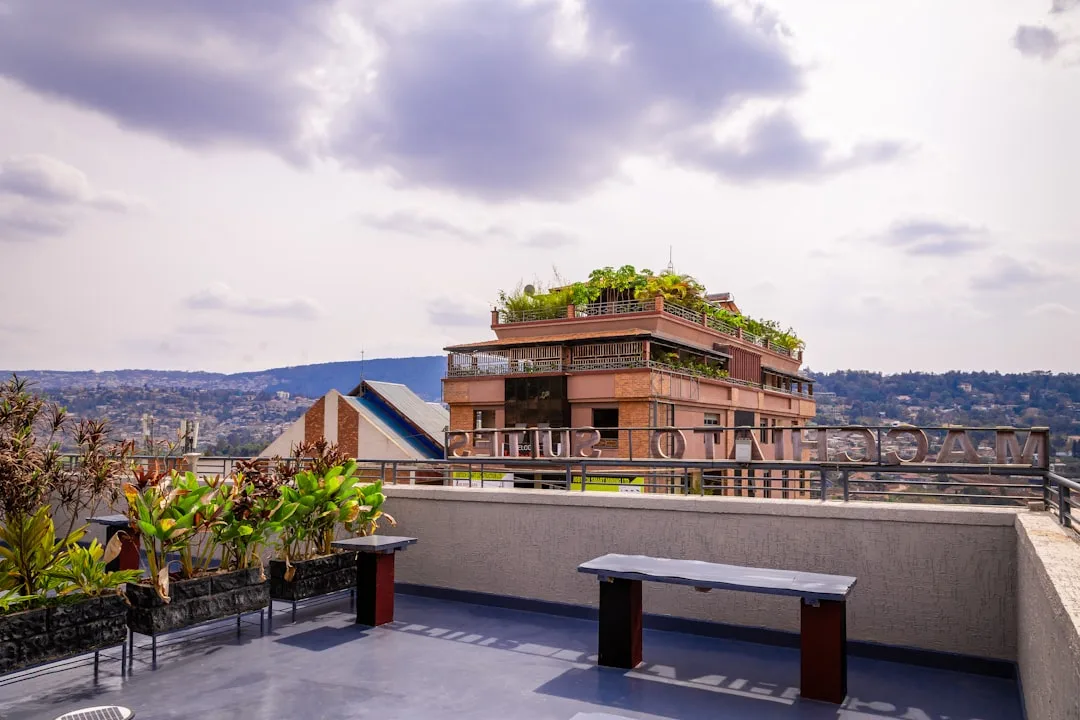
Material Choices and Durability Set Premium Rooftops Apart
Rooftop materials matter more than ground-level interiors because weather, sun, and foot traffic compound dramatically. Premium urban rooftop travel escapes use Kebony thermally-modified wood (which resists UV fading and doesn’t require harsh chemical treatments), rather than standard teak or composite decking. Shade structures use Sunbrella marine-grade fabric—specifically the solution-dyed acrylic type that holds color and resists mildew.
Furniture comes from outdoor specialist brands like Teak District or Paola Lenti, with modular configurations that hotels adjust seasonally. Flooring uses permeable pavers or composite materials designed for water drainage—critical for urban rooftops where standing water breeds mold and safety hazards.
Rooftops with visible deterioration signal low operational investment. New guests will notice faded cushions, cracked decking, and rusted railings immediately.
Community Design Replaces Isolated Suite Experiences
The shift from private suites to shared rooftop spaces reflects a larger 2026 travel truth: affluent travelers increasingly crave intentional community over isolation. A $500-per-night room with a mediocre view appeals far less than a $350-per-night room with rooftop access to curated gatherings, skill-sharing, and social connection. As you explore How Fashion Influences Travel and Adventure: A Style Guide for Explorers, you’ll notice urban rooftop escapes often integrate style and social programming together.
Hotel brands like W Hotels and Kimpton now design rooftops with semicircular seating that naturally creates conversation zones. Long communal tables replace scattered lounge chairs. Ambient sound design (often curated playlists or live musicians) encourages lingering rather than rushing through. This architectural approach to community doesn’t happen by accident—it’s deliberate spatial psychology.
The rooftop becomes the social commons where guests and travelers form micro-communities around shared meals, learning workshops, or sunset rituals.
Global Expansion and Climate Adaptation Shape Access
Urban rooftop travel escapes are expanding fastest in temperate and subtropical climates: Barcelona, Miami, Los Angeles, Singapore, and Dubai have seen the most investment. However, cooler-climate cities like Berlin, Copenhagen, and Toronto are developing four-season rooftops with retractable weather protection, heated floors, and seasonal furniture rotation.
When booking a rooftop-focused escape in unfamiliar climates, consult Essential Tips for Traveling to China: What Every Traveler Should Know if traveling to Asia, where rooftop culture is deeply embedded in urban design. Chinese cities like Shanghai and Chengdu have integrated rooftop gardening and communal dining into hospitality for years—this trend is simply reaching North American and European awareness in 2026.
Climate and season directly impact rooftop usability and comfort. Research the destination’s peak season before booking rooftop-dependent hotels.