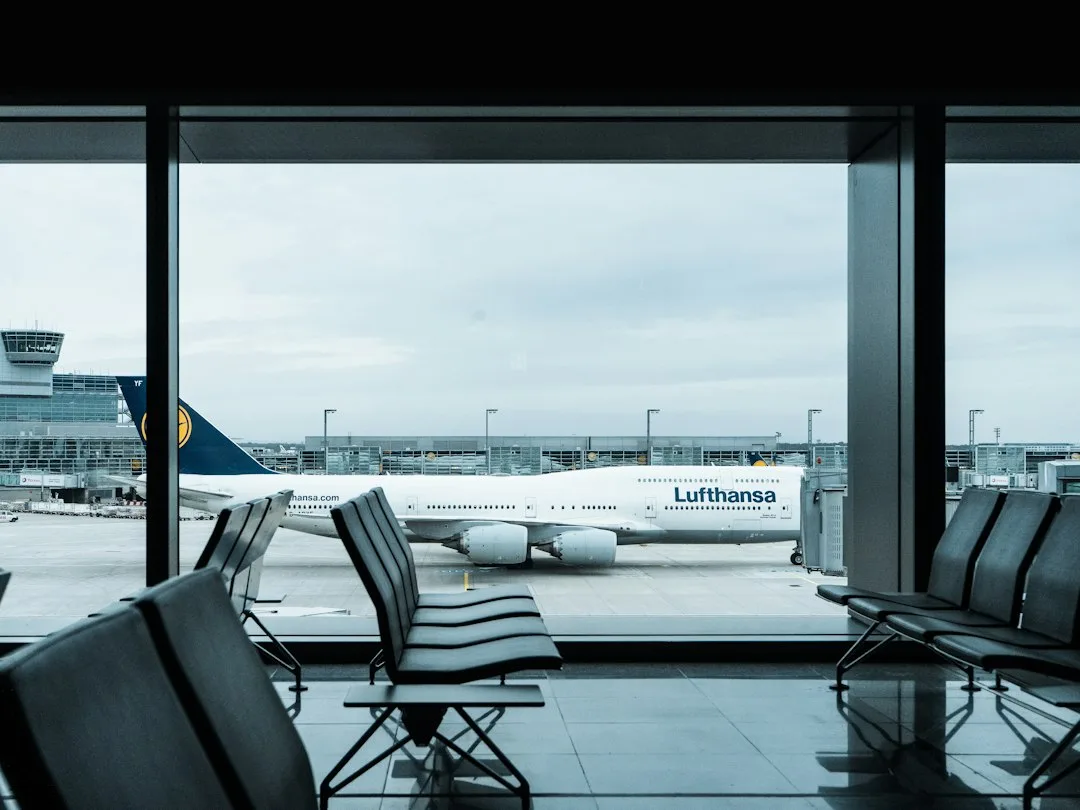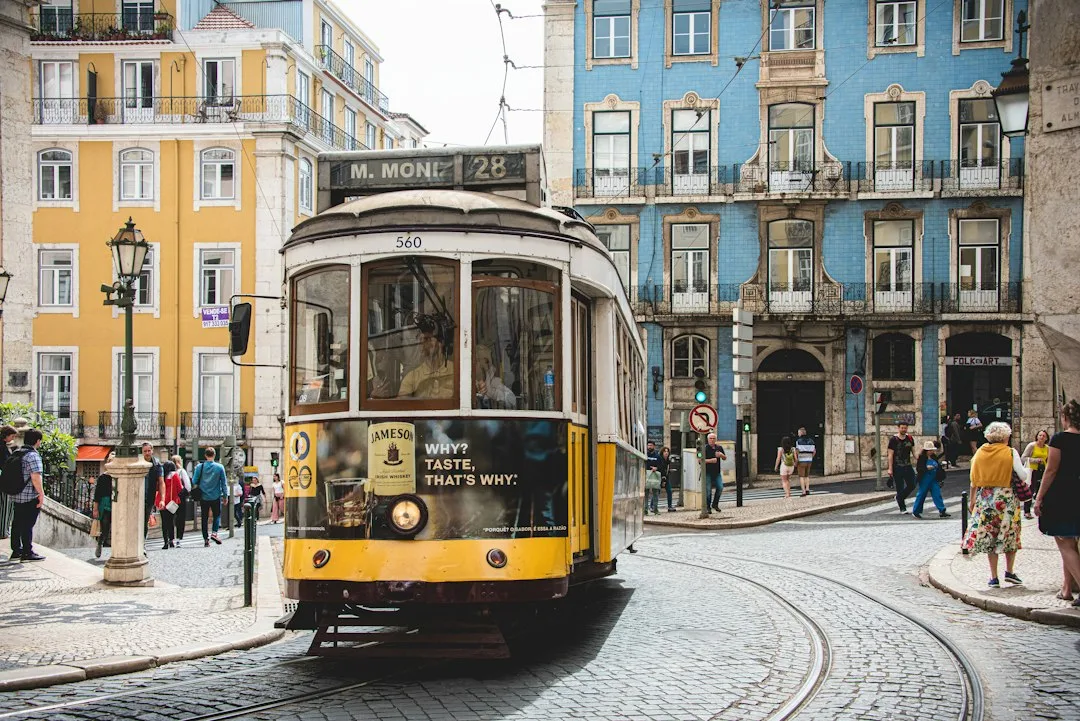
Summer used to be the default answer to when you should travel, but October has quietly become the month many experienced travelers choose instead. Lisbon’s mild afternoons still suit outdoor dinners, while the lanes of Alfama return to residents once the summer crowds thin. Shoulder season travel works because it trades peak-month pressure for better tables, calmer streets, and more honest prices.
Why Summer Crowds Push Travelers Toward October
Peak summer brings long airport queues and hotel rates that climb every week. Many travelers now avoid that squeeze by flying in late September or October. The shift is less about hunting bargains and more about getting breathing room.
Quick Tips
- Look at Tuesday through Thursday departures, when fares on many routes tend to sit lower.
- Check whether island ferries and coastal buses cut service after the season closes.
- Set hotel alerts two months out, since shoulder dates shift with local events.
- Pack one layer that works from a cool morning to a warm afternoon.
In Lisbon, mid-October days often stay mild enough for a sunset terrace, and restaurants that were booked solid in July may have a table on a weeknight. That single change alters how a trip feels from the first morning. You arrive with more time and fewer obstacles.
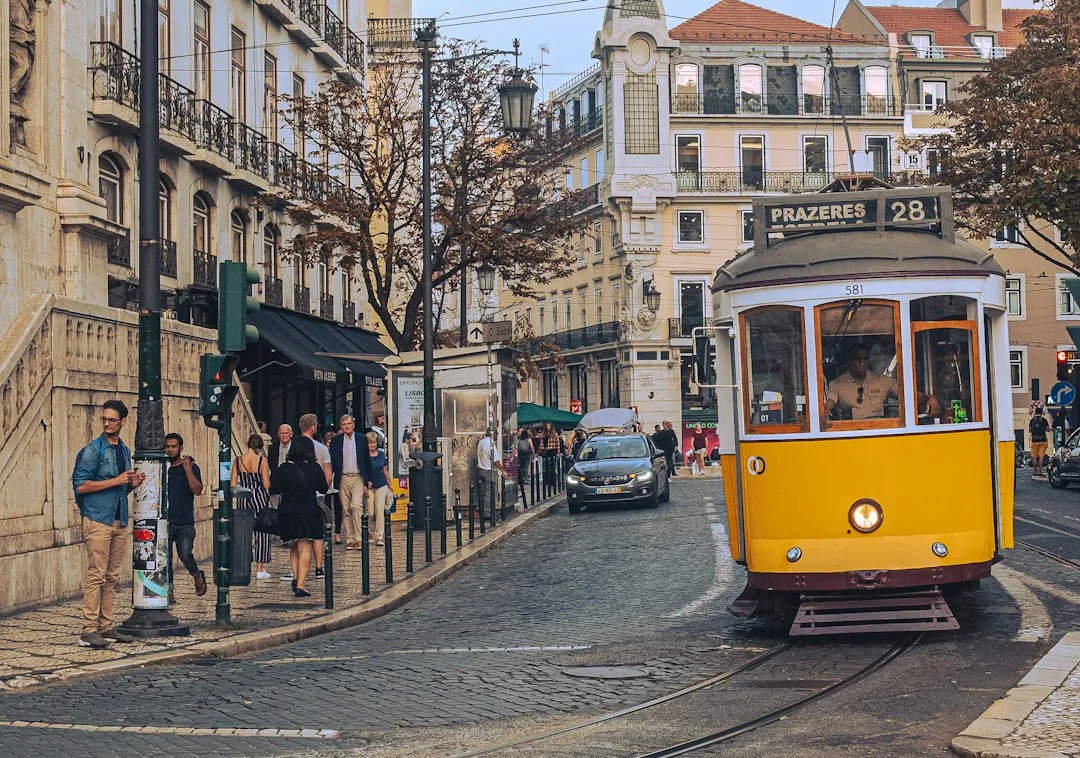
Shoulder Season Travel Explained Through Lisbon and the Amalfi Coast
Shoulder season travel sits between peak and low season, usually a few weeks on either side of summer or winter. The Amalfi Coast shows the pattern clearly. Ferries and boats run full schedules through September, then trim routes as autumn deepens.
Travelers who arrive in late September often find Positano beaches still warm while the Path of the Gods feels quiet. Lisbon follows the same rhythm, and Sintra’s palace grounds are easier to walk on weekday mornings. Plan around the boats first, then fit museums and dinners around the timetable.
| Factor | Peak Summer | Shoulder Season |
|---|---|---|
| Crowds | Heavy at major sights | Noticeably lighter on weekdays |
| Transport | Full ferry and bus schedules | Reduced routes after mid-October |
| Hotel rates | Usually the highest of the year | Often lower, though it varies by city |
| Weather | Hot and humid in many regions | Mild, with more rain days |
The trade-off is clear. You get fewer people but also fewer scheduled options. Build your days around the fixed points, then leave room for wandering.
The Mistake That Leaves Shoulder Trips Stranded
The most common mistake is assuming every attraction and transport route keeps its summer timetable. A traveler planning a late-October day trip to Positano on a Monday might expect boats every hour. That assumption breaks down fast once the season winds down.
In that case, the boat is cut to a few sailings, and the afternoon blocked for a second town disappears. The traveler loses a hotel night and a dinner reservation that cannot be moved. Nobody warned them, because nobody checked the season end date.
Check each route’s closing date before you book anything time-bound. Build one flexible day into every shoulder itinerary.

Packing for Changeable Weather Between Seasons
Shoulder months bring cool mornings, warm afternoons, and the occasional rain front. A Patagonia Nano Puff jacket packs into its own pocket and handles a chilly evening on a terrace. It takes up almost no room in a bag.
An Osprey Farpoint 40 travel pack holds a week of clothes and is sized to fit many carry-on limits on regional carriers. Pair it with neutral layers that mix easily. For more on pairing practical pieces with destinations, read how fashion shapes travel and adventure dressing.
Rail Passes and Local Calendars Shape Off-Peak Routes
A Japan Rail Pass gives flexible routes across the country in autumn, though reserved seats on Shinkansen trains still need checking. Eurostar services between London and Paris run steadily through the shoulder months. Timetables stay predictable when you book early enough.
Local calendars matter too. Before you pick dates in China, read tips for traveling to China before you go, since national holiday weeks in early October draw enormous domestic crowds. Choosing a week just after a holiday often delivers the quiet you came for.
Who Gains Most From Off-Peak Dates
Solo travelers and remote workers gain the most, since off-peak hotels often offer longer stays and flexible check-in. Families with school-age children face tighter limits, so weekend shoulder trips may suit them better. Choose the group size first, then the dates.
Weekend getaways from northern European cities to southern coastal towns work well in late September. A three-night stay can cover one main town and one day trip without rushing. Shorter trips leave less room for schedule surprises.
Start by picking one destination and two possible weeks. Compare fares, then confirm every boat, train, and museum date before you pay.