Keeping pests out of your home shouldn’t mean putting your family at risk. From insects in the kitchen to rodents in living spaces, modern pest control focuses on solutions that protect people, pets, and indoor air quality. Whether you’re dealing with ants, roaches, or need a mice exterminator you can trust, family-safe pest control options are designed to eliminate pests while keeping everyday living spaces safe and comfortable.
What Family Safe Pest Control Means for Your Home
Family safe pest control means controlling pests without introducing unnecessary health risks to the people and animals who live in the home. That includes babies crawling on floors, kids touching baseboards, pets licking their paws, and adults breathing indoor air every day. It’s about managing pests in a way that minimizes risk to people, pets, and indoor environments while still delivering effective control.
In practice, family safe pest control means using targeted treatments, low-toxicity or non toxic pest control products, and application methods that limit exposure, rather than blanket chemical sprays. It prioritizes how treatments are applied, not just what products are used, placing them in cracks, wall voids, and hidden areas instead of open surfaces. A truly family-safe approach also looks beyond chemicals by sealing entry points, removing attractants, and breaking pest life cycles so fewer treatments are needed over time.
The key difference is simple: family safe pest control protects your household first and treats pests second. The goal is long-term control that fits safely into everyday living, where children crawl, pets rest, and families spend most of their time indoors.
Pests That Respond to Non Toxic Pest Control
Many common household pests respond extremely well to non toxic pest control or low-toxicity solutions when the treatment is done correctly. Non toxic pest control is effective against pests that rely on food access, moisture, and scent trails, including ants, cockroaches, spiders, silverfish, pantry pests, flies, drain insects, and fleas when life-cycle control is properly addressed.
Non toxic pest control methods work best when those triggers are removed or disrupted, causing infestations to collapse naturally. Success depends on targeting nesting areas and entry points rather than treating visible pests alone. For heavier infestations, especially roaches or fleas, non toxic pest control methods are often combined with targeted professional treatments to fully eliminate the problem while maintaining a low-exposure approach.
Eco Friendly Pest Control for Kitchens
Kitchens require extra care because treatments come close to food, dishes, and preparation surfaces. The safest eco friendly pest control options for kitchens focus on contained and targeted applications, not exposed surfaces. Gel baits placed inside cabinets, cracks, and wall voids allow pests to be controlled without contaminating food prep areas, while boric acid, diatomaceous earth, and botanical-based treatments derived from plant oils are applied only in hidden spaces where pests travel but people do not.
The most important factor in eco friendly pest control isn’t just the product, it’s how and where it’s applied. Eco friendly pest control for kitchens focuses on precision, not spraying. Physical exclusion like sealing gaps, installing door sweeps, improving food storage, and eliminating attractants are equally important parts of kitchen pest control, reducing the need for ongoing treatments and keeping food preparation areas safe and uncontaminated.
Child-Safe Pest Control for Bedrooms and Play Areas
Bedrooms and play spaces demand the lowest possible exposure, especially where kids sleep, crawl, or put hands in their mouths. Child-safe pest control in bedrooms and play areas relies on treatment methods that avoid contact and airborne exposure, which is especially important for issues like bed bug treatment where sleeping areas are directly affected.
Low-odor, non-volatile formulations support child-safe pest control by helping maintain indoor air quality, while preventative measures like sealed baseboards and mattress encasements reduce the need for frequent reapplication. In many cases, effective child-safe pest control is invisible once applied, with no strong odor, no residue on toys, floors, or bedding, and no disruption to daily life.
Pet Safe Pest Control for Living Spaces
Pet safe pest control focuses on areas where animals walk, sleep, groom, and play, since pets are more sensitive than humans to many substances. Pet safe pest control in living areas keeps treatments out of pets’ normal movement and grooming paths by using low-odor, low-toxicity formulations, enclosed bait stations, and treatments placed in wall voids, behind appliances, or under baseboards.
A pet safe pest control plan considers behavior as well as products, since pets lick paws, rest along baseboards, and chew surfaces. Placement matters as much as product choice, and integrated pest management strategies help reduce chemical use overall. When treatments are properly placed and professionally applied, pet safe pest control allows pets to remain in the home during and after service without disrupting their routine.
Non Toxic Pest Control for Bathrooms and Laundry Rooms
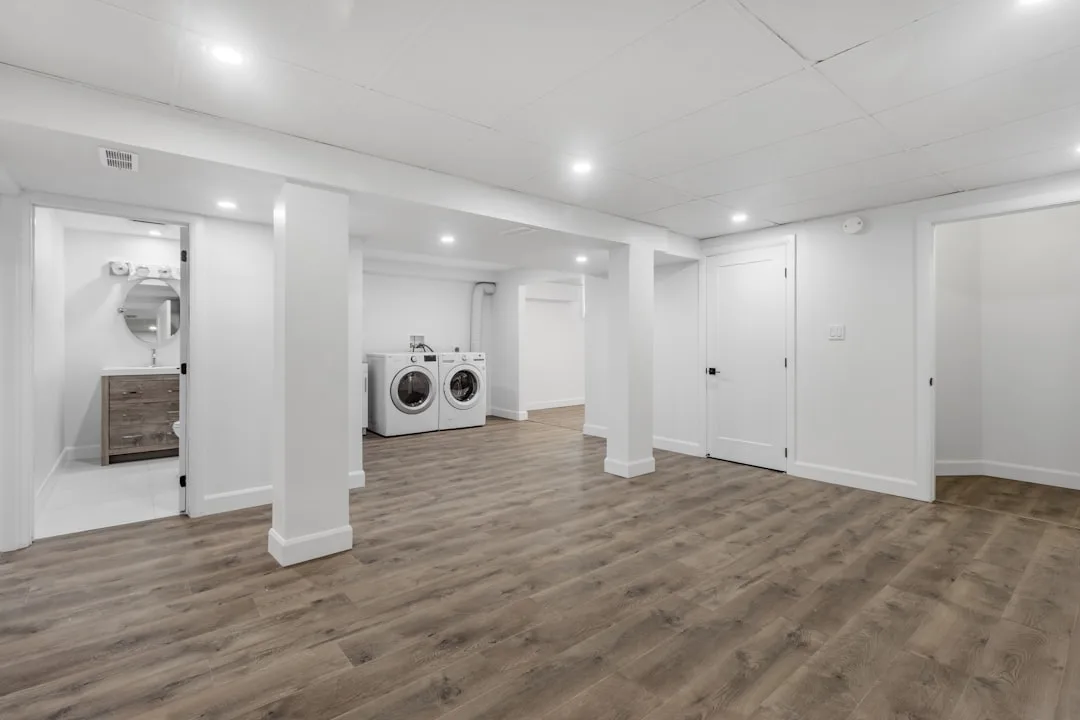
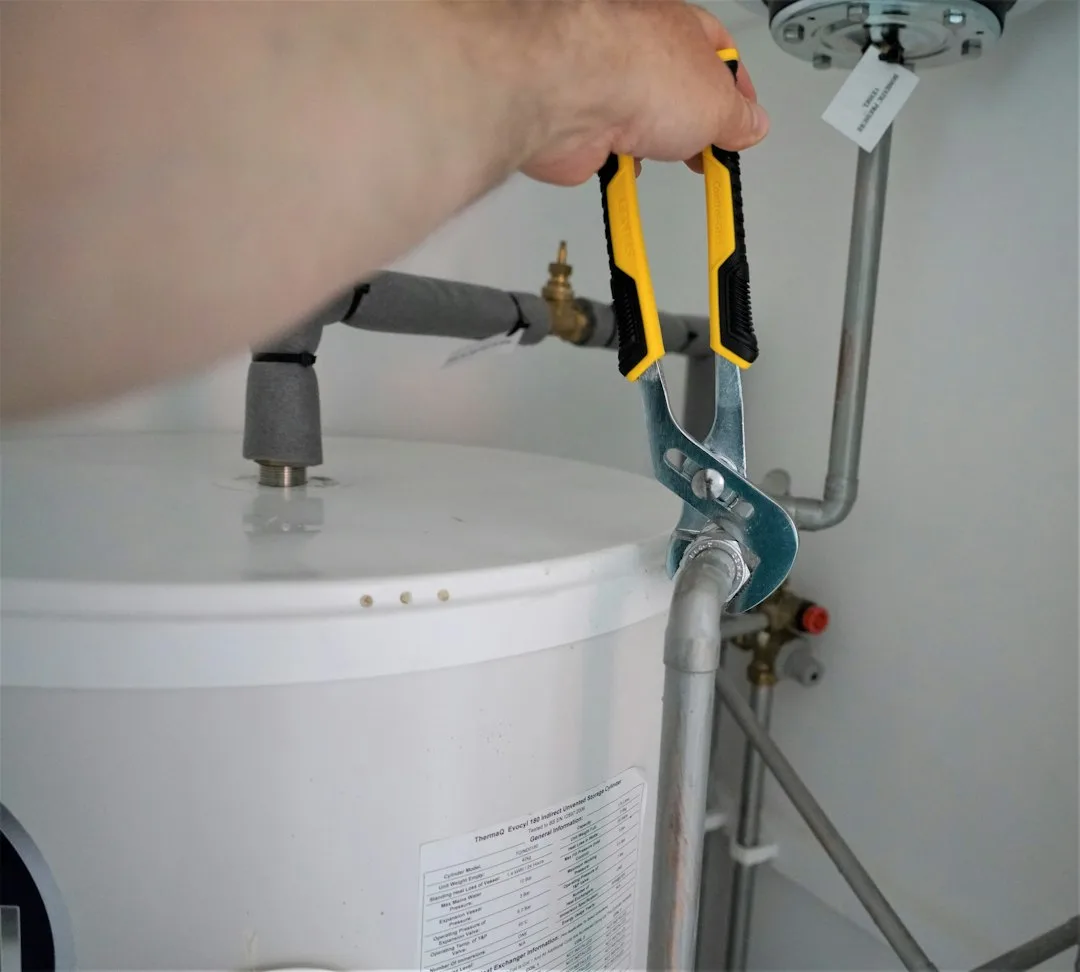
Bathrooms and laundry rooms attract pests because of moisture, warmth, and hidden plumbing gaps. These spaces benefit most from non toxic pest control methods that address moisture and access points rather than heavy treatments. Sealing gaps around plumbing, correcting leaks, improving ventilation, and controlling drain insects with enzyme-based treatments remove the conditions pests rely on.
Desiccant dusts applied inside wall voids and targeted baits placed away from open surfaces support non toxic pest control without surface exposure. Because these spaces are utility-focused, success comes from environmental control, and correcting moisture sources alone often eliminates the pest problem entirely.
Eco Friendly Pest Control vs Traditional Treatments
Traditional pest control often relies on broad-spectrum chemicals that kill quickly but don’t always address why pests return. Eco friendly pest control emphasizes long-term prevention rather than repeated chemical knockdowns by targeting pest behavior, entry points, and nesting conditions, which often reduces the overall amount of product used over time.
While eco-friendly pest control methods may take slightly longer to show results, they typically improve indoor air quality, lower exposure risks, and deliver more sustainable control, especially for families concerned about health, pets, and environmental impact. Traditional treatments may act faster initially, but eco-friendly pest control is designed to integrate more safely into everyday home life when properly implemented.
When to Choose Professional Family Safe Pest Control
DIY solutions work for minor issues, but there’s a clear line where professional family safe pest control becomes the safer choice. Professional family safe pest control is the better option when infestations persist, spread throughout the home, or involve pests like cockroaches, fleas, rodents, or widespread ants, especially in households with children, pets, or sensitive individuals.
Professionals don’t just apply products, they design custom family safe pest control strategies that reduce risk while delivering real results. By placing treatments inside walls and structural voids and using precise amounts, professional services often use less product overall than repeated DIY attempts and provide safer, more consistent results without guesswork or over-application.