Home has always been more than a physical structure. It is the emotional center of family life, a place where routines are formed, values are passed down, and relationships quietly grow over time. While family dynamics are influenced by culture, economics, and personal beliefs, the design and atmosphere of a home play a surprisingly large role in how families interact with one another on a daily basis.
In recent years, changes in work patterns, technology, and lifestyle expectations have reshaped what families need from their living spaces. Homes are no longer just places to rest after work or school; they have become offices, classrooms, entertainment centers, and sanctuaries all at once.
Shared Spaces and Everyday Connection
One of the most important elements of family-oriented homes is shared space. Kitchens, living rooms, and dining areas are where conversations happen naturally—often without planning. A well-designed shared area encourages family members to spend time together without forcing interaction.
Open layouts remain popular because they reduce physical barriers and help family members stay visually connected. Parents can cook while children do homework nearby, or siblings can relax together while doing different activities. These moments, though small, build familiarity and emotional security over time.
Lighting plays a subtle role in these shared spaces. Soft, evenly distributed light can make rooms feel welcoming, while harsh or poorly placed lighting can create tension or fatigue. Some homeowners now collaborate with a Custom LED strip lights manufacturer to create layered lighting that adapts to different family activities, such as brighter light for homework or cooking and warmer tones for evening gatherings.
Private Corners Matter Too
While togetherness is important, families also need privacy. Children, teenagers, and adults alike benefit from having personal space where they can think, relax, or express themselves. Bedrooms, reading nooks, and quiet corners allow family members to recharge emotionally.
A balanced home doesn’t prioritize openness at the expense of individuality. Instead, it offers a mix of communal and private zones. This balance reduces conflict and helps each family member feel respected. When personal space is thoughtfully designed, it becomes easier for families to reconnect later with patience and openness.
Lighting customization again becomes relevant here. Adjustable lighting allows rooms to shift from functional to restful as needed. For example, a child’s room might need bright light for studying during the day and softer illumination at night to support better sleep.
The Emotional Impact of Home Atmosphere
Families often underestimate how much atmosphere affects mood and behavior. Color schemes, natural light, airflow, and sound all contribute to how people feel at home. A calm environment can lower stress levels, while cluttered or poorly lit spaces may increase irritability.
Natural light, in particular, has a strong effect on emotional health. Homes designed to maximize daylight tend to feel more alive and uplifting. When natural light is limited, artificial lighting choices become even more important. Gradual light transitions throughout the day help regulate sleep patterns for both adults and children, supporting healthier routines.
Even small design decisions—like under-cabinet lighting in kitchens or soft hallway illumination at night—can improve daily comfort and safety, especially for families with young children or elderly members.
Technology and Family Balance
Modern homes are filled with technology, and families continuously negotiate how it fits into their lives. Smart devices can either bring families closer or create distance, depending on how they are used. Shared screens for movie nights or games encourage bonding, while isolated device use may reduce face-to-face interaction.
Home design can help guide healthier technology habits. Creating inviting non-screen spaces, such as well-lit reading areas or craft tables, encourages offline activities. When lighting and layout support these alternatives, families naturally diversify how they spend time together.
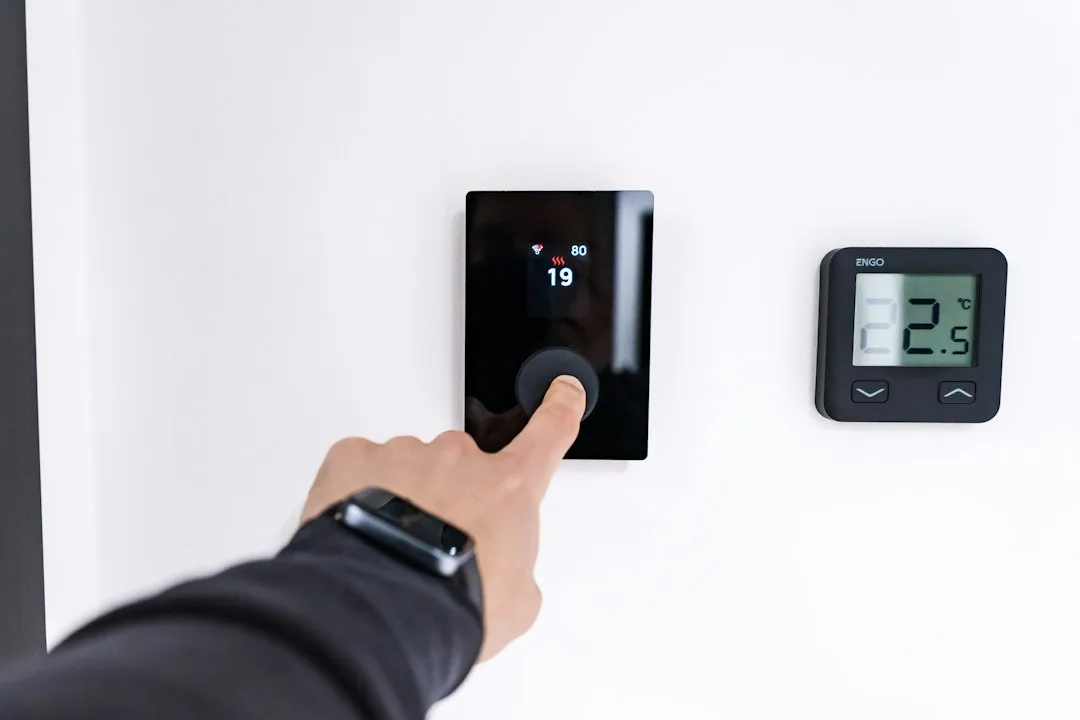
Smart lighting systems also allow families to automate routines, such as dimming lights in the evening to signal winding down or gradually increasing brightness in the morning to support gentle wake-ups. These small adjustments contribute to smoother daily transitions and less friction at home.
Homes That Grow With Families
Family needs change over time. A home that works well for a couple may need adjustments when children arrive, and later when those children grow into teenagers or move out. Flexible design makes it easier for homes to evolve without constant renovation.
Modular furniture, adjustable lighting, and multipurpose rooms allow spaces to adapt to new roles. A guest room may become a nursery, then a study, and later a hobby room. Lighting solutions that can be reconfigured or reprogrammed support this flexibility without major structural changes.
This adaptability reflects a broader understanding of home as a living environment rather than a static one. Families benefit when their surroundings respond to life changes instead of resisting them.
Everyday Moments That Define Family Life
Family life is built less on major events and more on ordinary moments—shared meals, quiet evenings, quick conversations in passing. A comfortable, thoughtfully designed home supports these moments without drawing attention to itself.
When homes feel balanced, safe, and welcoming, families are more likely to slow down, communicate, and enjoy being together. Design choices, including lighting, layout, and atmosphere, quietly influence how often these moments happen and how they feel.
A home does not need to be perfect or luxurious to support strong family bonds. What matters is intention: creating spaces that respect both togetherness and individuality. In doing so, the home becomes not just a place where a family lives, but a place where family life truly unfolds.