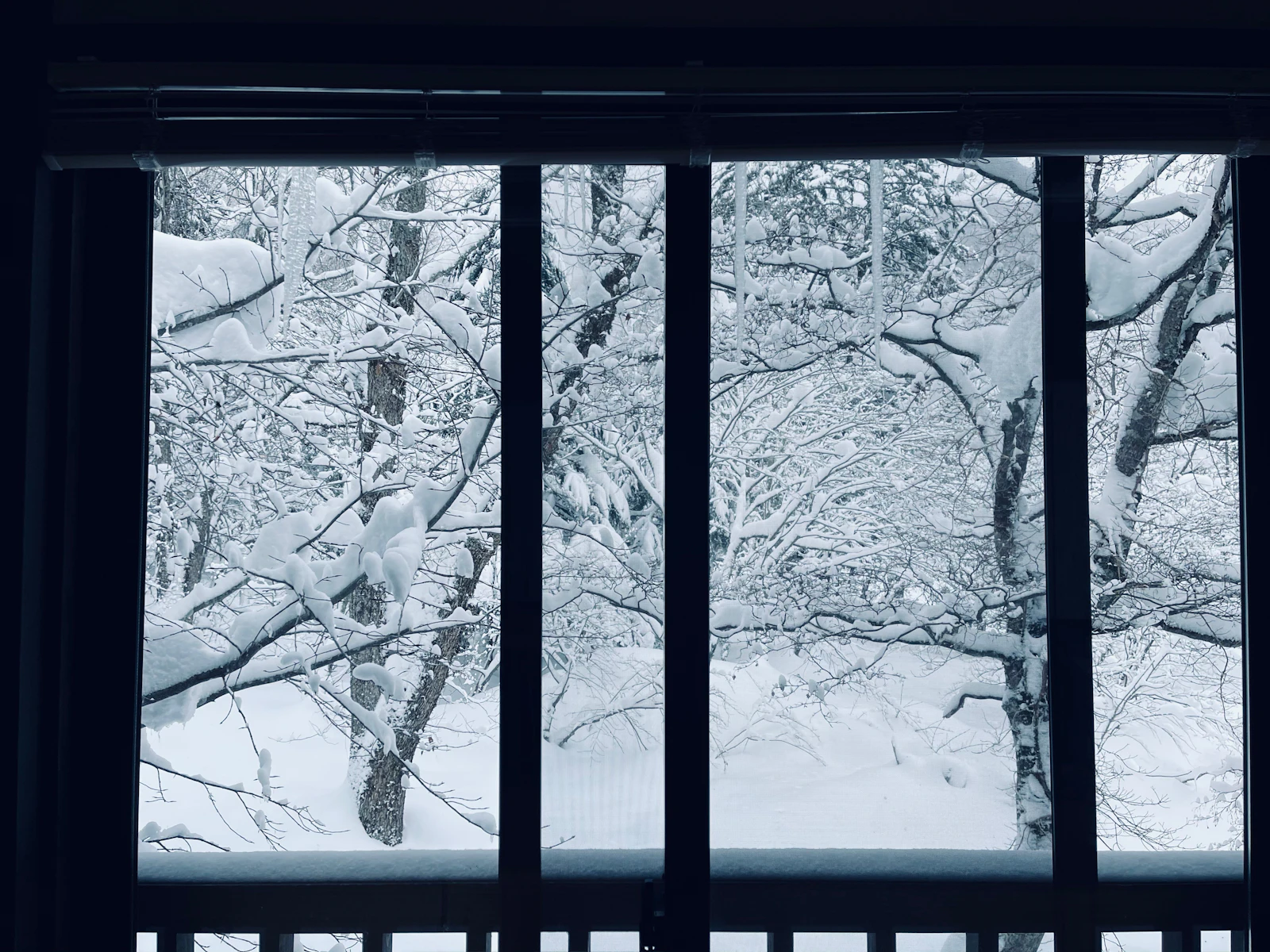
Window insulation film is a clear plastic sheet that you tape to the inside window trim and tighten with a hair dryer, trapping a still layer of air between the film and the glass. It suits renters and owners of older single-pane or drafty double-hung windows who want a cheap, reversible fix for winter, and the key decision is simple: use it on windows you will keep closed until spring.
The job takes an hour or two for a few windows, needs no special skills and comes off cleanly once the weather warms. ENERGY STAR’s project page for plastic over windows rates it as easy, a one-day project and under $100, and notes that the film reduces drafts, helps a room feel warmer and cuts condensation on the glass.
How shrink film keeps a room warmer
The film does two jobs. Pressed onto tape around the trim, it blocks air leaking around the sash and frame. Once shrunk tight, it holds an insulating pocket of air in front of the glass, which Frost King, a manufacturer of the kits, compares to the way double-pane windows work. The result is fewer cold drafts near the window and less chilled air sliding down the glass into the room.
Windows are a real source of heat loss. Frost King cites the U.S. Department of Energy figure that heat lost through windows can account for 25 to 30 percent of residential heating energy use. ENERGY STAR is more modest about the film itself, noting that window projects may have less impact on energy use than sealing and insulating the attic or basement.
Quick Tips
- Let the trim dry completely so the tape bonds well.
- Clean the trim first; tape will not hold on dust or grease.
- Cut film a few inches larger than the taped area on every side.
- Use a hair dryer, not a heat gun, to tighten the film.
- Skip windows you need to open, or that serve as an emergency exit.
Which windows benefit most
The biggest gains come on single-pane glass, older double-hung sashes that rattle, and windows on cold north or west walls in rooms you use daily. Signs of a leaky window include rattling, visible gaps, peeling paint and outside odors drifting in. Newer double-pane units or windows with storm windows may not need film, although it can still help with a single cold spot.
In regions with mild winters the payoff shrinks. A January 2024 Bob Vila test of the 3M Window Insulator Kit found it effective at reducing the cold felt near the window but noted that it is hard to measure savings without lab testing, and that the kit makes less sense where winters are short or where windows are opened regularly.
Installing the film step by step
Read the instructions on your kit first, since tape and film vary between brands. The general sequence is the same for most indoor kits.
For mini-blinds with a tilt wand, ENERGY STAR suggests removing the wand, shrinking the film, reinforcing the spot with cellophane tape, then cutting a small opening with a fresh blade so the wand hook can pass through. A dull blade tends to tear the film.
Film compared with other cold-window fixes
Shrink film is one of several options, and each fits a different situation.
| Fix | Best for | Trade-off |
|---|---|---|
| Shrink film kit | Drafty windows kept closed all winter | Seasonal; window cannot be opened |
| Weatherstripping | Gaps where the sash meets the frame | Does not insulate the glass itself |
| Thermal curtains | Windows you still open or need for light by day | Works only when drawn |
Film and weatherstripping work well together: seal the moving parts first, then add film over windows you will not use. If you are planning a broader winter refresh on a tight budget, see these budget-friendly home improvement ideas.
Common mistakes and limits of the fix
The most common mistake is folding the film along the wrong edge while unrolling it. Reviewers note that finding the true edge of a folded sheet can be tricky, and a wrong cut wastes a section of film, leaving you short for the last window. Unfold the sheet fully on a clean floor before measuring.
The bigger limit is that film is temporary. It will not fix fogging between glass panes, rotting frames or heavy condensation problems, all of which point to repair or replacement. If a window shows soft wood, water stains on the wall below or frames that no longer close, these are signs it is time to call in home improvement experts rather than reach for tape.
Taking the film down in spring
When winter ends, peel the plastic away, then pull the tape off the trim slowly at a low angle. ENERGY STAR, Frost King and the Bob Vila tester all report that the tape comes off without damaging the finish, but older or freshly painted trim deserves a test strip in an inconspicuous corner first. Film cannot be reused once shrunk, so plan on a new kit each autumn.