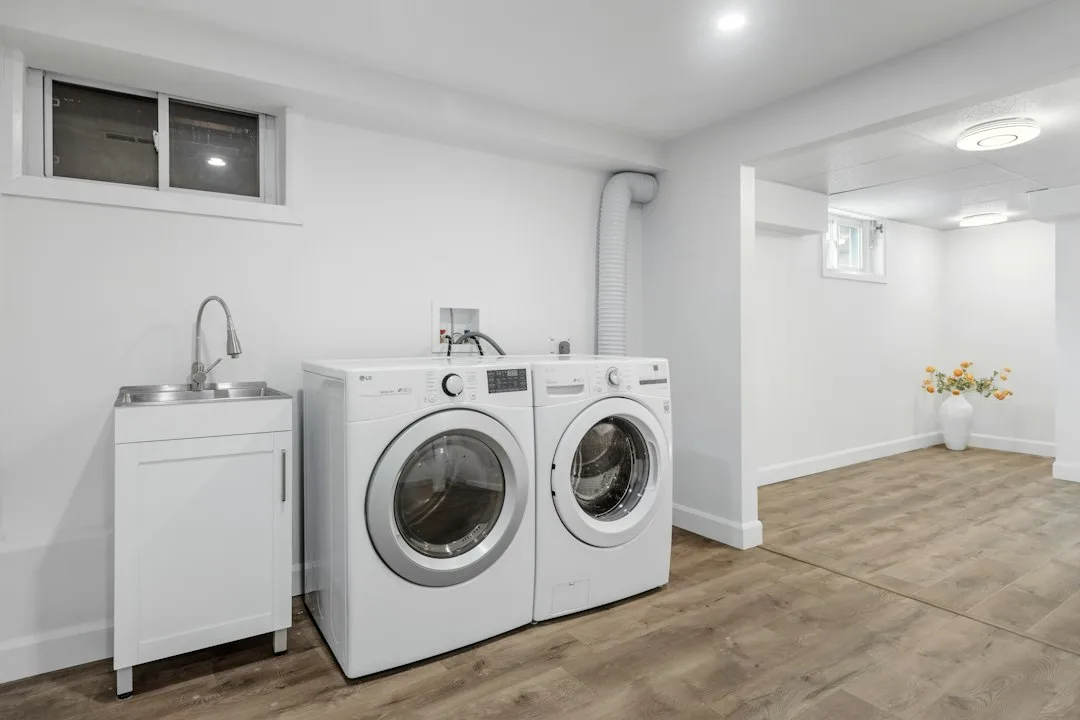
Finished basements are among the highest-ROI home renovations—adding roughly 70% of project cost back to resale value—but they’re also where homeowners make their costliest ventilation mistakes. As of July 2026, basement moisture remediation accounts for 35% of all water damage insurance claims, and the majority stem from finishing projects where airflow wasn’t planned from the start. Basement finishing ventilation isn’t an afterthought; it’s the load-bearing wall of your renovation’s longevity.
Why Basements Trap Moisture During Finishing
Below-grade spaces naturally collect groundwater vapor and humid air that rises from soil. When you insulate walls, install drywall, and add carpet, you’re essentially sealing that moisture inside a closed box. The problem compounds in July and August: outdoor humidity peaks, and cool basement temperatures create a dew-point collision that deposits condensation directly on framing.
A basement without proper exhaust ventilation can reach 65-75% relative humidity within weeks of finishing. Mold begins colonizing drywall at 60% humidity. Once settled into framing cavities, mold remediation costs $2,000–$8,000 per 1,000 square feet.
Homebuilder reports from 2025 show 42% of finished basements completed without mechanical ventilation required mold remediation within 18 months. That’s not a natural decay risk—it’s a design failure.
Quick Tips
- Install a dedicated exhaust duct or ERV (Energy Recovery Ventilator) before drywall goes up
- Size your dehumidifier to basement square footage—50 pints/day minimum for 1,200 sq ft
- Ensure sump pump discharge lines vent outside, not into crawlspaces
- Seal basement rim joists with spray foam before finishing walls
- Run exhaust fans during and 48 hours after construction to remove moisture from drywall
How Professional Systems Solve Basement Finishing Ventilation
Mitsubishi Electric’s indoor ventilation systems, including their Energy Recovery Ventilators (ERVs), are among the most specified in basement renovations because they exchange stale indoor air with fresh outdoor air while capturing up to 88% of heating/cooling energy. Unlike simple bathroom exhaust fans that pull conditioned air out of living spaces, ERVs balance the exchange—critical in a basement where you want fresh air without creating negative pressure that draws humid air up from the foundation.
The second layer is dehumidification. Frigidaire and LG manufacture basement-rated dehumidifiers sized 50-70 pints per day capacity, which extract moisture directly without relying on outdoor air exchange. These units run 12-16 hours daily during the finishing phase and can be set to maintain 40-50% humidity year-round.
| Ventilation Strategy | Best For | Estimated Cost Range |
|---|---|---|
| ERV (Energy Recovery Ventilator) | Whole-basement air exchange + humidity control | $1,500–$3,500 installed |
| Dedicated exhaust duct + dehumidifier | Smaller basements under 800 sq ft | $800–$1,800 |
| Sump pump + sump guard + dehumidifier | Wet basements with seepage history | $2,200–$4,500 |
| Basement exhaust fan only | NOT recommended as sole solution | $150–$400 (insufficient alone) |
The Number One Mistake: Relying on HVAC Returns Alone
Most homeowners assume connecting their basement to the existing home HVAC system is enough ventilation. It’s the fastest path to structural damage. When your furnace pulls basement air back into the return ductwork, you’re recirculating humid basement air throughout your entire home—lowering humidity in the basement temporarily while spreading moisture to attic framing, insulation, and second-floor walls.
A real example: A homeowner in Ohio finished a 1,200-square-foot basement in 2024, connected it to the main HVAC return, and skipped a dehumidifier. Within eight months, mold appeared on rim joists. By month 14, the attic insulation was saturated, and structural engineers flagged potential wood rot in the upper-floor rim board.
The repair cost: $14,000. A dedicated ERV system would have been $2,200.
Timing Ventilation Into Your Basement Finishing Schedule
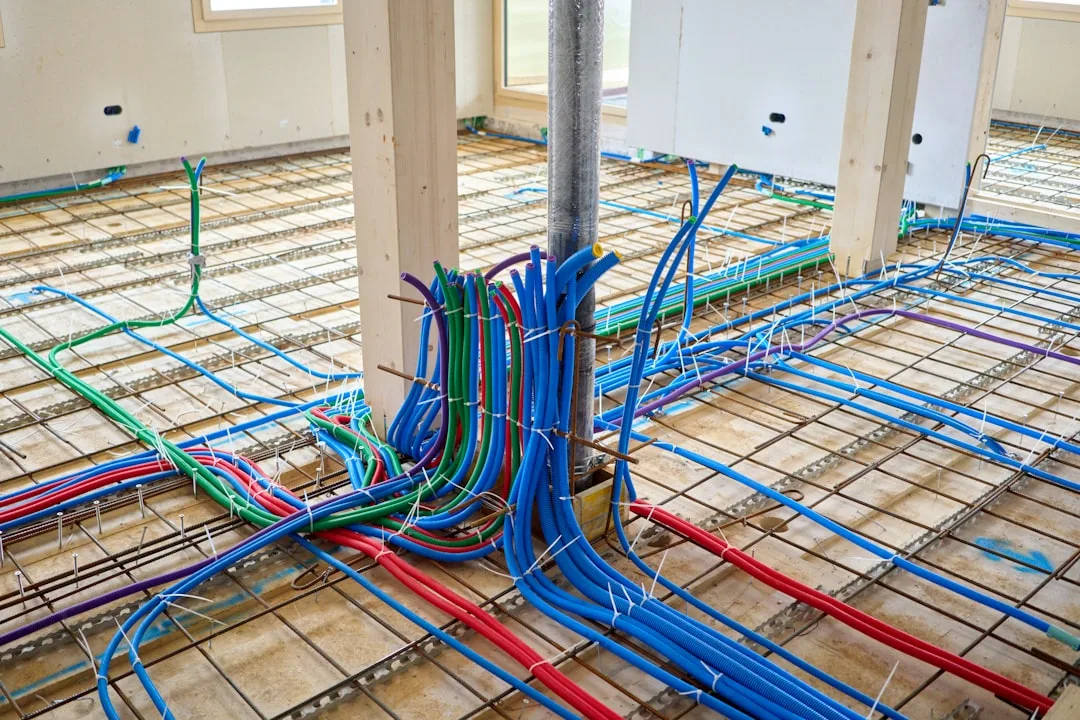
The moisture-control window opens before framing. Install your ERV or exhaust ductwork in the rough-in phase—same time as electrical and plumbing. Seal the foundation with spray foam or caulk at rim joists and band board seams. Run exhaust fans or your dehumidifier continuously during drywall installation and 48 hours after finishing, when materials are offgassing moisture.
Drywall installation typically adds 30-40 gallons of water vapor per 1,000 square feet. Without active exhaust or dehumidification, that moisture saturates framing for weeks. Professional drying protocols require either 16+ air changes per hour using portable fans or constant dehumidifier operation.
Consider the benefits of professional junk removal during renovation to maintain clear airflow routes and remove moisture-absorbing debris.
Year-Round Operation and Maintenance Requirements
Once your basement is finished, ventilation doesn’t stop—it shifts to maintenance mode. Dehumidifiers run passively during summer (May through September in most climates), maintaining 45-55% humidity. In winter, you’ll reduce runtime but keep the unit on standby because basements rarely drop below 50% humidity without active drying.
ERV units require filter changes every three to six months and annual ductwork cleaning. Clogged filters reduce airflow efficiency by 60%, which defeats the system’s whole purpose. Battery-backed humidity monitors (such as those from AcuRite or Govee) alert you when basement humidity climbs above your target, signaling when dehumidifiers need service or filters need replacement.
Homeowners who pair basement ventilation with DIY plumbing maintenance for healthy home drainage see the lowest mold recurrence rates—because both systems work together to remove water from the foundation zone.
Long-Term Value and Resale Impact
A finished basement with documented ventilation and dehumidification systems commands a 5-8% price premium on resale. Inspectors specifically flag basements with no mechanical ventilation as future liability. Buyers in humid climates (Southeast, Midwest, Mid-Atlantic) increasingly demand proof of moisture-control systems before closing.
The investment—$1,500 to $3,500 for a professional ERV system, plus $300-$600 annually for dehumidifier operation—repays itself within 3-4 years through avoided mold remediation, structural repair, and resale negotiation leverage. More importantly, it protects the largest renovation investment most homeowners make.