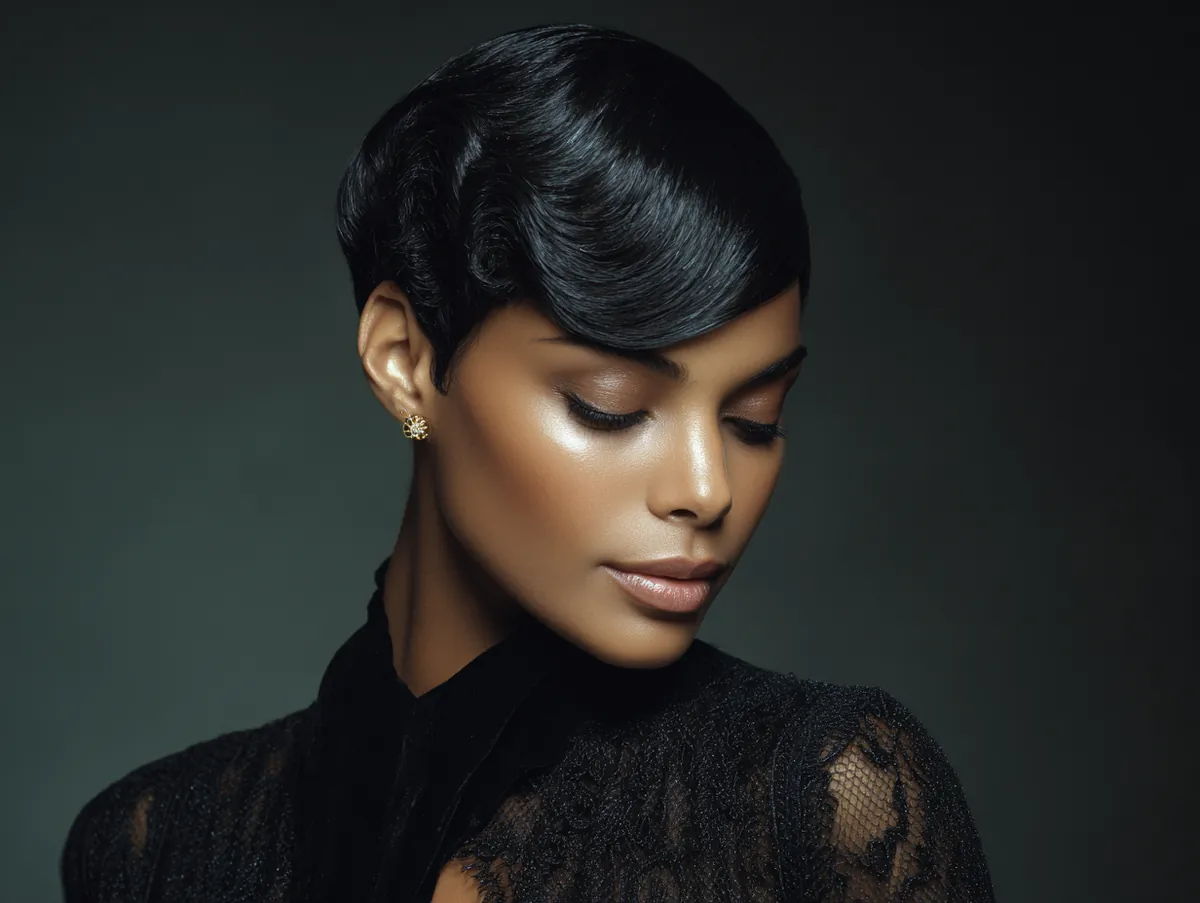
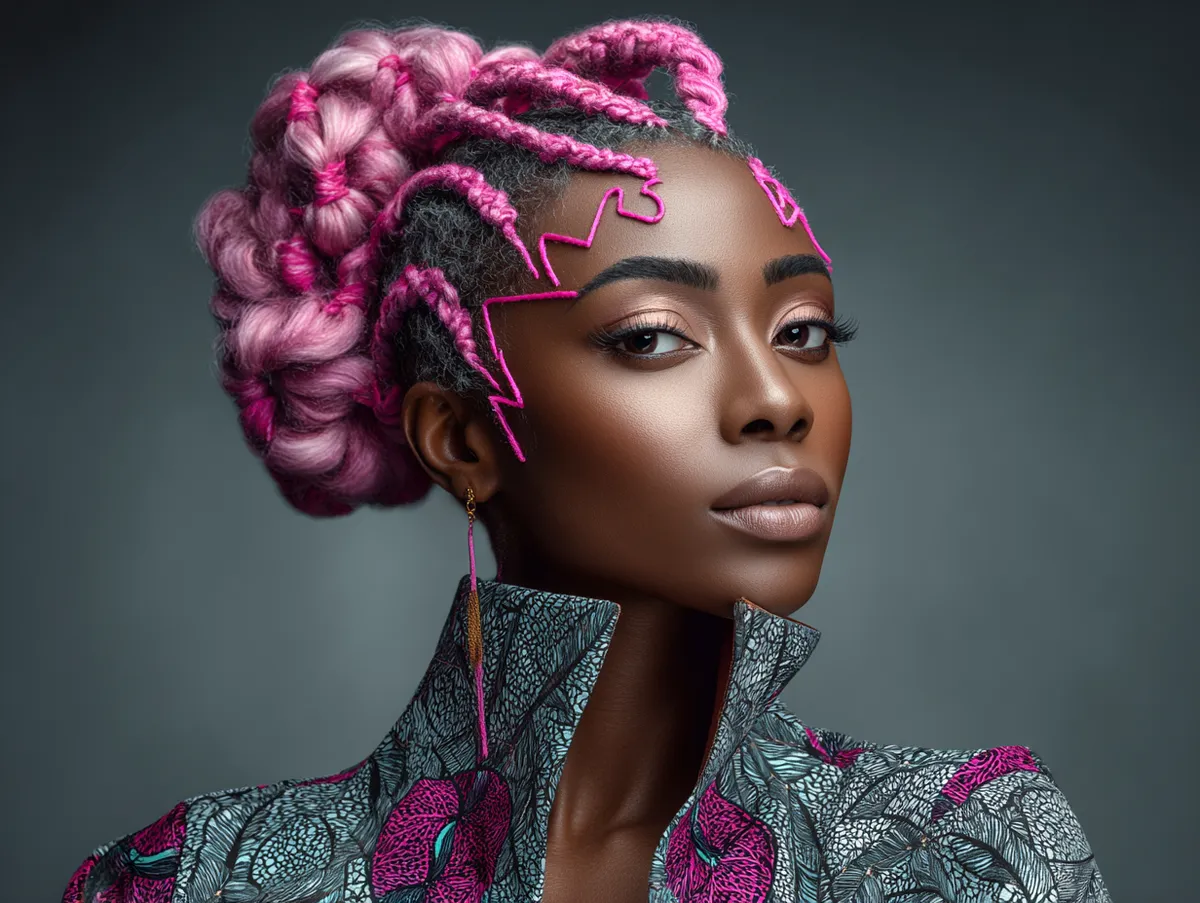
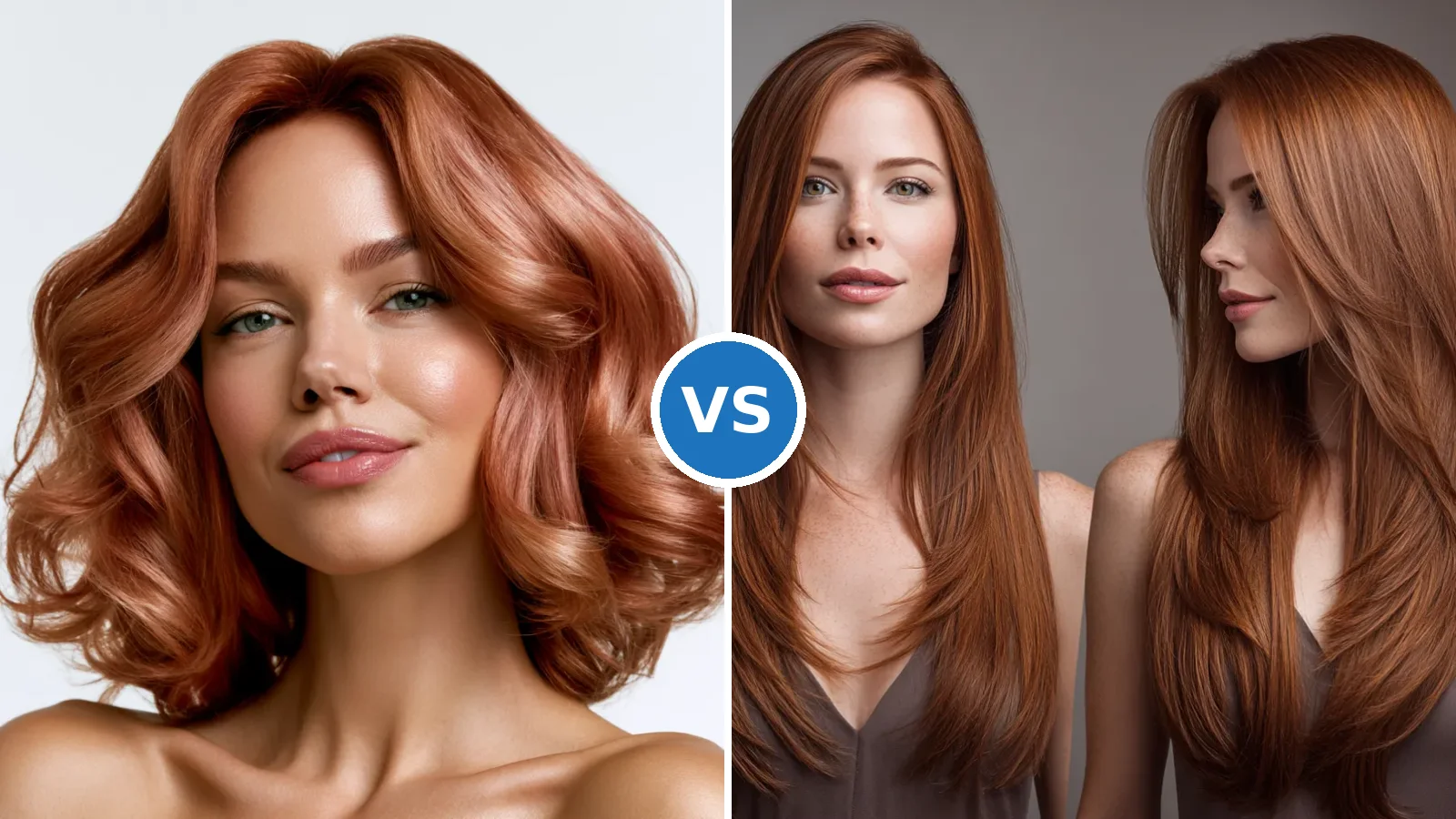
Rope twist extensions open up a whole spectrum of possibilities the moment color enters the picture. The style itself — two strands coiled tightly around each other into a clean, rope-like finish — already earns its place as one of the most durable protective looks available, holding for 4 to 8 weeks with proper care. What color does is transform that silhouette from background noise into the loudest thing in any room.
The five directions covered here — bold red, purple ombre, golden highlights, rainbow, and pastel — represent genuinely different decisions. Each one reads differently in sunlight, requires its own maintenance approach, and pairs with a different wardrobe logic. Picking the wrong shade for your lifestyle is just as costly as picking the right one without knowing how to keep it alive.
Pre-colored Outre X-Pression Twisted Up packs run about $9 to $12 each at major retailers, which makes experimenting with color a low-stakes commitment compared to permanent dye. The trick is knowing which color family actually earns the screen time it demands — and which maintenance cuts will kill it within two weeks.
– Pre-colored rope twist extensions let you try bold color without permanent dye — Outre X-Pression packs start around $9
– Red twists are high-impact but need sulfate-free shampoo to stay vibrant beyond week 3
– Purple ombre works best with loose wear; high buns collapse the gradient effect
– Golden highlights photograph best in natural light and fade the slowest of all five color options
– Rainbow placement is everything — random distribution looks chaotic, not creative
– Pastel shades on dark hair require pre-lightened extensions, not direct dye
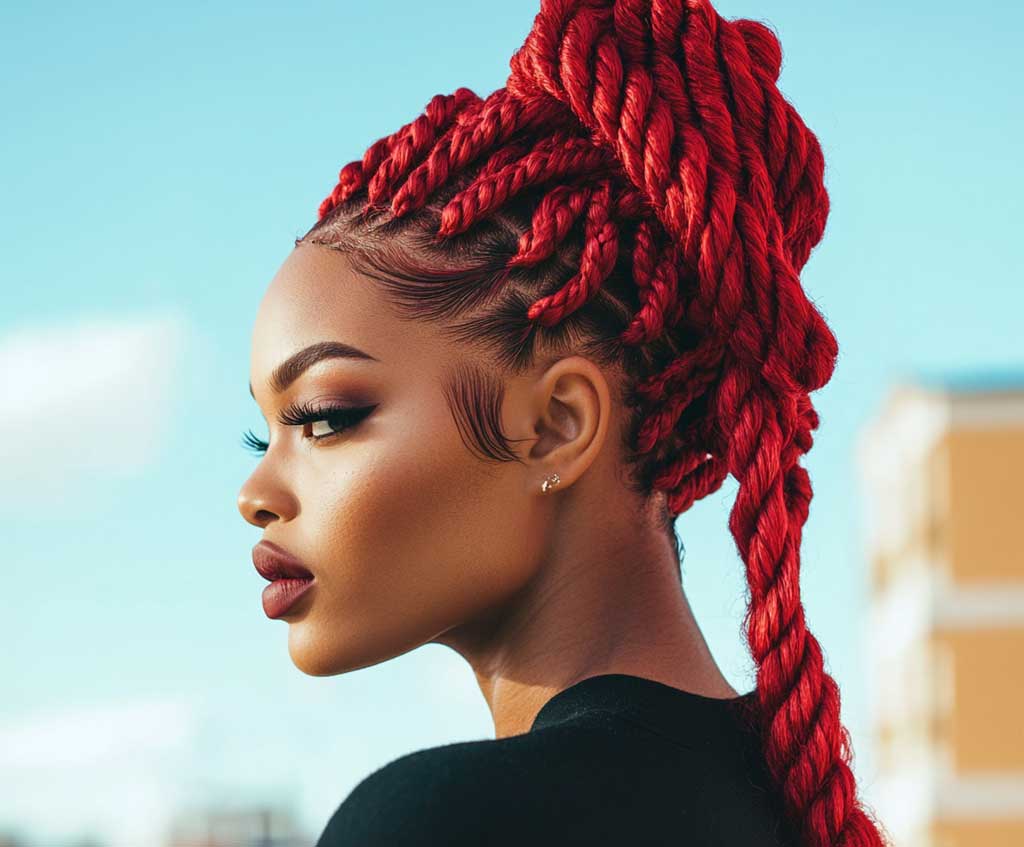
Red Rope Twist Extensions Demand a Matching Commitment
Red rope twist extensions are one of those choices that pays off only if the upkeep matches the ambition. The color reads as vivid from across a room — under natural sunlight, it shifts between copper and cherry depending on the angle — and that same intensity means it shows fading faster than any other shade on this list. Expect to treat the hair as actively as you’d treat a red dye job on natural hair.
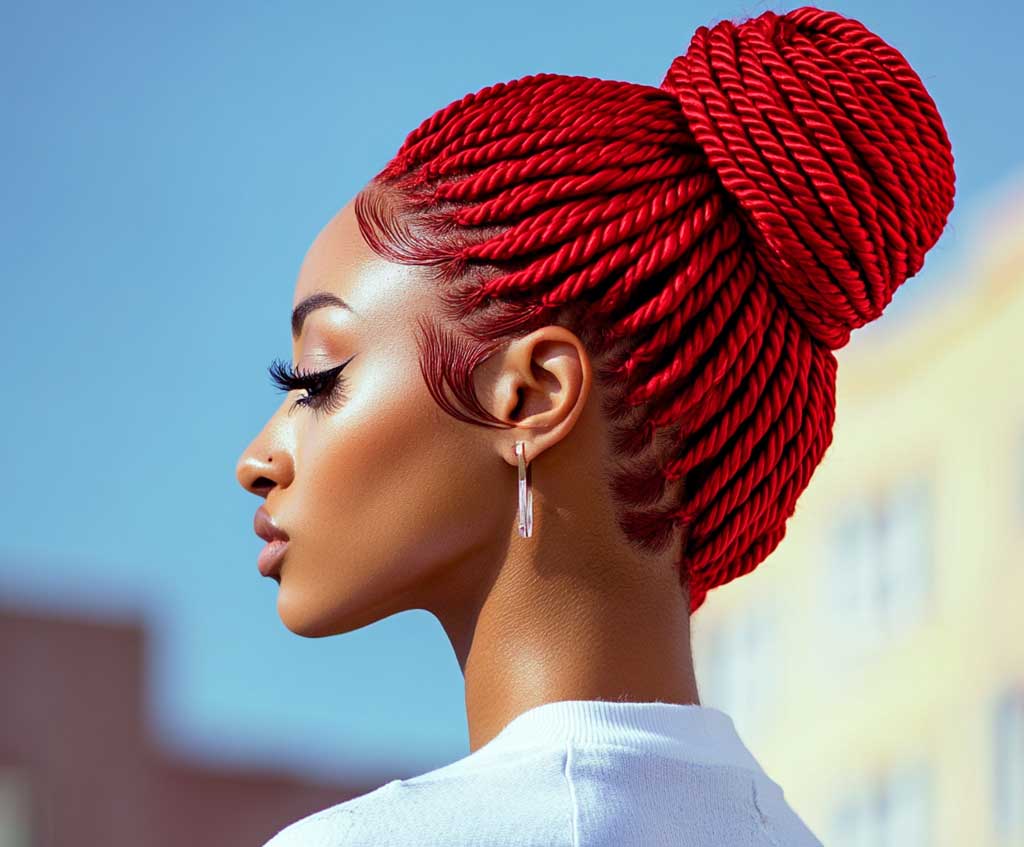
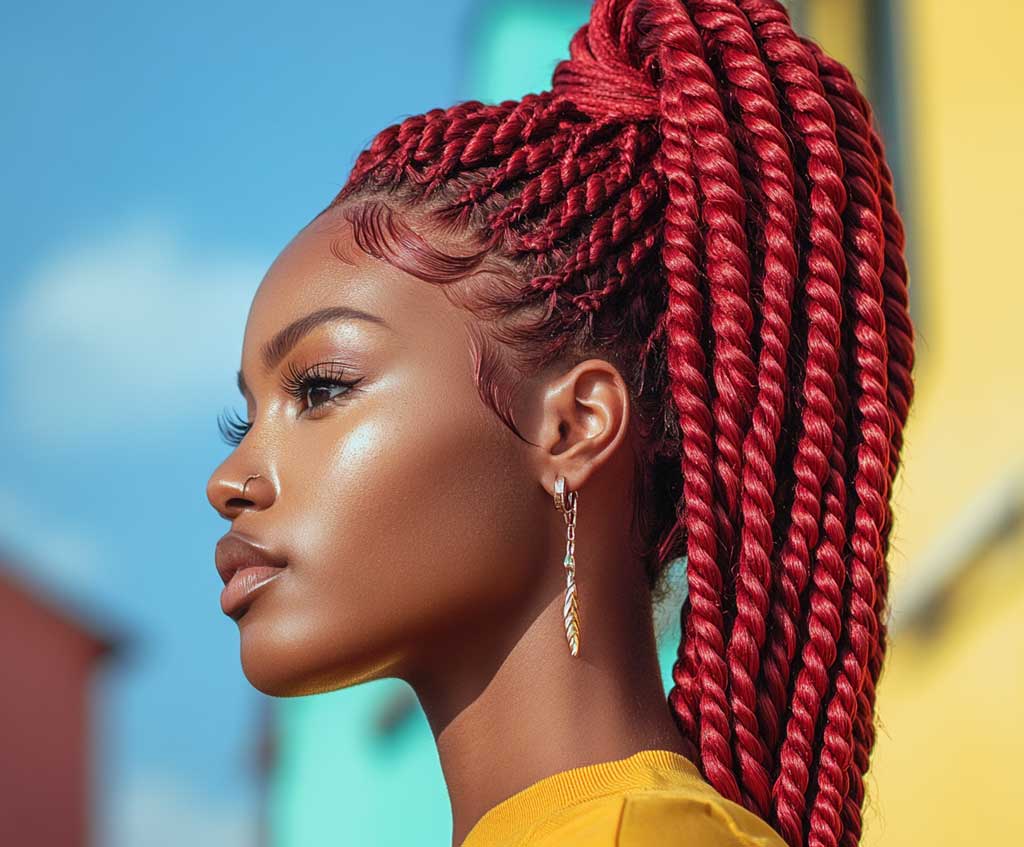
Start with pre-colored extensions rather than attempting to dye Kanekalon or Toyokalon fiber at home — synthetic hair doesn’t absorb permanent dye the way human hair does, and the results are unpredictable at best. Outre X-Pression Twisted Up comes in vibrant red-adjacent shades like color 350 and is available in 16″ and 24″ lengths. One pack of 3X hair typically covers 5 to 7 twists, so budget 4 to 6 packs for a full head. Do the math before you shop — running out mid-install with mismatched dye lots is how a bold statement becomes a patchwork problem.
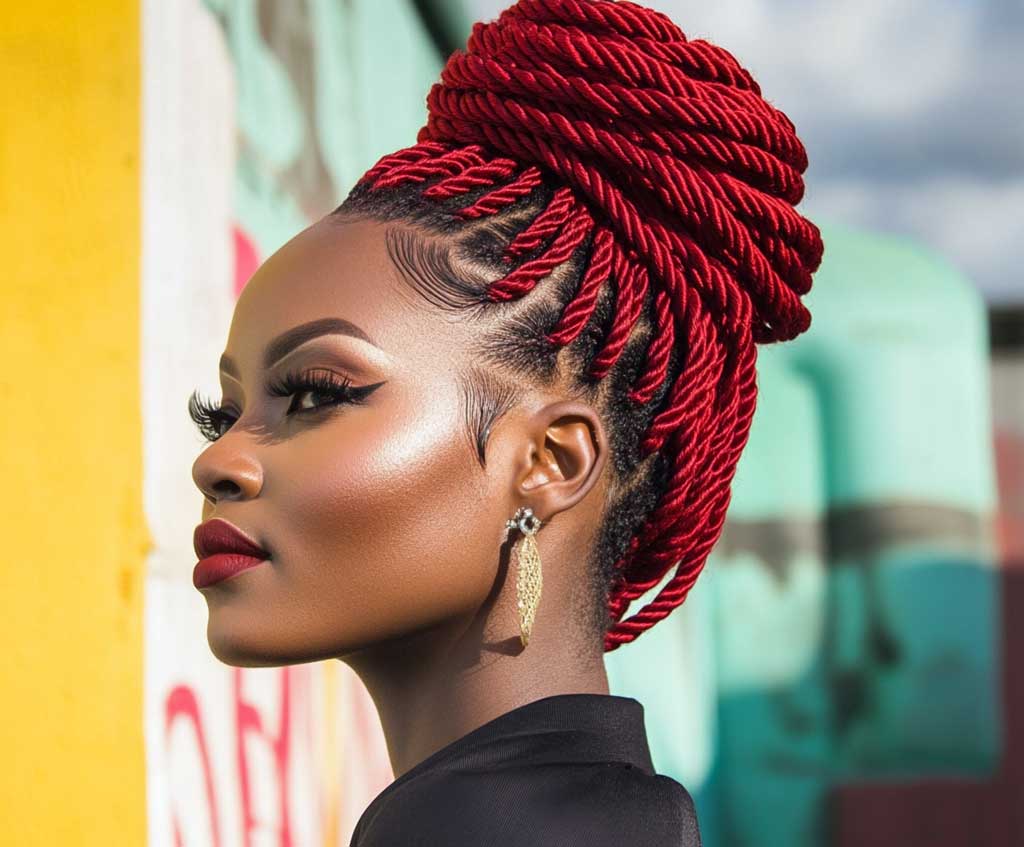
Sulfate strips red pigment out of synthetic fiber the same way it strips color from chemically treated natural hair — washing with a sulfate-heavy shampoo even once can dull the shade noticeably. Reach for a sulfate-free option instead; Carol’s Daughter Black Vanilla runs $11.94 for 12 oz at Walmart and works well diluted in a spray bottle to cleanse the scalp without saturating the extensions. Spritz, massage the scalp with fingertip pads only, and rinse with cool water to tighten the hair cuticle and lock in vibrancy. Don’t skip the satin bonnet at night — friction against cotton pillowcases dulls red faster than anything else in the routine.
Red twists wear best against neutral clothing — black, ivory, camel — where the hair does all the talking. The one styling mistake that undercuts the whole look: wearing red twists in a messy updo with loose, unraveled pieces framing the face. The color is doing too much work already; the structure of the style needs to meet it halfway. A tight, sleek high bun or a neat half-up with beads keeps the visual impact intentional rather than chaotic. Ask yourself before leaving the house whether the hairstyle looks chosen or accidental.
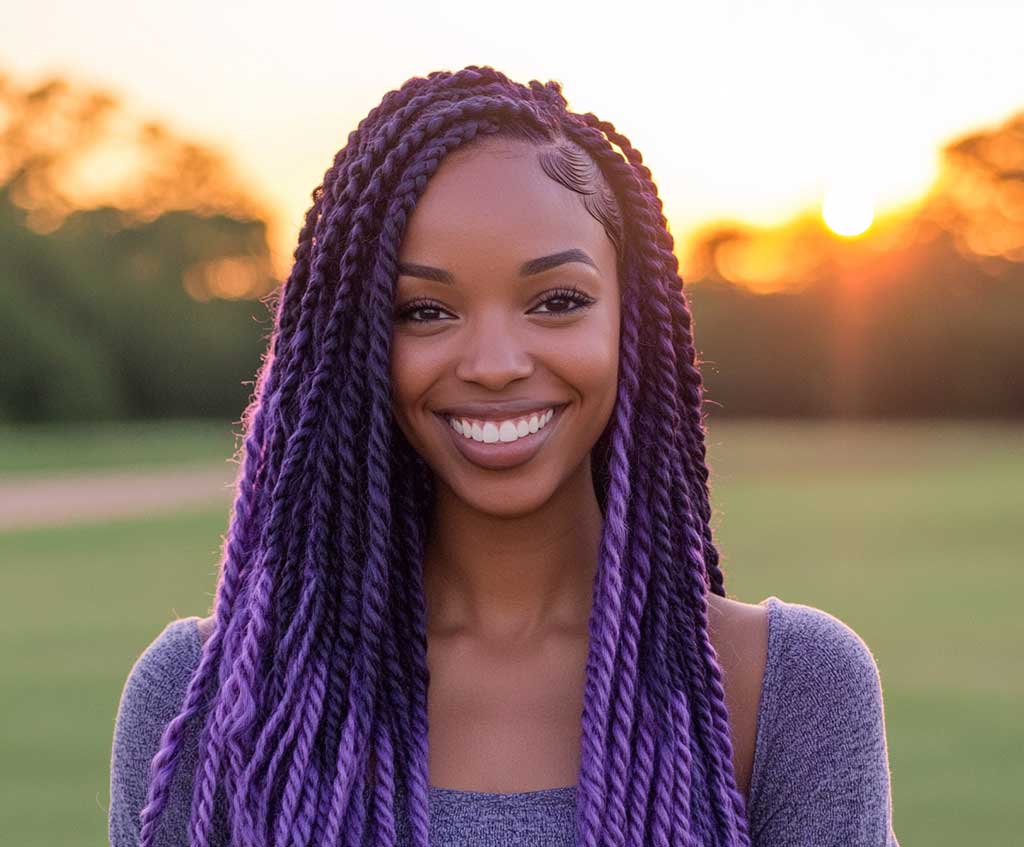
Purple Ombre Rope Twist Extensions and the Gradient That Disappears in a Bun
Purple ombre rope twist extensions work on a simple optical principle: the gradient from deep plum at the root to soft lavender at the tip only reads as ombre when the twists hang freely. Pin them into a high bun, and you’ve just paid for an effect no one can see. If the plan is mostly updos, choose a single-shade deep purple instead — the ombre is money spent on wear-them-down hair. For those who genuinely wear twists loose or in low ponytails, the gradient is one of the most dimensional looks color can deliver.
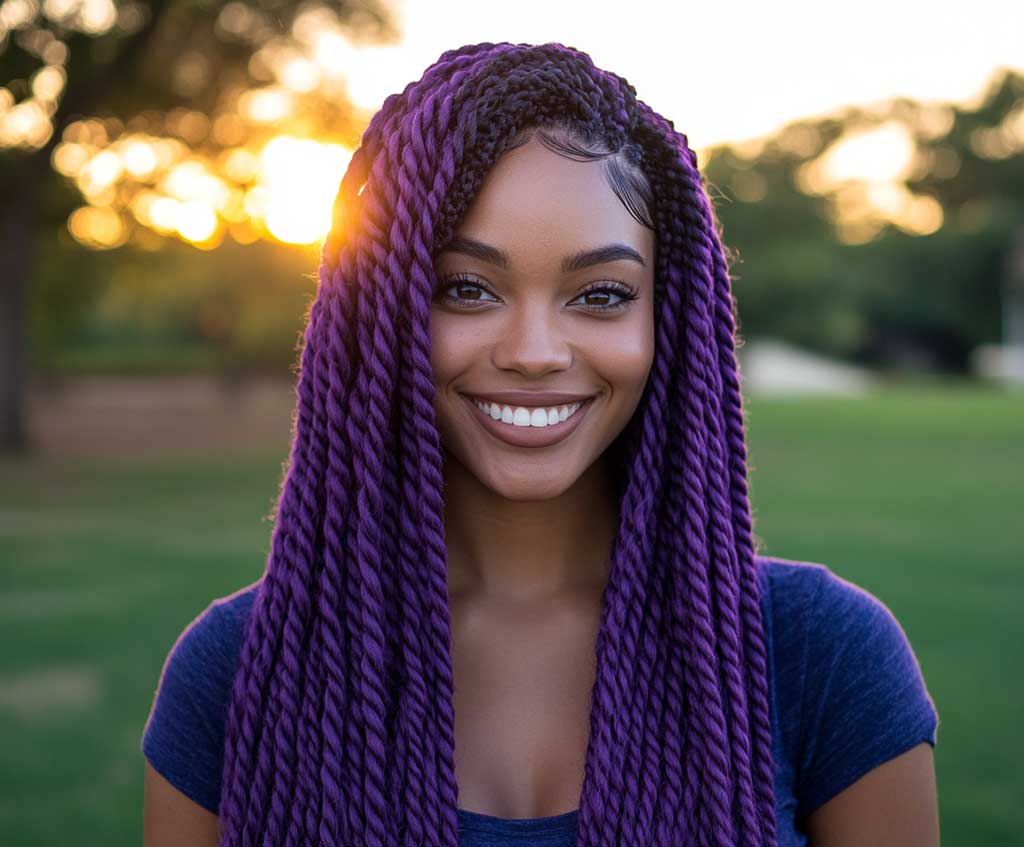
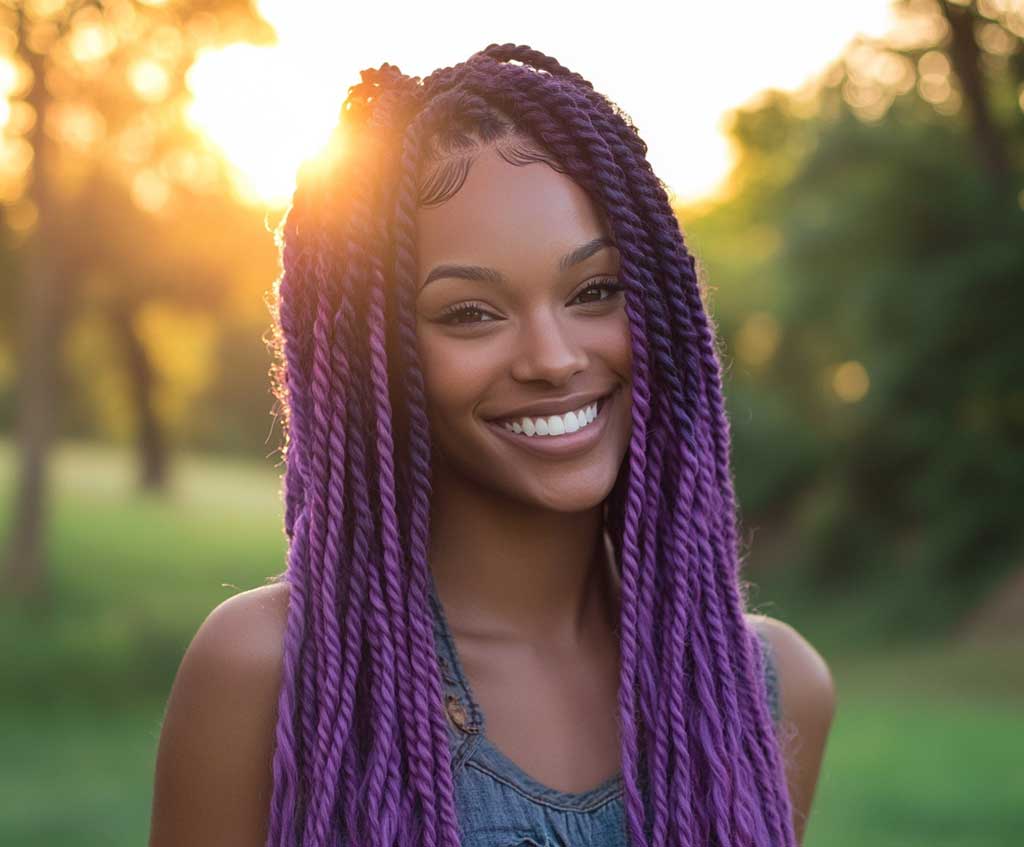
Pre-colored ombre extensions are the only practical route here. Achieving a clean two-tone transition by hand-dyeing synthetic fiber requires bleaching the bottom half first — a process that weakens the fiber and leads to shedding mid-wear. Kanekalon hair rated for color, available in ombre purple shades from brands like Sensationnel Lulutress, eliminates that risk entirely and delivers consistent results across every twist. Stylists who specialize in colored protective styles will often buy pre-ombre hair in bulk to keep the dye lots consistent across packs — this is worth replicating when shopping independently.
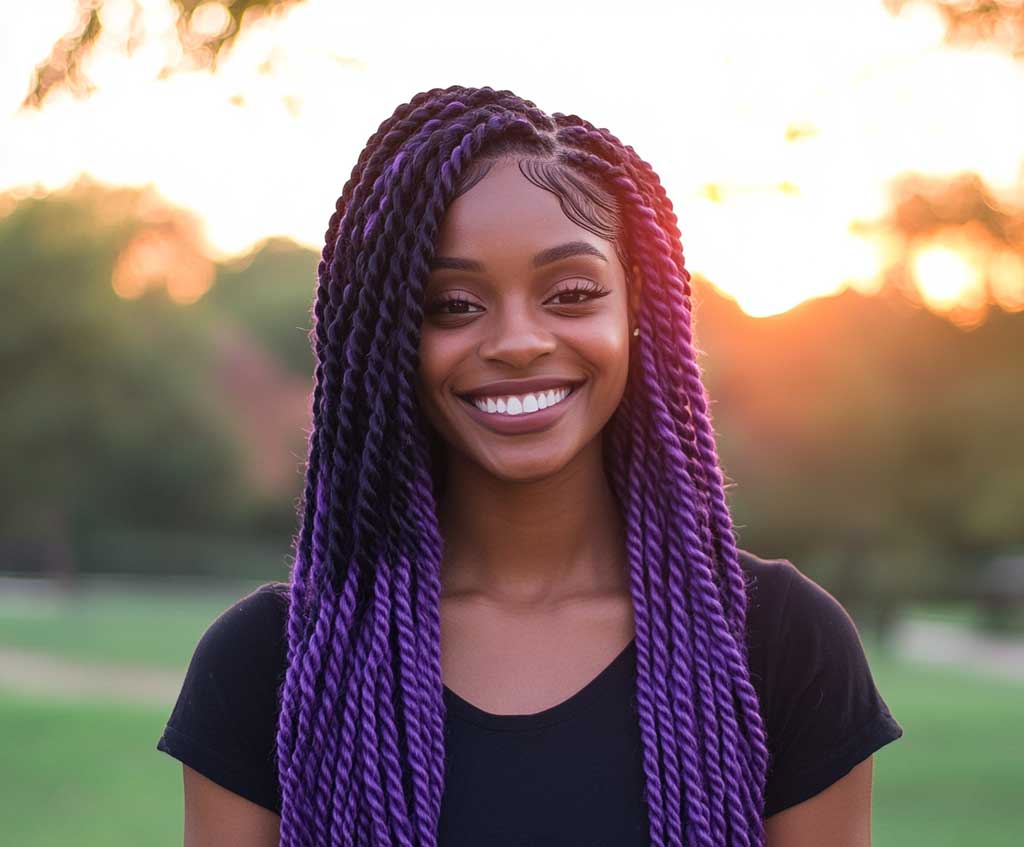
UV exposure is the biggest enemy of purple synthetic fiber. Lavender tips in particular wash out to a pale gray after repeated direct sun exposure — the cooler the pigment, the faster it surrenders to heat and light. A UV-protectant spray for color-treated hair, applied weekly, extends the lavender’s intensity by several days per application. Purple passion twist hairstyles follow the same color-care logic, and the styling ideas there translate directly to rope twists in the same shade family.
The wardrobe counterpart to purple ombre twists is anything in the cool neutral range — slate gray, charcoal, soft white — rather than warm earth tones, which create a clash where no one wins. Silver cuffs or clear beads placed at the two-thirds point of each twist frame the gradient rather than interrupting it. Stay away from gold accessories here; they fight the cool-toned lavender ends rather than harmonizing with them.
Where Golden Highlights in Rope Twist Extensions Actually Land
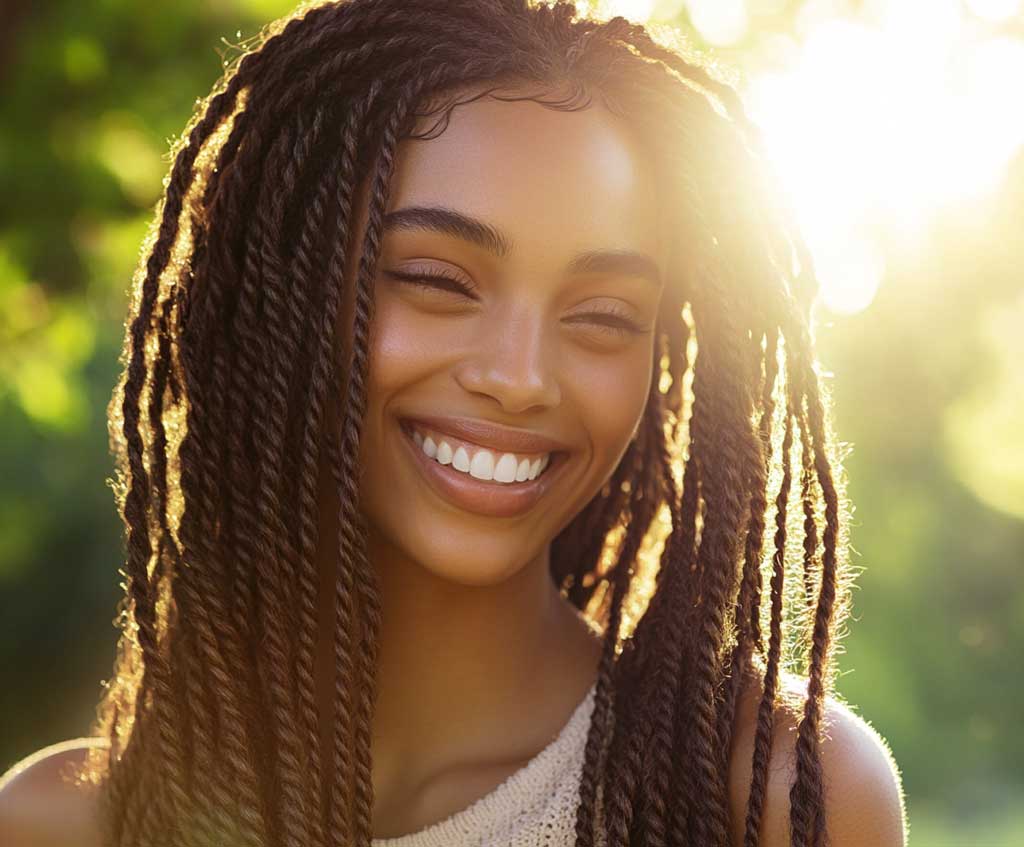
Golden highlight rope twist extensions work because they don’t announce themselves in artificial light — indoors, they read as natural variation in a dark base. Step into direct sunlight and the warmth ignites, creating a shimmer effect that looks like natural sun-kissed hair. That dual behavior is rare in colored extensions and explains why golden highlights are consistently the lowest-maintenance color option on this list. The pigment fades slowly and doesn’t leave the gray, washed-out residue that cooler shades can when they lose intensity.
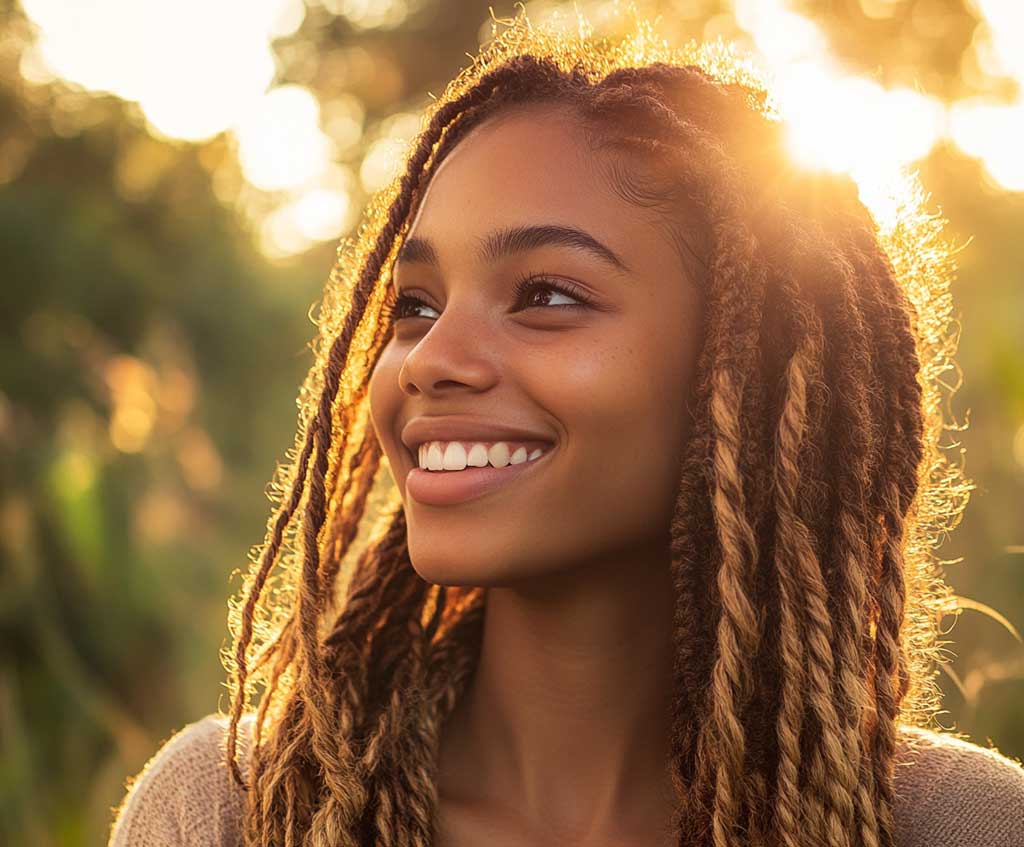
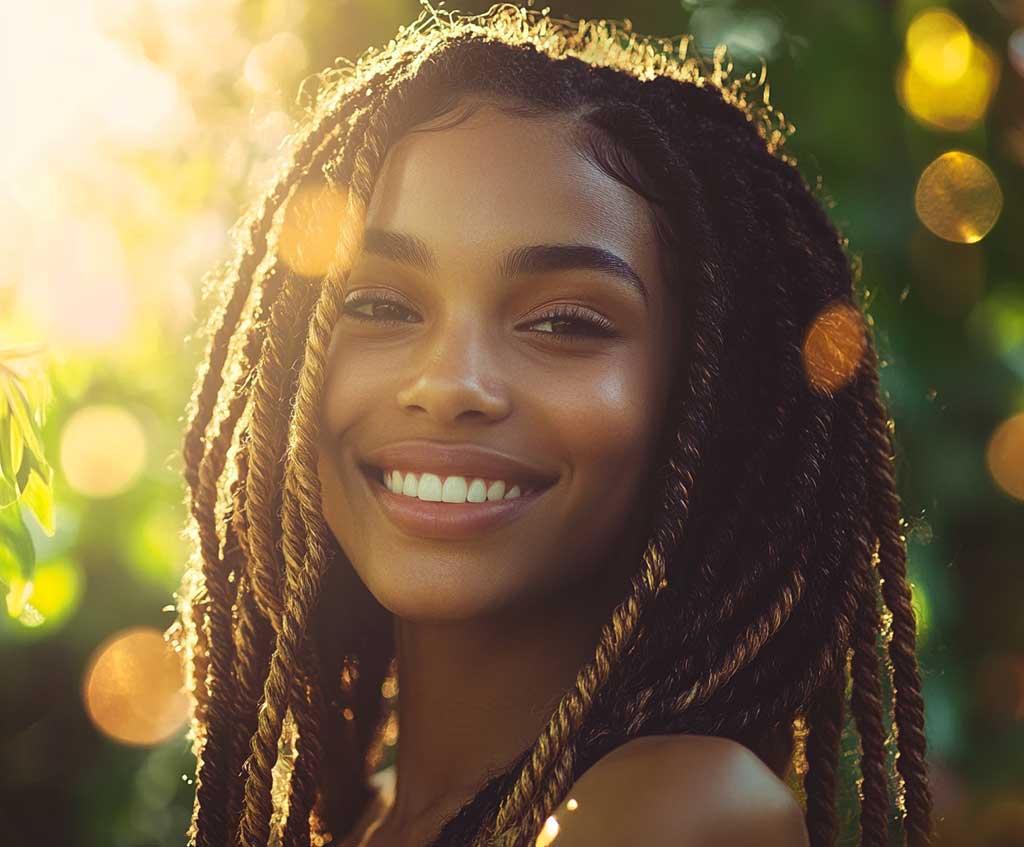
The installation approach here is different from single-color work. Rather than full packs of one shade, stylists typically use a 2:1 or 3:1 ratio of dark base extensions to golden highlight extensions, alternating them every two to three twists rather than mixing them within a single twist. Mixing within a twist blurs the highlight effect into an overall lightening rather than the clean streaks that make this look work. Outre X-Pression color 27 (honey blonde) running at $8.99 per pack at Walmart is the standard reference point — it photographs warm without reading obviously synthetic in natural light.
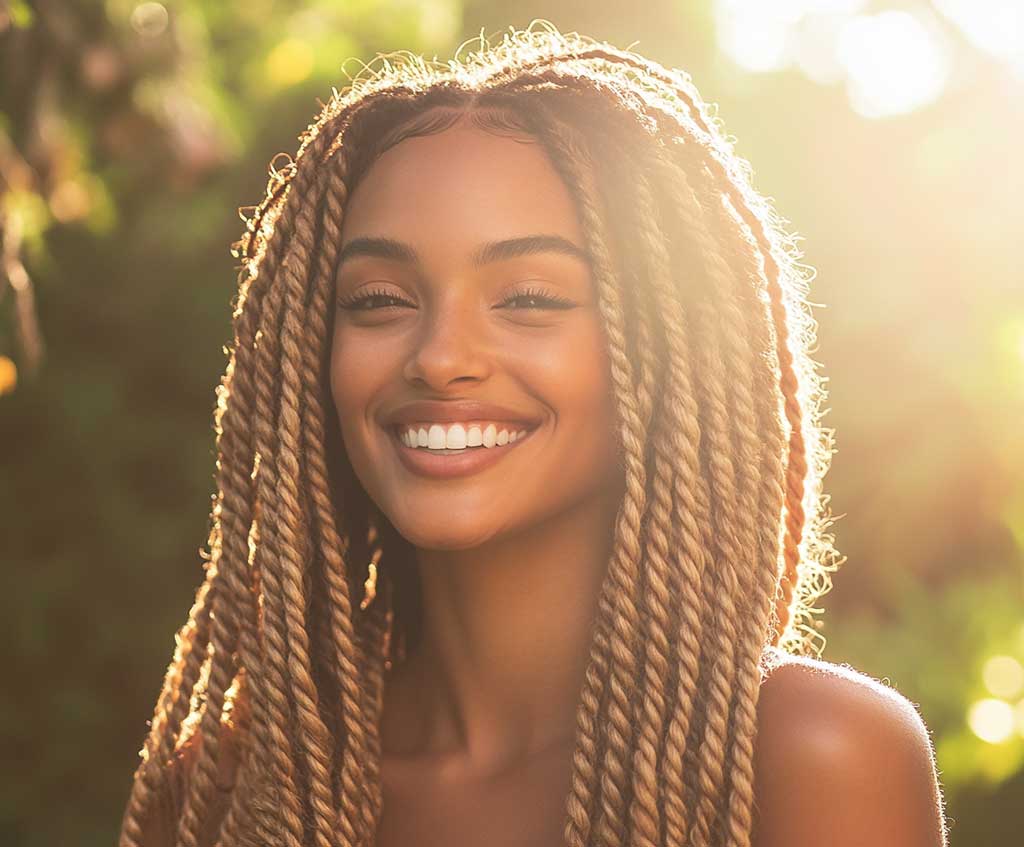
A half-up style is the strongest framing choice for golden highlights — it puts the streaks at face level where light catches them, without pulling all the focus to a single point the way a high bun does. A full ponytail works when the golden extensions are placed toward the front sections intentionally. The worst placement mistake is concentrating highlights at the back where they’re visible only to people standing behind you. Think about where light hits the hair during the activities you actually do, then build the highlight placement around that.
Sulfate-free shampoo matters here for the same reasons it matters with red: the golden pigment lifts faster under sulfate exposure. A lightweight oil — jojoba or argan — applied to the mid-lengths of the twists twice a week keeps synthetic fiber from developing that telltale dry, rough texture that makes colored extensions look cheap. The silk bonnet remains non-negotiable, especially for golden shades where dullness is the enemy. 2-strand twist routines share the same moisture-retention principles and offer additional care frameworks worth applying here.
Don’t choose a color based on how it looks on the extension pack in artificial store lighting. Pastel extensions look entirely different under UV in sunlight — lavender can read white, and baby pink can read peach. Buy one pack first and hold it against your face in daylight before committing to 5 or 6 packs for a full install. Similarly, don’t mix extension packs from different dye lots without checking them side by side — the same color name from two different production runs can differ by a full shade, and the mismatch is obvious once the twists are in.
Rainbow Rope Twist Extensions Fail Without a Distribution Plan
Rainbow rope twist extensions are the color choice where the installation decision matters more than any single shade selection. The individual colors — red, blue, green, yellow, purple — are each straightforward to source as pre-colored extensions. What separates a rainbow look that reads as intentional from one that reads as leftover packs from five different projects is a distribution map drawn before the first twist goes in. A planned placement — for example, grouping warm tones on one side and cool tones on the other, or fading through the spectrum from front to back — creates a cohesive arc that photograph well and hold attention in motion.
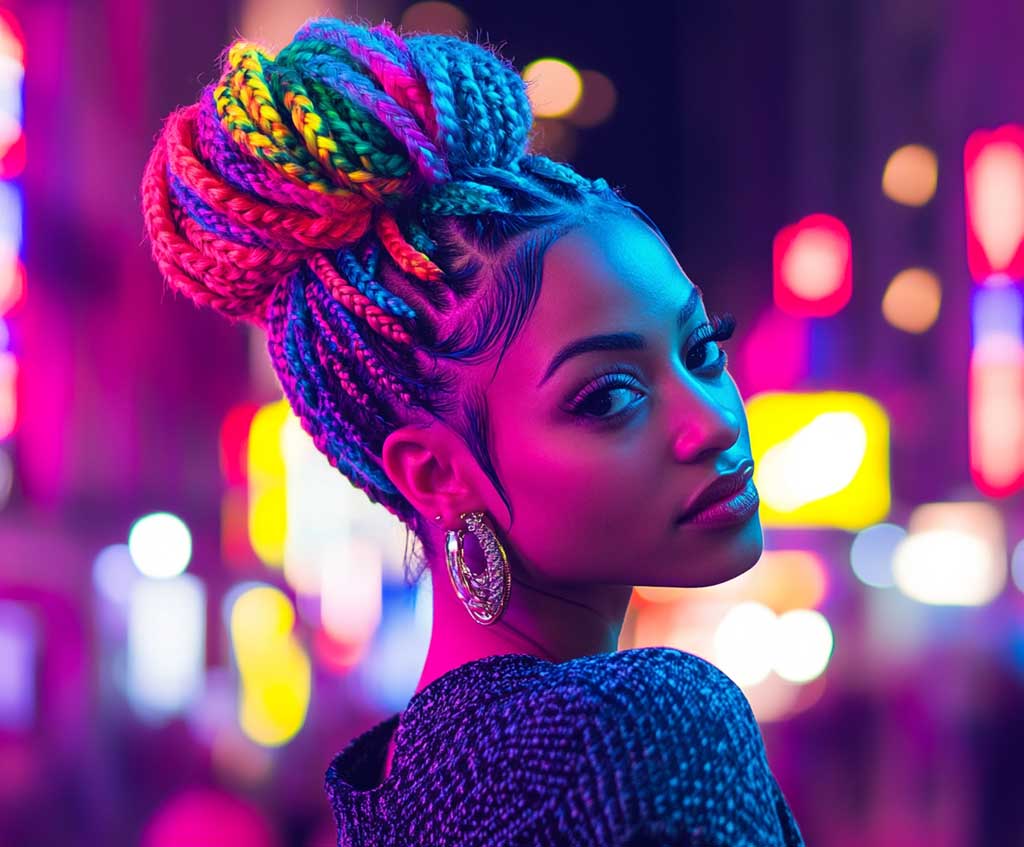
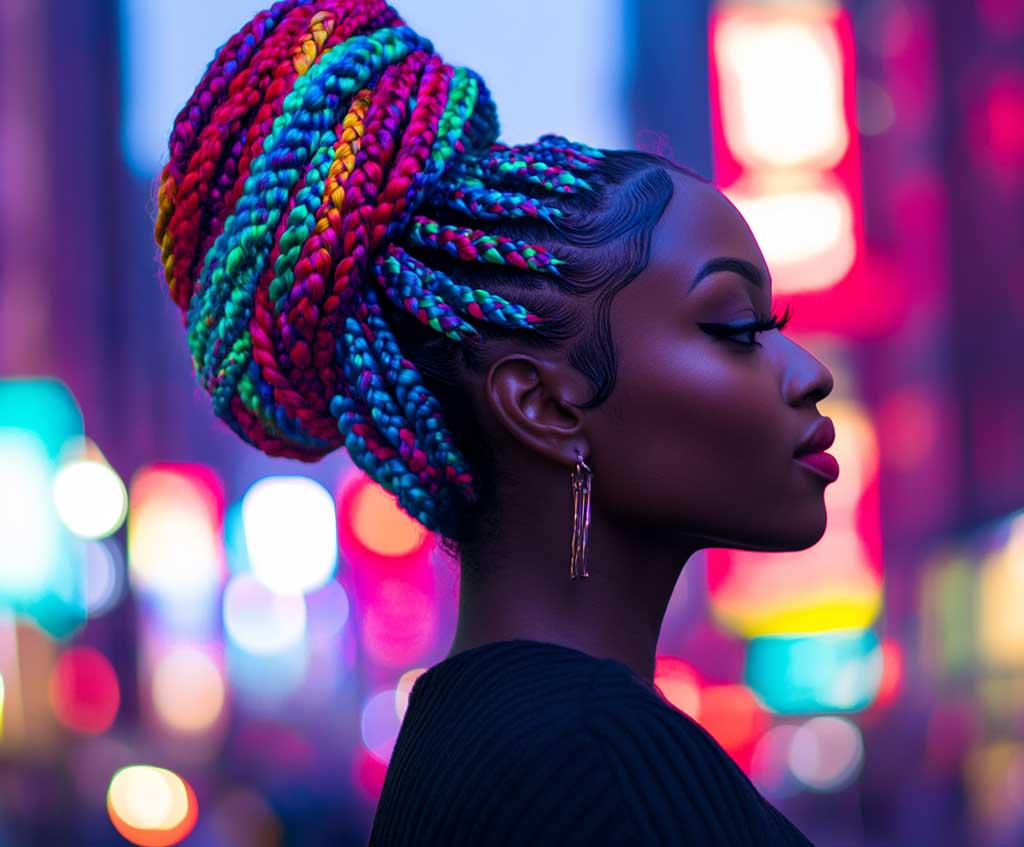
Color-safe products are non-negotiable for a rainbow install because each shade fades at a different rate. Yellow extensions lose pigment fastest; deep blue and forest green hold the longest. When yellows wash out while blues are still saturated, the “rainbow” effect collapses into something much murkier. Using a color-depositing conditioner in purple or blue once every two weeks can refresh the cooler tones without adding product buildup — a trick stylists who work regularly with vivid colors use to extend the window between reinstalls. A full rainbow install using pre-colored Freetress or Outre packs runs between $45 and $75 in materials depending on length and number of shades, so maintaining what you’ve paid for is worth the extra step.
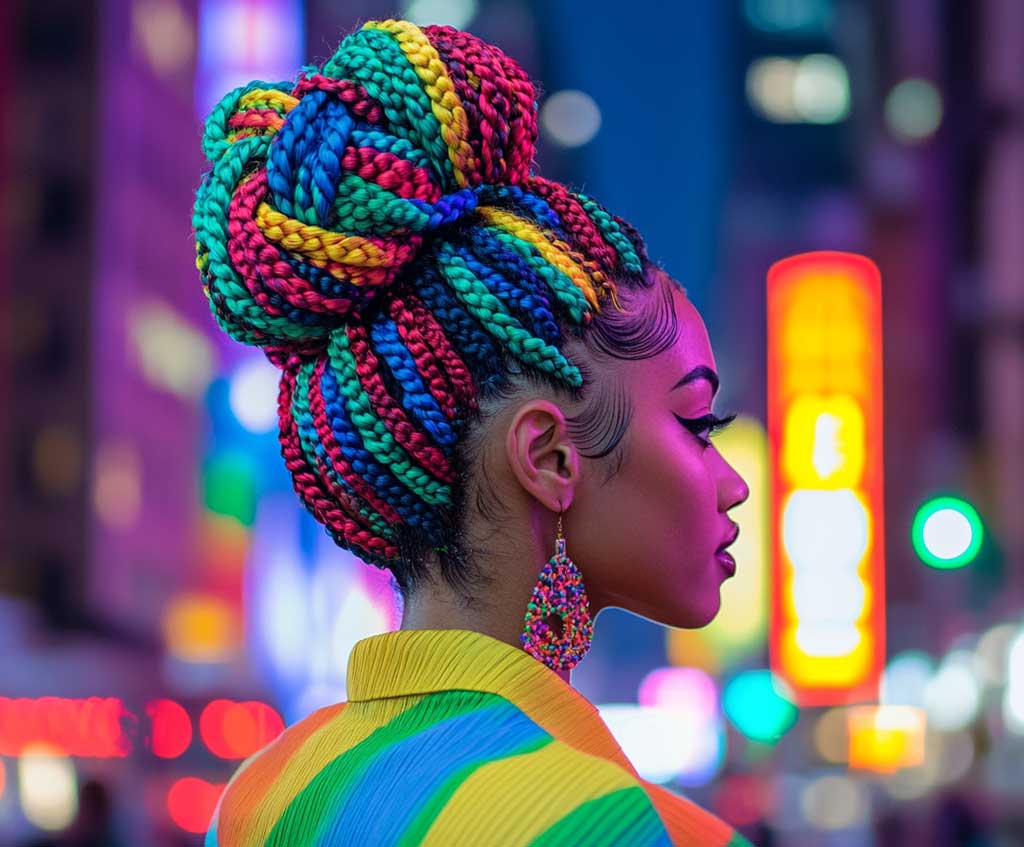
A high bun works particularly well for rainbow twists because it stacks the colors vertically and creates a visual sweep that a loose style can lose in motion. A side-swept low ponytail is the second-best option, letting the colors cascade in a readable sequence rather than blending into visual noise. What doesn’t work: trying to accessorize a rainbow install with anything brightly colored — the hair is already doing the heavy lifting. Opt for matte black or gold hardware only, and keep clothing monochromatic. Neutral-on-bottom becomes the rule rather than the exception with this style.
Maintenance for a rainbow install is more time-intensive than any single-color option. Plan for scalp spritzing every two to three days with a water-and-leave-in mix, sleeping in a satin bonnet every night without exception, and checking ends for unraveling weekly. The more shades in play, the more the extensions were handled during installation — and more handling means more friction at the roots that needs to be monitored.

Pastel Rope Twist Extensions Lie About How Easy They Are
Pastel rope twist extensions look effortless — the muted baby pink, sky blue, and pale lavender shades read as soft and low-key compared to red or rainbow. The reality is that pastels are the most demanding color family on this list to maintain correctly. Because the pigment is diluted from the start, any fading reads immediately as a flat, grayish version of the original shade rather than a graceful fade. Pastel pink that was once cotton-candy clear can look dingy within two weeks without the right product routine in place.
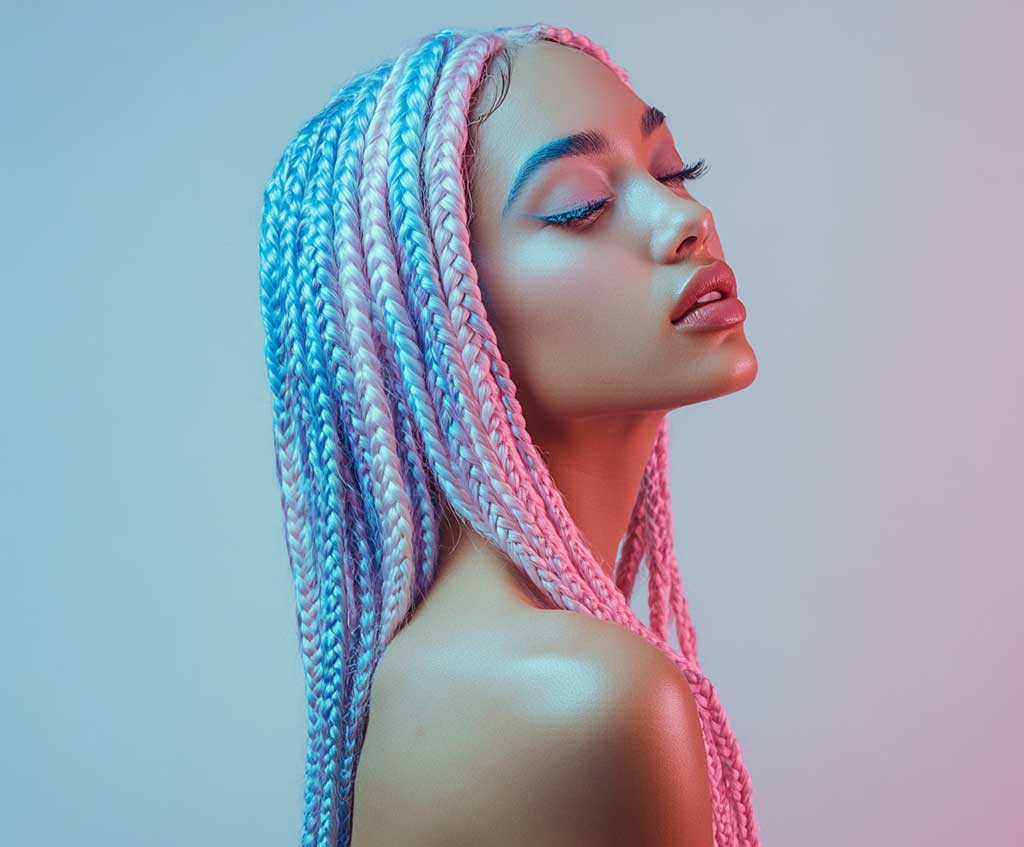
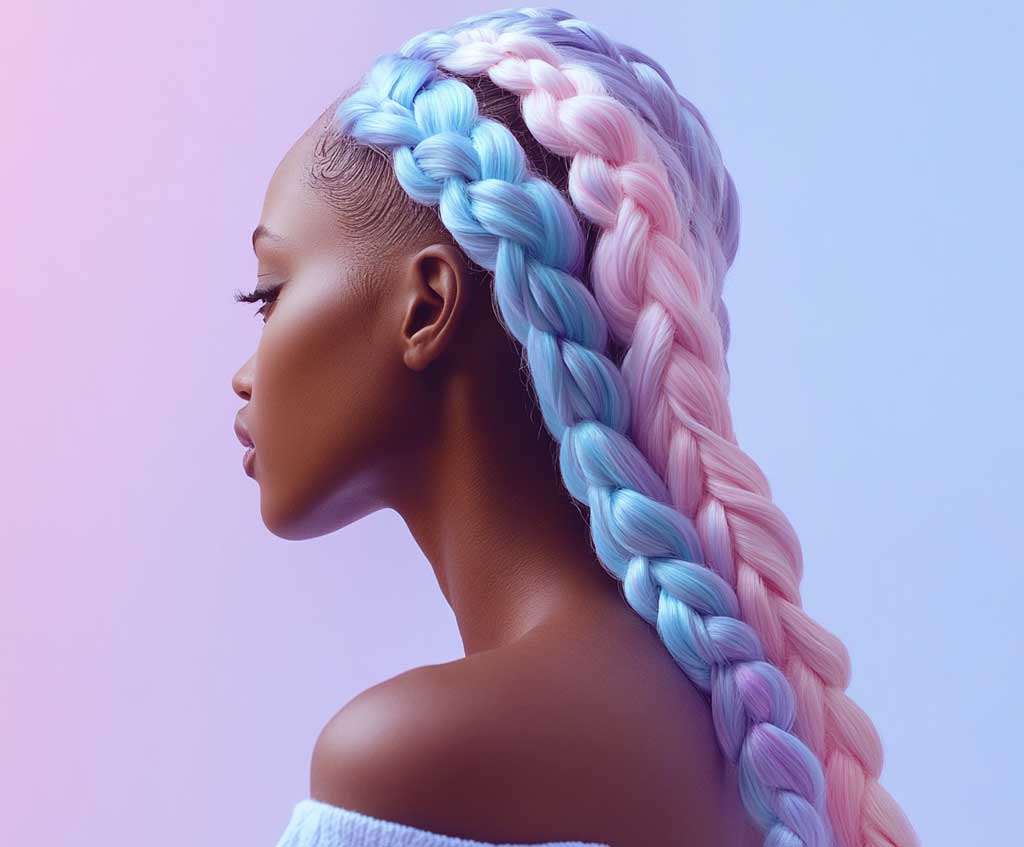
For darker natural hair, there’s a practical barrier that red and golden installs don’t have: pastel extensions show up as their true shade only when the base is light. Installing pastel pink over black hair creates a muted, shadowed effect — the pink reads as burgundy or rose at the root zone rather than the clean candy tone visible on the packaging. Pre-lightened synthetic extensions, or a naturally lighter hair shade, are the only way to achieve the bright, true-to-tone pastel effect. This is worth knowing before spending $60 on extensions that won’t deliver what the box image promises.
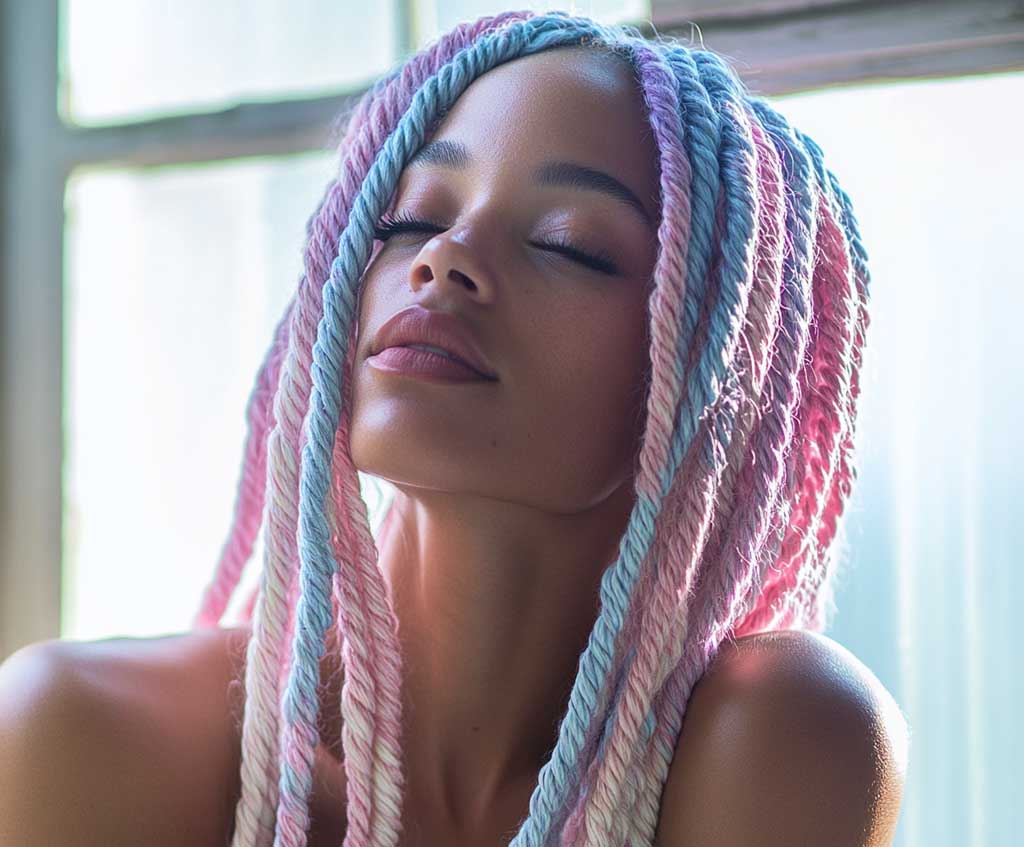
What do pastels actually need to stay alive? A color-safe, gentle shampoo used no more than once every 7 to 10 days. Deep conditioning the natural hair before install — not after, when access is limited — establishes the moisture base that keeps the style from drying out. UV exposure fades pastel shades at roughly twice the rate of deeper colors, so outdoor time calls for a light UV protectant spray or a wide-brim hat. The styling reward for doing all of this correctly is a hairstyle that looks like a fashion editorial when fresh — the question is whether the commitment is realistic for the next four to six weeks of life.
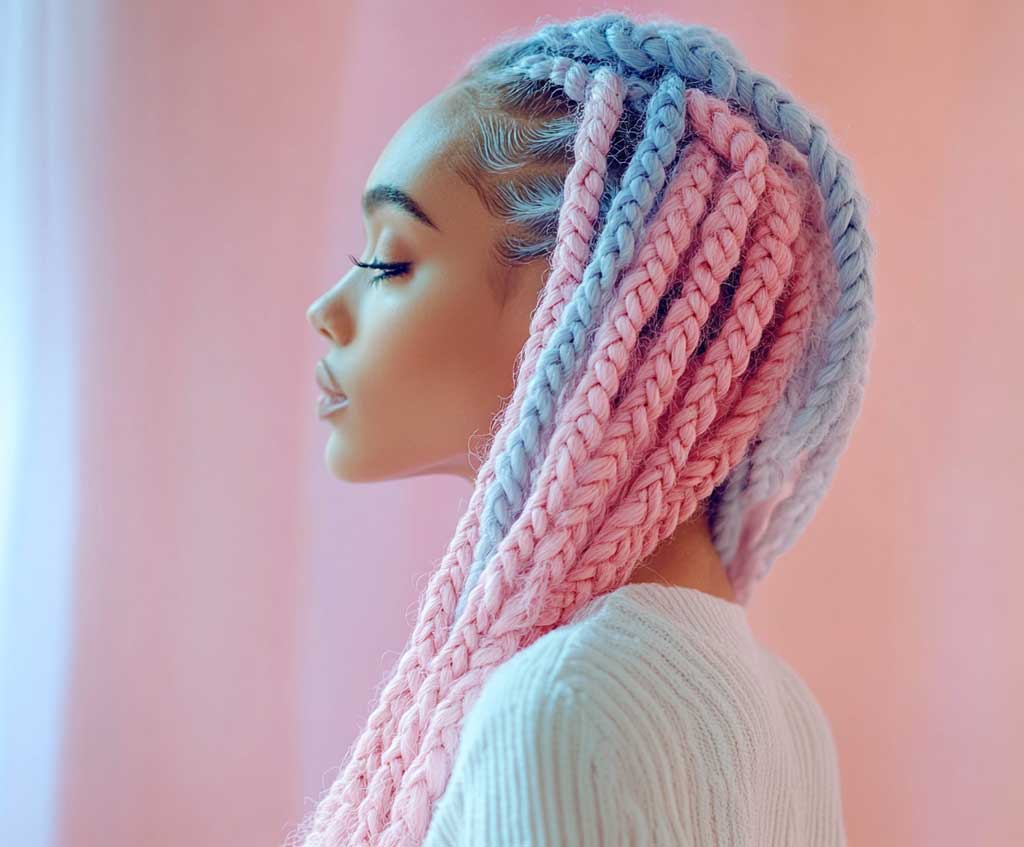
Floral clips in matching pastel tones or white ribbon woven through the twists amplify the look without competing with it. Loose styles — a low ponytail, a soft side-swept arrangement — let the colors blend naturally and look most harmonious. Avoid tightly wound updos that compress the light shades together; the individual tones lose their definition and the overall effect reads as uniform gray at a distance rather than distinct pastels up close.
| Color | Best Worn | Fade Rate | Key Risk |
|---|---|---|---|
| Bold Red | High bun, sleek ponytail | Fast — fades in 2–3 weeks without sulfate-free care | Dulls visibly after one wash with sulfates |
| Purple Ombre | Loose, low ponytails | Moderate — lavender tips fade in UV | Gradient lost completely in high bun styles |
| Golden Highlights | Half-up, loose wear | Slow — warmth lingers as shine | Concentrate highlights where light actually hits |
| Rainbow | High bun, side-swept | Uneven — yellow fades first | No distribution plan reads as random, not creative |
| Pastel | Loose, low styles | Very fast — grays out quickly | Needs pre-lightened extensions to show true tone |
Rope twist extensions in any color last significantly longer — and keep their integrity — when the scalp stays clean between washes. According to Unruly’s complete care guide for Senegalese and rope twists, diluting sulfate-free shampoo in a spray bottle and applying it directly to the scalp is the preferred method for washing protective styles without disrupting the twist pattern or causing premature frizzing at the roots.
THE TAKEAWAY
Color in rope twist extensions is a decision, not a decoration.
Every shade on this list — from bold red to pale pastel — comes with a specific maintenance ask. Match the color to the lifestyle, not just the mood board.
The extensions themselves are affordable. Outre X-Pression packs run $9 to $12 each. The cost of getting the wrong color for the wrong routine is a reinstall in three weeks instead of eight.
Save this post before shopping for colored rope twist extensions.