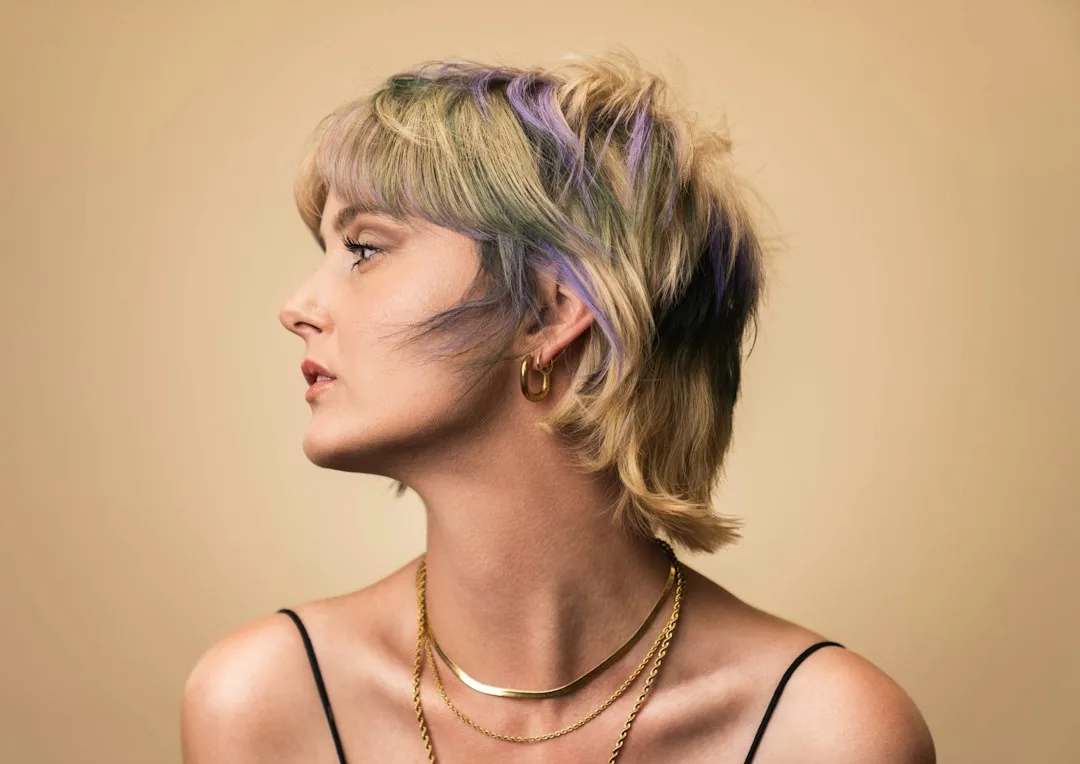
Trying on hairstyles virtually before stepping into a salon is no longer a novelty — it’s become the fastest way to close the gap between what you imagine and what you actually walk out with. AI-powered apps can now render a bob, a pixie, or a full color shift on your photo in under 10 seconds, with enough realism to make a confident appointment decision.
The average women’s haircut runs $50 to $100 at a mid-range salon, and that’s before color. Showing up with a tested, confirmed reference — not a vague Pinterest screenshot — is the difference between a stylist nailing the cut on the first try and three rounds of “a little more off the front.” Virtual try-on tools make that reference image you.
This article covers five distinct looks — bobs, layered curls, pixie cuts, vibrant color, and bangs — and for each one, shows you exactly how to use digital try-on to your advantage before anything gets cut.
- YouCam Makeup (free) offers 150+ hairstyle and color presets you can test on your own photo in seconds
- A bob costs $50–$100 at most mid-range salons; locking in the exact variation beforehand cuts revision time
- Pixie cuts need a trim every 4–6 weeks — that maintenance cost is worth checking before you commit
- Hair breakage occurs in 28% of high-lift color applications; virtual tools let you stress-test bold shades before any bleach is involved
- Curtain bangs run $60–$150 depending on salon tier; many stylists include them in the price of a regular cut
- The best virtual results come from a straight-on, front-facing selfie in natural light — not a filtered or angled shot
What a Bob Actually Looks Like on Your Jaw — Before the Scissors Move
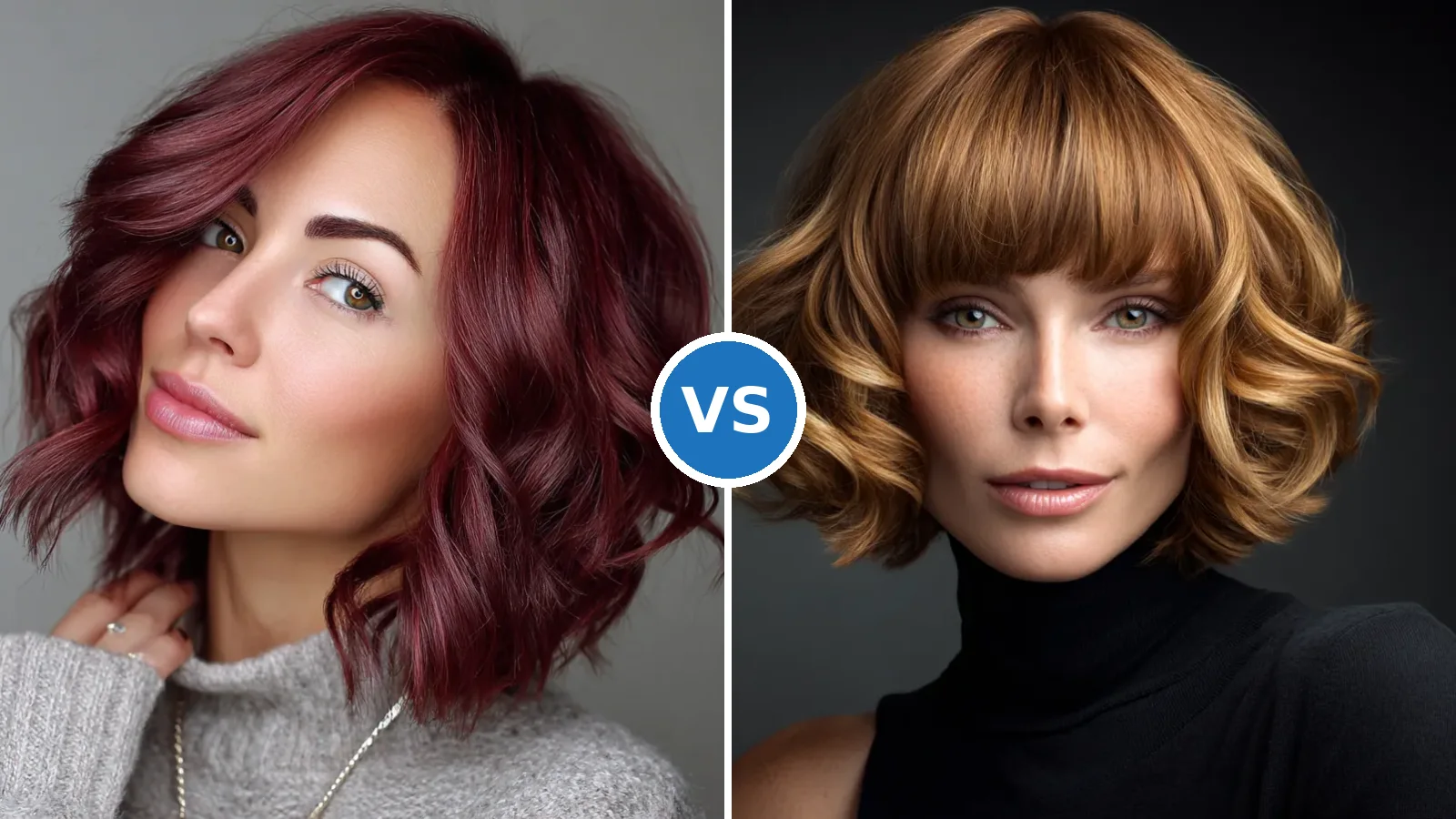
Trying on hairstyles virtually pays off most with the bob, because this cut has more structural variations than any other short style. A blunt bob hits the jawline clean and hard — it works on oval faces and tends to widen round ones. An asymmetrical bob, shorter at the back and longer at the front, adds geometric tension that draws the eye down and creates the illusion of a longer neck. Virtual try-on apps let you cycle through both on the same photo in under a minute, which a consultation in the chair almost never does.


The detail that trips most people up: a bob ending at mid-cheek hits the widest horizontal point of a round or square face, which expands rather than narrows. A chin-length bob — even just one centimeter lower — sits at the narrowest natural line. Virtual tools reveal this in real time; the chair rarely does until after the cut. For a deeper breakdown of which bob geometry works for specific face shapes, bob hairstyle for round face shapes walks through the angled, textured, and wavy variations with concrete styling guidance.
At a mid-range salon, a women’s bob typically starts around $50 and runs to $100 before any color. That’s the number to have in mind when you consider that the wrong length variant costs you an appointment’s worth of time — and a few weeks of growing back what wasn’t right. The trick here is to screenshot your virtual try-on result and send it to your stylist before the appointment. Stylists report that clients who arrive with their own photo reference — not a celebrity’s — cut back-and-forth consultation time significantly.
Layered Cuts with Soft Curls Fool the Eye on Thin Hair
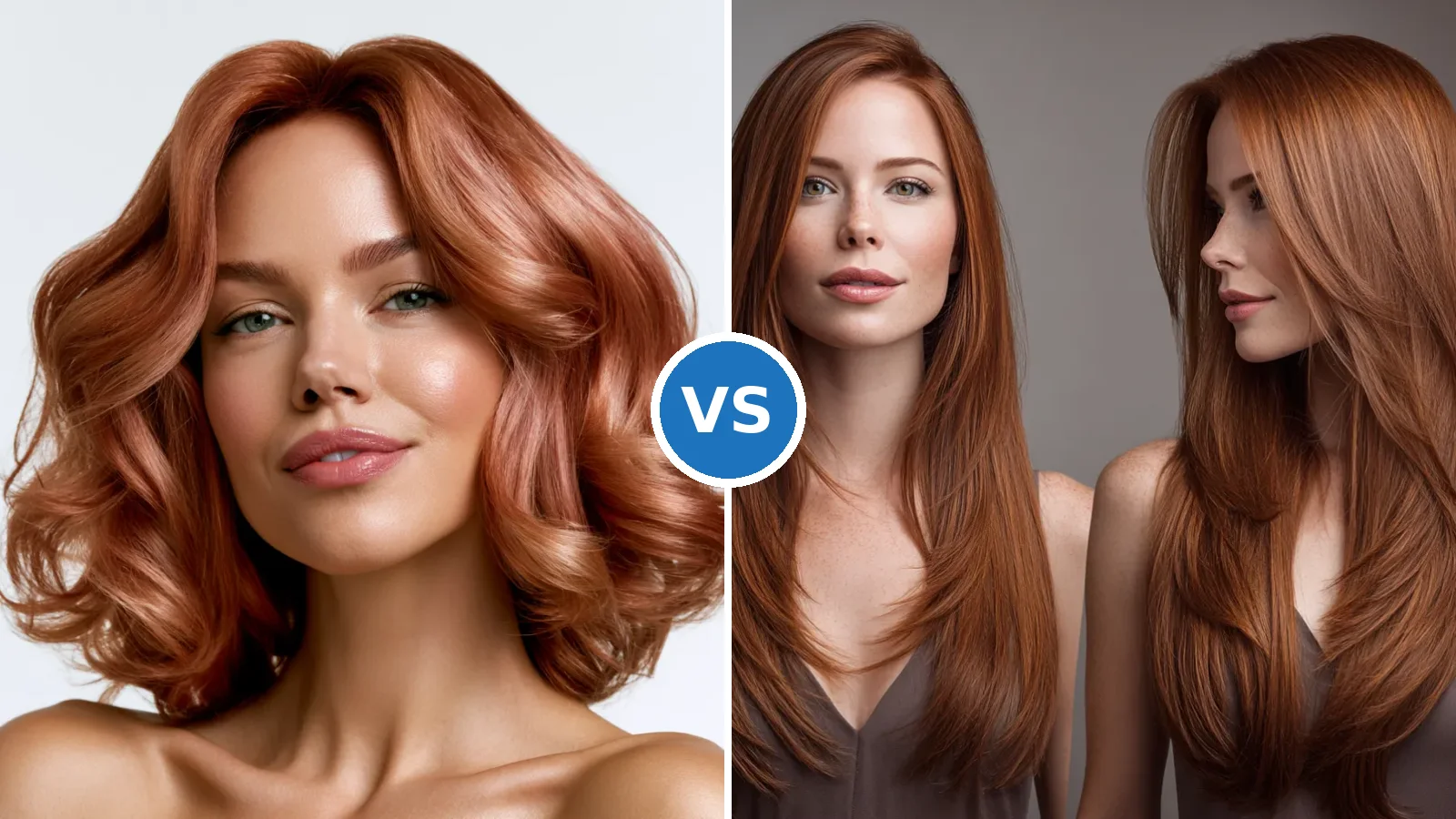
Layered haircuts with soft curls are one of the most technically specific requests you can take into a salon, and virtual try-on narrows down exactly what “layered” means to you before the appointment. Crown layers add bounce and lift at the roots; longer cascading layers create a waterfall silhouette that reads as romantic on wavy or fine hair. The two outcomes look nothing alike in person, which is why testing the difference digitally first saves an entire appointment.


What happens when the layers are cut too short for the curl pattern? The curls compress into a triangle shape — widest at the bottom, no volume up top. This is the most common layered-curl complaint after the fact, and it’s almost always a communication failure, not a skill failure. When you test a layered-curl look virtually, pay attention to where the volume sits in the AI render: is it at the crown, mid-length, or concentrated at the ends? That’s your signal for how to brief the stylist on layer placement.
Maintenance on a layered cut with curls is lighter than most people expect. The layers grow out gradually rather than abruptly, which means you can stretch to an 8–10 week trim window without the cut losing its shape entirely — unlike a blunt bob or a pixie, both of which show growth within 4–6 weeks. If a specific curl-enhancing product is part of the style, stylists commonly recommend a curl cream in the $12–$25 range applied to damp hair before air-drying.
Don’t test this style on a straight, flat-ironed selfie and assume the result translates to your natural texture. AI hairstyle apps render layers based on the hair they can read in the photo — if the photo shows straight hair, the preview will show layers on straight hair. The same cut on natural 2B–3A curls looks completely different. Use a photo that shows your actual texture for an accurate preview; otherwise the virtual result is essentially a different cut entirely.
The Pixie Cut Has a Hidden Cost Most People Find Out Too Late
Trying on hairstyles virtually before a pixie is practically a prerequisite, because this cut has the steepest commitment curve of any short style. The cut itself at a women’s salon runs $45–$75 on average — comparable to a bob — but a pixie needs a shape-up every 4–6 weeks to stay sharp. Eight weeks of growth on a pixie reads as roughly an inch, which can completely collapse the silhouette. That maintenance calendar is worth knowing before you book the first appointment.


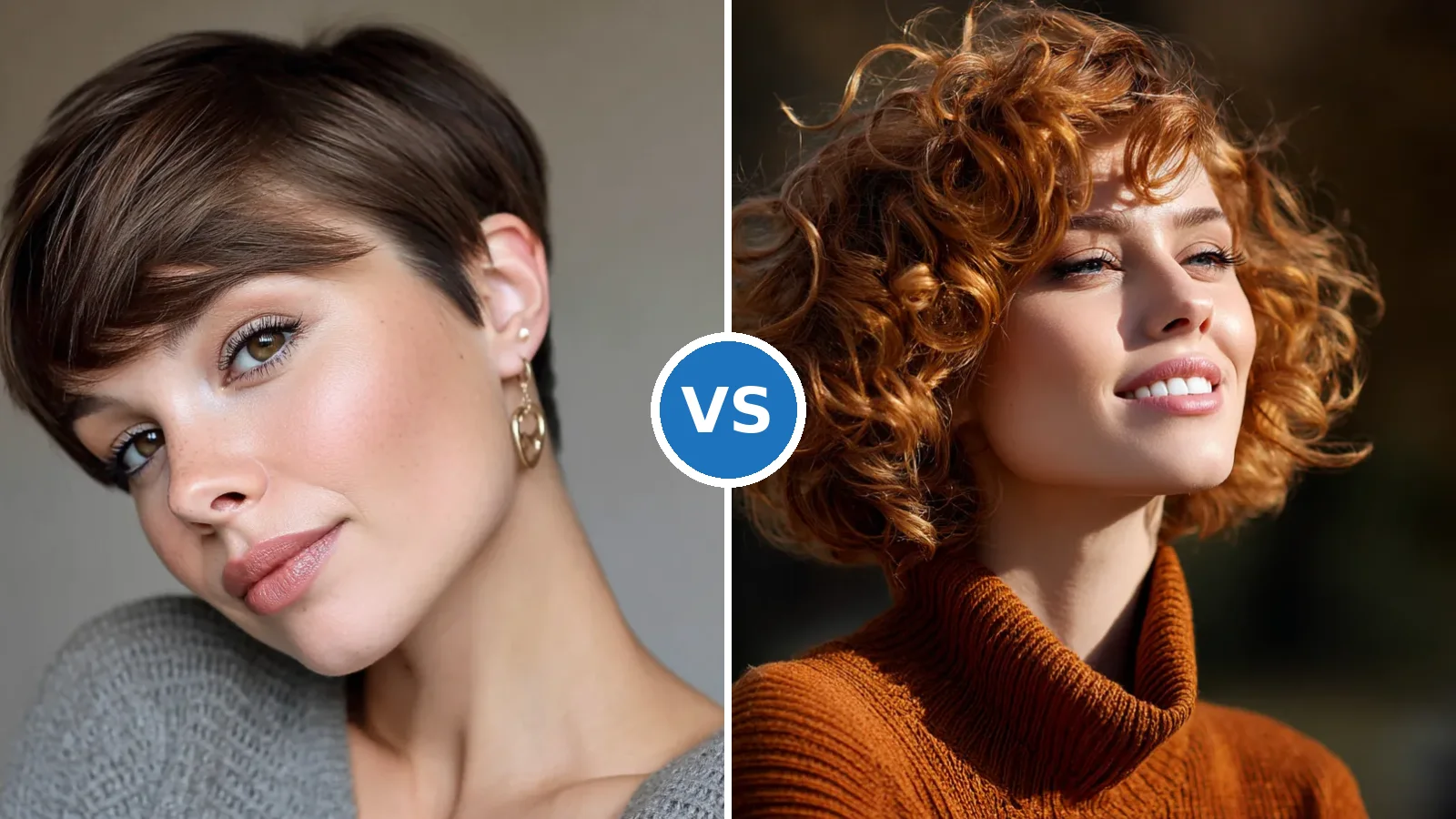
Virtual try-on for a pixie works best when you test at least two variations — the cropped version (short on top, tight taper on sides) and the longer pixie with side-swept bangs. The cropped version reads as bold and sculptural; the longer variation is forgiving, softer on the face, and grows out more gracefully if you decide to change course. The question worth asking yourself during the try-on: does the cropped version make you want to book immediately, or does it make you nervous? Nerves about a pixie aren’t a reason not to get one — but they are a reason to start with the longer variation. For color-forward versions of this cut, lavender pixie cut styles for short hair covers three distinct approaches with maintenance timelines.
A pixie trades 10 minutes of morning styling for a standing salon appointment. Most stylists recommend booking the next trim before leaving the chair — not because you’ll forget, but because getting in at the 4-week mark before spots fill is harder than it sounds. The cut is precision-dependent: even a week past the ideal window can mean the geometry loses definition in a way that’s annoying to photograph and fix.
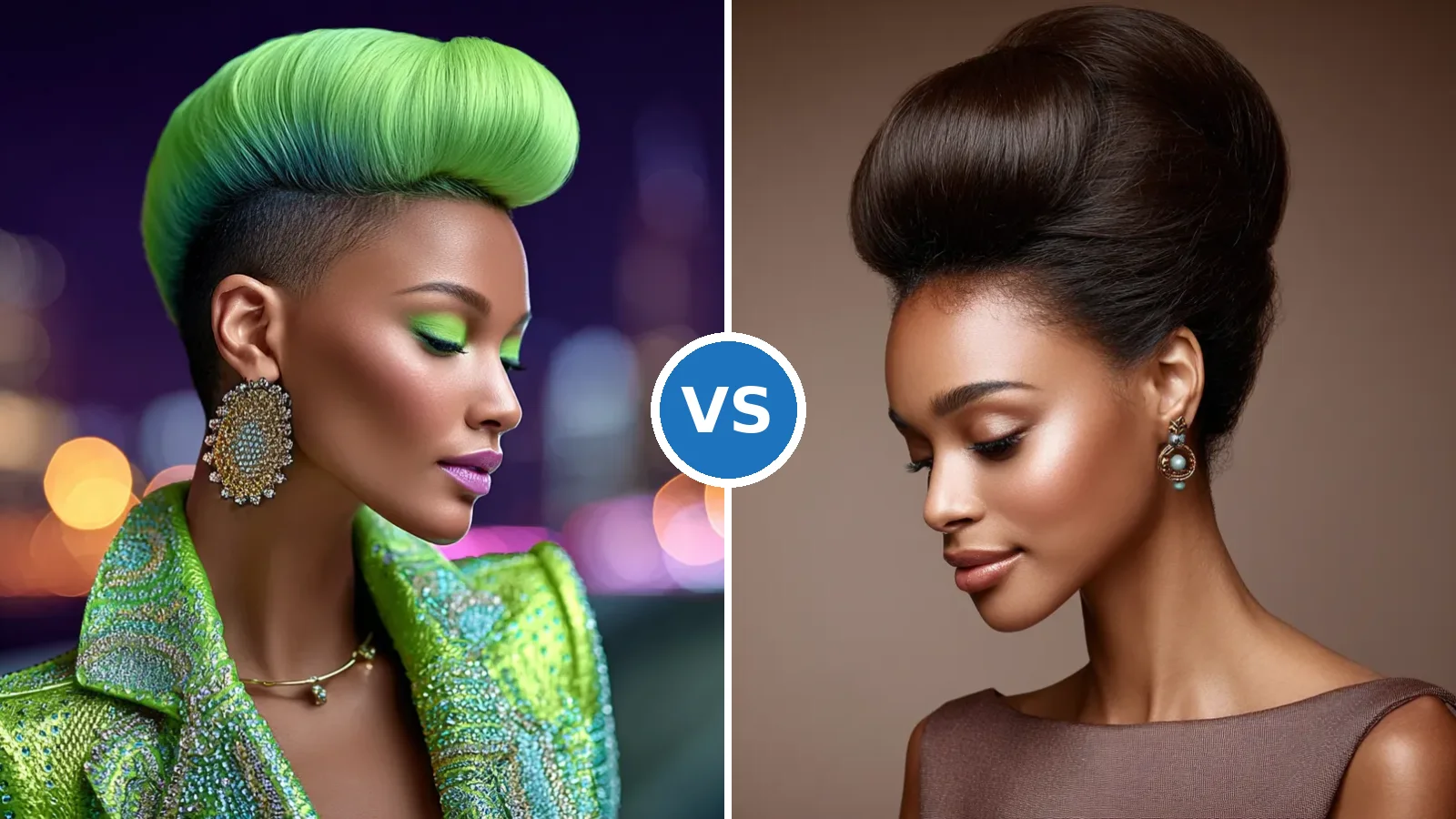
Bold Hair Color Tried Virtually First Saves You From a 0 Correction
Vibrant hair color — pinks, blues, copper reds, violet — shows up completely differently on dark hair versus pre-lightened blonde. This is one area where digital try-on genuinely earns its place in the process. Apps like YouCam Makeup (free, with 150+ preset colors) let you test a vivid shade on your exact skin tone and current hair color before any bleach is mixed. Hair breakage occurs in about 28% of high-lift color applications, a number that rises sharply when the hair has been previously colored or chemically treated — which is exactly the scenario where impulse color decisions happen most often.


The virtual try-on also helps you narrow down placement. Full coverage versus a balayage-style placement — where the vivid shade concentrates at the ends while roots stay natural — is a massive difference in both cost and daily maintenance. Full vivid color requires touch-ups every 4–6 weeks to prevent fading; balayage placement can stretch to 10–12 weeks. Testing both virtually before booking means you’re having a more specific conversation with your colorist rather than a $50-an-hour theoretical one at the chair. For reliable options, YouCam Makeup’s hairstyle try-on guide from Perfect Corp. walks through exactly how to get the most accurate color preview from a selfie.
One specific anti-pattern: testing a vivid color on a photo taken under yellow indoor light. Warm artificial lighting makes most cool shades — violet, blue, ash — read flatter and muddier than they look in daylight. If the app’s preview of a cool-toned vivid shade looks dull on your photo, re-take the selfie near a window before concluding the color doesn’t work for you.
Bangs Change the Whole Frame — and Virtual Try-On Reveals Which Type Does It Right
Bangs are the hair change with the highest regret rate relative to how small the actual cut is — and that gap exists almost entirely because of mismatched expectations. Virtual hairstyle try-on lets you compare straight blunt bangs, curtain bangs, and wispy fringe side by side on your own face in a single session, which no salon consultation replicates without charging for multiple appointments. According to industry data, around 40% of clients requesting bangs prefer the curtain style — and curtain bangs, depending on salon tier and whether they’re cut as part of a full appointment, run anywhere from included-in-the-haircut to $60–$150 as a standalone service.


The mechanics behind the three main types: straight blunt bangs create a strong horizontal line across the forehead, which shortens the perceived face length — useful on long or narrow faces, but it can make a round face appear wider. Curtain bangs part in the center and frame both sides of the face, which suits most face shapes and grows out far more gracefully than blunt fringe. Wispy bangs are the lightest option — minimal density, minimal drama, and the easiest to pin back on a bad day. You can test each against your face shape in a virtual try-on before arriving with an opinion your stylist can work with.
The question most people don’t ask before booking a bang appointment: what happens in week three, when they’ve grown past the eye but haven’t reached pinnable length yet? That awkward in-between window is real and specific — blunt bangs go through it fastest and most visibly, wispy bangs barely register it, curtain bangs land somewhere in the middle. Knowing which type you’re choosing means knowing what the next six weeks actually look like, not just day one.
| Style | Best Face Shape | Grow-Out Behavior | Key Risk |
|---|---|---|---|
| Blunt Bob | Oval, long | Abrupt at 6–8 weeks | Widens round faces |
| Layered Curls | Round, heart | Gradual, 8–10 weeks | Triangle shape if layers too short |
| Pixie Cut | Oval, square | Loses shape by week 6 | High maintenance (trim every 4–6 wks) |
| Curtain Bangs | Most face shapes | Graceful, easy to pin | Greasy faster than longer hair |
| Blunt Bangs | Long, narrow | Awkward at week 3 | Widens round or square faces |
The Bottom Line
Virtual Try-On Doesn’t Replace the Salon — It Makes Every Appointment More Efficient
The real value of testing hairstyles digitally isn’t the fun of the experiment — it’s the specificity you walk in with. A confirmed reference image on your phone closes off half the consultation guesswork before anyone picks up scissors.
Pixies need a 4–6 week maintenance window. Bobs run $50–$100 before color. Blunt bangs and round faces are genuinely mismatched geometry. All of these are knowable before you book.
Save this post before your next salon visit — the five comparisons above are the ones worth running through virtually first.