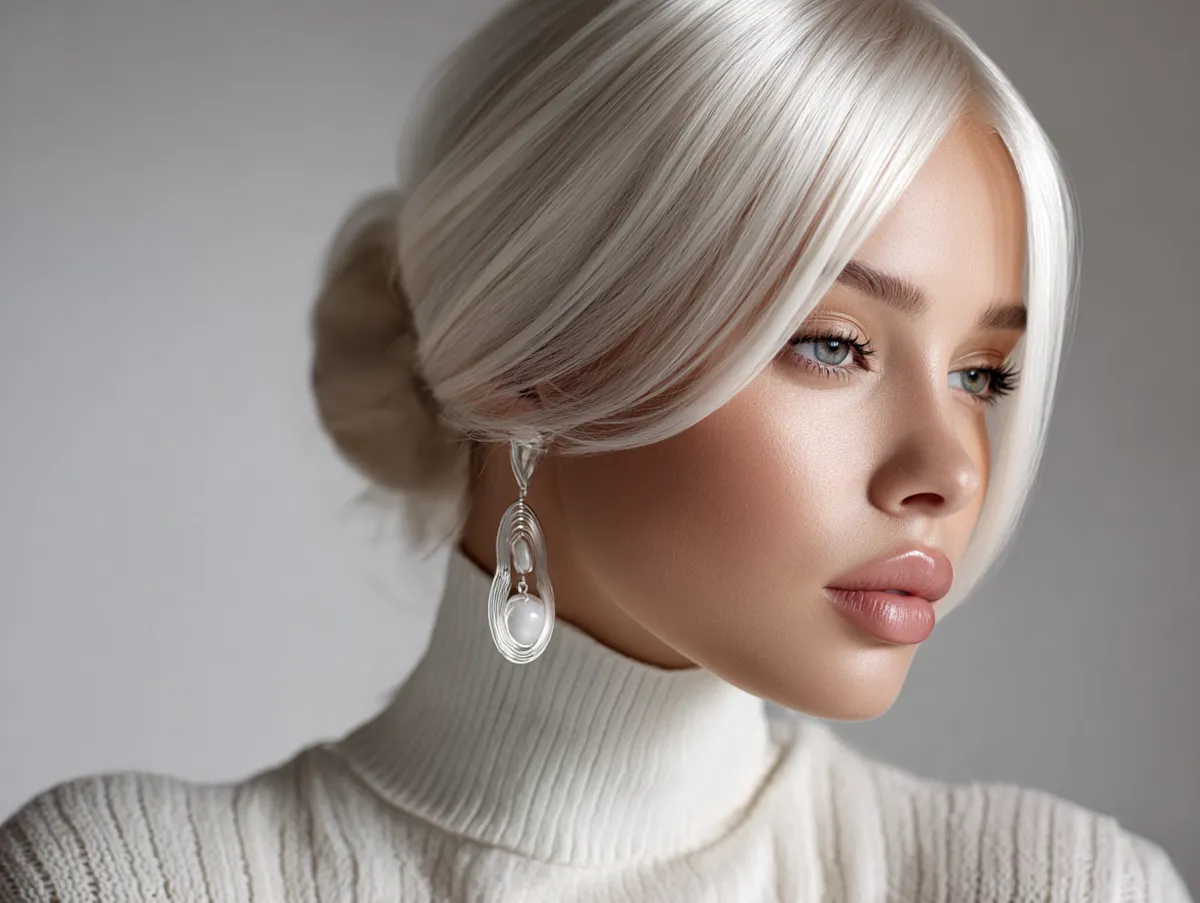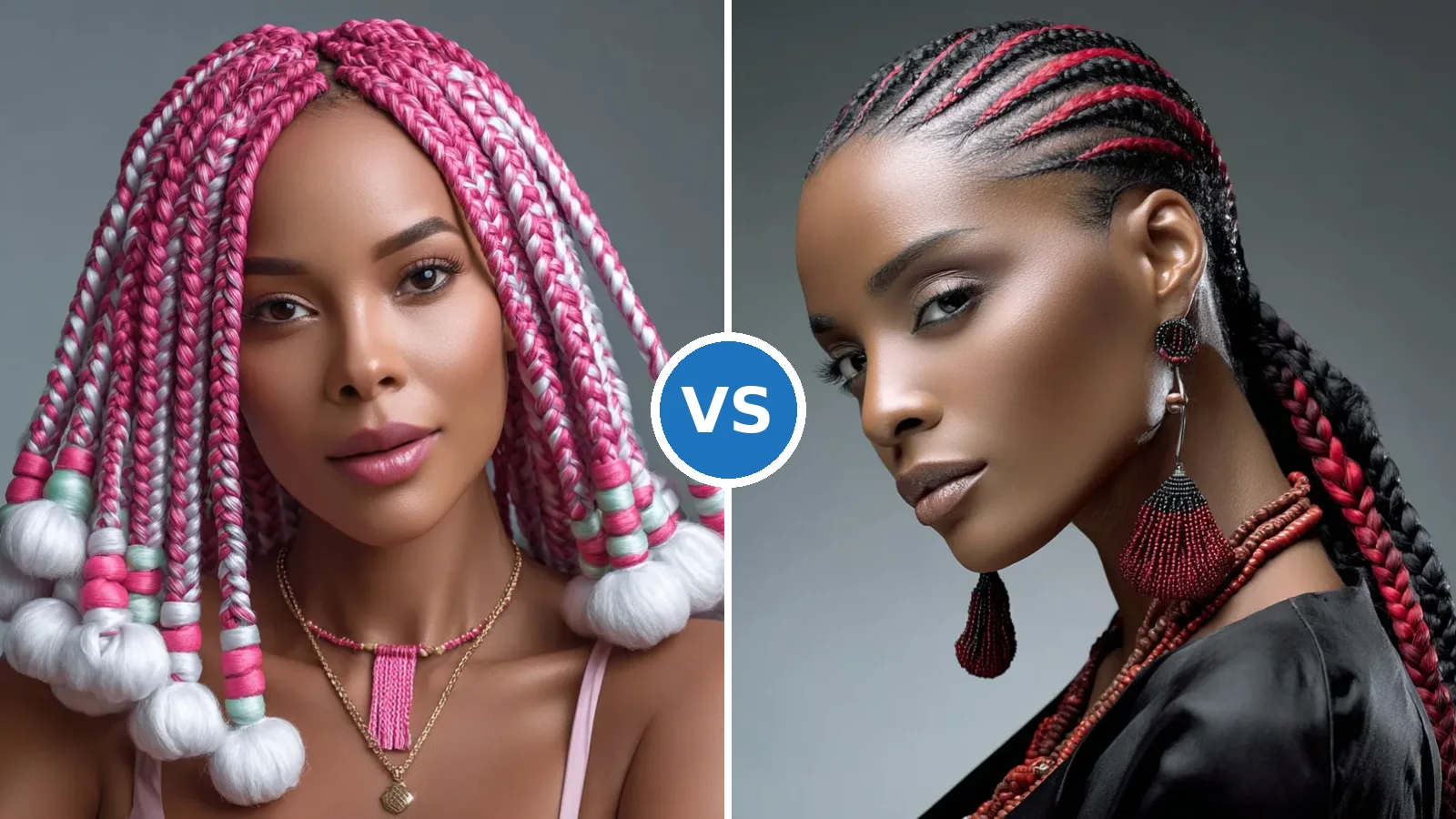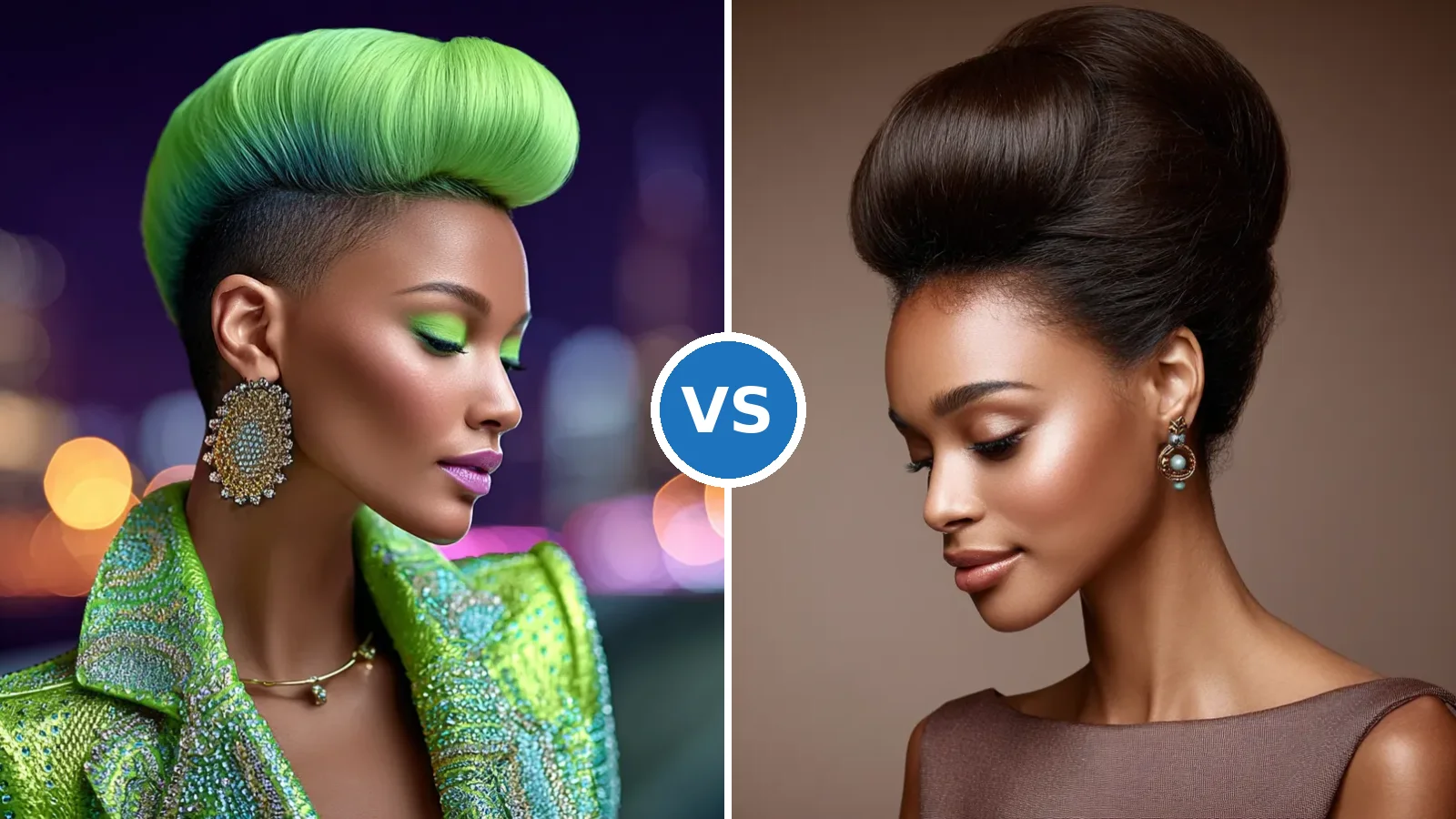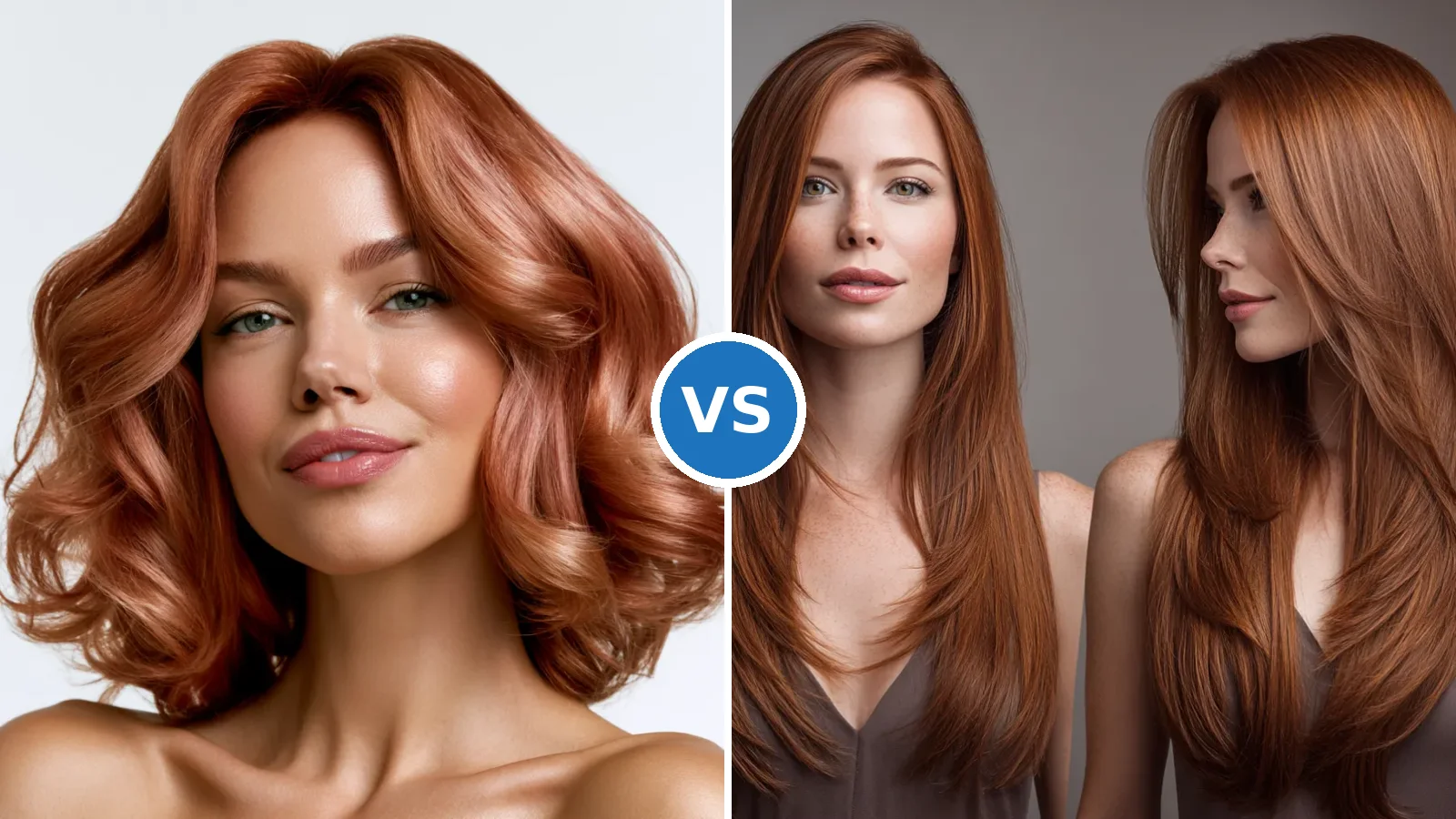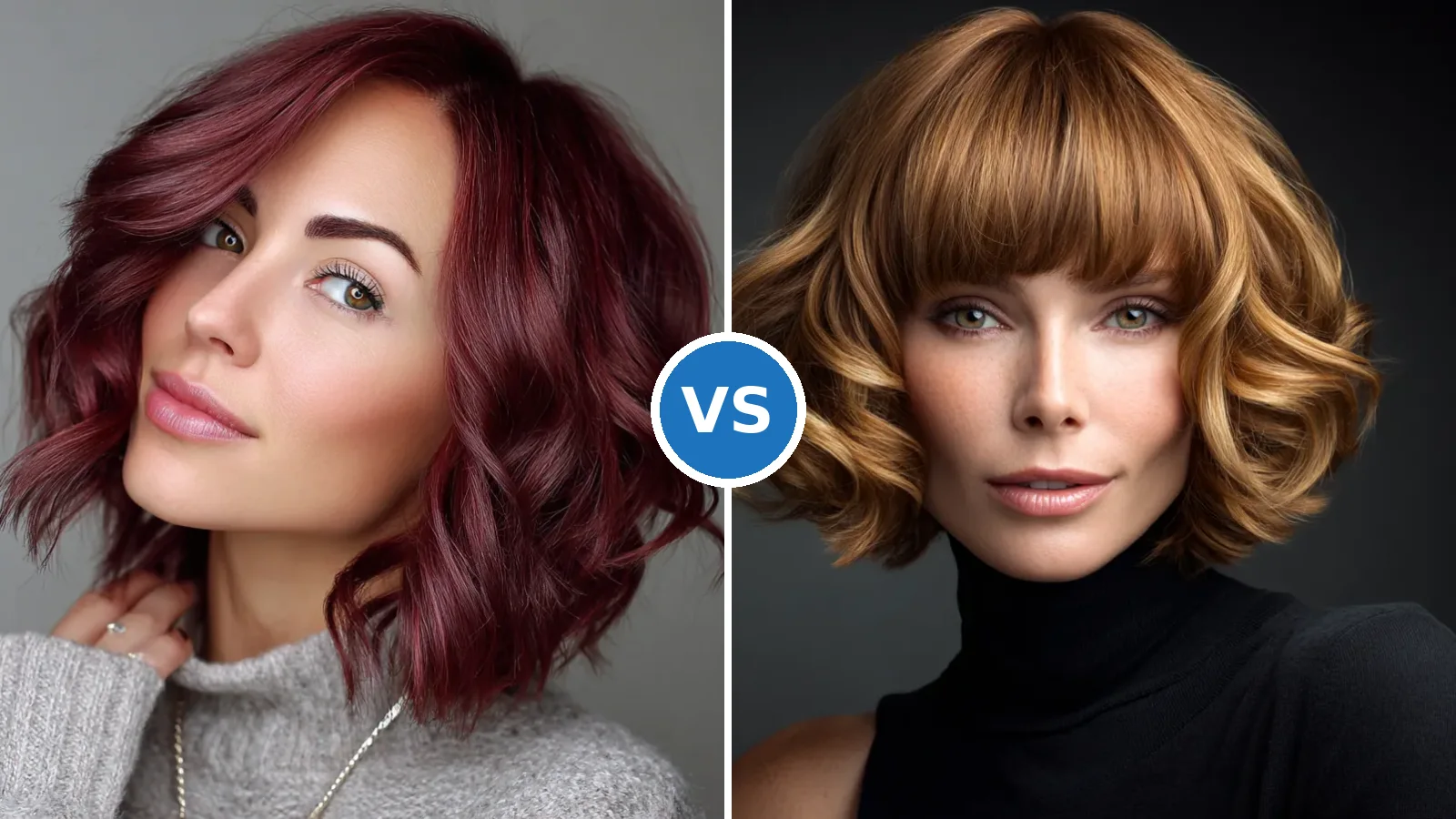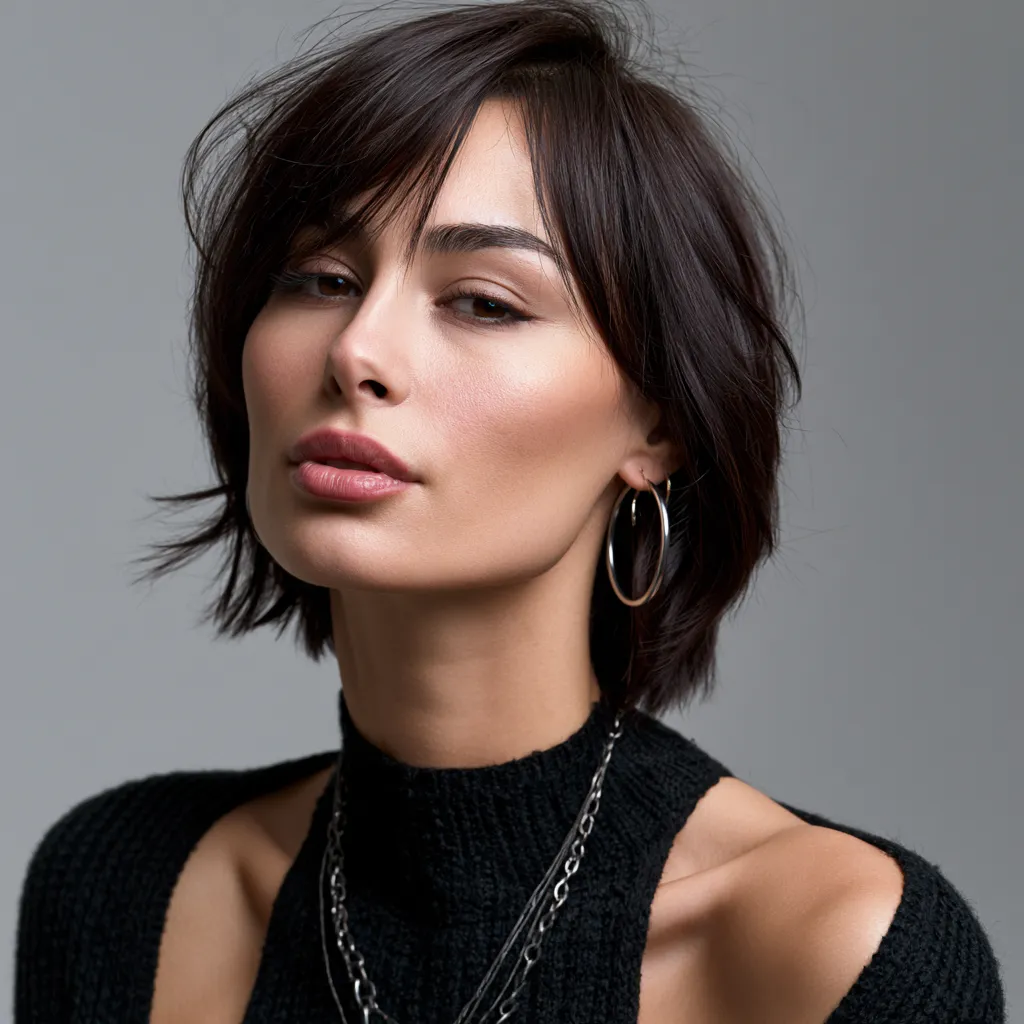
Face framing layers for oval faces work best when they’re placed with intention — not scattered randomly or cut blunt like curtains on a stage. My go-to rule after years of testing different cuts: the shortest face-framing piece should graze the cheekbone, not the chin. Drop it lower and you lose the whole point of the technique.
You’d think an oval face gives you infinite freedom, and technically it does — but that freedom trips people up. I’ve seen plenty of oval-faced clients walk out of salons with layers that added zero definition because the stylist never considered where each piece would actually fall. The cut was fine; the framing was absent.
From layered lobs to curtain-bang combinations and choppy pixies, the styles below all share one non-negotiable: every layer is doing a specific job around the face. Scroll through, pick your length, and bring a photo to your next appointment — vague descriptions cost you two inches you didn’t want to lose.
- The layered lob: why shoulder-length works so well for oval faces and where the layers need to land
- Side-swept bangs with long layers — the cheat code for making cheekbones pop
- Shoulder-length shag: textured framing without the salon commitment of a short cut
- Sleek middle-part bob — symmetry that leans into the oval shape instead of fighting it
- Curtain bangs with wavy layers: the highest-reward, lowest-risk move on this list
- Choppy pixie: bold, face-forward, and surprisingly flattering on oval proportions
- FAQ covering layer placement, styling products under $20, and what to tell your stylist
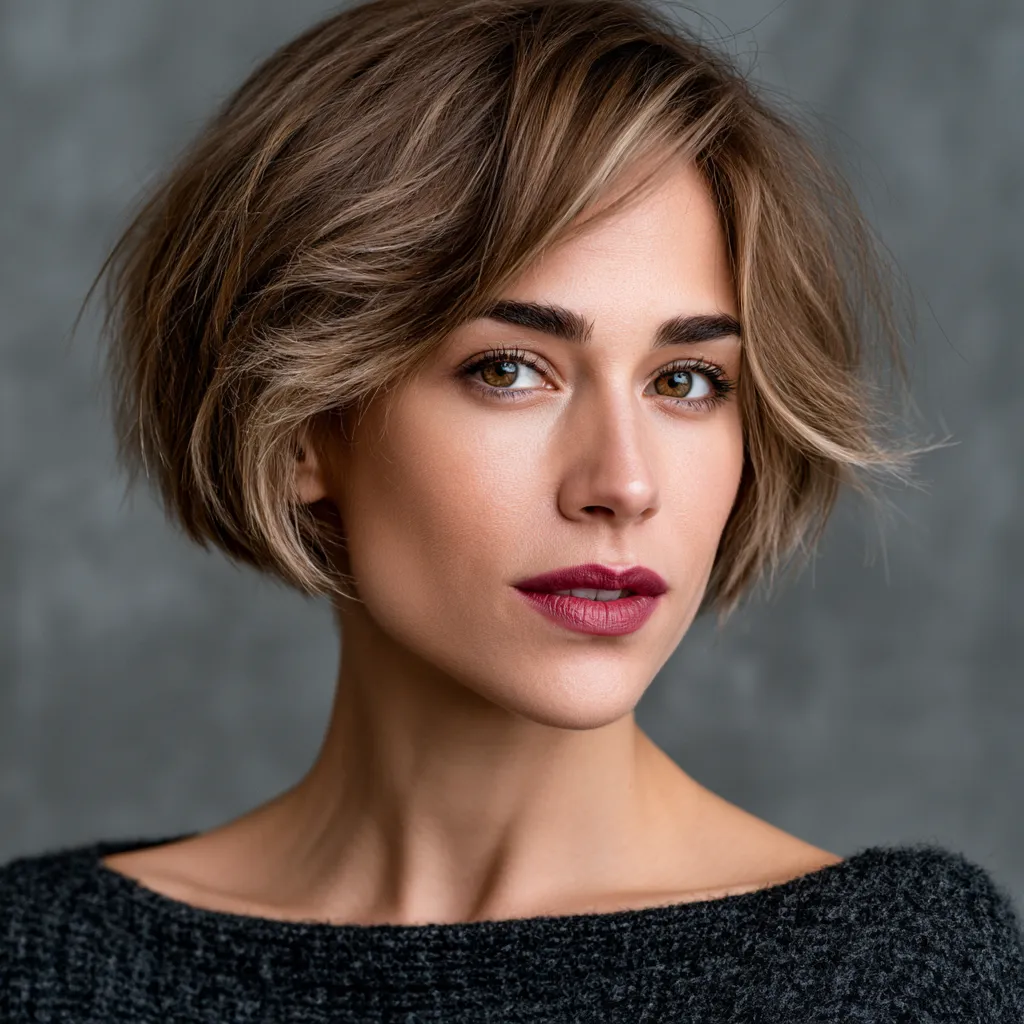
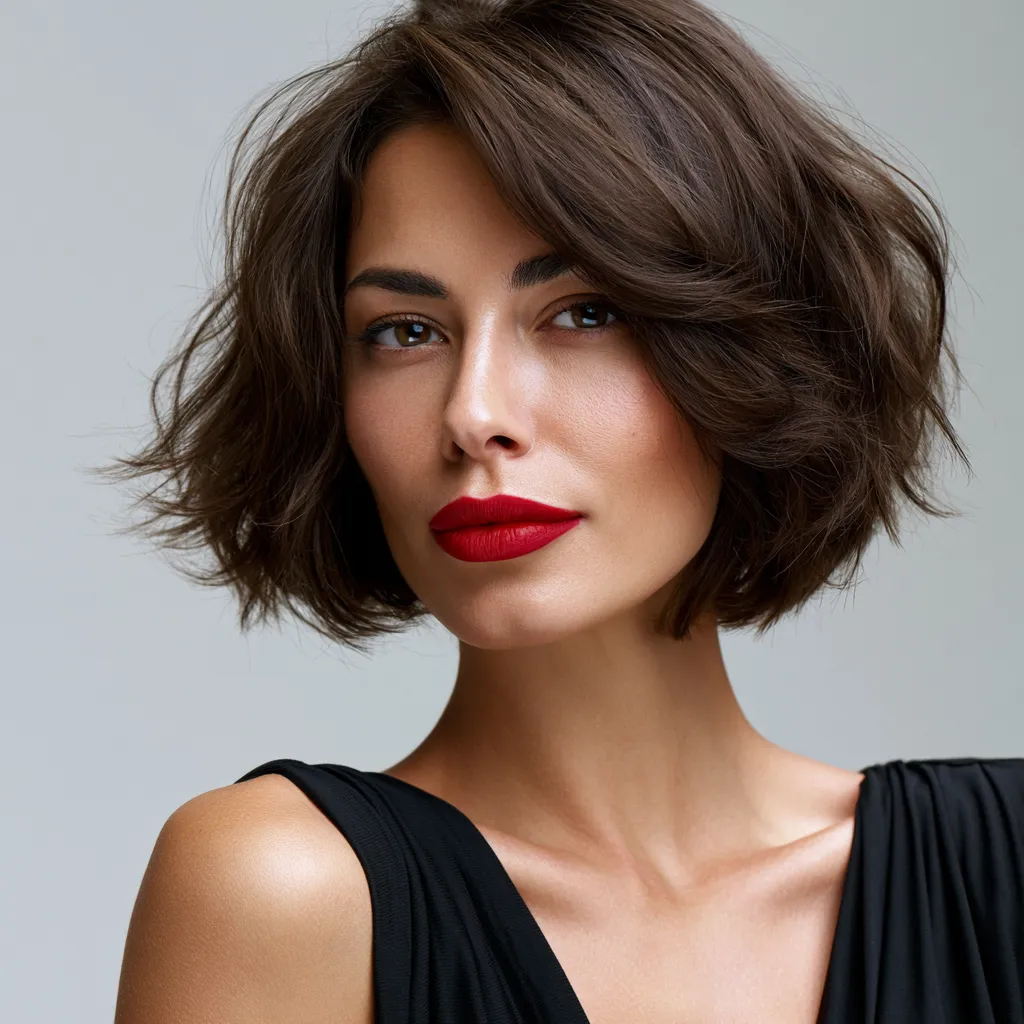
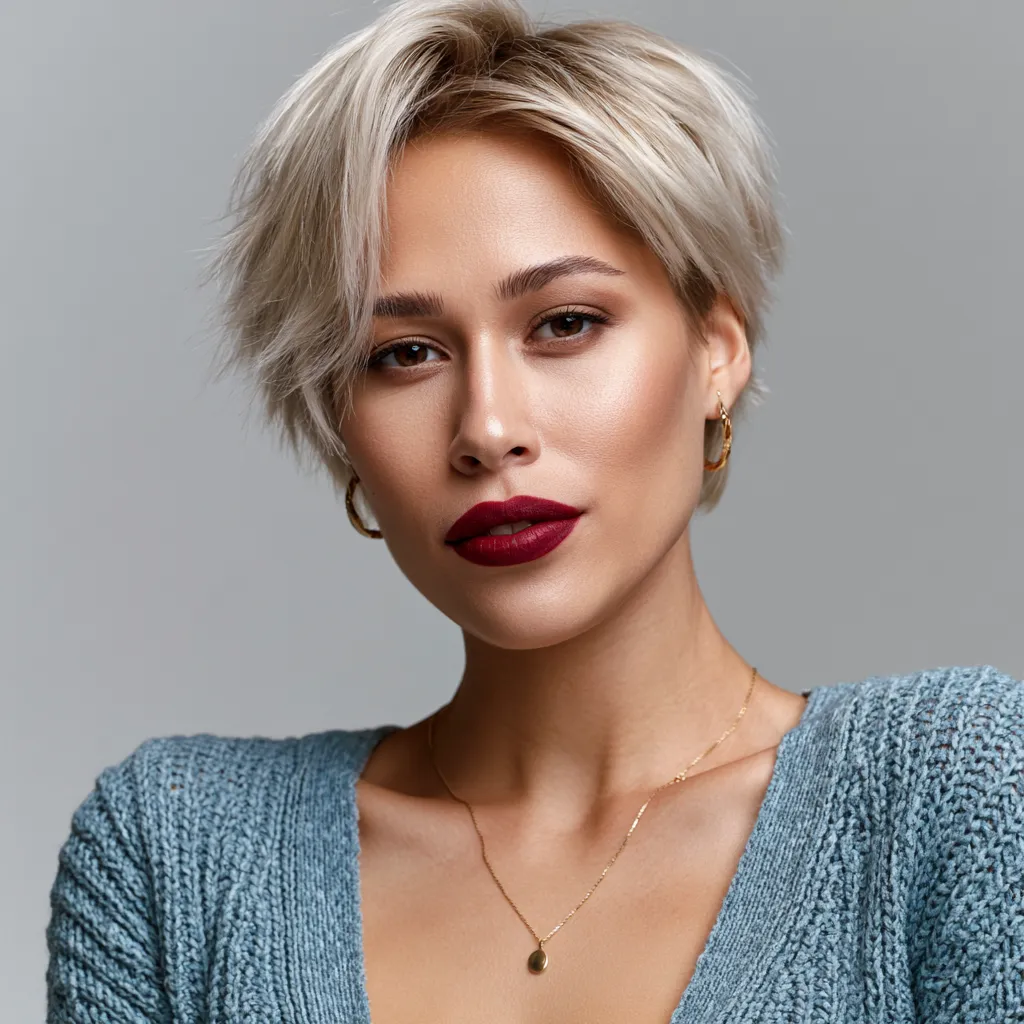
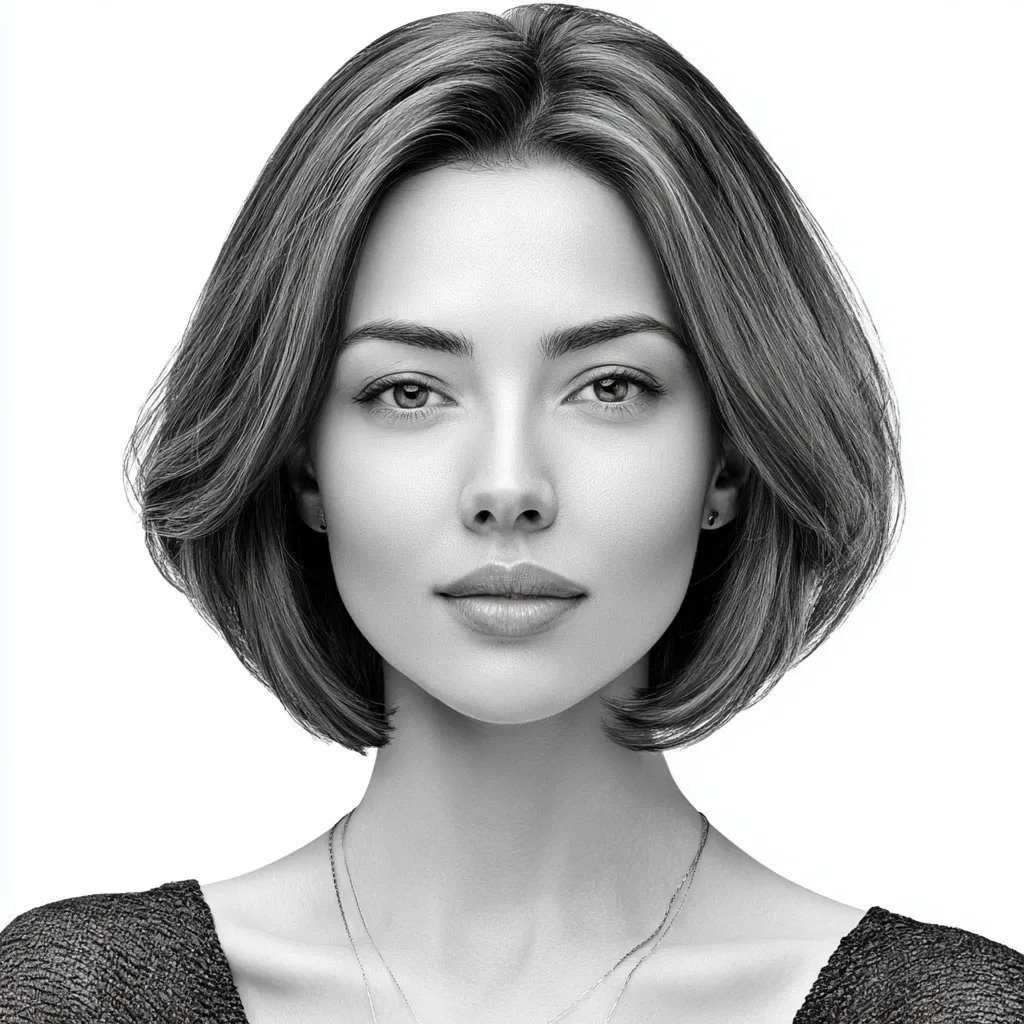
The Layered Lob Makes Face Framing Layers for Oval Faces Impossible to Mess Up
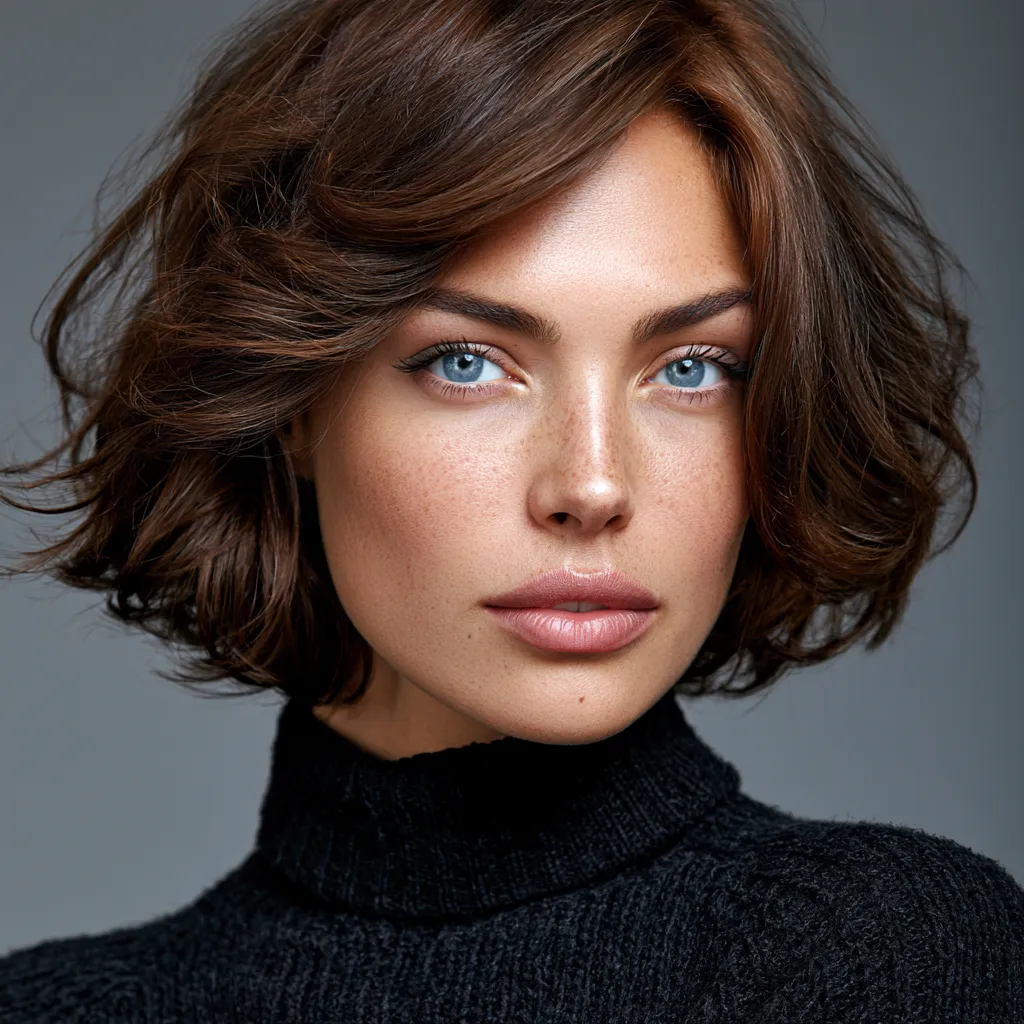
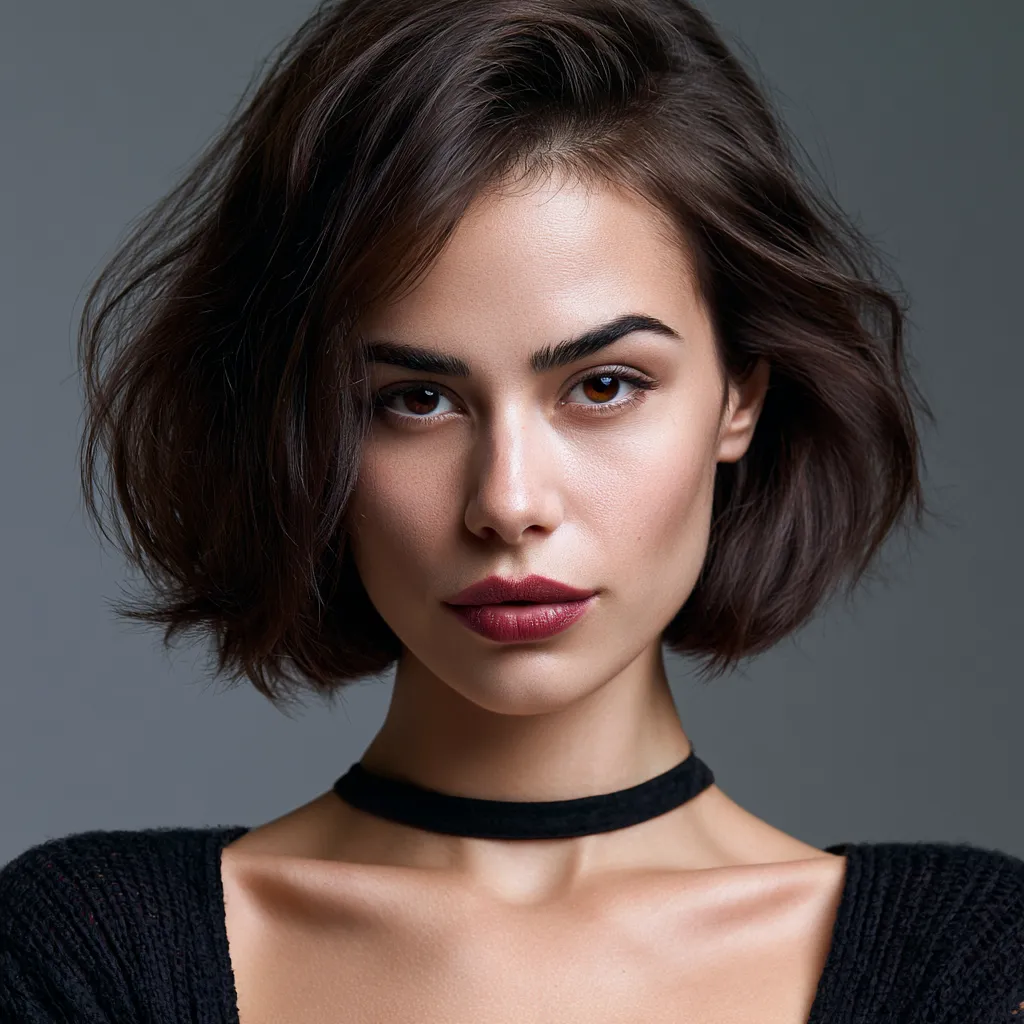
Face framing layers for oval faces reach their most forgiving format in a layered lob — shoulder-length hair where the front pieces are cut slightly shorter to pull attention toward the cheekbones and jawline. I own two versions of this cut and the difference between them came down entirely to layer placement: one had the framing start at the chin, the other at the collarbone. The chin-level cut did nothing. The collarbone version changed my entire face.


For darker hair — chestnut, espresso, deep brunette — add subtle lowlights rather than highlights if you want texture without commitment. Highlights scatter light and can flatten the layer definition; lowlights deepen it. Redken Shades EQ ($16 at most salons) in a level darker than your base color, painted specifically into the face-framing pieces, gives incredible dimension at a fraction of a balayage price. Ask for it by name.
What kills a layered lob on oval faces? Blunt ends. A too-clean line across the bottom negates the softness the layers are trying to create. You want point-cut or razor-cut ends — your stylist knows what that means — and the finish should look slightly undone at the tips. Think Jennifer Aniston circa 2001, not a freshly cut piece of paper. Short layered styles for oval faces follow the same logic at a smaller scale if you want to see it applied to less length.
Side-Swept Bangs with Long Layers Pull Cheekbones Forward
Face framing layers for oval faces hit differently when you add a side-swept bang — because now you have two systems working together. The bang shortens the visible length of the forehead; the layers bring depth to the sides. My stylist at Spoke & Weal in NYC described it as “redirecting traffic,” and I’ve never heard it explained better. Your eye stops at the bang, then follows the layer down to the cheekbone. That’s the sequence you want.


Styling this combination takes under ten minutes once you know the trick. Blow the bang section first with a paddle brush, pushing it against the direction of the sweep — sounds counterintuitive, but it gives the bang lift at the root so it falls with weight rather than flopping flat. Then switch to a round brush for the layer sections and pull each piece forward toward your face rather than straight down. You’ll notice the layers frame differently when they’re dried with forward tension versus neutral.
The one thing that doesn’t work here: too much product in the layers before heat. Anything heavier than a dime-sized drop of Olaplex No.6 Bond Smoother ($28) makes the layers clump and the bang go greasy within two hours. You’re going for movement, not definition — there’s a meaningful difference between the two, and product weight is usually what collapses the look. Layered haircuts for every face shape covers more detail on how layer depth changes by bone structure if you’re still narrowing things down.
Shoulder-Length Shag Puts Texture Exactly Where Oval Faces Need It
Face framing layers for oval faces work harder in a shag than almost any other cut because the shag distributes layers at multiple levels — crown, mid-shaft, and ends — which means the face gets framing from several angles simultaneously. Think of it like stadium lighting versus a single spotlight: more coverage, softer result. I’ve worn a shoulder shag for three years running and nothing has matched it for low-effort, high-visible-result ratio.


Blonde and lighter shades amplify the shag’s texture in a way darker colors don’t — the tonal contrast between the highlights and the base makes each layer visible as a separate element. Not Your Mother’s Curl Talk Mousse ($7 at Target) scrunched into damp hair and air-dried gives the shag its signature undone movement without the crunch of a gel hold. Is dry shampoo useful here? Only at the roots, never through the lengths — product in the ends weighs down the feathering and turns a shag into a limp, unflattering blob.
- Don’t ask for “all one length with layers” — that’s contradictory and your stylist will default to minimal layering that does nothing for framing.
- Don’t skip the face-framing pieces on a shag. A shag without forward-cut framing is just a messy haircut — the face-framing sections are what separate it from a bad trim.
- Don’t add curtain bangs if your hair is fine and flat. Fine hair without volume at the root makes curtain bangs look like two sad strips of hair. Fix the volume first (Kenra Volume Spray 25, $24) then consider bangs.
- Don’t go blunt bob with no layers if your face is long within the oval range. A blunt bob without any soft framing can visually lengthen the face further — ask for at least light piece-y texture around the jaw.
Sleek Middle-Part Bob Leans Into the Oval’s Natural Symmetry
The sleek middle-part bob works on oval faces for a specific geometric reason: the oval’s widest point sits at the cheekbones, and a chin-length bob draws a horizontal visual line right there, amplifying them. Your face becomes the architecture and the cut becomes the frame — not the other way around. I tried this cut two summers ago expecting to look corporate and ended up looking like a much better-lit version of myself.


Jet-black hair turns this cut into something genuinely striking — the contrast between the dark color and the skin creates a clean, graphic edge at the jaw that reads intentional from across a room. For maintaining the sleek finish, a Dyson Corrale ($499) or even the less expensive Revlon One-Step ($40 at Walmart) with a straightening comb attachment is sufficient. What doesn’t work: flat iron passes starting from the root. Always start two inches down and work toward the ends, otherwise you get a telltale root kink that ruins the sleekness.
Does this cut work without layers? Yes — and for once, that’s actually the point. The lack of texture in a middle-part bob keeps all focus on your face, which is exactly what you want when your face has good proportions. The oval shape needs no help from complicated layering here. Layering this cut too aggressively is a common mistake that gives it a dated, dated-2010 vibe. Leave the ends clean and let the bob do its job.
Curtain Bangs with Wavy Layers Earn Their Reputation on Oval Faces
Face framing layers for oval faces get their most photogenic moment when curtain bangs enter the equation — and this combination is everywhere on Pinterest right now because it photographs at every angle. Curtain bangs on an oval face don’t shorten or lengthen; they add a soft parenthetical around the forehead that makes the whole face look curated. I stole this trick from a friend who wears hers with auburn waves and looked like she stepped out of a Dôen campaign every single day.


Auburn and warm honey tones pick up light differently than cool blondes or deep brunettes — the warmth creates depth inside each wave that makes the curtain bang transition look naturally blended rather than obviously cut-in. Styling requires a round brush about 1.5 inches in diameter and low heat (around 300°F). Roll the bang sections outward — away from the face — then release. The outward curl is what creates the “opening curtain” effect. Curling inward or using too much heat burns the bang into a rigid flip that ages the whole look by fifteen years.
Can you pull curtain bangs back? Yes, and that’s genuinely one of their strongest selling points for oval faces — half-up styles with curtain bangs left loose give you the framing benefit without any forehead coverage, which is ideal on warmer days. Anthropologie-brand barrettes ($18-$22) in tortoiseshell pinning just one side of the bang back is a look I’ve worn probably forty times this year. See how layered haircuts interact differently with other face shapes if you’re helping someone with a different bone structure find their match.
Choppy Pixie Cuts Frame the Oval Face From Every Direction at Once
Face framing layers for oval faces reach peak efficiency in a choppy pixie — because at short lengths, every single piece of hair is essentially a face-framing layer. There’s nowhere for a bad cut to hide, which sounds scary, but actually means a well-executed choppy pixie on an oval face is nearly impossible to photograph badly. You’ll notice that pixie cuts look dramatically different depending on whether the temple sections are cut close or left slightly longer — longer temple pieces add horizontal width that balances the vertical of an oval face.


Dark brown hair makes the choppy layer contrast visible in a way lighter colors smooth over — the depth of a darker base means each disconnected piece reads as a separate element, giving the cut genuine three-dimensionality. For styling, Bumble and Bumble Sumo Wax ($27) worked into dry hair with fingertips, not a brush, gives separation without the spiky look that dates a pixie immediately. Apply from the back forward and finish by pulling a few crown pieces straight up for height — flatness at the top compresses an oval face downward and should be avoided entirely.
The maintenance schedule for a choppy pixie is more demanding than longer cuts — budget for every five to six weeks to keep the neckline clean and the layers from merging into a shapeless mass. That’s a meaningful difference from a lob that can go eight to ten weeks. Worth it? I’d say yes, but be honest with yourself about salon budget before committing to a cut that needs $65-$90 trims every month and a half. The short layered hairstyle guide for oval faces covers lower-maintenance short options if that trims-per-year math doesn’t work for you.
THE BOTTOM LINE
Face framing layers for oval faces work when the placement is specific, not scattered.
Cheekbone-length front pieces on a lob or shag, curtain bangs that open outward rather than fall flat, and choppy pixie temple sections that add horizontal width — these are the details that separate a functional haircut from a forgettable one.
Spend thirty seconds at your salon appointment showing your stylist exactly where you want the shortest face-framing piece to hit. That single instruction will do more than any mood board you can bring in.
Dark hair amplifies layer contrast; warm tones make curtain bangs look naturally blended; lighter blondes benefit most from lowlights inside the face-framing sections to keep definition visible. Save this post before your next appointment and show it directly — no translation required.