Layers for thin hair work when they strip just enough weight to let roots rise instead of dragging everything flat. Soft internal cuts create air gaps between strands, so light bounces differently and density appears higher even though the actual strand count stays the same. The wrong length or placement does the opposite and leaves ends looking stringy by week four.
Color multiplies the effect. Warm honey tones catch light across every tier, cool ash shades add depth without bulk, and jet black keeps edges sharp so the silhouette stays solid. Stylists who specialize in fine textures start the shortest pieces near the crown and keep the perimeter nearly blunt. That geometry is what turns a flat fall into movement that photographs fuller.
Maintenance stays simple once the cut is right. A golf-ball amount of volumizing mousse at the roots, blow-dry directed upward, and a trim every six to eight weeks keep the shape from collapsing. Skip heavy masks the day before the appointment or the stylist will misread the true weight of your hair.
Quick scan
- Soft internal layers lift roots; choppy surface layers thin the ends
- Honey blonde, ash brown, and jet black each add density through different light play
- Trims every 6–8 weeks keep fine layered hair from going stringy
- Lightweight mousse at roots beats heavy serums every time
- Blunt perimeter + hidden crown layers = the reliable volume formula
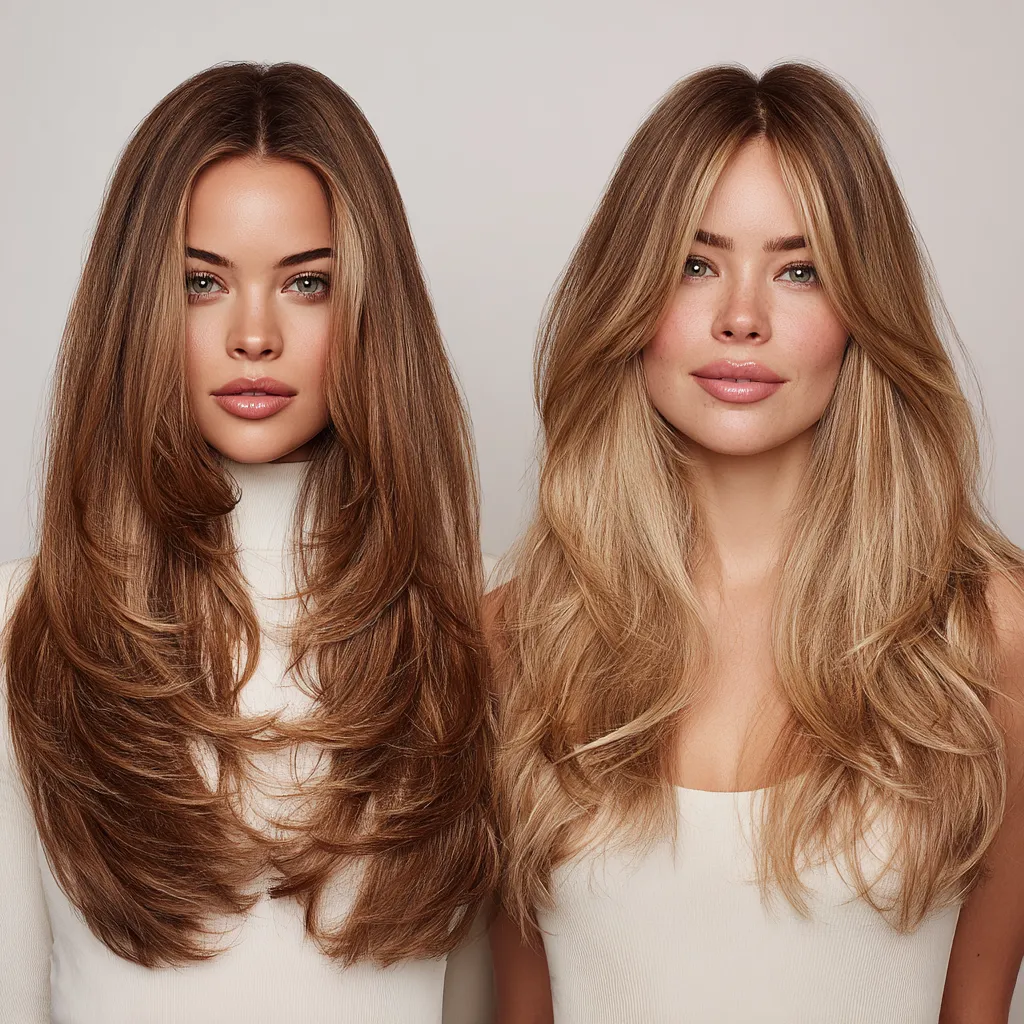
Honey Blonde Layers Catch Light Across Every Tier
Honey blonde layers for thin hair create a multi-dimensional surface that tricks the eye into reading more density. Shorter pieces around the crown rise while longer ones cascade, so light hits multiple lengths instead of one flat plane. The warmth in the tone amplifies that bounce without needing extra product weight.


Start with a lightweight volumizing mousse such as TRESemmé Amplified Volume at around $8. Work a golf-ball size into damp roots only, then blow-dry with a round brush directed upward. The heat sets the lift before the longer lengths cool and weigh everything down. A common mistake is coating the ends with the same product; that flattens the very movement the layers were cut to create.
Why does honey blonde outperform cooler blondes on fine hair? The golden undertones reflect more light across each tier, so gaps between strands become less visible. Ask for face-framing pieces that start near the cheekbones rather than the jaw. That placement draws the eye upward and keeps the perimeter looking solid. Regular trims every six to eight weeks stop split ends from dragging the shape flat again.
Think of the cut like a well-stacked bookshelf: shorter volumes sit higher and create visual interest without removing the books at the base. Skip heavy leave-in masks the night before your appointment. They temporarily swell the strands and lead the stylist to leave too much length, which collapses once the product washes out.
Ash Brown Layers Add Cool Depth Without Extra Bulk
Ash brown layers on thin hair deliver dimension through cool undertones that create natural shadow and highlight play. The cut starts near the cheekbones and cascades, so movement stays soft while the cooler base keeps the overall silhouette looking denser. This shade requires fewer touch-ups than warmer tones, which helps fine hair stay healthy between salon visits.
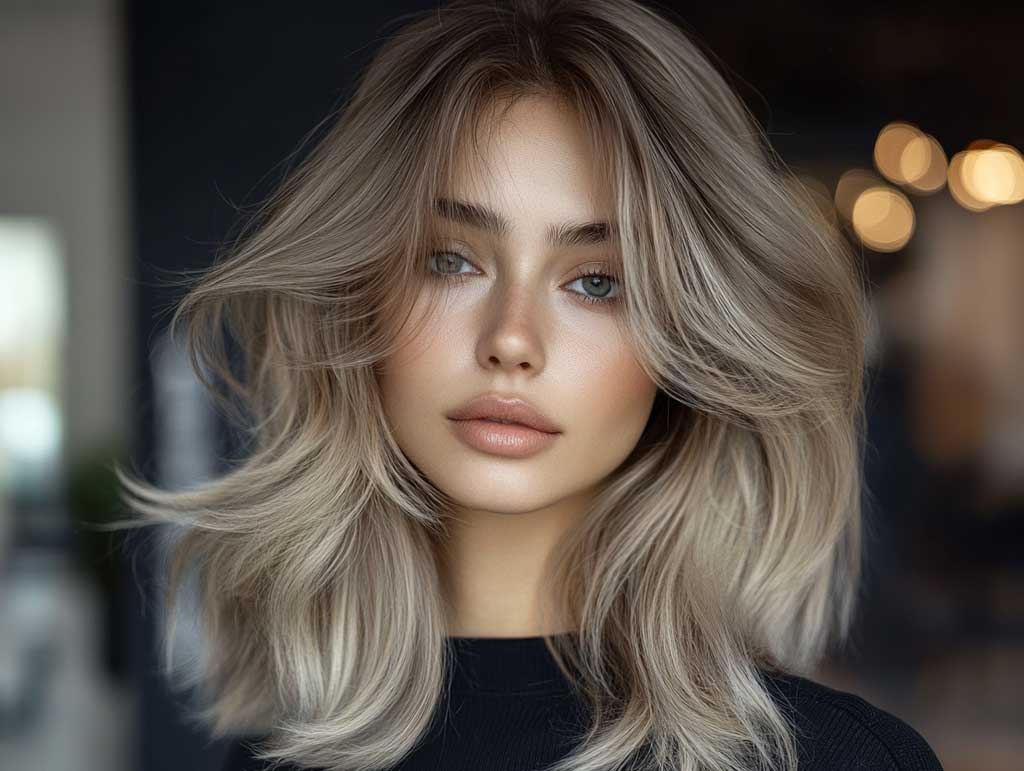


Build the foundation with a volumizing shampoo and conditioner, then apply a texturizing spray such as Verb Volume Dry Texture Spray at about $22 to damp mid-lengths. Blow-dry with a round brush for root lift, then add loose waves with a curling wand held horizontally. Tight curls pull the layers into a thin rope; soft bends keep air between the tiers. The result looks intentional rather than over-styled.
How often should you refresh the shape? Fine ash brown layers hold best with trims every six to eight weeks. Waiting longer lets the crown pieces grow past the point where they create lift, and the ends start to look sparse. A lightweight serum on the tips only prevents frizz without collapsing the volume at the roots. This approach keeps the cut low-maintenance while the cool tone continues to fake density through contrast.
Don’t do this
Asking for heavy surface layers or thinning shears on ash brown fine hair. The cool tone already creates visual separation; removing more density turns the ends see-through and the whole cut collapses into stringy pieces by the second week.
The geometry acts like a well-cut blazer: the structure holds the shape even when the fabric is light. Pair the cut with internal rather than surface layers so the outer line stays full while movement happens underneath. That is the difference between hair that looks deliberately layered and hair that simply looks thin.
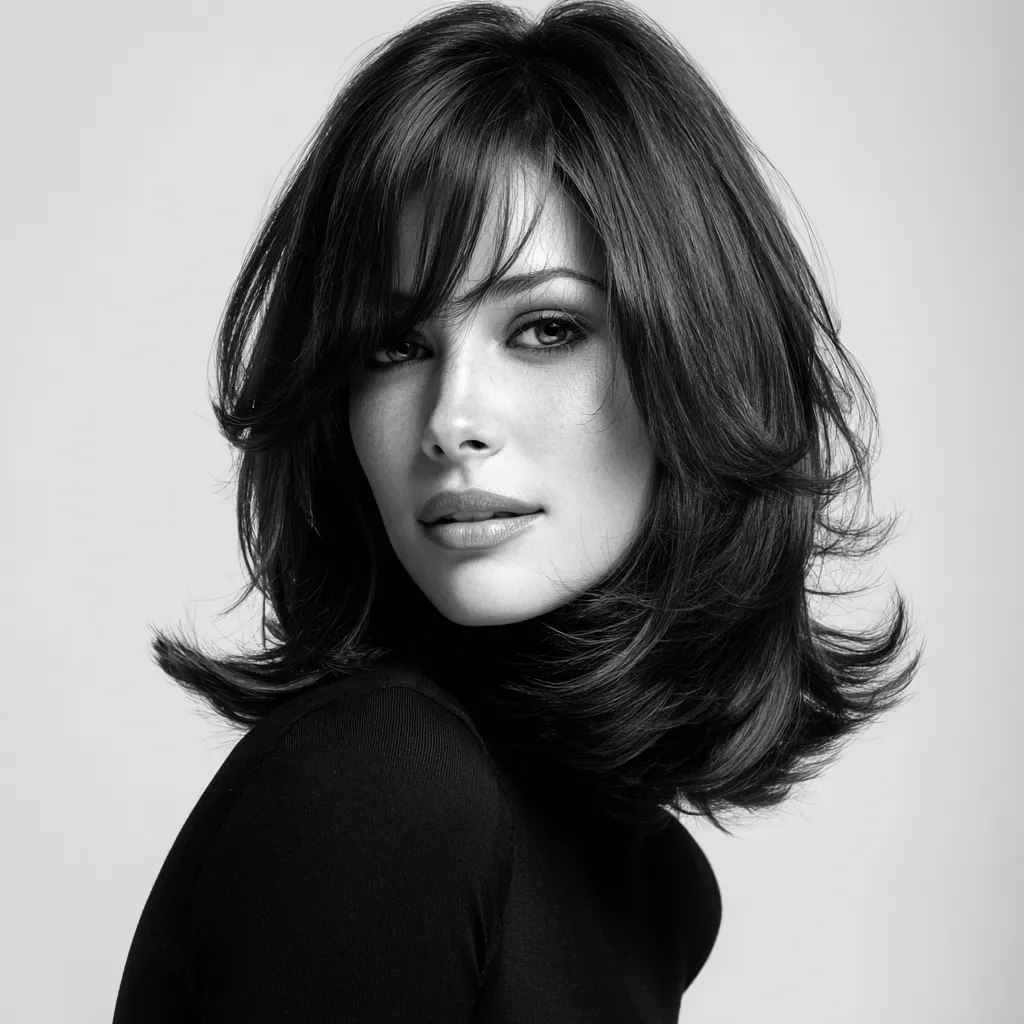
Jet Black Layers Keep the Silhouette Sharp and Full
Jet black layers for thin hair break up the solid weight that can make dark fine strands look flat. Starting the shortest pieces around the jawline adds dimension without losing the sharp edge the color demands. Root-lifting spray at the crown keeps the top from collapsing while the longer lengths maintain a solid perimeter.


Apply heat protectant and a lightweight cream before blow-drying upside down for a few minutes. That simple flip lifts the roots before gravity takes over. Finish with a shine serum on the mid-lengths to ends only; jet black reflects light best when the surface stays smooth. Deep-conditioning once a week keeps the color from looking dull, which would otherwise emphasize any thin spots.
Does jet black need more frequent trims than lighter shades? Fine dark hair shows split ends quickly because the high contrast makes every fray visible. Stick to the six-to-eight-week window. For extra lift without weight, a texturizing powder such as SexyHair Big Powder Play at about $22 pressed into the roots on day-two hair restores the crown height that the original cut created. The result transitions easily from desk to evening without looking overworked.
Black layers behave like a tailored black blazer: the clean lines do the work of making the form look substantial. Avoid razor-cutting the perimeter. Blunt ends preserve the density illusion that the color already supports. The combination of jawline starting points and a solid bottom edge is what keeps the style looking intentional rather than sparse.
How Soft Layers for Thin Hair Compare Across Three Shades
| Shade | Best Length | Trim Interval | Key Product Move |
|---|---|---|---|
| Honey Blonde | Mid to long | 6–8 weeks | Mousse at roots only |
| Ash Brown | Shoulder to lob | 6–8 weeks | Texturizing spray mid-lengths |
| Jet Black | Jaw to collarbone | 6–8 weeks | Root powder on day two |
Each shade uses the same internal-layer principle but reflects light differently. Honey blonde maximizes bounce through warmth, ash brown builds depth through cool contrast, and jet black relies on sharp edges and gloss. Choose the one that matches your skin undertone and the maintenance level you will actually keep. For more structure ideas that work with fine textures, see how shoulder-length layers and internal cuts build fullness on oval faces and how choppy shag layers create air gaps on straight fine hair.
Stylists who work regularly with fine hair emphasize the same sequence: soft internal layers first, blunt perimeter second, and lightweight root product third. The Vogue-recommended approach of blow-drying roots against their natural growth direction locks in the lift that the cut creates. That combination is what turns three different colors into the same fuller result.
The takeaway
Soft internal layers plus a blunt perimeter beat heavy surface cutting every time
Honey blonde, ash brown, and jet black each multiply the volume effect through different light reflection. Keep the shortest pieces near the crown and the ends nearly solid.
Trims every six to eight weeks and a golf-ball of lightweight mousse at the roots are the only non-negotiables. Heavy products and thinning shears undo the geometry.
Save this post for the next time you sit in the chair and need the exact language that keeps fine hair looking full.