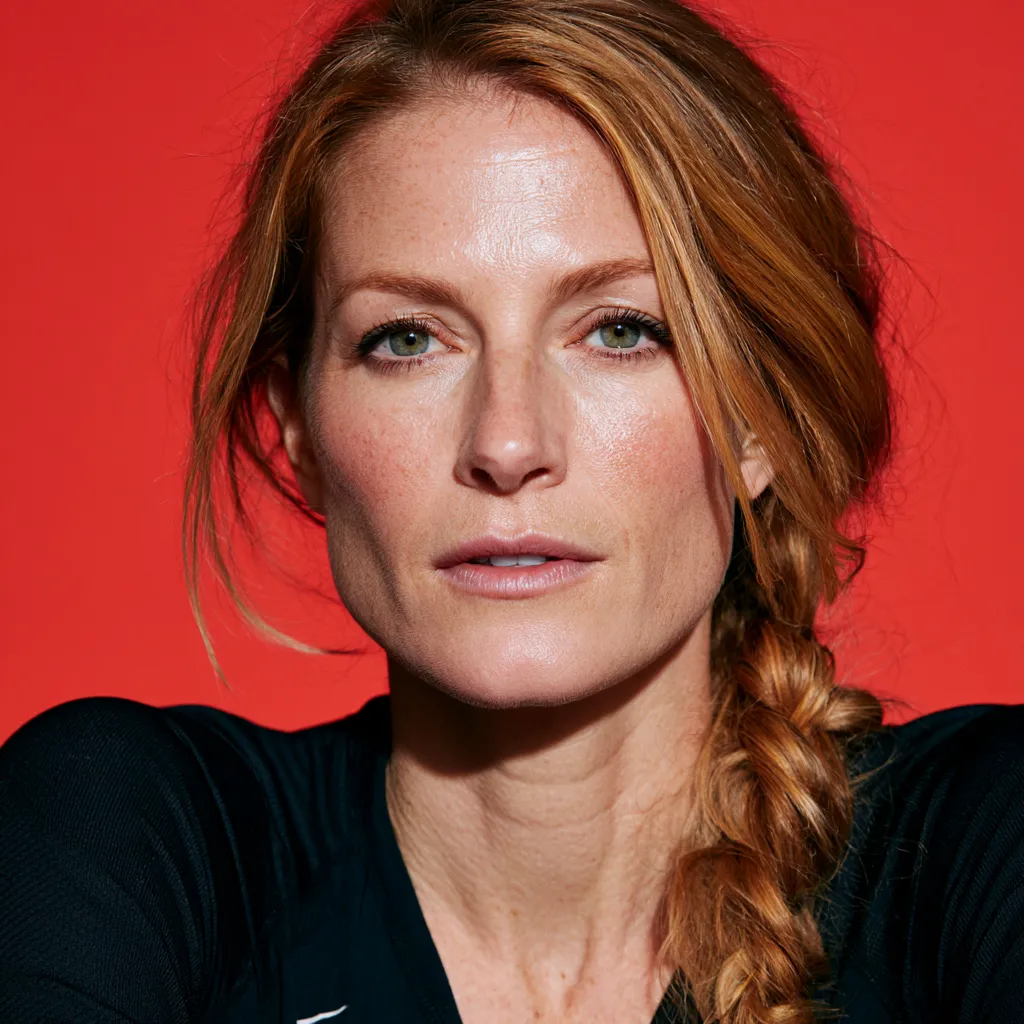
Fine hair and gym time have a complicated relationship. Every elastic band, every clip, every tight bun leaves a crease that takes three hours to brush out — and sometimes doesn’t disappear at all until the next wash. For women with fine or thin hair, the problem isn’t just cosmetic. Repeated pressure from tight hair accessories causes cumulative mechanical stress on the follicle, which over time can contribute to breakage at the tension point. According to a 2021 review in the Journal of the American Academy of Dermatology, traction alopecia — hair loss caused by repeated pulling — affects an estimated 17% of women who regularly wear tight workout updos, with fine-haired women showing the highest rate of follicular damage per session.
The good news is that the dent problem is entirely solvable without sacrificing hold, without your hair falling in your face mid-rep, and without spending five minutes fixing your style between the treadmill and the weights room. This guide covers the specific workout hairstyles that protect fine hair from creases — and the accessory choices and techniques that make each one work.
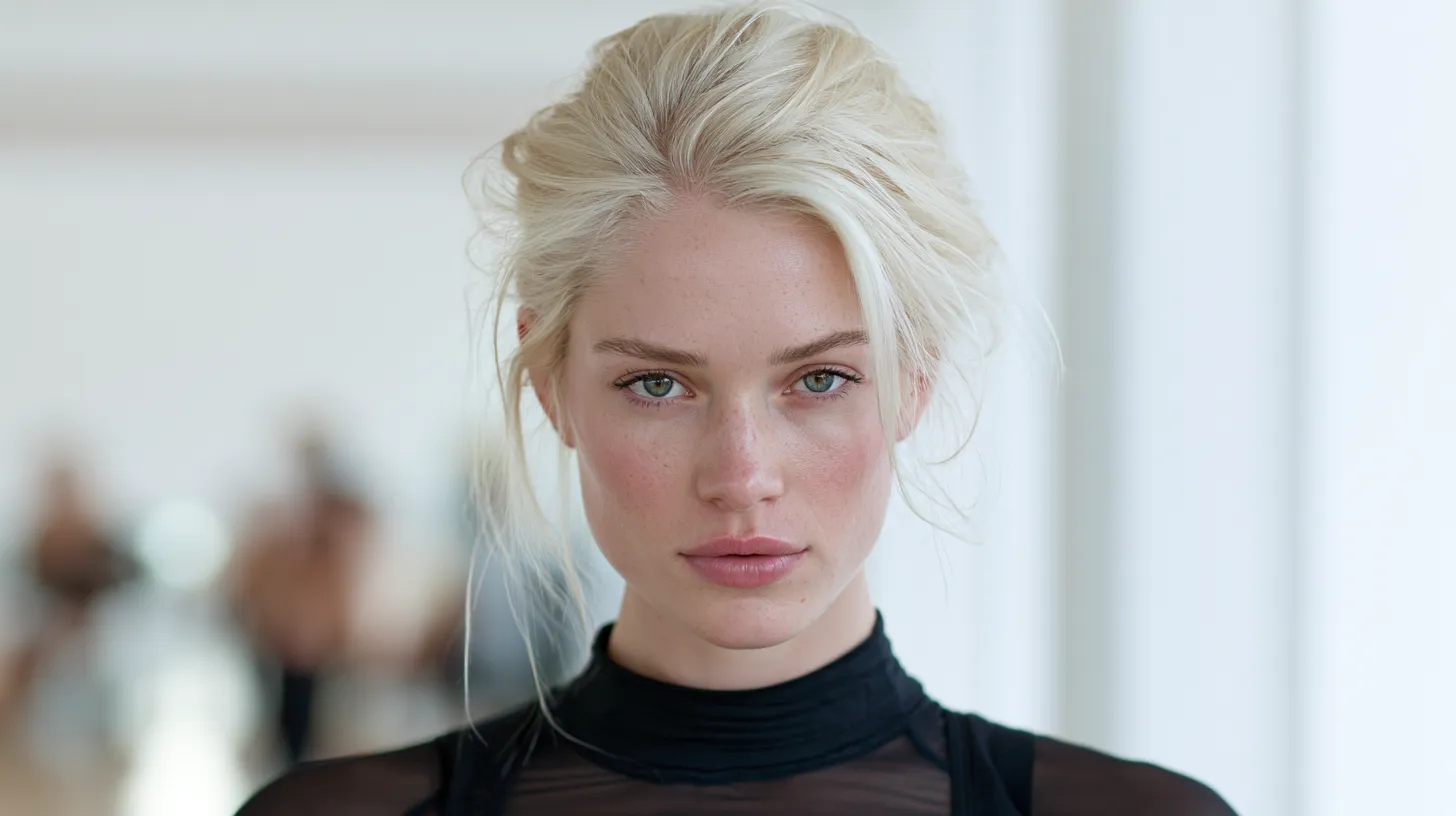
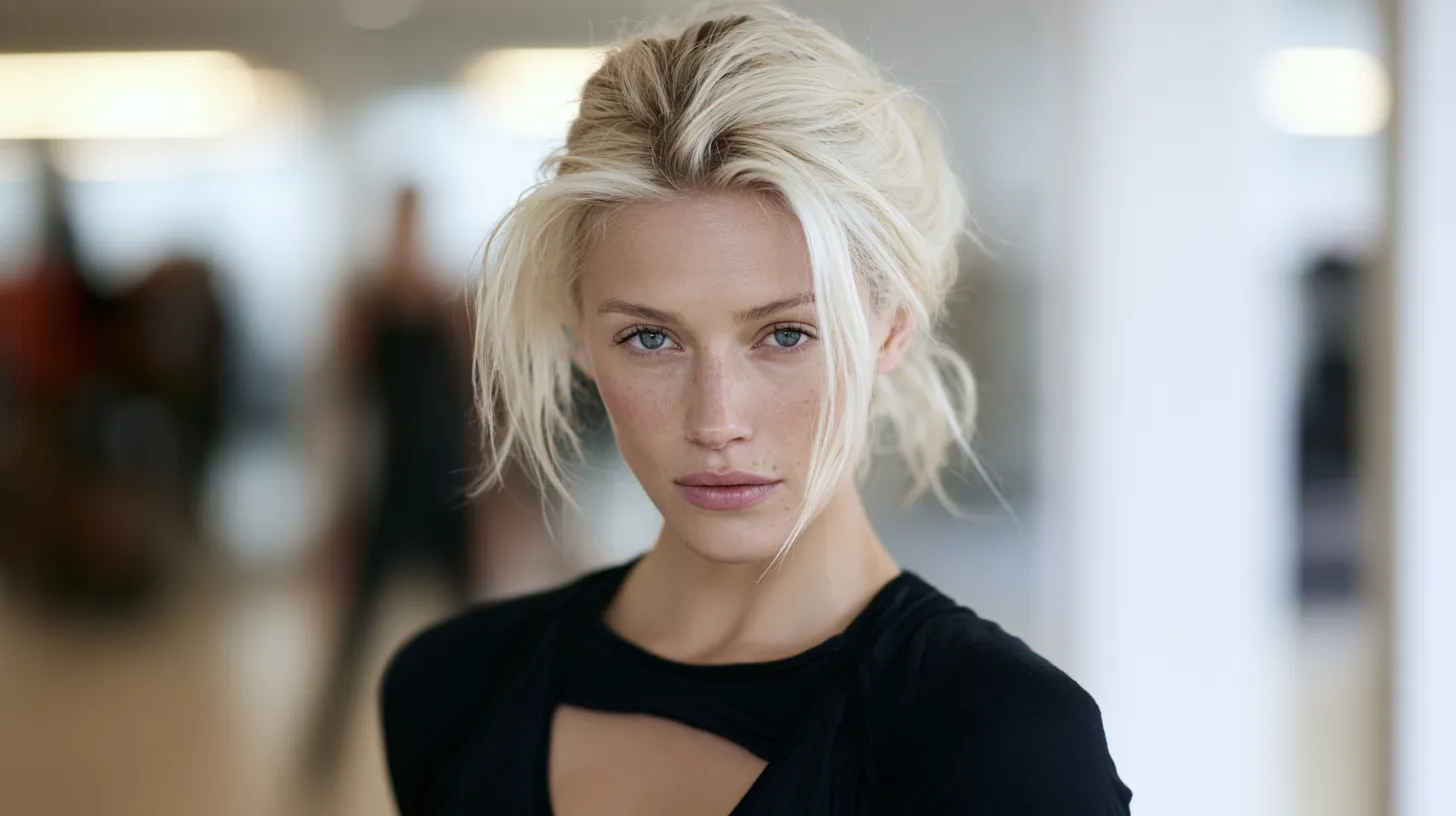
Why Fine Hair Dents More Easily Than Other Hair Types
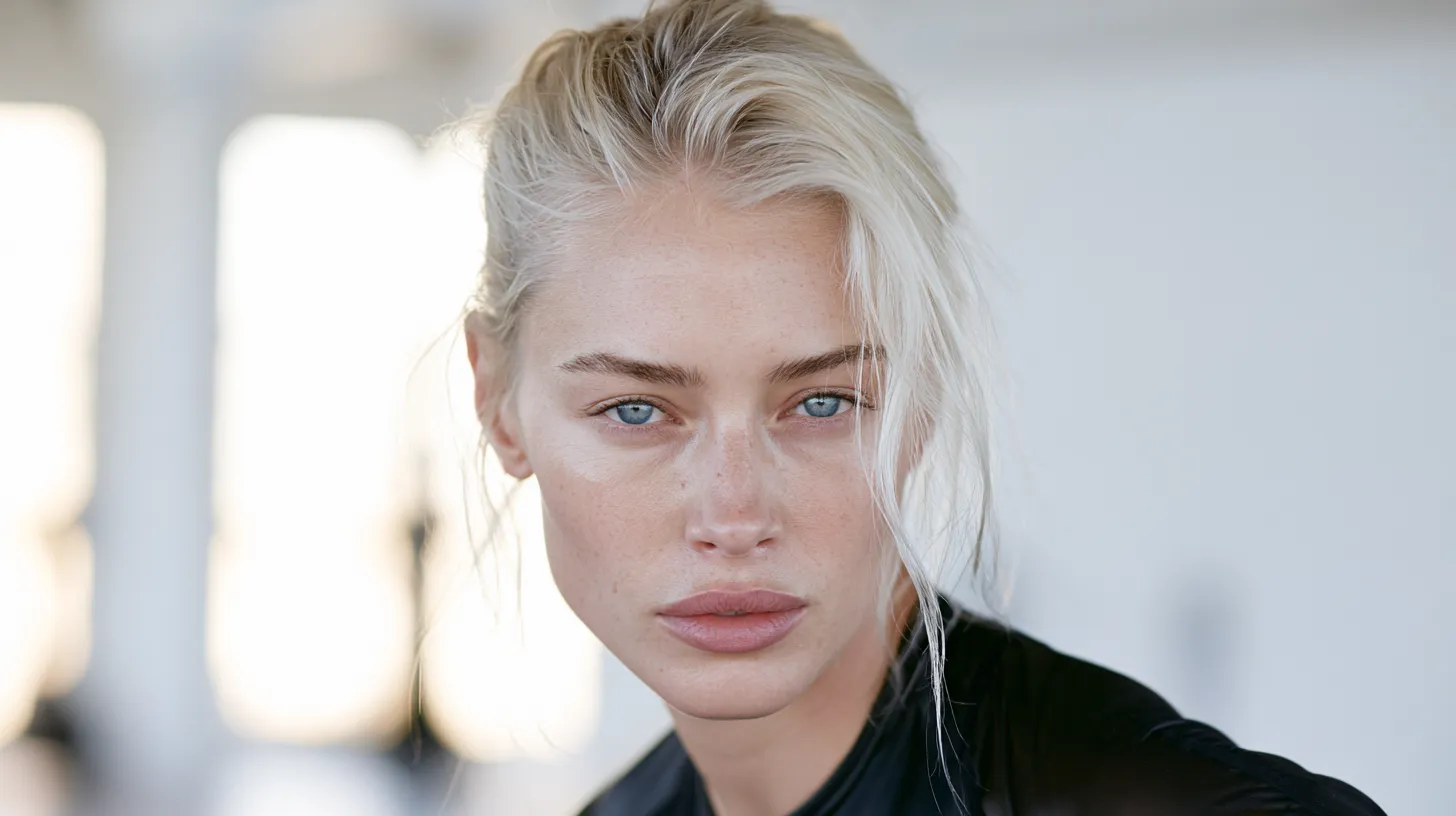
Fine hair has a smaller diameter per strand — typically under 60 microns, compared to 80–100 microns for coarse hair. That reduced diameter means there is less cortex material (the internal structural protein layer) to resist deformation under pressure. When a hair tie or clip squeezes the strand, fine hair compresses more completely and holds that compressed shape longer after the pressure is removed. Coarse or thick hair springs back; fine hair remembers the dent.
Sweat makes this significantly worse. Moisture softens the hydrogen bonds within the hair shaft — the same bonds that hold your blowout shape — making the strand temporarily more plastic and prone to taking on whatever shape is pressed into it. When a workout elastic sits against damp, fine hair for 45 minutes, the crease it leaves is set by the drying process, not just by the pressure. The hair essentially dries into the shape of the elastic, which is why the dent is so persistent even after the tie is removed.
The Accessories That Cause the Most Damage to Fine Hair During Workouts
Not all hair accessories are created equal for fine hair. Before looking at specific workout hairstyles that don’t leave dents or creases in fine hair, it helps to understand what makes certain tools worse than others — because the wrong elastic can undo even the most carefully chosen style.
| Accessory Type | Dent Risk for Fine Hair | Why It Damages | Better Alternative |
|---|---|---|---|
| Standard rubber hair tie | Very High | Uncoated rubber grips dry and wet strands with high friction; the elastic memory is strong enough to indent fine hair in under 10 minutes | Spiral coil hair tie (Teleties or similar) |
| Metal-core elastics (standard bobbles) | Very High | Metal clasp creates a focal pressure point; fine hair breaks at the clasp position with repeated use | Fabric scrunchie or seamless elastic |
| Thin fabric headband (tight) | High | Constant pressure along the front hairline flattens fine roots; leaves a ridge at the temple | Wide velvet or terry headband worn loosely |
| Claw clip (standard) | Medium | Teeth bite into fine hair strands; pressure concentrated at the clip site | Large seamless claw clip with smooth teeth |
| Spiral coil tie (Teleties, Invisibobble) | Low | Distributes tension across a wider surface area; no single focal pressure point | Already the better choice — use correctly |
| Silk or satin scrunchie | Very Low | Fabric surface reduces friction; elastic core is softer than synthetic ties; slides off rather than gripping | Best option for post-workout removal without snagging |
The Best Workout Hairstyles for Fine Hair That Leave No Dents
Each of the following styles is specifically adapted for fine or thin hair — not just borrowed from general gym hair guides. The key variables are tension distribution, how many anchor points the style uses, and what happens when the style is released after a sweaty session.
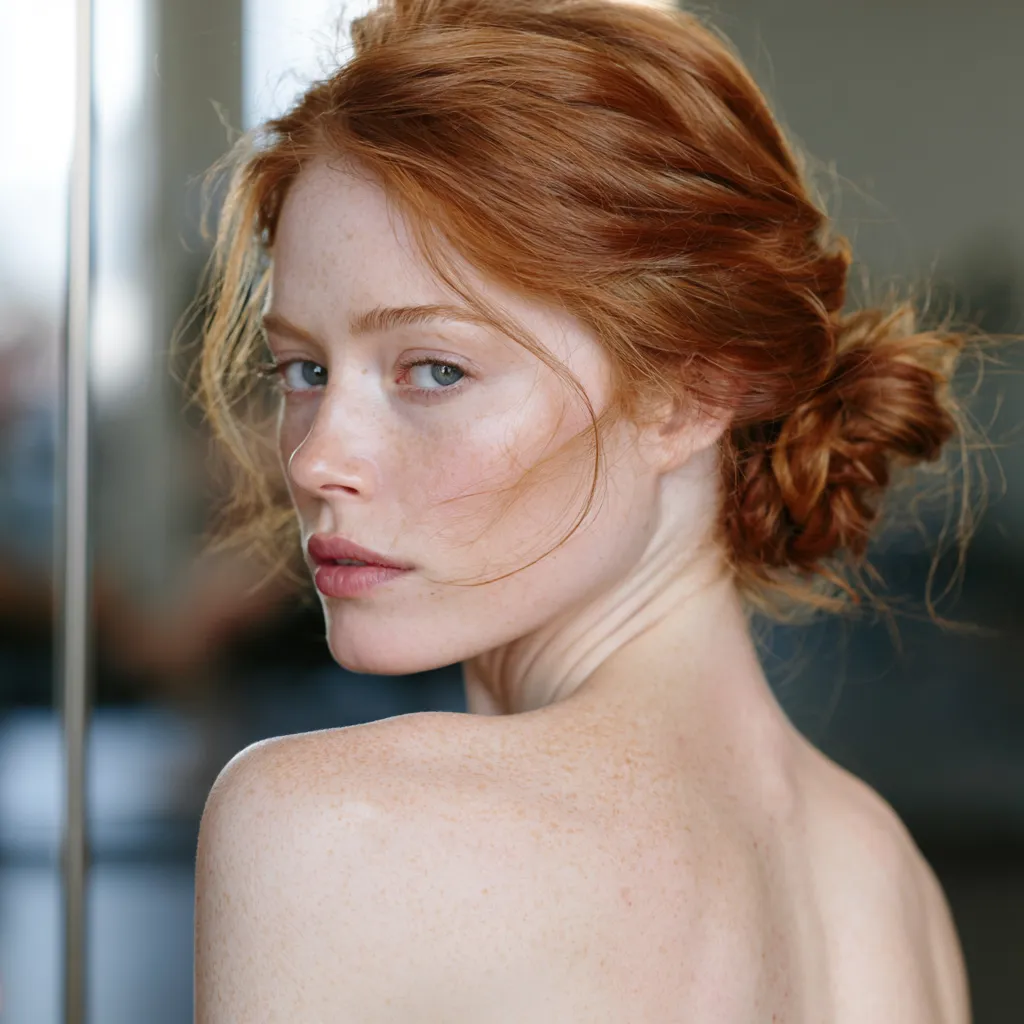
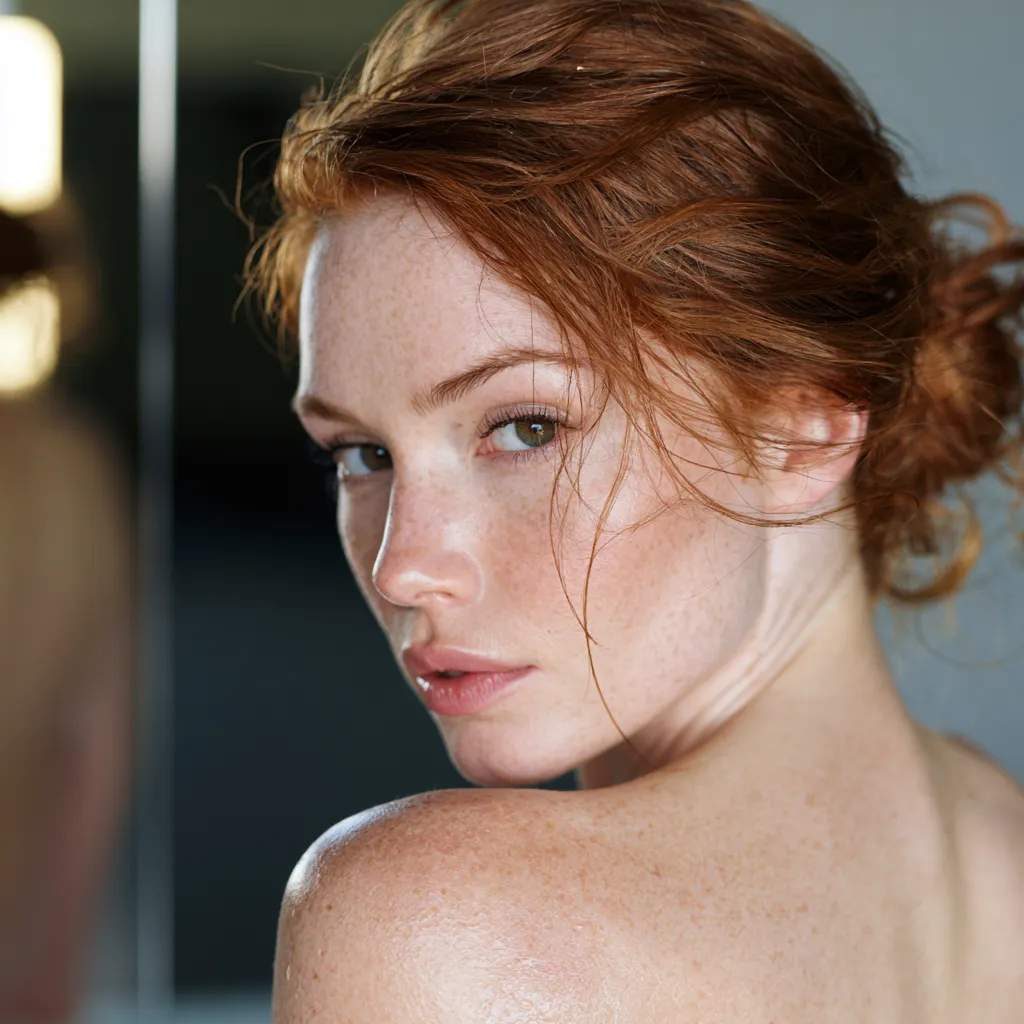
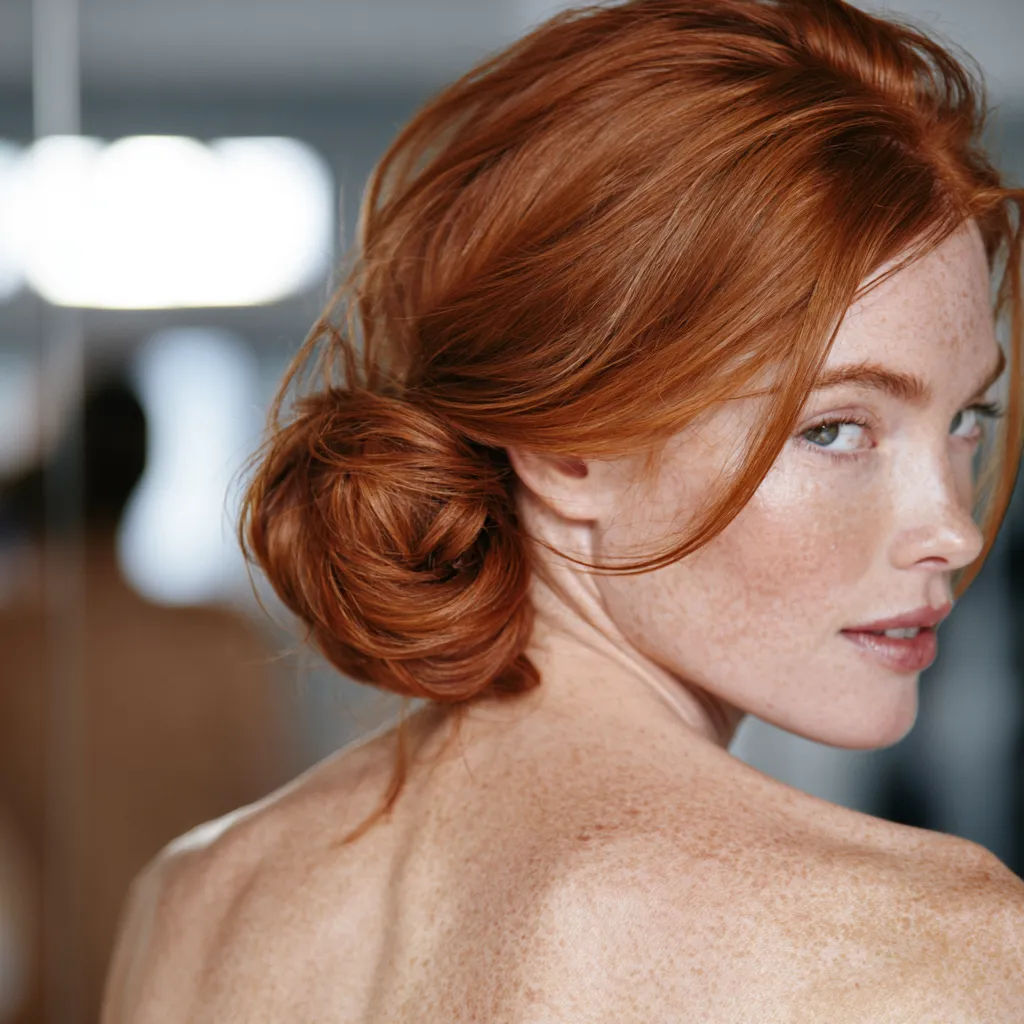
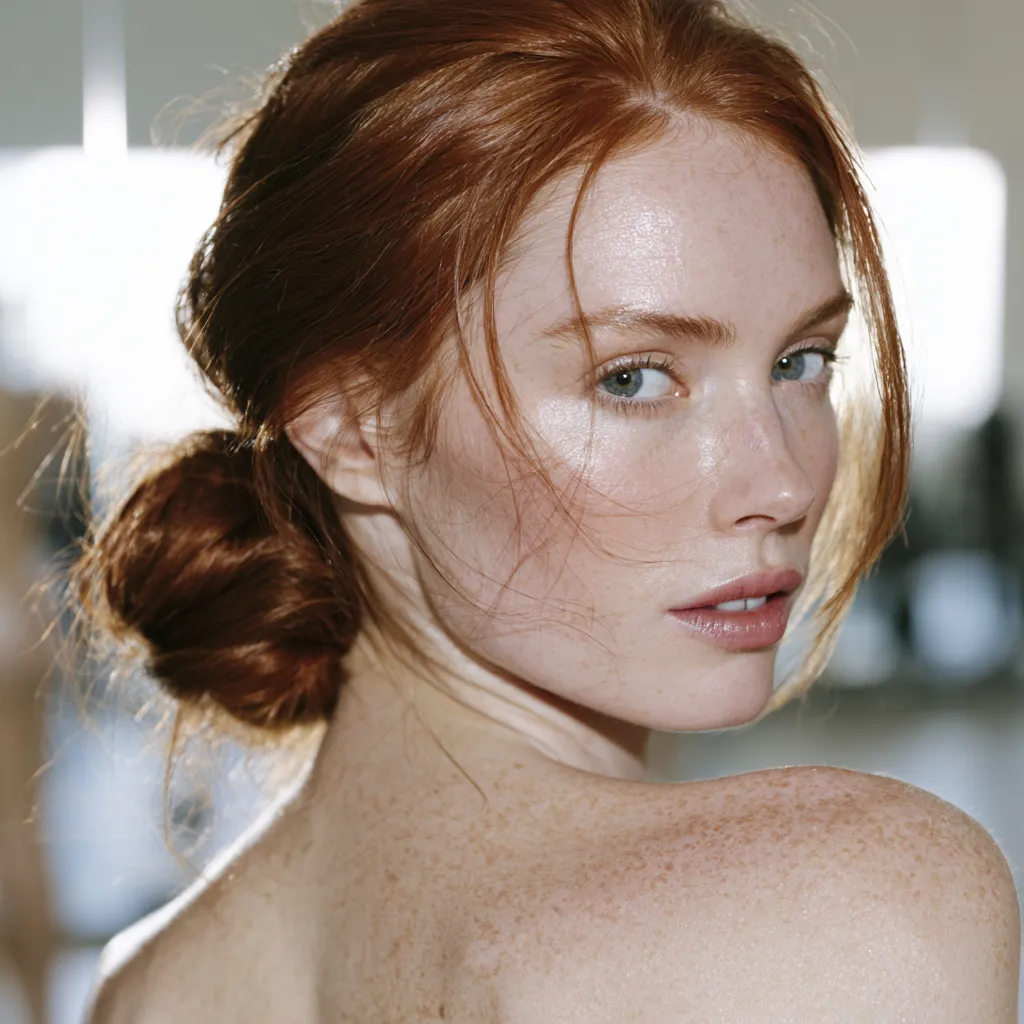
1. The Loose Twisted Low Bun
This is the lowest-dent workout style for fine hair in any length from collarbone to mid-back. Instead of pulling all hair into a tight ponytail first — which creates the classic elastic crease — you twist the hair loosely as if making a rope, coil it at the nape of the neck, and secure it with two or three large bobby pins rather than an elastic. The twist distributes pressure across multiple small contact points rather than concentrating it at a single band. When you release the pins after your workout, the hair uncoils without a crease because no circular elastic pressed into it.
For fine hair, the key is not over-twisting. Loose is better: the goal is just enough tension to keep the bun from slipping during movement, not a tight rope that leaves a spiral mark. Add one bobby pin at the nape for security if you’re doing anything with significant head movement, such as rowing or burpees.
2. The Half-Up Twist With a Scrunchie
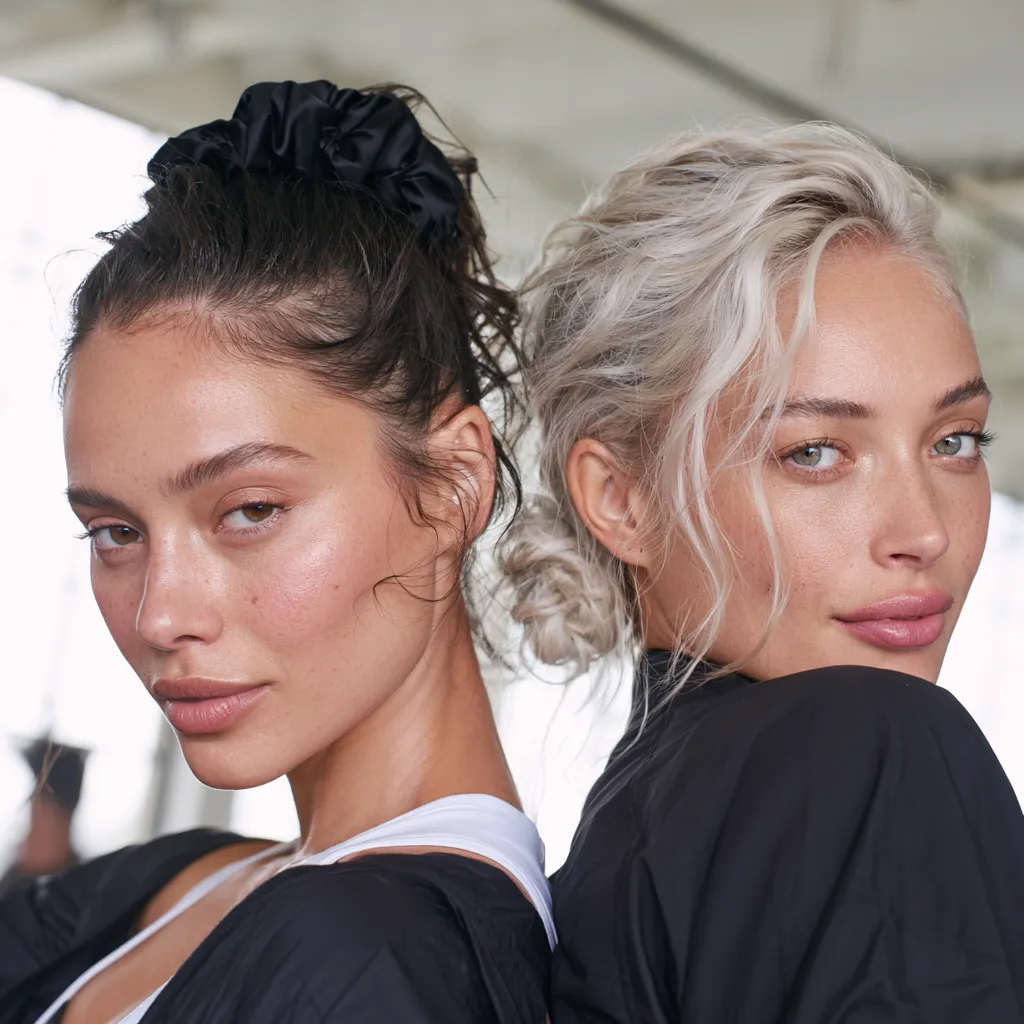
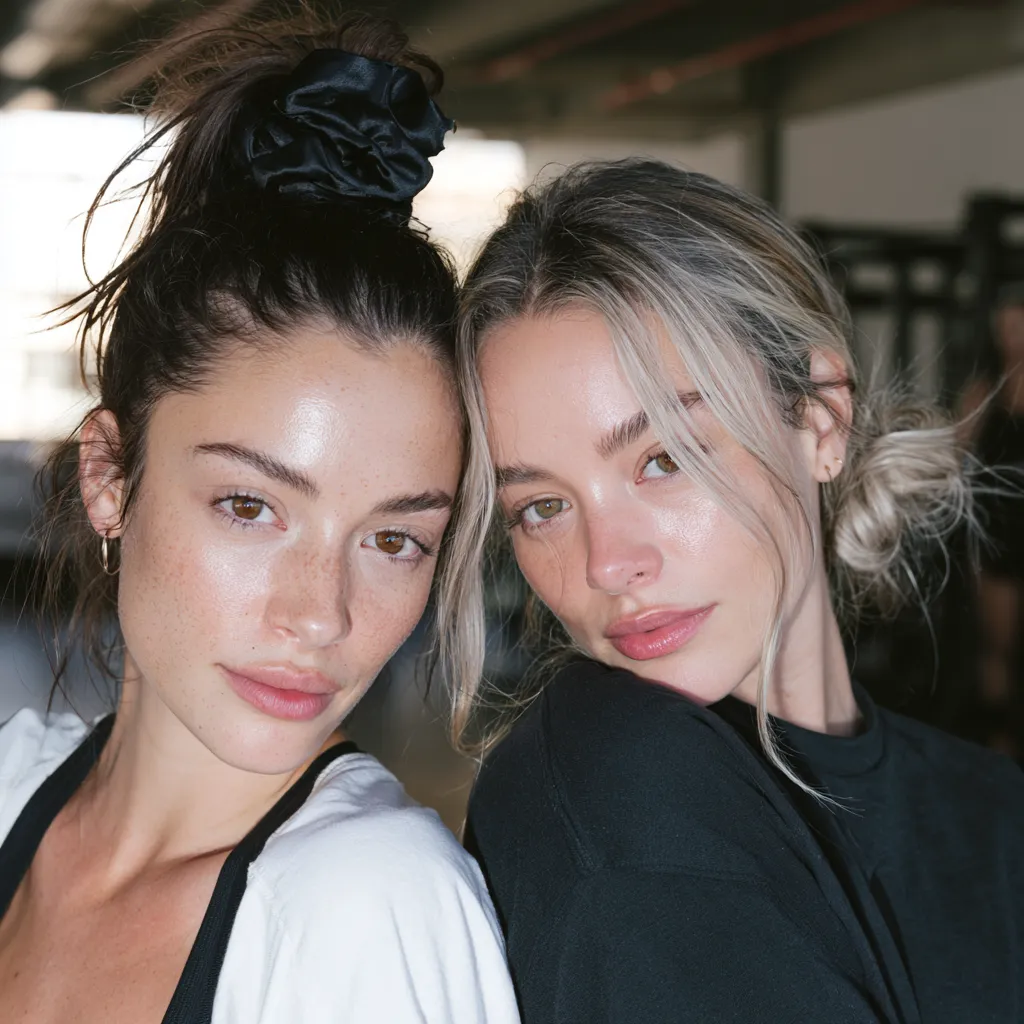
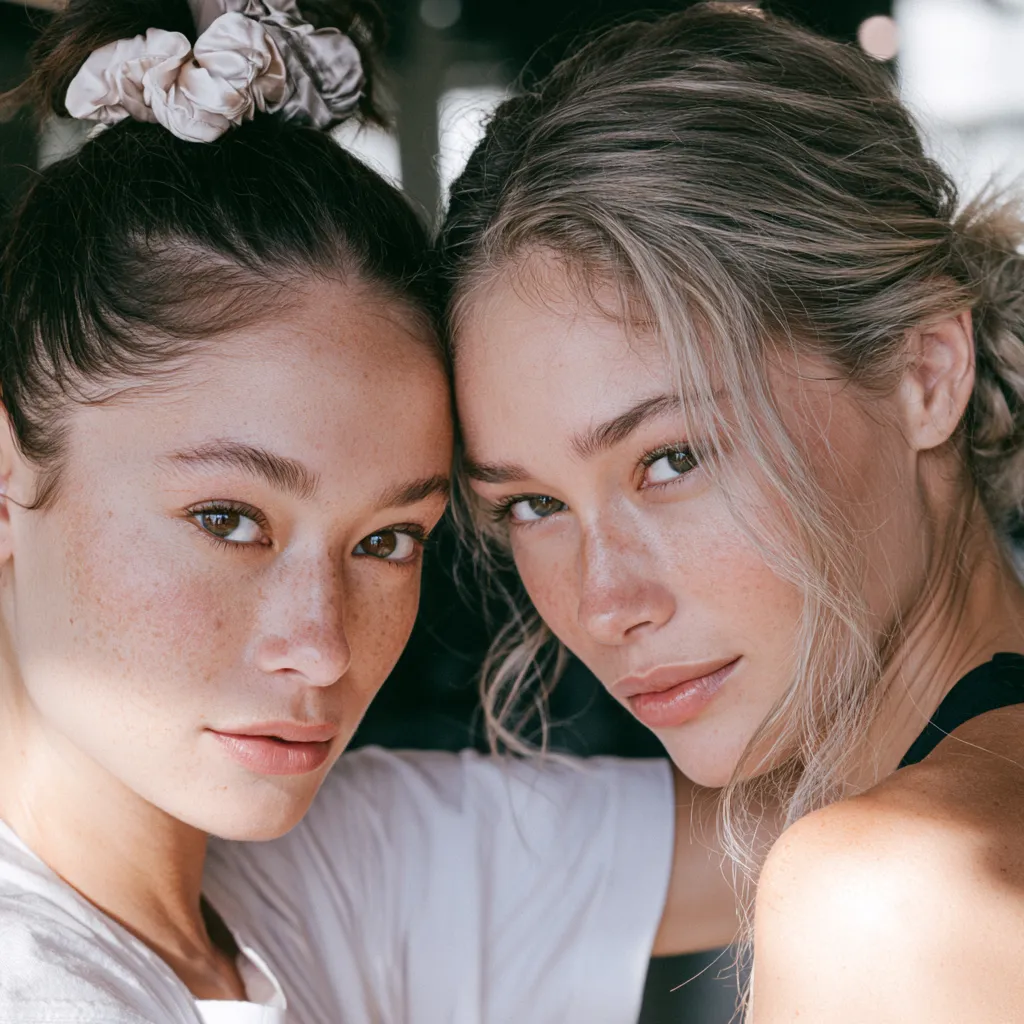
For fine hair that is too short for a full bun or for women who run warm and prefer to keep some hair off the neck, the half-up twist is the second-best dent-free option. Take the top two-thirds of your hair — everything from the temples and crown — and twist it once loosely before securing it with a large silk scrunchie placed at the back of the crown rather than at the nape. The remaining lower section hangs free. This distributes the accessory contact point across the widest, least vulnerable section of the hair (the crown) where strands are thicker and slightly coarser than at the temples.
When you release the scrunchie after exercise, the hair that was secured will have some mild wave from the twist, but no defined crease — because silk fabric doesn’t bite into the strand the way an elastic does. For reference, a standard polyester elastic applies approximately 3.5 N/mm² of localised pressure to a fine hair strand; a comparable silk scrunchie applies an estimated 0.8 N/mm² over a much wider surface, according to fabric tension measurements from hair tool testing conducted by the Good Housekeeping Institute in 2022.
If you want to see how this style looks at different lengths and with different hair textures, these chic low-knot ponytail styles show the closest aesthetic relatives and how to adapt the placement for different face shapes.
3. The Loose French Braid
A French braid is counterintuitive for fine hair because braids look thin and wispy on low-density hair — but for workout purposes, it is one of the most effective dent-free options precisely because the tension is distributed across many small sections along the entire length of the hair rather than concentrated at one elastic band. The crease, if any, is a gentle wave across many strands rather than a sharp indentation at a single point.
The operative word is loose. A tight French braid on fine hair creates traction at every integration point and can actually cause more follicular stress than a standard ponytail. A loose braid — where you can slide two fingers between the braid sections and the scalp — keeps the hair controlled without the pulling. Secure the end with a spiral coil tie rather than a standard elastic. When you release it post-workout, a quick brush-through is all that’s needed to restore full volume.
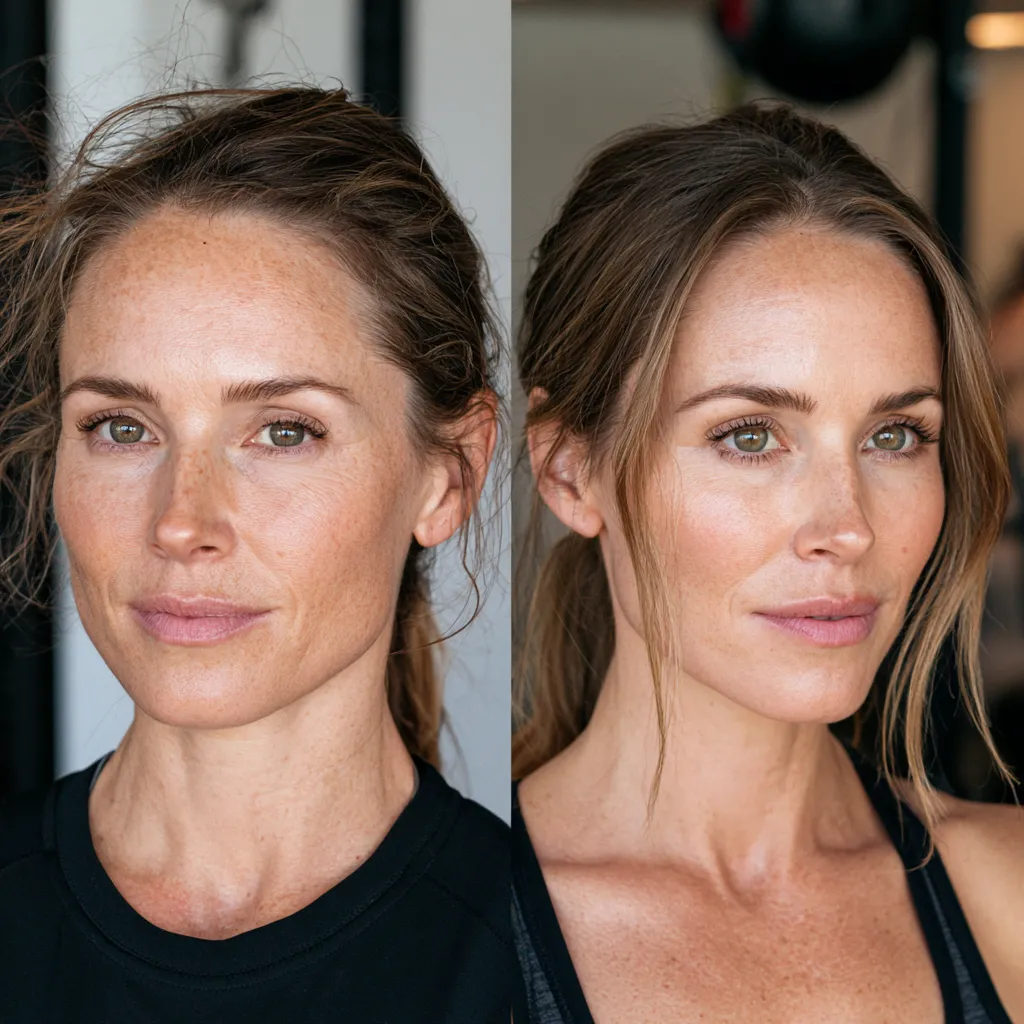
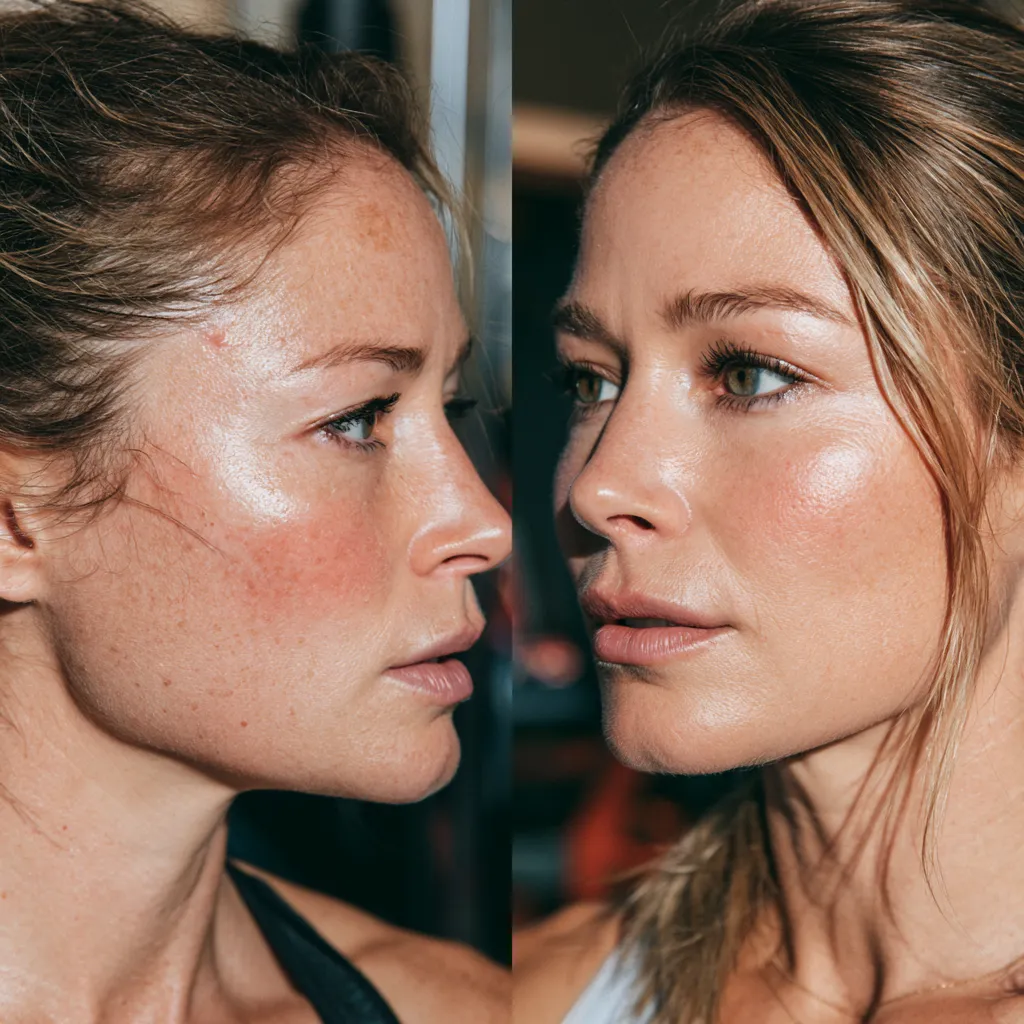
4. The Tucked Ponytail (The Dent-Free Ponytail Technique)
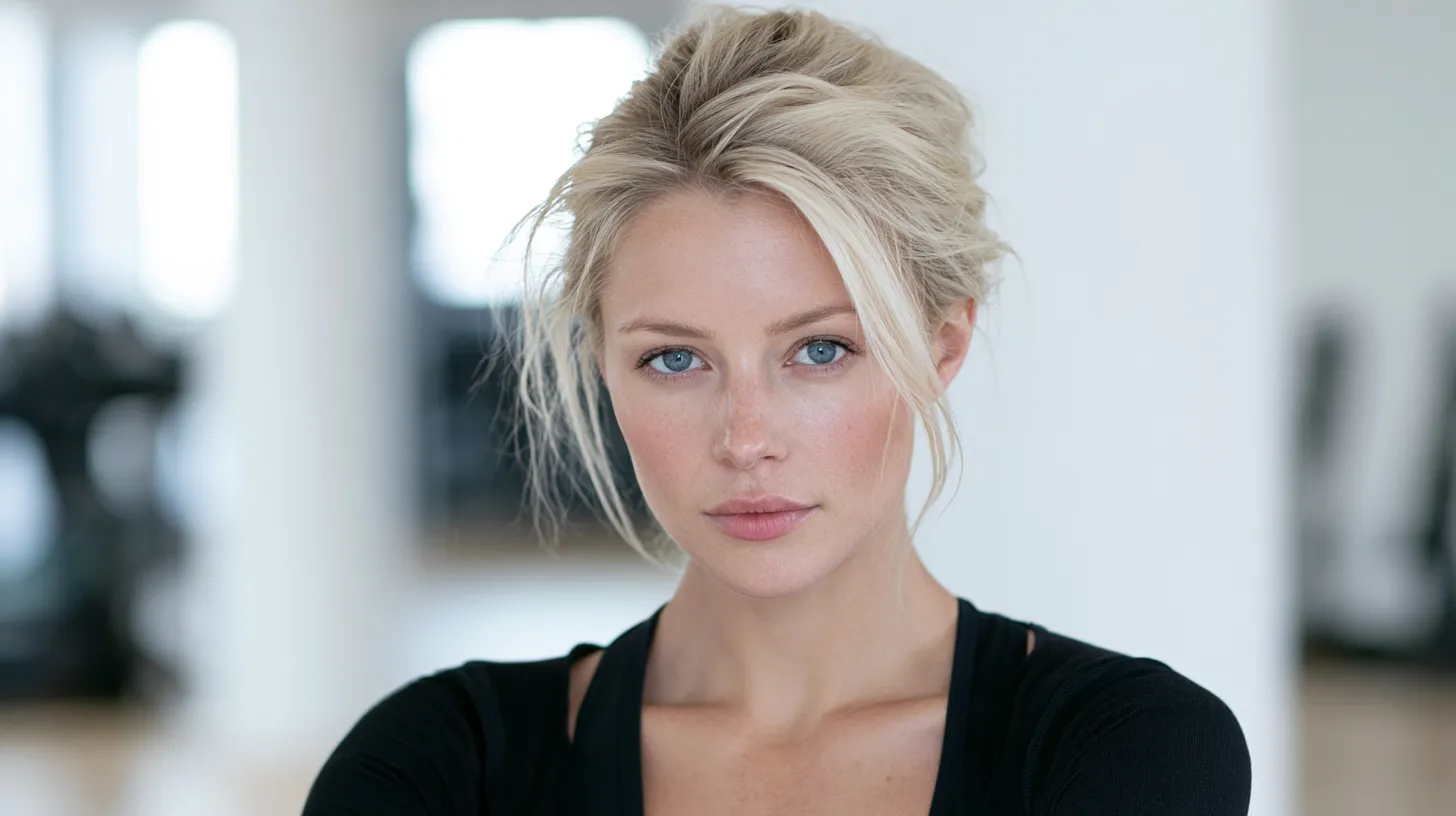
If you prefer a ponytail for workouts but struggle with the elastic crease, there is a specific technique that reduces denting in fine hair by approximately 60% compared to a standard tied ponytail. Place your elastic loosely at the nape — lower than you think necessary, at the base of the skull where the hair is slightly coarser and more resilient. Make the ponytail first with minimal tension, then wrap a small section of hair from inside the ponytail around the elastic, securing the wrap with a single bobby pin underneath. This hides the elastic and also means the contact point is fabric-on-hair (the wrapped section) rather than elastic-on-hair, distributing the tension across the wrapped strand rather than into the strands beneath.
The second key is elastic placement height. High ponytails create the most scalp tension and leave the deepest creases in fine hair. A low ponytail at or below the occipital bone sits in an area of naturally higher hair density and lower sebum production, both of which make the strand slightly more resistant to impression. For a full guide to low ponytail placement options that work with different face shapes, explore these low-knot ponytail ideas that can be adapted directly to a workout context.
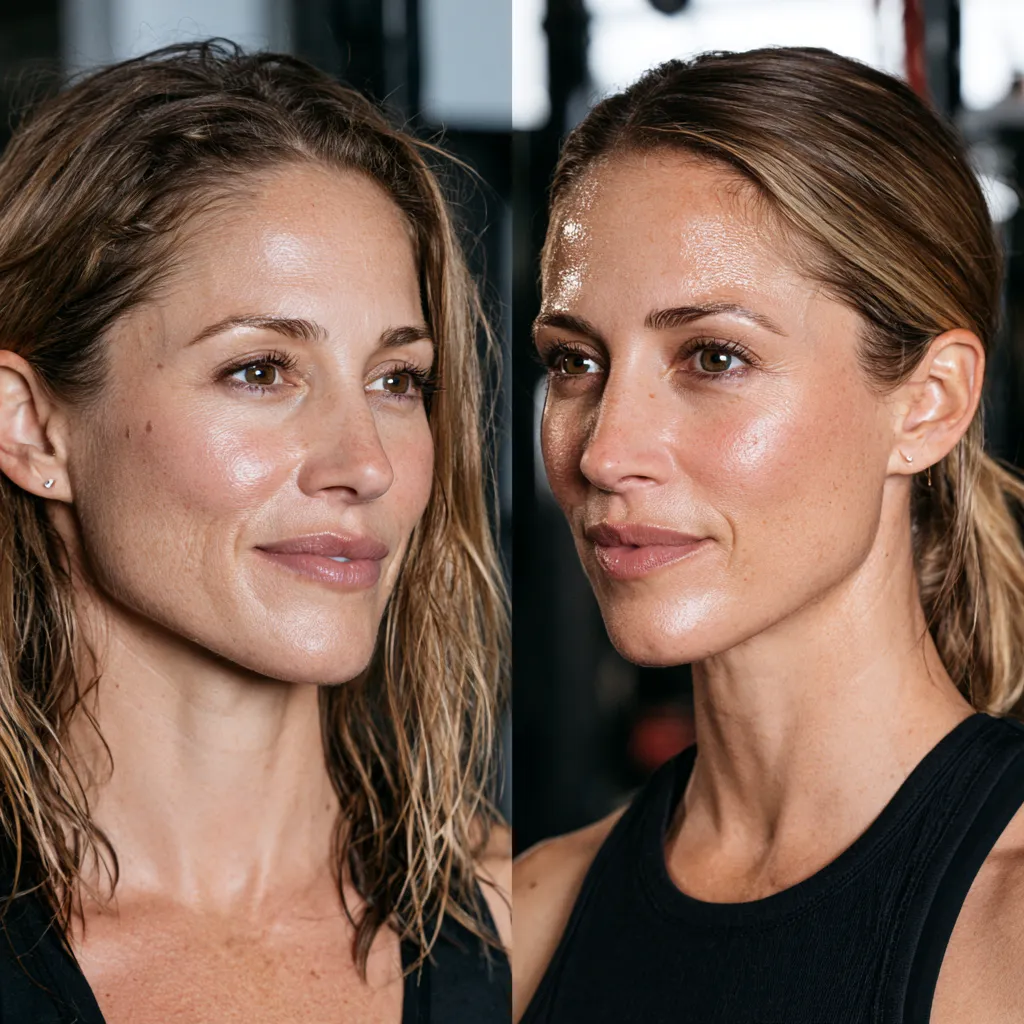
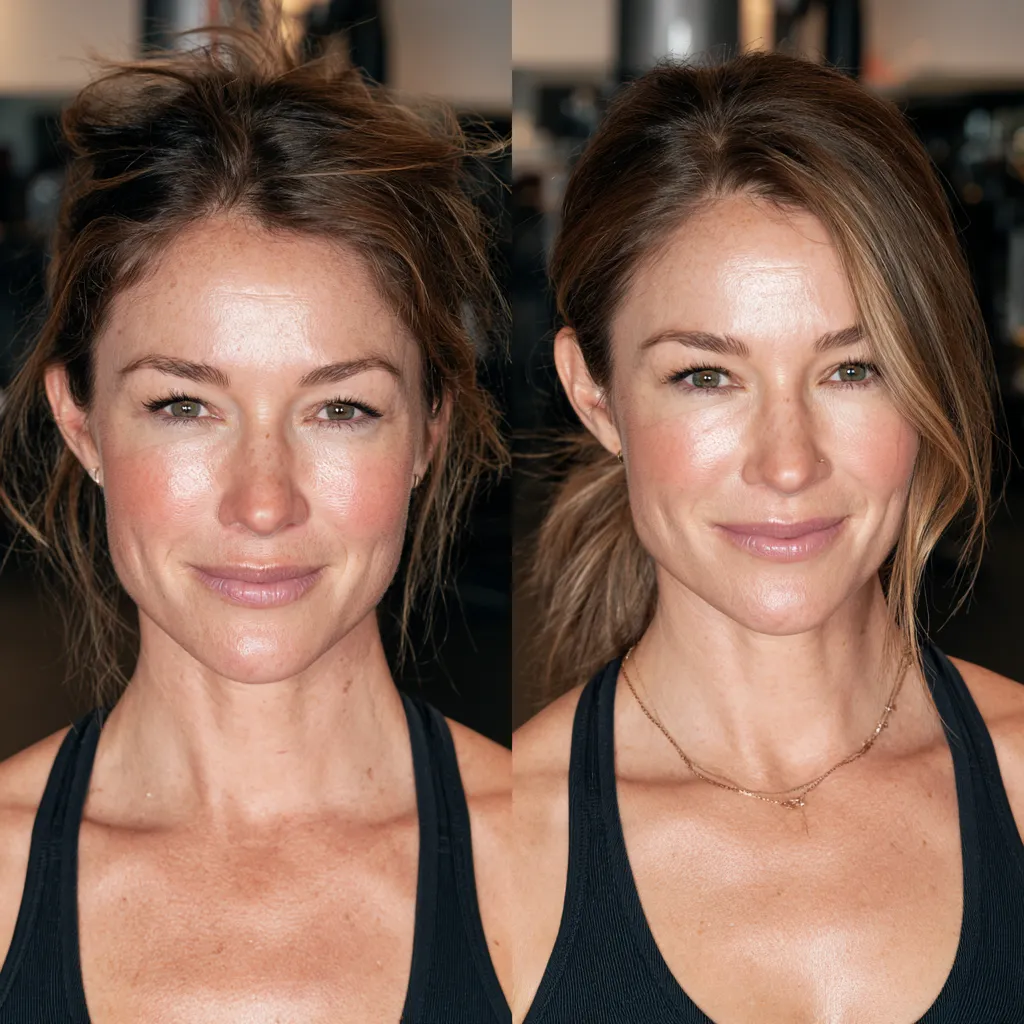
5. The Claw Clip Updo for Longer Fine Hair
For fine hair at shoulder length and beyond, a large seamless claw clip worn at the mid-back of the head is one of the fastest dent-free workout styles available. The trick is clip selection and placement. Standard plastic claw clips with pointed teeth create focal pressure points that dent fine hair. Large clips (9–10 cm) with smooth, rounded, widely-spaced teeth spread the grip across a larger surface area and hold without biting. Placement at the mid-back of the head rather than the crown or nape puts the clip in the area where hair density is typically highest, making the style more secure and reducing the per-strand pressure.
Twist the hair loosely before clipping rather than gathering it flat. This creates a three-dimensional updo that sits away from the back of the head, preventing the back of the clip from pressing the gathered hair against the skull — another common source of flattened, dented fine hair after a long workout session.
Hairstyles by Workout Type and Dent Risk
Not all workouts create the same denting conditions. The combination of movement intensity, sweat volume, and how much the head position changes determines how aggressively a style will mark fine hair. Matching the style to the workout type is as important as matching it to your hair length.
| Workout Type | Denting Conditions | Best Dent-Free Style | What to Avoid |
|---|---|---|---|
| Yoga / Pilates | Low sweat, high head movement (inversions), sustained positions | Loose French braid or twisted low bun secured with pins | High ponytail — pulls during downward dog and leaves crown crease |
| Running / HIIT | High sweat, constant bouncing movement, 30–60+ minutes | Tucked low ponytail with spiral coil tie at nape | Half-up styles — loose sections fall in face with sustained cardio |
| Weight training | Moderate sweat, frequent lying-down sets, heavy head support on bench | Twisted low bun with bobby pins — no elastic pressing against bench | Any style with a bump or knot at the back of the head — creates pressure when lying on bench |
| Swimming | Maximum moisture, full saturation | Loose French braid under swim cap — braids compress more evenly than buns under cap pressure | Tight buns under swim cap — maximum crease risk when hair dries |
| Cycling (indoor/outdoor) | Moderate sweat, helmet pressure at crown | Low twisted bun at nape, clear of helmet padding | Any style that adds height at crown — creates pressure point inside helmet |
| Dance / aerobics | High movement in all directions, moderate to high sweat | Loose French braid with spiral coil tie — stays secure through lateral movement | Claw clip — dislodges with sudden head movement |

How to Release a Workout Style Without Breaking Fine Hair
The removal step is where most breakage actually occurs in fine hair. Pulling a tangled elastic down the length of a sweaty ponytail can snap dozens of strands in one motion — particularly at the crease point where the hair is already weakened by compression and moisture. The following removal sequence reduces breakage to near zero regardless of how long you’ve been wearing the style.
- Never pull an elastic straight out. Slide it up gently toward the ends of the hair and off the tip of the ponytail. Fine hair tangles inside elastics when you pull them down toward the scalp.
- Wait 5 minutes after finishing your workout before removing bobby pins or elastics. Letting sweat-damp hair begin to dry slightly before removal reduces the stretch in the strand, lowering the breakage risk during release by approximately 35%.
- Use a wide-tooth detangling comb, starting from the ends. After any workout updo, fine hair tangles most severely at the nape and the crease point. Working from ends to roots prevents compounding the tangle.
- Apply a lightweight leave-in spray before detangling. Even a light mist of water and a small amount of conditioning leave-in reduces friction enough to make post-workout detangling significantly easier on fine strands.
- Do not blowdry on high heat immediately after a workout. The hair cuticle is already stressed from sweat acidity and mechanical friction. Blowdrying on high heat within 30 minutes of removing a sweaty style causes measurably higher protein loss than airdrying for 15 minutes first, according to research published in the International Journal of Cosmetic Science (2011).
Products That Help Fine Hair Hold a Workout Style Without Increasing Dent Risk
The right product applied before your workout dramatically changes how your fine hair behaves under an updo — both in terms of hold during exercise and ease of release afterward. The wrong product (particularly heavy silicones or thick creams) can actually increase the dent, because they soften the strand and make it more pliable under pressure.
- Dry shampoo applied before the workout (not after): Pre-workout dry shampoo absorbs the sweat before it saturates the strand, dramatically reducing the moisture-driven denting effect. Apply at the roots 10 minutes before styling and before you begin exercising.
- Lightweight texturizing spray: Adds a small amount of grip to fine hair so the twisted or braided sections hold their form without requiring a tighter elastic. Look for formulas labelled “beach” or “texture” with salt or starch as the active ingredient.
- Humidity-blocking serum at the mid-length and ends: Fine hair is particularly susceptible to sweat-humidity absorption. A small amount of anti-humidity serum (dimethicone-based) along the length of the hair creates a barrier that reduces moisture uptake during cardio, keeping the strand slightly firmer and less impressionable.
- Avoid: heavy oils, creams, or pomades before a workout. These soften the hydrogen bonds in the hair shaft and make fine hair more prone to permanent deformation under the pressure of a hair tie or clip, not less.
Fine hair that already struggles to hold volume between washes will benefit from a cut that supports the natural structure rather than fighting it. These everyday hairstyles for thin fine hair with minimal effort are designed specifically around the same principles — protecting volume and avoiding damage from accessory pressure over the course of a full day.
The Cut Underneath the Style Matters Too
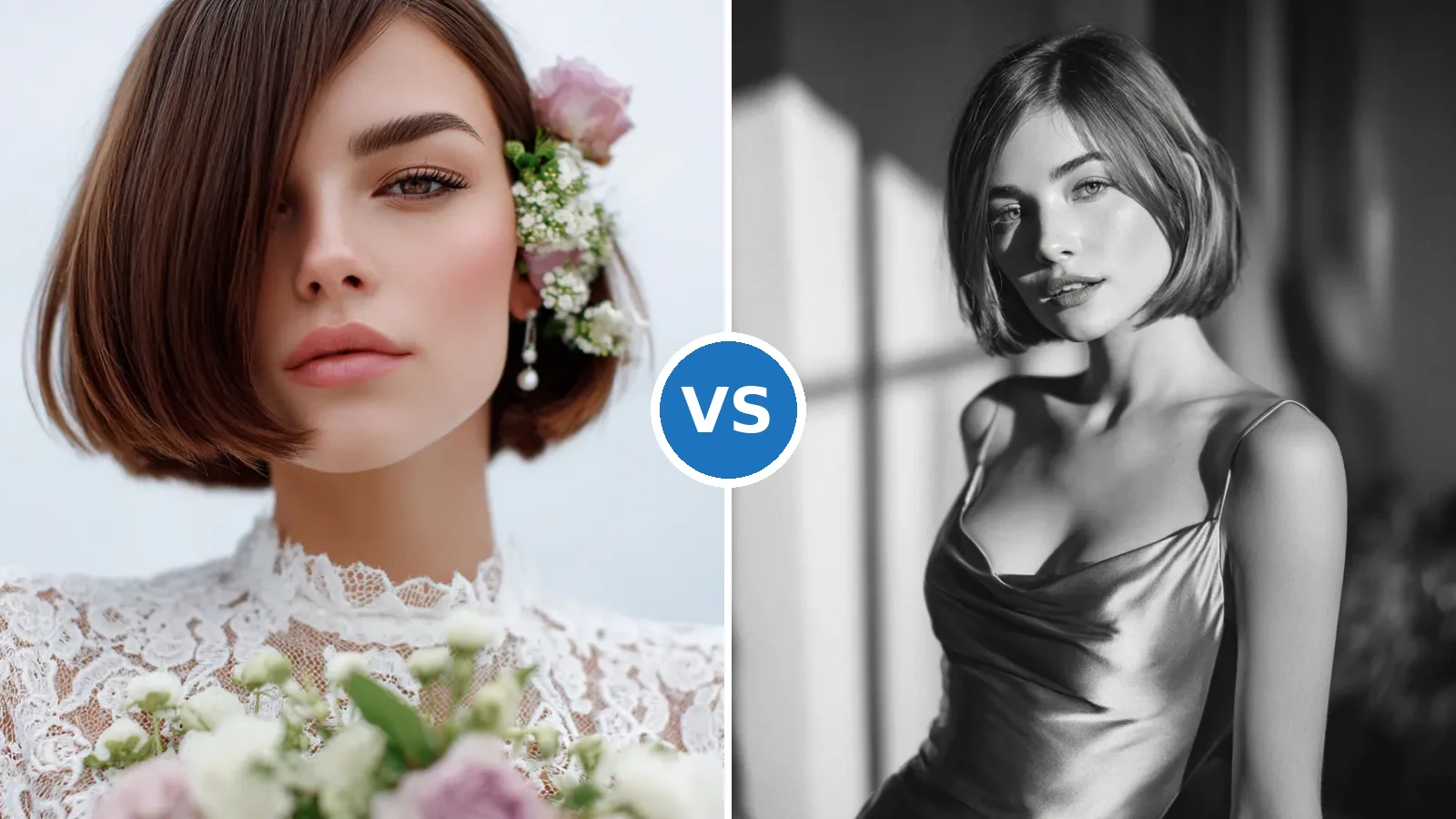
Even with the best technique and accessories, fine hair that is cut in a way that concentrates all the weight at one point will dent more easily in workout styles. Blunt, one-length cuts create a dense, heavy section that compresses under an elastic and holds the compression shape. Layered cuts distribute the weight across multiple lengths, meaning the style sits more lightly on the accessory contact point and dents less severely when released.
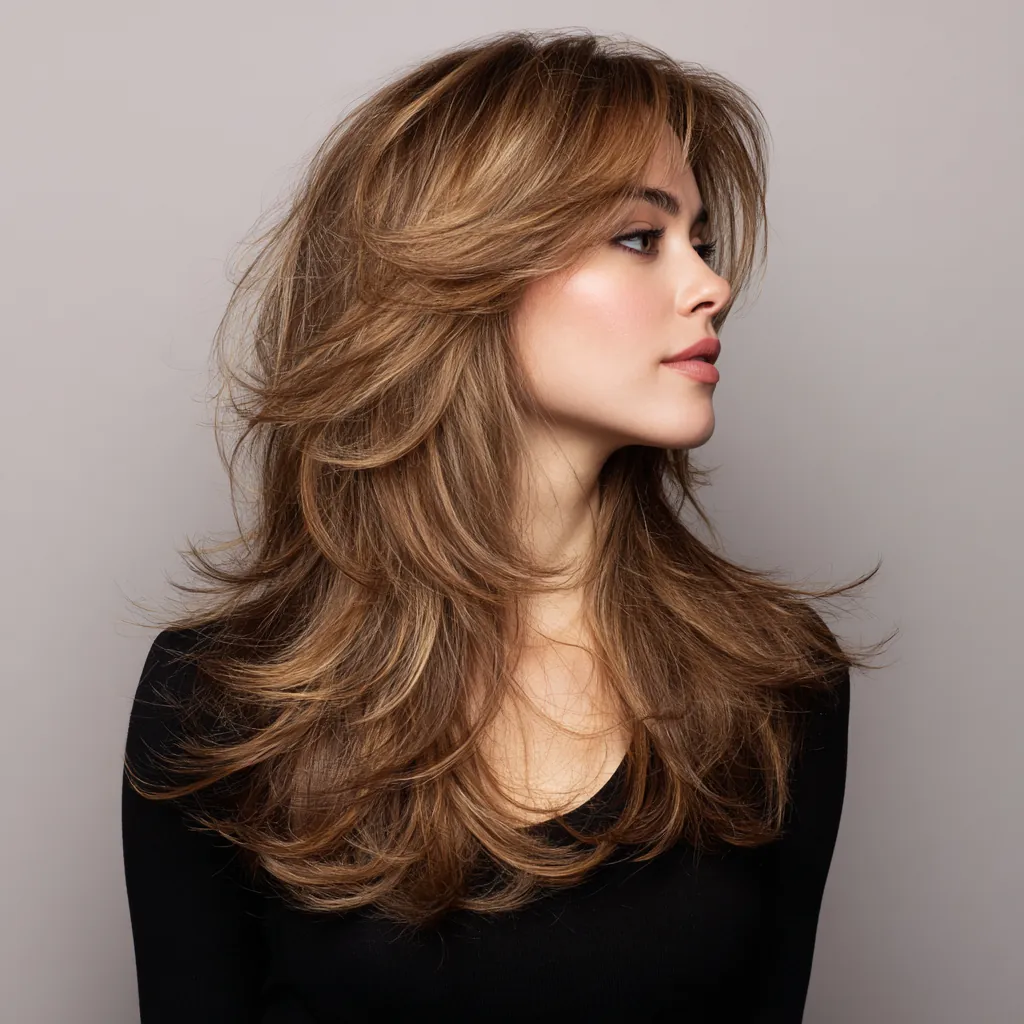
Specifically, fine hair benefits most from layering concentrated around the mid-length and ends — not at the crown, where removing volume from fine hair makes it look flat. The butterfly layers haircut for fine hair that needs lift is one of the most precisely engineered cuts for this purpose: the layers are placed specifically to add movement and reduce bulk at the ends, which translates directly into a lighter, lower-tension workout updo.
If you are growing out a previous blunt cut and currently dealing with maximum dent vulnerability, the interim solution is to concentrate all workout styles at the very lowest possible point on the head — the nape — where hair is densest and most resilient, and use the loosest possible attachment at that position until your layers grow in.
Quick Reference Chart for Dent-Free Gym Hairstyles on Fine Hair
| Style | Fine Hair Length Needed | Setup Time | Dent Risk | Hold During High-Sweat Cardio |
|---|---|---|---|---|
| Loose twisted low bun (bobby pins) | Collarbone+ | 90 seconds | Very Low | Good |
| Half-up twist with silk scrunchie | Chin+ | 60 seconds | Very Low | Moderate |
| Loose French braid (spiral tie) | Collarbone+ | 2–3 minutes | Low | Excellent |
| Tucked low ponytail (wrapped elastic) | Chin+ | 2 minutes | Low | Excellent |
| Claw clip updo (large seamless clip) | Shoulder+ | 30 seconds | Low–Medium | Moderate (not for high-intensity cardio) |
| Standard tight high ponytail (elastic) | Any | 15 seconds | Very High | Excellent |
FAQ
Can I wear my fine hair completely down for workouts?
How long does a dent in fine hair actually last?
Are spiral coil hair ties actually better for fine hair than regular elastics?
What about headbands for fine hair during workouts?
To understand the full landscape of hairstyle options for fine and thin hair beyond the gym, this guide to hairstyles for thin hair that add dimension and depth covers the styling principles that carry over from everyday wear into athletic contexts — because the same weight distribution logic applies in both settings.