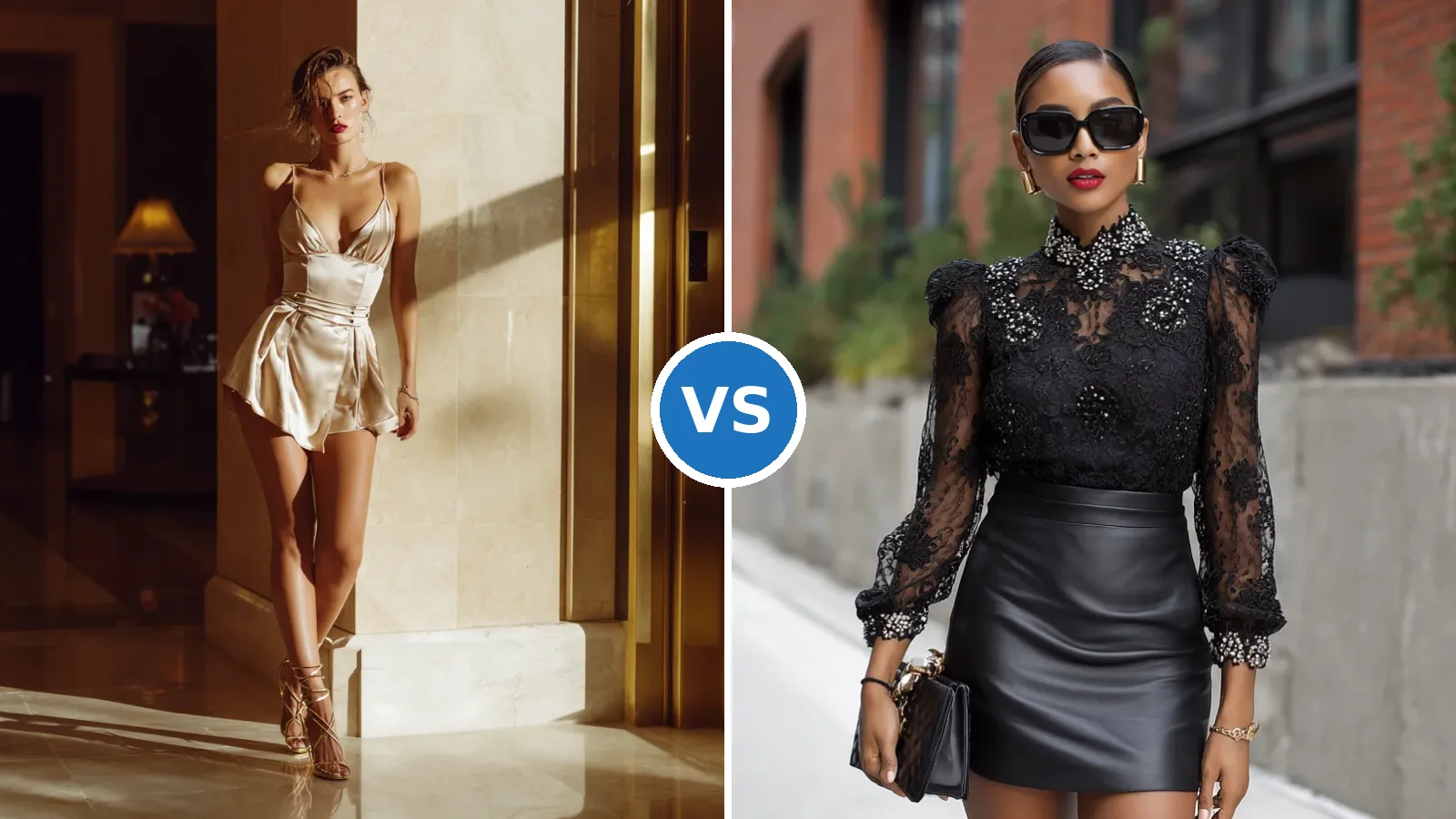
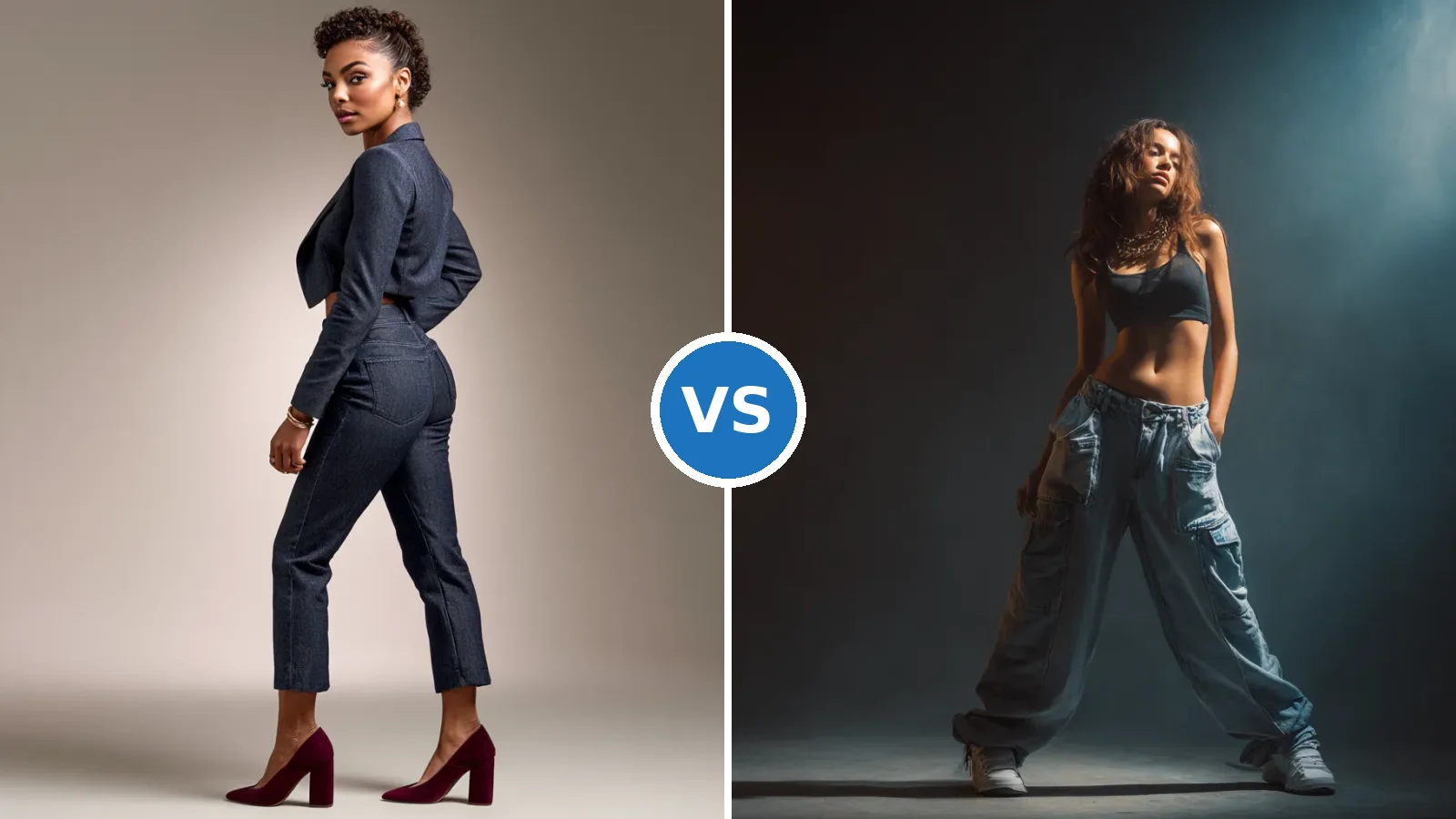
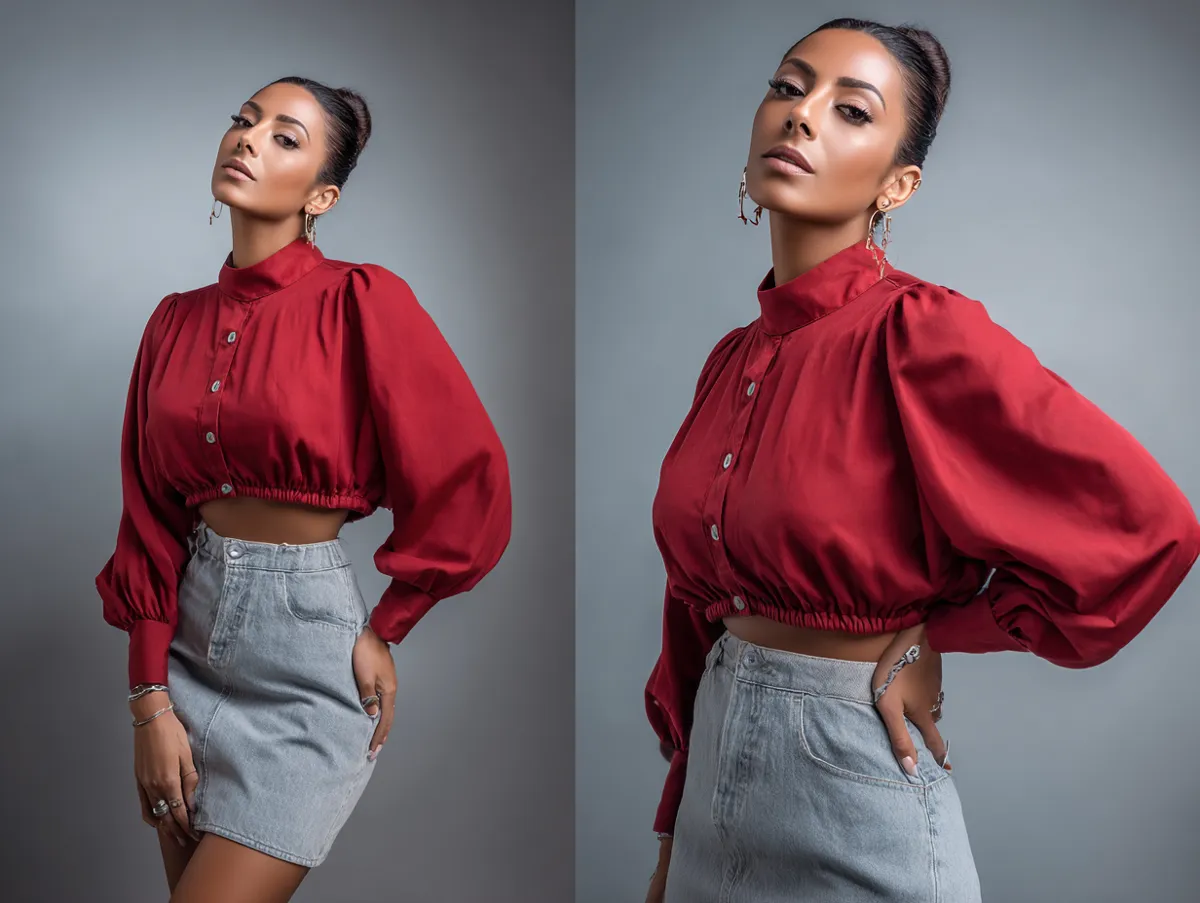
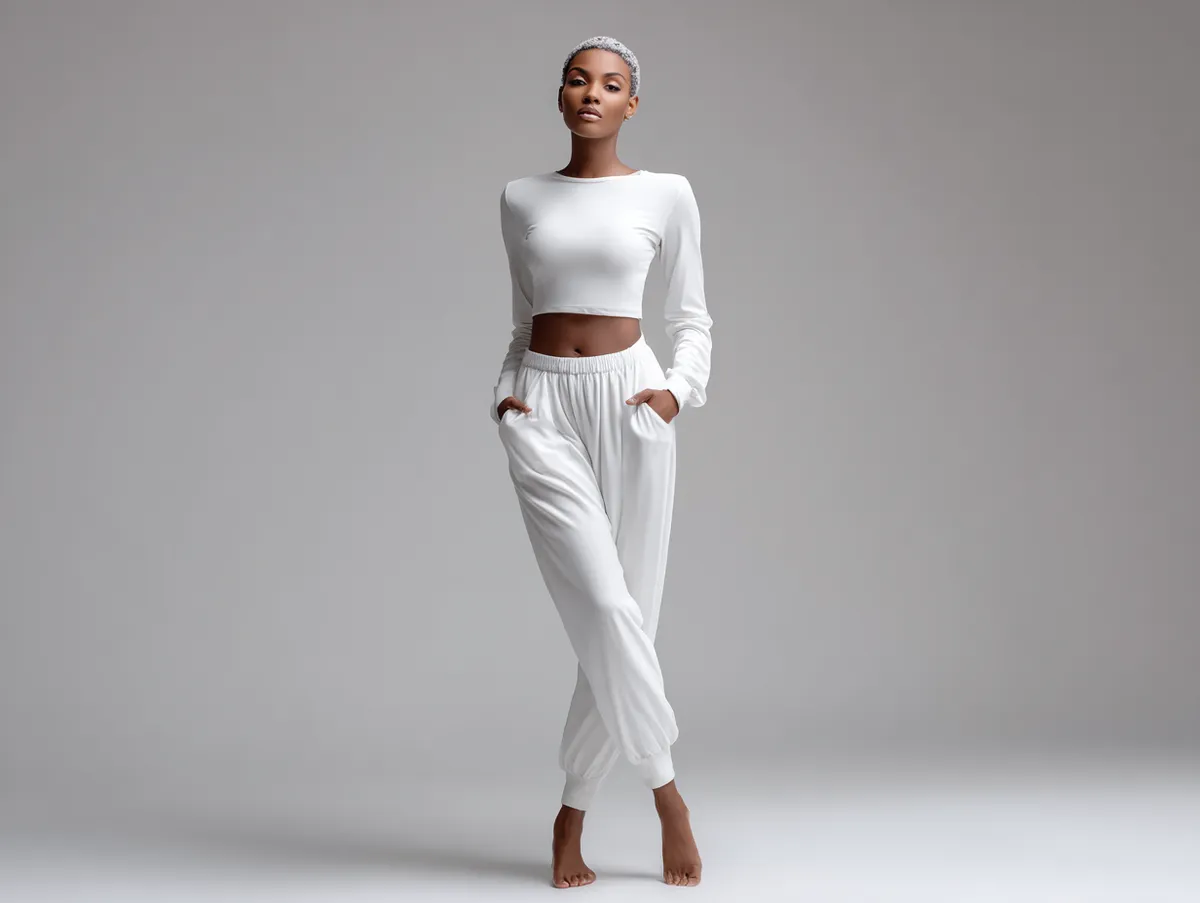
The hourglass figure is statistically rare — only about 8% of women naturally carry this silhouette, according to a 2010 North Carolina State University body shape study that measured over 6,000 women. Yet it is the shape the fashion industry designs toward, which means hourglass women face a paradox: clothes are built for their proportions in theory, but often fail them in practice because they ignore the actual rules that make the silhouette land.
This guide breaks down exactly how to style outfits for hourglass body shape women — not as inspiration, but as a working system. You will understand what defines the shape, which silhouettes reinforce it, which pieces sabotage it, and how to build looks that work across every dress code from desk to dinner.
What Actually Defines an Hourglass Body Shape
The hourglass silhouette is defined by three measurements that sit in specific proportion to one another. The bust and hips are roughly equal in width — typically within 1 inch of each other — while the waist is significantly narrower, usually 8 to 12 inches smaller than both. The shoulders align closely with the hips, creating balanced top-to-bottom symmetry that most body shapes do not have.
In real numbers: a classic hourglass might measure 36–24–36, or 40–28–40, or 34–25–35. The specific inches do not matter — the ratio does. If your waist is at least 25% narrower than your bust and hips, and both bust and hips are within roughly 5% of each other in width, you are working with an hourglass frame.
Understanding this matters because styling for hourglass is not about adding curves — the curves exist. It is about choosing clothes that reveal the waist rather than hiding it, balance the top and bottom halves, and do not disrupt the natural symmetry of the frame.
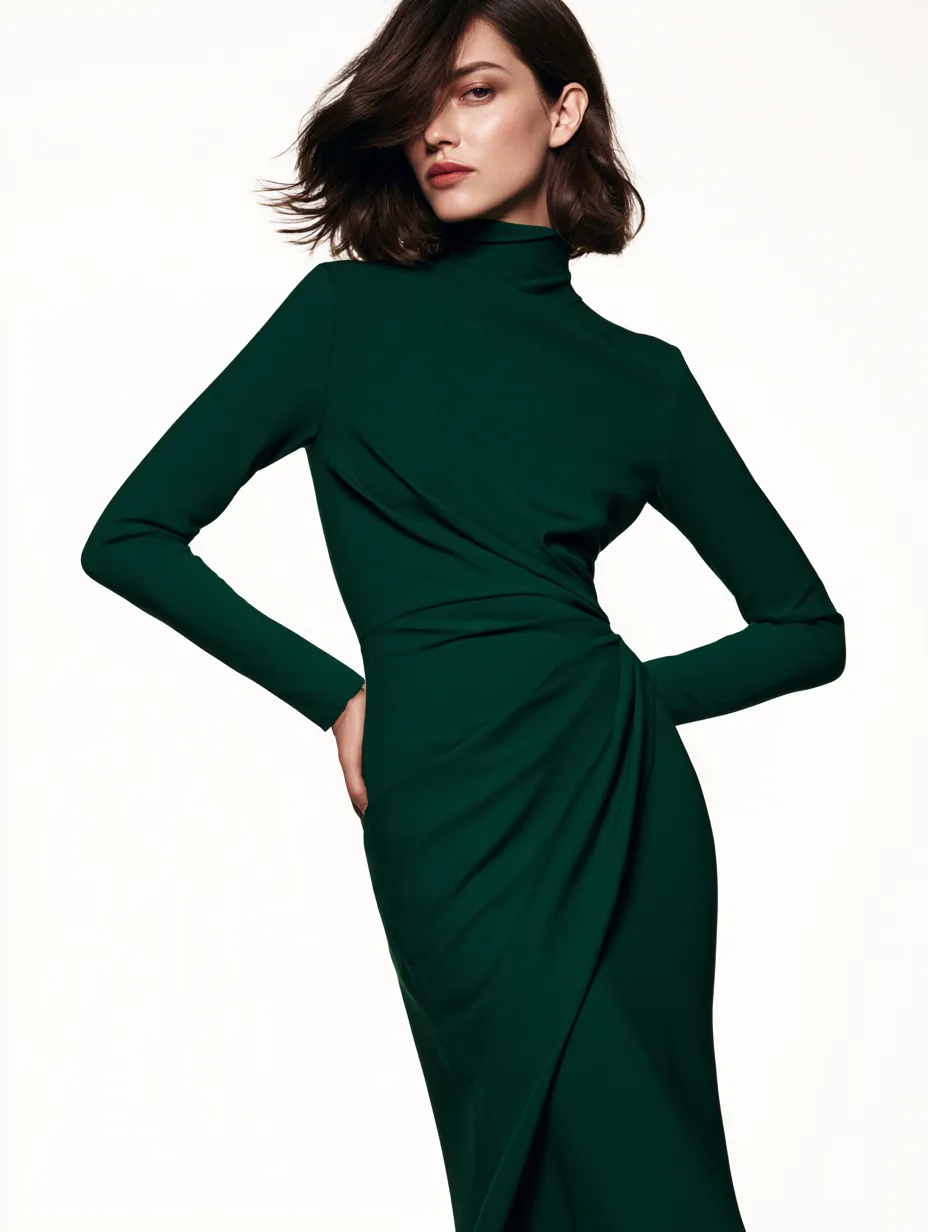
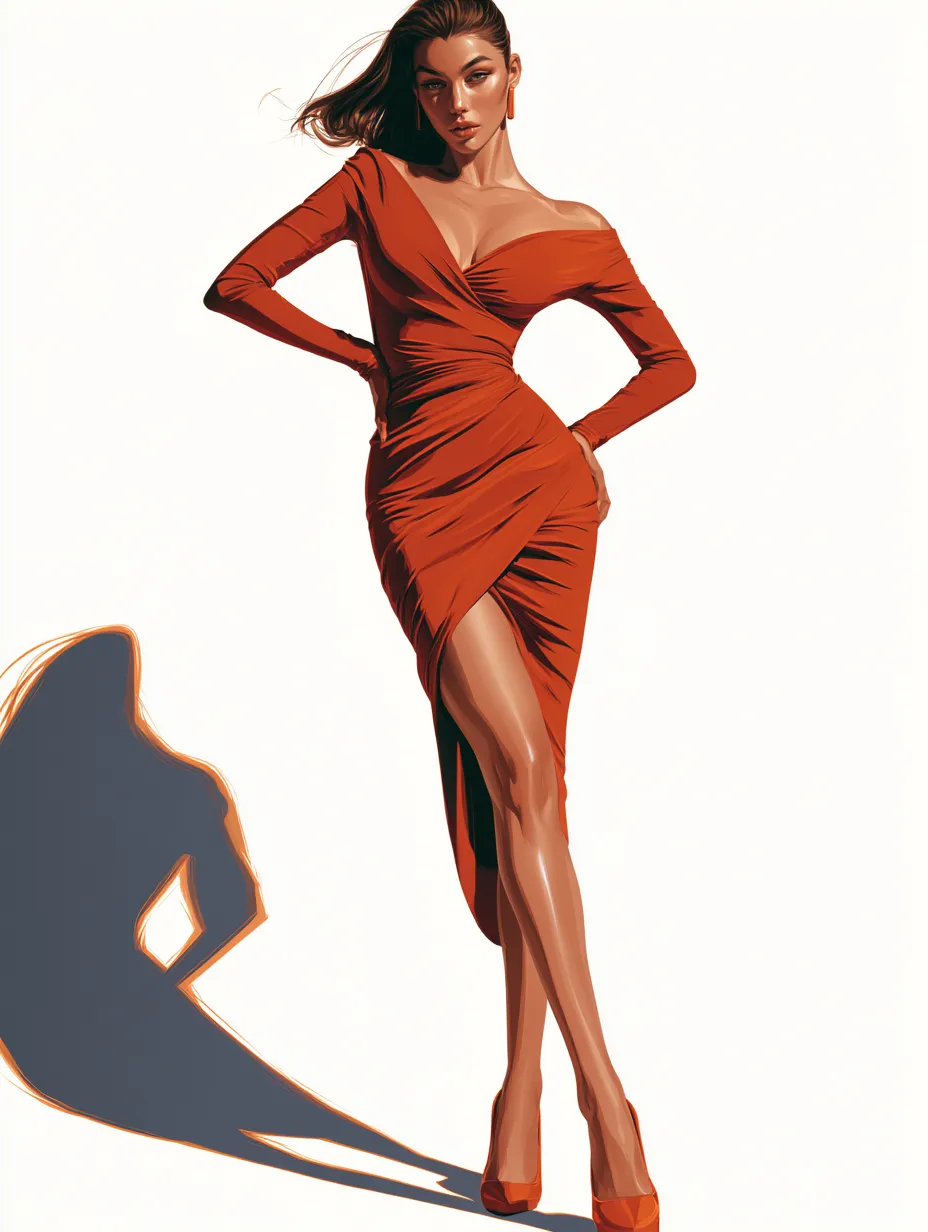
The Core Rule That Makes Every Hourglass Outfit Work
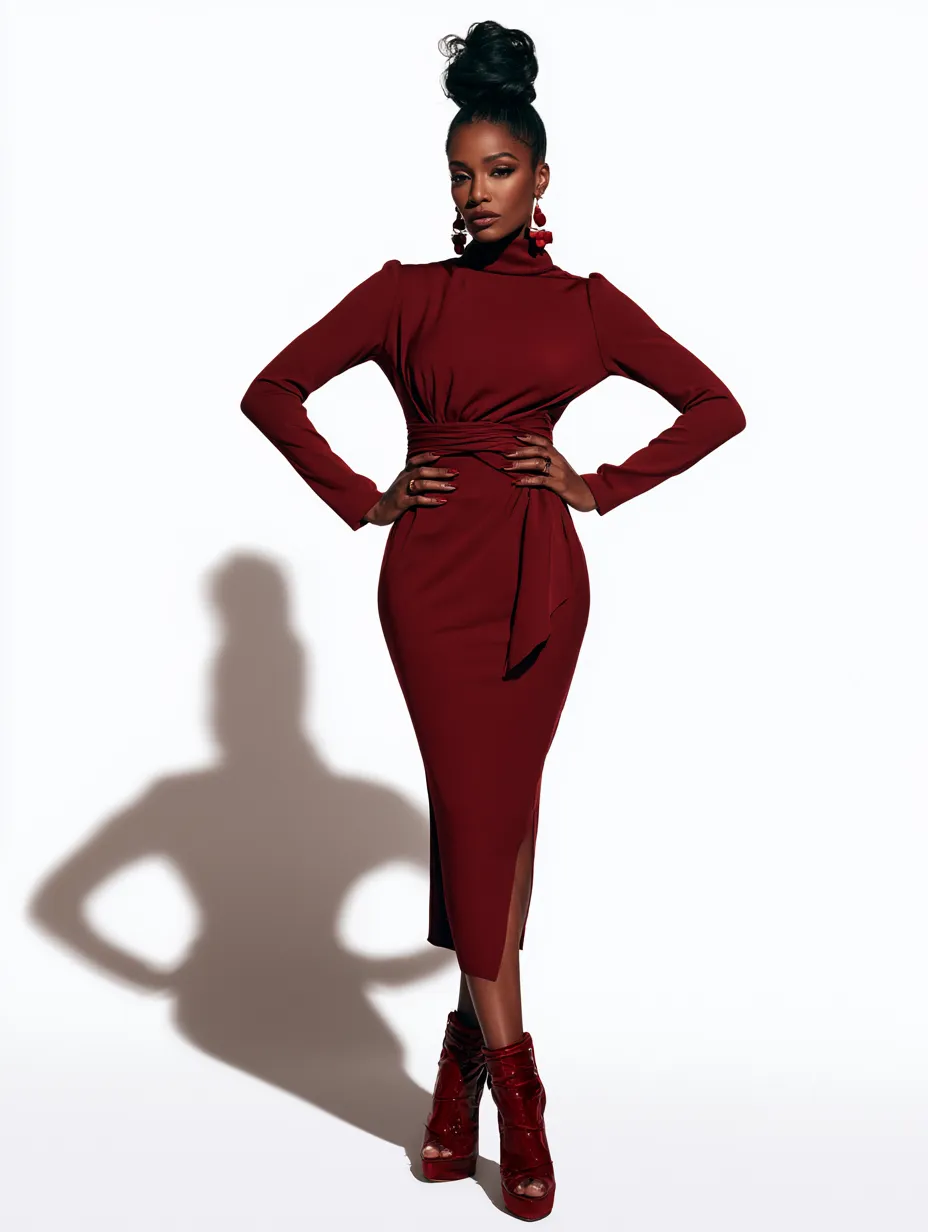
Every piece of advice in this guide flows from one principle: define the waist, then balance what sits above and below it. An hourglass shape has a natural indentation at the waist — the styling job is to make clothes acknowledge that indentation rather than drape over it or cut across it in the wrong place.
When clothing sits on the waist at its natural narrowest point, the brain reads the hourglass silhouette automatically. When fabric skims from shoulder to hip in a straight line — as it does in a boxy blazer or an A-line dress that does not pull inward — it eliminates the waist visually and turns an hourglass into a rectangle. This is the single most common mistake hourglass women make when dressing: avoiding fitted clothes out of concern for appearing “too curvy,” and in doing so, removing the very feature that makes the silhouette striking.
The Best Clothing Styles for Hourglass Body Shape Women
Wrap Dresses and Tops
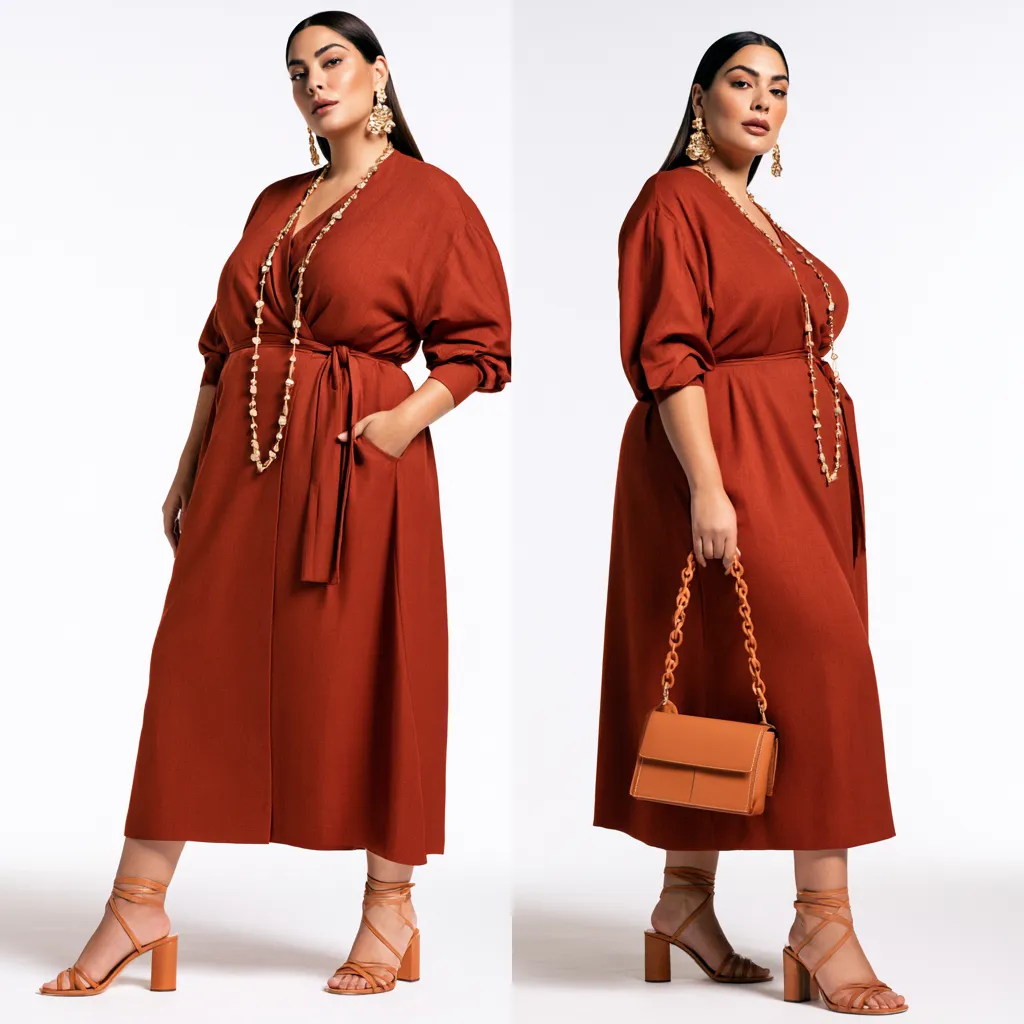
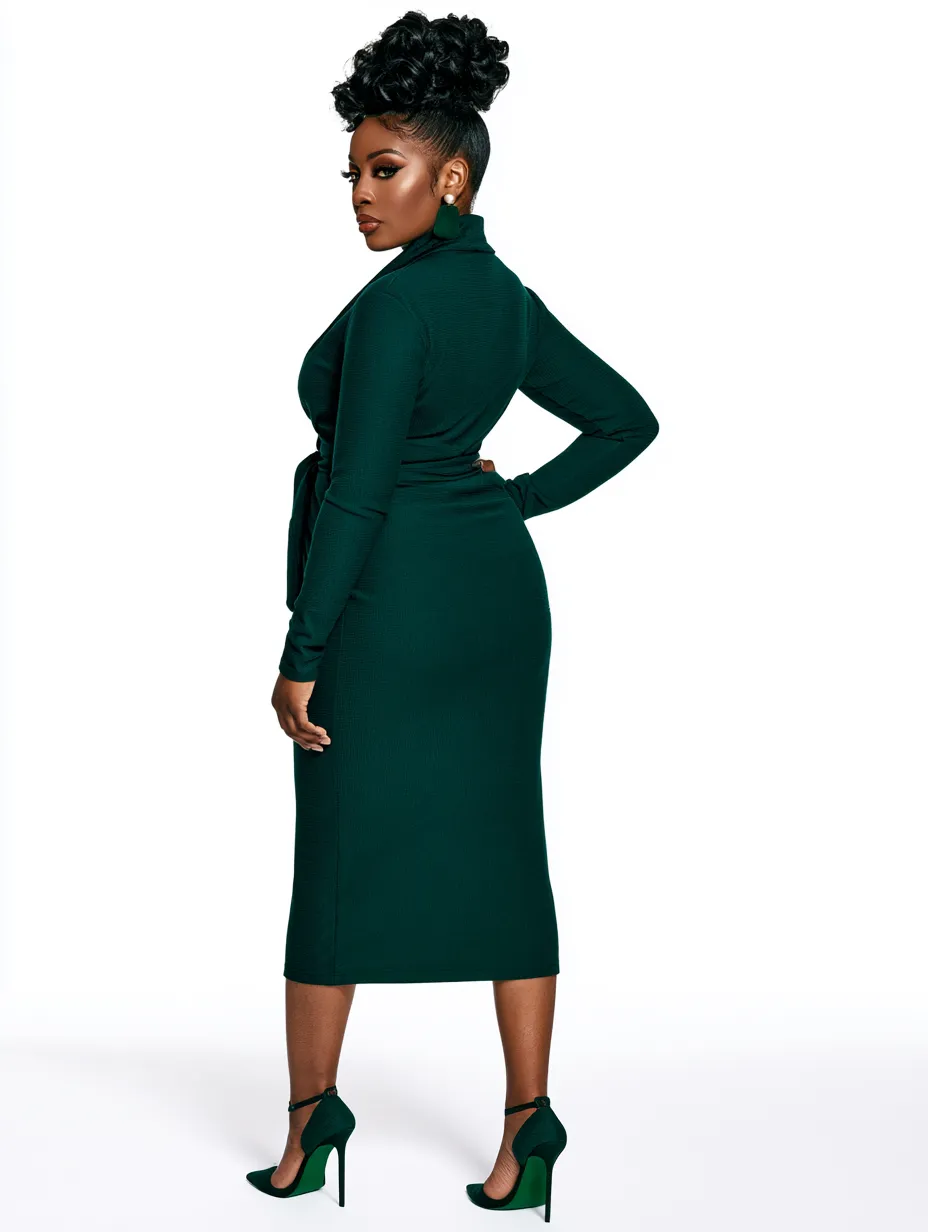
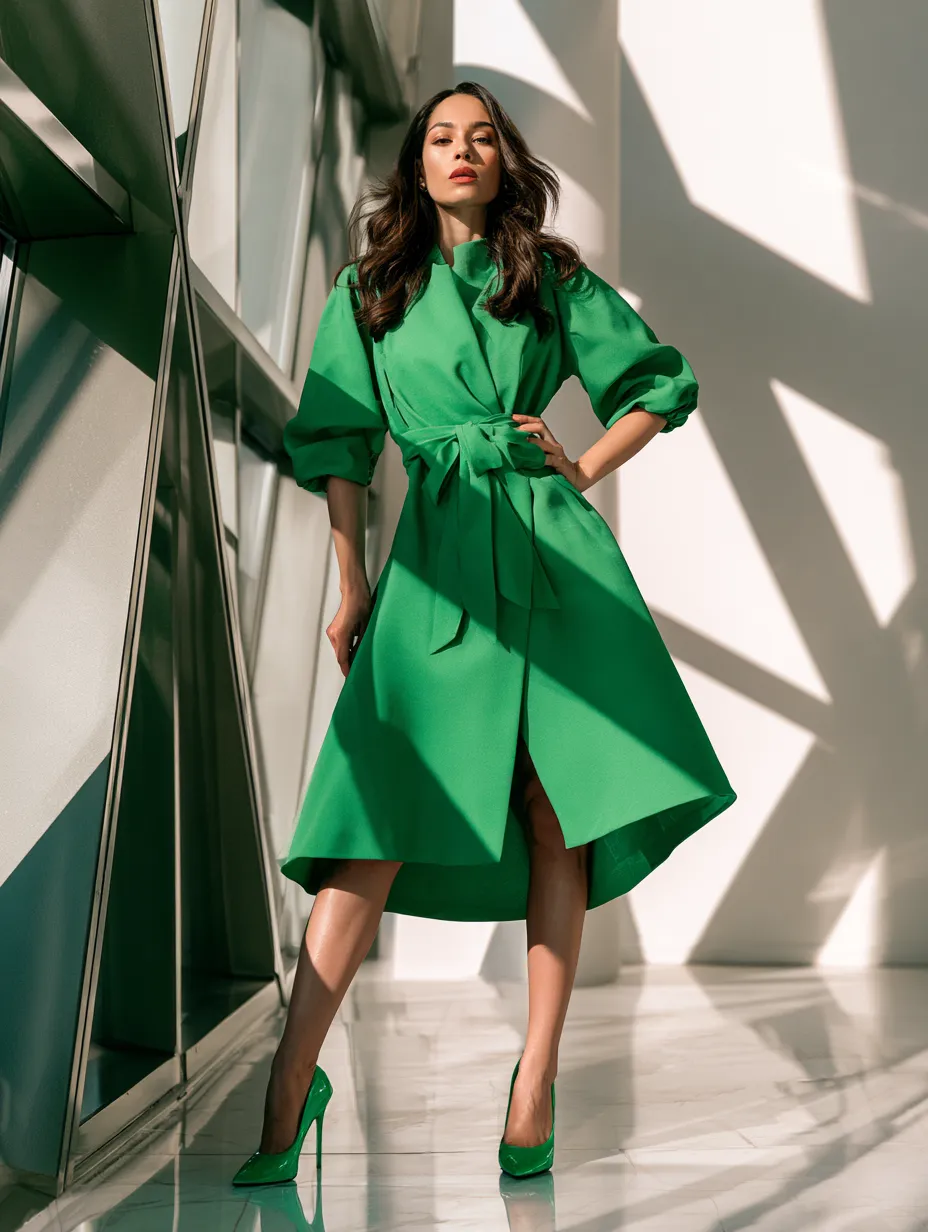
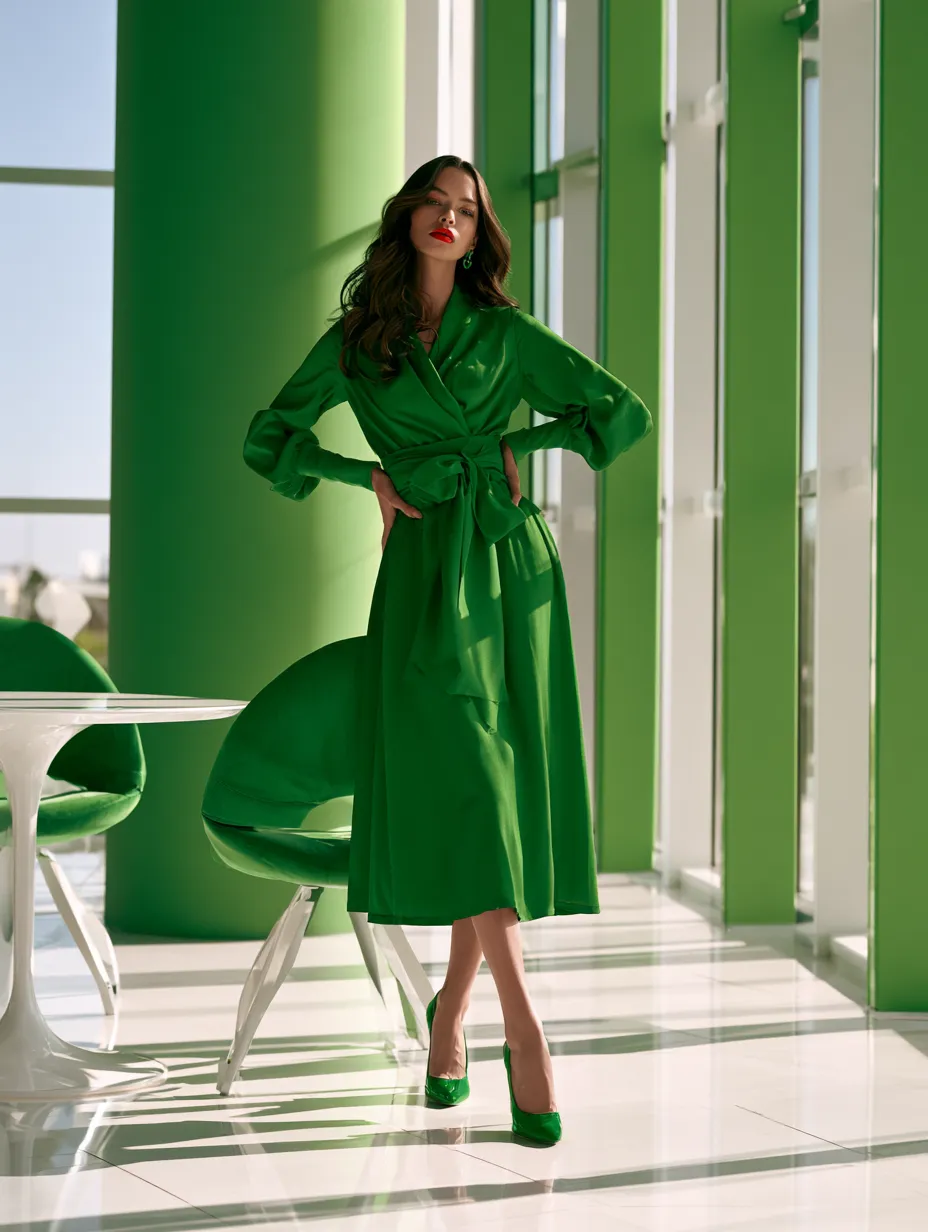
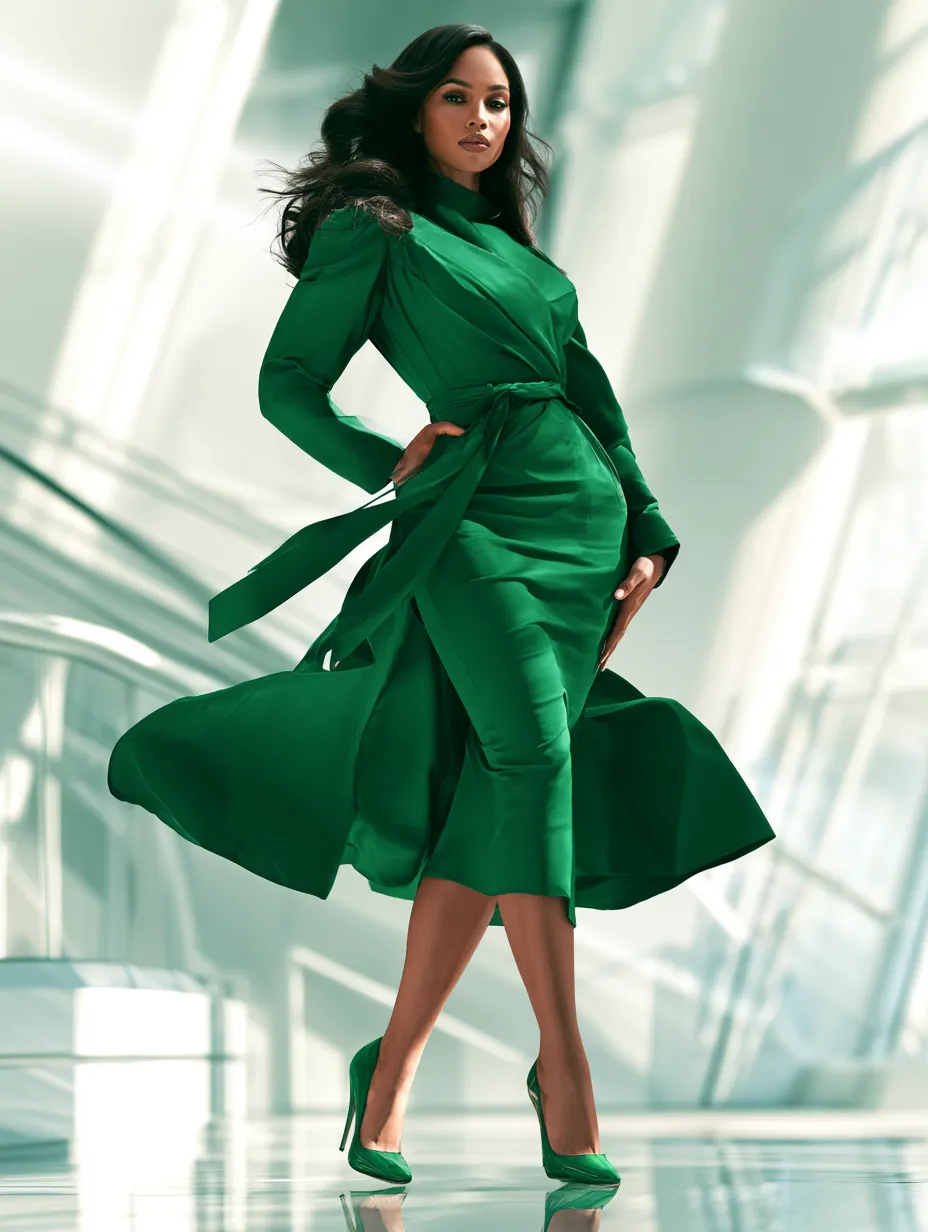
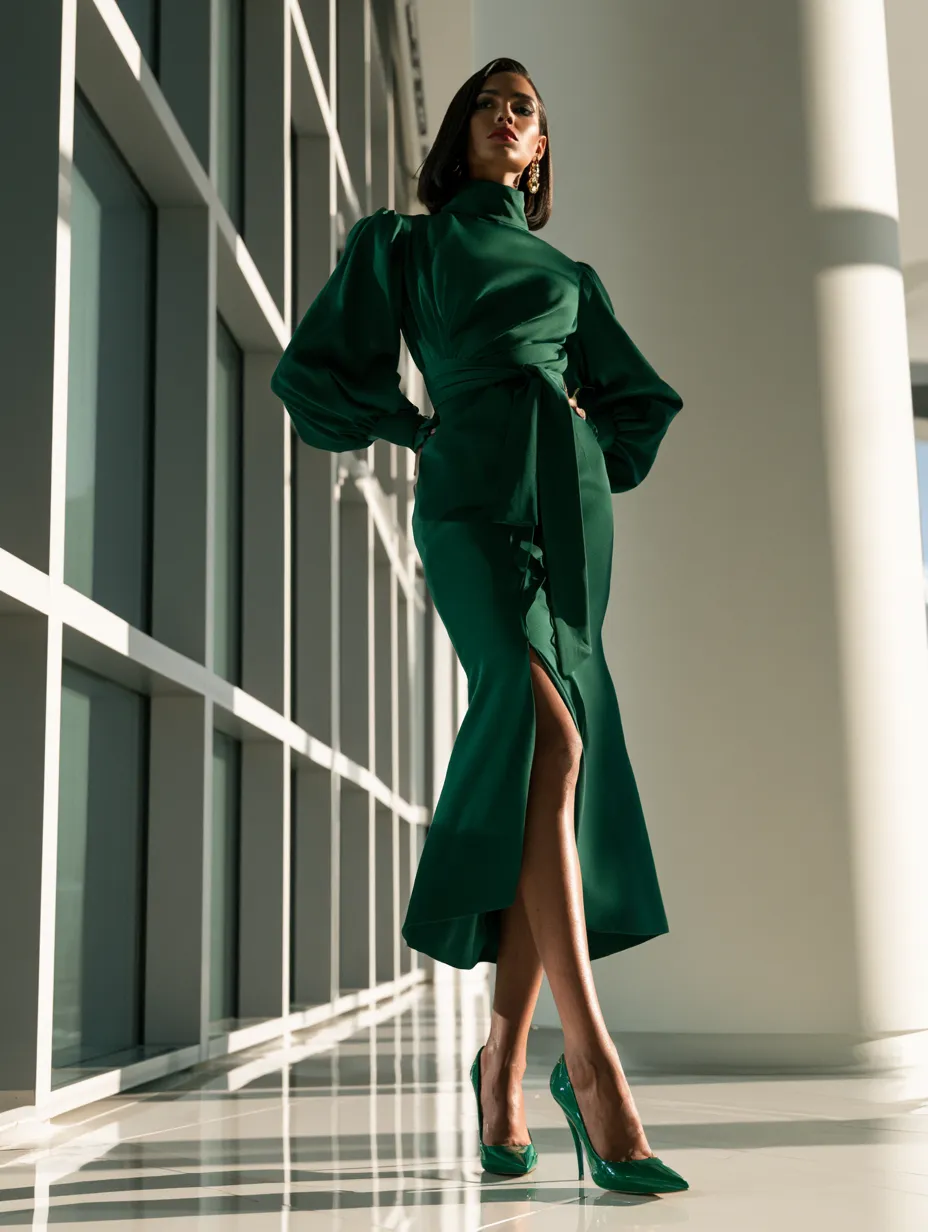
The wrap dress was essentially engineered for the hourglass figure. Diane von Fürstenberg introduced the wrap dress in 1974 precisely because it worked on curves — the diagonal neckline draws the eye across the chest, the tied waist sits exactly at the narrowest point and adjusts to any waist-to-hip ratio, and the draped skirt falls cleanly over the hips without pulling. By 2024, the wrap dress remained one of the top 10 bestselling dress silhouettes globally, and its appeal to hourglass shapes is unchanged.
In a wrap top, the same logic applies. Pair it with straight-leg trousers, high-waisted jeans, or a midi skirt and you have a complete outfit formula that works in three minutes and reads as intentional in every context.
Bodycon and Fitted Knit Dresses
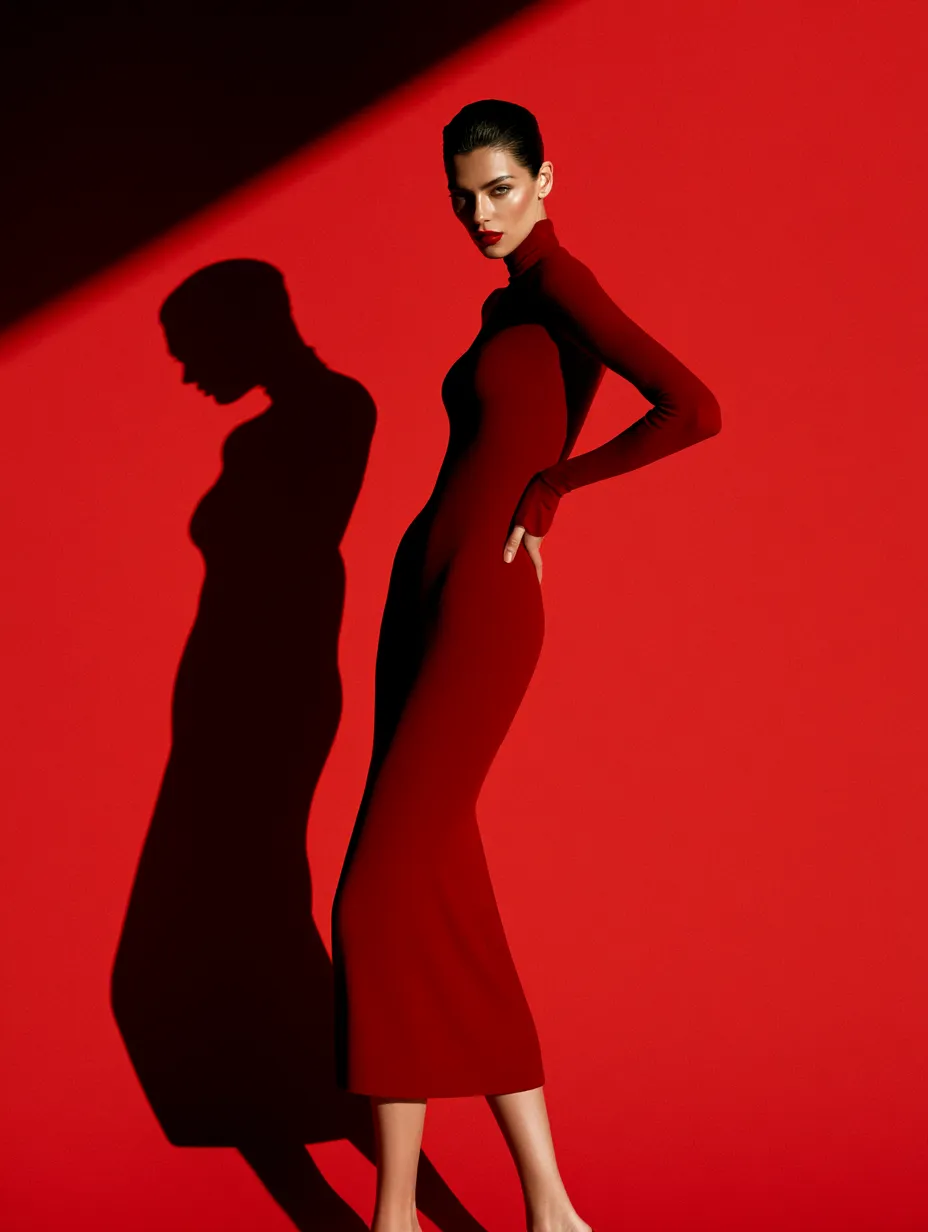
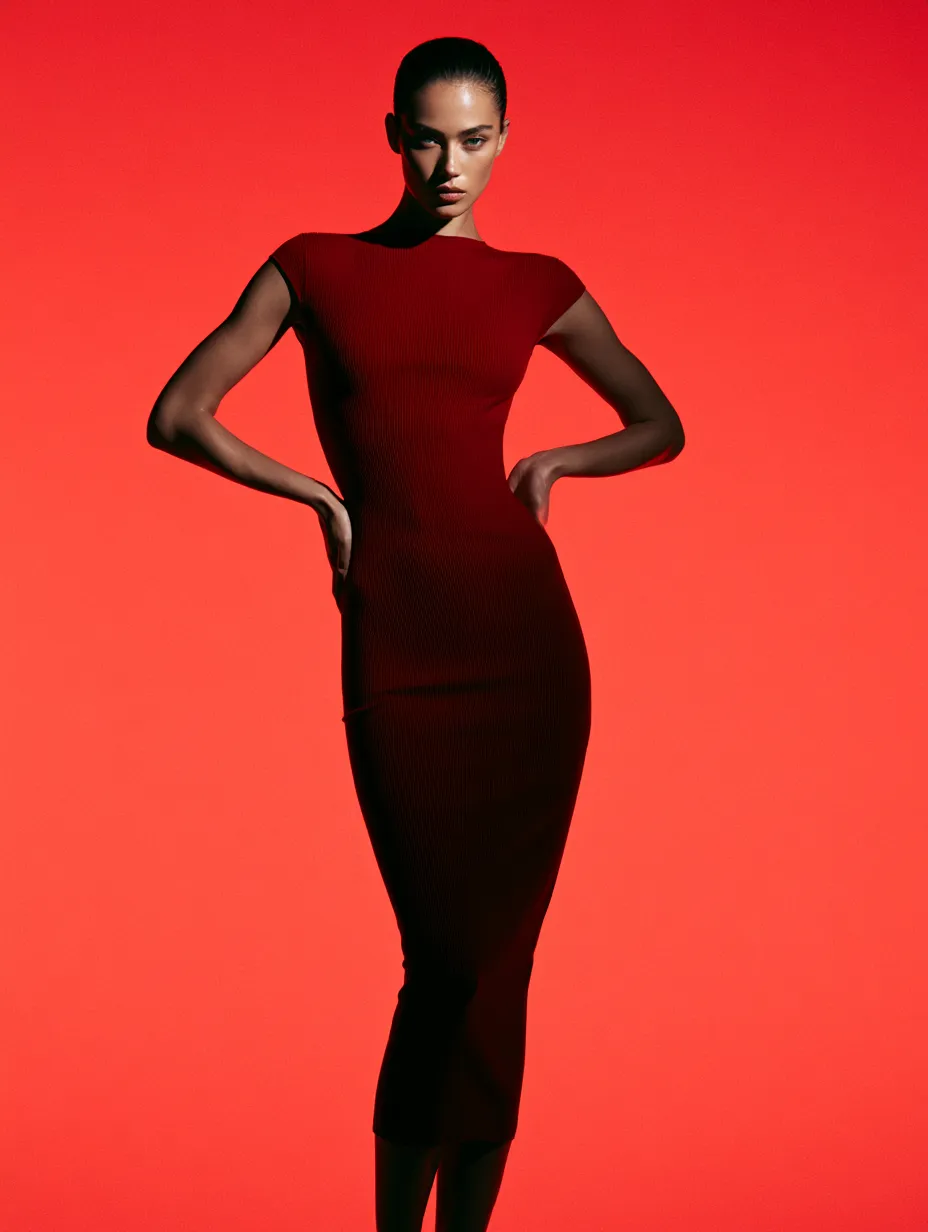
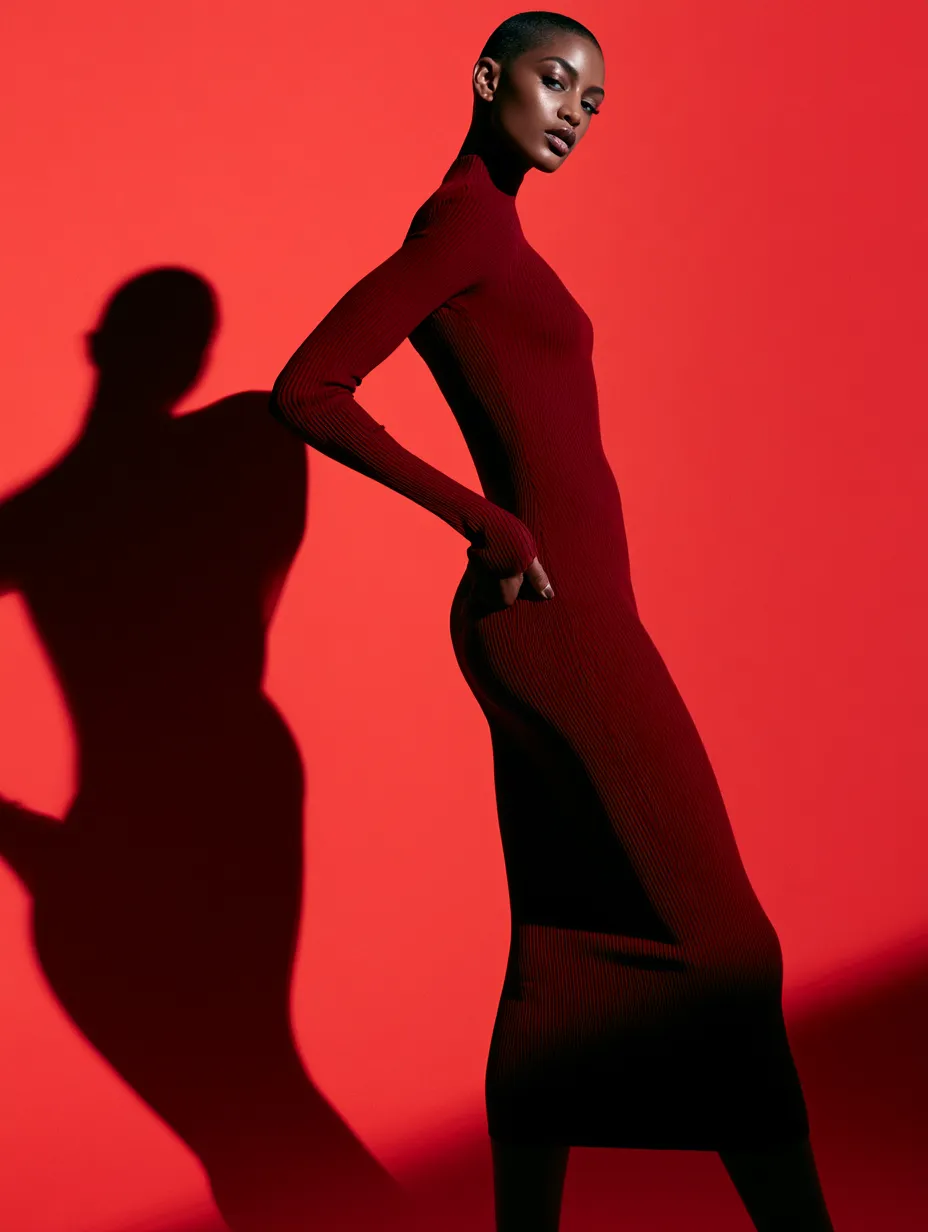
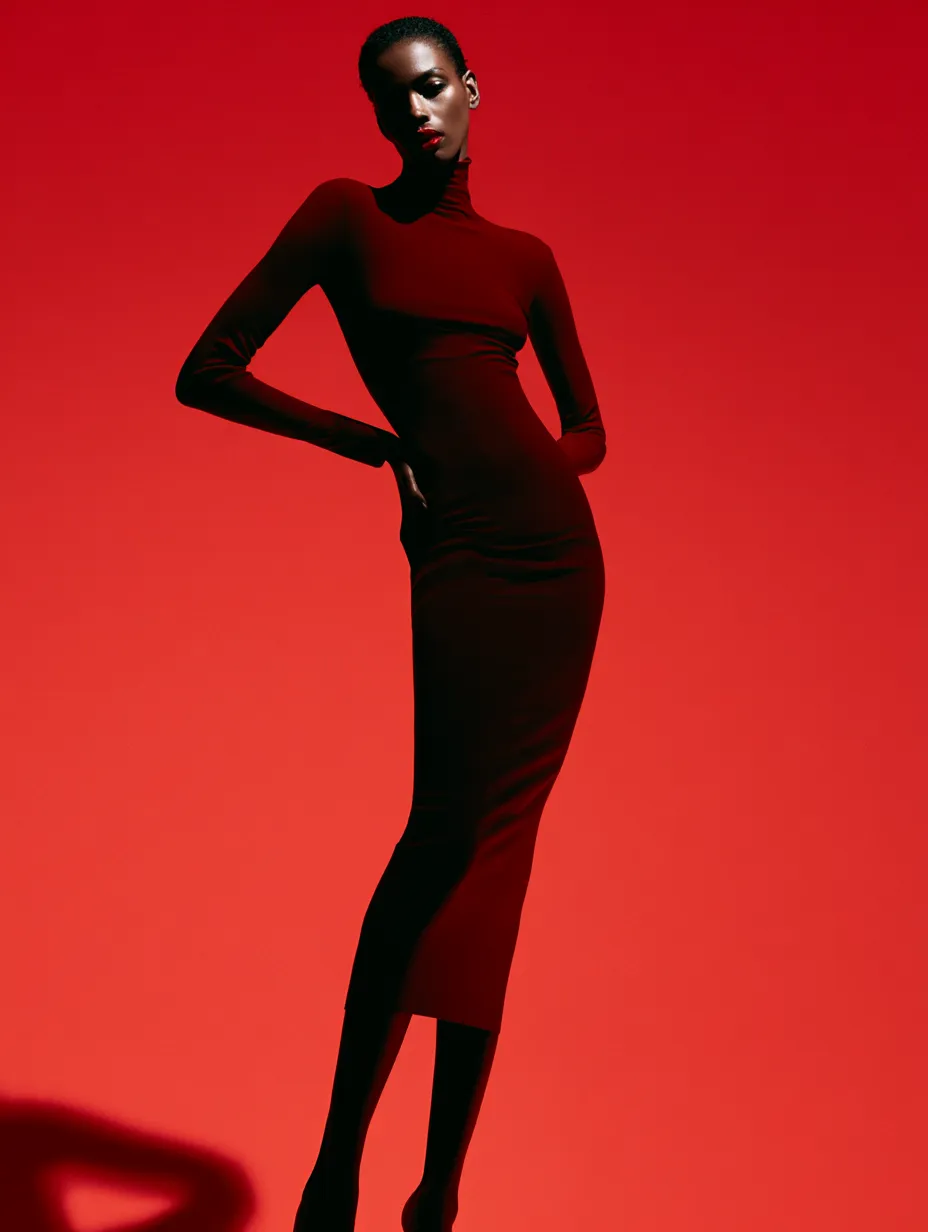
A fitted knit dress or a bodycon dress follows every curve without pulling or gaping — the fabric has built-in stretch that accommodates the hourglass ratio. This is one of the few dress silhouettes where the hourglass shape has a natural advantage: because bust and hips are proportional, the knit stretches evenly and the dress hangs correctly without alteration.
For hourglass women who want a more modest version, a knit midi dress with a slightly looser drape through the hips still acknowledges the waist without clinging to the lower body. Keep the fabric mid-weight — cotton jersey or ponte — to avoid the dress pulling toward whichever curve has slightly more volume on any given day.
High-Waisted Bottoms
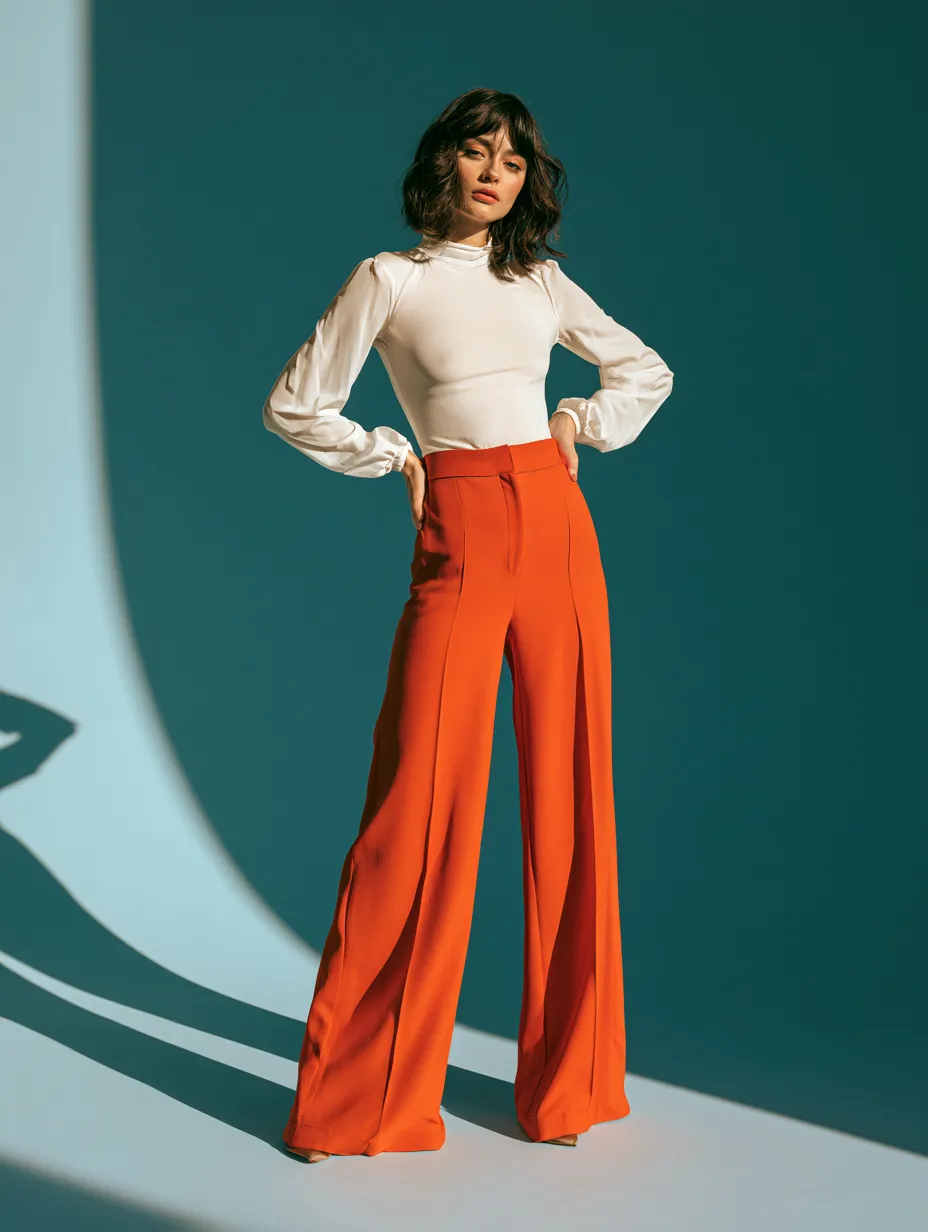
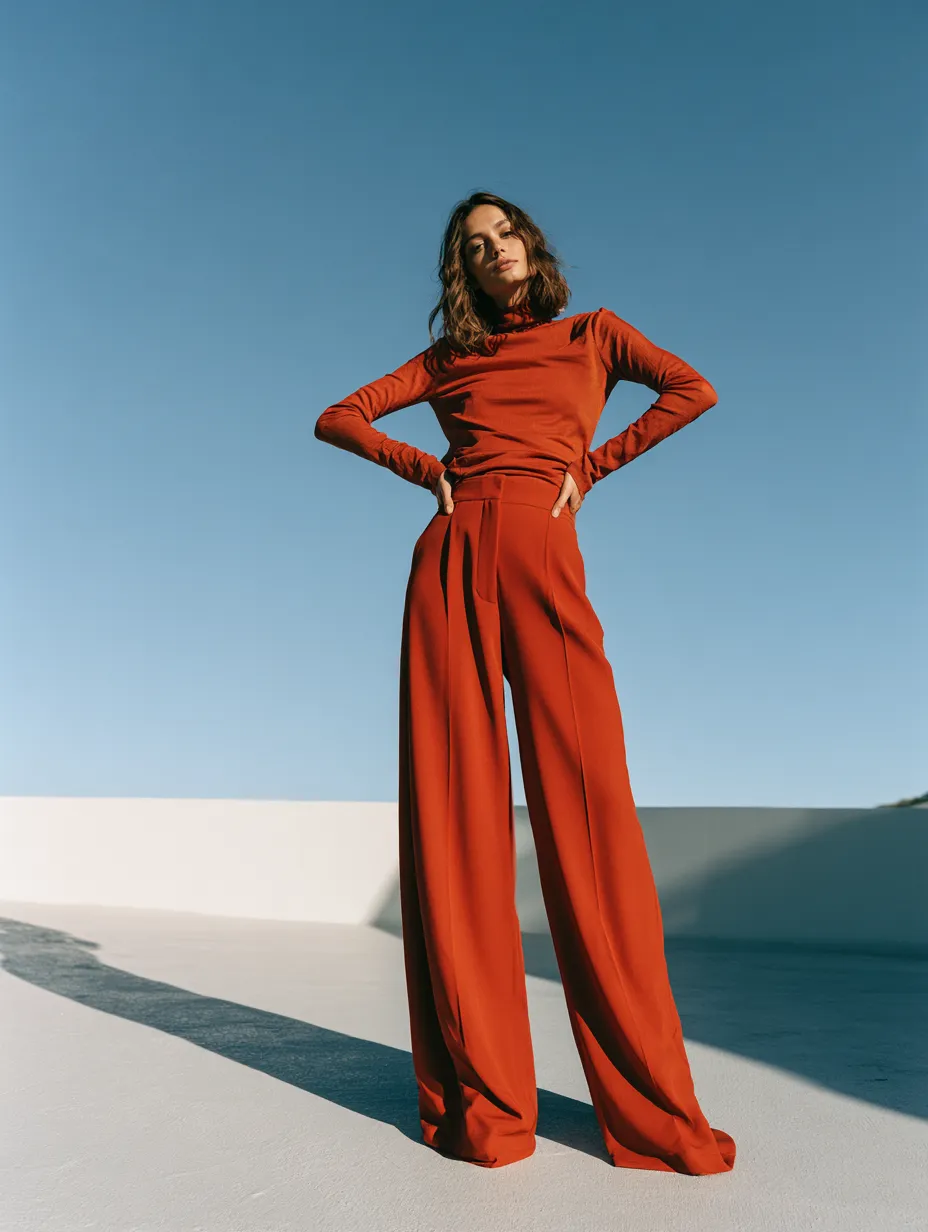
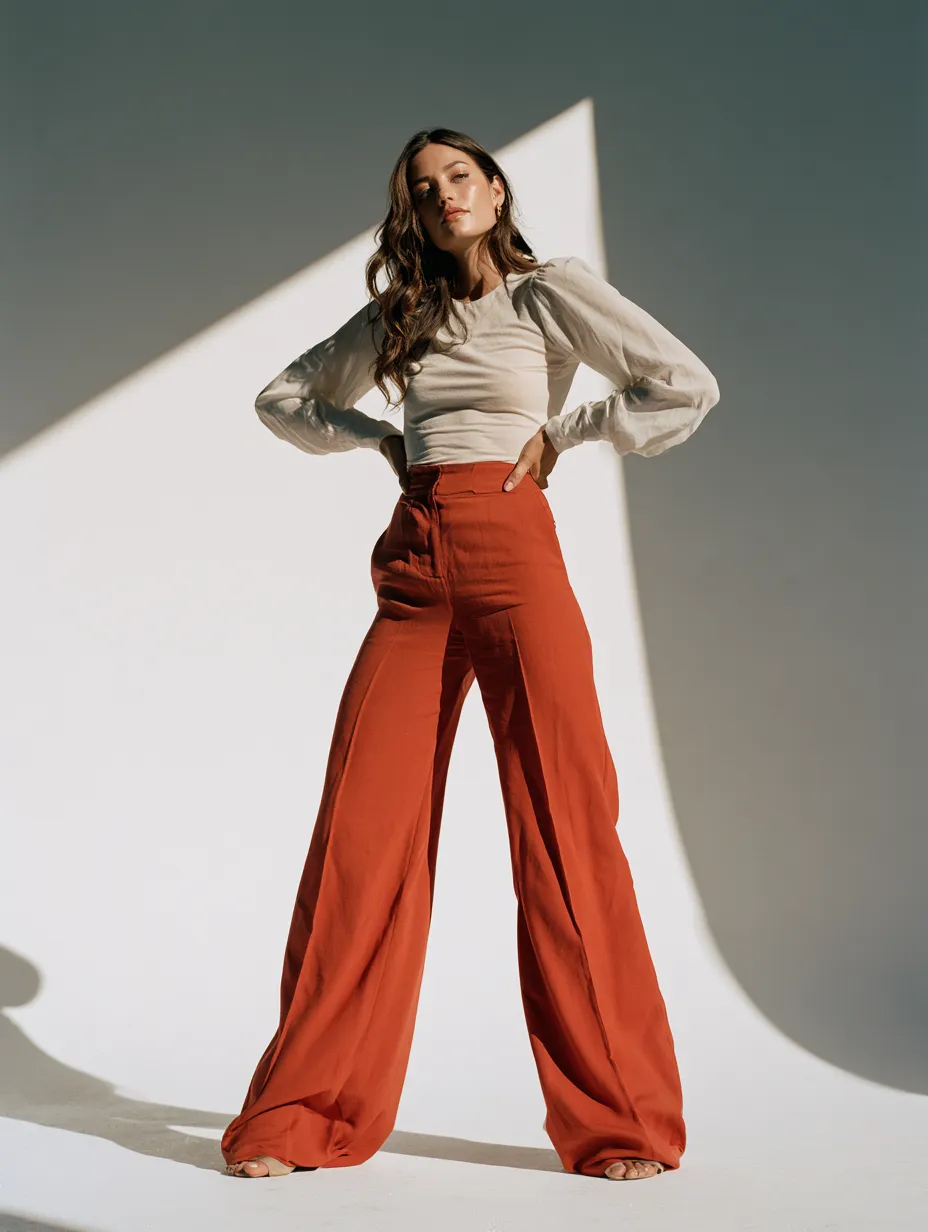
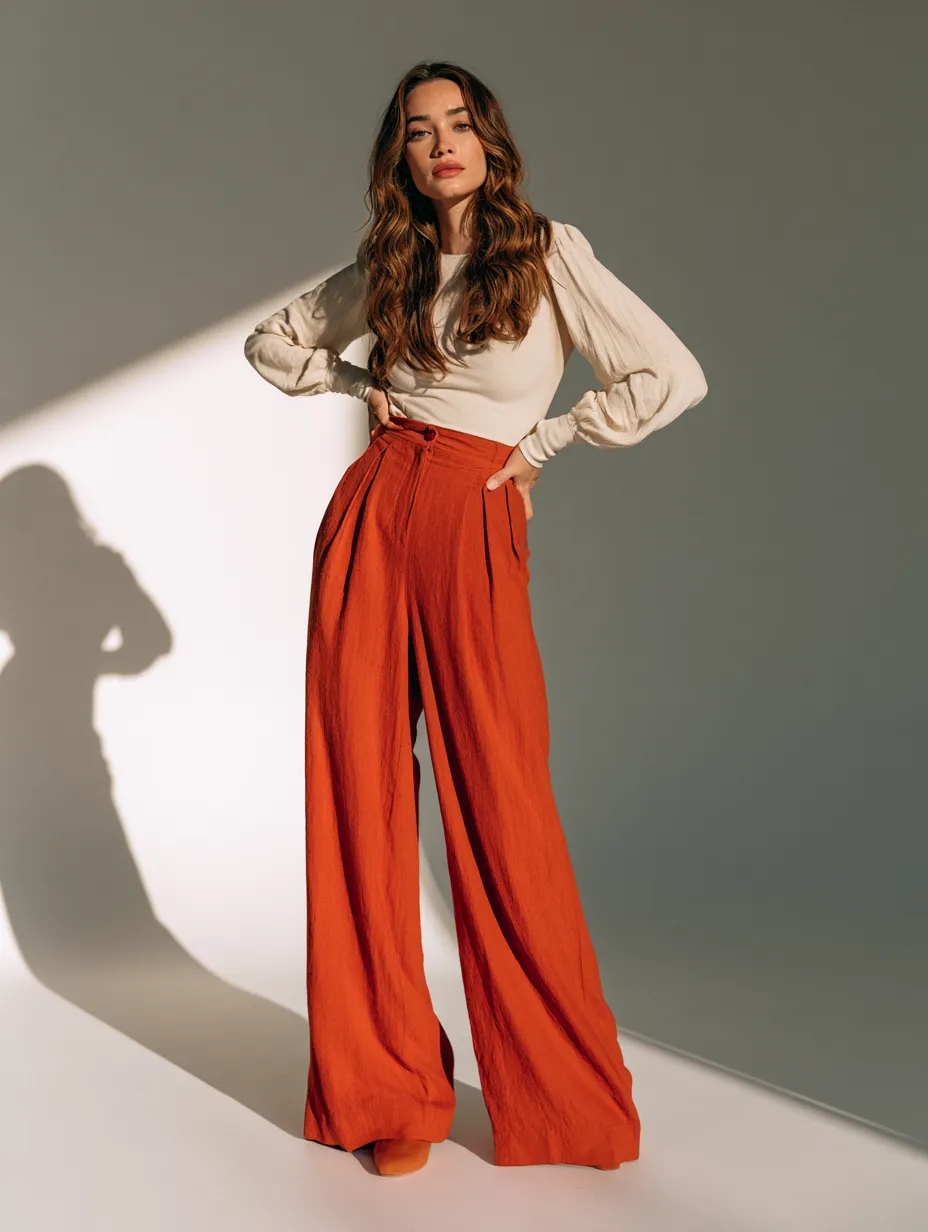
High-waisted trousers, jeans, and skirts are the hourglass woman’s most reliable bottom. When the waistband sits at or above the natural waist, it sits at the narrowest point of the torso, anchoring the outfit at exactly the right measurement. Mid-rise and low-rise cuts sit on wider portions of the torso — they work on some shapes but tend to flatten the hourglass silhouette by cutting across the hip before the waist has a chance to register.
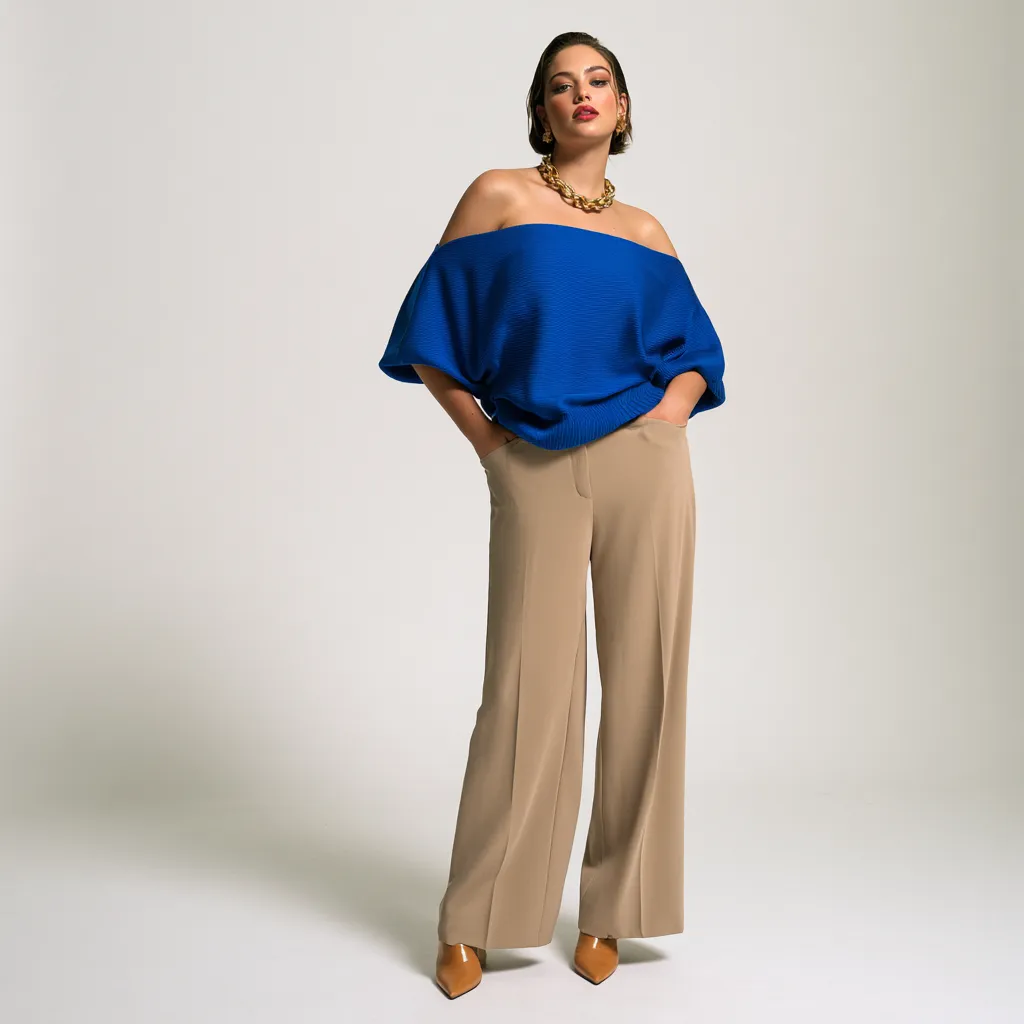
The best high-waisted options for hourglass shapes: straight-leg or wide-leg trousers in a structured fabric, high-waisted skinny jeans when a streamlined look is needed, and high-waisted A-line or pencil skirts. Wide-leg trousers in particular have become the defining silhouette of professional dressing in 2026 — and they work exceptionally well on hourglass bodies because the wide leg echoes the width of the hip without adding visual bulk.
Belted Pieces
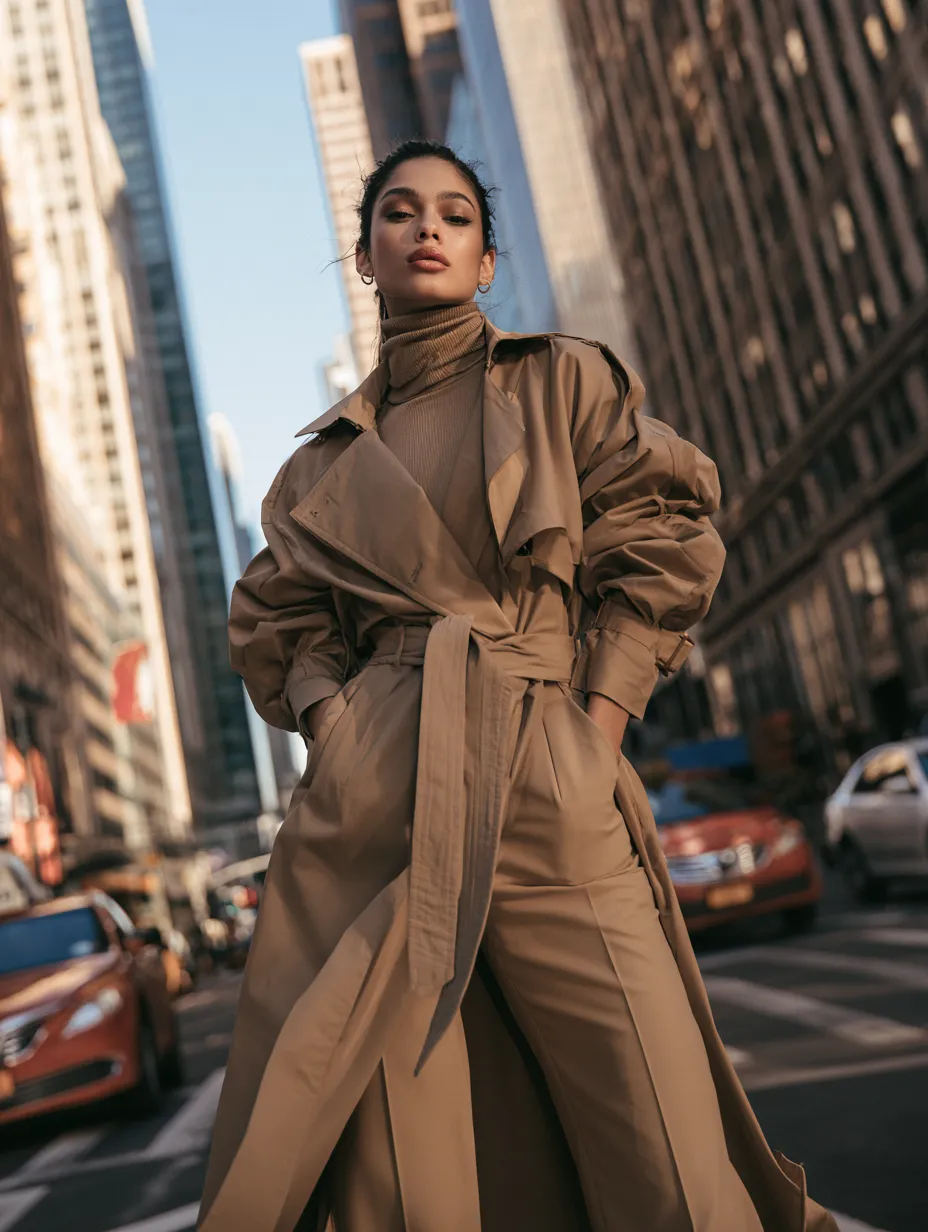
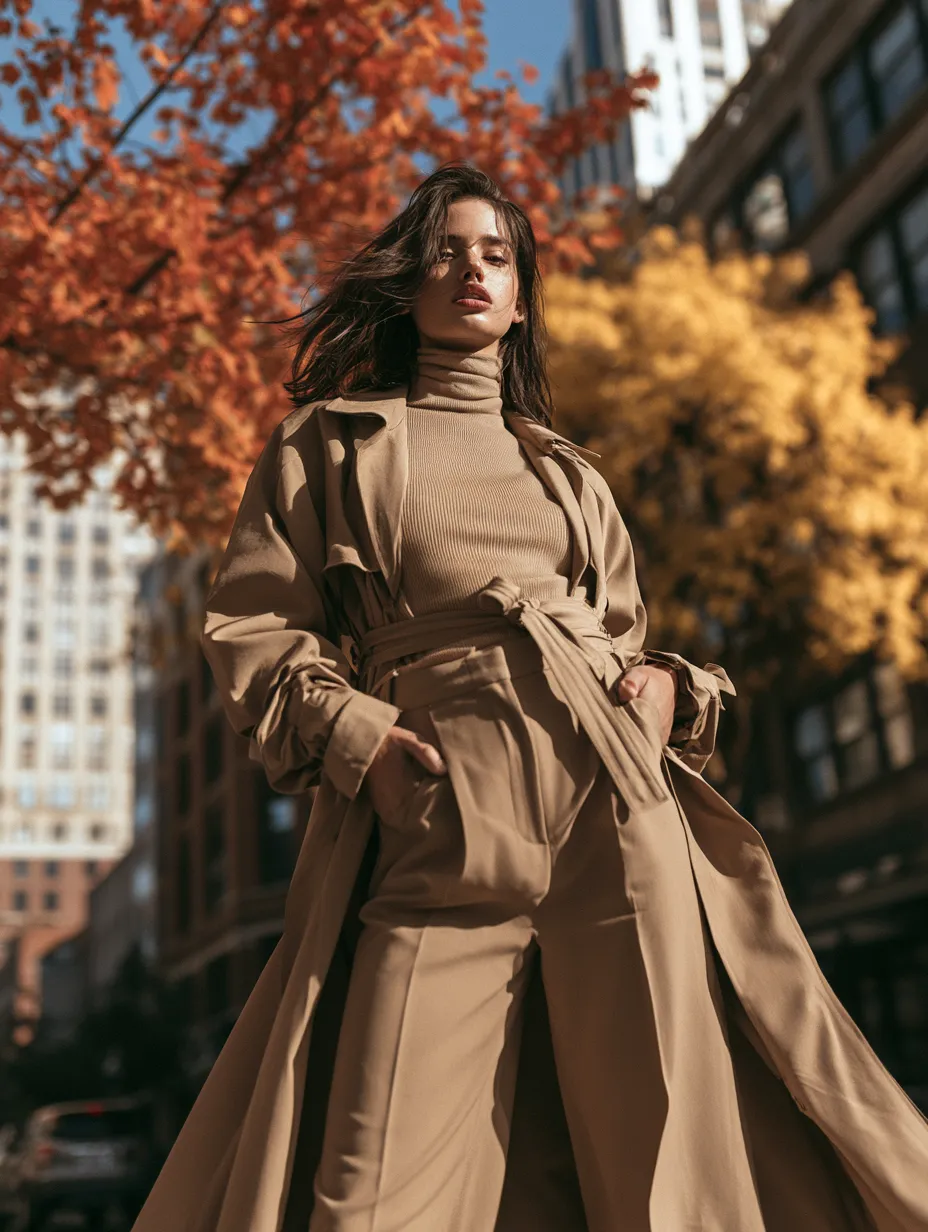
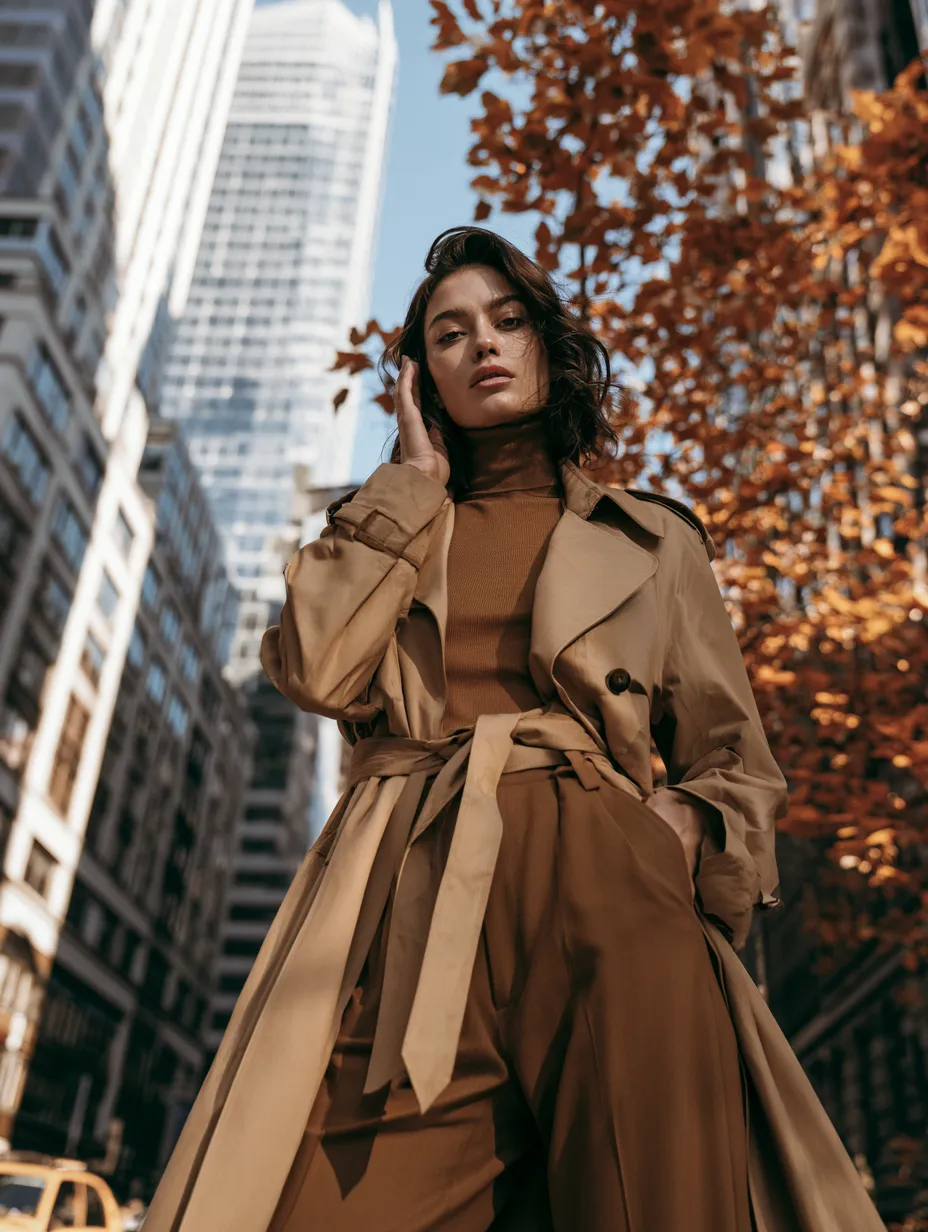
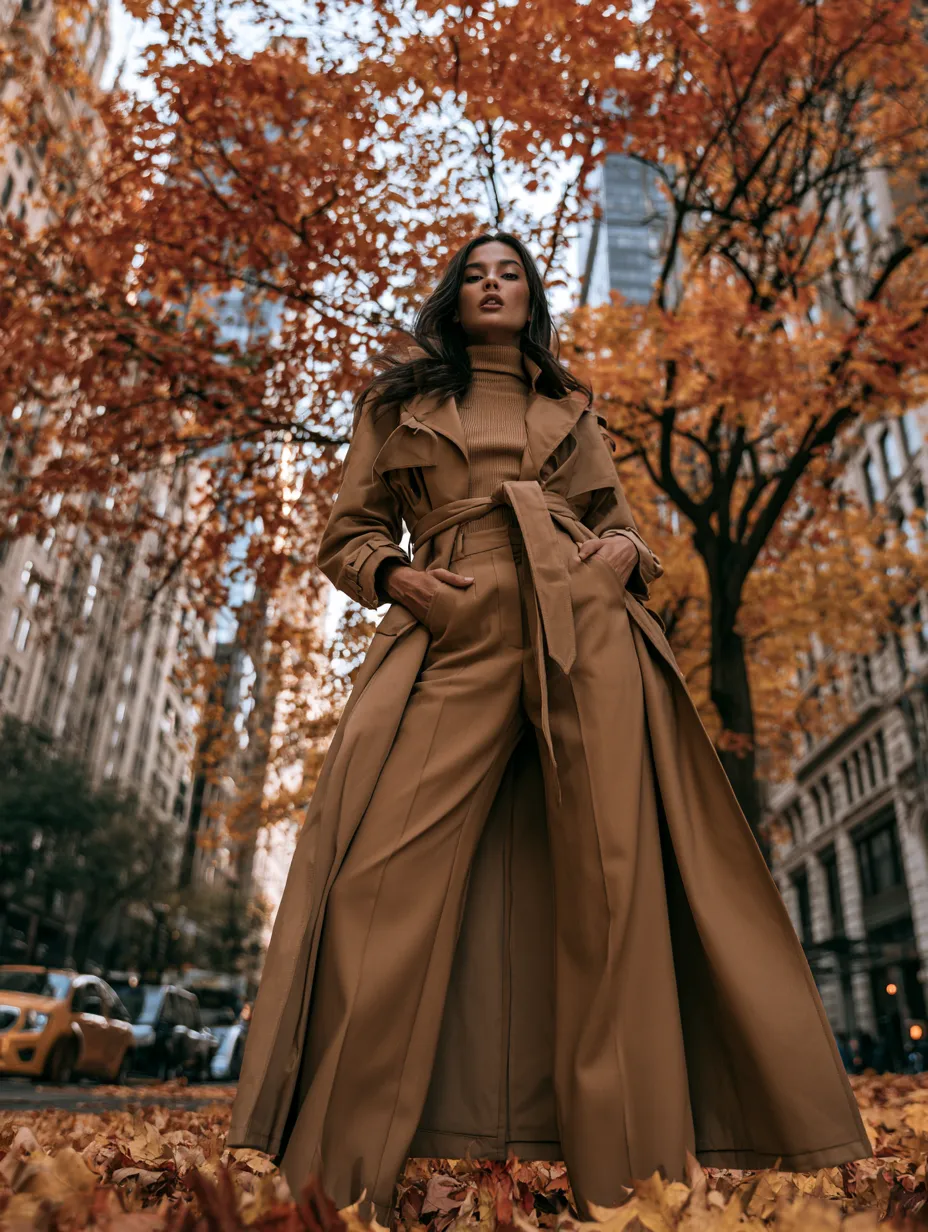
A belt is the fastest single tool for translating any hourglass outfit idea from flat to three-dimensional. When layering a cardigan, an oversized shirt, a trench coat, or a blazer over a bottom, the belt draws a horizontal line at the waist that re-establishes the narrow point regardless of what fabric sits above and below it. Width matters: a belt between 2 and 3.5 cm tends to look elegant on hourglass shapes; anything wider sits closer to a statement piece and can visually compress the torso.
Leather, faux leather, and stiff fabric belts hold their shape and create a clean line. Rope or elastic belts soften the effect if a relaxed look is the goal. Either way, cinching at the waist rather than at the hip is the rule.
Tailored Blazers That Hit at the Hip
A structured blazer that ends at or just below the hip bone is one of the best investments an hourglass woman can make in a professional wardrobe. The key measurement is the hem length — it needs to end where the hip begins to widen, so the eye sees waist first and hip second. A blazer that ends mid-thigh or lower covers the hip and creates a visual straight line from shoulder to hem that reads as rectangular rather than hourglass.
The jacket should button or close at the waist — or at least be closable there. A blazer that cannot close at the waist hangs open in a V and flattens the silhouette. Even if the blazer is worn open, having the structure close there prevents the fabric from swinging outward and removing the waist definition.
Hourglass Body Shape Outfit Guide by Occasion
| Occasion | Top | Bottom or Full Look | Key Principle |
|---|---|---|---|
| Everyday casual | Fitted ribbed turtleneck or tucked-in tee | High-waisted straight-leg jeans | Tuck the top to reveal the waist |
| Office / professional | Tailored fitted blouse | High-waisted wide-leg trousers | Belt the blazer or tuck the blouse |
| Business meeting | Structured blazer (hip-length) | Pencil skirt or tailored trousers | Close blazer at waist, not chest |
| Date night | Wrap top or off-shoulder with ruching | Fitted midi skirt or bodycon dress | Let the waist be the focal point |
| Formal / evening | Fitted bodice gown or mermaid cut | Floor-length with nipped waist | Avoid excess fabric at the waist |
| Weekend / brunch | Cropped knit or fitted linen shirt | High-waisted midi skirt or culottes | Natural waist visible between top and bottom |
| Summer / beach | Tied-front top or bandeau | High-waisted shorts or wrap skirt | Visible waist even in casual pieces |
What to Avoid When Styling Outfits for an Hourglass Figure
Knowing what not to wear matters as much as knowing what works. These are the most common styling mistakes that flatten or distort the hourglass silhouette.
- Boxy, untucked tops. An oversized top worn loose over any bottom covers the waist entirely. If you want to wear an oversized piece, tuck the front, tie it at the side, or belt it at the waist.
- Drop-waist dresses and skirts. A drop waist sits below the natural waist at a wider point of the hip. This is the worst cut for an hourglass — it inverts the silhouette visually, making hips appear at the widest measurement without any waist contrast.
- Mid-rise jeans and trousers. Mid-rise cuts typically sit 2 to 3 inches below the natural waist, right where the torso begins to widen toward the hip. This creates a visual effect of a shorter waist and a wider mid-section — the opposite of the hourglass effect.
- Structured A-line dresses that do not pull in at the waist. A full A-line that skims from bust to hem creates a tent-like silhouette. If you love A-line, choose a version with a nipped-in waist seam so the skirt flares from the smallest point, not from the chest.
- Heavy horizontal stripes across the widest points. Bold stripes across the full bust or full hip add visual width to the already widest parts of an hourglass frame. Vertical stripes, diagonal stripes, or horizontal stripes only at the waist work better.
- Oversized, padded shoulders. Exaggerated shoulder padding adds width to the top half without adding any visual width at the hip, which can disrupt the top-to-bottom balance that makes the hourglass silhouette read as proportional.
How to Style Hourglass Body Shape Outfits for Different Body Proportions Within the Type
Not every hourglass is identical. Some women carry more volume in the bust; others carry it in the hips. Some have a shorter torso; others have longer legs. These internal variations within the hourglass shape require small adjustments to the core formula.
Fuller Bust Hourglass
When the bust is significantly larger than the hips — even if both read as proportional — V-necklines and wrap necklines elongate the chest visually and prevent the top half from looking heavy. Avoid high necklines and crew necks, which add visual width across the chest. Structured underwear that lifts and positions the bust rather than flattening it also changes how the hourglass silhouette reads in fitted tops.
Fuller Hip Hourglass
When the hips are the dominant measurement — sometimes called a “bottom-heavy hourglass” — adding visual interest to the upper body helps maintain the proportional balance. A slightly more structured shoulder, a statement neckline, or a top with a subtle pattern can bring the eye upward. This is one of the few hourglass variations where an oversized blazer worn open and belted at the waist genuinely works — the shoulder width of the blazer balances the hip width without hiding the waist.
Short-Torso Hourglass
A short torso means the waist-to-hip transition happens quickly. High-waisted bottoms that sit above the belly button can make this feel even more compressed. The fix: go for a rise that sits at the natural waist rather than above it, and choose monochromatic top-to-bottom color schemes that elongate the torso visually. A long vertical necklace also draws the eye down through the torso, adding perceived length.
The Fabric Question — What Works on an Hourglass Figure and What Does Not
Fabric behavior is one of the least-discussed but most practically important aspects of styling for hourglass shapes. Because the hourglass silhouette has wider measurements at the bust and hip than at the waist, fabric reacts differently on this shape than on a straighter frame.
Fabrics that work well: Jersey knit, matte crepe, ponte, structured cotton, viscose with drape, matte satin. These materials follow the curve of the body without clinging aggressively or adding bulk. They move over the hips rather than gripping them and hang cleanly from the waist.
Fabrics to approach carefully: Stiff denim, raw canvas, heavy brocade, thick tweed. These fabrics do not stretch to accommodate the hip-to-waist ratio and can pull across the hips while gaping at the waist in fitted silhouettes. If you wear these, look for styles with stretch panels at the hip or with an elasticized waist.
Fabrics to use intentionally: Sequin, metallic, vinyl, patent leather. These add volume to wherever they sit on the body. Used at the waist in a belt or a waist-cinching detail, they are powerful. Used across the hip in a full skirt, they add significant visual width. Neither is wrong — just deliberate.
Hourglass Body Shape Outfit Formulas That Work Every Time
These are repeatable outfit combinations that consistently flatter hourglass figures. Each follows the core principle of waist definition and top-to-bottom balance. Treat them as templates you can rotate through different colors and fabrics.
- The Power Tuck: Fitted ribbed turtleneck + high-waisted straight-leg jeans + ankle boots. Tuck the turtleneck fully. The waist of the jeans anchors the look and the length of the leg elongates the lower half.
- The Professional: Structured blazer (hip-length) + fitted blouse tucked into high-waisted tailored trousers. Blazer worn open or closed at the waist, never at the chest.
- The Date Formula: Wrap midi dress + block heel or strappy sandal. Zero pieces needed beyond the dress. The wrap tie does the styling work.
- The Weekend Edit: Cropped fitted knit + high-waisted wide-leg jeans + clean sneakers or loafers. The crop + high waist reveal the natural waist gap between top and bottom.
- The Summer Uniform: Sleeveless fitted top tucked into high-waisted linen trousers or a midi skirt + flat sandals. Add a thin belt at the waist for additional definition.
- The Monochrome Longline: Same-color fitted top + same-color wide-leg trousers + belt in a contrasting color at the waist. Creates vertical length through the body while the belt breaks it exactly where the hourglass narrows.
How Hourglass Styling Compares to Other Body Types
Understanding where hourglass styling overlaps with — and differs from — advice for other shapes helps clarify the logic. If you have ever read styling guides for pear or apple shapes and felt the advice did not quite apply, this comparison explains why.
For pear-shaped bodies, the standard advice is to add visual width to the upper body to balance narrower shoulders against wider hips. For hourglass, this is unnecessary — the shoulders and hips are already proportional. Adding structured shoulder detail on a pear shape creates balance; adding it on an hourglass creates imbalance by making the top half appear wider than the hip.
For apple-shaped bodies, the waist is the widest point rather than the narrowest, so A-line and empire waists help create the visual impression of a waist. On an hourglass, these same cuts do the opposite — they cover the waist that is already there.
The practical implication: most general body-type advice is written with pear and apple shapes in mind because these are statistically more common. Hourglass women should read that advice in reverse — if the guide says “avoid fitted clothes,” the hourglass should lean into them.
Building a Capsule Wardrobe Around an Hourglass Shape
A capsule wardrobe built specifically around hourglass proportions eliminates the daily frustration of reaching for pieces that look wrong on the body. The following 12 items create over 30 complete outfit combinations when rotated:
- 2 wrap dresses (one casual, one formal-ready)
- 2 pairs of high-waisted trousers (one straight-leg, one wide-leg)
- 1 pair of high-waisted straight-leg or slim jeans
- 2 fitted knit tops in neutral colors
- 1 structured blazer in a neutral that works across multiple bottoms
- 1 fitted midi skirt (A-line with waist seam or pencil cut)
- 1 fitted bodycon or knit midi dress
- 1 good leather or faux-leather belt in the 2–3 cm range
- 1 wrap top
These 12 pieces share one common feature: every single one either defines the waist inherently (wrap pieces, high-waisted bottoms, fitted tops) or can be made to define it (blazer worn belted, midi skirt with tucked top). There are no boxy pieces and no mid-rise cuts. The result is a wardrobe where every combination works without styling effort because the core rule is already built into every item.
The Final Word on Styling Outfits for Hourglass Body Shape Women
The hourglass silhouette is one of the most proportion-balanced body types to dress — when the clothes acknowledge the waist. The most common mistake is treating the natural curves as something to minimize rather than reveal. Fitted does not mean tight. Waist-defined does not mean costume. It means the clothes fit the actual measurements of the body instead of draping over them.
Start with one formula — the wrap dress or the high-waisted trouser + tucked blouse — and build from there. Once the logic is clear in one outfit, it becomes automatic across your entire wardrobe. The hourglass shape is not difficult to dress. It is simply different from the shape most fashion advice assumes as a default.