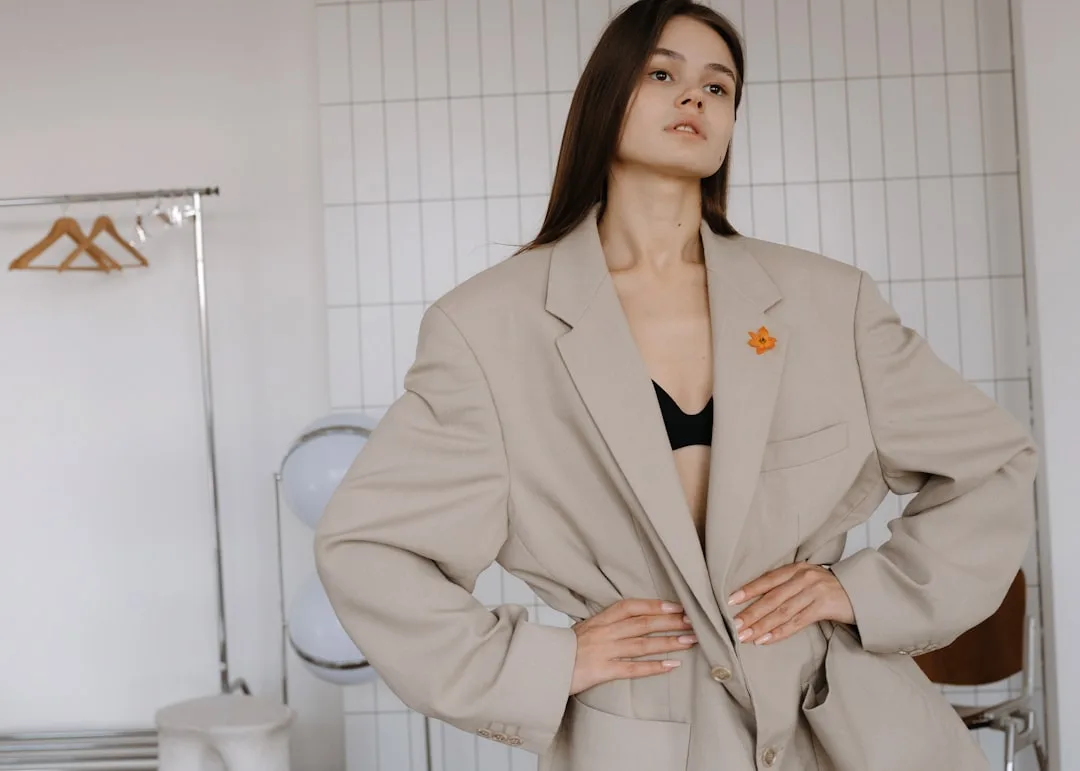
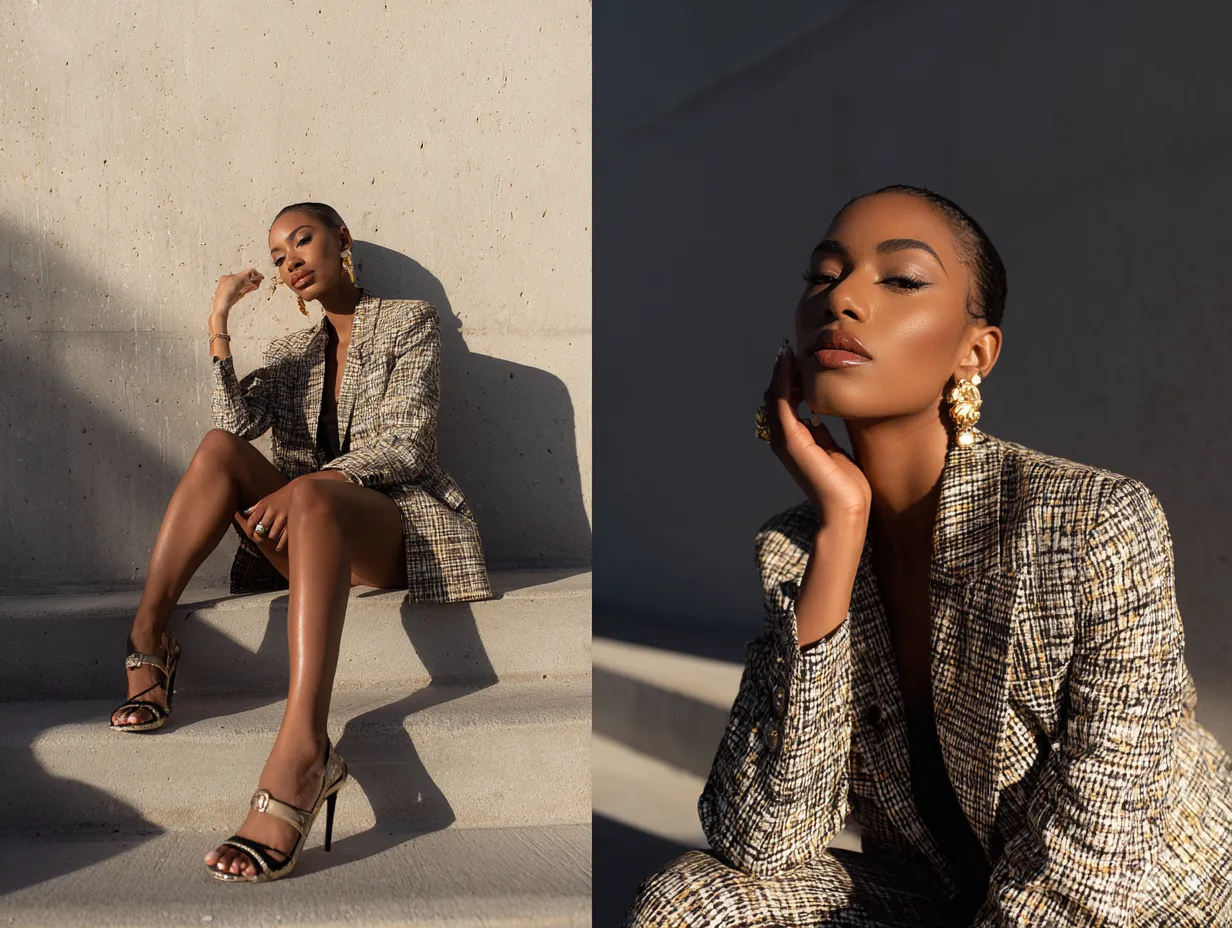
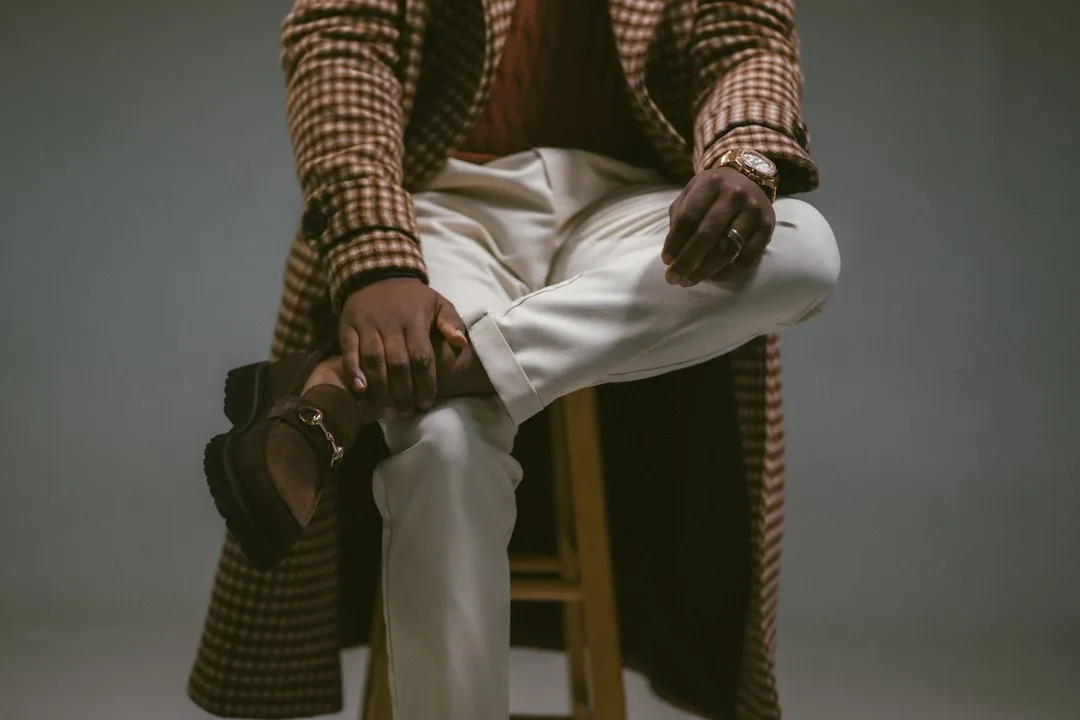
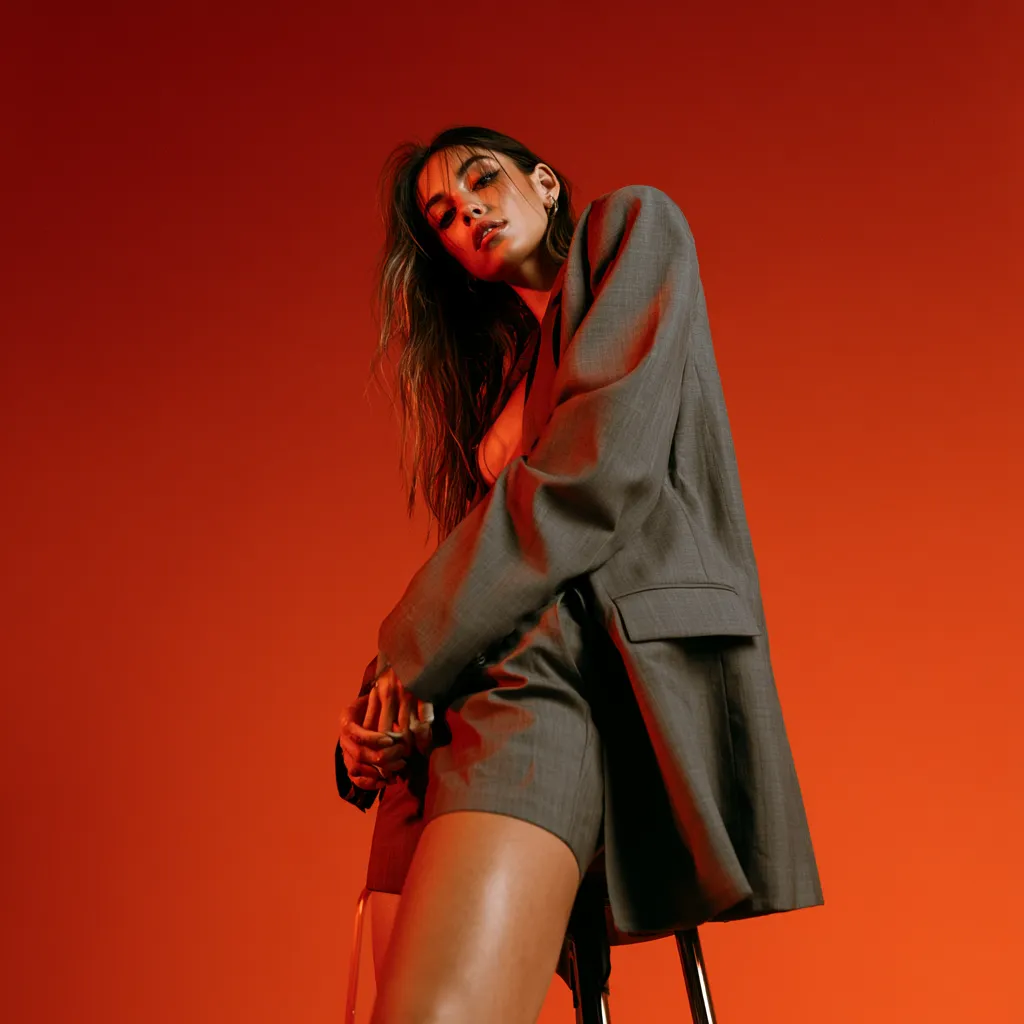
Walk into any Manhattan office tower or London financial district in August 2026, and you’ll spot the same silhouette: shoulders that extend an inch past the natural shoulder point, a lapel that drops longer than tradition dictates, sleeves that hit mid-hand instead of the wrist. The oversized blazer outfits have claimed territory that structured, fitted tailoring once owned entirely. This isn’t a return to 1980s power shoulders—it’s a recalibration of how authority looks when fabric moves, when proportion breaks the old rules, when understatement and bulk coexist.
The shift matters because professional dressing has fractured. Remote work loosened formality. Return-to-office mandates created identity confusion. The oversized blazer outfits solve both: they signal intention without rigidity, they cover what needs covering while introducing softness, they let expensive tailoring breathe. This is why fashion editors, creative directors, and even conservative legal professionals are adopting the shape.


Why Volume Replaced Fitted Structure
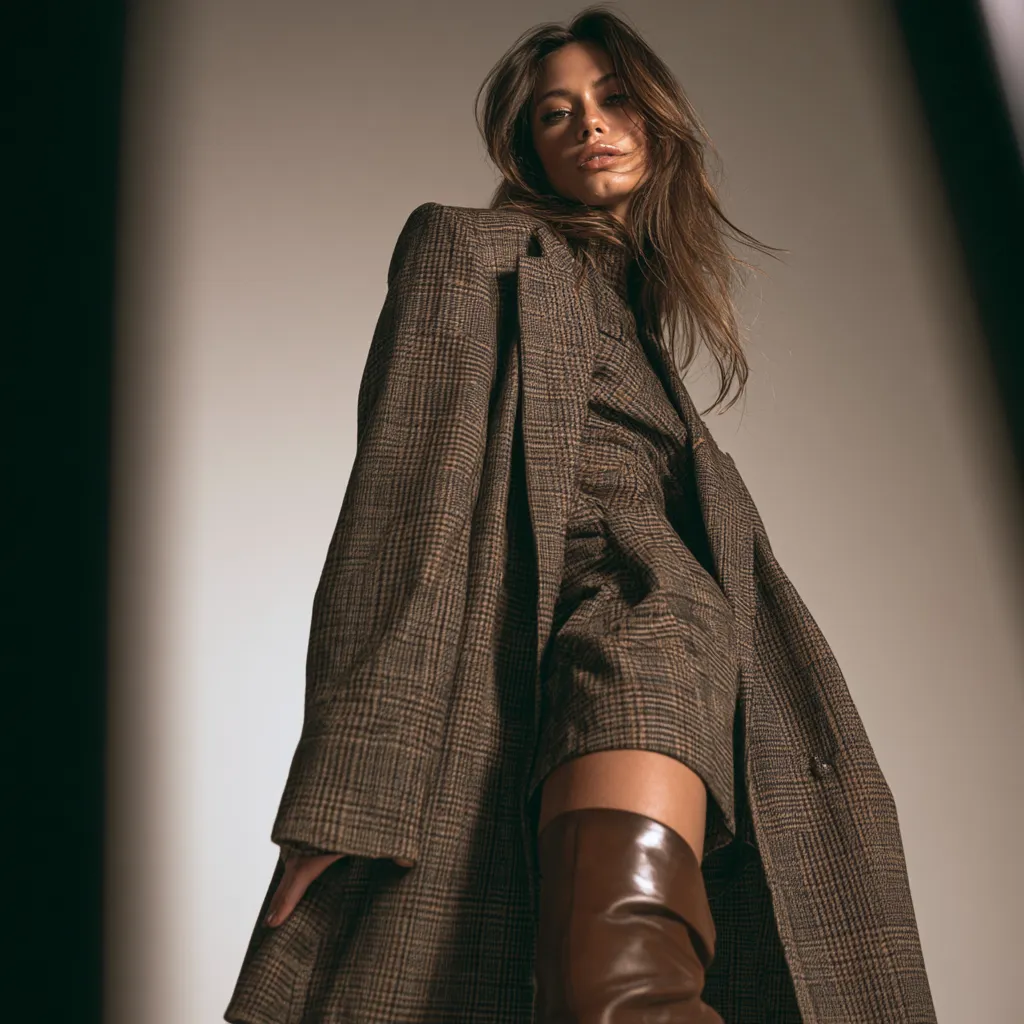
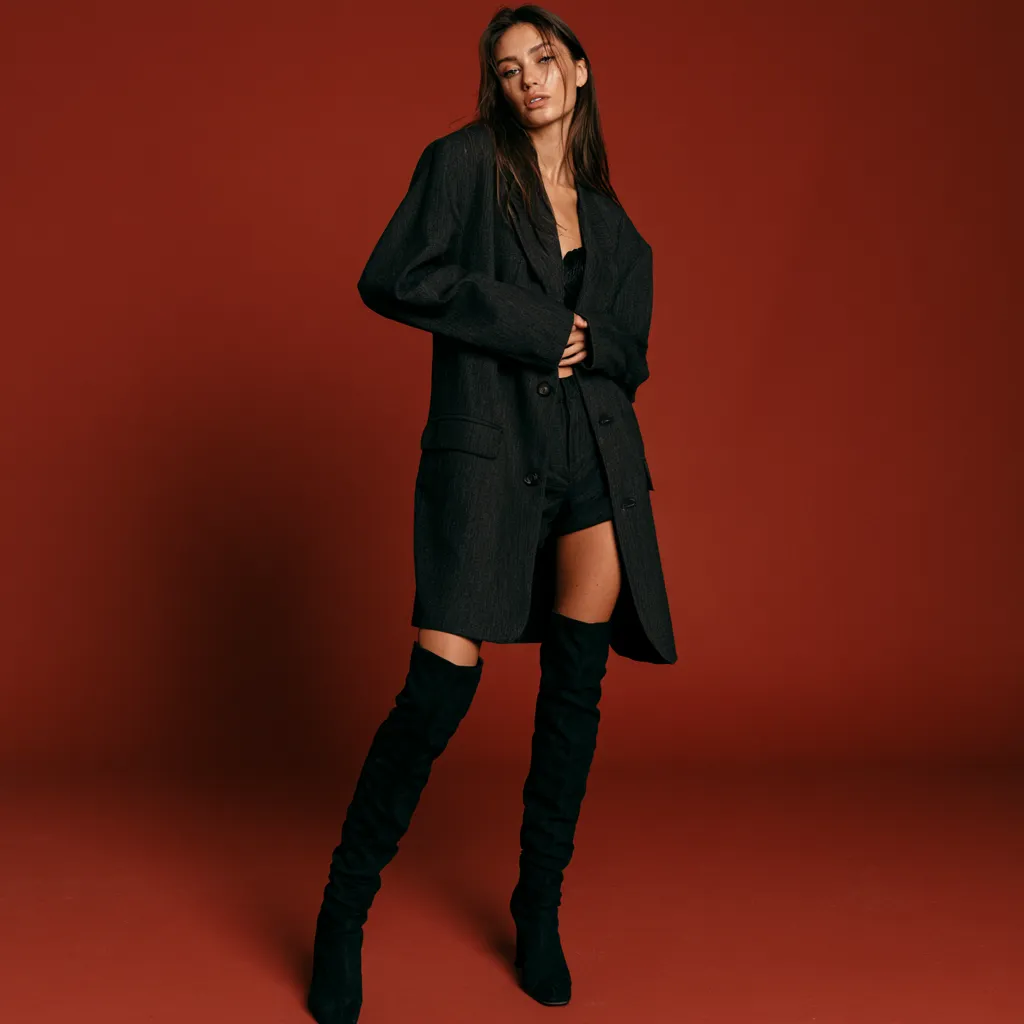
Thom Browne revolutionized men’s tailoring a decade ago by exaggerating proportions—chest widened, shoulders padded, silhouettes made boxy. That vocabulary has migrated to women’s professional wear, but with a crucial difference: the oversized blazer outfits are built from wool that drapes rather than holds architecture. Think Italian suiting, not structured cotton-blend office basics.
Fabric Innovation and Material Selection
The modern oversized blazer owes much of its appeal to advances in fabric technology. Contemporary designers source wool blends that offer both breathability and recovery, allowing the generous silhouette to move naturally against the body rather than collapsing into shapelessness. Italian mills continue to lead this charge, producing suiting that feels lighter despite its apparent volume.
Color choice has expanded dramatically beyond navy and charcoal. Soft earth tones, muted jewel hues, and even unexpected pastels now appear in professional wardrobes. This shift reflects broader design movements seen across interior spaces as well—the same philosophy driving aesthetic choices in Modern House Color Ideas – How Diverse Is The Fashion Palette? translates directly to how we approach professional garments.


Styling the Oversized Blazer for Every Occasion
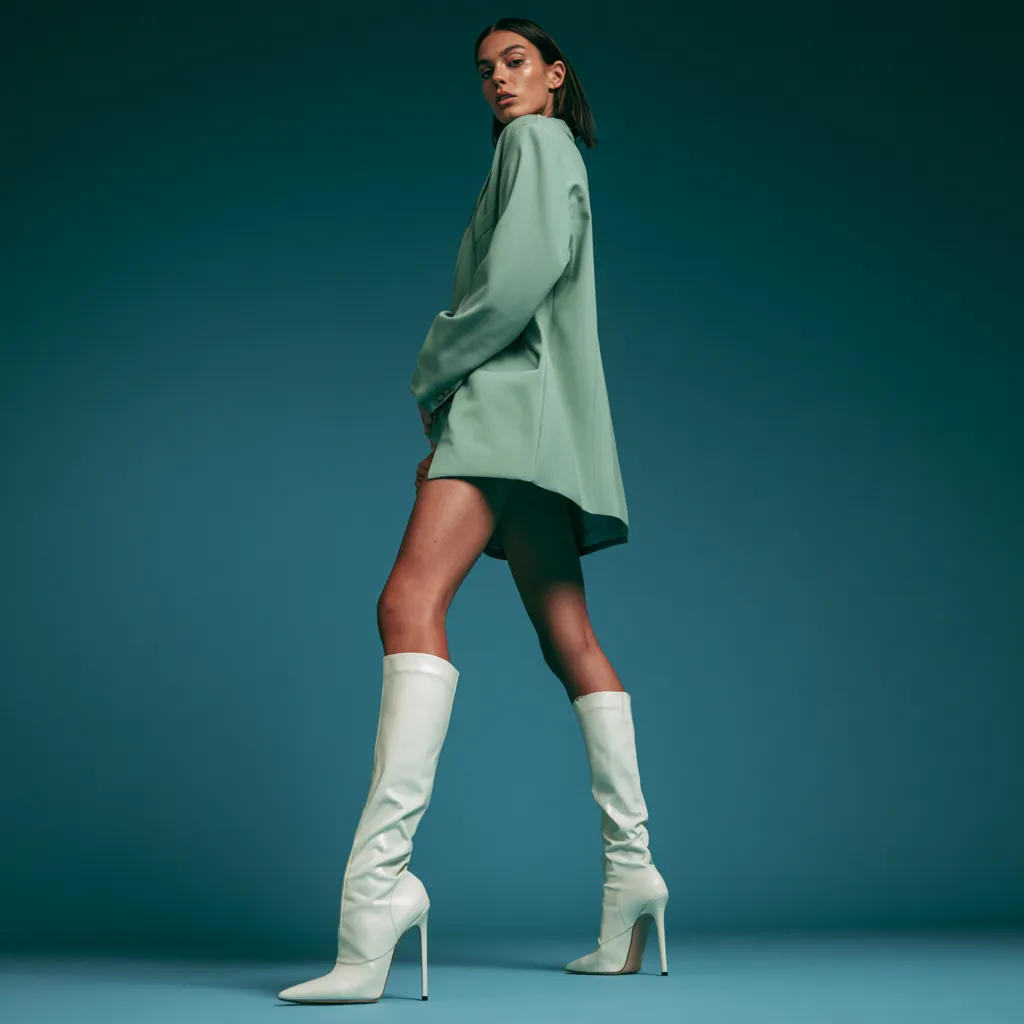
Pairing an oversized blazer requires intentional choices elsewhere in the outfit. Slim trousers, tailored pencil skirts, or even fitted denim create visual balance without adding bulk. The key lies in anchoring the volume at the waist—either through tailored cuts below or through strategic use of belts and layering.
For creative professionals, the oversized blazer worn over minimalist basics signals authority without aggression. Legal teams and financial institutions have similarly embraced the silhouette, recognizing that confidence reads more clearly through generous proportions than through constrictive tailoring. Footwear and accessories complete the narrative, with pointed-toe flats and structured handbags grounding the airy jacket.
Building a Capsule Professional Wardrobe
Investment in quality oversized blazers pays dividends across multiple seasons and contexts. One well-constructed jacket in a neutral tone serves as the foundation, layering over dresses, worn open over separates, or belted for definition. The versatility justifies the cost, particularly when sourced from houses known for longevity and timeless construction.
Secondary pieces should emphasize simplicity—crisp white shirts, streamlined trousers, and understated knitwear allow the blazer to remain the focal point. This minimalist approach echoes principles found in broader design thinking, from how raw materials shape architecture to how fundamental color palettes create sophistication, much like exploring Turning Brick Wall Design Exterior Into a Fashion Trend demonstrates the power of texture and restraint.
The Future of Professional Silhouettes
The momentum toward volume shows no signs of reversing. As remote work normalizes comfort expectations and younger professionals challenge inherited dress codes, the oversized blazer bridges both worlds—maintaining formality while honoring the body’s natural shape. This evolution reflects a maturation in how workplaces understand professionalism itself.
Forward-thinking brands continue experimenting with proportion while maintaining wearability. Sustainability concerns also favor the oversized approach, as generous cuts accommodate natural body variation and aging, extending garment lifespans. The trend ultimately represents a rejection of one-size-fits-all thinking in favor of intelligent, thoughtful design that serves diverse bodies and contexts.

High-fashion validation and runway influence
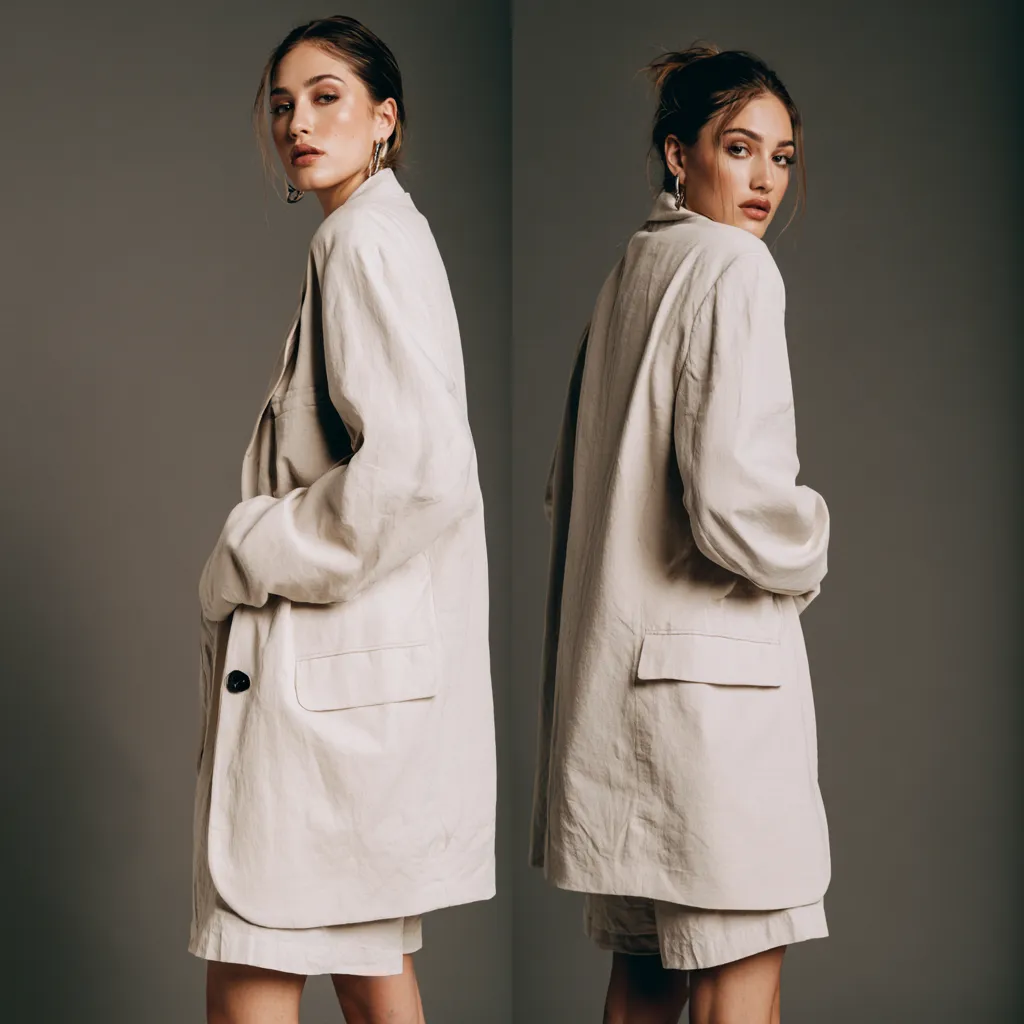
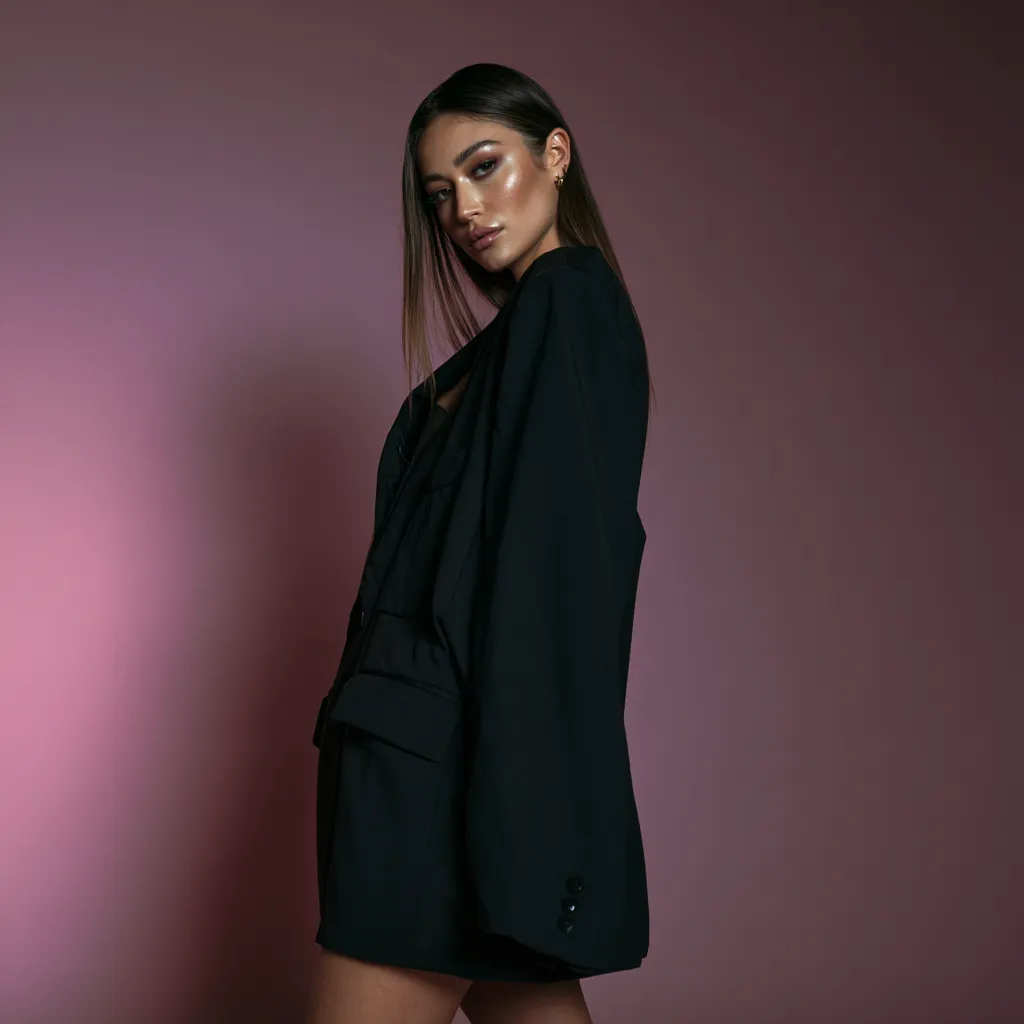
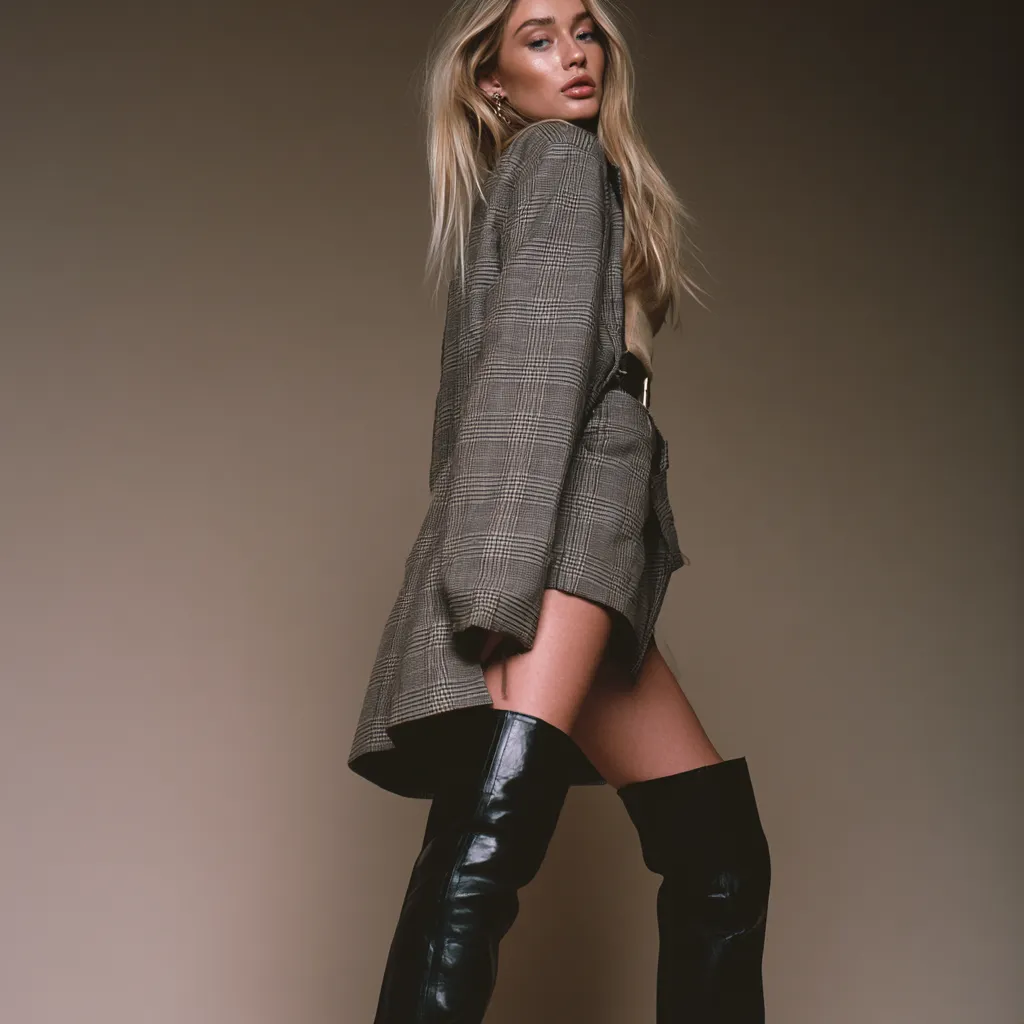
The oversized blazer gained significant momentum when luxury houses began showcasing volumetric tailoring on major runways. Balenciaga’s collections consistently feature exaggerated proportions that dwarf the wearer, while Acne Studios and The Row have made generous cuts central to their design philosophy. These high-fashion endorsements legitimized what many considered unconventional, signaling to mainstream consumers that volume could be both aspirational and achievable.
Brands like COS and Uniqlo subsequently democratized the silhouette for everyday wearers, offering well-constructed oversized blazers at accessible price points. The cascade from luxury runways to high-street retailers occurred rapidly, suggesting that the trend reflects genuine shifts in aesthetic preference rather than passing whimsy. When prestigious designers invest in proportion-forward designs season after season, it indicates sustained commitment rather than novelty.
Practical styling solutions for everyday wear
The versatility of oversized blazers extends beyond aesthetic appeal into genuine practical benefits. Layering becomes effortless—a blazer three sizes larger than one’s actual frame accommodates sweaters, long-sleeve shirts, and even light jackets without constriction. This adaptability appeals particularly to people who prefer not constantly adjusting their clothing or dealing with tight seams throughout the workday.
Styling options multiply when proportions become generous. An oversized blazer can be worn open over fitted clothing for visual balance, belted at the waist for definition, or left completely unstructured for a relaxed aesthetic. The same garment transitions from boardroom presentations to weekend coffee meetings, reducing the number of pieces required to maintain a cohesive professional wardrobe. This efficiency addresses both financial and environmental concerns about consumption.
Real-world wearers frequently discover that oversized blazers solve practical problems traditional fits cannot address. Someone with broader shoulders but narrower hips finds conventional tailoring frustrating, yet an oversized blazer accommodates both proportions simultaneously. Those with longer arms appreciate the extended sleeves, while taller individuals benefit from jackets that maintain appropriate length without custom tailoring costs. The single garment succeeds where restrictive sizing fails.
Practical Resources for Buying and Keeping an Oversized Blazer
These tools help you move from reading to doing: understanding how wool wears, choosing the right size before checkout, and keeping the fabric in shape after purchase.
How is caring for a wool blazer different from caring for other clothes?
How do I measure myself to find the right blazer size when shopping online?
Can I clean a structured wool blazer at home, or does it always need to go to the dry cleaner?