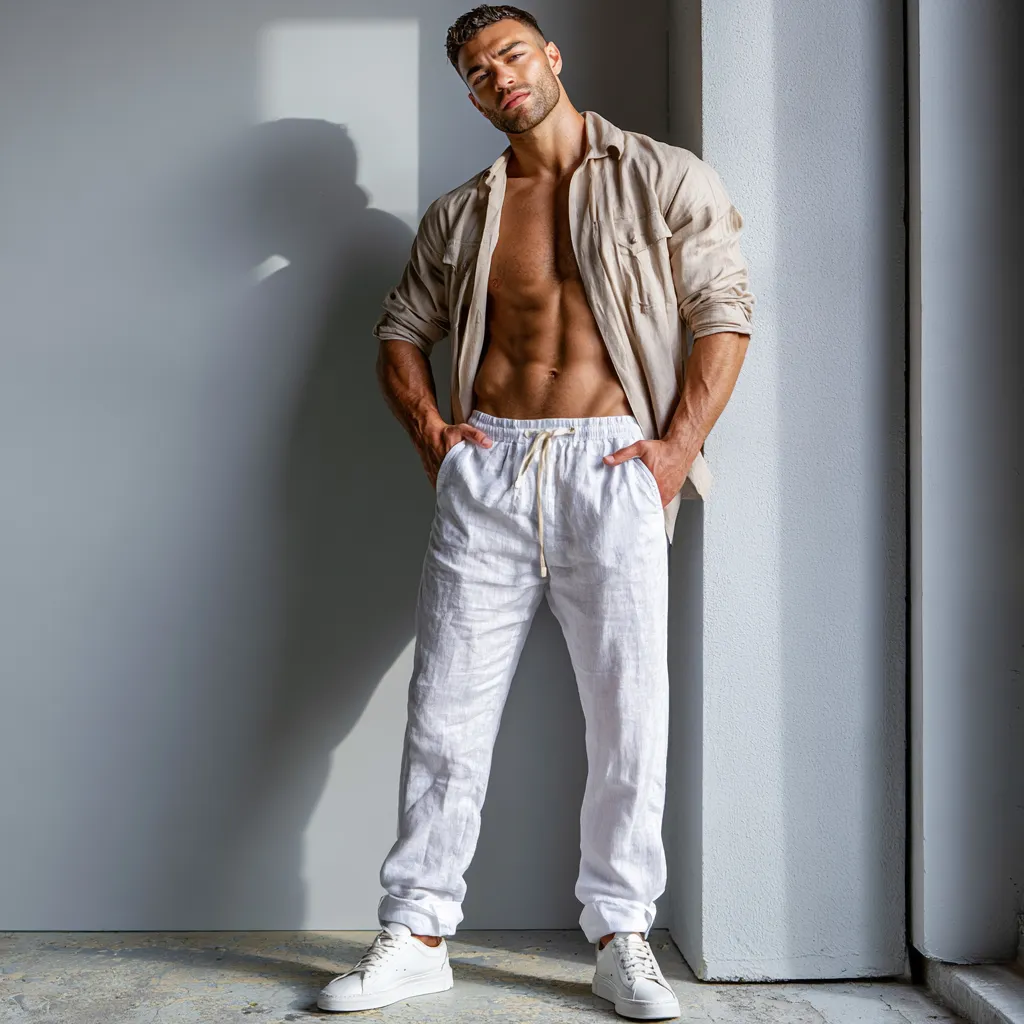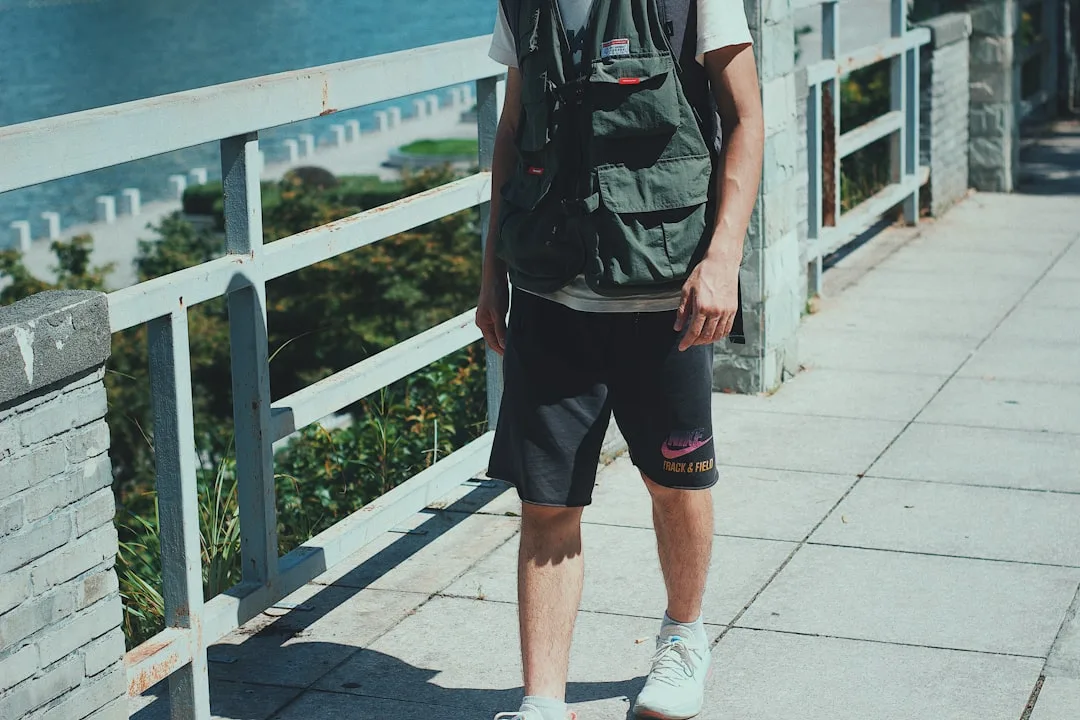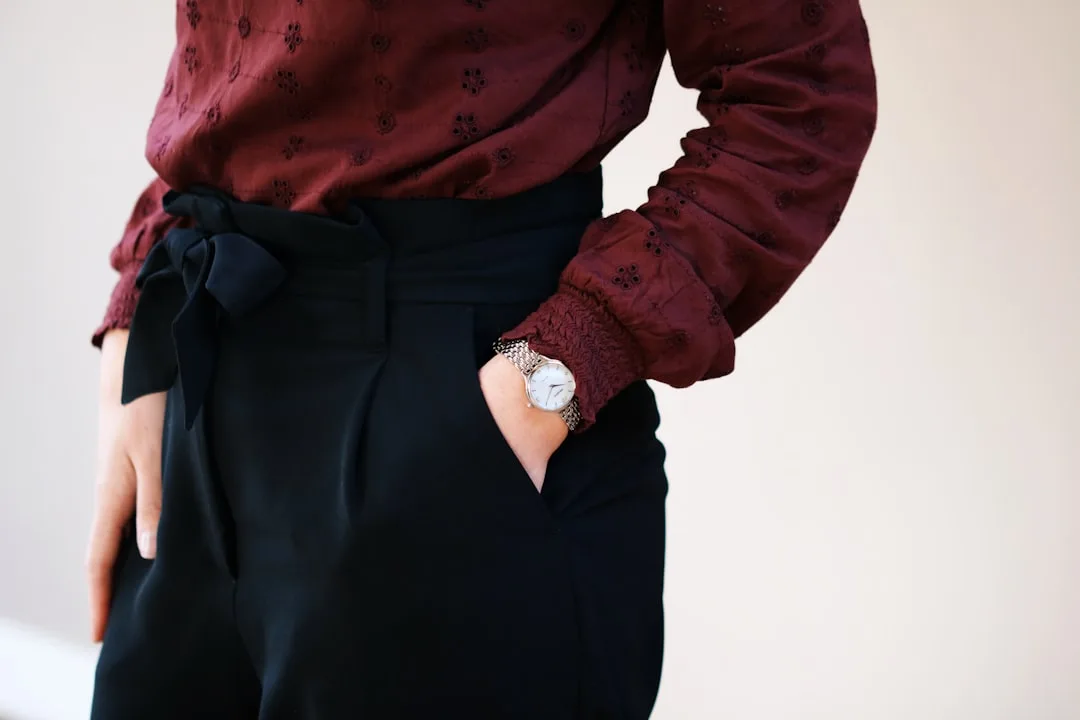
The slim-fit era ended in 2024. By July 2026, wide-leg trousers have become the unspoken uniform of every serious office tower and creative studio from Manhattan to Melbourne. Wide-leg trousers no longer read as vintage revival or fashion risk—they read as authority.
This shift happened because tailored volume solves three real problems that slim pants created: restricted movement, thigh chafing on eight-hour workdays, and the visual exhaustion of bodies compressed into denim tubes.
Why Tailoring Replaces Skinny Silhouettes
Banana Republic’s redesigned Essential Trousers (wool blend, 21-inch leg opening, waistband anchored at the true waist rather than low-rise hips) sold out in three colorways within six weeks of launch this quarter. The brand doesn’t disclose exact margins, but retailer feedback suggests these trousers occupy shelf space that cropped cuts once claimed.
The psychological shift runs deeper than aesthetics. Slim pants required constant posture management and created visual tension at the ankle and thigh. Wide-leg cuts—specifically those with a 19 to 24-inch leg opening—distribute fabric weight evenly and create a clean vertical line that reads as purposeful rather than trendy.
Proportions matter enormously. A 34-inch inseam with an 18-inch leg opening creates bunching. The same inseam with a 22-inch opening drapes without pooling.
Quick Tips
- Measure your inseam and desired leg opening before ordering—different brands use wildly different blocks
- Pair wide-leg trousers with fitted tops to avoid shapeless silhouettes
- Start with neutral colors (black, navy, stone, charcoal) to test the silhouette
- Invest in tailoring at the hemline—even a half-inch difference changes the visual proportion
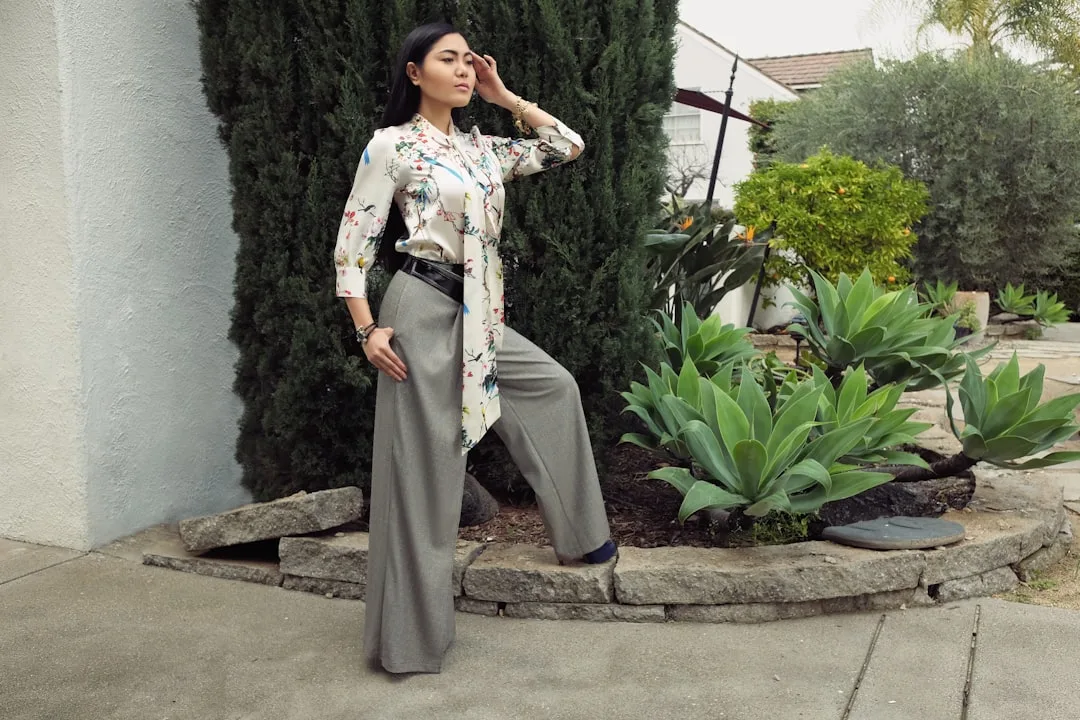
How Fabric Structure Defines the Silhouette
Everlane’s Linen Wide Trousers (100% Belgian linen, mid-rise, $118-range, available in five neutrals) demonstrate why fiber content dictates whether wide-leg cuts look refined or shapeless. Linen breathes and wrinkles intentionally—it reads as relaxed rather than sloppy.
Wool-blend versions from Reiss and Theory hold their shape through an entire workday without requiring daily pressing. Cotton-linen blends (85% cotton, 15% linen) split the difference: structure with a hint of texture and movement.
| Fabric Type | Best For | Maintenance |
|---|---|---|
| Pure Wool | Year-round structure in cool climates | Dry clean quarterly |
| Wool Blend | Professional offices with climate control | Hand wash or gentle cycle |
| Linen | Summer offices and creative spaces | Machine wash, natural wrinkles accepted |
| Cotton Blend | Versatile year-round wear | Machine wash, press as needed |
The Failure Mode Nobody Talks About
The biggest mistake professionals make: buying wide-leg trousers from fast-fashion chains where the construction is hollow. Target and H&M wide-leg options use cheap polyester blends that bag out at the knee within three wears.
A woman purchased H&M’s Wide-Leg Trousers (polyester-heavy blend, $45) and wore them to three client meetings before the knee area developed loose pockets of fabric that hung like water balloons. The leg opening was correct at 23 inches, but the fabric had zero memory.
Invest in construction: look for reinforced pocket bags (sewn, not glued), finished seams (not raw-edged), and a rise that sits at your natural waist. These details cost $8-15 more but ensure the garment survives a full season.
Styling Wide-Leg Trousers With Intention
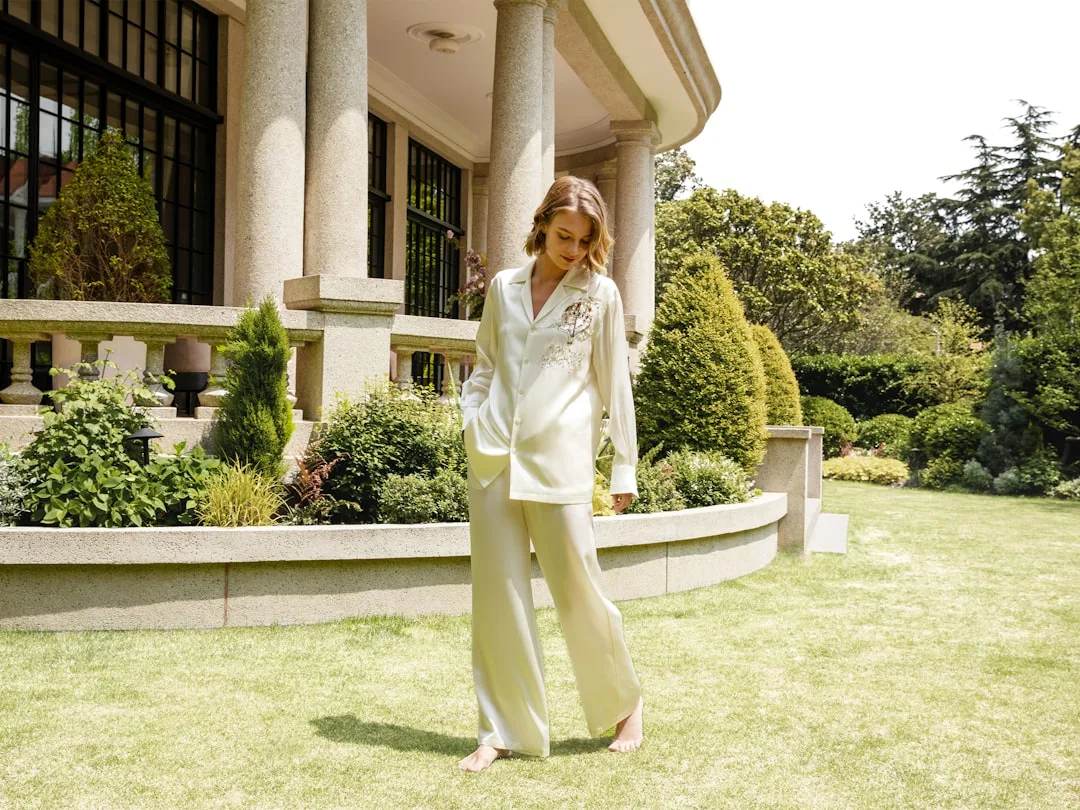
The silhouette requires deliberate pairing. A fitted blazer (cinched waist, structured shoulders) balances volume at the legs. Oversized blazers create formless silhouettes that read as costume rather than considered.
Turning Brick Wall Design Exterior Into a Fashion Trend demonstrates how texture layering applies to fabric choices too. Pairing smooth wool-blend trousers with a nubby knit top creates visual interest without competing volumes.
Shoes anchor the proportion. Pointed-toe flats (leather, Italian-made if possible) elongate the line from hip to ankle. Chunky loafers or ballet flats work for creative offices; they ground the silhouette without breaking up the line.
Tuck fitted tops into the waistband partially—a half-tuck or French tuck—to define your natural waist and prevent the silhouette from reading as oversized throughout.
Why Color Matters More Than You Think
Neutral tones dominate professional wide-leg dressing because they allow the silhouette itself to command attention. Black, charcoal, navy, and stone are the working colors because they absorb light and elongate the visual line.
Modern House Color Ideas – How Diverse Is The Fashion Palette? explores why limiting color palettes actually amplifies perceived luxury. The same principle applies to trousers: fewer colors worn repeatedly signal intentionality and resource management.
Caramel and olive gained traction in mid-2026 for warmer complexions, but these require careful lighting in office spaces. Stick with core neutrals initially, then experiment with color only once you’ve mastered fit and proportion.
Styling wide-leg trousers for different body types
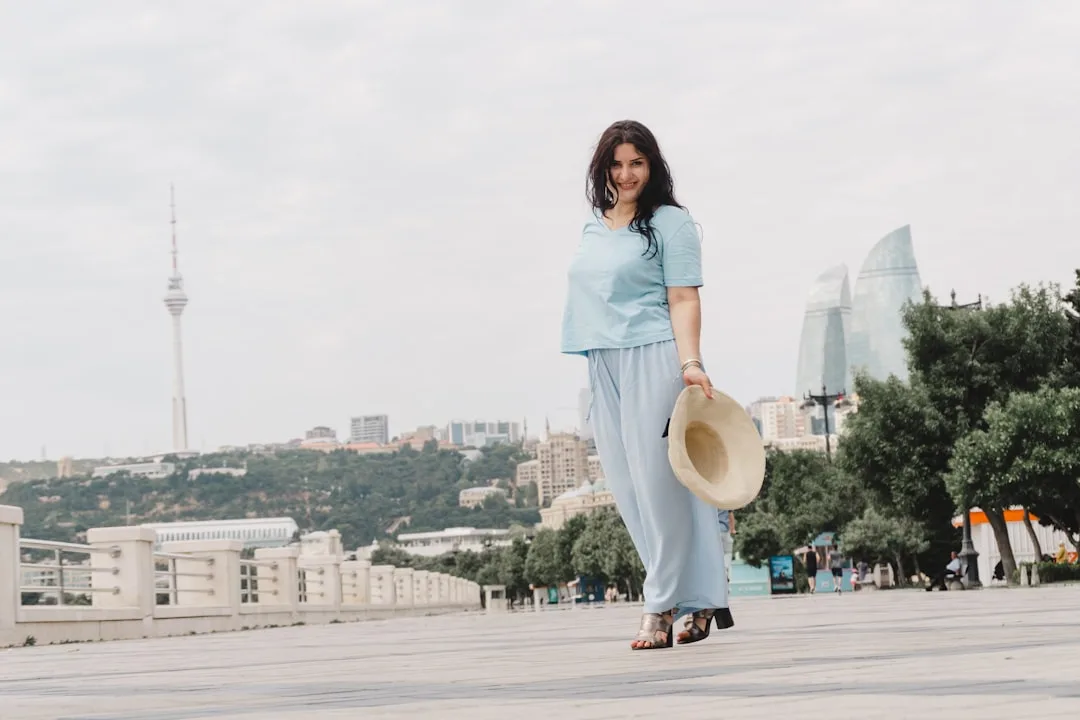
Wide-leg silhouettes work universally, but the specific construction should shift based on your proportions. Women with shorter frames benefit from higher waistbands and cropped lengths that hit at the ankle bone rather than the floor, preventing the silhouette from swallowing the lower leg entirely.
Taller figures can accommodate longer inseams and lower rises without losing balance. The key measurement remains consistent: the trouser leg should break gently on the shoe, creating a single horizontal line rather than bunching or floating.
Petite and curvy body types should prioritize trousers with darts or seaming details that anchor the waist rather than relying on excess fabric to drape smoothly. Brands like Everlane and J.Crew Studio specifically cut their wide-leg offerings with internal structure that prevents the silhouette from appearing oversized on smaller frames.
Investing in quality fabrics that maintain structure
The difference between professional-grade wide-leg trousers and casual versions lies almost entirely in fabric weight and fiber content. Trousers constructed from 100% wool or wool-blend materials hold their shape through repeated wearing and dry cleaning, whereas cotton blends tend to soften and relax over time.
Look for fabrics with a weight between 200 and 280 grams per square meter—heavy enough to drape without clinging, light enough to breathe in mixed office temperatures. Prada, Theory, and Hugo Boss maintain this specification consistently across their collections because the weight directly impacts how the silhouette reads on the body.
Linen blends became popular for summer suiting but require more frequent pressing to maintain the polished appearance that professional environments expect. If you choose a linen blend, budget additional time for garment care or accept that the trousers will develop a more relaxed, intentionally rumpled aesthetic that doesn’t suit all workplace cultures.