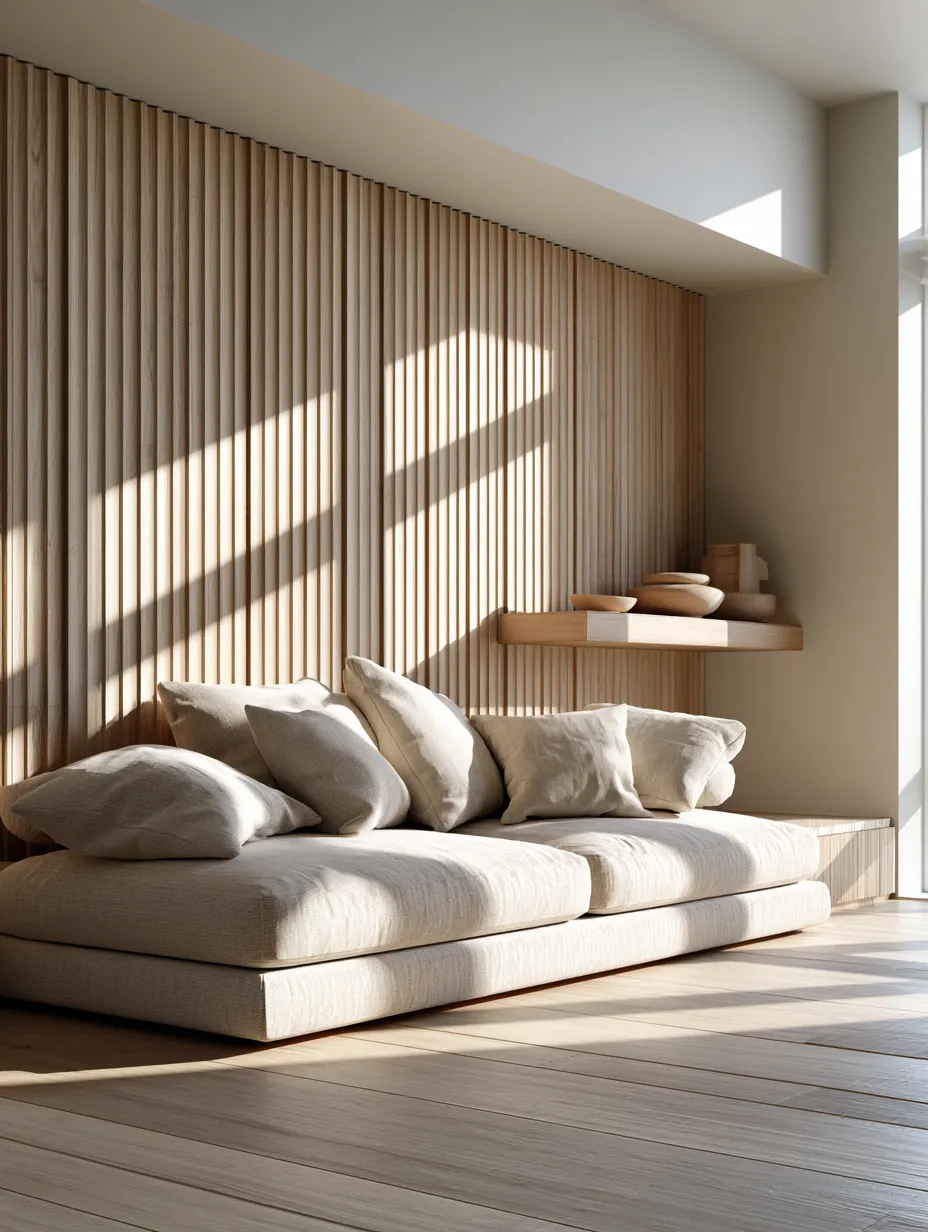
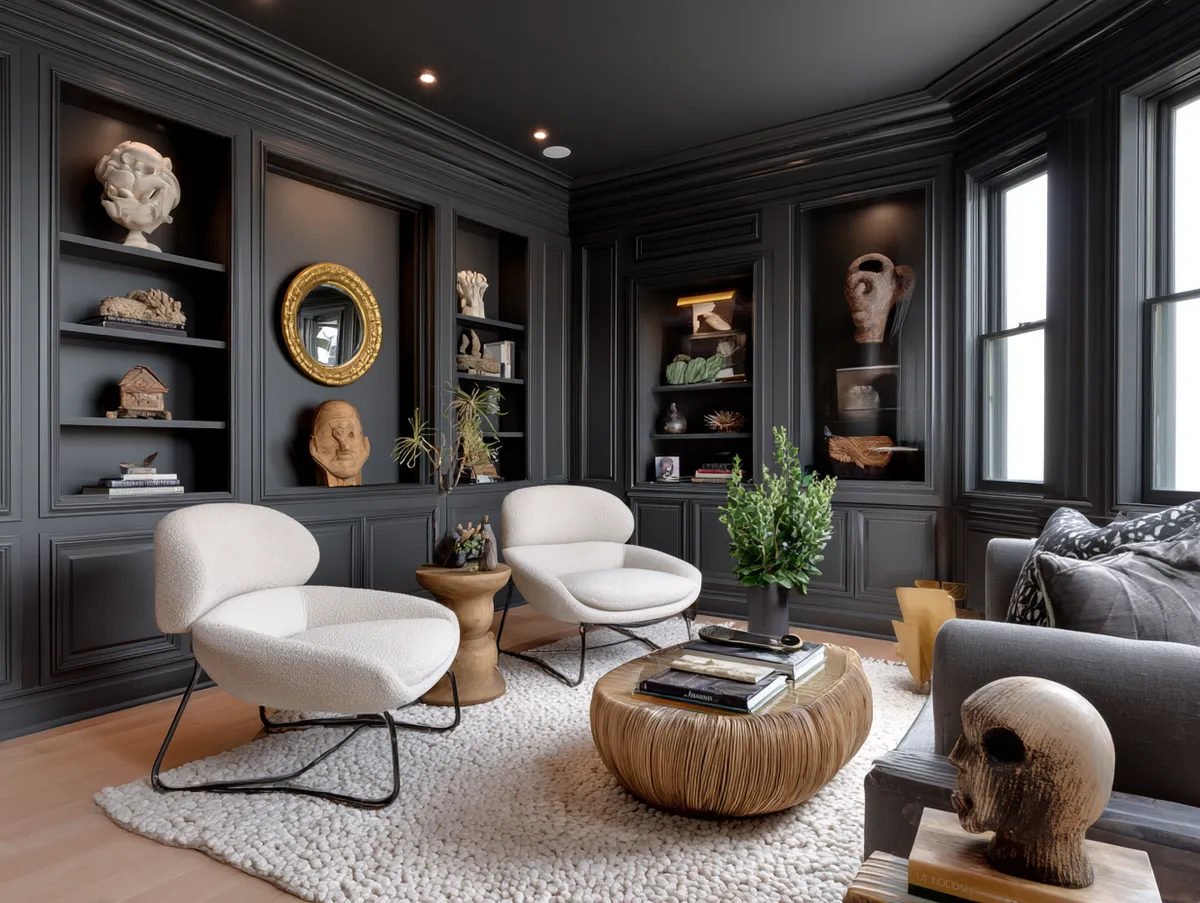
Wooden LED panel design solves something plain panels never could — it gives the light somewhere interesting to land. I’ve tested this in my own living room with a reclaimed oak panel from Stickbulb, and the shift at 7pm when the LEDs come on is genuinely startling. The grain catches the light at angles no flat wall could manage. You get shadow and glow happening at the same time, on the same surface.
Most people treat LED panels as a lighting decision. They’re actually a wall decision. The wood species, the carving depth, the LED color temperature — all of it compounds into something that either transforms a room or just sits there looking expensive and inert.
Main Topic: Wooden LED panel design — types, settings, wood species, and what actually works
Carved Panels + LEDs: Geometric and organic motifs from $180–$420/panel; Govee and LIFX strips add $35–$90 for the LED layer
Modern Setting: Quarter-sawn oak or walnut, 2700K–3000K warm white LEDs, dimmable driver required
Rustic Setting: Reclaimed pine or cedar, distressed finish, 2200K amber LEDs for fireplace-adjacent warmth
Common Mistake: Mounting LED strips flat against uncarved wood — the light has nowhere to go and the effect is flat
Price Range: DIY kits from $80; custom carved installs from $350–$1,200 depending on panel size and wood
What Happens Inside a Carved Wooden LED Panel
Carved wood and LEDs work together for the same reason a stained glass window works — the light needs an obstacle to become interesting. Flat wood with surface-mounted strips gives you a glowing plank. Carved wood with recessed LEDs gives you depth, shadow lines, and a surface that reads differently from every angle in the room. I bought a geometric oak panel from a maker on Etsy for $210 and it photographed better in one afternoon than my entire gallery wall did in three years.
The carving depth matters more than most people expect. Cuts under 5mm don’t create enough shadow to show anything. You need at least 8–12mm of relief for the LED glow to cast a visible edge. Panels from brands like WoodLEDart or custom carvers on Woodmasters.co typically specify relief depth; anything listed as “engraved” rather than “carved” is likely too shallow. Don’t buy engraved if you want drama.
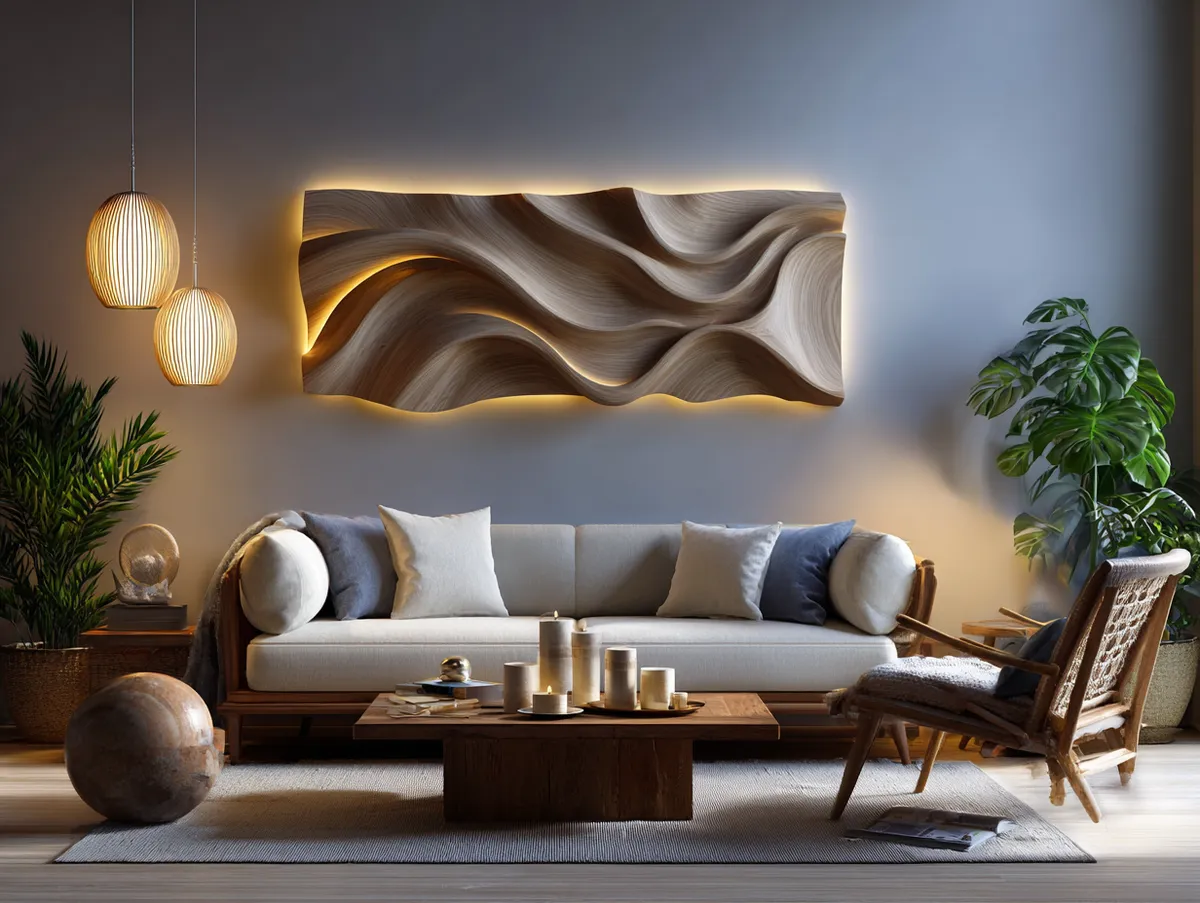
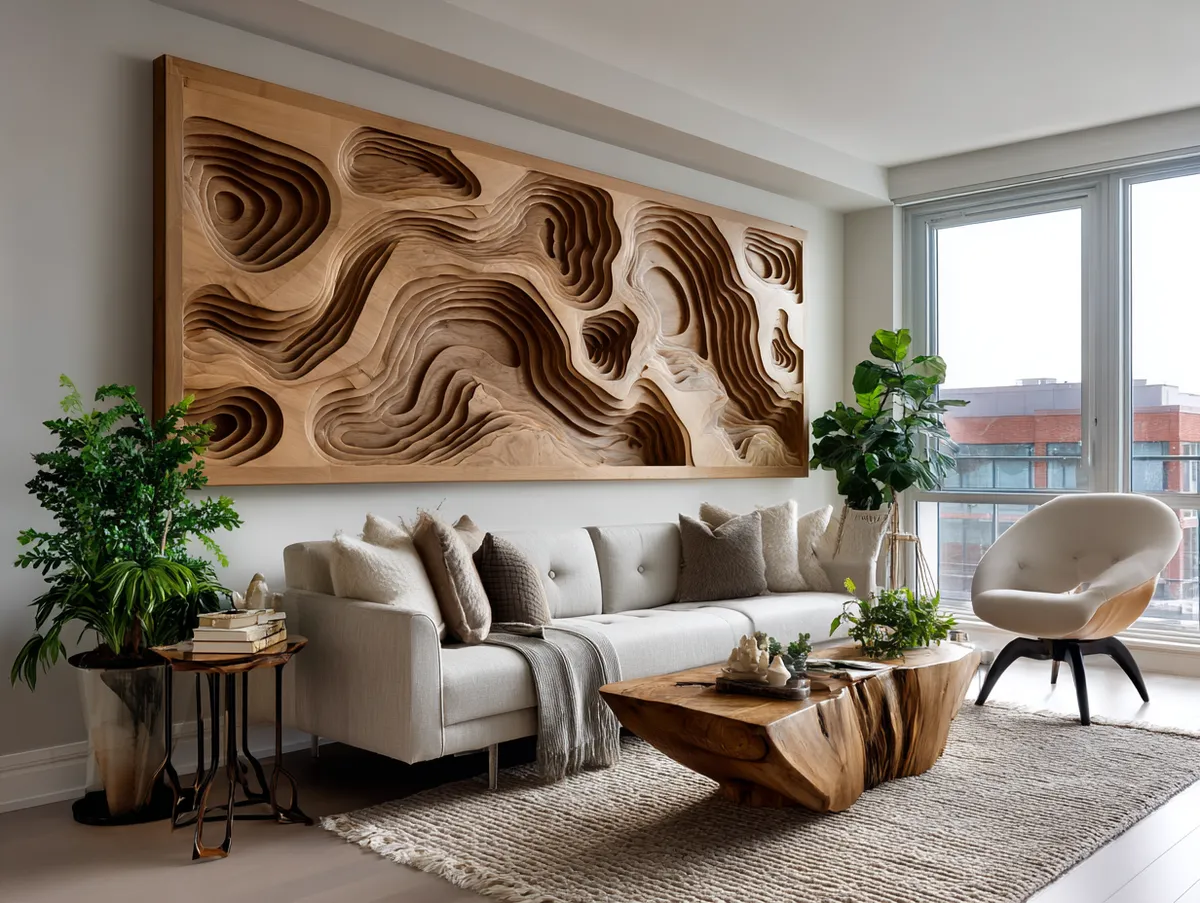
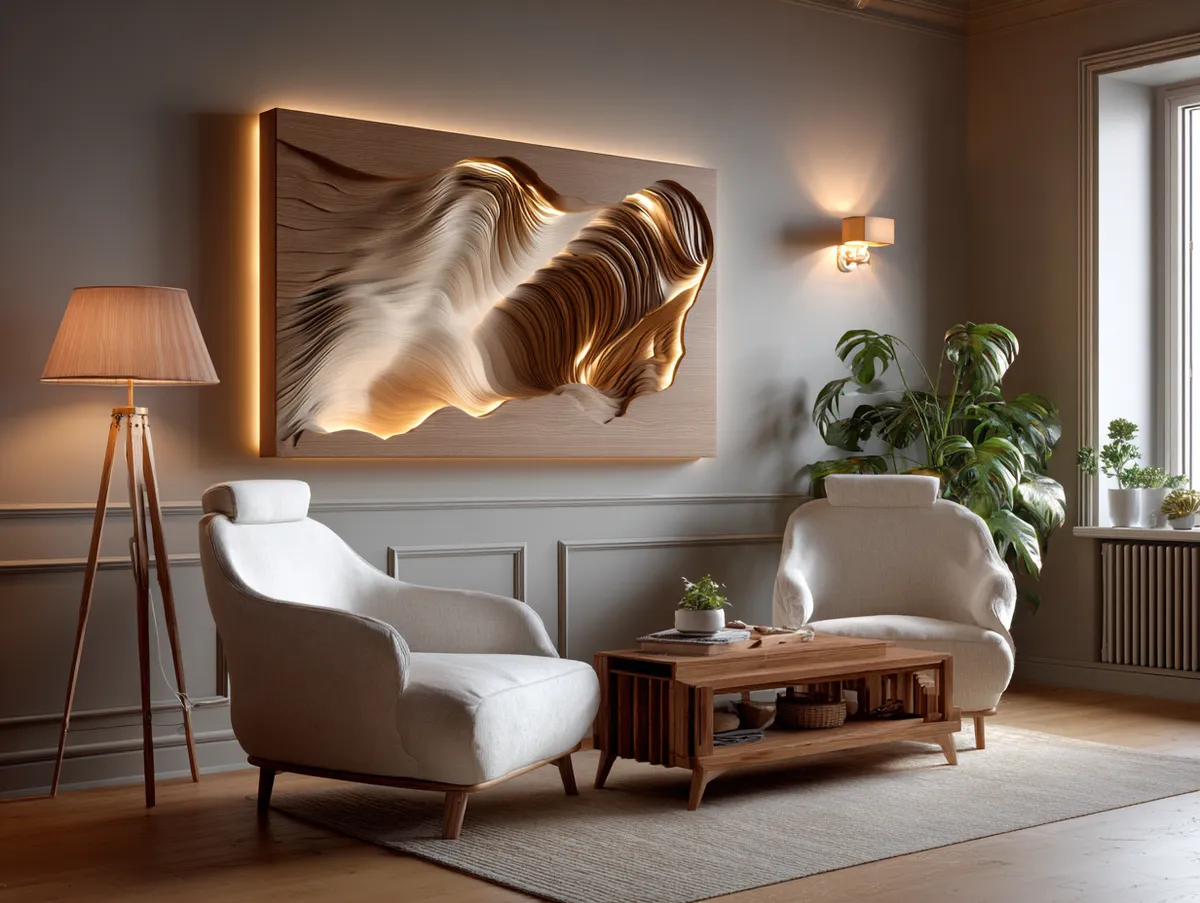
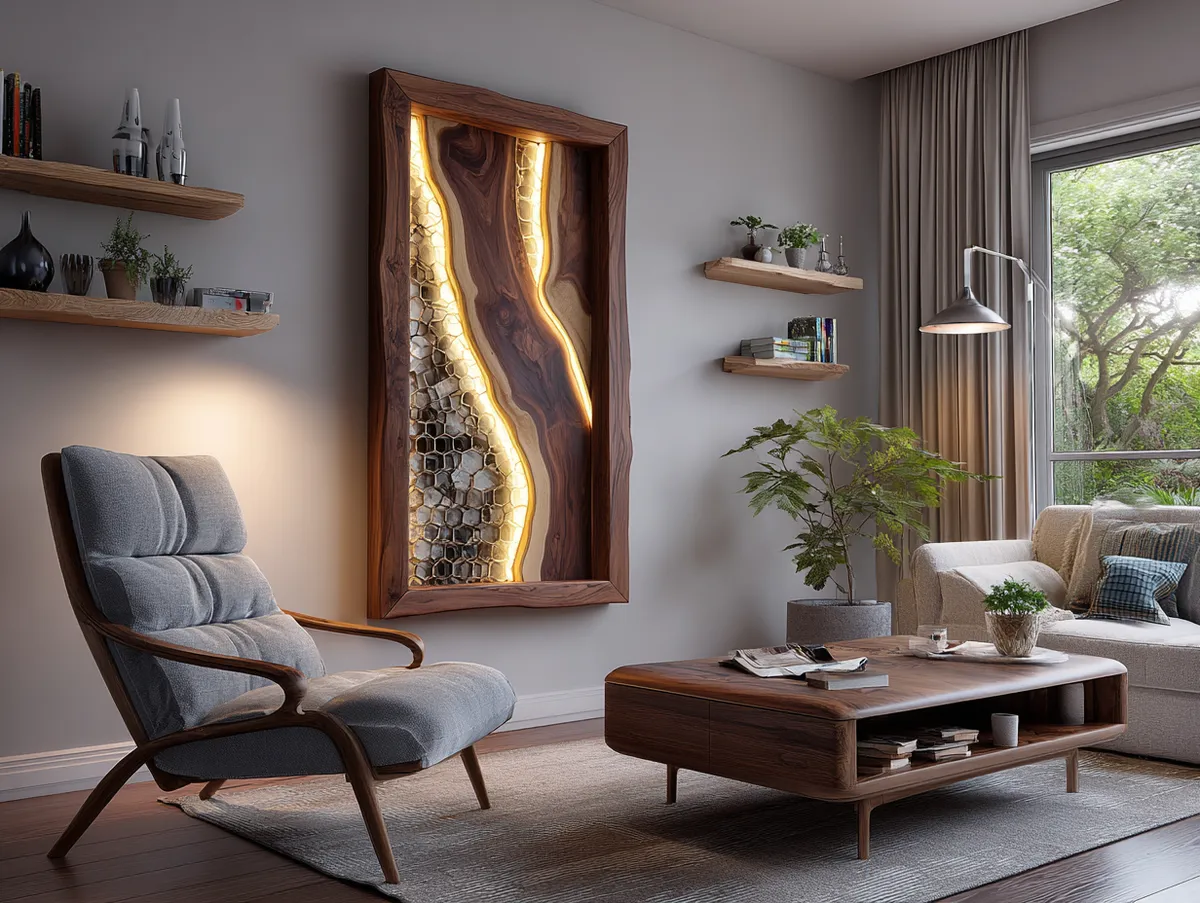
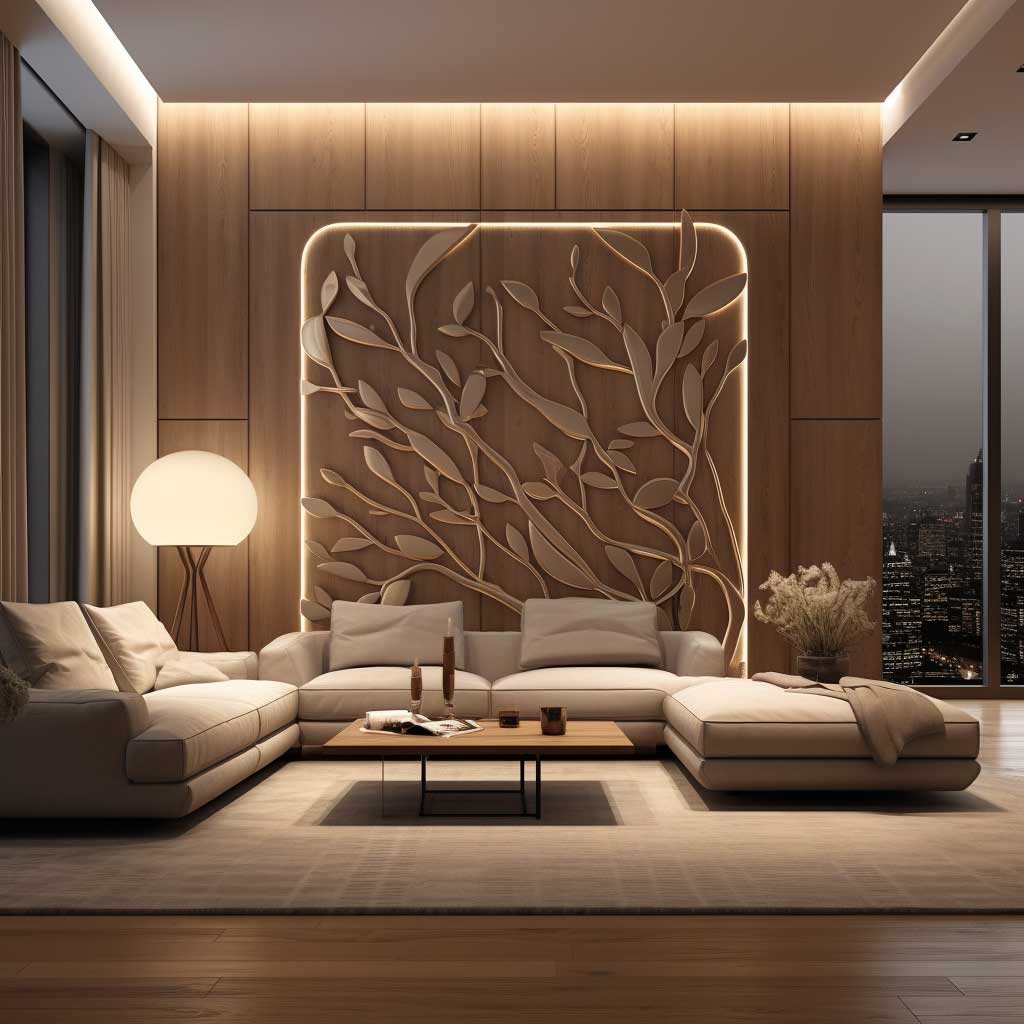
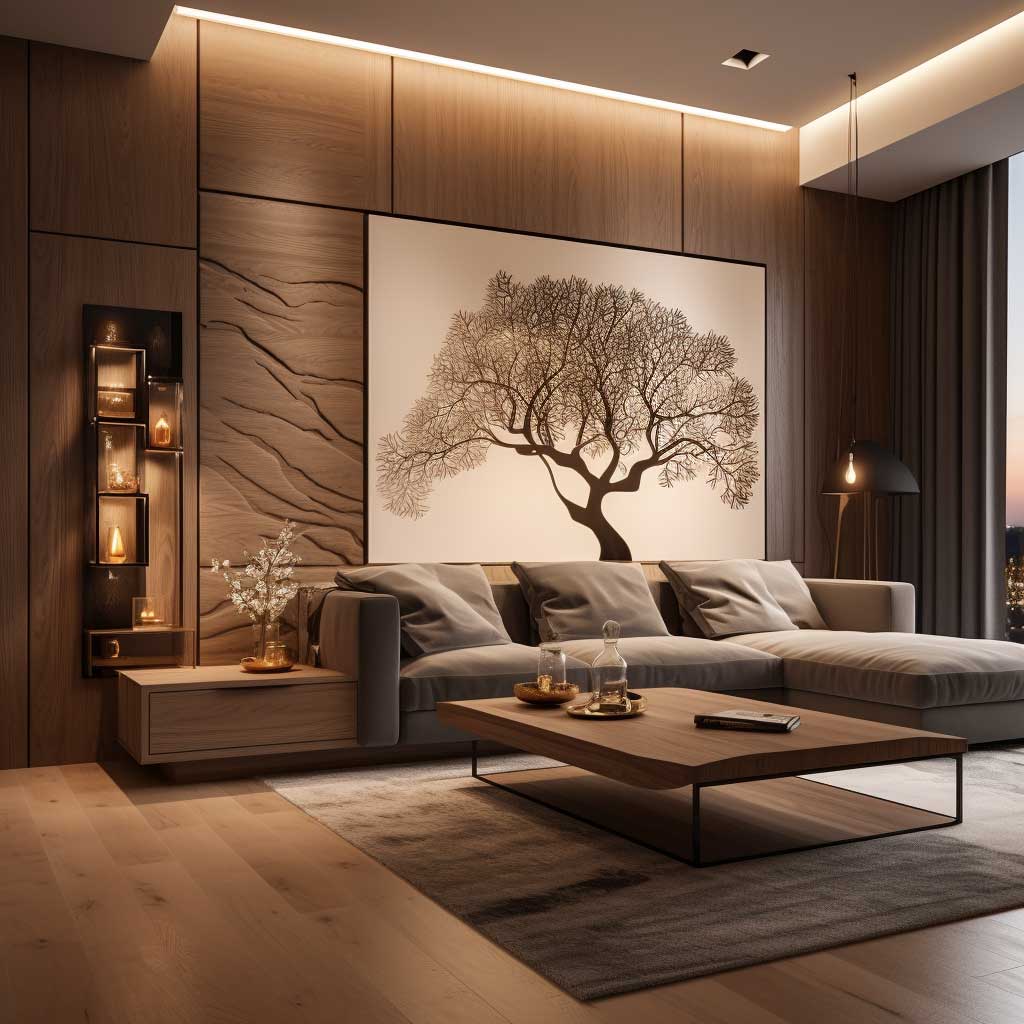
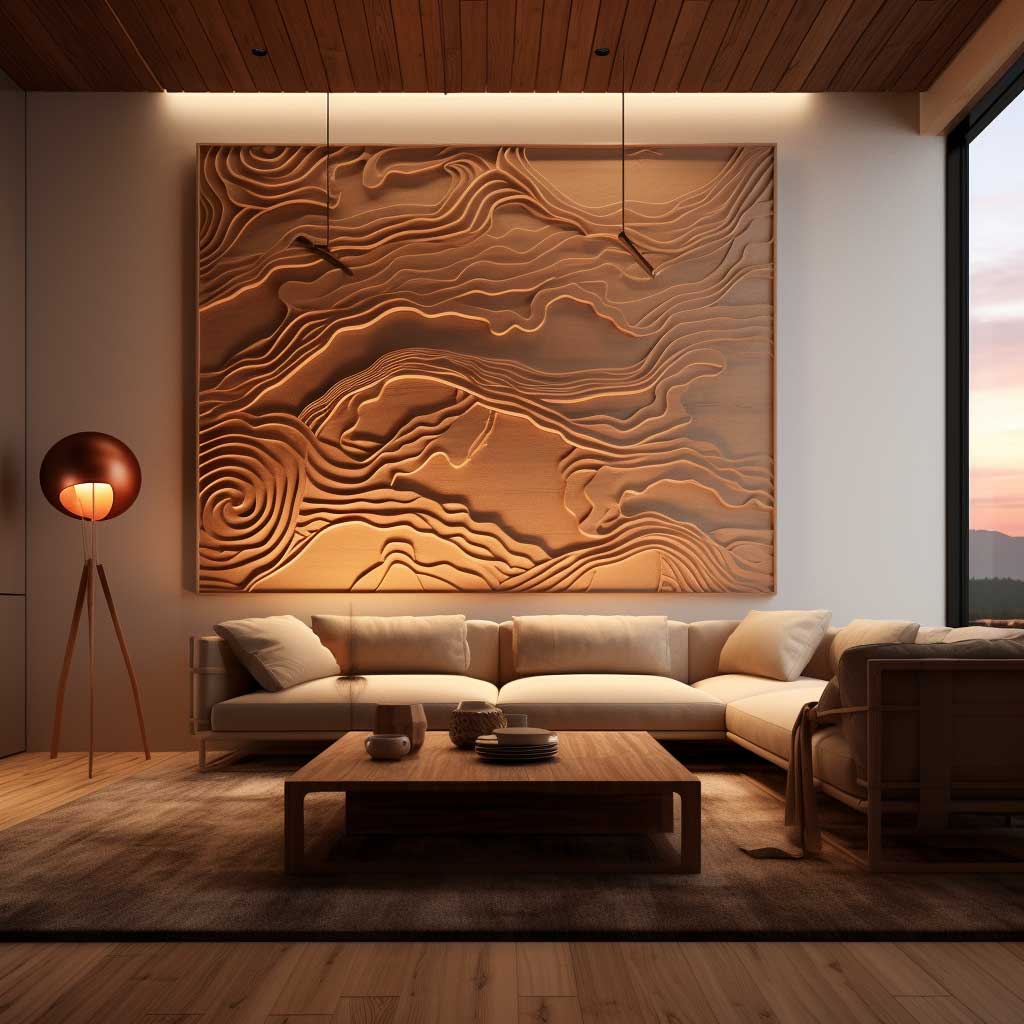
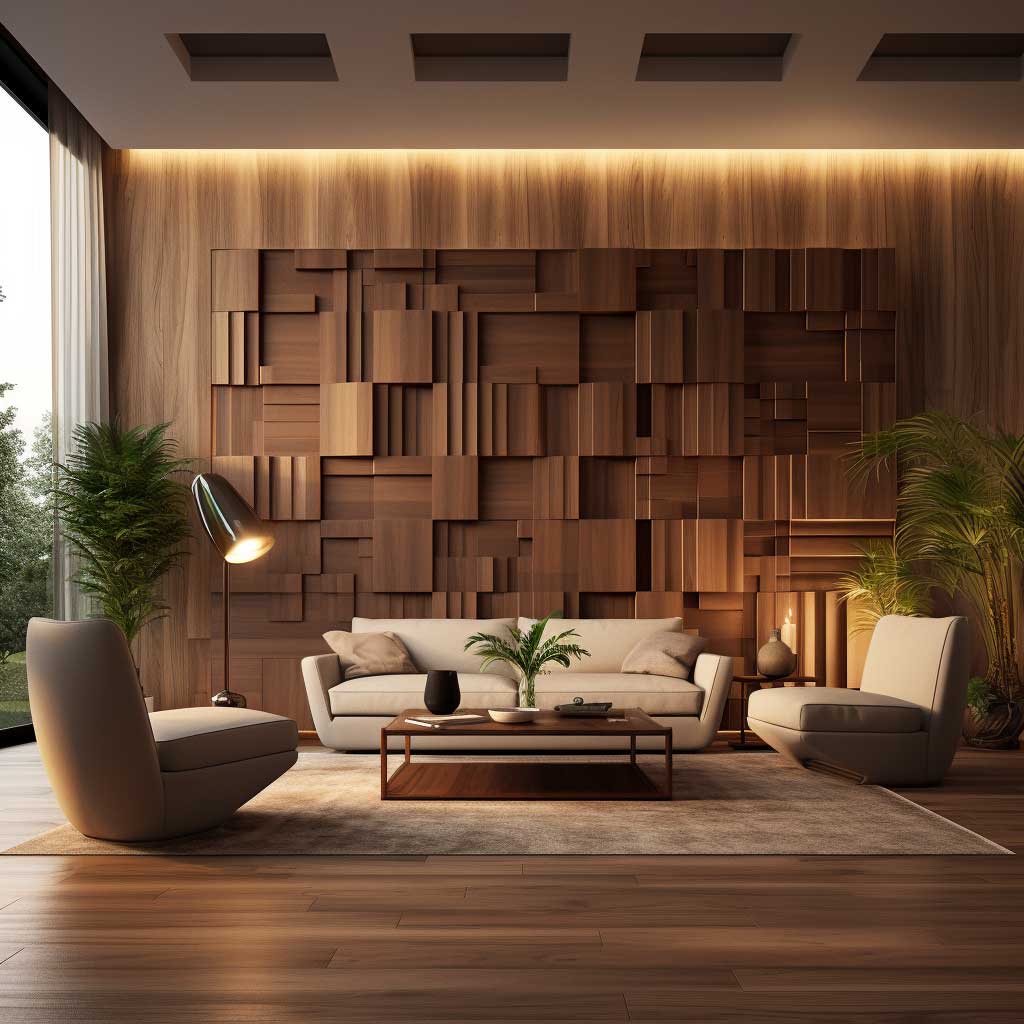
The patterns carved into wood panels fall into two categories that behave very differently under light. Geometric patterns — chevrons, hexagons, stepped arches — produce clean shadow lines that hold their definition even at low LED intensity. Organic patterns (vines, leaves, flowing curves) require higher lumen output to read clearly; they tend to blur into an amorphous glow below 800 lumens. Pick your pattern based on how low you want the dimmable range to go.
LED color temperature is the other variable nobody adjusts correctly. My go-to for carved wood panels is 2700K — warm white that reads like evening candlelight against light oak, or like a campfire ember against walnut. I tried 4000K cool white on a pine panel once and the result looked like a hospital corridor. The wood went flat and grey. Stick to 2200K–3000K for any wood panel installation. Phillips Hue White Ambiance strips let you dial this range precisely and cost around $45 for a 2-meter strip.
Wooden LED Panels in a Modern Room Need This Specific Balance
Modern interiors are the natural home for wooden LED panel design — not because it’s trendy, but because the visual contrast actually does something. Metal, glass, and painted concrete are cold surfaces. They reflect light without absorbing it. A carved wooden LED panel against a concrete wall is the design equivalent of putting a wool blanket on a steel chair: the room instantly becomes somewhere you’d want to stay.
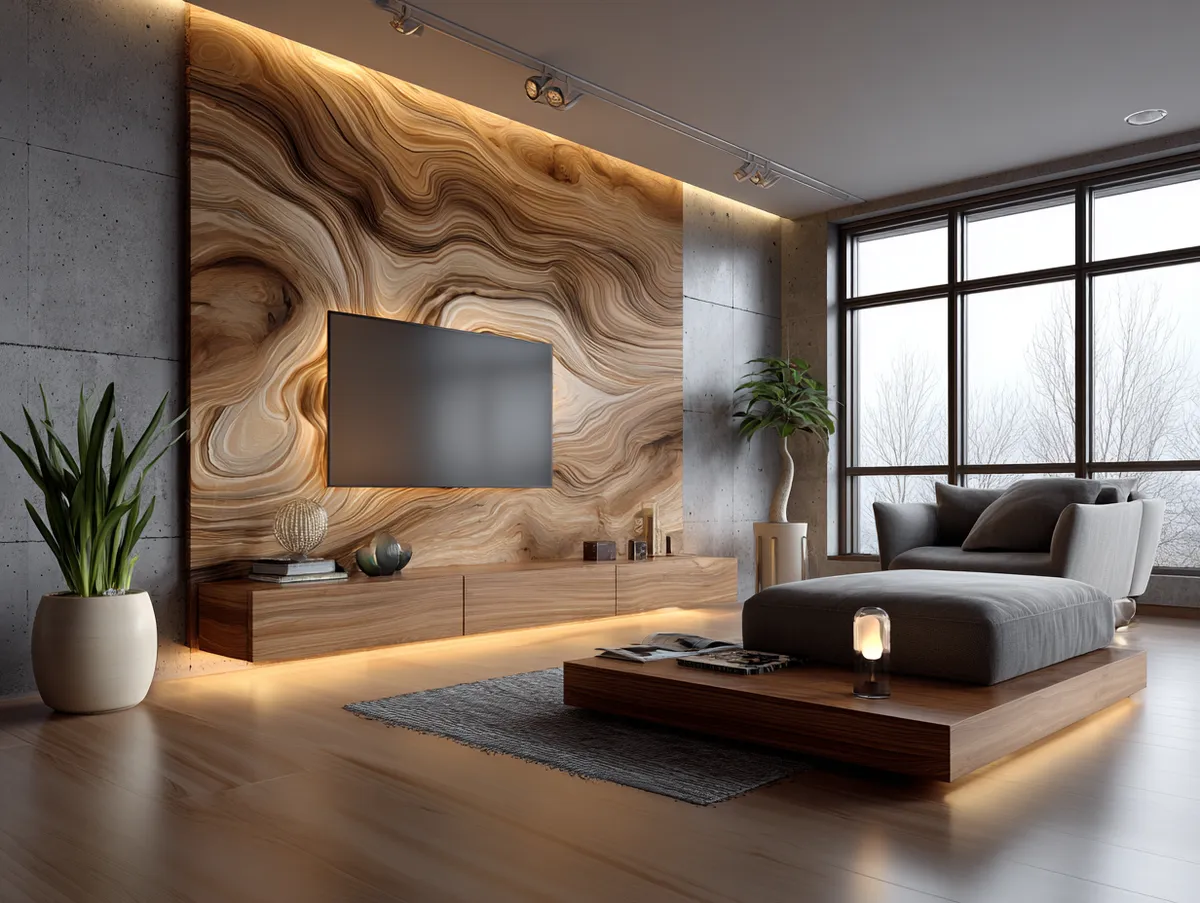
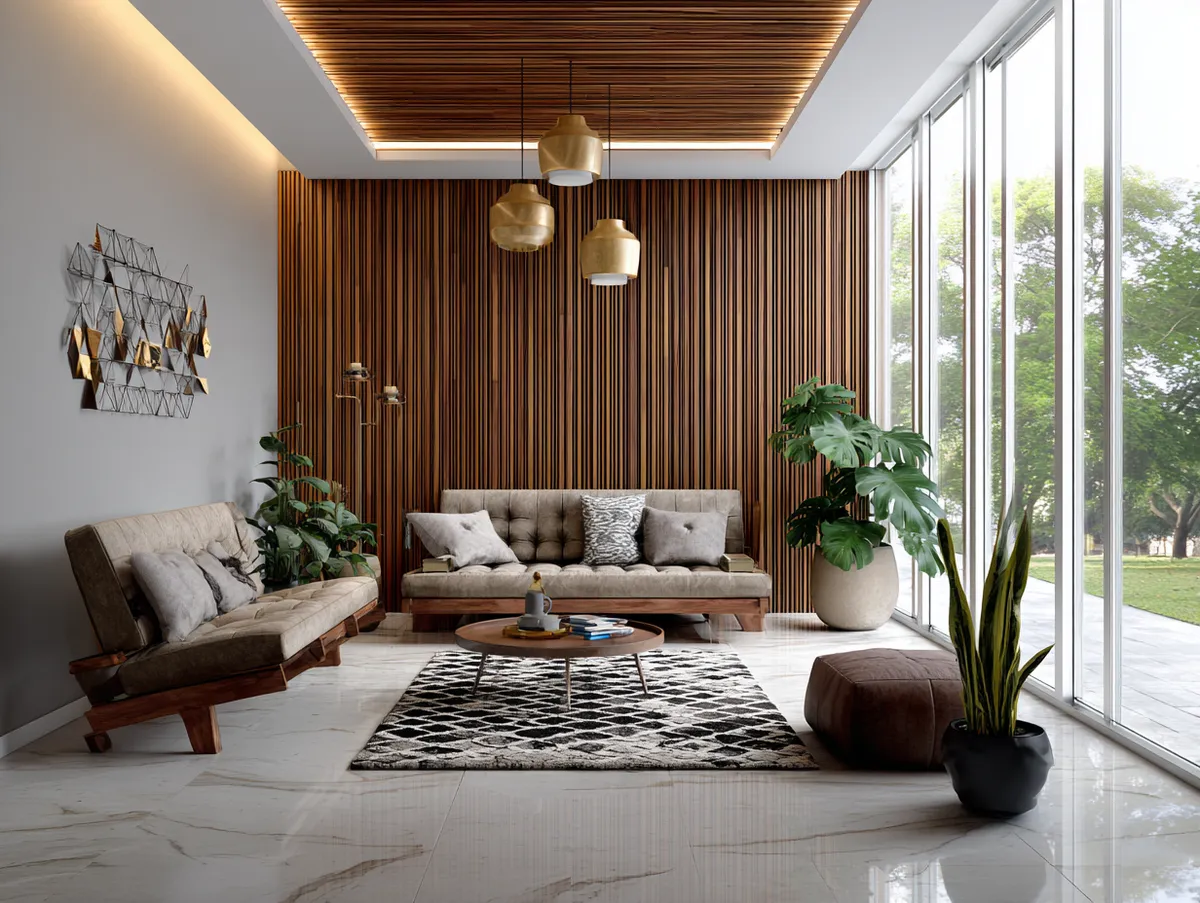
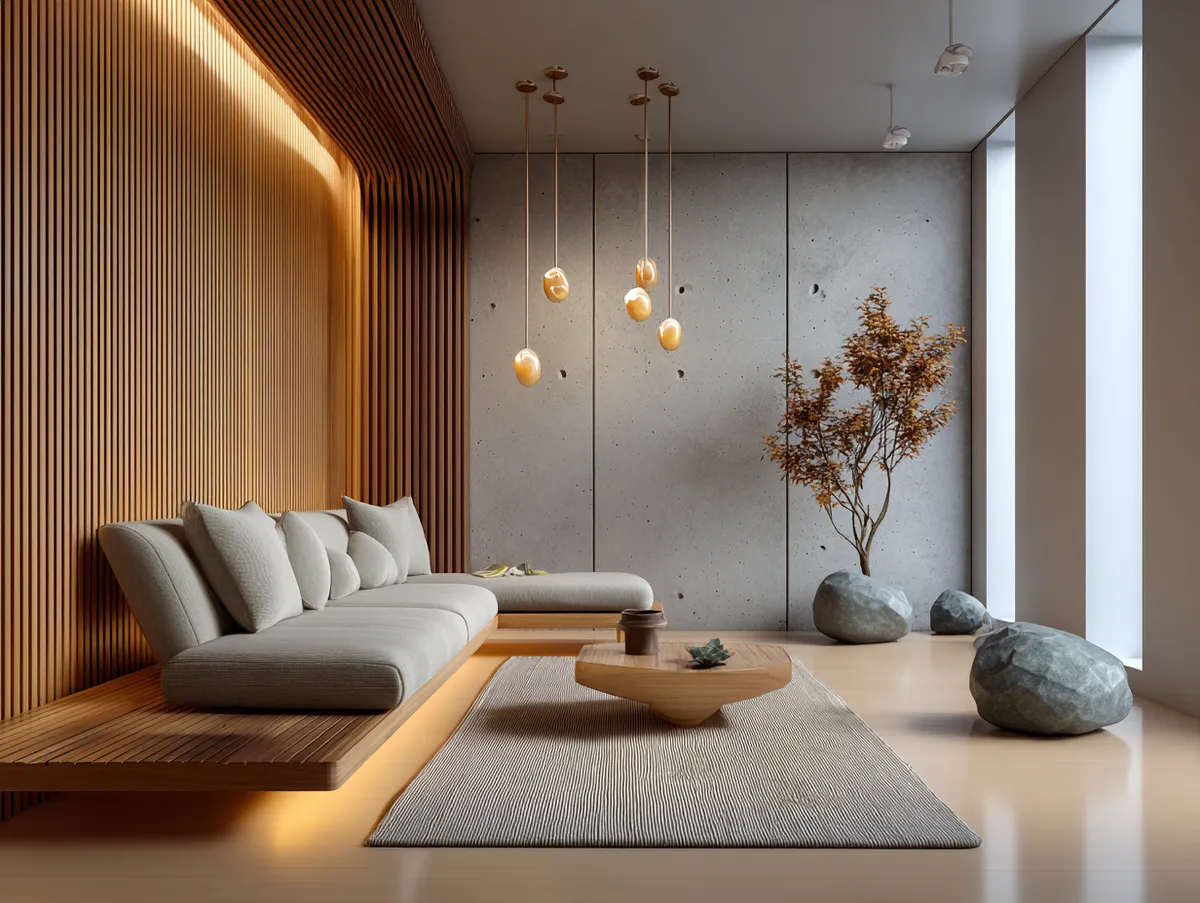
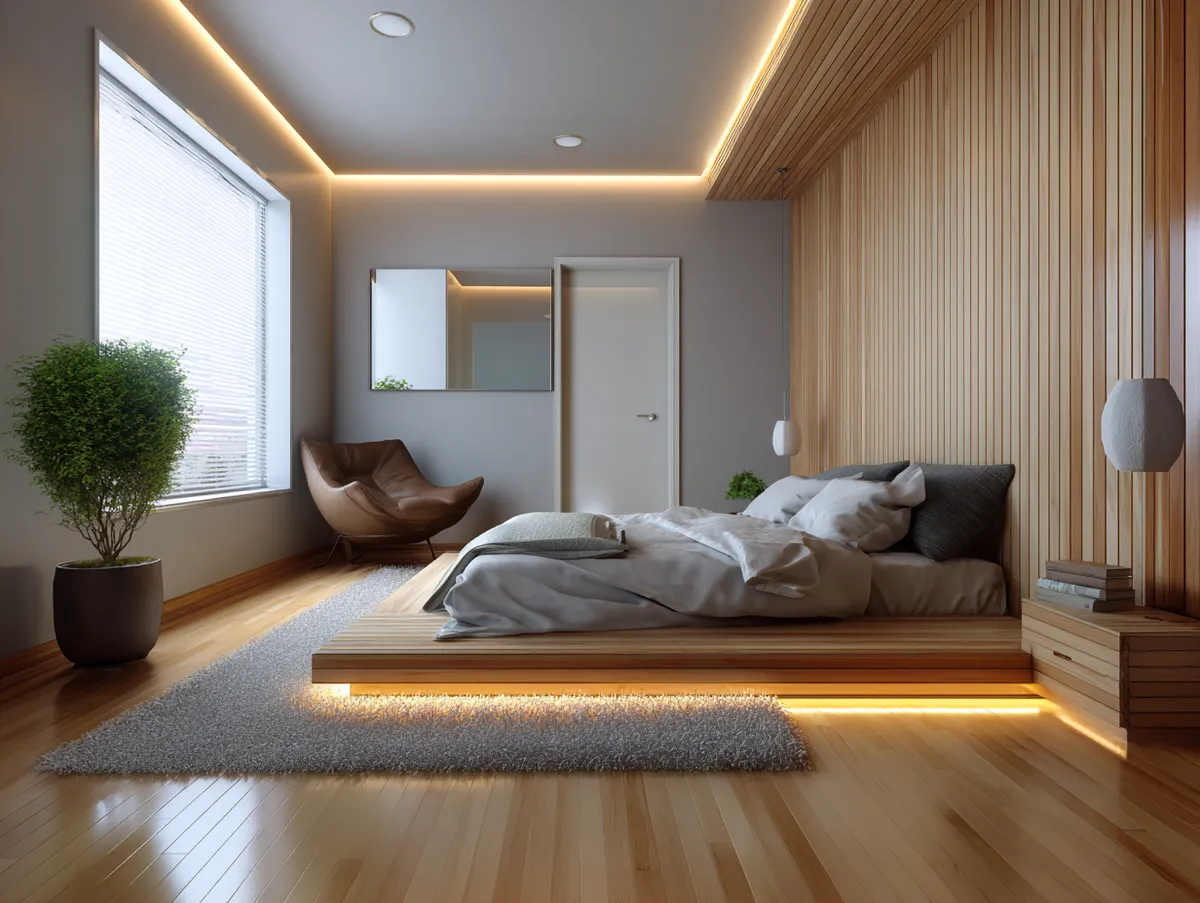
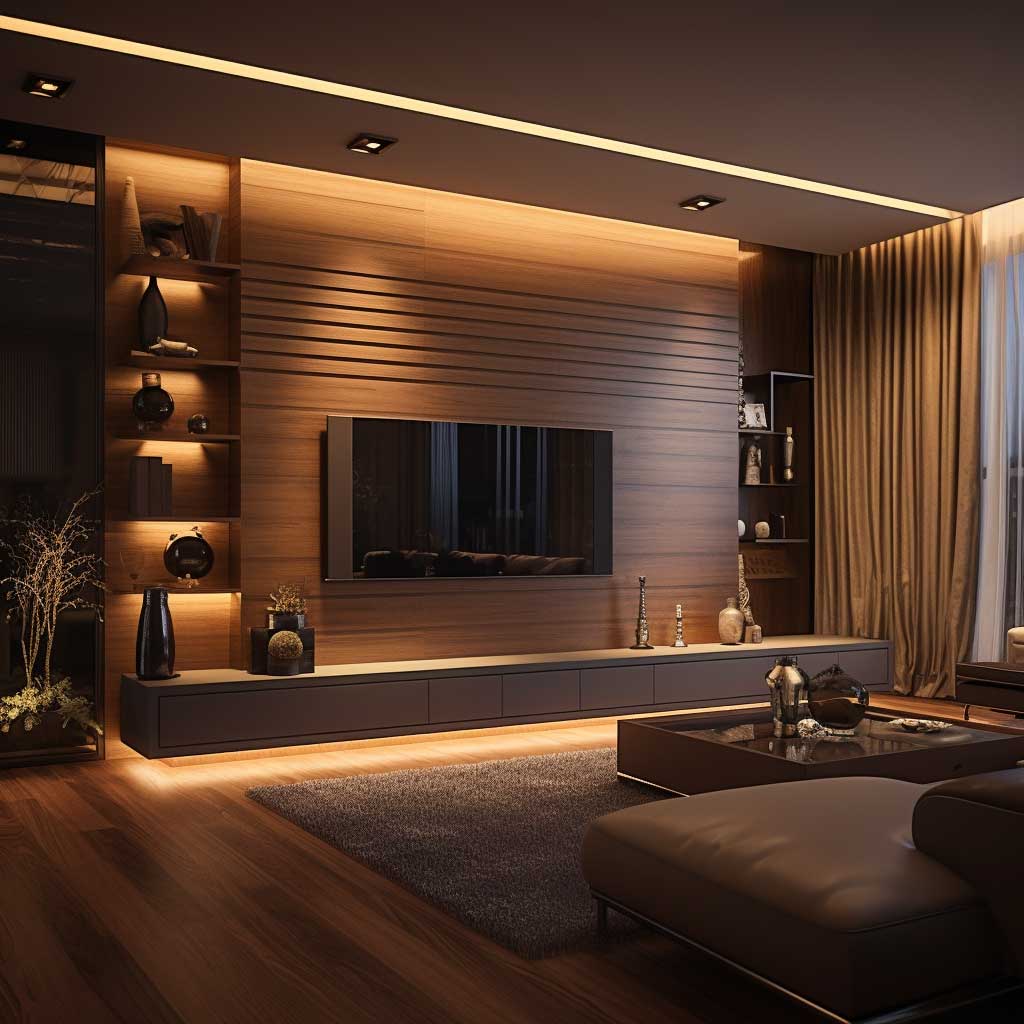
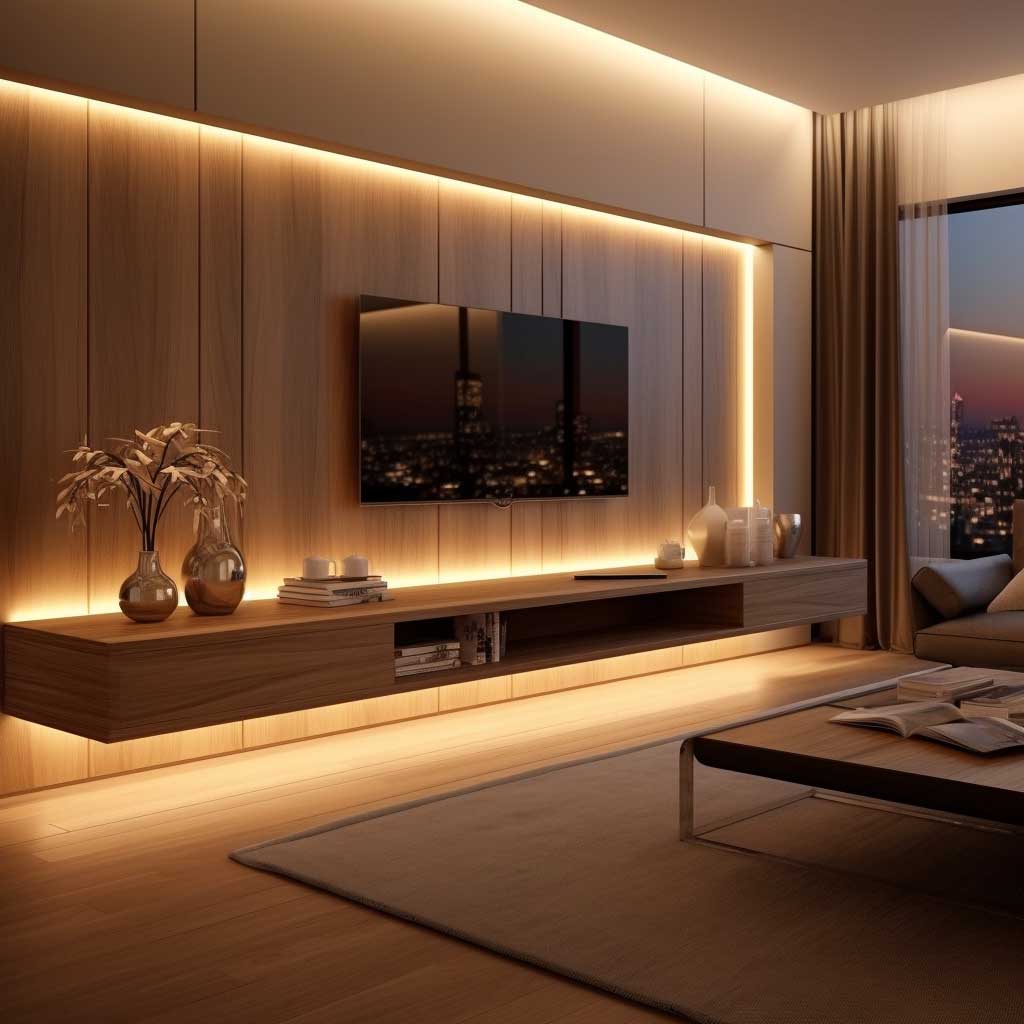
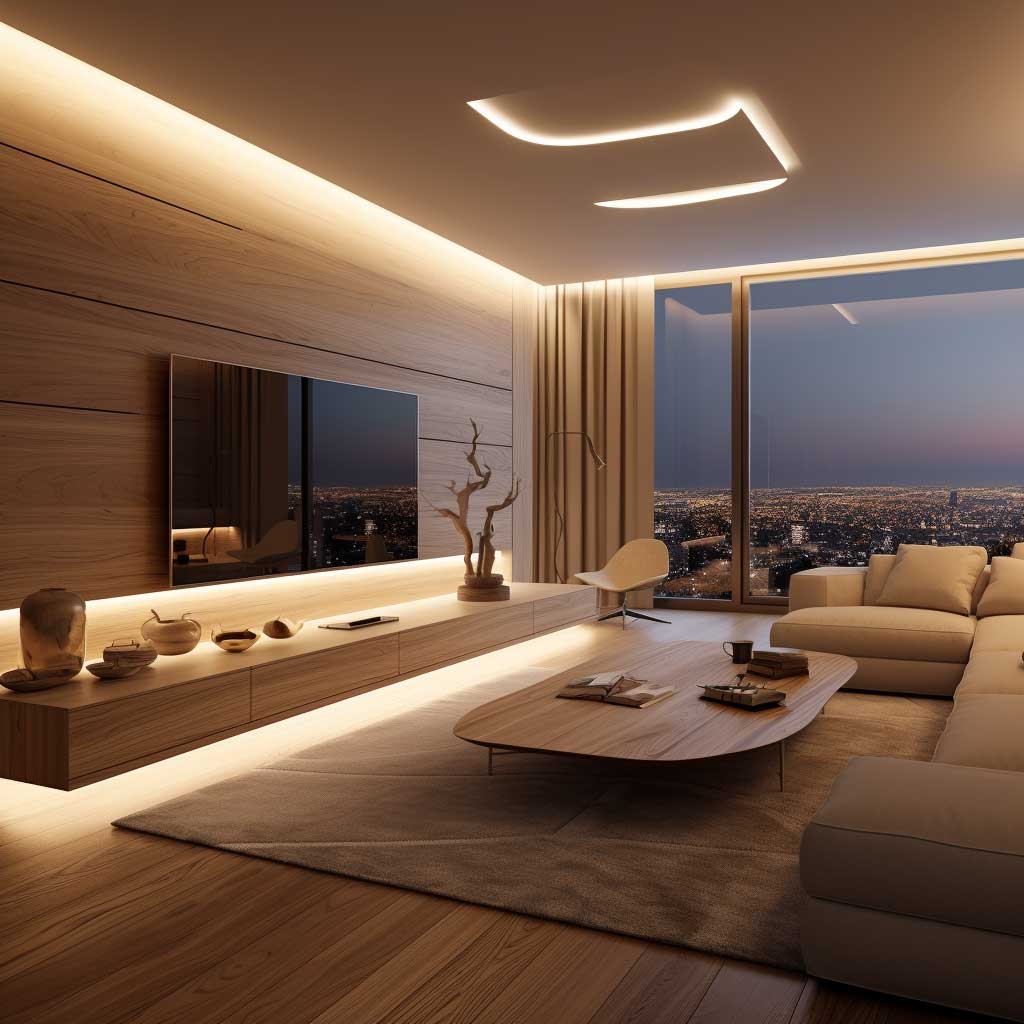
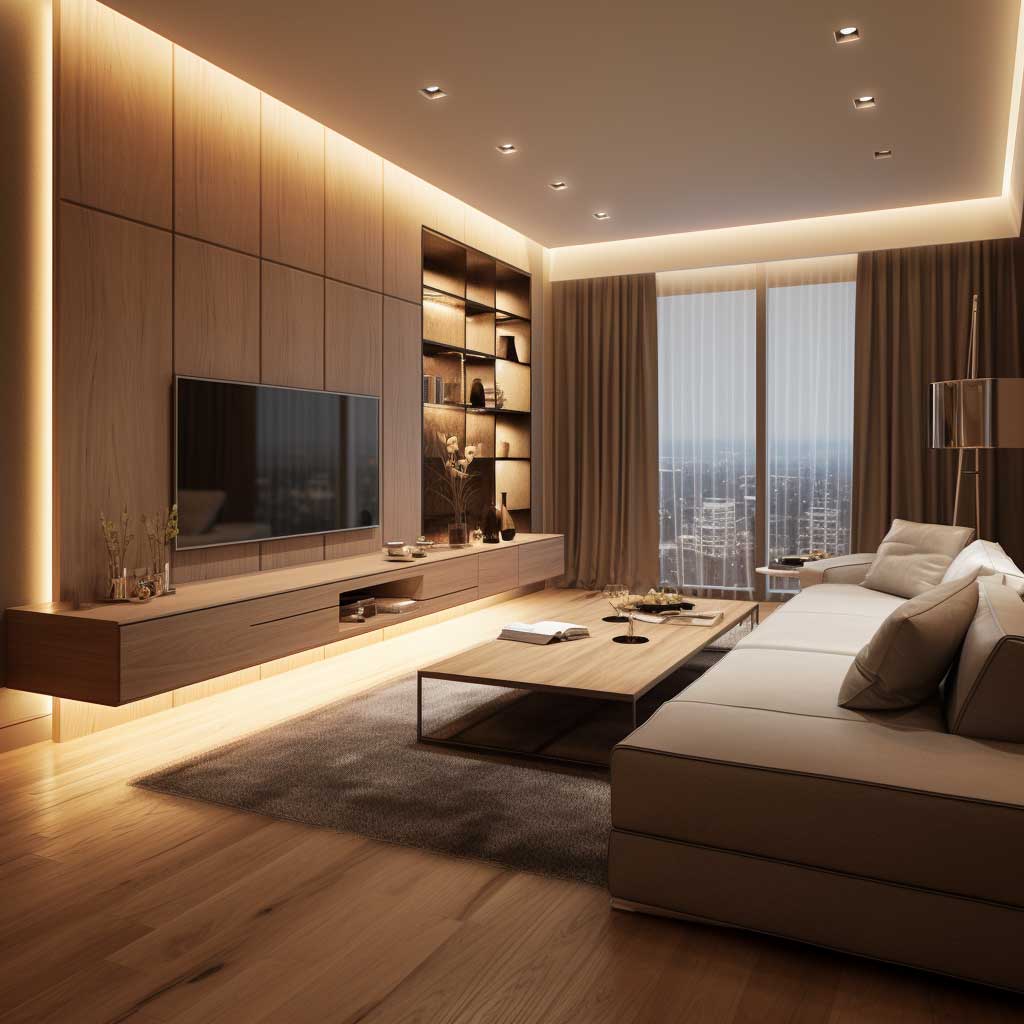
Quarter-sawn white oak is my go-to for modern rooms — the grain runs parallel and uniform, which means it reads clean from a distance and rich up close. You’ll notice it costs about 30% more than flat-sawn oak at most lumber suppliers, but the visual return is worth it. Rotary-cut veneers with cathedral grain pull the eye in six directions at once and fight the LED pattern instead of supporting it. The panel loses all its focus.
LED dimmability isn’t optional in a modern space — it’s the whole point. Daytime brightness for the room to function, evening warmth for the room to feel alive. A good dimmable driver runs $25–$45 at any electrical supply. Govee’s RGBIC Pro strips ($59 for 5m) are what I stole this trick from; they allow both white temperature adjustment and dimming from a single app, which means one panel can cover the full range from bright task lighting to intimate amber glow. Non-dimmable LEDs behind wood panels are a waste of a good wall.
The panel’s adaptability is where most designers get creative. I’ve seen wooden LED panels used as headboards (backlit with 2700K behind a 10mm carved walnut slab), integrated into floating shelving units, and laid horizontally across a ceiling recess in a home office. For more modern wood panel ideas at the full room scale, this breakdown of modern wood panel walls covers installation approaches that work for contemporary homes.
Rustic Rooms Get the Warmest Version of Wooden LED Panel Design
Rustic decor and wooden LED panels are not just compatible — they’re practically the same material language spoken twice. Reclaimed pine with visible nail holes, distressed oak with filler putty, rough-sawn cedar that still shows the saw marks — all of these absorb LED light differently than smooth finished panels do. The imperfections catch the glow and create micro-shadows that a factory-smooth surface would never produce. It looks hand-made because it is.
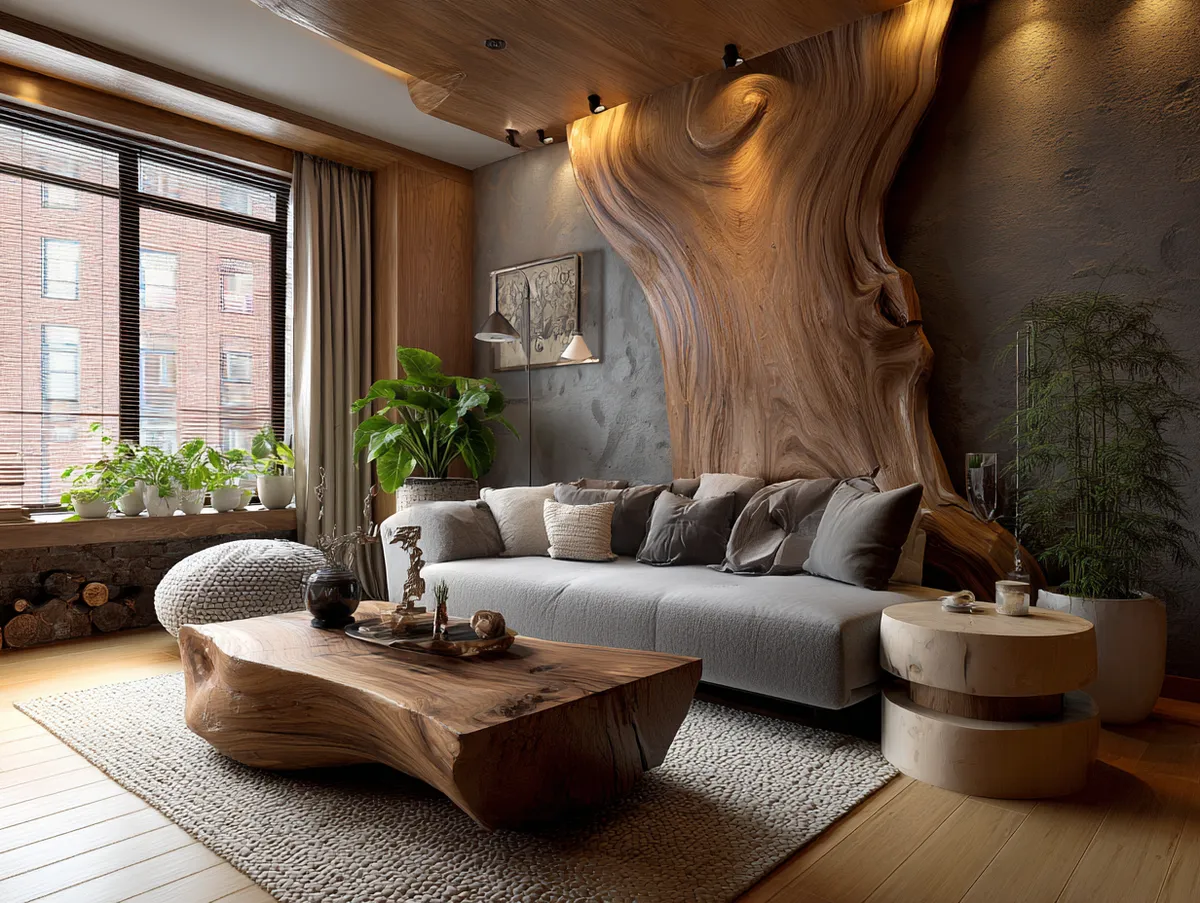
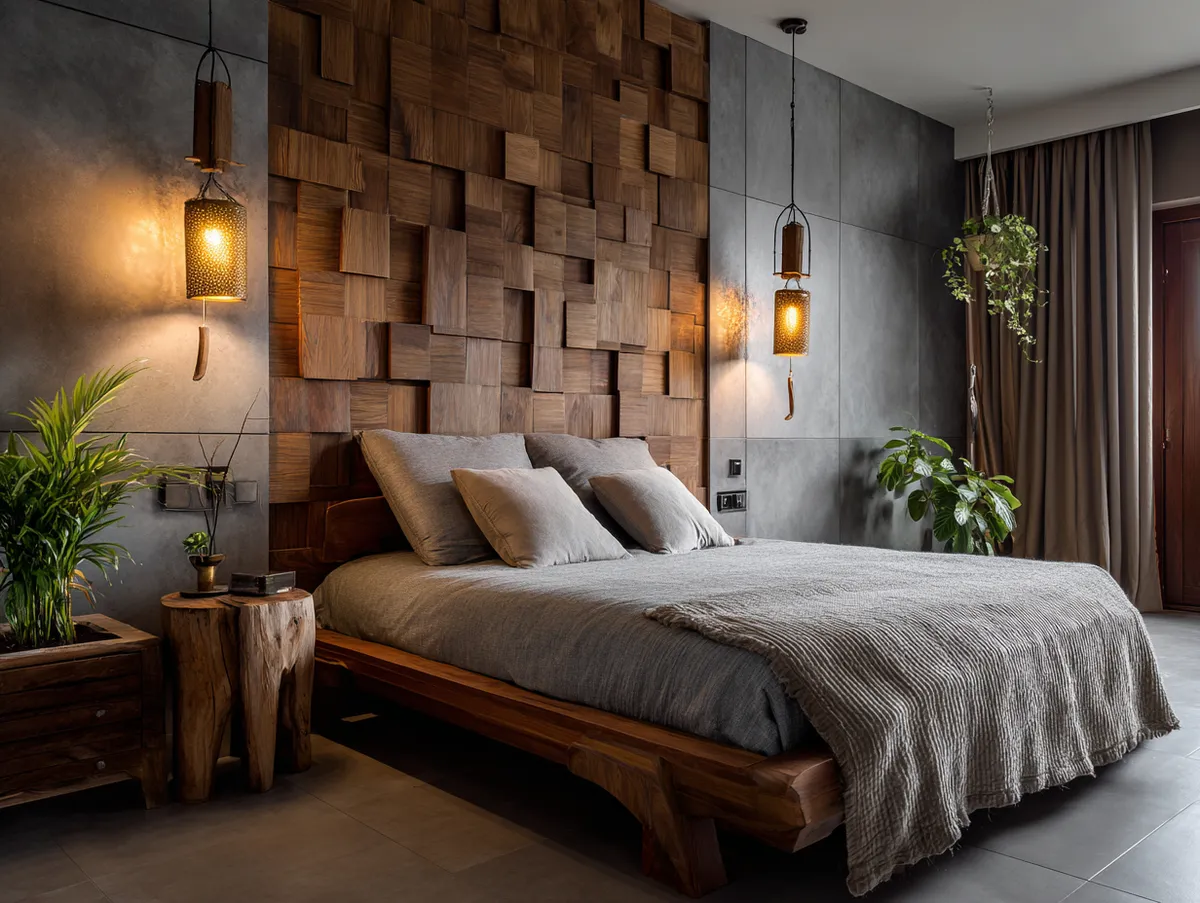
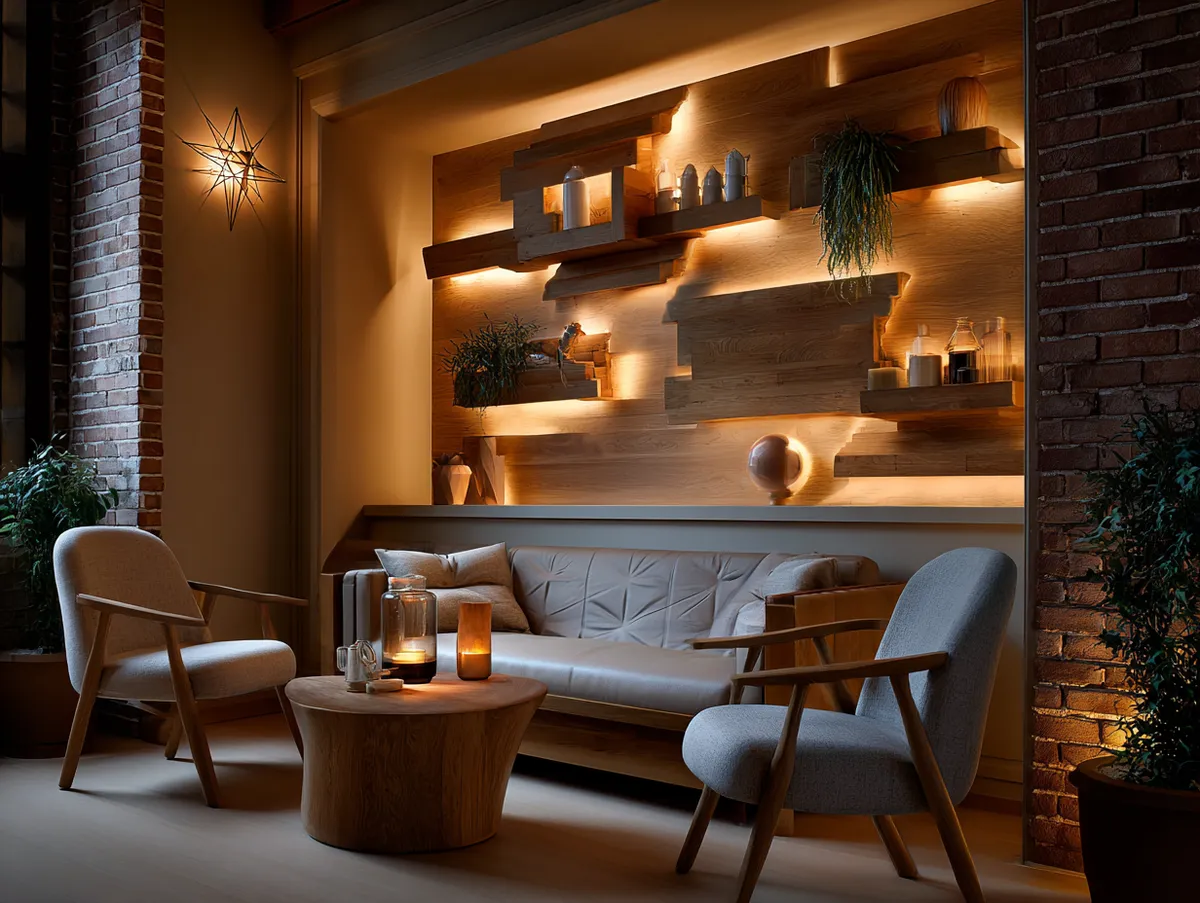
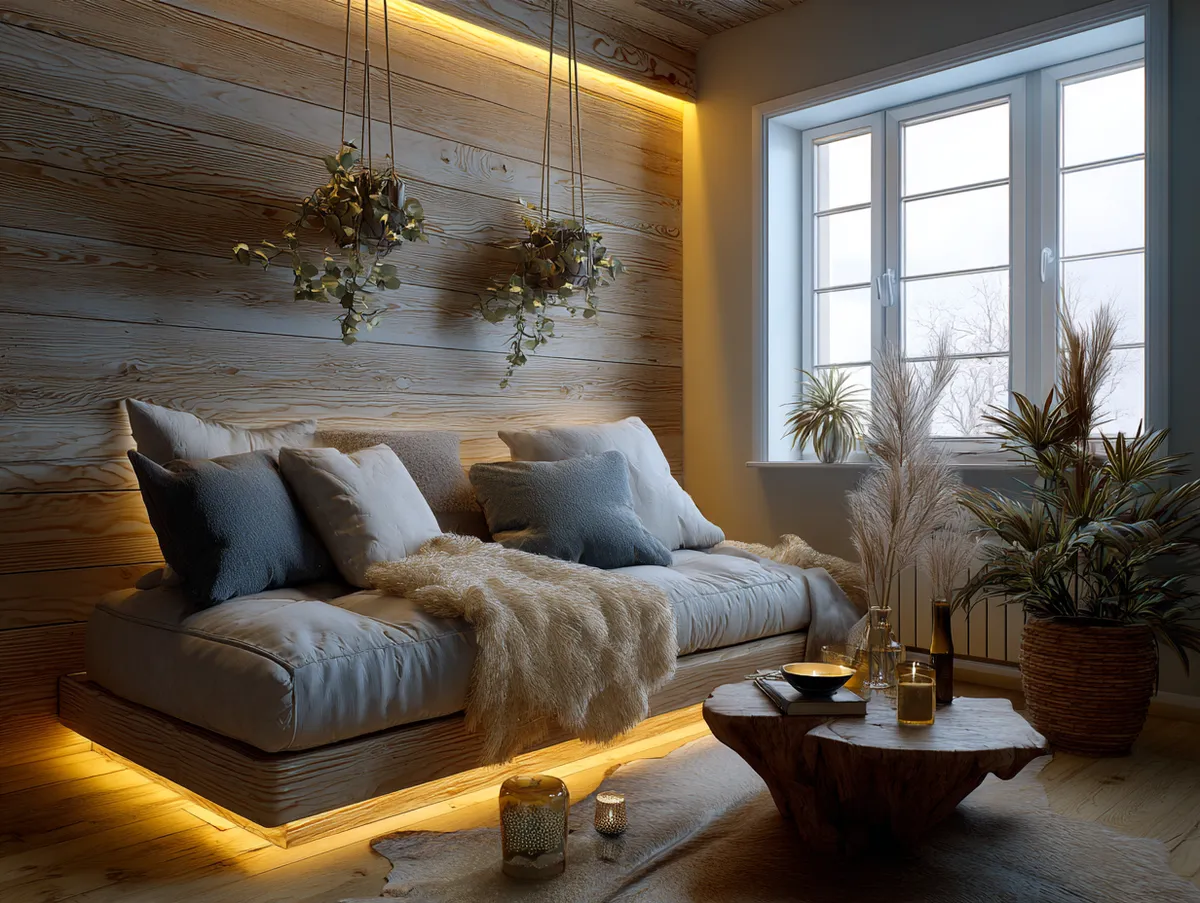
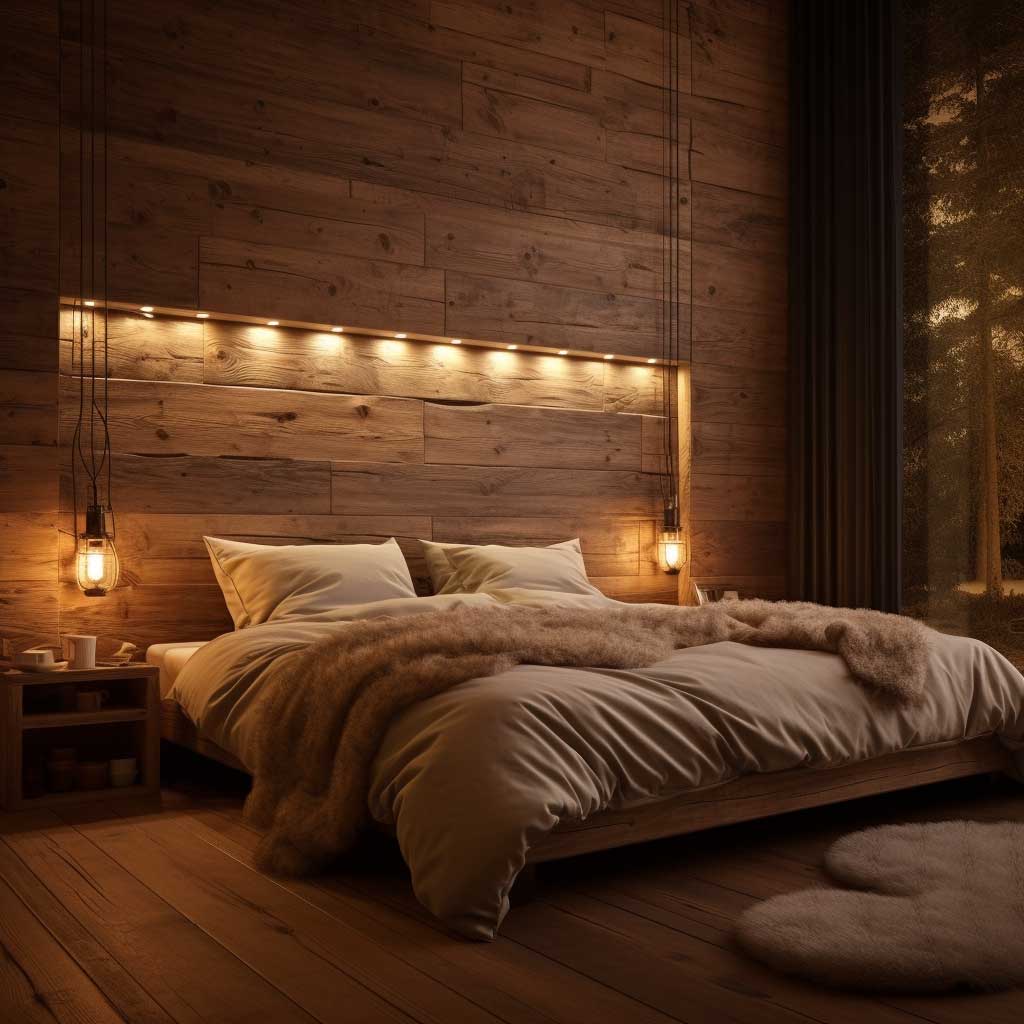
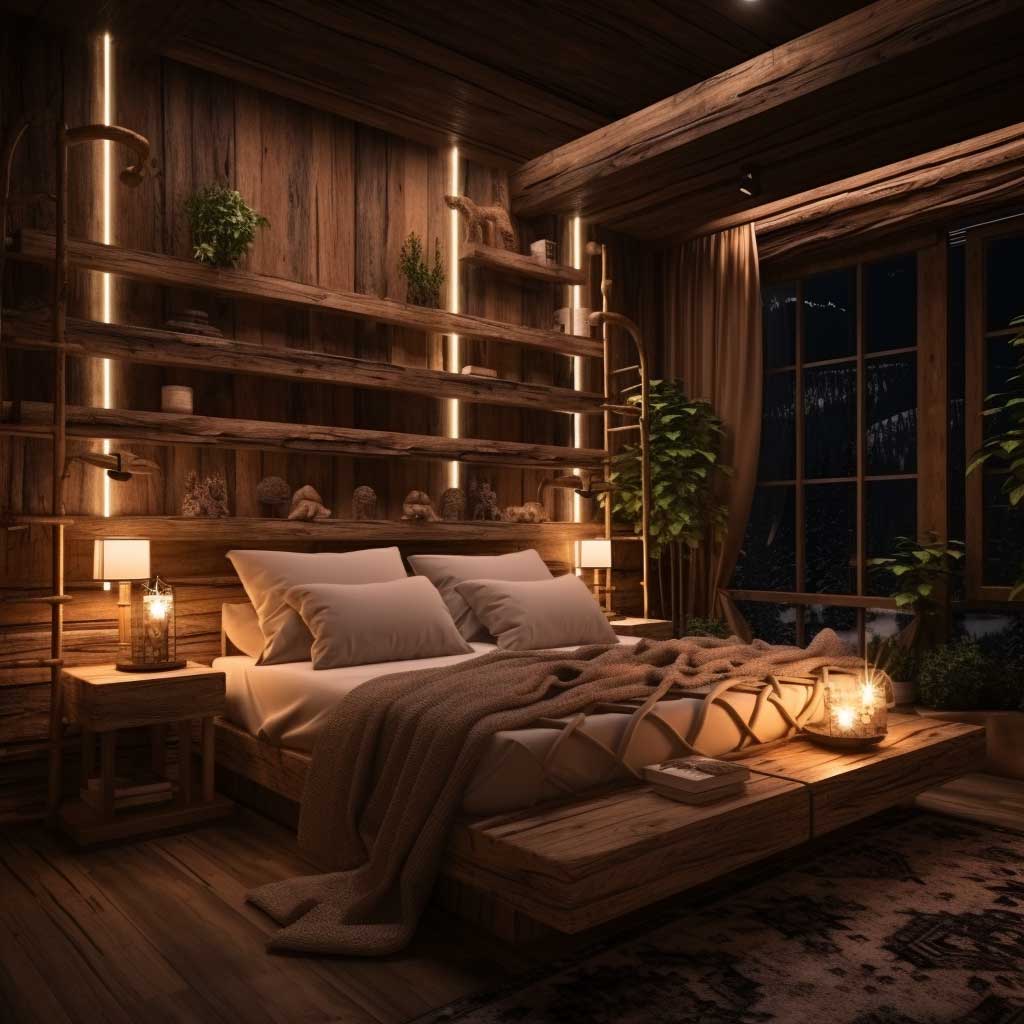
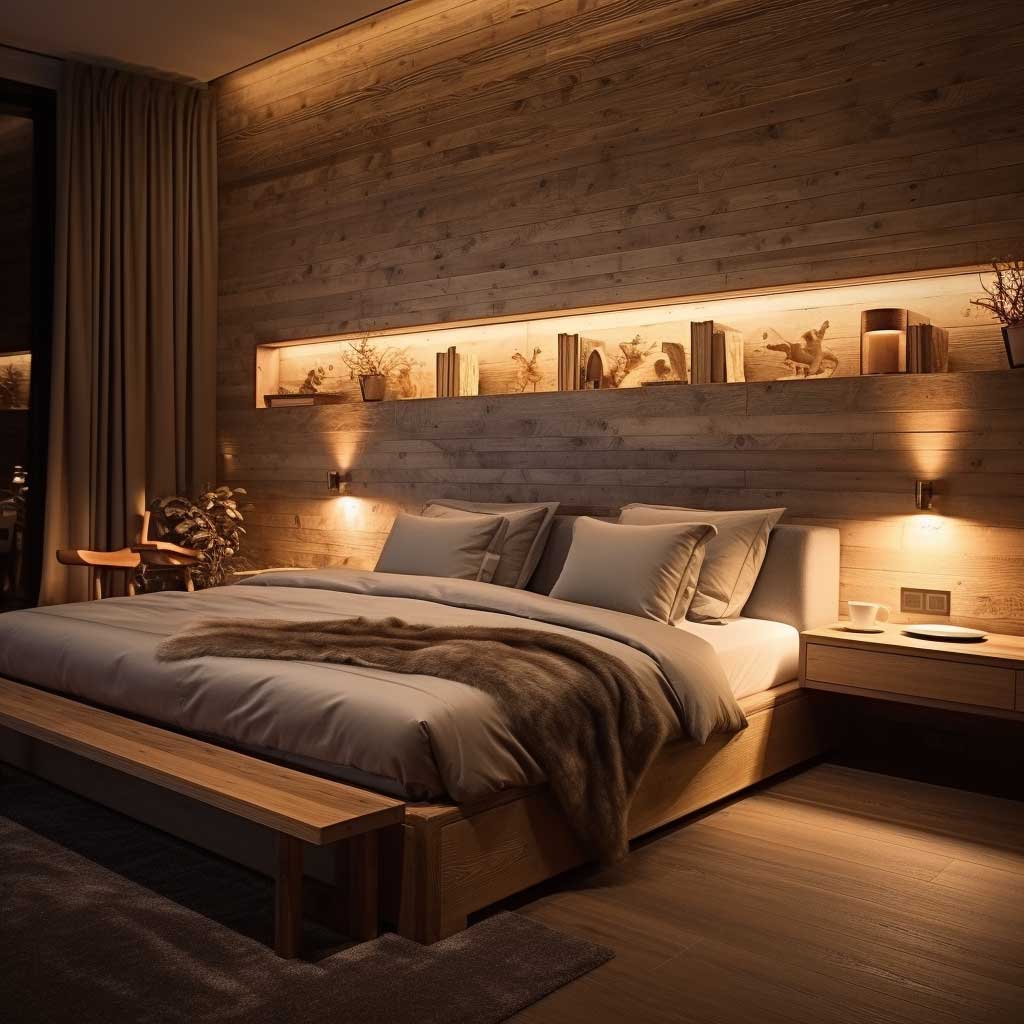

The LED color temperature in a rustic space should sit at 2200K — that’s the amber range, the colour of a fire burning down to embers. I own two panels with this spec and both of them read as candlelight in photos. LIFX makes a 2200K-capable strip for $55 that covers 2m; for rustic rooms I’d run it at 60% brightness maximum. Full brightness on a rustic wood panel kills the mood the same way overhead fluorescents kill a candlelit dinner. The whole point is softness.
Nature motifs — leaves, trees, deer silhouettes, forest outlines — are the obvious pattern choice for rustic rooms, and they do work. But you’ll notice something interesting if you look at the best examples: the motif is secondary to the negative space. The carved-out areas are where the light lives. A dense tree canopy carving with no open space gives you a dark panel with glowing edges. A sparser design with generous open areas gives you a glowing field with dark outlines. The second version photographs better and reads better from across the room.
Sustainability aligns naturally with the rustic approach here. Reclaimed wood panels from suppliers like Elmwood Reclaimed Timber (Missouri-based, ships nationally) run $8–$14 per board foot and have visible history — bolt holes, wire marks, weathering. Pair that with energy-efficient LEDs consuming roughly 5W per meter and the environmental math is genuinely good. For how reclaimed and rustic wood panels translate to wall paneling at a larger scale, this exploration of wooden wall paneling designs shows how wood grain and finish interact across full-wall installations.
Mounting LED strips on the panel face. Surface-mounted strips on flat wood produce a line of bright dots, not ambient glow. The strips need to be recessed behind the carved relief or hidden in a channel behind the panel to diffuse correctly.
Using cool white LEDs (4000K+) behind warm wood. Cool light on oak or pine reads as grey and clinical. The wood loses all its colour warmth. Stick to 2200K–3000K regardless of the room’s other light sources.
Buying “engraved” panels when you need “carved” ones. Laser engraving produces shallow marks that look flat under LED light. You need minimum 8mm relief depth for shadow lines to form. Always ask for the carving depth specification before purchasing.
Skipping a dimmable driver. Fixed-brightness LEDs behind a wooden panel give you one mood, forever. A dimmable driver costs $30 extra and changes the panel’s entire use case. This is not optional.
Wood species comparison for LED panel design
| Wood Species | Best LED Temp | Setting | Price/sqft | Notes |
|---|---|---|---|---|
| Quarter-sawn oak | 2700K–3000K | Modern | $12–$18 | Uniform grain amplifies carved geometry |
| Walnut | 2700K | Modern / Luxury | $18–$28 | Dark base makes LED glow dramatic |
| Reclaimed pine | 2200K | Rustic | $8–$14 | Imperfections create micro-shadow texture |
| Cedar | 2200K–2700K | Rustic | $10–$16 | Natural fragrance; aromatic accent rooms |
| Mahogany | 2700K | Transitional | $22–$35 | Rich red-brown pulls warmth from LED amber |
Wood and LED lighting have been tracking toward each other at the design level for years. Stickbulb, a New York manufacturer that won the 2024 ICFF Editors Award for Best in Show, builds modular hardwired LED fixtures entirely from locally salvaged wood — proof that the material combination has crossed from niche into recognized contemporary lighting design at the trade level. The same instinct that drives their collection — light needs texture to become interesting — is exactly what wooden LED wall panels deliver at the interior scale.
Worth Keeping
Wooden LED Panel Design Solves the Room That Feels Expensive But Still Looks Flat
The wood gives the light somewhere interesting to land. The carved relief depth determines how dramatic the result is. The LED colour temperature determines whether the wood reads warm or clinical.
Spend $30 more on a dimmable driver. Specify minimum 8mm carving depth. Match species to setting. None of this is complicated — it’s just the part everyone skips.
Save this post. You’ll want the species comparison and the LED spec numbers when you’re standing in a lumber yard trying to remember what I said about 2700K.