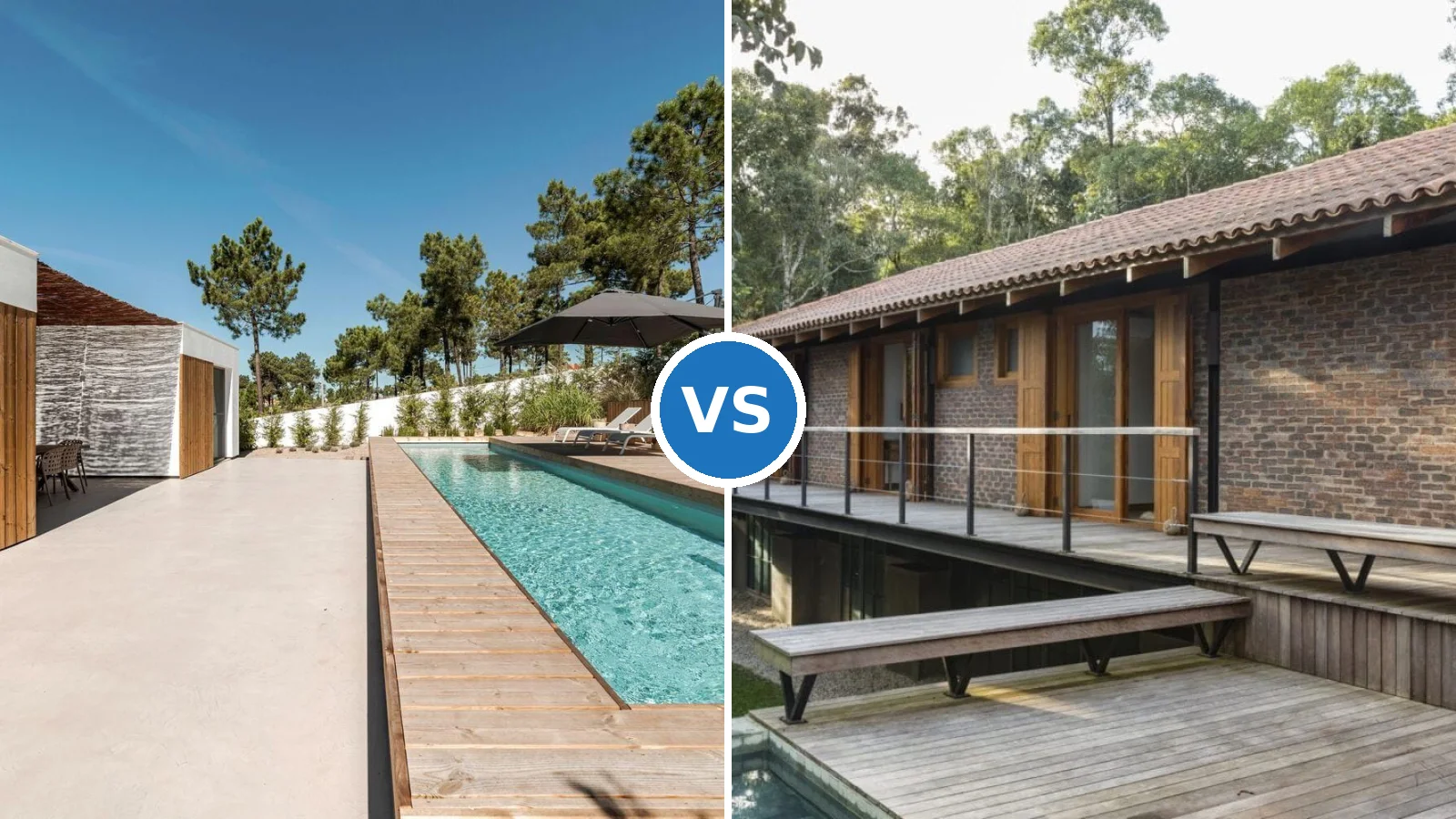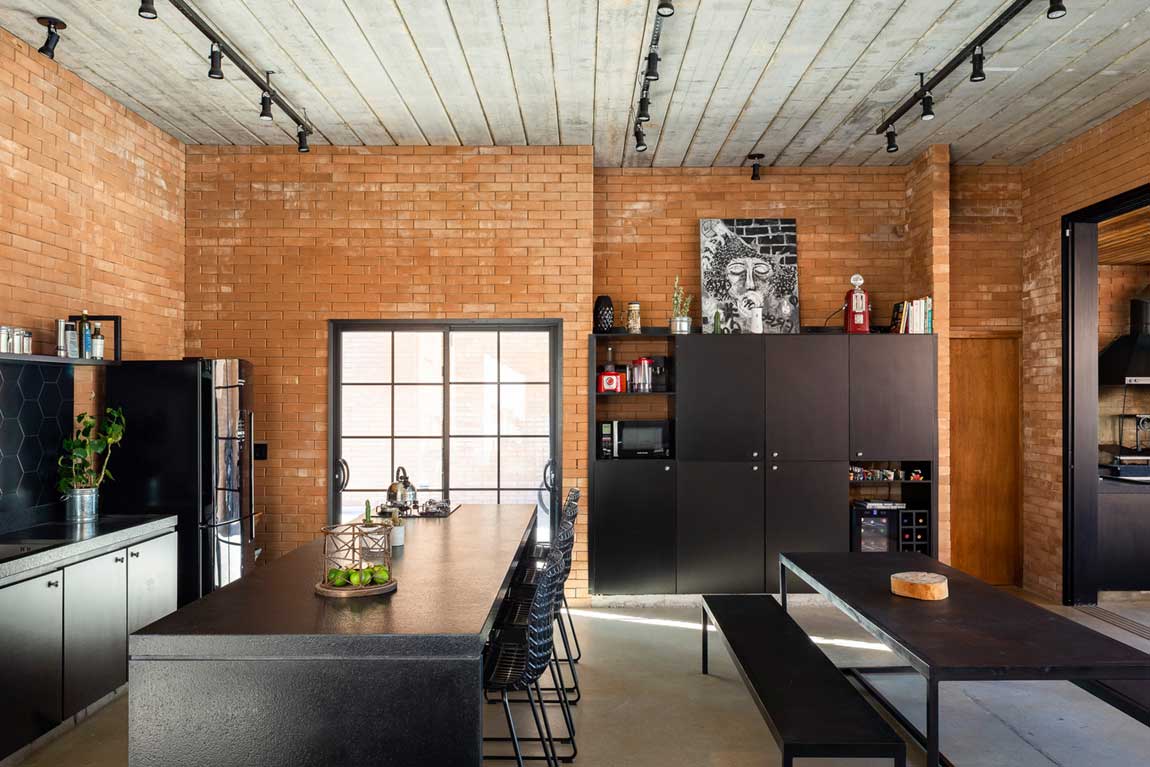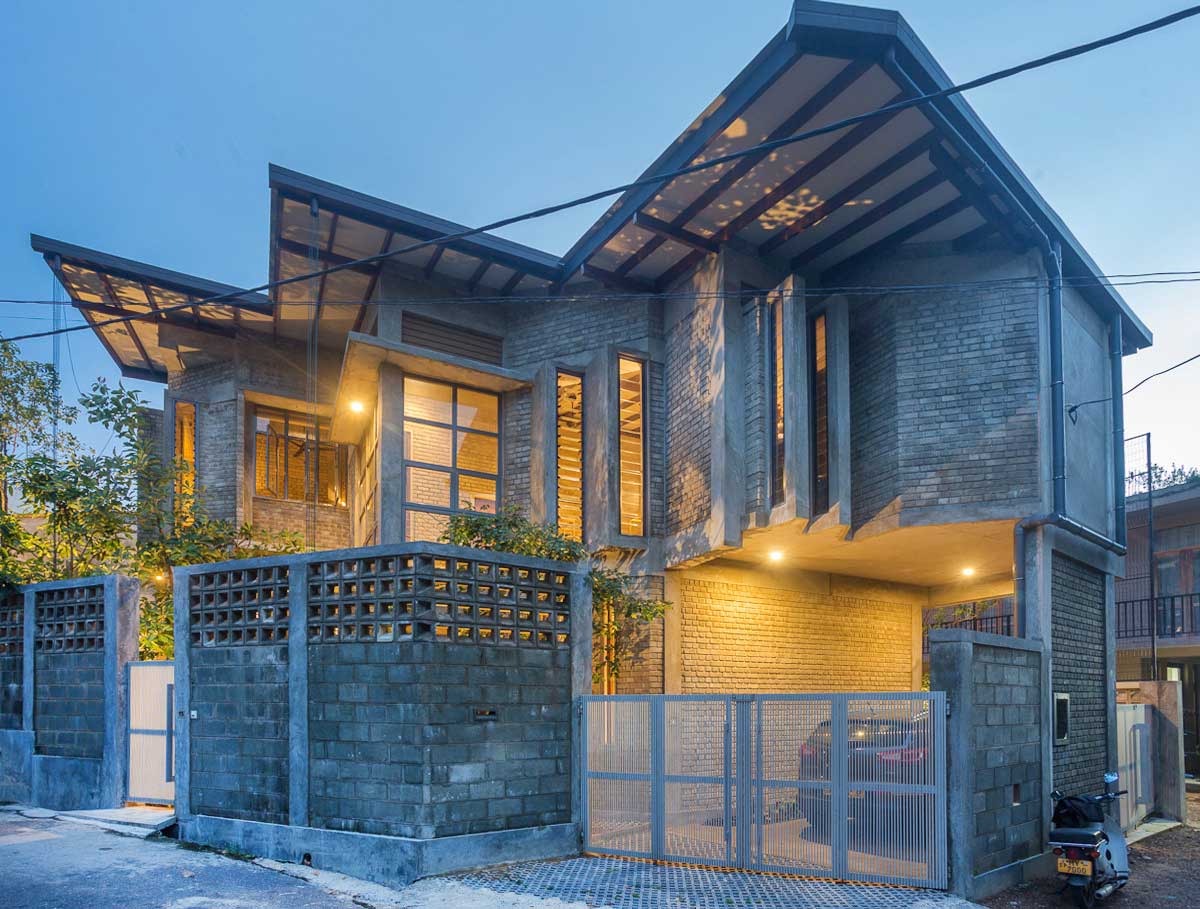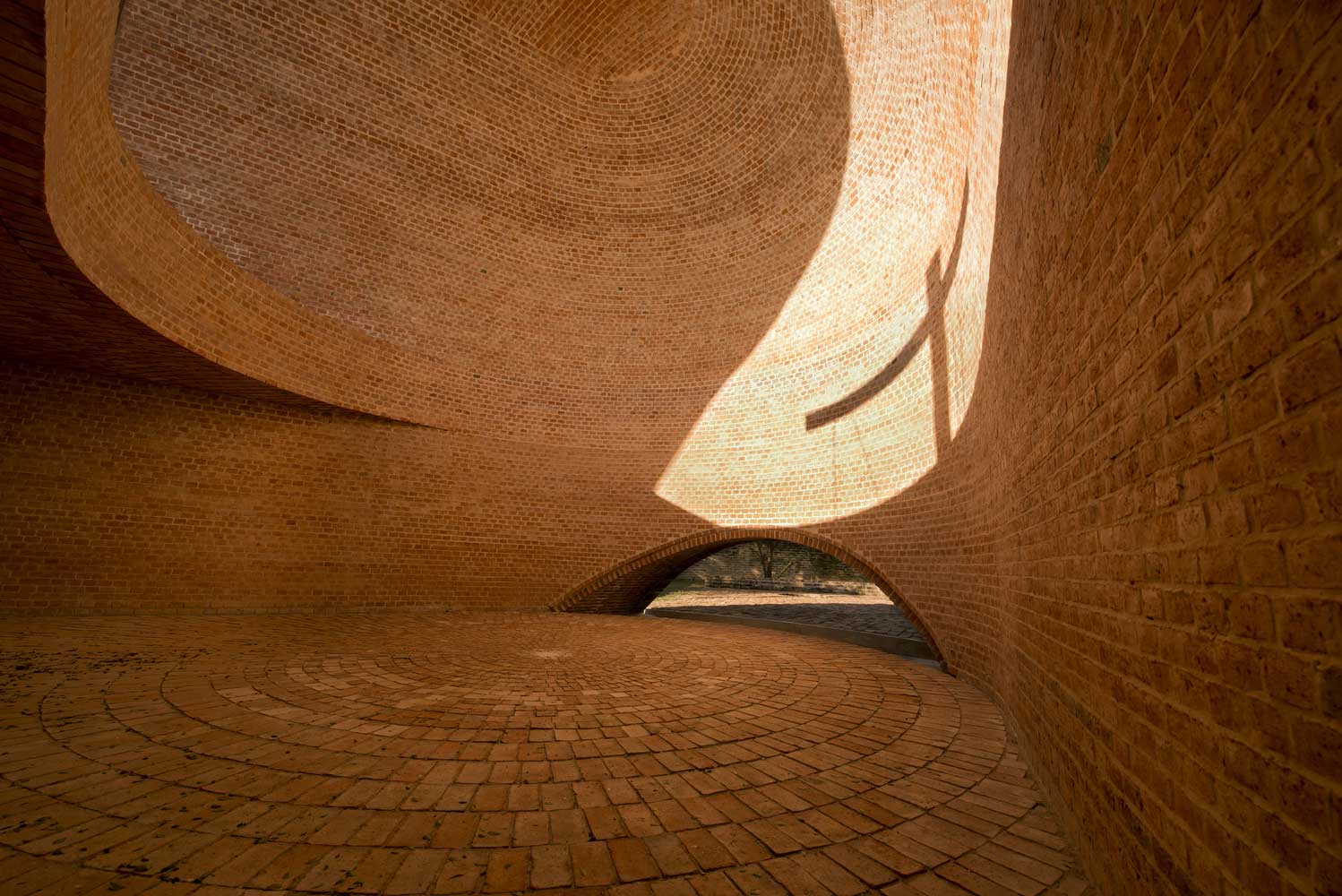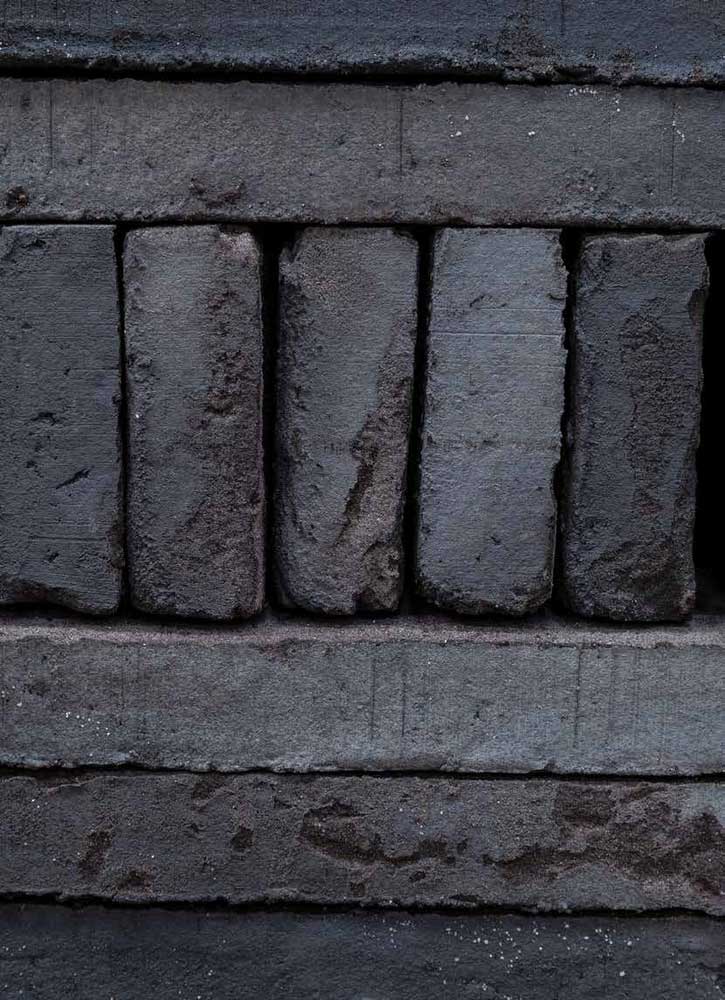
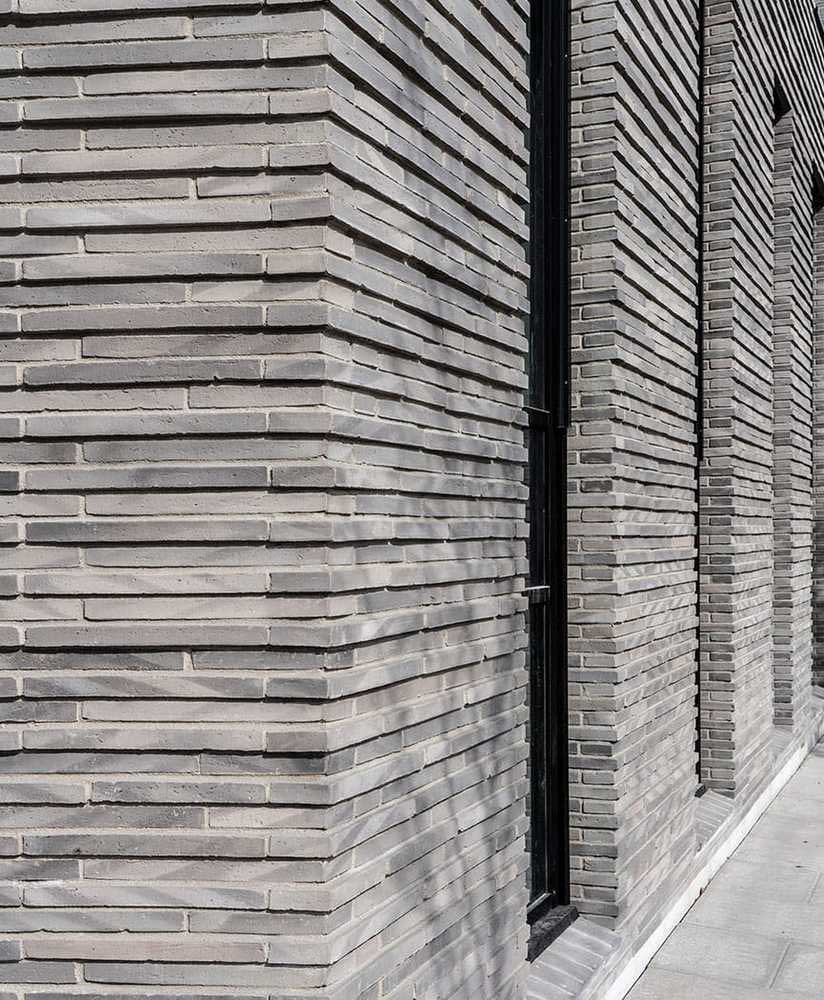
Long format brick — the elongated clay unit running up to 500mm in length and just 38mm tall — has quietly become the material architects reach for when they want a building to look like it cost more than it did. I’ve visited projects in Denmark and the Netherlands where this single material choice made a suburban house look like a museum annex. The proportion trick works because your eye reads the horizontal shadow lines first and the wall itself second.
You’ll notice the difference immediately next to a standard brick wall. Standard UK bricks sit at 65mm high; long format bricks at 38mm shave nearly half that height off each course, multiplying the number of visible joint lines and creating a rhythm that standard brickwork simply can’t replicate. Brands like UK Brick’s Ultima Linear (468 × 108 × 38mm) and Ibstock’s Linear range (up to 490mm length) have made this format accessible to mid-range residential projects, not just civic buildings.
My go-to recommendation for anyone specifying an exterior right now is to sample at least three finishes — waterstruck, wirecut, and handmade — before committing. The same color reads completely differently depending on surface texture under raking afternoon light. Skip sampling and you’ll spend $4,000 correcting a decision made from a screen photo.
- Long format bricks run 240–500mm long at just 38mm tall — the low height is what creates the horizontal line effect.
- Ultima RT 156 and Ibstock Linear are the two most-specified ranges in Europe; Arriscraft ALSB dominates North America.
- Color choice depends on context: gray reads best against greenery, black suits relief landscapes, smoky tones suit commercial facades.
- Specifying long format bricks requires early dimensional confirmation — bond pattern, mortar joint depth, and corner treatment all change with format size.
- The format works indoors and out — interior feature walls, stairwells, and entry halls are the fastest-growing application category.
Long Format Brick Dimensions — What Architects Actually Order
Specifying long format bricks starts with one decision that controls everything else: height. At 38mm, the Ultima Linear from UK Brick gives you the maximum number of horizontal lines per meter — more than any other format in their catalog. At 65mm, you’re back in standard territory and the visual effect disappears. Ibstock’s Linear range runs from 90mm height down to 38mm and stretches to 490mm in length, which is roughly the span of two standard bricks laid end-to-end with a 10mm joint.
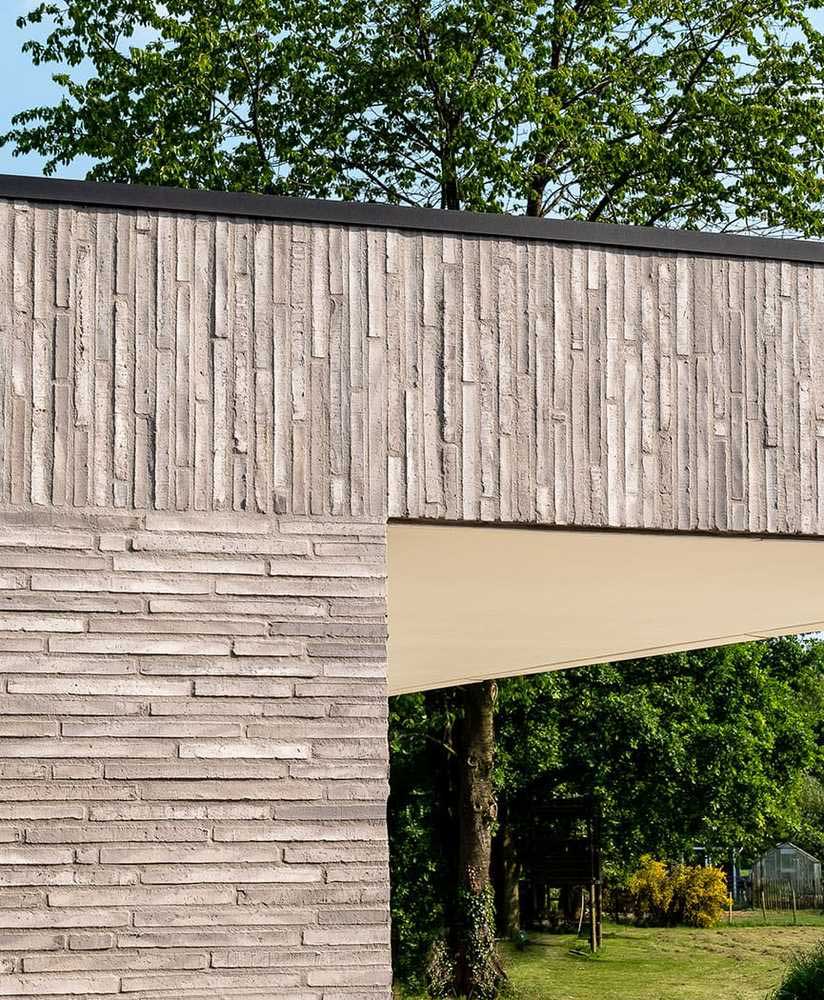
Mortar joint depth is where most first-time specifiers make a mistake. Thin joints — 8mm or less — sharpen the linear effect and suit wirecut bricks with clean edges. Thicker joints at 15mm work for waterstruck units like Ibstock’s Birtley range, where the rustic surface needs room to breathe visually. Ask for this in writing before the order: I’ve seen contractors default to a 12mm joint on a wirecut job and lose the entire architectural point of the material.
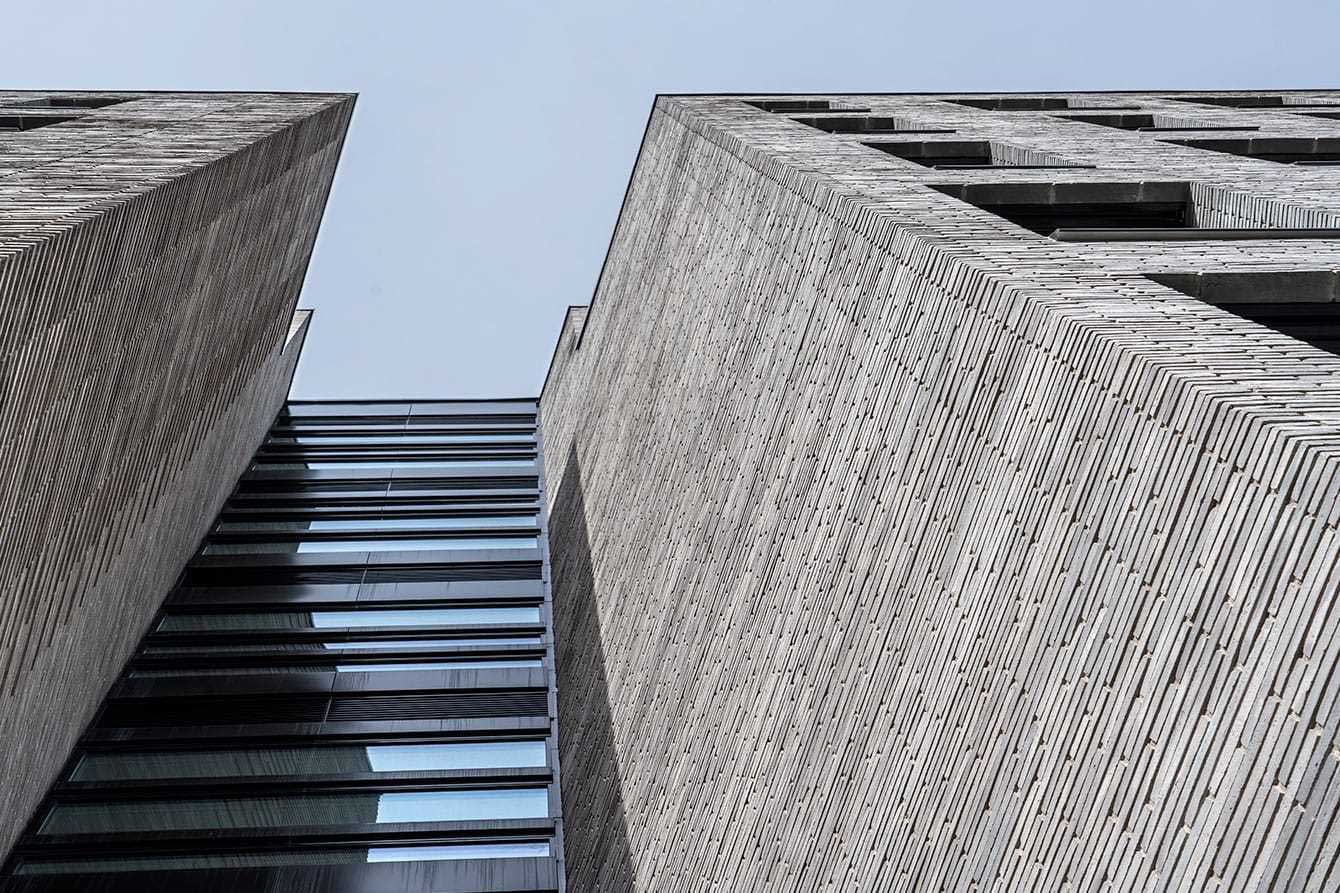
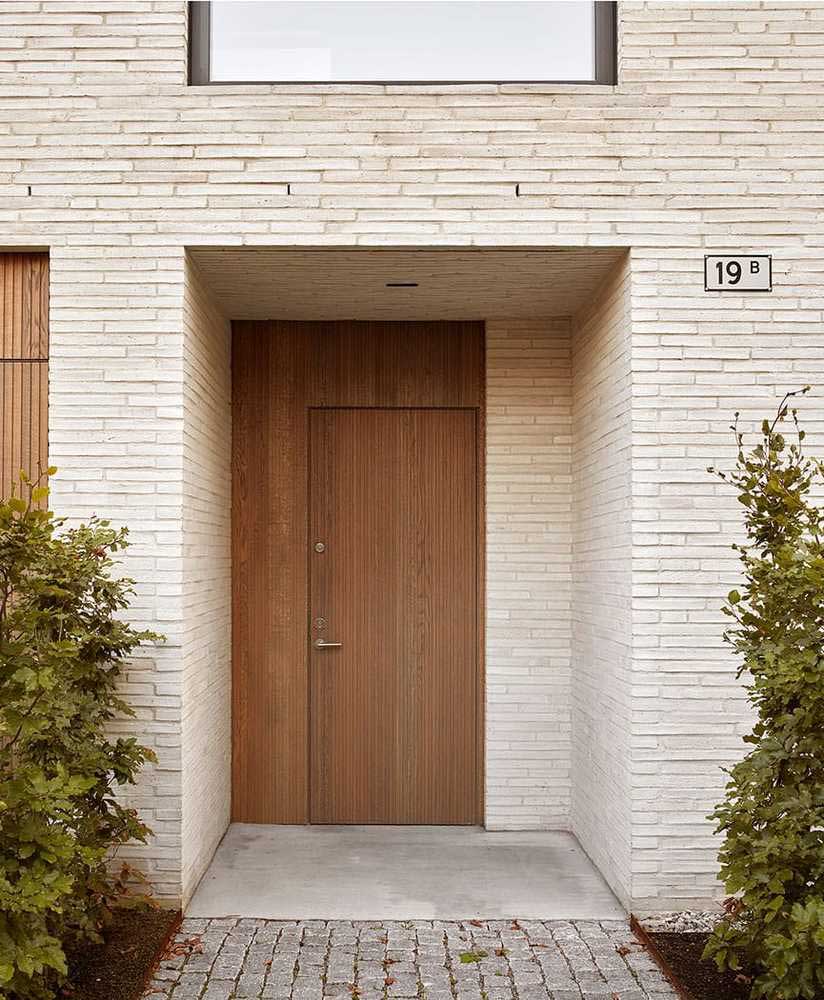
Corner and soffit conditions need to be drawn out at concept stage, not construction documentation. Long bricks don’t cut cleanly at 45 degrees the way standard bricks do — you need precast corners or a mitred solution, both of which add cost. Budget around $12–18 per linear foot for corner specials on Ibstock’s ranges. Skipping this conversation early is the single most common source of cost overruns I’ve seen on long-format jobs.
Long Format Brick Design Ideas — Layouts That Change the Whole Reading of a Wall
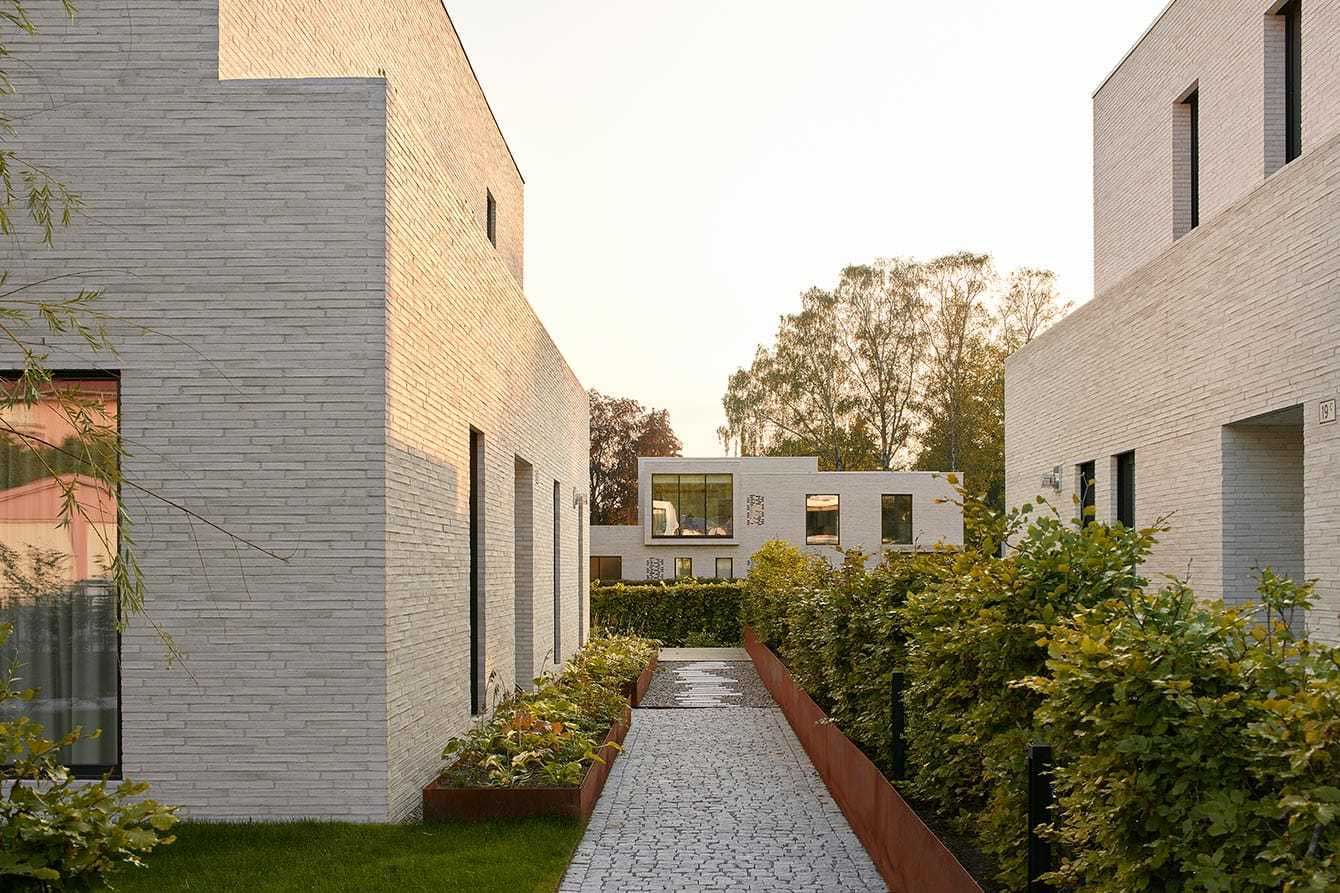
Long format brick design ideas generally fall into three camps: pure horizontal running bond, mixed orientation (horizontal field with vertical accent strips), and full herringbone or stack bond for statement surfaces. The running bond is the safest and most common — it reads as calm, controlled, and slightly Scandinavian. Think of it as the navy blazer of facade materials: neutral enough for any context, impossible to get completely wrong.
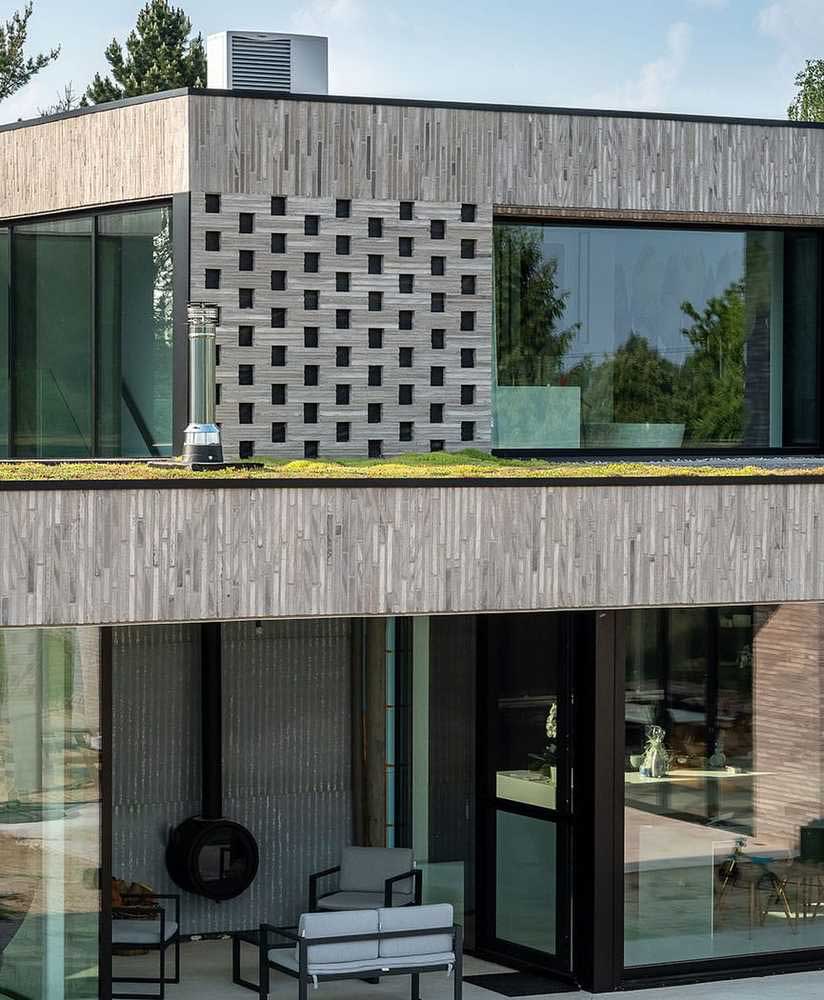
Mixed orientation is where the real visual interest lives. Vertical inserts around window reveals and stairwell walls draw the eye upward and make ceiling height feel taller than it is — I’ve seen this trick used in a 2.6m entry hall that felt like 3.2m. The Ultima RT 156 facing brick works particularly well for this because its individual texture variation means no two sections of vertical insert look identical, even when the layout is perfectly regular.
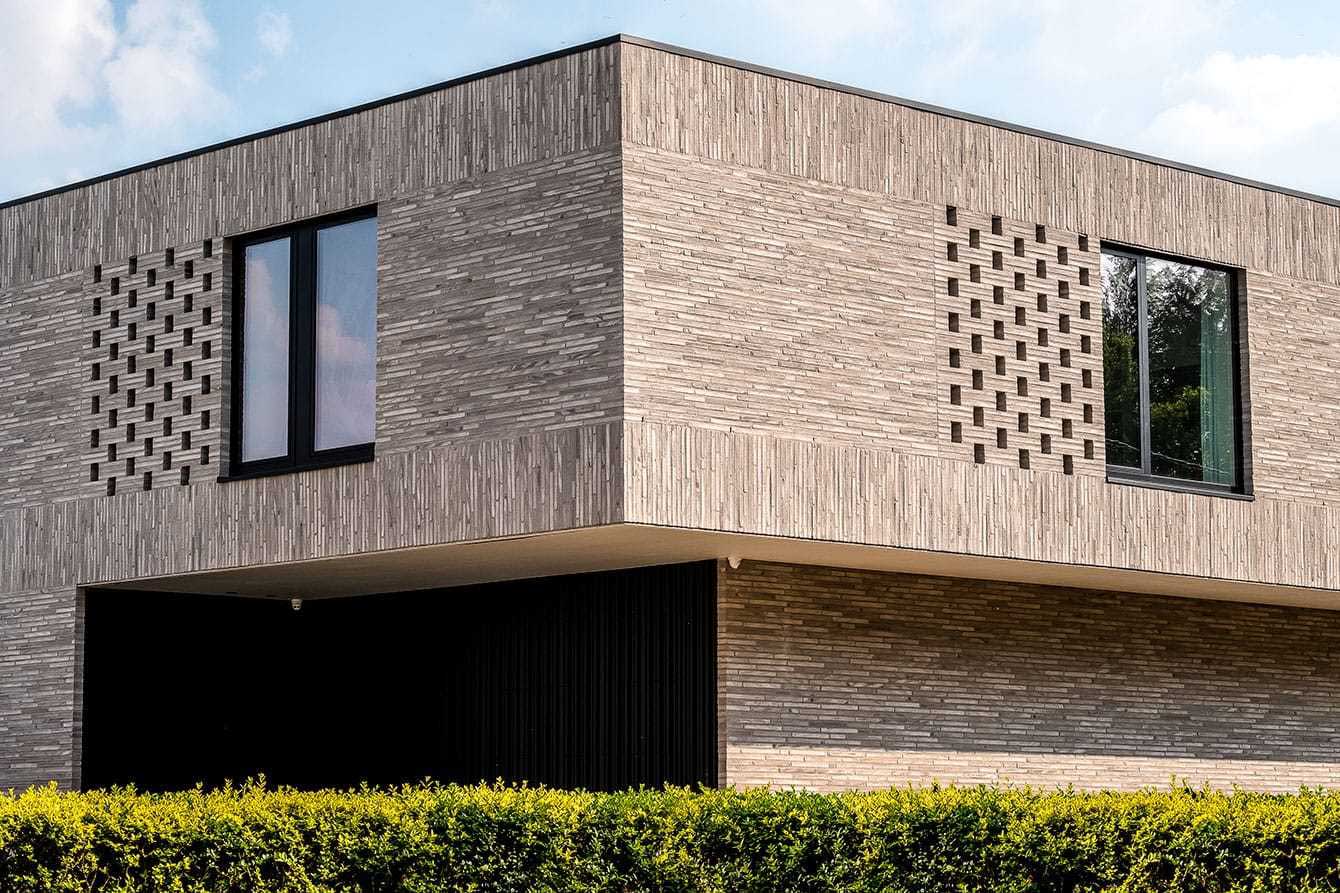
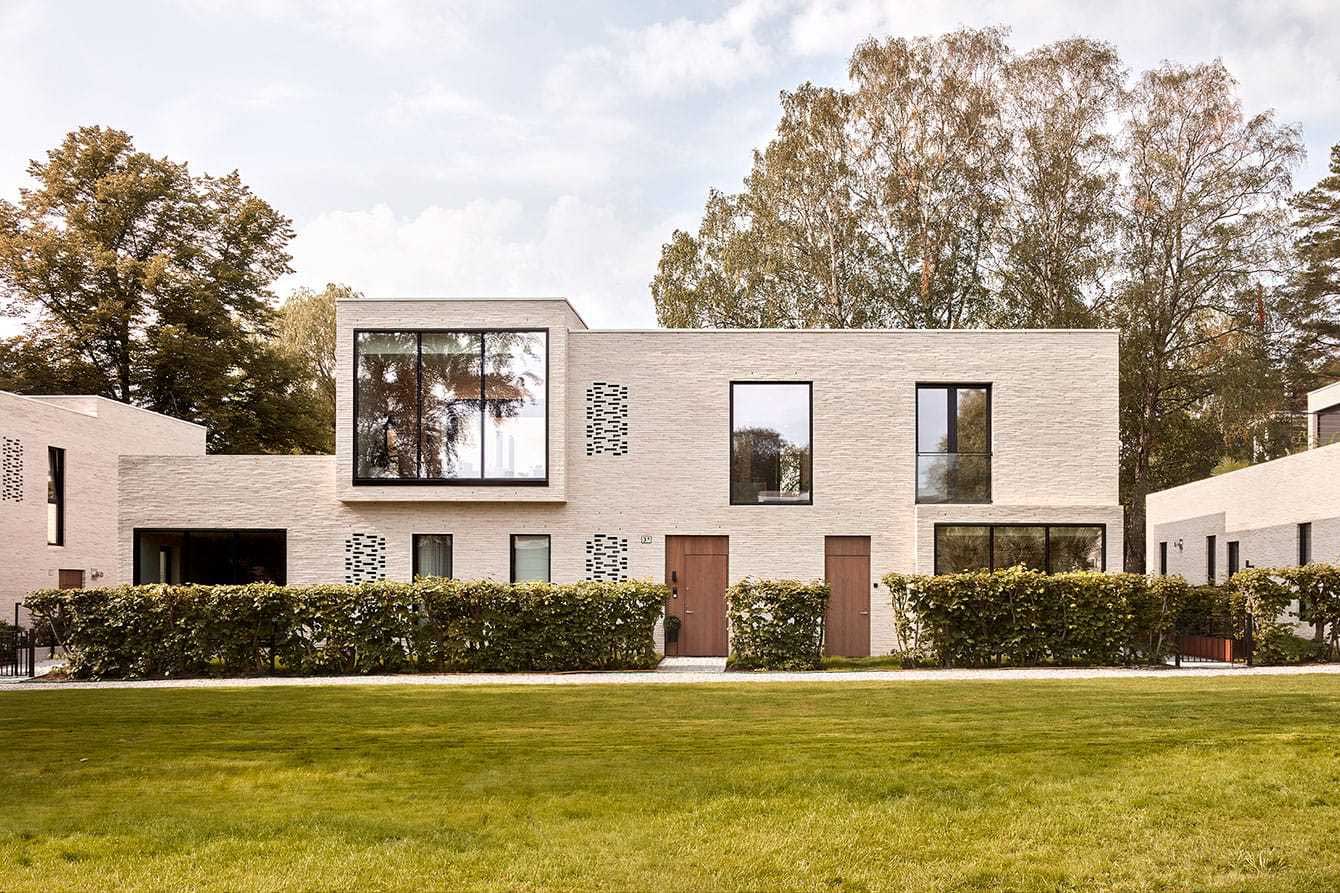
Stack bond — bricks laid directly above each other with aligned vertical joints — looks architectural and deliberate when done with long-format units, but demands flawless dimensional consistency. Any deviation in length across a batch shows immediately in stack bond. Arriscraft’s ALSB uses intentionally random lengths (up to 600mm) to sidestep this problem and create a deliberately irregular stack that reads as handcrafted rather than sloppy. For DIY applications, avoid stack bond entirely unless you’re buying factory-sorted bricks from a single production run.
- Don’t spec the format from a screen photo. Waterstruck and wirecut surfaces read identically at thumbnail size and completely differently on a wall. Request physical samples — UK Brick ships sample packs for around £15.
- Don’t use stack bond without sorted bricks. Length variation of 3–4mm per unit compounds visibly across a run of 20 bricks. The result looks like a measurement error, not a design decision.
- Don’t assume standard scaffolding costs. Long-format jobs require tighter tolerance on laying lines and frequently run 15–20% longer in labor hours than standard brickwork. Factor this into your QS estimate.
- Don’t skip corner detailing at concept stage. Precast corner specials need to be ordered with the main batch — lead times for specials are 6–8 weeks minimum.
Choosing Color for a Long Format Brick Facade Without Getting It Wrong
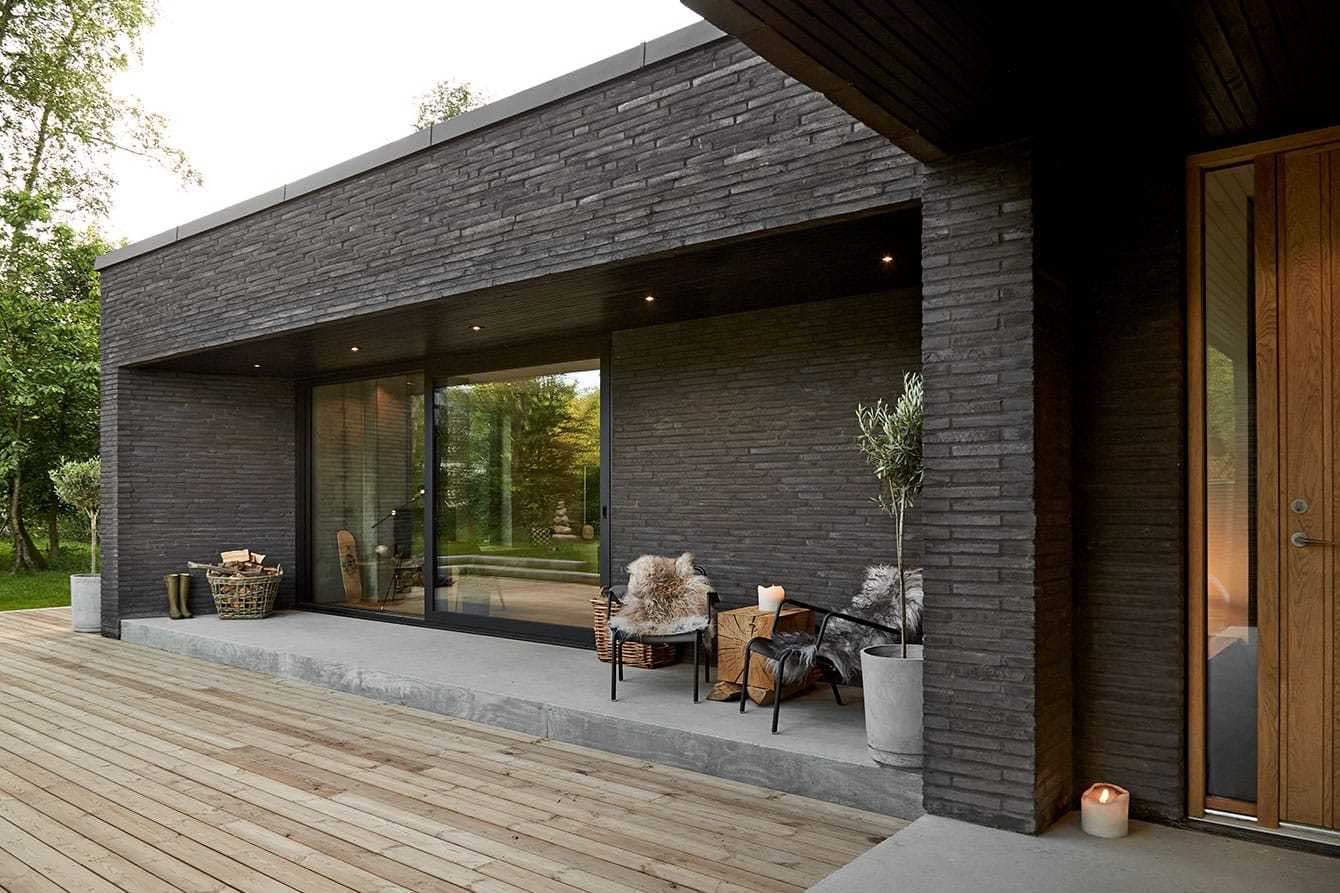
Long format brick facade color selection is one of the few material decisions where the surrounding landscape outweighs personal preference. Gray tones — specifically the mid-cool grays in Ibstock’s Atlas range — read cleanest against dense green planting. The green/gray contrast has a long history in Nordic residential architecture, and the Mosevænget house in Denmark is the clearest modern example: black lower story, gray upper story, set against bright grass, and it works precisely because the palette was chosen for the setting, not the catalog.
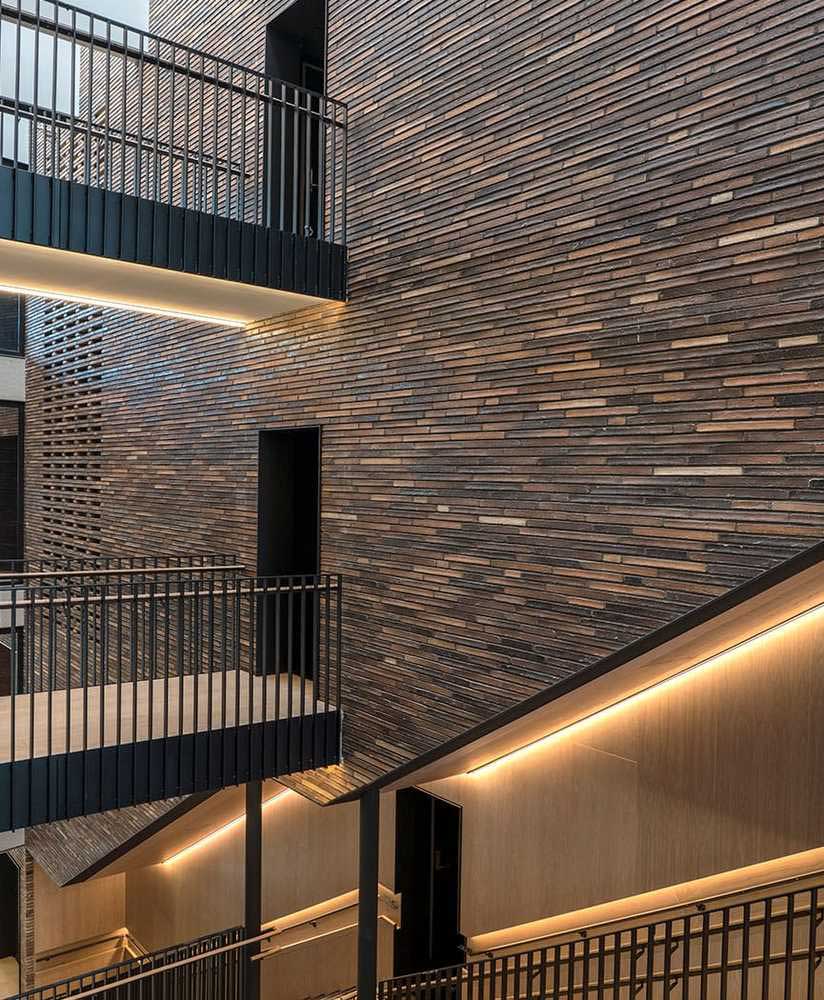
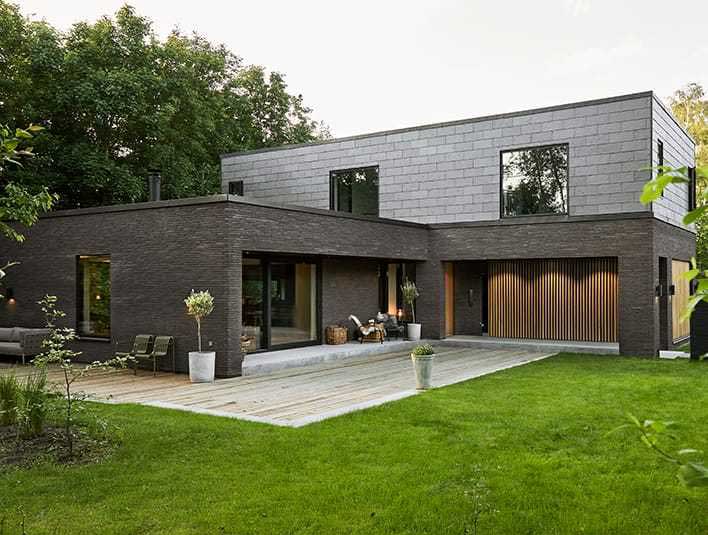
Black long format brick reads rich and heavy — it suits sites with strong topography or relief landscapes where you want the building to feel grounded rather than hovering. For commercial projects, the smoky gray range (think Ibstock Lodge Lane or UK Brick Ultima Linear in Slate) has become the default for good reason: it photographs neutrally, ages without staining, and doesn’t commit a commercial client to a trend. What doesn’t work is warm terracotta or yellow tones in a long-format brick — the elongated proportions amplify warmth to the point of looking muddy rather than welcoming.
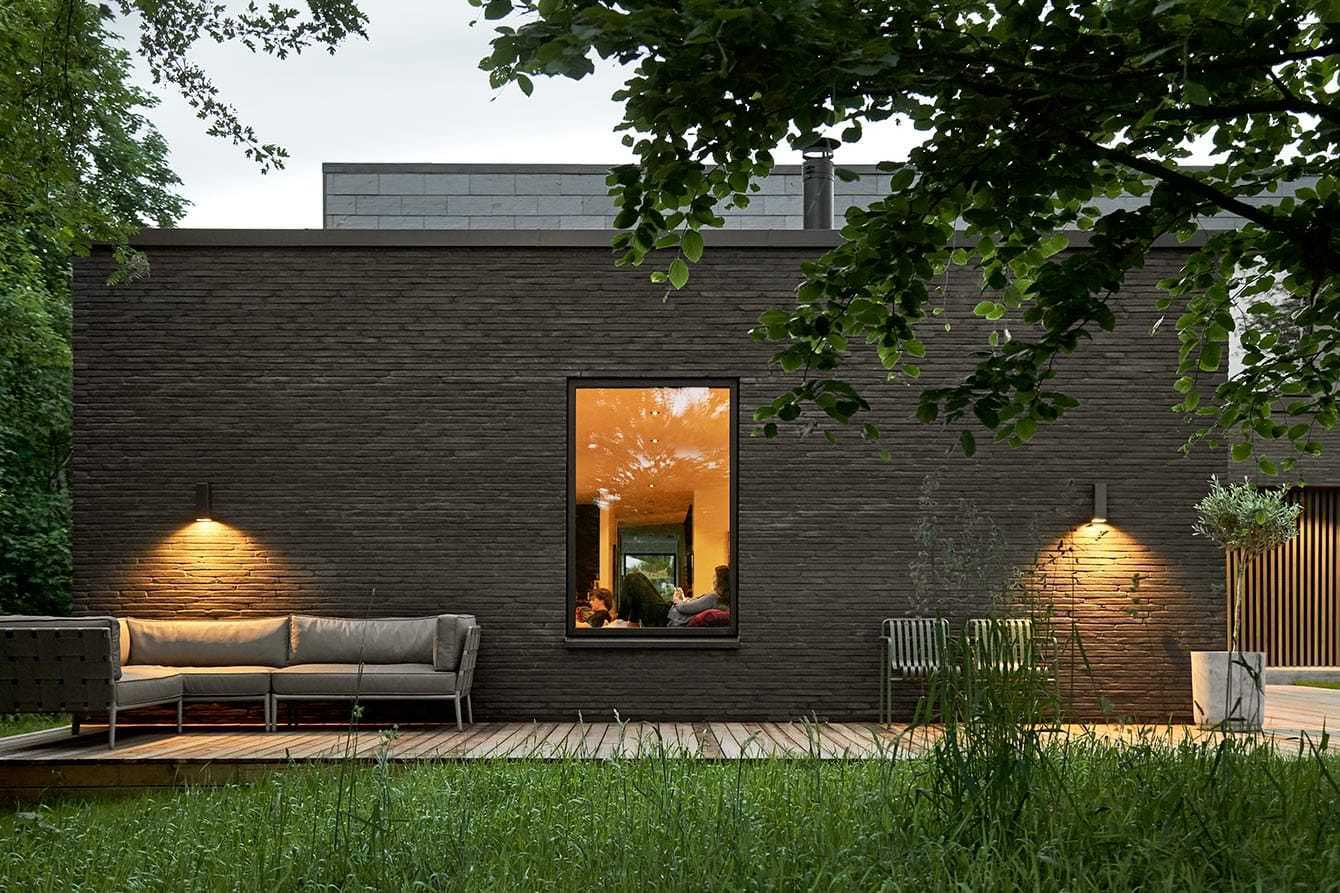
Layout orientation interacts with color in a way that catches people off guard. A horizontal bond in a dark color makes a building look longer and lower — ideal for a wide site, aggressive as a design gesture on a narrow urban plot. Flip the same units to vertical on the flanking walls and the dark color suddenly reads as a frame rather than a weight. I stole this trick from a commercial project in Copenhagen where the architect used the same black Altra brick in two orientations to separate the main volume from the service wing without changing material at all. You can see similar ideas on artfasad.com’s brick facade with concrete and wood.
Long Format Brick on Interior Walls — Where the Format Earns Its Cost Indoors
Long format bricks on interior feature walls have jumped from niche to mainstream over the past three years, and the stairwell is where this material does its most impressive work. The vertical surface of a stair run is one of the few interior planes you experience at close range over a long duration — you’re close enough to read texture and far enough to appreciate pattern. UK Brick specifies the Ultima Linear explicitly for interior use, and at £85–£110 per square meter installed, it’s substantially cheaper than the stone cladding it visually rivals.
Entry halls and ground-floor living walls are the second most common application. Here the key decision is whether to run the long format horizontally (calmer, more residential) or introduce a vertical accent section at the focal point of the room. I’ve seen both approaches work and both approaches fail — the failure mode is always the same: the brick stops at an awkward height rather than running to the ceiling or a deliberate datum line. Half-height long brick walls look unfinished regardless of how good the material is.
What you should not do indoors is use a heavy, dark color on a load-bearing interior wall in a small room. The horizontal lines of a long-format dark brick in a room under 4m wide will close the space down aggressively. Save dark tones for double-height volumes or rooms with significant natural light. In tighter spaces, the Ibstock Birtley waterstruck in pale buff — around £95/m² supply only — gives you the shadow line detail without the weight. For more context on combining brick with other materials inside, artfasad.com’s small brick house feature shows how the material works at residential scale.
Final Take
Long Format Brick Is the One Material That Pays Back Every Extra Dollar at Resale
At 38mm height, long format bricks create more horizontal joint lines per meter than any other brick format — that’s the entire visual effect in one number.
Ibstock Linear and UK Brick Ultima Linear are the two most-specified ranges in Europe; for North America, Arriscraft ALSB runs random lengths up to 600mm for a deliberately irregular finish.
Get corner specials on order at concept stage, confirm mortar joint depth in the specification, and sample under actual site lighting — those three steps eliminate 90% of on-site surprises. Save this post.