
Stone has been shaping architecture for over 10,000 years — from the limestone megaliths of Göbekli Tepe to the travertine clad towers of contemporary Milan. Today, natural stone and its engineered counterparts account for roughly 18% of all premium residential material specifications in North America, and that share keeps climbing. What drives the demand isn’t nostalgia. It’s performance: stone surfaces routinely outlast the structures they’re installed in, resist heat, dampen sound, and — unlike almost every synthetic alternative — improve visually with age.
This guide brings together every angle of stone in modern design: exterior cladding that weathers a century without a repaint, interior walls that anchor a room the way no wallpaper ever could, floors that hold their polish through decades of traffic, and outdoor spaces where stone becomes the structural backbone of a garden. Each section links to in-depth articles so you can move from inspiration directly into material decisions.
Why Stone Outperforms Every Material It Competes With
The honest case for stone isn’t aesthetics — it’s economics over time. A fiber-cement panel costs $4–$8 per square foot installed and requires repainting every 7–10 years. Natural stone cladding runs $25–$80 per square foot installed, but carries a 75–100 year maintenance-free lifespan in most climates. Over a 50-year ownership horizon, stone’s total cost of ownership is often lower than synthetic competitors, and its contribution to resale value is measurable: the National Association of Realtors consistently places stone features — particularly exterior cladding and kitchen surfaces — among the top five material upgrades that increase appraisal values.
From a sustainability standpoint, stone quarried and processed within 500 miles of a project site carries a carbon footprint that compares favorably with manufactured alternatives when lifecycle analysis is applied. Basalt, sandstone, and locally sourced limestone regularly achieve this threshold across Europe and large parts of North America. Stone also contributes to thermal mass — a 4-inch limestone wall can absorb enough daytime heat to reduce evening heating loads by 10–15% in temperate climates.
Stone on the Outside — Facades, Cladding and Exterior Walls
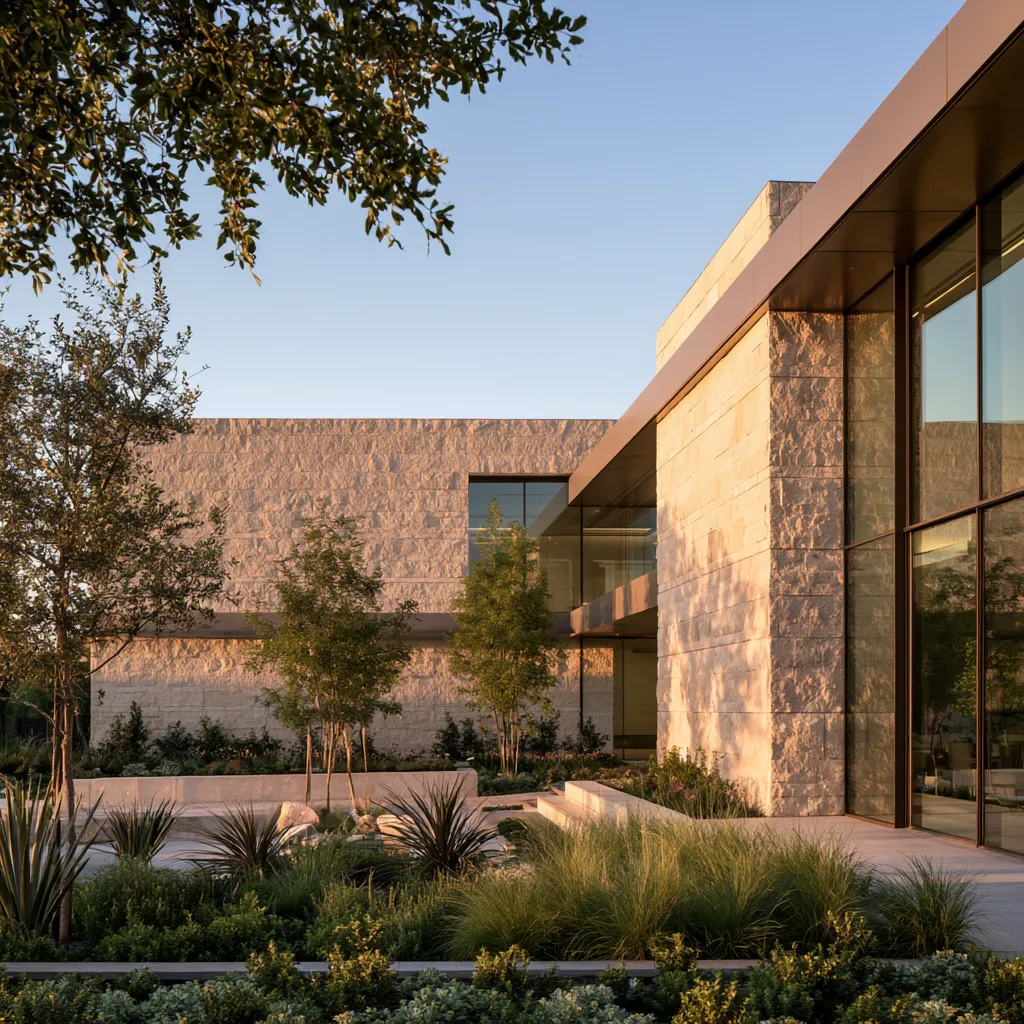
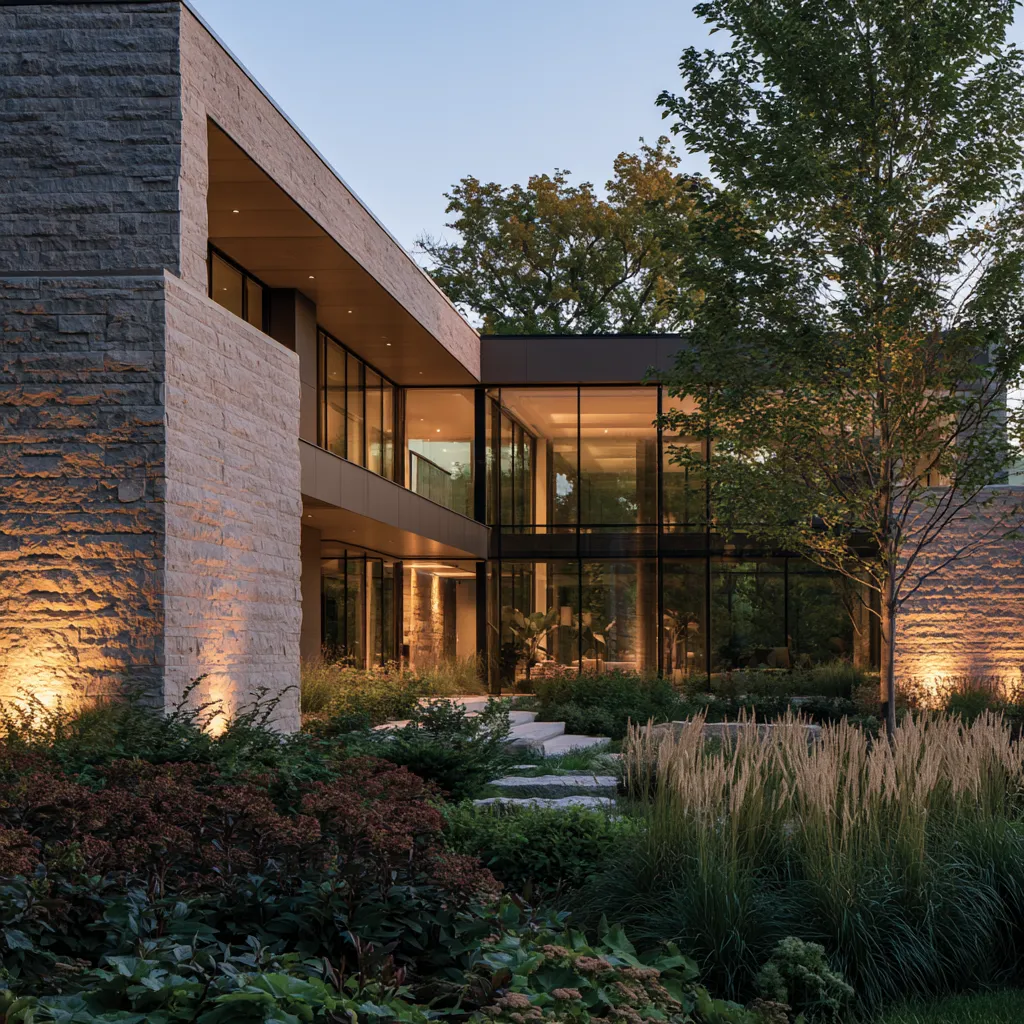
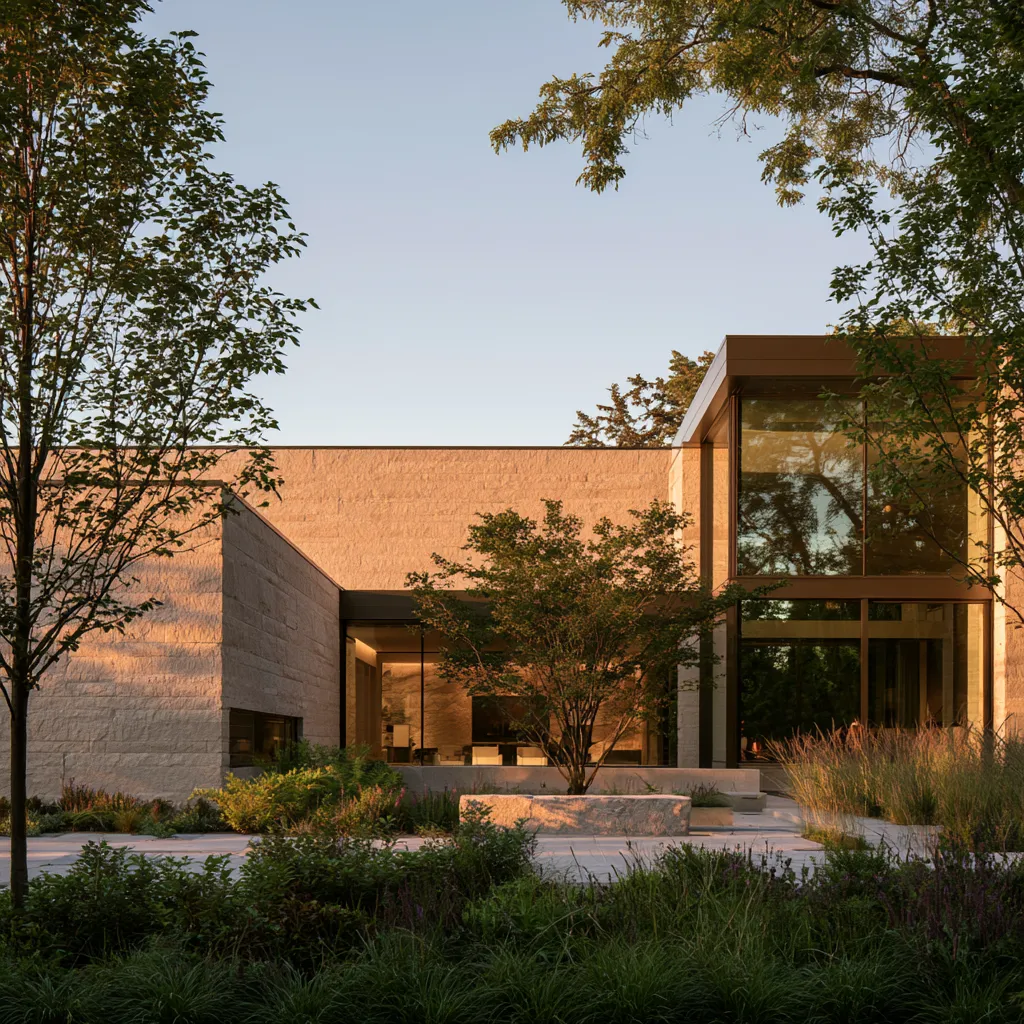
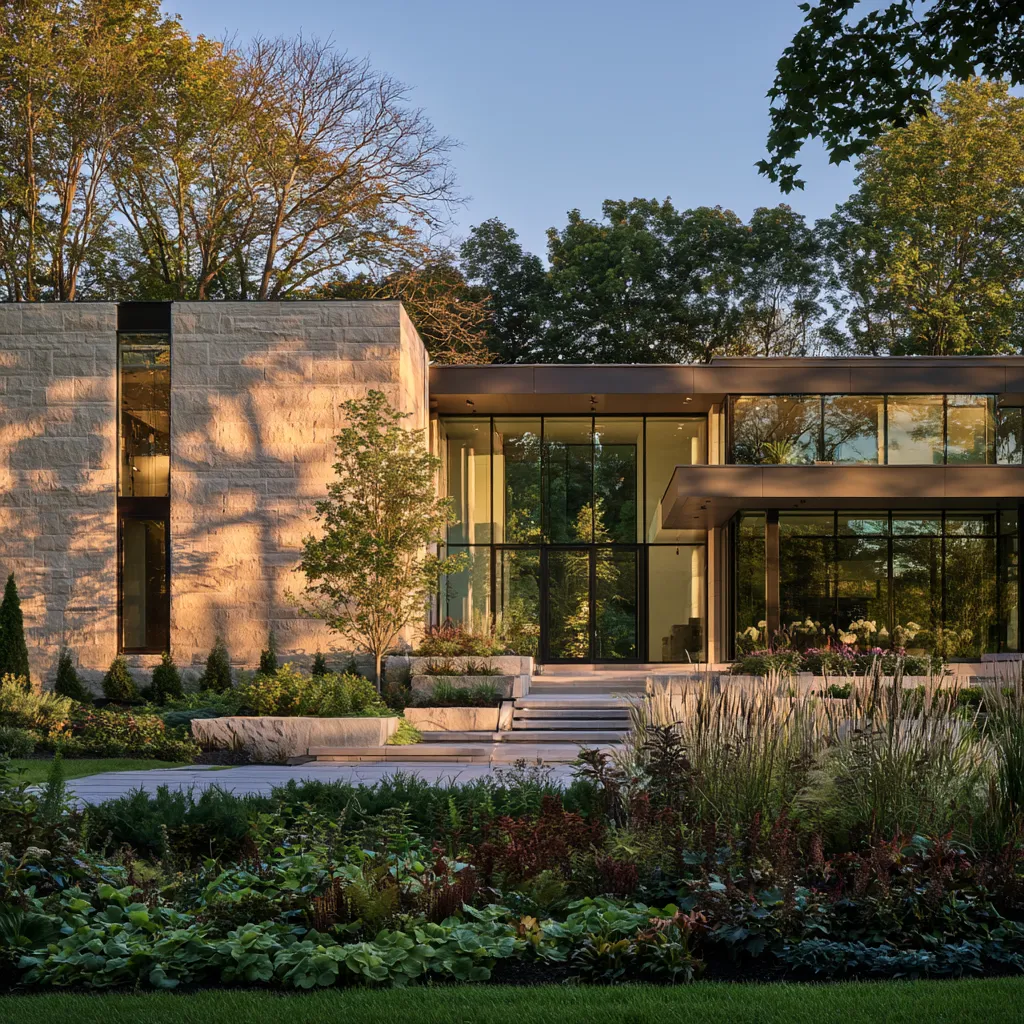
The exterior is where stone makes its first and loudest argument. Whether it’s a full-wrap natural stone house, a base-course accent beneath timber cladding, or a single feature wall facing the street, exterior stone cladding immediately signals permanence in a way no paint color or siding profile can replicate. The articles below cover material selection, pattern choices, cost benchmarks, and real project case studies across a wide range of architectural styles.
- Modern Exterior Stone Cladding Unveiling New Dimensions in Design
- 11+ Elegant and Durable Stone Cladding Designs for Contemporary Architecture
- 17+ Stunning Exterior Natural Stone Cladding Trends to Watch
- How Stone Cladding Transforms Exterior Walls
- Discover the Aesthetic Versatility of Certainteed Stone Facade
- Stone Veneer Siding / How to Apply Stone Panels in Exterior?
- Architectural Marvel with Textured Stone Cladding and Dramatic Clerestory Window
- Stone Façade Folding into a Gabled Roof in Spanish Residence
- Travertine Stone Clad Residence with Diagonal Orientation and RCC Gable Roof
- Urban Oasis with Stone Exteriors and Ventilated Courtyards
- 33+ Cool & Modern House Front Stone Designs
Mixing Stone With Other Exterior Materials
Stone rarely works alone on a contemporary facade — it needs a counterpart. Wood brings warmth; metal brings precision; brick brings texture variety. The challenge is proportion. Design consensus holds that one material should dominate at 60–70% of the visible facade, with the second occupying 20–30% and any third material functioning as an accent at under 10%. Violating this ratio is the most common reason mixed-material exteriors look unsettled rather than intentional.
- Mixing Brick and Stone Exterior Gets the Facade Wrong More Often Than Right
- Brick and Stone House Exteriors That Read as One Material, Not Two
- Stone and Siding Combinations That Add Real Resale Value
- Modern Wood & Stone House Exterior
- 33+ Modern Stone & Wood House Ideas
- Barn House Metal & Stone Project
- Metal & Stone House Exterior in the Mountains
- Stone Goes on the Bottom. Every Other Way Gets Expensive.
- Harmonize Your Exterior with Forest Green and Stone Gray Outdoors Paint Colors
- 20+ Lemon Zest and Quarry Stone House Outer Colour Combinations for Bright Facades
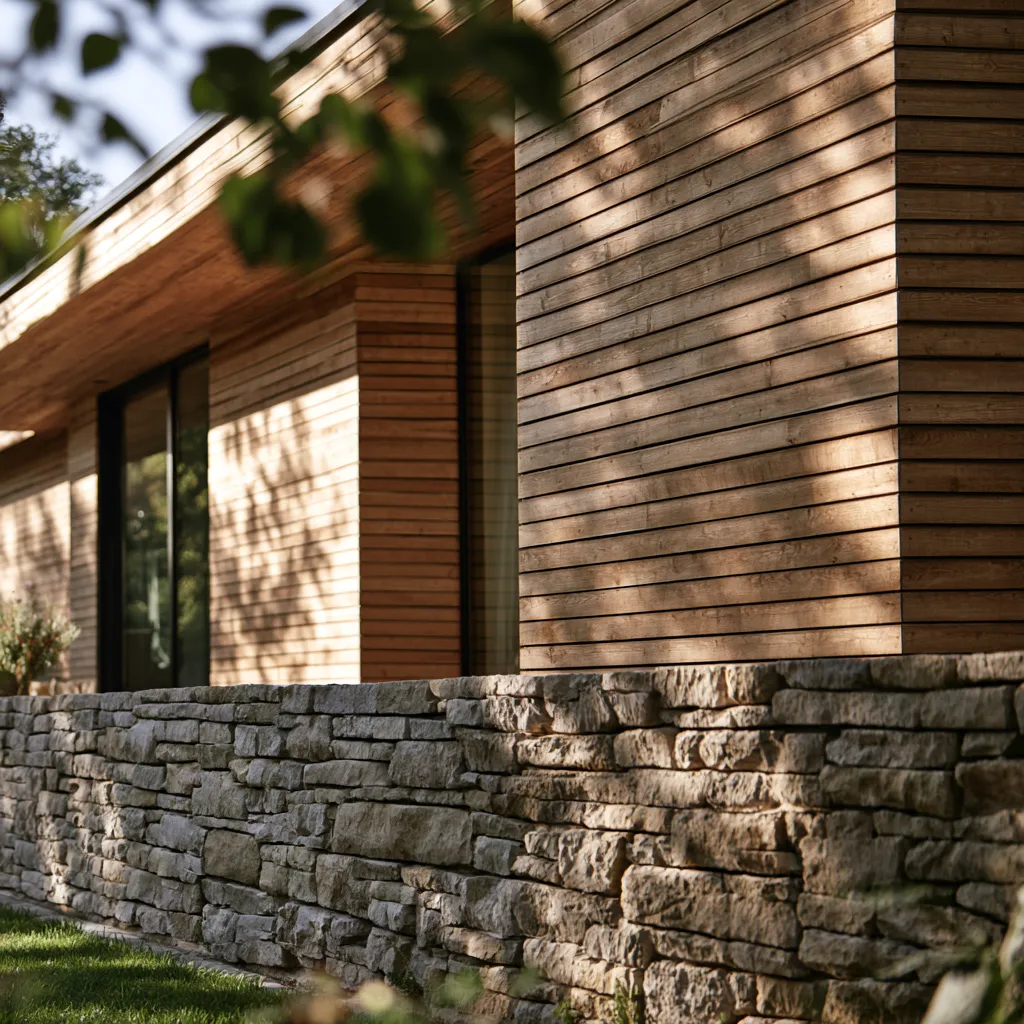
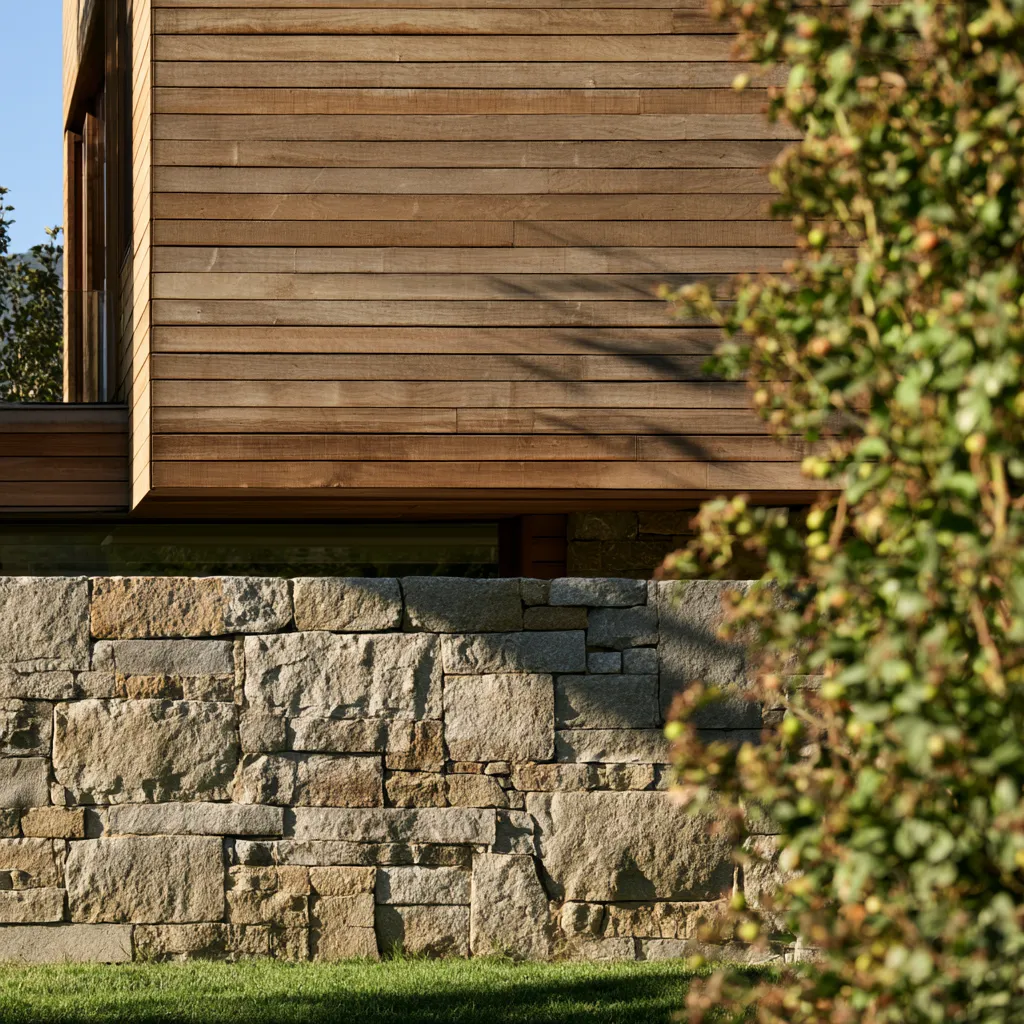
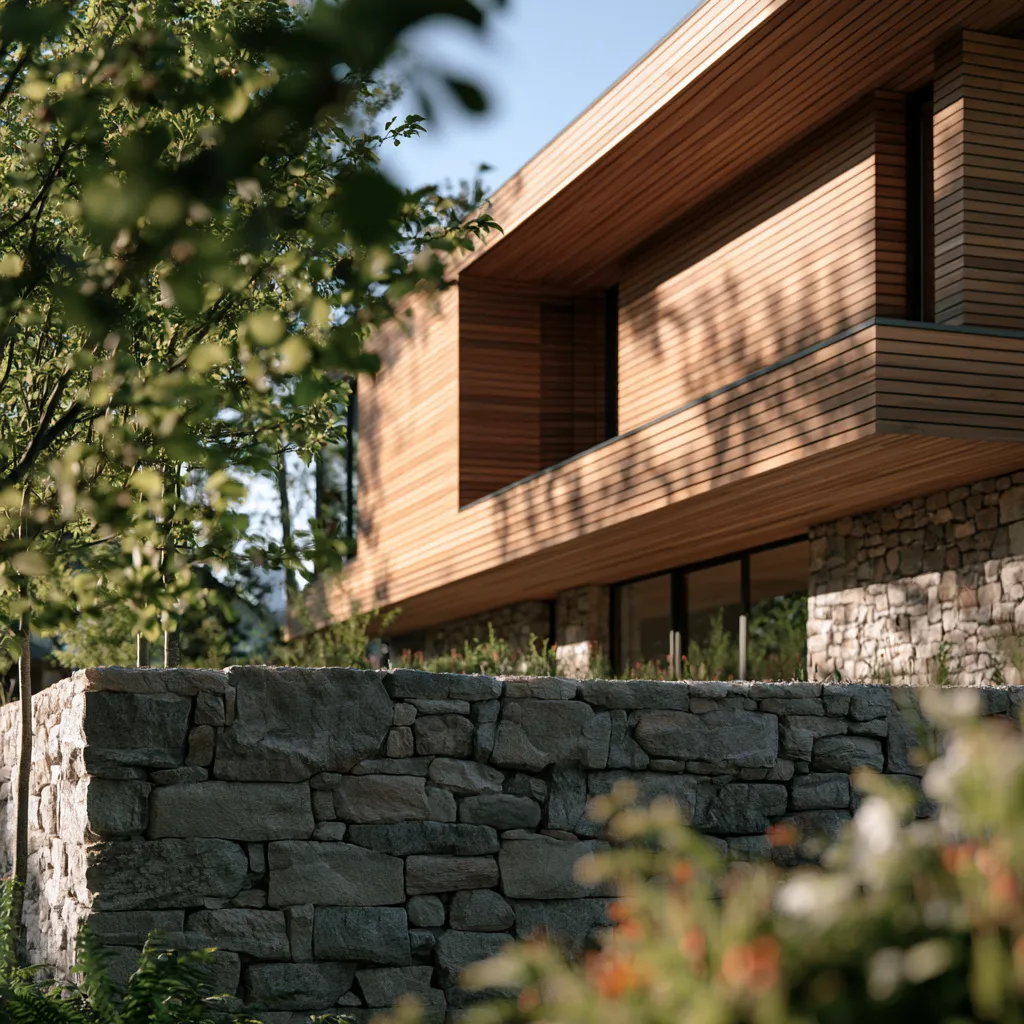
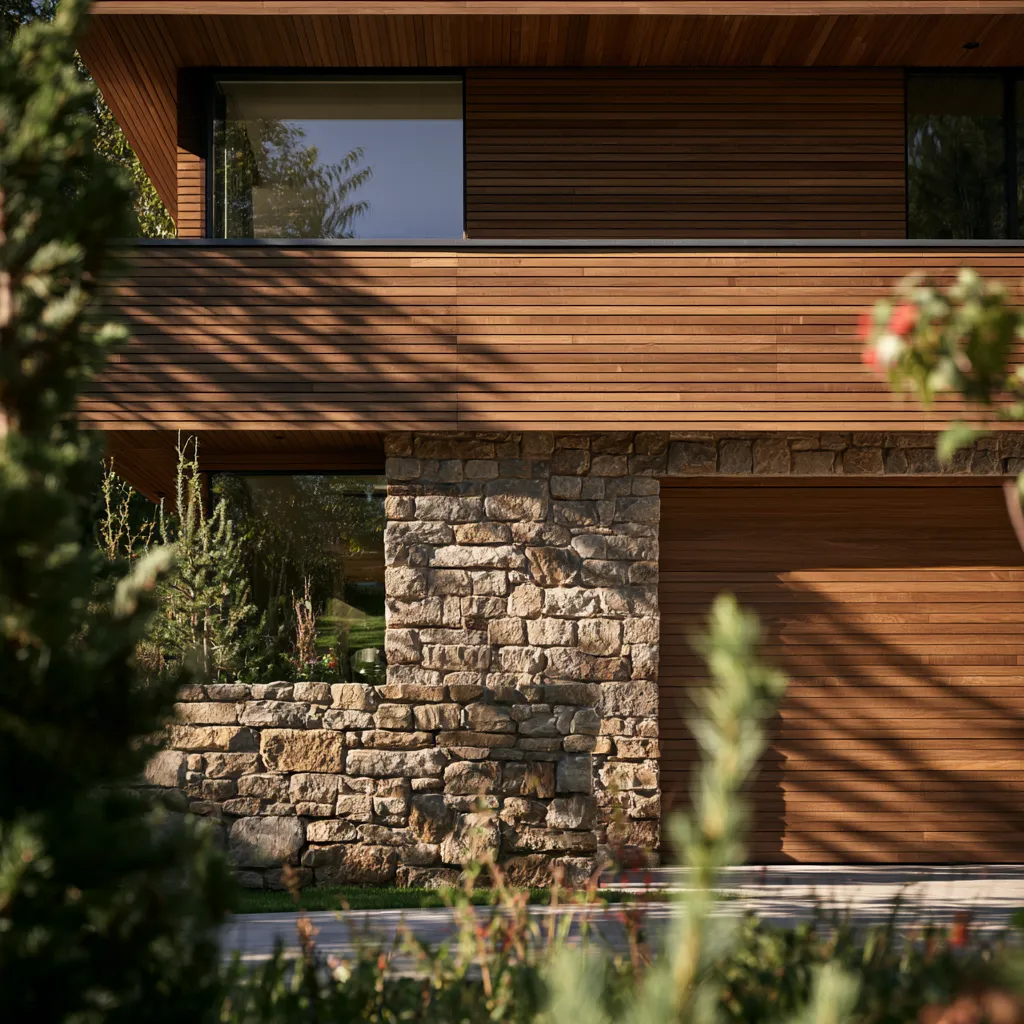
Stone House Architecture — Project Showcases
Nothing communicates the range of stone’s architectural application better than completed projects. The showcase articles below span a sandstone minimalist house in Australia, a Mediterranean stone residence on the Spanish coast, a hillside retreat in Mexico built from local volcanic rock, and a loft conversion in France where 19th-century river stone was paired with contemporary steel. Each represents a different regional material tradition applied through a modern design lens.
- 2+ Cozy Stone Wall Houses Worthy Of Your Attention
- Natural Stone House ~ Advantages of the project from China
- Colorful Modern Stone Cottage
- Modern Minimalist Sandstone House
- Contemporary Mediterranean Stone House
- Futuristic Stone Concrete House
- Natural Stone Cladding Homes with Modern Rural Interiors
- Modern Stone Country House
- How to Build a Modern 1 Story Stone House with Attic
- Small Stone House with Plywood Wall Cladding
- Beautiful Stone House Project with Wooden Ceilings
- Beige Stone Finish Combined With White Interior
- The Draw of Real Stone Homes For Buyers
- How to Create a Modern Home with a Stone Design
- Cedar Shingles Meet Limestone in a Modern Oceanfront Home
- Curved Stone and Glass Lines Crafting a Sardinian Dream Home
- Crafting Modern Homes with Prefabricated Timber and Earthy Stone
- The Harmony of Stone, Timber, and Glass in Coastal Architecture
- Angular Roof and Natural Stone Elevate the Contemporary Home Exterior
- Stone Façade Folding into a Gabled Roof in Spanish Residence
- Stone Walls Lie. The Real Work in a Modern French Country Exterior Happens at the Roofline
- Reviving River Stone and Cayrou in a Modern Loft Conversion
- Topography Integrated Architecture with Stone Retaining Walls and Serene Courtyards
- Shingle Shielded Exterior Reveals a Heart of Wood, Stone, and Steel Inside
- Sleek Metal Structure Meets Rustic Stone Walls in Modern Pavilion
Stone Surfaces Inside — Walls, Floors, and Accent Features
Interior stone applications have expanded dramatically beyond the kitchen countertop. Stone accent walls now anchor living rooms and bedrooms in ways that once required an entire architectural feature; terrazzo floors are staging a major revival driven by architects who want pattern without the fragility of tile; basalt and limestone are appearing on bathroom walls in configurations that rival five-star hotel interiors. The common thread across all interior stone applications is that stone performs best when it’s allowed to read as what it is — not sealed into oblivion or paired with finishes that compete for dominance.
Stone Flooring — Material Comparison
| Material | Cost per sq ft (installed) | Hardness (Mohs) | Slip resistance (wet) | Maintenance | Best use |
|---|---|---|---|---|---|
| Basalt | $18–$35 | 6–7 | Excellent (natural texture) | Annual sealing | High-traffic floors, outdoor |
| Travertine | $15–$30 | 3–4 | Moderate (fill voids) | Biannual sealing | Bathrooms, foyers |
| Terrazzo | $20–$50 | 5–6 (composite) | Good (polished = moderate) | Annual polish | Living areas, commercial |
| Limestone | $12–$28 | 3–4 | Good (honed finish) | Annual sealing | Living rooms, bedrooms |
| Sandstone | $10–$22 | 6–7 | Very good (porous surface) | Biannual sealing | Outdoor patios, rustic interiors |
| Slate | $12–$25 | 2.5–4 | Excellent (cleft face) | Annual sealing | Kitchens, entries, bathrooms |
- Terrazzo Flooring — Why Speckled Stone Replaces Minimalist Concrete
- Basalt Stone Flooring — Why Volcanic Materials Reshape Sustainable Design
- Gray Outdoor Tile Ideas for Patio: Porcelain, Stone, and Geometric Designs That Last
- Limestone Walls Meet Siltstone Floors in a Nature-Inspired Home
Stone Walls and Accent Features Inside the Home
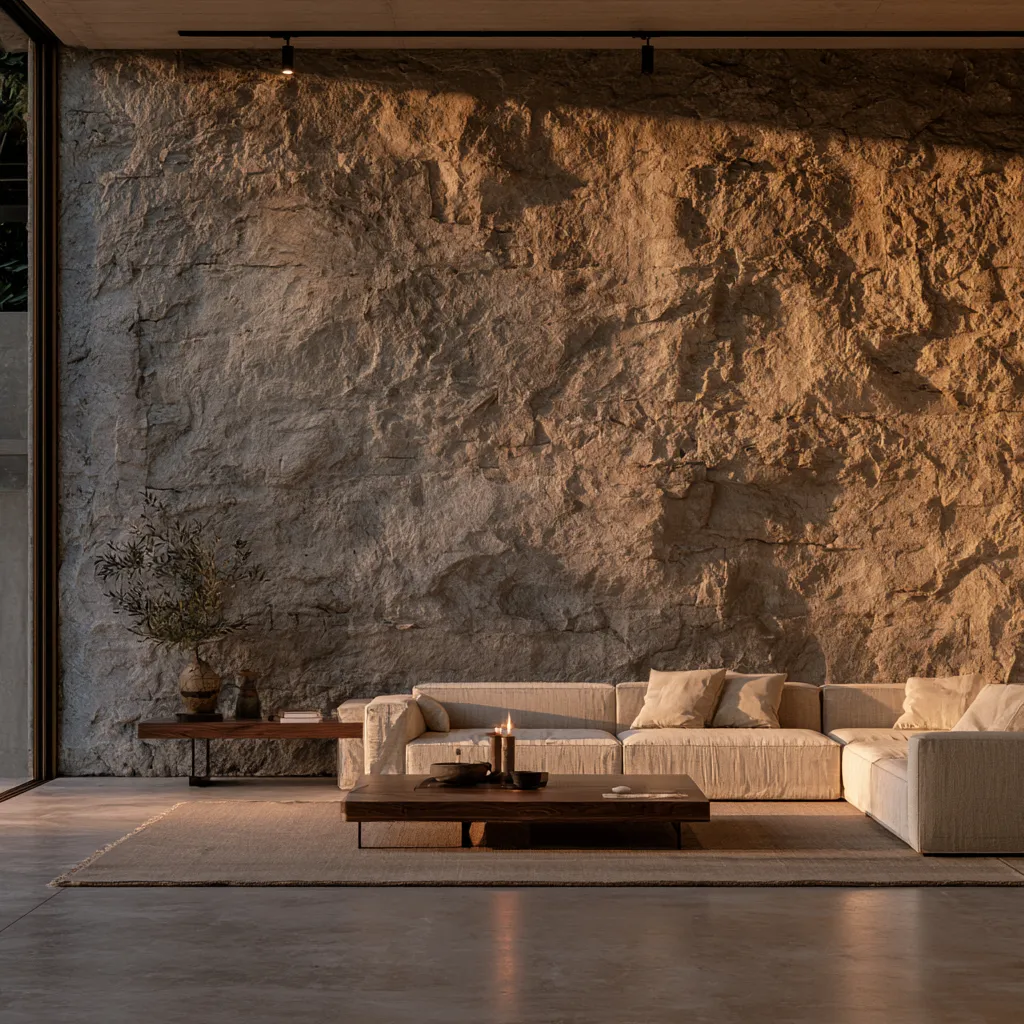
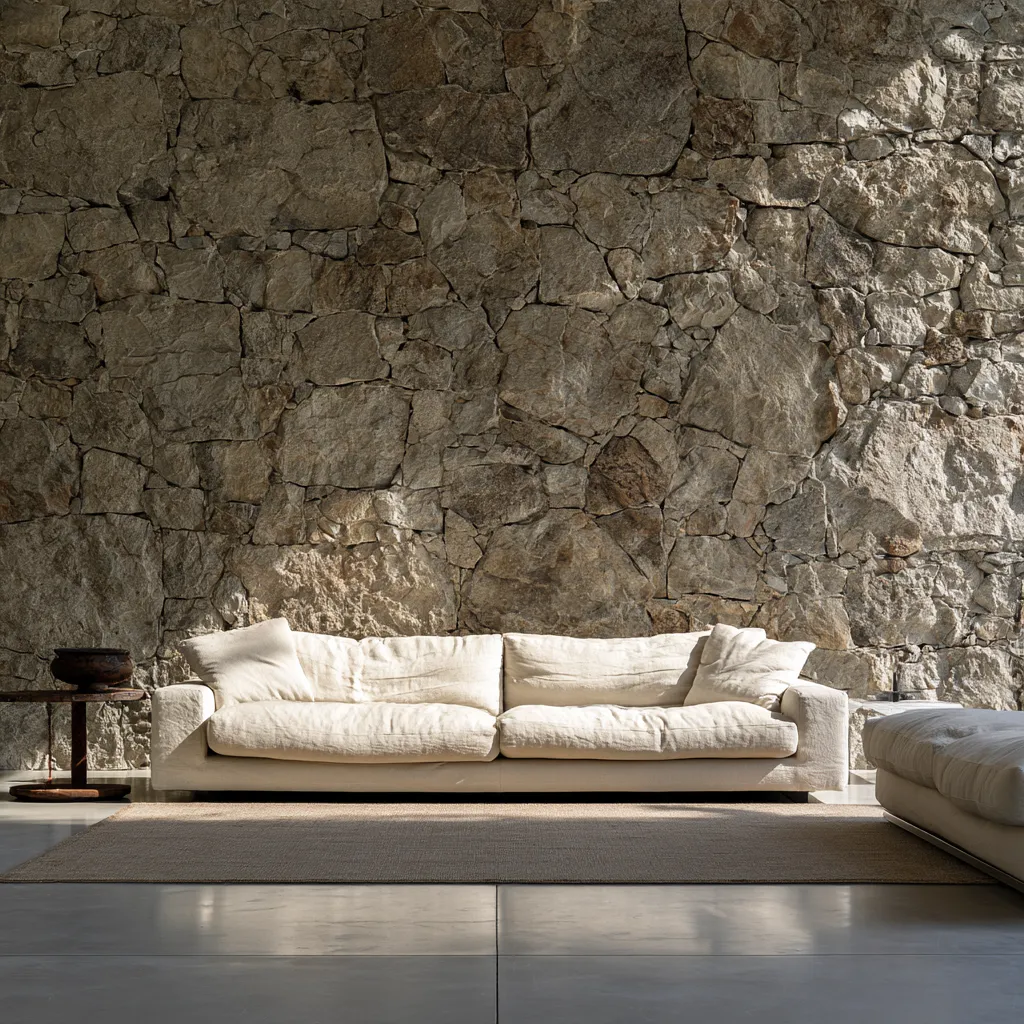
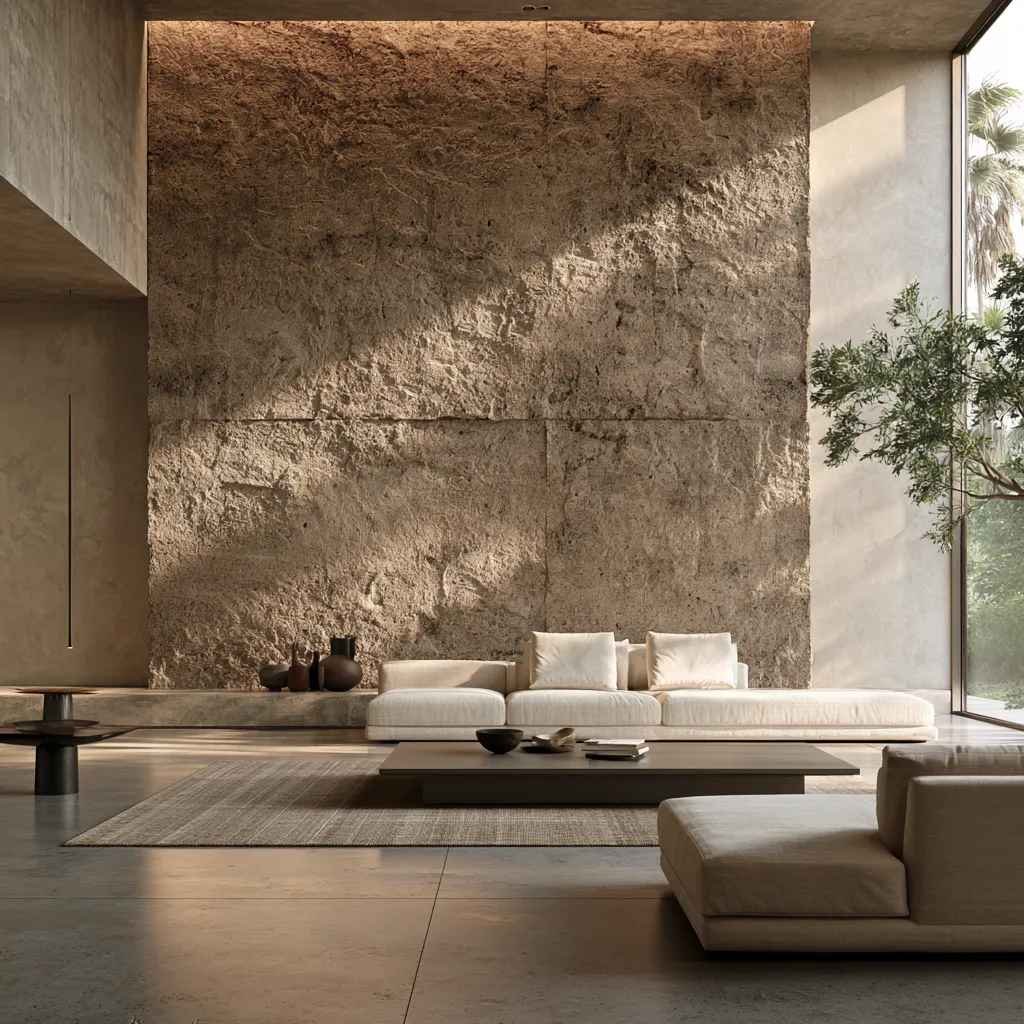
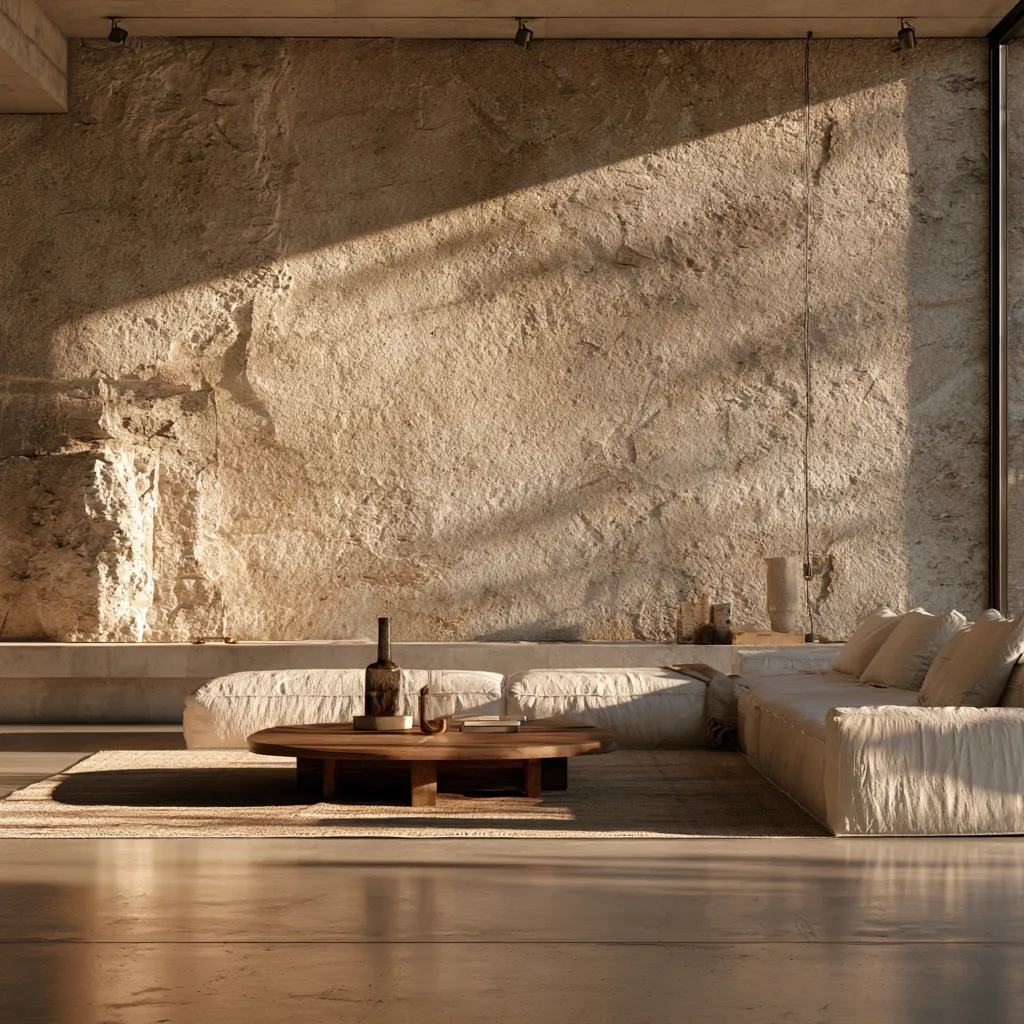
A stone accent wall carries about 40 lbs per square foot for a full-thickness natural stone installation — which means most residential floors and wall framing require structural assessment before installation. Thin stone veneer panels (3/4 inch to 1.5 inches thick) reduce that load to 12–18 lbs per square foot and are the practical solution for most retrofit interior projects. The design outcome is nearly indistinguishable from full-depth stone when lighting is properly considered: low-angle accent lighting along a stone wall amplifies texture and depth dramatically, making a $28/sq ft veneer panel read like a $75/sq ft natural installation.
- Stone Wall Cladding Reads Luxury in a Living Room — Until You Pick the Wrong Pattern
- Stone Accent Walls Look Flat Without These Interior Moves
- Stunning Stone Walls in Open-Concept Home Interior
- The Rich Texture of Stone Walls Creating Intimate Indoor Settings
- 6 Elegant Stone Accents in Modern Home Interiors
- Discover the Timeless Beauty of Stone Art Wall Design
- Earthy Stone Textures and Clean Lines for a Sophisticated Interior
- Creating Intimacy with Textured Stone and Expansive Glass
- Astonishing Stone in Modern Home Design Ideas and Tips
- 4 Innovative Uses of Black Stone in Contemporary Home Designs
Stone in Specific Interior Rooms
Certain rooms reward stone investment more than others. Kitchens and bathrooms see the highest per-square-foot return because stone in these spaces is functional as well as aesthetic — it handles heat, moisture, and daily cleaning in ways that painted surfaces and laminates simply can’t. Fireplace surrounds and feature walls in living rooms offer the greatest visual drama per dollar spent, since a relatively small stone installation becomes the entire focal point of the room.
- The Art of Designing Timeless Kitchens With Stone Surfaces
- The Secret To Using Reclaimed Stone For A Modern Kitchen Island
- Wood, Stone, Silence — What a Japanese Minimalist Kitchen Actually Costs You to Get Right
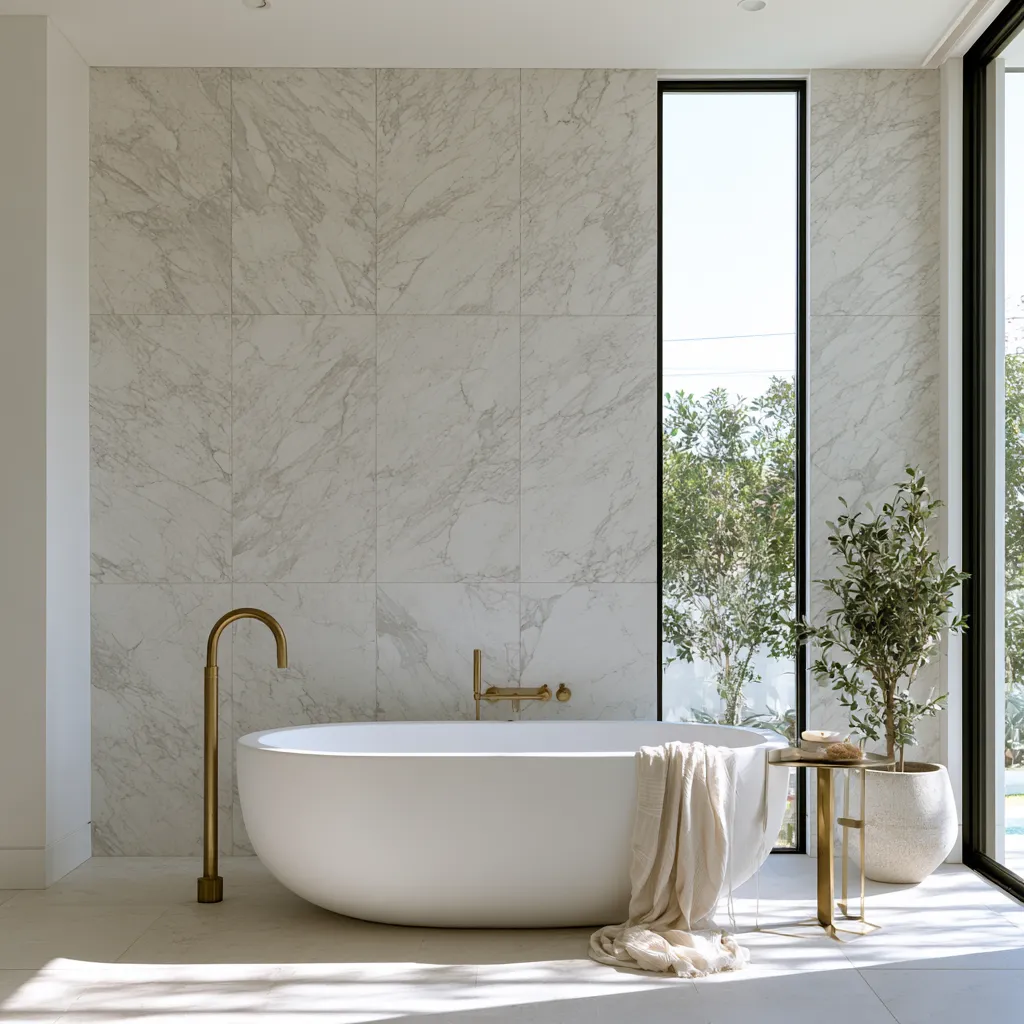
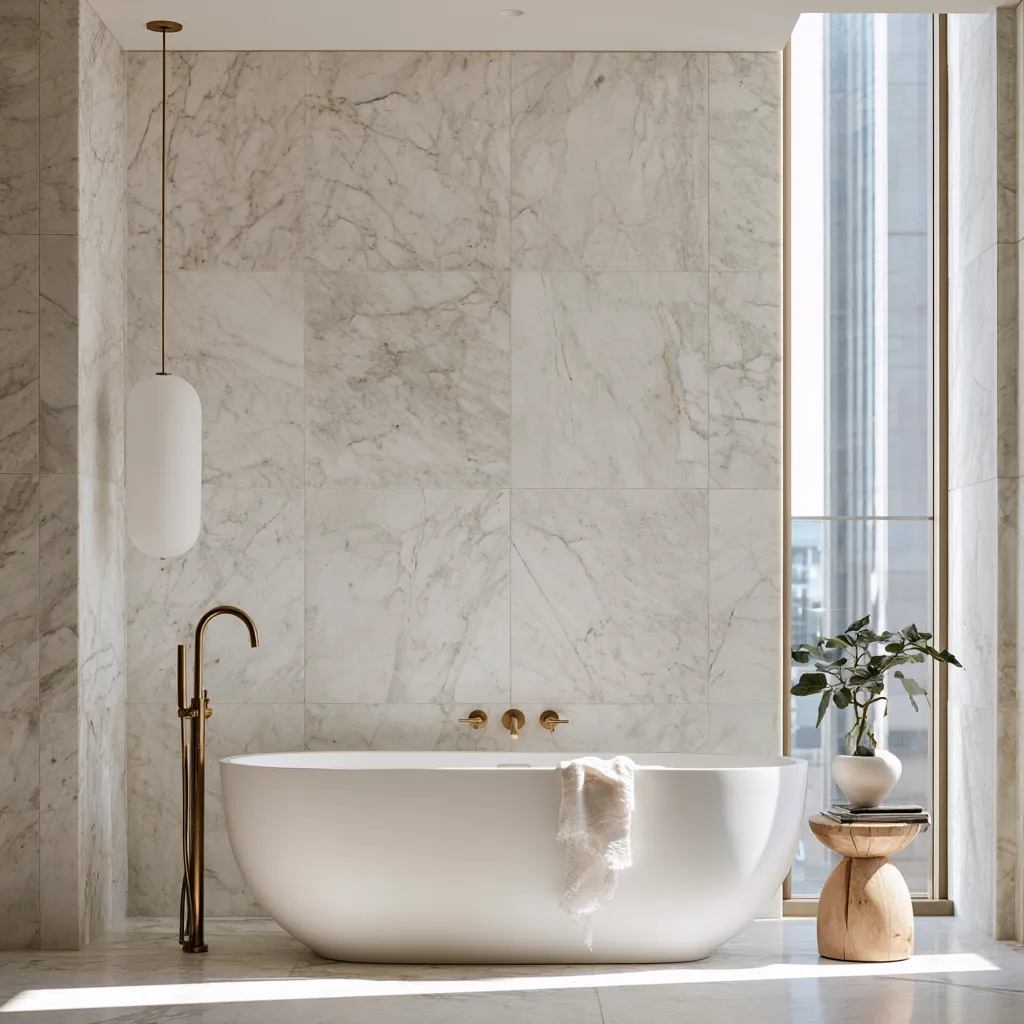
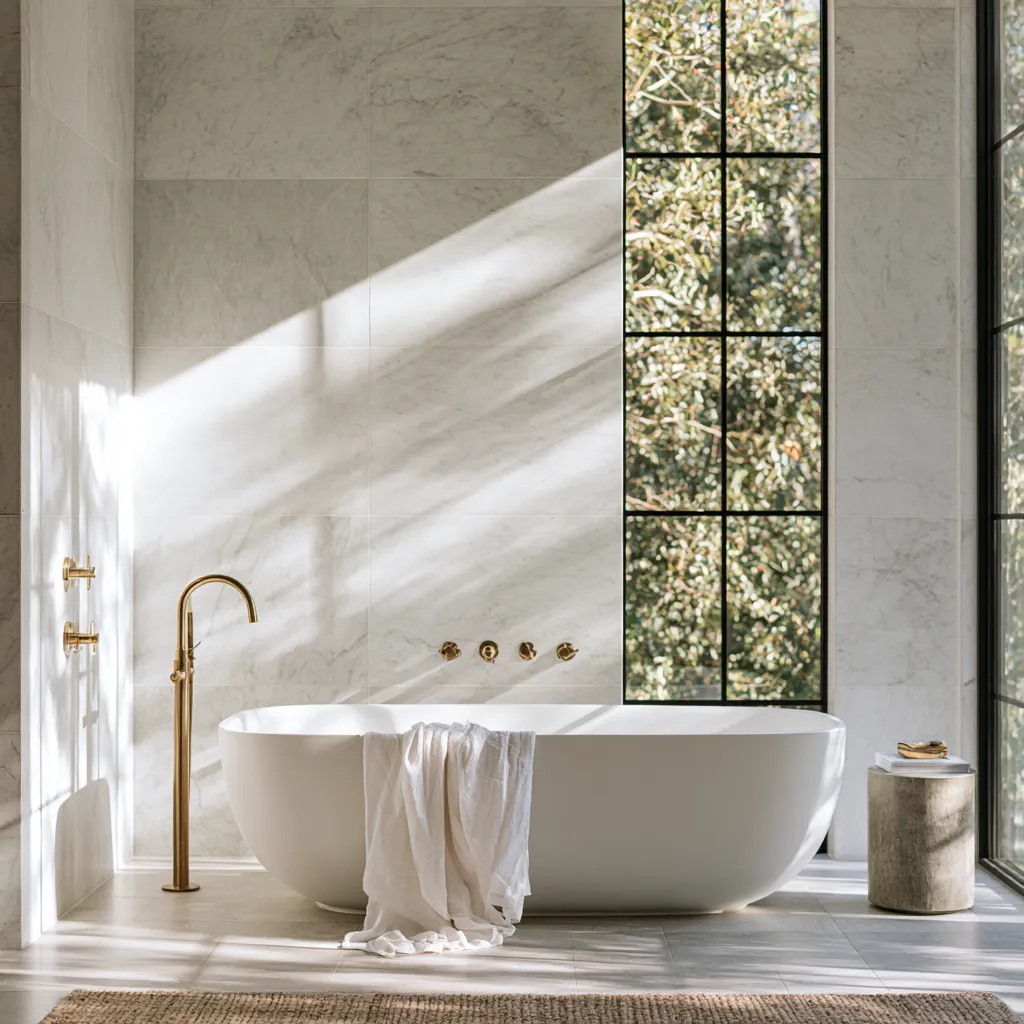
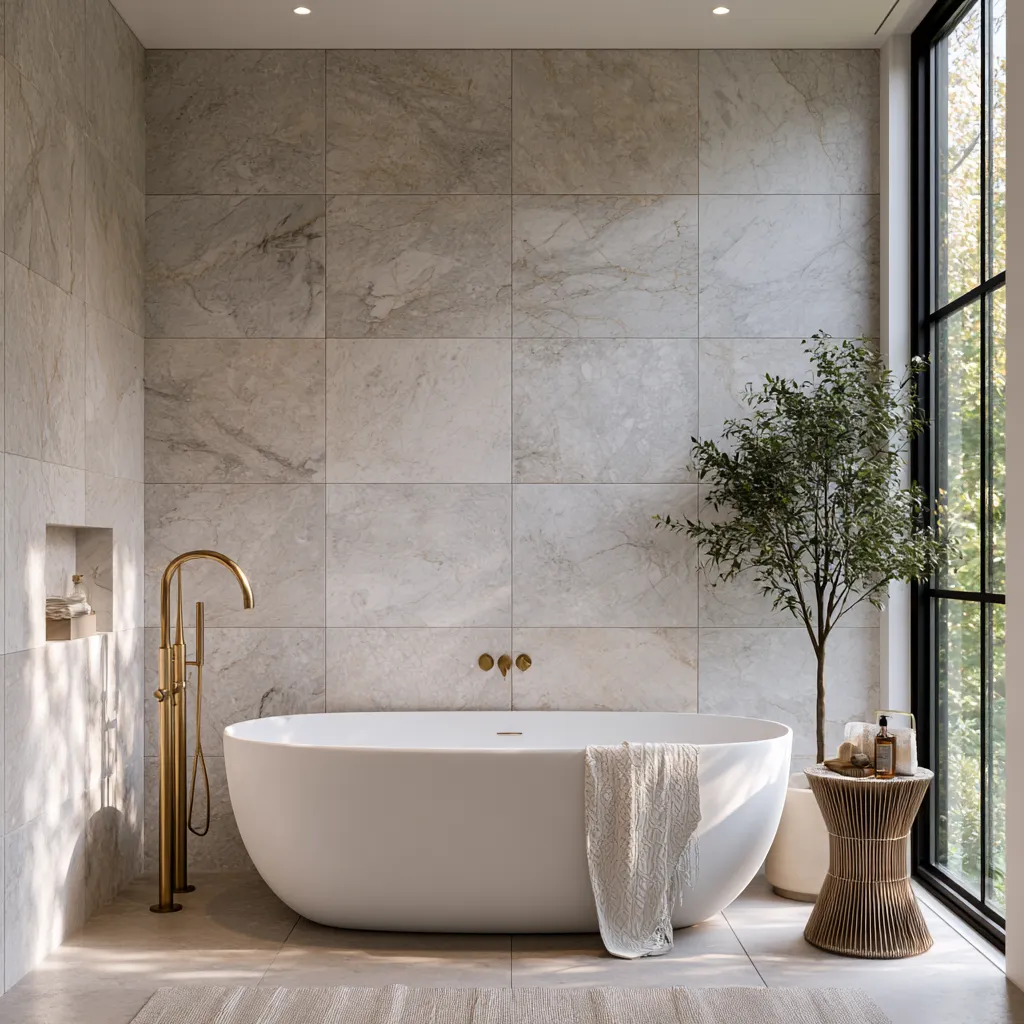
- Brass and Stone Bathroom Fixtures Transform Wet Spaces Into Sculptural Statement Rooms
- 9+ Textured Contemporary Bathroom Ideas with Stone and Concrete
- Living Room Fireplace Feature Walls Replace Mantelpieces as Room Anchors
- Natural Plaster Wall Finishes Replace Drywall in High-End Interiors
- Stone-Clad Interiors of a Subterranean Mexico City Retreat
Interiors Defined by Stone — Architectural Projects
- 3+ Ideas for How to Furnish the Interior of a One-Story Stone House
- 3+ Innovative Decor Tips for Stylish Modern Stone House Interiors
- Warm Wood and Stone Combination for a Minimalist Open-Plan Living Area
- Stone and Wood Charm in a Hillside Home with Scenic Valley Views
- Exploring the Cubic Forms of Wood and Stone in Home Design
- Fluid, Curved Forms with Stone, Timber, and Bronze Interiors
- Spiral Mastery with Wood and Stone Elements Reflecting Bali’s Interior Serenity
- Creating Cozy Interiors with Wooden Paneling and Textured Stone Exteriors
- Embracing the Outdoors with Stone Slabs and Frameless Glass Panels
Stone in Outdoor Design — Patios, Paths, BBQ Areas and Garden Features
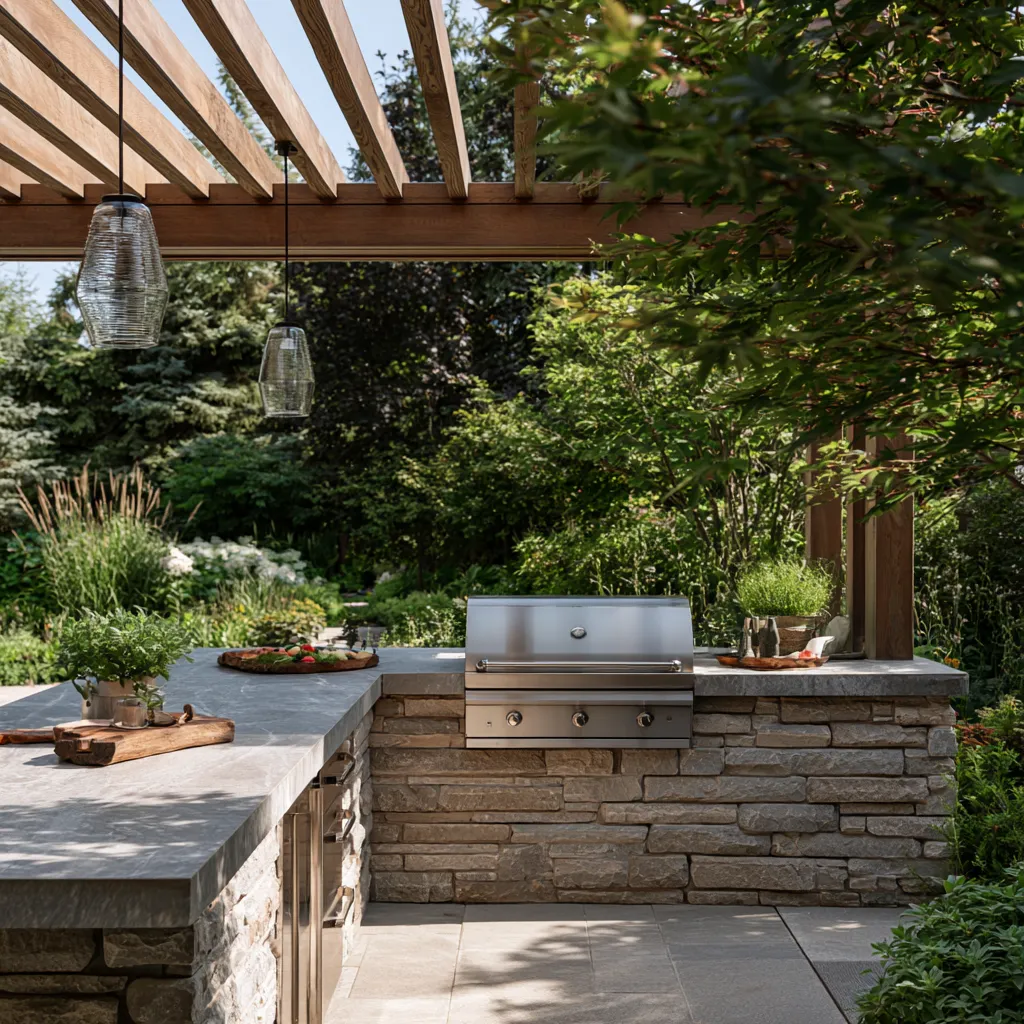
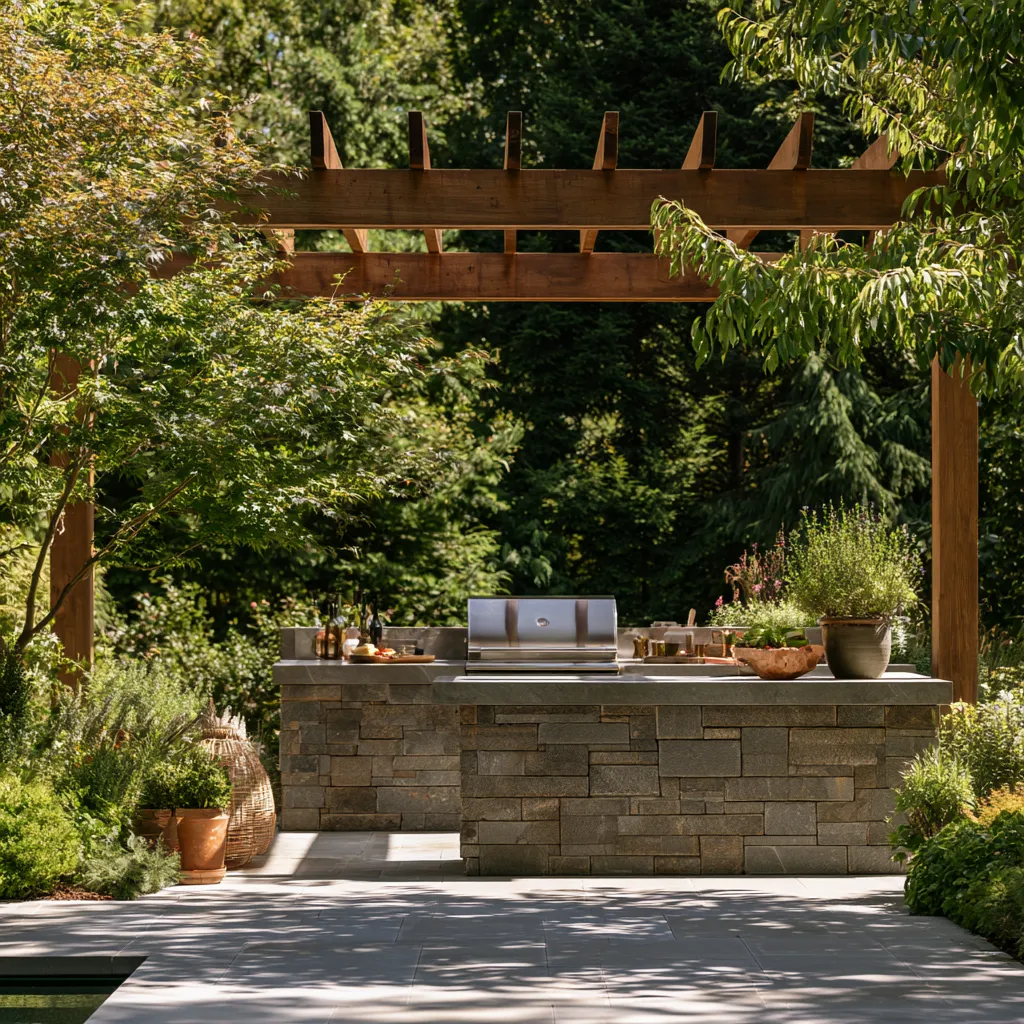
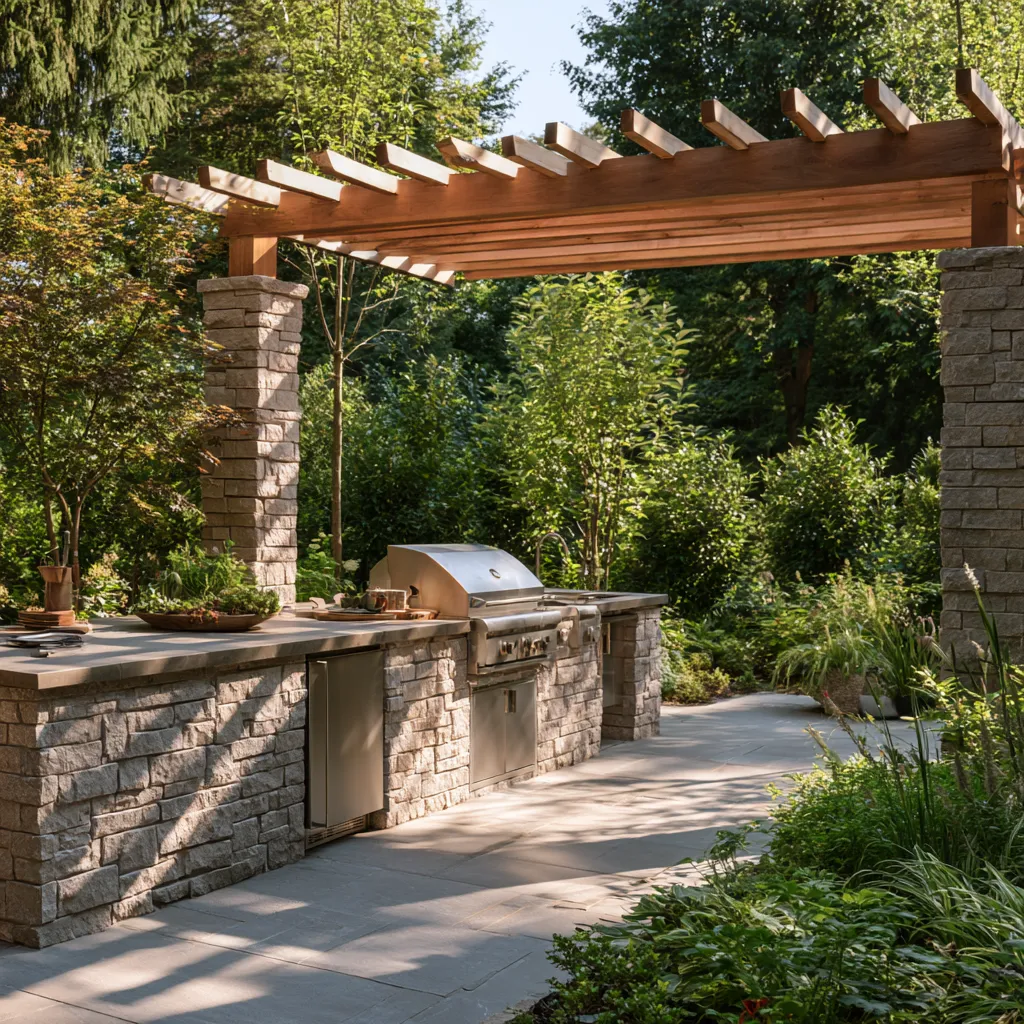
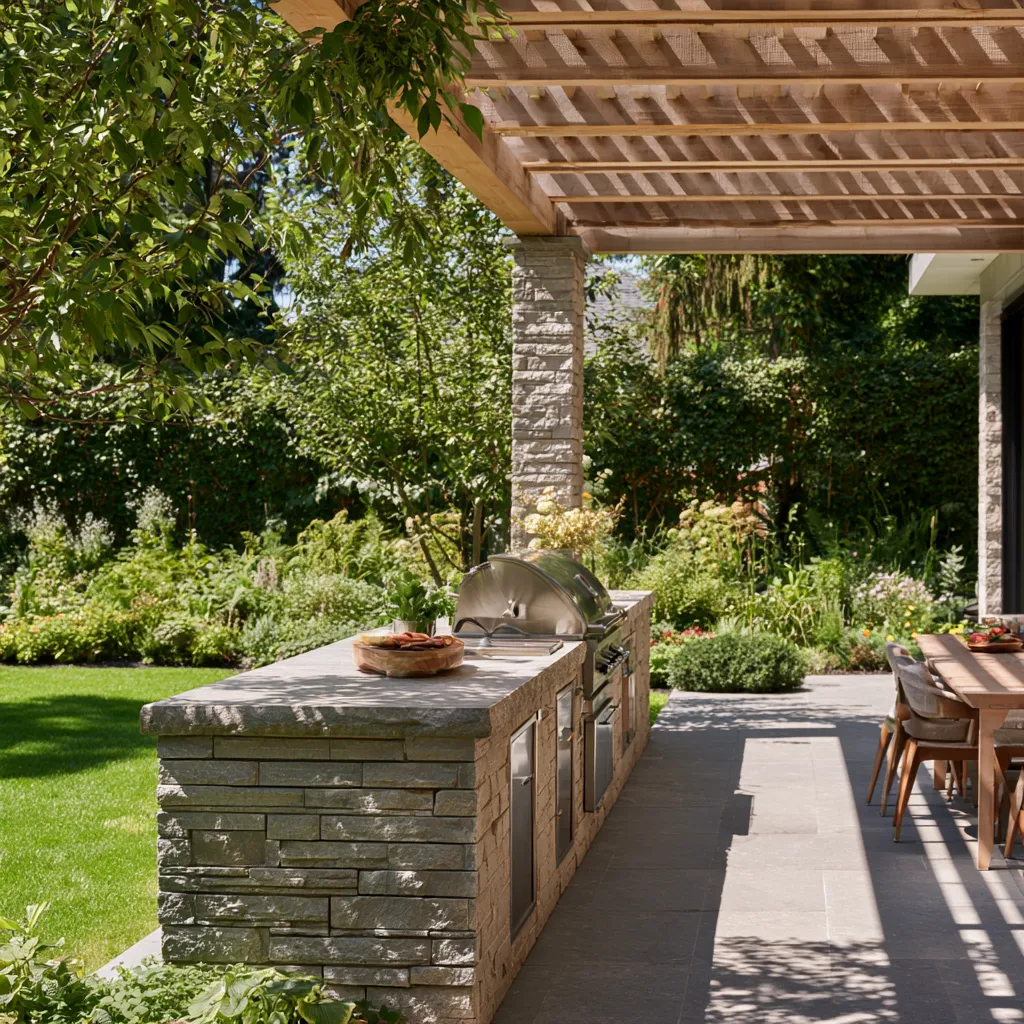
Outdoor stone use has evolved beyond the patio slab. Decomposed granite pathways now rival poured concrete as the preferred landscape surfacing in water-conscious regions — DG is fully permeable, allowing rainwater to recharge groundwater rather than run into storm drains, and its installation cost of $2–$5 per square foot puts it well below concrete’s $6–$10. Stone BBQ areas and outdoor kitchen islands have become full architectural projects, with some installations exceeding $40,000 when they incorporate integrated grills, refrigeration, dining surfaces, and stone fire features.
- Decomposed Granite Pathways — Why Permeable Gravel Replaces Poured Concrete
- Stone BBQ Areas That Actually Age Better Than Your Deck
- Outdoor Kitchen Islands Reshape Backyard Entertaining
- Enhancing Gardens with Stone Features
- Outdoor Ground Cover Plants Reshape Patio Design Into Low-Maintenance Living Zones
- Gray Outdoor Tile Ideas for Patio: Porcelain, Stone, and Geometric Designs That Last
Specialty Stone Applications — Moissanite, Rhinestones and Beyond
Stone’s influence extends into personal adornment as much as it does architecture. Moissanite — originally discovered in a meteorite crater in Arizona in 1893 — has become the leading diamond alternative for engagement rings, with a refractive index of 2.65 compared to diamond’s 2.42, meaning it actually produces more optical fire than the stone it replaces. Rhinestones, meanwhile, have cycled back through fashion at the center of disco-inspired styling, with faceted crystal embellishments appearing on everything from belts to bodysuits.
- How to Choose a Moissanite Stone for Engagement in 5 Minutes
- 5+ Disco Clothing Ideas Featuring Bell-Sleeve Blouses and Rhinestone Belts
- 6+ Disco Clothing Ideas with Rhinestone Bodysuits and Sheer Capes
How to Choose the Right Stone for Your Project
Material selection is where most stone projects succeed or fail before installation begins. Porosity is the first filter: limestone and sandstone are highly porous and demand aggressive sealing schedules in wet environments, while granite and basalt are essentially non-porous and can be left unsealed in most climates. Hardness determines wear resistance — a soft travertine that looks stunning in a low-traffic foyer will show polish wear within three years on a kitchen floor. Colour stability under UV exposure matters enormously for exterior applications: many dark stones fade noticeably within 5–10 years of sun exposure without UV-stable sealers, while light stones tend to hold their value more predictably.
Regional sourcing is worth prioritizing on both cost and environmental grounds. Stone quarried within 300 miles of a project site typically costs 20–35% less than imported equivalents after shipping is factored in, and it carries a fraction of the transportation carbon load. For projects where a specific aesthetic requires imported material — Italian travertine, Indian sandstone, Portuguese limestone — budgeting for a longer lead time (often 8–14 weeks) is essential to avoid substitutions mid-project.
- The Art of Designing Timeless Kitchens With Stone Surfaces
- The Secret To Using Reclaimed Stone For A Modern Kitchen Island
- Astonishing Stone in Modern Home Design Ideas and Tips
- How to Create a Modern Home with a Stone Design
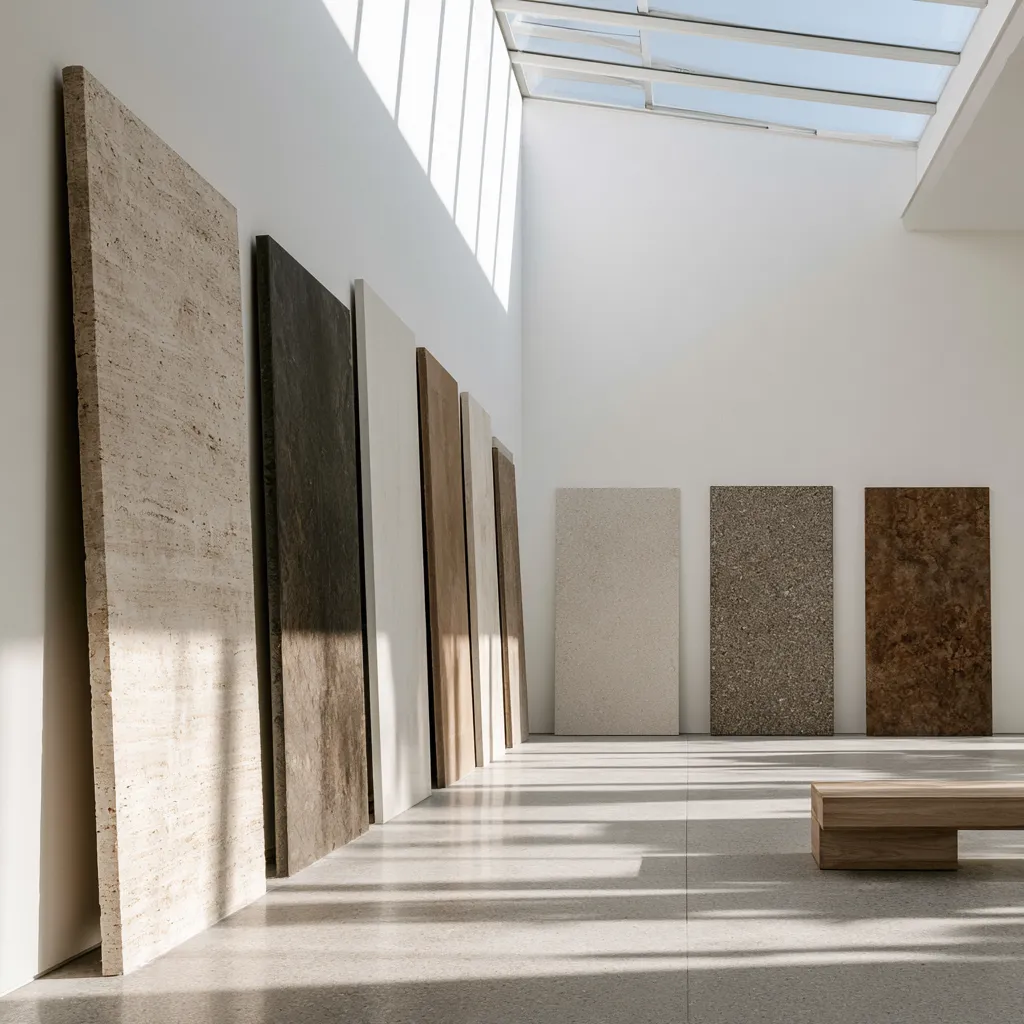
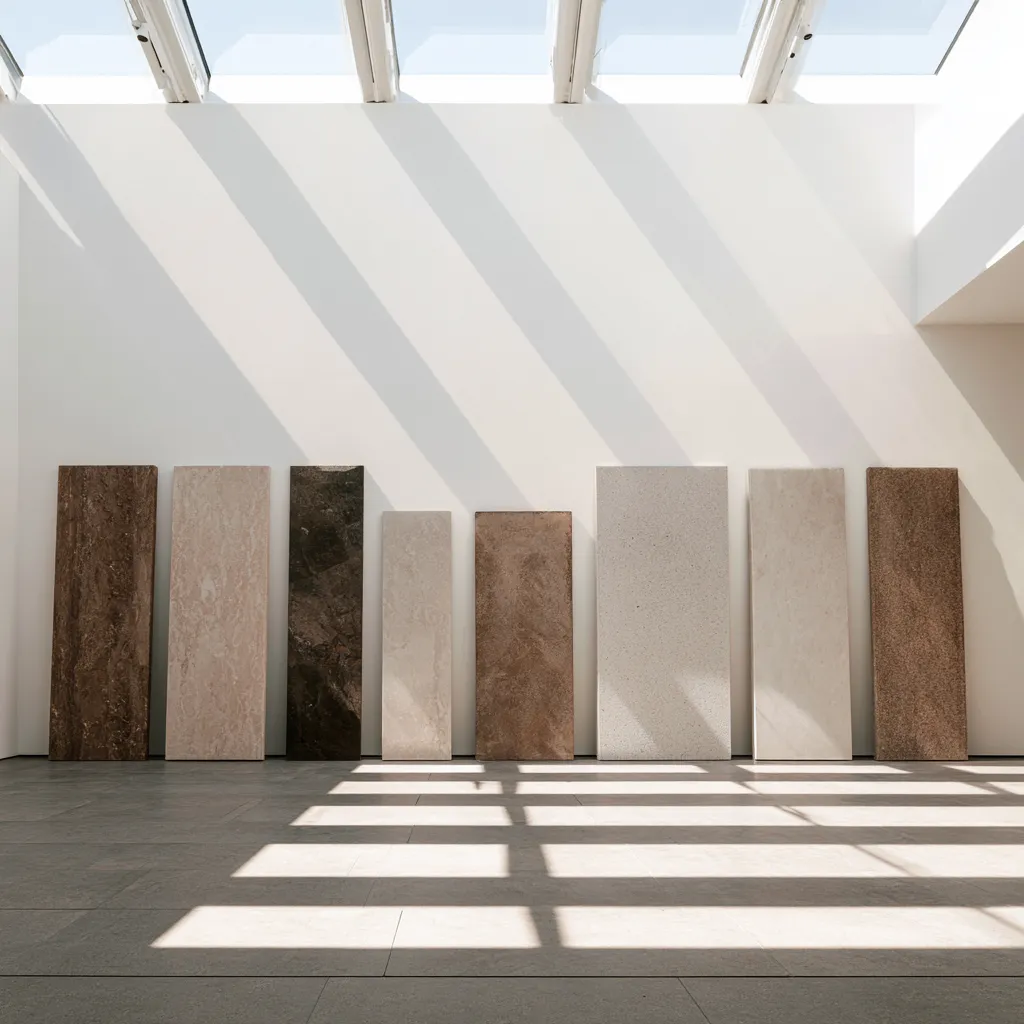
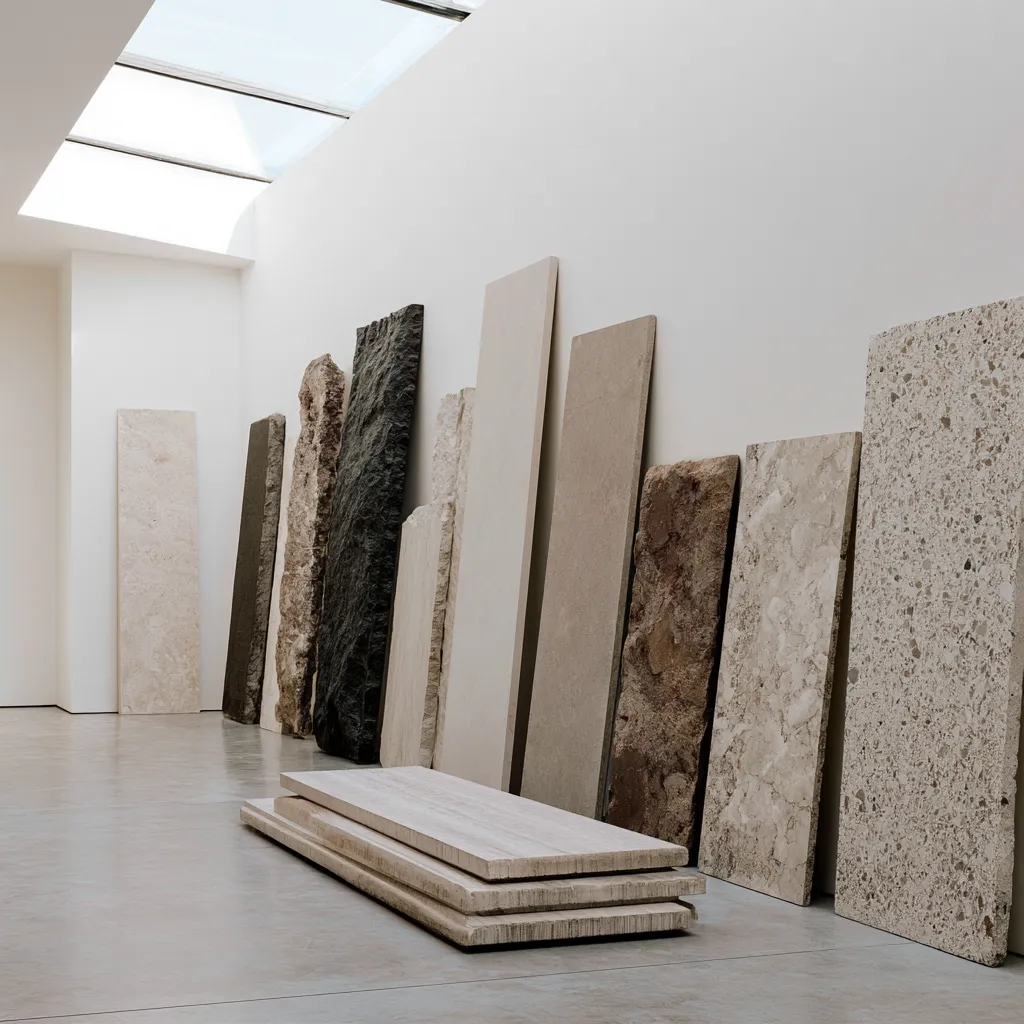
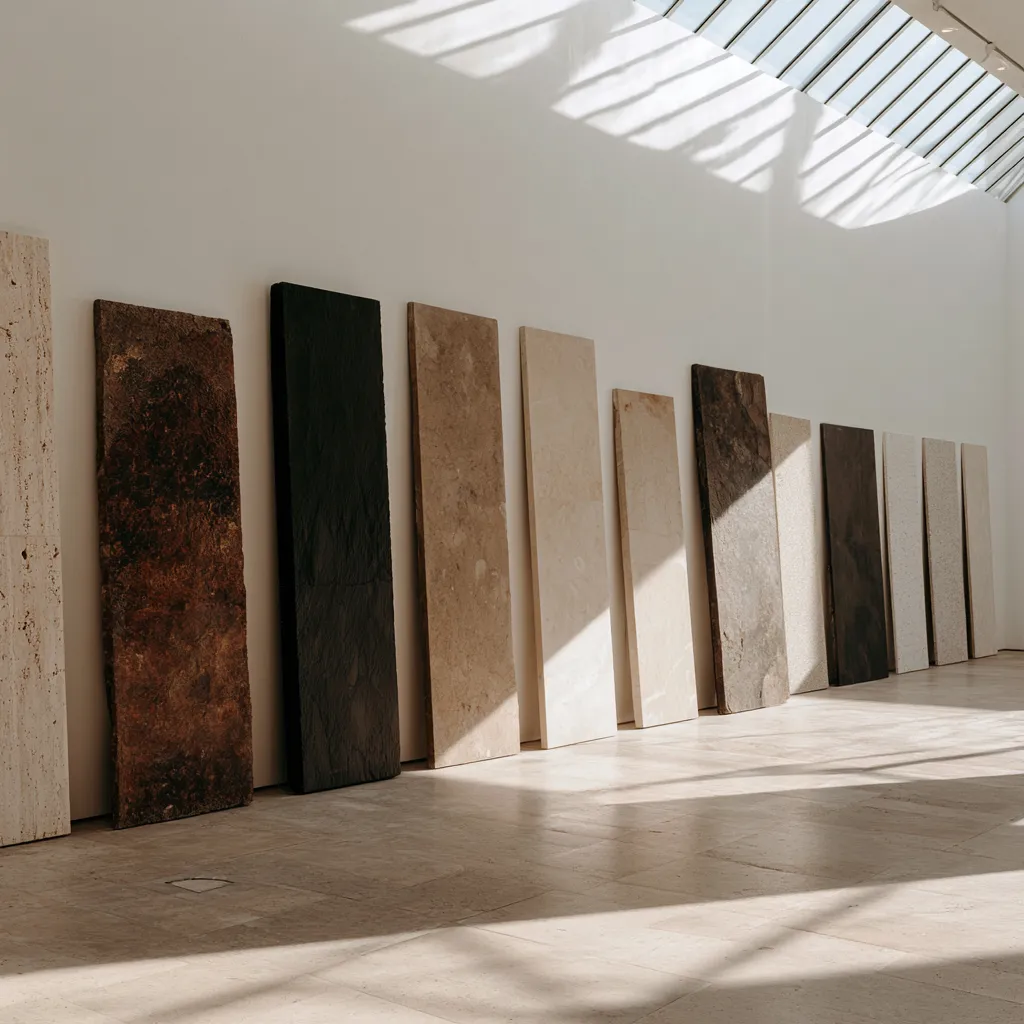
Stone Has Always Been Architecture’s Most Honest Material
Every material in a building makes a claim about the values behind its selection. Stone’s claim is the most straightforward of all: permanence, authenticity, and indifference to fashion cycles. The same basalt that lines a contemporary Japanese kitchen today was formed in volcanic activity 100 million years ago. The travertine on a Spanish residence facade was compressed from calcium-rich springs over millennia. Stone doesn’t require a story told in marketing copy — the material is the story, and it tells itself across centuries of architectural use.
Whether your project is a full exterior stone cladding installation, a single kitchen island in reclaimed limestone, or a stone accent wall in an otherwise contemporary living room, the principles are the same: choose for your climate, seal for your finish, proportion for your architecture, and let the material age. Stone rewards patience more than any other material in the built environment — and it has never once gone out of style.
You Might Also Like
Related Topics