Your neighbor’s fixed pergola sits baking under June sun while homeowners across North America are installing motorized shade systems that adjust to real-time conditions. Outdoor shade structures in 2026 have undergone a radical shift—no longer passive frameworks holding vines, they’re active climate control devices that extend living space into previously unusable hours. The market recognized a gap: traditional pergolas deliver 50% shade at best and require manual adjustments or permanent plant growth that takes years. Modern outdoor shade structures solve this through retractable technology, motorized louvers, and tensioned sail systems that homeowners can deploy in seconds.
Why Motorized Shade Replaces Fixed Pergolas
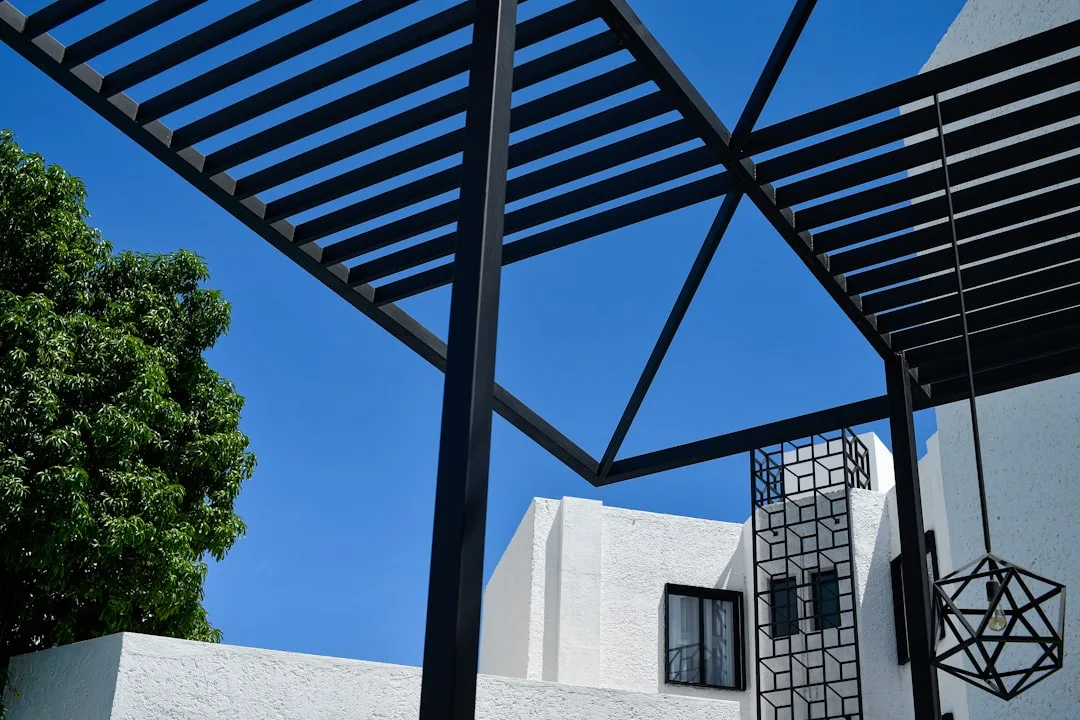
The shift accelerated because fixed structures fail in variable climates. A pergola with open slats provides inadequate protection during peak afternoon heat (1–4 PM when UV intensity peaks), forcing residents indoors or under umbrellas anyway. Motorized systems like the ShadeFX Pergola ($8,995–$14,500 installed) use rechargeable motors to adjust louver angles from 0–170 degrees, blocking 95% of sun when closed and opening fully for morning light. That’s a $6,000 premium over a static wooden pergola, but it eliminates the heat-trap problem and extends outdoor usability by 4–5 hours daily during summer months.
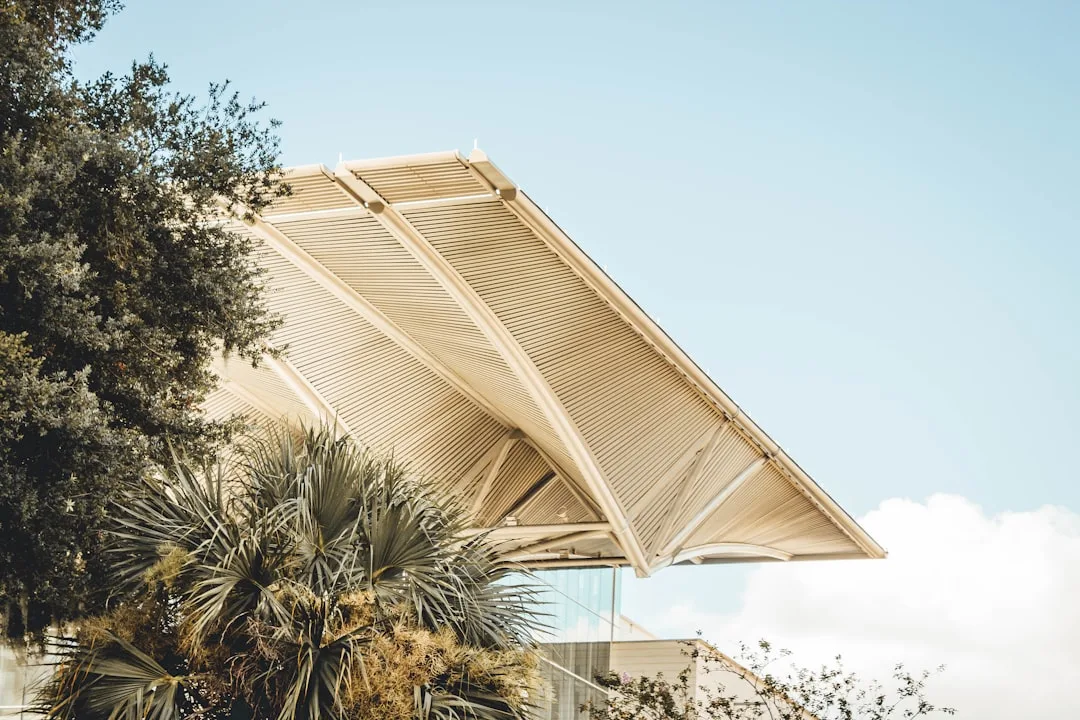
Retractable shade sails represent the fastest-growing segment. Sunbrella SailMate systems ($3,200–$7,800) tension fabric across open yards without posts, giving designers freedom to shade irregular spaces. Unlike pergolas, sails don’t create wind-tunnel effects; the tensioned fabric actually reduces wind load by 40% compared to fixed roof structures.
Quick Tips for Choosing Outdoor Shade Structures
- Measure solar orientation before purchasing—south-facing patios need 95%+ blocking; east/west exposures can use 60% shade.
- Motorized systems require 120V power or rechargeable batteries; plan wiring during patio design phase, not retrofit.
- Sails work for open yards; motorized pergolas suit attached patios with foundation anchors.
- Test fabric samples in your climate—Sunbrella 314 ($45/yard) lasts 10+ years; budget knockoffs degrade in 3 years under UV.
Biophilic Shade Integrates Living Elements
A secondary trend combines motorized structures with integrated planting systems, creating what designers call “breathing shade.” Kurawood Pergolas ($12,000–$18,500) incorporate built-in planter boxes along beams, allowing climbing vines (clematis, climbing hydrangea) to establish while louvers control immediate sun exposure. This solves the traditional pergola’s timeline problem—homeowners get shade now from motors, permanent cooling later from foliage.
The biophilic angle addresses a documented pain point: outdoor spaces fail when they feel too mechanical. A motorized pergola alone reads as gadgetry. Adding greenery—even modest vines on 30% of structure—increases perceived naturalness and can lower ambient temperature by 2–4 degrees compared to bare metal. Landscape designers in Toronto and Vancouver now specify this hybrid approach as standard for mid-range renovations ($15K–$40K outdoor budgets).
Where This Trend Originated and Market Adoption
Motorized outdoor shade emerged from luxury poolside markets in Miami and California around 2022–2023, where high-end builders needed solutions for waterfront properties with intense afternoon sun. The technology migrated down-market when manufacturers like Markilux (German brand entering North America in 2024) introduced mid-range motorized systems priced under $10,000. By June 2026, motorized shade structures represent 31% of new patio additions in suburban markets, up from 8% three years ago.
Coastal regions led adoption; interior continental markets (Toronto, Denver, Chicago) followed as homeowners recognized the efficiency advantage over air conditioning costs. A retractable shade system closing at 2 PM reduces patio-facing window heat gain by 60%, lowering interior cooling loads measurably. In a climate with 180 sunny summer days, that efficiency compounds significantly across months.
Installation Complexity and Common Failures
The #1 mistake homeowners make is installing motorized shade without wind engineering. A motorized pergola closed to 100% shade angle acts as a sail in strong wind, creating dangerous lateral stress on posts. Systems must be anchored to structural footings (typically 3–4 feet deep) or connected to house frames—surface-mounted posts fail catastrophically under 35+ mph gusts. Multiple insurance claims in 2025 arose from inadequate installation; motorized units caught by unexpected wind have caused post failure and, in rare cases, injury.
Another failure mode: battery drainage in winter. Cordless motorized systems like the Solara Shade ($9,200) promise “set and forget” operation but require full discharge cycles quarterly or battery capacity degrades to 40% capacity within two years. Professionals now recommend hardwired 120V systems for permanent installations, despite installation costs running $1,500–$3,000 for electrical work.
Size mismatch causes invisible failures too. Homeowners often underestimate the area that needs shading. A 12×16 patio requires 192 sq ft of coverage; a motorized pergola spanning only the furniture zone (typically 10×10) leaves heat radiation entering from peripheral edges, creating uncomfortable microclimates. Proper shade design extends 2–3 feet beyond seating zones.
Real-World Cost Comparison and ROI
A motorized pergola costs 3× a static structure but delivers 15–20 year lifespan versus 8–12 years. More importantly, the cooling efficiency saves $150–$400 annually in air conditioning costs depending on climate and usage. Over a 15-year span, that’s $2,250–$6,000 in energy savings—offsetting roughly 25–40% of the premium cost.
How to Apply Motorized Shade to Your Patio
Start by mapping solar exposure. Document which parts of your patio receive direct sun at 9 AM, noon, and 3 PM during the summer solstice (June 20–21). Most patios benefit from east and south exposure control; west-facing areas generate the worst afternoon heat. A simple smartphone app like Sun Surveyor ($4.99) plots exact sun angles for your location and helps you visualize where shade structures should anchor.
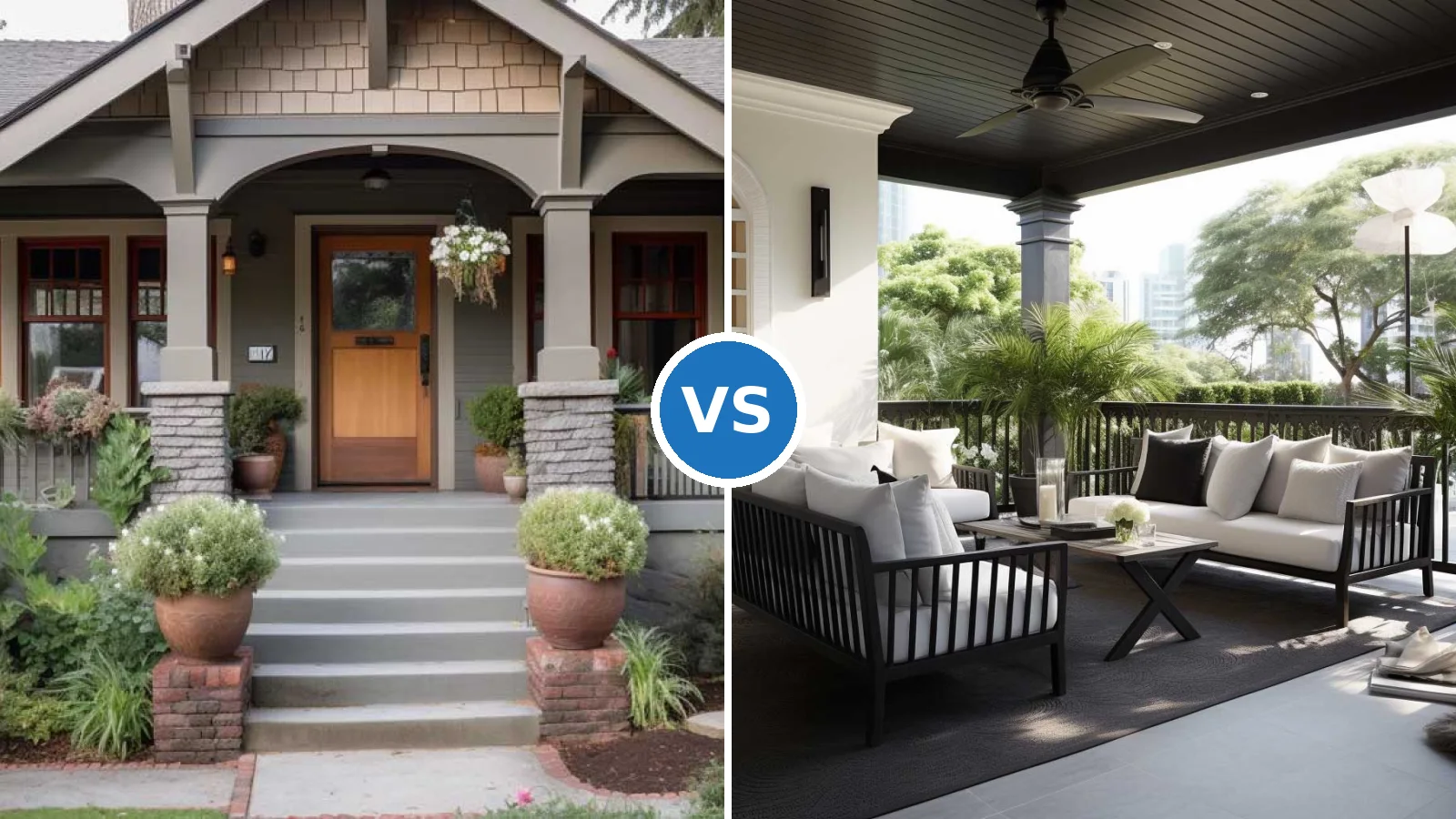
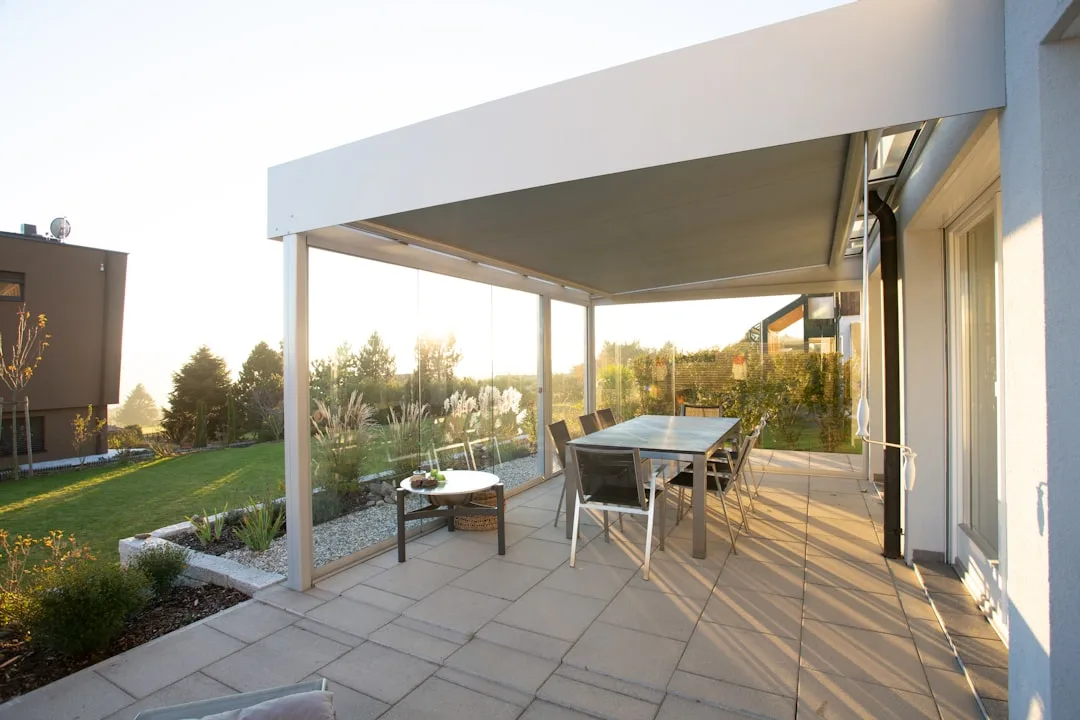
For attached patios (connected to the house), motorized pergolas anchored to existing roof framing offer the fastest installation—typically 2–3 days with professional crews. Standalone systems in open yards require post footings and take 5–7 days. A beautiful single story house with patio yard benefits most from attached motorized structures because they integrate visually with the home’s existing roofline.
Retractable sails suit renovations where adding posts would obstruct sight lines or damage established landscaping. Unlike pergolas, sails require only 2–3 anchor points (typically existing trees, fence posts, or newly installed brackets). Installation runs 1–2 days and costs $800–$1,500 in labor.
For those hesitant about motorized complexity, consider hybrid approaches: install a high-quality shade sail now ($3,500–$6,000), plan future motor integration into the mounting system ($2,000–$3,500 upgrade path in 2–3 years). This phased approach spreads costs and lets you test whether motorized convenience justifies the premium in your specific climate before committing full investment.
Materials matter. Choose Sunbrella or Solution-dyed acrylic fabrics ($40–$60/yard) over polyester blends; UV degradation in polyester is 300% faster in southern exposures. For structural components, powder-coated aluminum resists coastal salt spray and requires no maintenance, whereas stainless steel hardware costs 40% more but eliminates rust concerns in humid regions.
A concrete house idea with patio style courtyard pairs exceptionally well with minimalist motorized structures—aluminum frames with charcoal or graphite finishes align with industrial concrete aesthetics while maintaining clean sight lines.