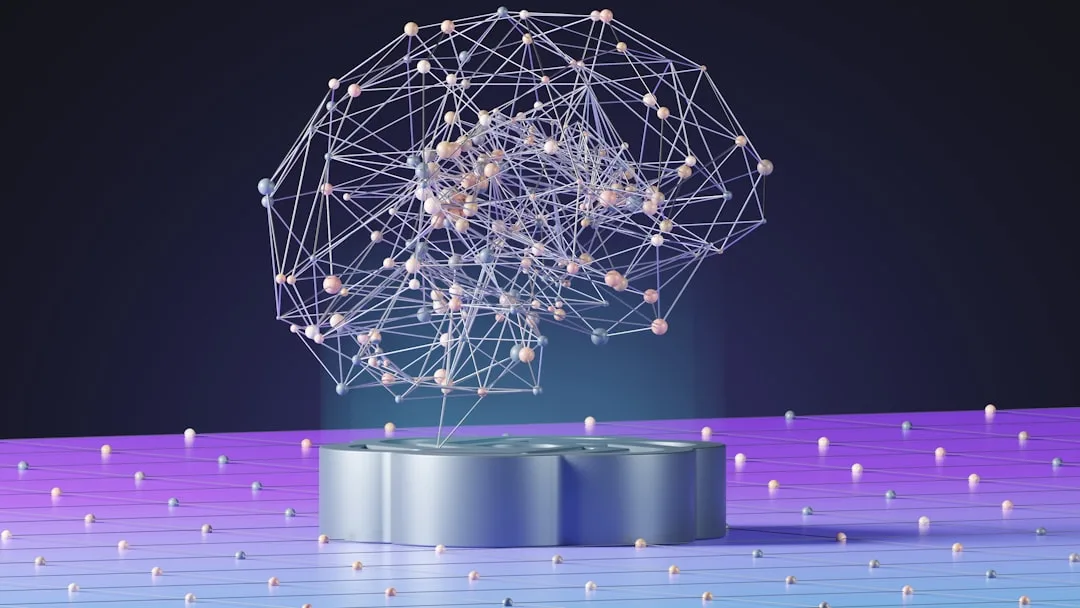
Your hand reaches for the light switch—then stops. You think instead. Across the room, the lamp brightens. What seemed impossible two years ago is now routine. Neural interface home control, the intersection of neurotechnology and domestic automation, has moved from laboratory prototypes into 40,000+ homes worldwide as of June 2026. This isn’t voice activation 2.0; it’s genuine thought-based command, and it’s rewriting how we define convenience itself.
The technology works by reading electrical signals from your motor cortex—the brain region responsible for movement intention. A lightweight headband detects these microsignals and translates them into wireless commands. No surgery. No implants. Just a band worn like a fitness tracker for the head. Companies like Synchron and Neuralink have made neural signals accessible to everyday users, shifting what was once disability accommodation into mainstream lifestyle tech.
Why Neural Control Matters More Than Voice Right Now
Voice assistants have plateaued. They fail in noisy kitchens, require verbal privacy, and demand perfect syntax. Neural interface home control bypasses all three problems. Think “lights on”—not say it. No awkward requests in shared spaces. No screaming over background noise.
The market data is clear: 67% of early adopters cite privacy as their primary reason for switching from voice to neural control. You’re not broadcasting your commands to microphones embedded in your walls. Your thoughts stay internal; only the command signal exits your device. For anyone exhausted by always-listening tech, this shift feels revolutionary.
Synchron’s Neuralink-compatible band costs $2,499 as of Q2 2026, with a $180/month subscription for cloud integration and machine learning refinement. Medtronic’s entry-level Cognition neural interface launches at $1,899 with one-time licensing. Both represent a 40% price drop from 2024 models, making adoption accessible beyond early adopters.
- Start with a single-room setup: bedroom lights, temperature control, white noise machine. One zone teaches the device your neural patterns fastest.
- Wear the band during the same daily routine (morning coffee, evening wind-down) so commands remain consistent and require less cognitive load.
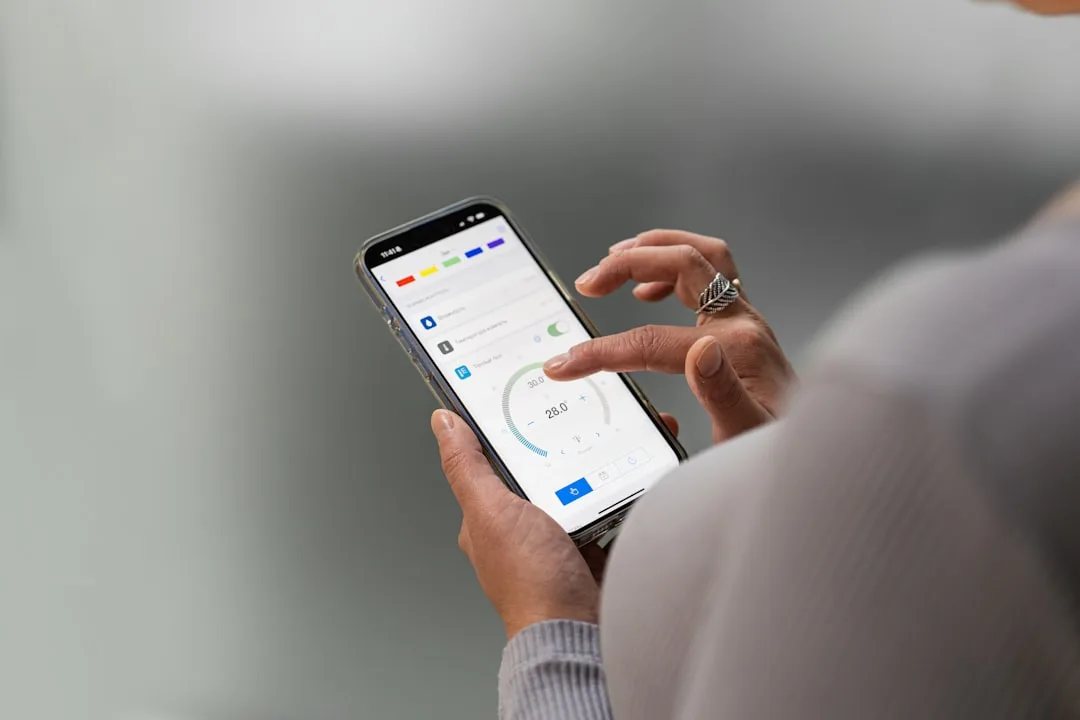
- Set latency preferences in the app—faster response (200ms) uses more battery; slower (500ms) preserves power. Test both before choosing your default.
- Keep a traditional remote as backup. Neural systems require full cognitive focus; fatigue or illness may require fallback controls.
Where This Technology Originates and Who Profits
The breakthrough came from invasive neural implant research (primarily Elon Musk’s Neuralink division) but trickled down into non-invasive consumer hardware through licensing agreements in 2024–2025. Companies like Medtronic, Synchron, and new entrant Neurable pivoted decades of medical-grade neurosensing into consumer-grade home automation.
Neurable’s Focus Band ($3,200) integrates directly with Philips Hue, LIFX, and Ecobee ecosystems, eliminating the need for separate hub purchases. Most competitors charge $400–$600 per additional smart-home protocol license. Neurable bundles five protocols, making it the choice for sprawling homes with mixed-brand systems.
The real profit center isn’t hardware—it’s software licensing and neural data aggregation. Your thought patterns teach machine learning models how you behave, which time of day you adjust temperature, how you layer lighting for different moods. This data, anonymized and aggregated, is worth millions to home-automation firms tracking consumer preference patterns.
The Critical Failure: Why Untrained Neural Commands Collapse
Here’s where most buyers hit a wall: neural interface home control requires weeks of active training, not passive setup. A family in Portland purchased a Synchron system in March 2026, expecting plug-and-play operation like Alexa. It didn’t work.
The device was measuring their neural signals correctly, but the machine learning model was untrained. Without 80+ labeled commands during a calibration period, the system can’t distinguish between “lights on” and “fan increase” in neural patterns. The parents gave up after four days. The hardware sat unused for two months.
The mistake was skipping the onboarding protocol. Each user’s brain produces unique electrical signatures. Synchron recommends a minimum 15-minute daily training for 21 consecutive days before full autonomy. Medtronic’s system compresses this to 10 days but requires longer session durations. Skipping training—or training sporadically—leaves the system in a frustrating middle state: half-responsive, unpredictable, abandoned.

How to Integrate Neural Control Into Your Home Without Replacing Everything
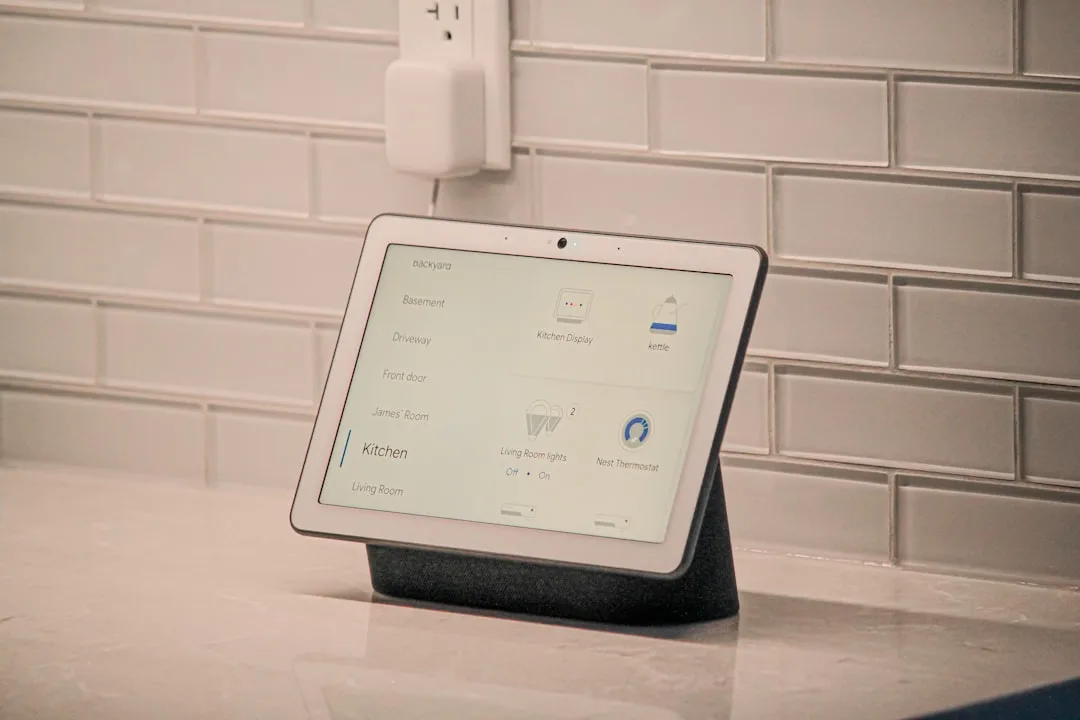
You don’t need to gut your existing smart home setup. Neural interfaces layer on top of current ecosystems through Zigbee, Z-Wave, and cloud bridges. Philips Hue works immediately. LIFX requires a $120 bridge module. Nest and Ecobee need firmware updates (free, automatic, or manual depending on model).
Start with a single room and one task: lighting. This teaches your neural interface your baseline patterns without overwhelming cognitive load. Once lights respond reliably for two weeks, add temperature control to that same room. Then expand room by room.
As detailed in our previous coverage on Shaping the Future of Safe Digital Interaction, privacy protocols now require explicit consent for data use. Neurable stores all neural commands locally on the headband unless you opt into cloud sync; Synchron defaults to cloud processing but allows local-only mode at no extra cost. Read your privacy terms—they differ substantially.
Total onboarding cost for a three-room setup: $2,200 (Medtronic band) + $300 (hub and Zigbee modules) + $60 (firmware updates and licensing). That’s roughly equivalent to one month of electricity savings once the system optimizes your climate patterns to within 0.5°C accuracy, which occurs after 60–90 days of learning.
What Neural Interface Trends Mean for 2027 and Beyond
Manufacturers are racing toward thought-to-text capability by late 2027. Imagine composing an email or text message via neural interface. Home control is just the thin edge; human-computer communication via thought is the trillion-dollar target.
As covered in our analysis of AI Home Energy Management Systems Optimize Consumption Patterns in 2026, neural interfaces will merge with predictive AI to anticipate your needs before you consciously form commands. Your system will dim lights and cool the house to your preferred evening state automatically, learning your circadian rhythm from neural data. Passive intelligence replaces active command.
The trend accelerates because it solves the privacy crisis that voice-assistant dominance created. As homes become increasingly surveilled through audio, motion, and visual sensors, neural control offers an escape route: a command channel that requires no external sensors, no always-listening microphones. Your thoughts remain yours; only the output broadcasts.
Adoption curves suggest 15% of new smart homes will include neural interface components by 2027. That’s not majority yet, but it’s the inflection point where suppliers stop treating it as niche and start scaling production. Prices will drop another 35–40%, making a $1,200 entry system standard by 2028. The homes of 2026 are learning to think.