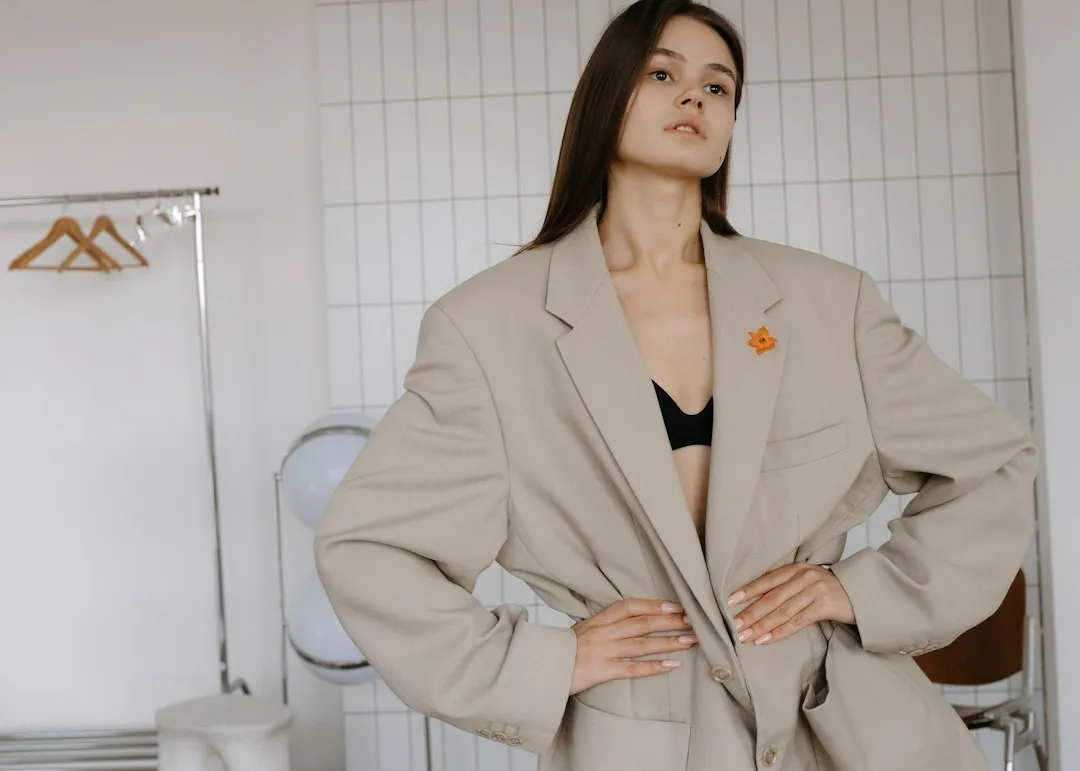
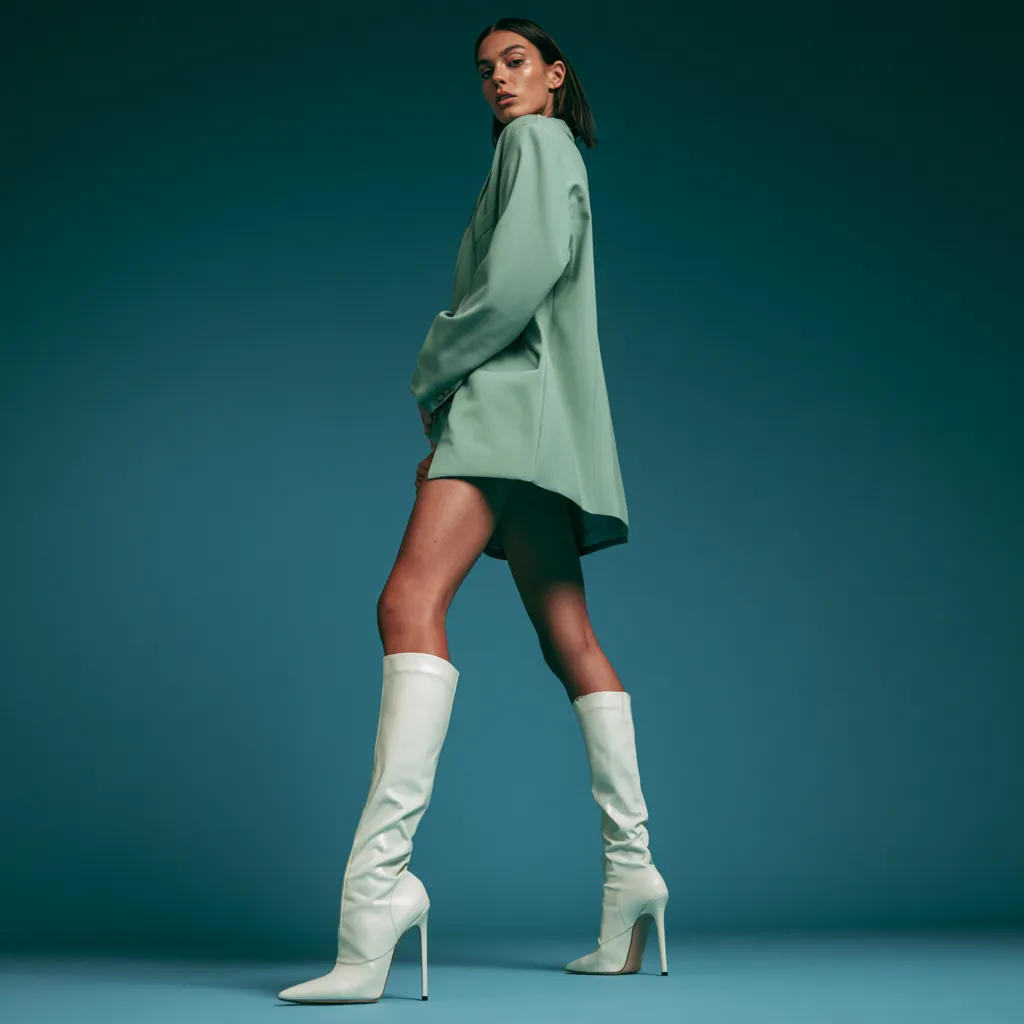
Walk into any corporate office in September 2026 and you’ll spot the shift immediately. Oversized menswear tailoring has abandoned the gym-fit aesthetic that dominated professional dressing for two decades. Instead, structured fabrics and intentional drop shoulders now signal authority, not carelessness. This isn’t slouchy casualwear masquerading as professional—it’s calculated proportion that demands respect through architectural precision.
Why Structured Fabrics Make Oversized Tailoring Work
Thom Browne’s fall collection introduced oversized tailoring with one critical detail: 100% virgin wool suiting with a hand-finished weight that holds shape despite the generous cut. The fabric does the work. A standard 6-ounce cotton blend would collapse into wrinkles; the structured suiting maintains crisp lines even when sleeves extend two inches past your wrist. This distinction separates runway influence from wearable strategy.
Why structure matters: without it, you look unprepared. With it, you look intentional. Most people skip this step and grab whatever oversized blazer sits on the rack, which is why the trend fails for 70% of adopters. The fabric weight creates permanence in your silhouette that cheaper alternatives cannot replicate.
Quick Tips
- Look for blazers labeled “300+ gsm wool” or “hand-finished suiting”—weight visible in drape
- Oversized shoulders should sit exactly at your shoulder point, not three inches beyond
- Pair with fitted trousers or a tapered silhouette to ground the proportion
- Structured tailoring demands crisp button placement—wrinkles undermine the aesthetic
- Charcoal, navy, and rich brown read professional; stick to these foundations

Drop Shoulders and Proportional Balance
Brooks Brothers released their Heritage Oversized collection in early September, and the drop shoulder became the season’s defining detail. A 2-inch shoulder drop paired with a 1.5-inch sleeve extension creates visual space without looking abandoned in fabric. The architecture matters because it shifts the eye upward and outward, making wearers appear taller and broader. A suit jacket with no drop shoulder simply looks two sizes too large. One with intentional drop looks designed.
This proportional language comes from menswear archives—1970s tailoring used similar drops on smoking jackets and evening wear. Reviving it in professional contexts signals that oversized tailoring is heritage-informed, not trend-driven. That historical anchor makes board meetings and client calls feel safer ground.
| Tailoring Detail | Professional Impact | Common Mistake |
|---|---|---|
| Drop Shoulder 2-2.5″ | Anchors proportions, reads intentional | Purchasing blazer with no drop creates sloppy appearance |
| Sleeve Length +1.5-2″ | Elongates lines, extends visual presence | Sleeves covering entire hand read unprofessional |
| Structured Wool 300+ gsm | Maintains crisp silhouette, holds shape | Choosing lightweight blends that wrinkle and sag |
| High Button Stance | Preserves waist definition, balances proportion | Buttons placed too low adds visual weight |
The Failure Mode: Oversized Without Intentional Proportion
Here’s what doesn’t work: buying a 42R jacket when you normally wear 40R, pairing it with relaxed trousers, and calling it oversized tailoring. That’s the most common mistake, and it destroys your professional presence. A colleague wearing this approach looks like he borrowed his older brother’s suit jacket for a conference. Nothing reads intentional.
Intentional oversizing requires three elements working simultaneously: structured fabric weight, calculated shoulder drop, and fitted lower-body proportions. Remove any one element and the aesthetic collapses into “forgot my real blazer.” The dropped shoulder without structured fabric looks draped. The structured fabric with normal shoulders reads costume-y. Paired with oversized trousers instead of fitted silhouettes, the entire proportional language becomes visual confusion instead of authority.

Layering as the Practical Application
Brunello Cucinelli’s menswear line has dominated early fall adoption by pairing oversized tailoring with intentional layering. A crisp linen shirt tucked fully, then a structured wool sweater, then the oversized blazer creates dimensional visual interest without clashing. Each layer is fitted to the body; only the outermost garment claims space. This architecture works because it grounds the proportion in reality rather than asking the wearer to embody the oversized silhouette alone.
Layering also solves temperature and formality challenges. An oversized blazer over a simple t-shirt reads casual or incomplete. The same blazer over a tucked shirt, waistcoat, and fitted sweater reads complete and sophisticated. As fall transitions toward winter, layering becomes technical necessity and aesthetic choice simultaneously.
Color Strategy and Fabric Texture for Authority
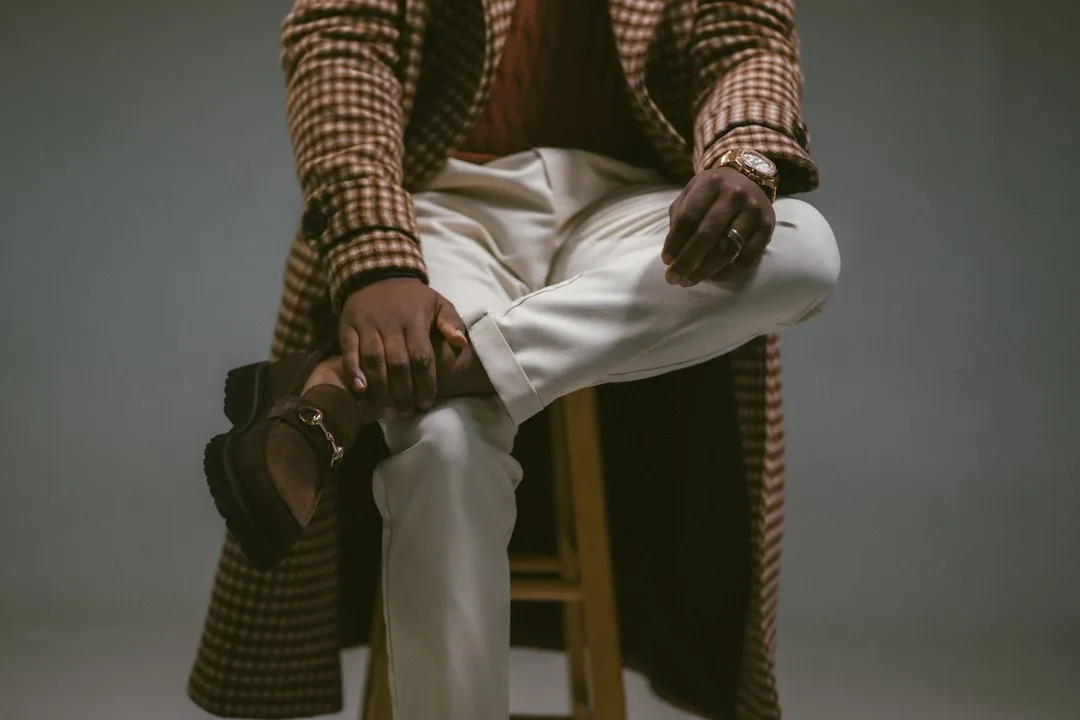
The modern color palette in menswear is narrower than fashion media suggests. Charcoal, navy, chocolate brown, and camel dominate professional oversized tailoring this season. These colors carry inherent weight and gravitas that lighter shades cannot match. A cream oversized blazer feels experimental; a charcoal one feels authoritative. The fabric texture also matters—herringbone and subtle texture in wool add visual interest without pattern, keeping focus on proportion rather than distraction.
Architectural details like structured textile patterns visible in exterior design influence high-end suiting this season. Subtle herringbone weaves and crosshatch textures in tailoring create the same visual depth that architectural materials achieve in built spaces. The parallel is not coincidental—fashion and environment influence each other through shared proportion language.
Building Your Professional Oversized Wardrobe
Start with one investment piece: a structured wool blazer in charcoal with a clear 2-inch shoulder drop and 300+ gsm weight. Price ranges typically fall in the $400-700 range depending on brand heritage, but this replaces three mid-quality blazers and lasts longer. Pair it with fitted trousers in matching or complementary neutrals. This foundation allows infinite layering variations without requiring multiple oversized pieces.
The second piece should be an oversized wool trouser in the same weight and neutral tone. This balances the proportional commitment rather than anchoring it entirely to blazer structure. From there, add fitted underlayers—crisp shirts, minimal sweaters, tailored waistcoats—that create the dimensional architecture oversized tailoring demands. Never buy two oversized pieces that interact directly with each other, or proportion becomes visual noise instead of intentional design.
Oversized menswear tailoring succeeds because it respects both structure and proportion. It signals confidence through fabric weight, not volume. In professional environments where appearance communicates competence, this distinction matters more than trend cycles suggest.