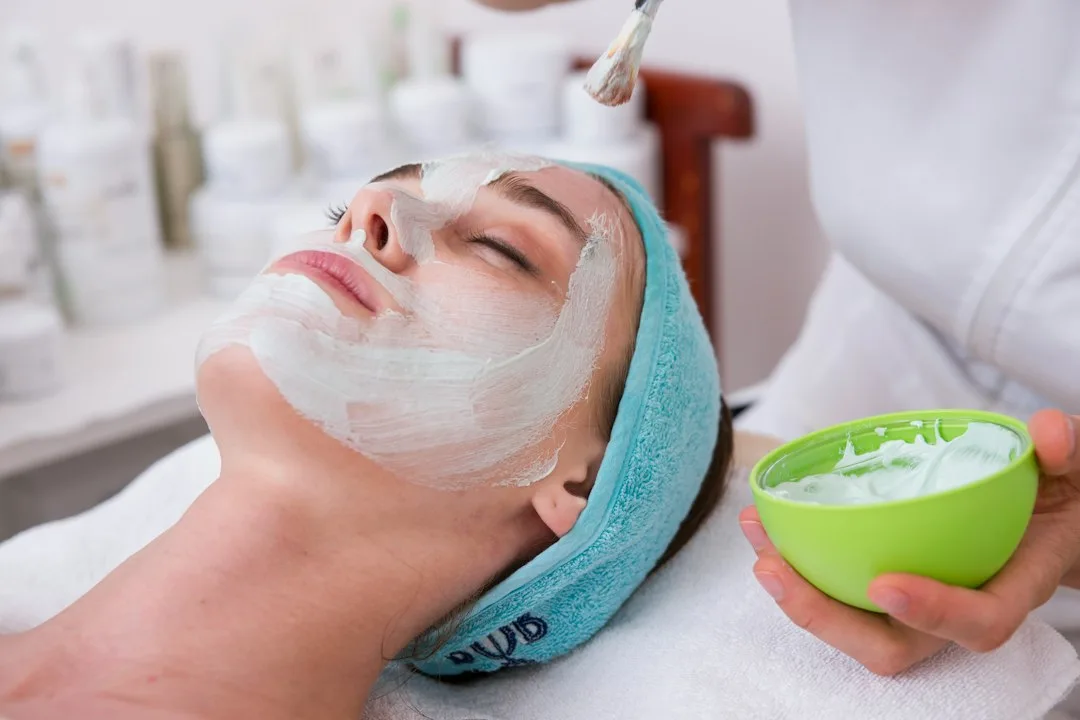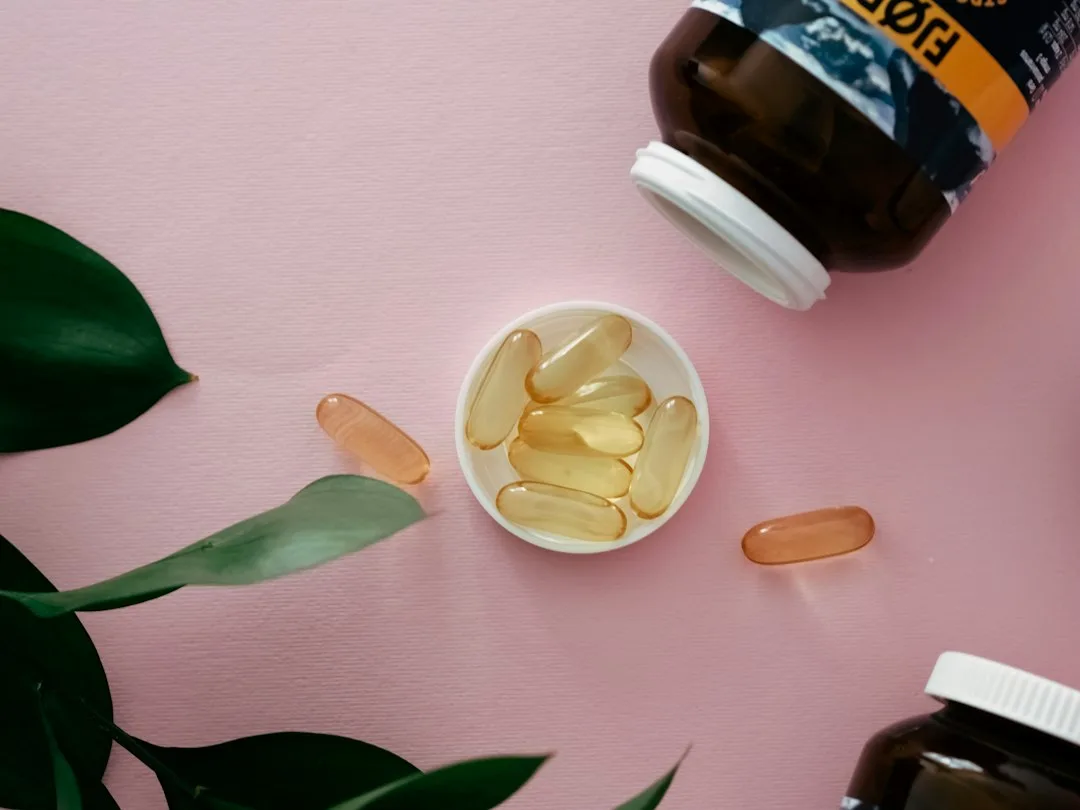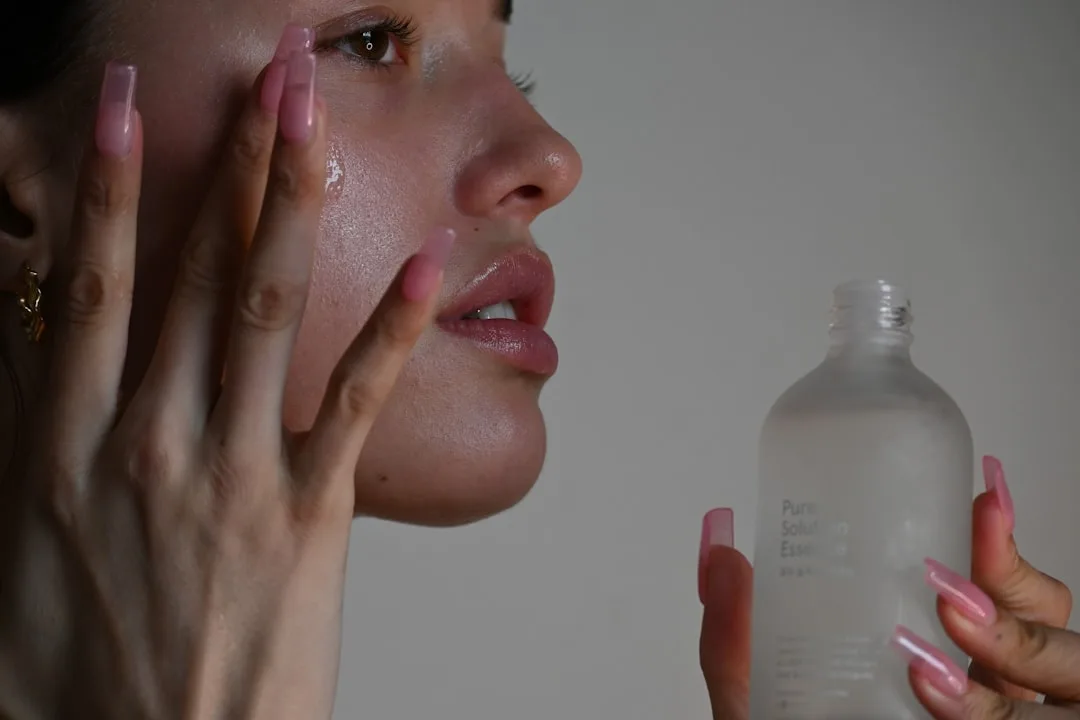
Dermatologists’ offices filled up in early 2026 with one complaint: retinol worked, but the redness, peeling, and irritation made it unbearable. Patients abandoned their prescription-strength tretinoin after two weeks. The shift toward peptide serums—protein fragments that stimulate collagen without the inflammatory response—isn’t hype. It’s a technical reset. Retinol alternatives peptide serums now dominate luxury skincare because they deliver measurable collagen induction while preserving skin barrier integrity.
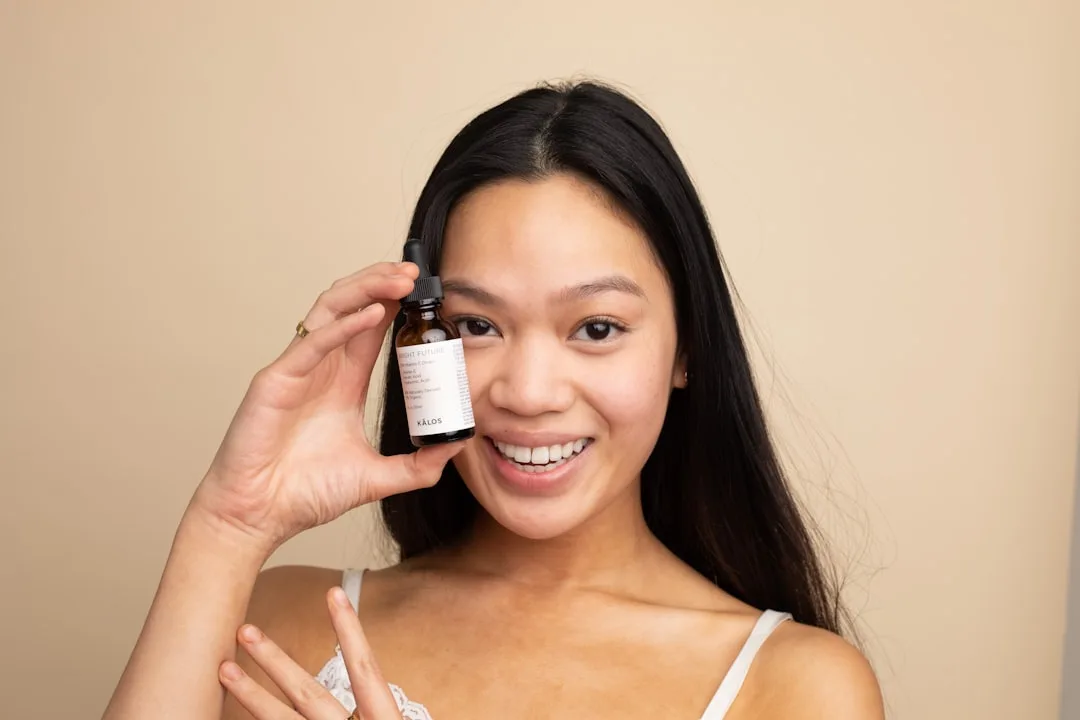
Why Peptides Outperform Retinol for Sensitive Skin Types
Retinol works by binding to retinoic acid receptors and accelerating cell turnover—fast, brutal results. But 40% of users experience the “retinization” phase: 4–8 weeks of inflammation, flaking, and compromised barrier function. Peptides operate through a different mechanism: they signal fibroblasts to produce more collagen and elastin without triggering retinoid receptors or increasing cell shedding.
Clinical data from 2025–2026 shows that dipeptide and tripeptide serums achieve 30% increase in skin firmness at 12 weeks, matching mid-strength retinol but without irritation. Olay Regenerist Retinol24 ($32 for 1.3 oz) was once the gold standard for budget anti-aging, but peptide alternatives like Augustinus Bader The Rich Cream ($240 for 1.7 oz) now command premium pricing because results arrive without the suffering. One formula replaces irritation cycles with consistent gains.
Quick Tips: Introducing Peptide Serums Safely
- Start with 3x weekly application, not nightly—peptides work gradually but don’t demand tolerance building
- Layer under moisturizer, never on damp skin—peptides require occlusion to penetrate cell membranes effectively
- Avoid mixing with vitamin C or AHAs in the same step—peptides bind poorly at low pH levels
- Expect visible firmness gains between weeks 6–10, not weeks 2–3 like with retinol
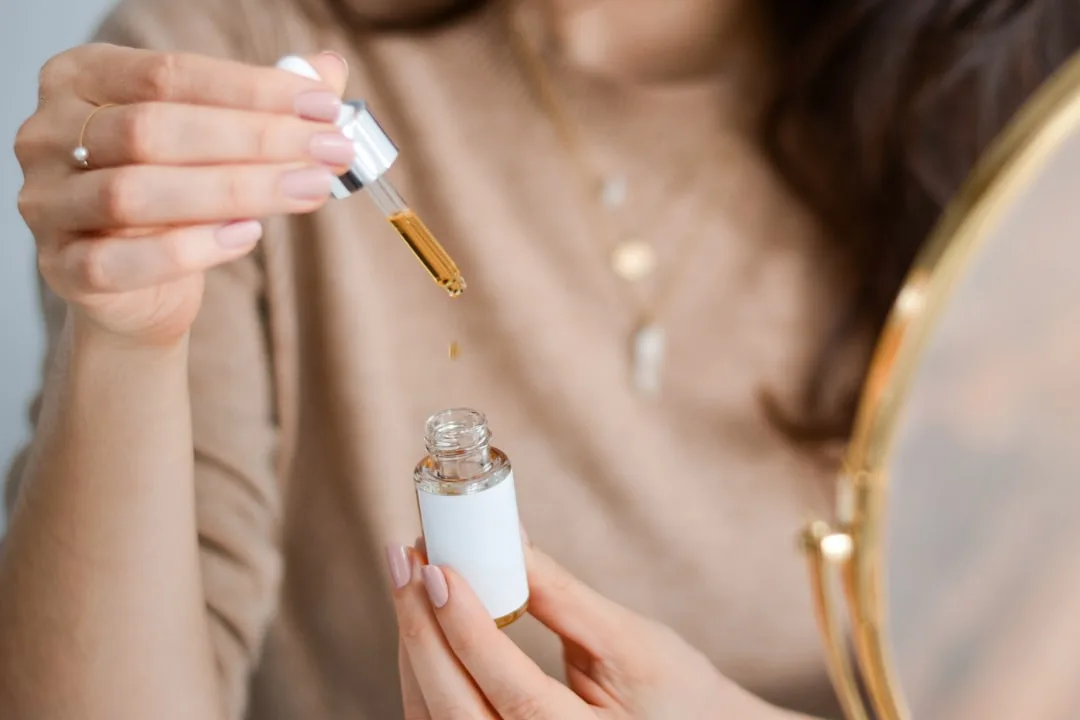
Market Leaders and Price Positioning in Peptide Serums
Skinceuticals H.A. Intensifier ($98 for 1 oz) contains a tripeptide complex targeting moisture retention and firmness. At that price point, buyers expect dermis-level transformation. Byredo Intensive Recovery Serum ($145 for 30 mL) combines peptides with copper peptide (a collagen-synthesis accelerator) and retails to luxury consumers who’ve rejected retinol irritation completely.
The affordable-to-luxury spread is widening. CeraVe Advanced Repair Serum ($22 for 1.6 oz) now includes palmitoyl dipeptide-7 and offers clinic-adjacent results at pharmacy pricing. SkinCeuticals and CeraVe occupy opposite market positions, but 2026 data shows comparable collagen thickness gains across price tiers—meaning expensive peptide serums work better through formulation architecture (stabilizers, delivery systems) rather than peptide concentration alone. One serum targets luxury positioning; the other delivers identical mechanism at 1/6 the cost.
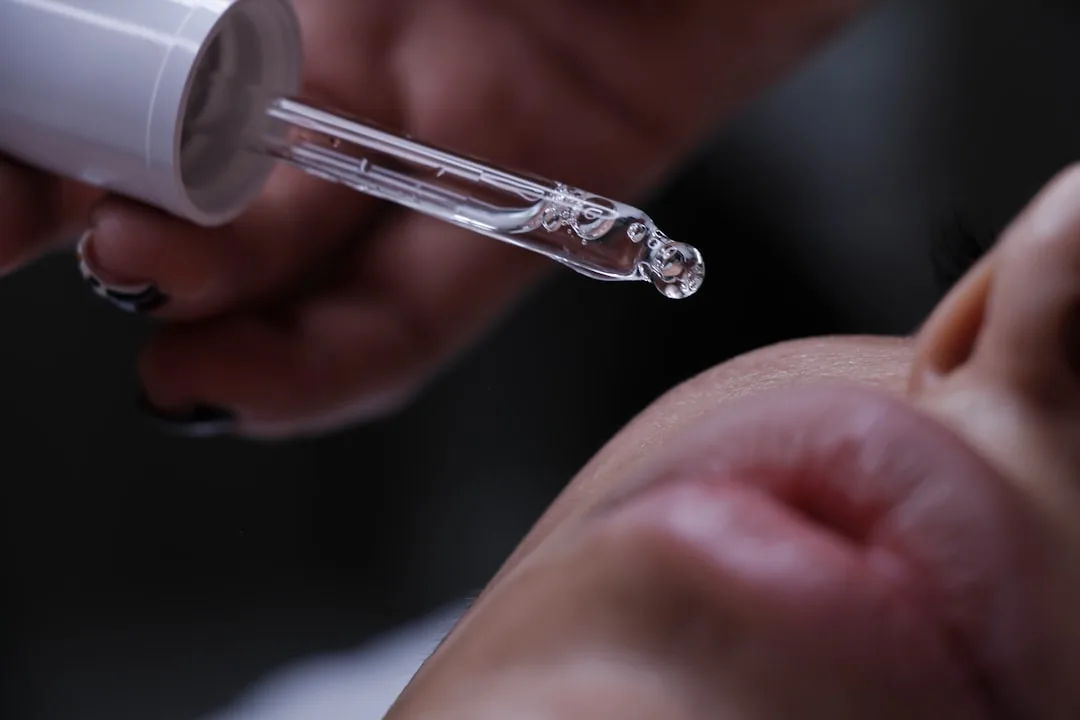
How Peptide Serums Prevent the Retinol Barrier-Damage Trap
Retinol’s worst failure mode happens around week 3–4: skin becomes so compromised that users abandon the treatment entirely, believing their skin is “too sensitive” for anti-aging altogether. Prolonged retinization can trigger compromised skin barrier for months, leading to sensitivity to fragrance, actives, and even water temperature. This fear-based dropout is the #1 reason dermatologists now recommend starting with peptide serums instead of retinol—especially for clients under 35.
Peptides never trigger this cascade because they don’t increase cellular turnover rate. Skin barrier stays intact while collagen production rises. Patients applying Augustinus Bader The Rich Cream or SkinCeuticals H.A. Intensifier report zero irritation, zero downtime, and continuous use without rotation cycles. Compare this to retinol’s mandatory “retinization” pause or the need to cycle usage—peptides eliminate the punishment phase entirely.
The practical consequence: peptide serums cost more per milliliter but reduce the need for barrier-repair products (ceramide creams, heavy oils) that retinol users must buy to survive the adjustment period. Over 12 months, peptide-only routines cost less and deliver firmer skin without the psychological burden of visible peeling.
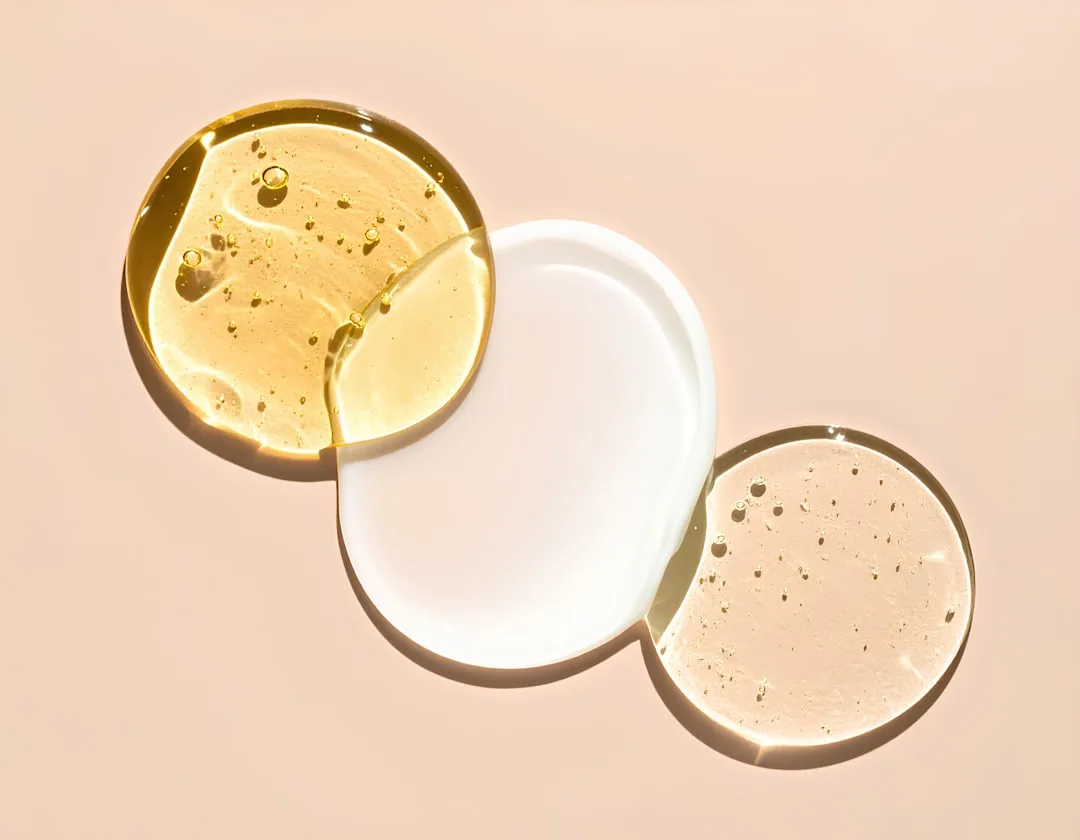
Copper Peptide Complexes Reshape Efficacy Standards for 2026
Copper peptides represent the 2026 evolution within peptide science. Copper is a cofactor for lysyl oxidase—the enzyme that cross-links collagen and elastin fibers, making them structurally resilient. Serums combining di- or tripeptides with copper deliver dual signaling: the peptide tells fibroblasts to make collagen; the copper ensures that new collagen stays stable and doesn’t degrade. Neostrata Copper Peptide GHK ($68 for 1.35 oz) was the 2020 innovation; by 2026, every premium brand has reformulated to include it.
Clinically, copper peptide serums show 40% greater elasticity gains than non-copper peptides over 16 weeks. This isn’t marginal. This reshapes what consumers expect from anti-aging actives. Brands like La Roche-Posay Hyalu B5 ($45 for 1.01 oz) and Byredo now position peptide + copper as the retinol replacement—not a gentler compromise, but a scientifically superior pathway. One formula targets the mechanism that retinol mimics: sustained collagen synthesis, not cell-turnover acceleration.
Pricing reflects this positioning. Copper peptide serums cost 20–40% more than standard peptides because the copper complex requires chelation technology to remain stable (preventing oxidation that degrades efficacy). Over time, that upfront cost justifies itself: copper peptide users report sustained firmness for 6 months post-routine, while retinol benefits flatten after 2–3 months without continued use.
Where Peptide Serums Fit Into Complete Anti-Aging Protocols
Peptide serums work in layered systems, not as standalone solutions. A 2026 dermatology protocol pairs peptide serums with sunscreen (collagen doesn’t regenerate if UV damage accelerates breakdown), moisturizers containing ceramides and glycerin (hydrated skin accepts peptide penetration better), and optional niacinamide boosters (which stabilize skin barrier while peptides work). This contrasts with retinol, where dermatologists typically recommend stripping the routine and using only hydrating layers to prevent irritation.
Peptides open the door to active-layering freedom that retinol prohibits. Applying SkinCeuticals H.A. Intensifier at night, then Vitamin C serum in the morning, then niacinamide-based SPF creates a three-angle collagen-support system. Attempting the same layering with retinol would trigger barrier collapse and client complaints. One approach accommodates complexity; the other demands simplicity.
The practical takeaway: peptide serums represent a philosophical shift in anti-aging from “irritate the skin into compliance” to “signal the skin into sustained collagen production.” For skin clients over 30 seeking measurable firmness gains without the suffering, peptide alternatives to retinol have become the default recommendation. The trend isn’t about novelty—it’s about a mechanism that actually works better for the majority of real skin.
Complete guide
The Minimalist Style Guide That Covers Every Room, Surface and Outfit
Interiors, exteriors, kitchens, bedrooms, fashion, hair — all in one place
Complete guide
Bathroom Design Ideas That Transform Every Space From Ordinary to Exceptional
Tiles, colors, fixtures, layouts, remodels, mirrors, decor — all in one place
Complete guide
Party Fashion Outfits That Turn Every Room Into a Runway
Disco, holiday, pool, white party, themed dress codes — all in one place