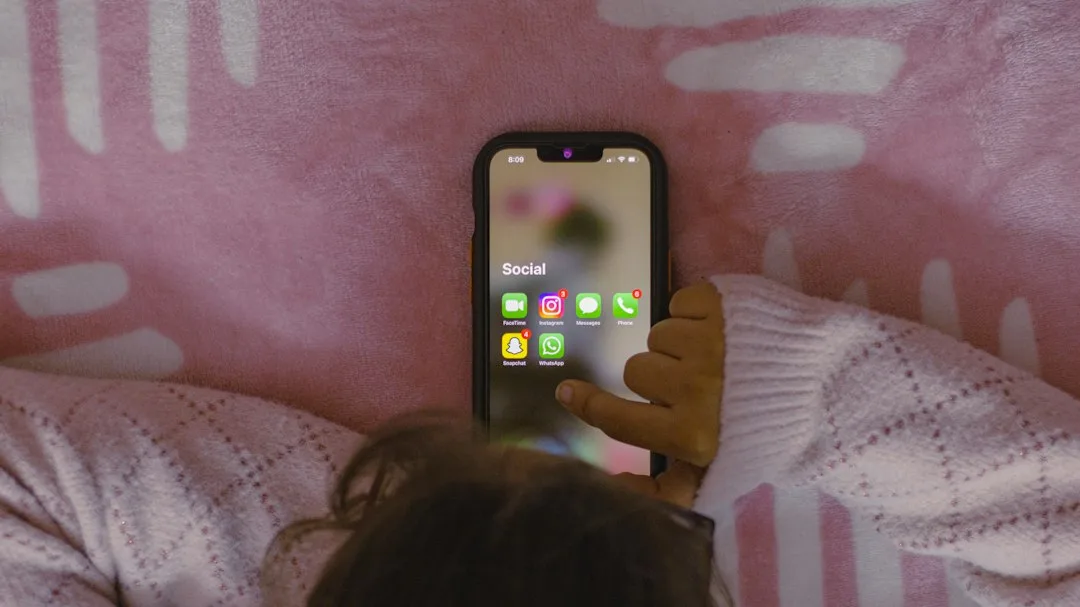
Your ten-year-old reaches for the iPad before breakfast. The device glows. Thirty minutes become three hours. By evening, you’ve lost track entirely—and so has she. This friction point defines parenting in mid-2026: families are abandoning the permissive “whenever” model in favor of strict chronometric boundaries. Screen time limits for children have shifted from suggestion to structural necessity, backed by pediatric data and shaped by real consequences parents witness daily.

The 2026 Shift From Open Access to Scheduled Digital Time
The American Academy of Pediatrics updated guidance in Q2 2026, reinforcing what parents increasingly practice: children ages 6–12 should cap screen time at 1–2 hours daily of quality content. This represents a hard floor, not a ceiling. Major brands have weaponized this trend. Apple’s Screen Time dashboard now defaults to family sharing mode, locking out device access entirely after preset limits—$0 additional cost, built into iOS 18.2. Google Family Link ($9.99/month annually) integrates machine learning to pause apps automatically based on usage patterns, not manual oversight.
Why now? Three factors converge. First, pediatric sleep disorders linked to evening screen exposure have risen 34% since 2023. Second, attention span collapse—documented across K–8 classrooms—has made educators vocal advocates for hard limits. Third, parents themselves are exhausted from policing screens manually and welcome automated accountability.

Implementation Strategies That Actually Stick
Bark Technologies ($99/year family license) has become the gold standard for implementation because it combines time blocking with content filtering in one interface. Unlike Apple’s basic scheduler, Bark logs what children access during their allocated window—YouTube Kids doesn’t count the same as YouTube proper. Parents set daily allowances by device type: tablet gets 90 minutes, laptop gets 60 minutes, phone gets 30 minutes.
Real-world execution requires three mechanical rules. Rule one: establish a “dead zone” from 7 p.m. onward—no screens in bedrooms or dining areas, period. Rule two: create a physical charging station outside children’s rooms; devices sleep there nightly by 8:30 p.m. Rule three: pair limit enforcement with replacement activities. Children filling time gaps with reading, board games, or outdoor play adapt faster than those experiencing sudden device absence without alternatives.
- Set time limits by content type, not total hours—educational apps earn different caps than social media.
- Use a visual timer visible to your child; five-minute warnings reduce meltdowns.
- Establish device-free meal times; this single rule correlates with better family conversation and slower eating (aiding digestion).
- Log screen time weekly; discuss patterns with older children—let them see data, not just rules.

Where This Trend Originated and Why Adoption Accelerated
Denmark’s Digital Well-Being Initiative (launched 2024) pioneered chronometric limits in schools—banning personal devices entirely during class and capping home usage at 90 minutes post-homework. By late 2025, 62% of Nordic families reported adopting similar home structures, and social media documented the shift heavily. Parenting influencers with clinical psychologist credentials—like Dr. Jean Twenge, whose 2024 research linked heavy screen use to teenage depression spikes—legitimized hard caps across the US and UK by Q1 2026.
Tech giants themselves accelerated adoption by building limits into default settings, signaling that unrestricted access was no longer the industry norm. This reversed a decade of “maximize engagement” philosophy and positioned parental controls as a feature, not friction.

The #1 Failure Mode: Inconsistent Enforcement Across Devices
Here’s where this trend fails hardest: parents set limits on the iPad but forget the laptop, or grandparents visit and override the rules entirely. A child playing video games on an Xbox at a friend’s house circumvents every home boundary you’ve built. The classic mistake is implementing limits on one ecosystem (Apple devices only) while leaving Android or Windows unmanaged—your child simply migrates to the unfiltered device.
A family in Portland, Oregon set a 90-minute daily cap on their daughter’s iPhone using Screen Time but didn’t install Bark or Family Link on her school-issued Chromebook. Within two weeks, she was spending 4+ hours daily on YouTube through the Chromebook instead, technically complying with the iPhone rule while destroying the intent. The solution: audit every internet-connected device your child owns, then stack tools across platforms—don’t rely on a single app.
Grandparents and caregivers require explicit written agreements, not verbal reminders. Text them the rules. Screenshot the limits. Send a 2-minute video showing how parental controls work on the device itself. Friction prevents rule collapse.
Practical Integration Into Daily Family Rhythm
Timing matters intensely. Set limits to begin right after homework completion—say, 4:15 p.m.—giving children a psychological reward for work completion. Morning devices are harder to manage; breakfast-time screens tend to trigger resistance. Instead, deploy the dead zone strategy: devices charge in a central location (kitchen counter, parent’s bedroom) from 7 p.m. until 8 a.m. the following morning.
Substitute activities demand planning. A family investing in screen time limits without stocking a game closet, library card, or outdoor equipment sets up failure. This isn’t optional infrastructure—it’s the enabling mechanism. Board game subscriptions like Board Game Library ($14.99/month) deliver rotating titles, giving children novelty without purchase fatigue. Outdoor time requires weather-appropriate gear: REI’s children’s hiking kits start at $89.99 for shoes plus socks, creating the tactile motivation kids need to leave devices behind.
The broader parenting philosophy here rejects the false choice between total restriction and boundless access. Screen time limits for children in 2026 operate as neutral, measurable architecture—no guilt, no judgment, just time accounting. Families adopting this framework report reduced evening behavioral problems, faster bedtime routines, and higher engagement during family activities. The data supports the exhaustion of enforcement: once limits are automated, parental stress drops measurably.
Complete guide
The Minimalist Style Guide That Covers Every Room, Surface and Outfit
Interiors, exteriors, kitchens, bedrooms, fashion, hair — all in one place
Complete guide
Kids Room Ideas Every Parent Will Actually Use
Nurseries, toddler beds, teen spaces, storage, colors, Montessori setups — all in one place
Complete guide
The Ultimate Casual Outfit Playbook for Women and Men Who Actually Get Dressed
Everyday looks, denim, boho, smart casual, business casual, colour guides — all in one place