Most owners brush their own teeth every morning and never look inside their dog’s mouth. That gap explains why pet dental care has moved out of the exam room and onto the bathroom counter.
Vets routinely find gum inflammation in animals that look perfectly healthy at home. Tartar can harden on a tooth within days when plaque sits undisturbed. That is the problem.
Why Dental Disease Hides Behind Good Appetites
A dog that eats normally and wags at the door can still carry painful gums. Pets rarely show tooth pain the way people do, so owners usually notice only when breath turns severe or a tooth falls out.
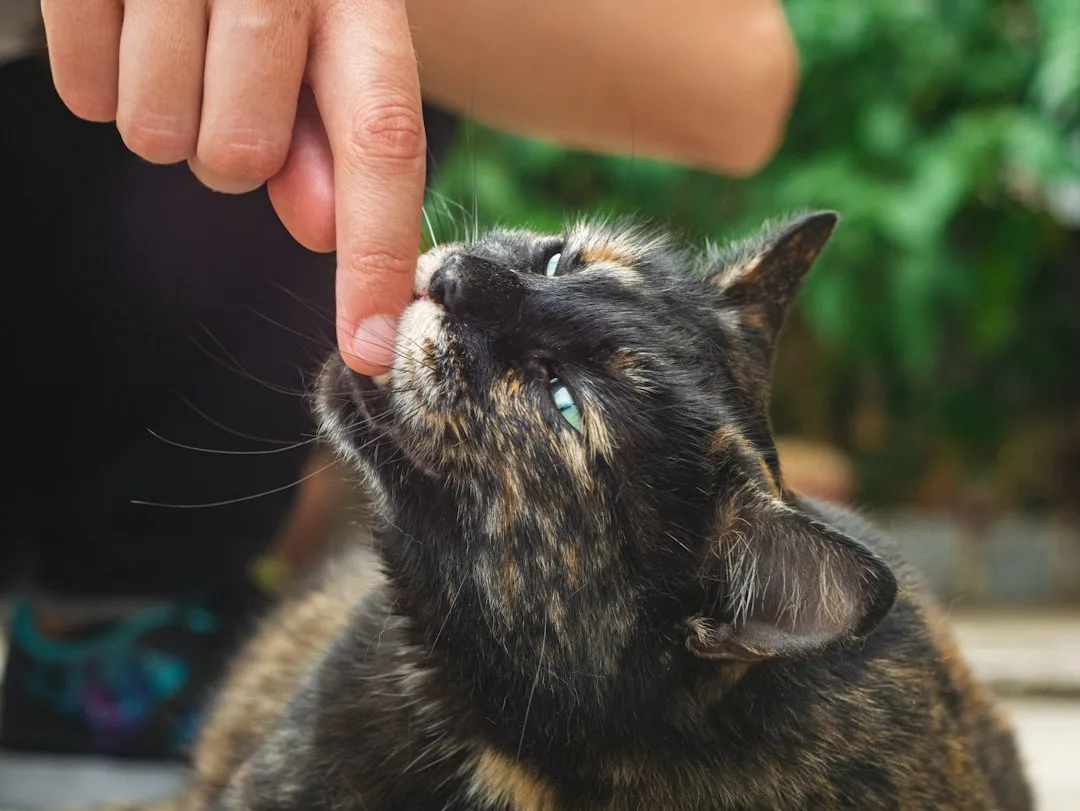
Cats are even more discreet. A cat with tooth resorption lesions may keep eating dry food while losing enamel in a slow, silent process. Daily checks at home catch changes that a once-a-year exam can miss.
Quick Tips
- Lift the lip once a week and check for red gumlines or yellow-brown bands at the base of the teeth.
- Note any change in chewing, dropping food, or pawing at the mouth.
- Ask your vet to chart each tooth at every visit so you can compare changes over time.
- Book a checkup sooner if breath odor suddenly worsens.

Pet Dental Care Moves From Clinic Cleanings to Daily Habits
Professional cleaning under anesthesia still matters, but it is a periodic reset rather than a daily defense. The Veterinary Oral Health Council, known as VOHC, reviews products and grants an acceptance seal to those that meet its standards for plaque or tartar control.
Looking for that seal is one of the simplest ways to filter a crowded store shelf. It saves time. The table below shows how the main home options compare, and each one fills a different gap in the routine.
| Option | Main Job | Best Fit |
|---|---|---|
| Virbac CET Enzymatic Toothpaste | Enzymes help break down plaque between brushings | Dogs and cats that accept daily brushing |
| Greenies Dental Treats | Chewing scrubs tooth surfaces mechanically | Owners who cannot brush every day |
| Oxyfresh Premium Pet Dental Hygiene Gel | Gel applied directly to teeth and gums | Pets that resist a toothbrush |
| Professional cleaning | Removes tartar below the gumline under anesthesia | Existing tartar or gum disease |
Brushing Steps With Enzymatic Pet Toothpaste
Virbac CET Enzymatic Toothpaste, sold in poultry and seafood flavors, is a common starting point for dogs and cats. The enzymes in the formula work to break down plaque, and the flavor encourages cooperation.
Start with a finger brush rather than a full-size human toothbrush. It reduces pressure on sensitive gums while you learn the motion. Let the pet lick a small amount off your finger first.
Then work along the outer surfaces of the upper teeth, where tartar builds fastest. Keep sessions short and calm. Two to three sessions a week is a realistic target for most households.

Dental Chews Help but Do Not Replace Brushing
Greenies Dental Treats are a widely recognized VOHC-accepted option that works through mechanical scrubbing as the dog chews. Many owners reach for them as a substitute for brushing because they are easy. That shortcut is where things go wrong.
Consider a common example: a three-year-old terrier gets a chew every evening but never has its teeth touched by a brush. Six months later the owner notices stinky breath and a yellow crust along the back molars. The chew did some work, but it could not reach the tartar already packed along the gumline.
The fix is not to drop chews. Use them as a supplement and keep the brushing schedule in place. A chew is a bonus, not a full routine.
Choosing Products Without Overspending on Oral Care
Enzymatic toothpaste and VOHC-accepted chews are usually priced in a modest monthly range, which keeps the routine affordable for most households. Read labels for the species and weight range listed on the package before buying.
That monthly spend replaces the cost of a later dental procedure under anesthesia, which can climb steeply once extractions are involved. Prescription diets such as Hill’s Prescription Diet t/d are formulated for dental support and are sometimes recommended for animals with early disease. Ask your vet before switching foods, since a sudden change can upset digestion.
When Bad Breath Signals a Vet Visit
Mild breath odor after a meal is normal. Persistent smell that worsens over a few weeks is a sign of infection or disease. Home air systems can mask odor in a room, yet they cannot treat the source inside the mouth.
If you also manage household smells, see Pet Odor Eliminator Systems Reshape Indoor Air Without Masks or Sprays for air-side options. Those tools work alongside dental care, not in place of it. Bleeding gums, loose teeth, or reluctance to chew call for a same-week vet visit.
Home care works best as a daily habit paired with regular checkups. Start tonight with one lip check and one brushing session.