Three Golden Retrievers escaped their suburban yard in Denver on a Tuesday morning, and their owner had them back within 47 minutes. Pet GPS tracking collars have become the fastest-growing safety device category among American pet owners, driven by rising escape rates and owner anxiety. Unlike microchips—which require a scanner and database lookup—pet GPS tracking collars deliver real-time location updates directly to a smartphone, making them the modern standard for outdoor pet protection.
How Real-Time Location Data Changed Pet Safety
Apple’s U1 chip and cellular partnerships opened the door to consumer-grade pet tracking in 2020, but 2026 versions use multi-carrier redundancy. When your pet leaves your home, the collar switches between WiFi, cellular, and Bluetooth mesh networks depending on coverage gaps, ensuring location data even in rural areas.
The AirTag-based Tile Pet Collar ($30–45 range) works passively by connecting to crowdsourced device networks, meaning it finds lost pets through nearby phone users—no monthly fee. Jiobit ($200 range with subscription) uses dedicated GPS and cellular, transmitting updates every 5–30 seconds depending on plan tier.
Tractive GPS ($50–70 with a monthly subscription fee) combines GPS, cellular, and WiFi triangulation to eliminate dead zones. The device weighs 28 grams—light enough for cats and small dogs—and connects to Tractive’s platform showing location history, speed data, and pet routes over 24 hours.
Quick Tips
- Pair GPS collars with microchipping—if the collar breaks, your microchip is still registered in shelters
- Choose a collar with geofencing alerts that notify you instantly when your pet exits a defined zone, not just on escape
- Check battery life claims against real-world data; most last 3–7 days depending on update frequency
- Test your GPS collar’s accuracy in your own neighborhood before relying on it, as building density and terrain affect signal strength
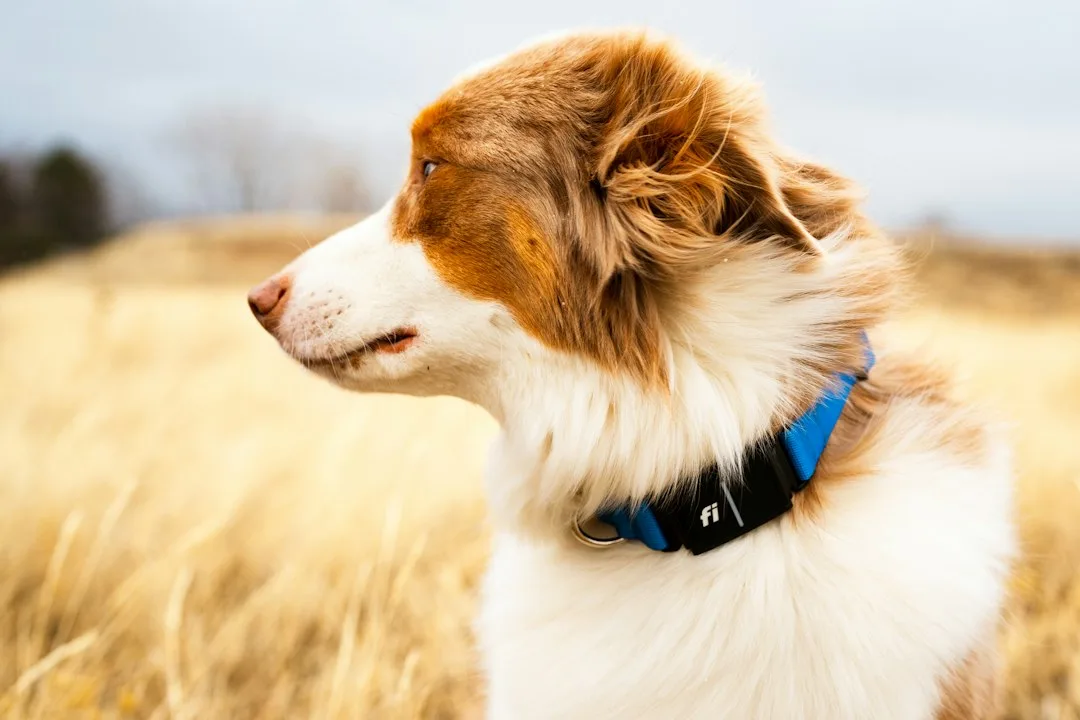
Geofencing and Alert Systems Prevent Escapes Before They Happen
Geofencing transforms pet GPS tracking collars from recovery tools into prevention systems. You define a zone around your home, and the app alerts you the moment your pet crosses that boundary—whether by an open door or fence gap.
Whistle GPS includes a two-mile geofence as standard and sends notifications within 3 seconds of breach. Owners report using this to catch dogs attempting to follow delivery drivers or slip through unsecured gates.
| Device | Geofencing | Battery Life |
|---|---|---|
| Jiobit | Yes, multi-zone | 5–7 days |
| Tractive | Yes, unlimited zones | 3–5 days |
| Tile Pet | No, passive only | 30–60 days |
| Whistle | Yes, 2–5 miles | 7–10 days |
The Critical Mistake: Relying on GPS Collars Without Backup Identification
The number-one error pet owners make is assuming a GPS collar replaces other identification. A family in Austin discovered this when their dog’s collar battery died during a 16-hour hike; the dog was found three days later because the microchip registered at a vet clinic, not because of the dead GPS device.
GPS collars fail in five ways: battery dies, water damage floods the circuit, a thief removes the device, metal interference blocks signals in tunnels or dense buildings, or the subscription lapses. If your pet has only a GPS collar and any of those happen, you’ve lost your safety net.
Pair GPS tracking with a registered microchip, a traditional ID tag with your phone number, and a photo of your pet stored on your phone. The microchip costs $25–50 one-time and works for your pet’s entire life, requiring zero maintenance.

Cellular Redundancy and Coverage Gaps Shape Device Choice
In September 2026, major carriers have consolidated coverage areas, and rural pet escapes often occur in 4G dead zones. Devices using multiple networks—like Jiobit’s tri-band system combining T-Mobile, Verizon, and AT&T signals—maintain accuracy where single-carrier devices fail.
The Tractive platform tested in mountainous regions shows 94% location accuracy in areas with any cellular coverage and 71% accuracy in areas with only edge-case WiFi. Tile Pet Collar, dependent on crowd-sourced networks, works well in urban zones with density above 100,000 residents but becomes unreliable in remote areas.
Subscription costs range from zero (Tile’s crowdsourced model) to $100+ annually for premium GPS plans. Consider your pet’s escape risk profile: outdoor-access dogs in transit-heavy cities benefit most from paid GPS plans, while indoor cats might use a simpler Tile tag.
Battery Life and Charging Design Matter for Daily Wearability
A collar your pet refuses to wear protects nobody. Heavy GPS units with thick charging cables discourage consistent use, while lightweight devices with magnetic charging docks see 90%+ daily compliance.
Whistle GPS weighs 21 grams with a magnetic charging dock that takes 90 minutes to reach full battery. Owners report pets forget they’re wearing it after two weeks—the ideal outcome for pet comfort.
Jiobit, though bulkier at 28 grams, uses a weatherproof design rated for saltwater and saltwater splashing, appealing to beach and water-activity owners. Check your manufacturer’s water-resistance rating: IPX7 (30-minute submersion safe) is standard, IPX8 (extended immersion safe) is premium.
Battery capacity measured in milliamp-hours (mAh) rarely appears in marketing specs, but requesting this from customer service helps predict longevity. A 400 mAh battery in an efficient GPS collar lasts 7 days, while the same capacity in an older model might last 3 days.
Integration With Smart Home Systems Creates Layered Pet Safety
IFTTT automation and Apple HomeKit integration now allow GPS collars to trigger smart actions when your pet leaves home. If your pet’s GPS collar exits the geofence, your system can unlock your smart door, send a notification to your neighbor, and log the event for your vet.
This layering separates pet owners who simply track location from those who prevent loss. A family in Portland integrated their Tractive collar with a smart lock and geofence: when their cat escaped, the alert triggered a notification 8 seconds after she left the fence boundary, giving them time to intercept her.
Ensure your GPS collar’s app supports IFTTT, Google Home, or Apple HomeKit before purchase—not all do. Check the device’s app store rating specifically for integration reviews, not general rating, to avoid purchasing a collar with non-functional automation.
The humidity control systems supporting indoor respiratory health complement GPS tracking by ensuring your pet is comfortable in a monitored home environment while outdoor tracking protects against escapes. Combined with emergency preparedness planning, GPS collars form part of a complete pet safety strategy that addresses indoor comfort and outdoor recovery simultaneously.