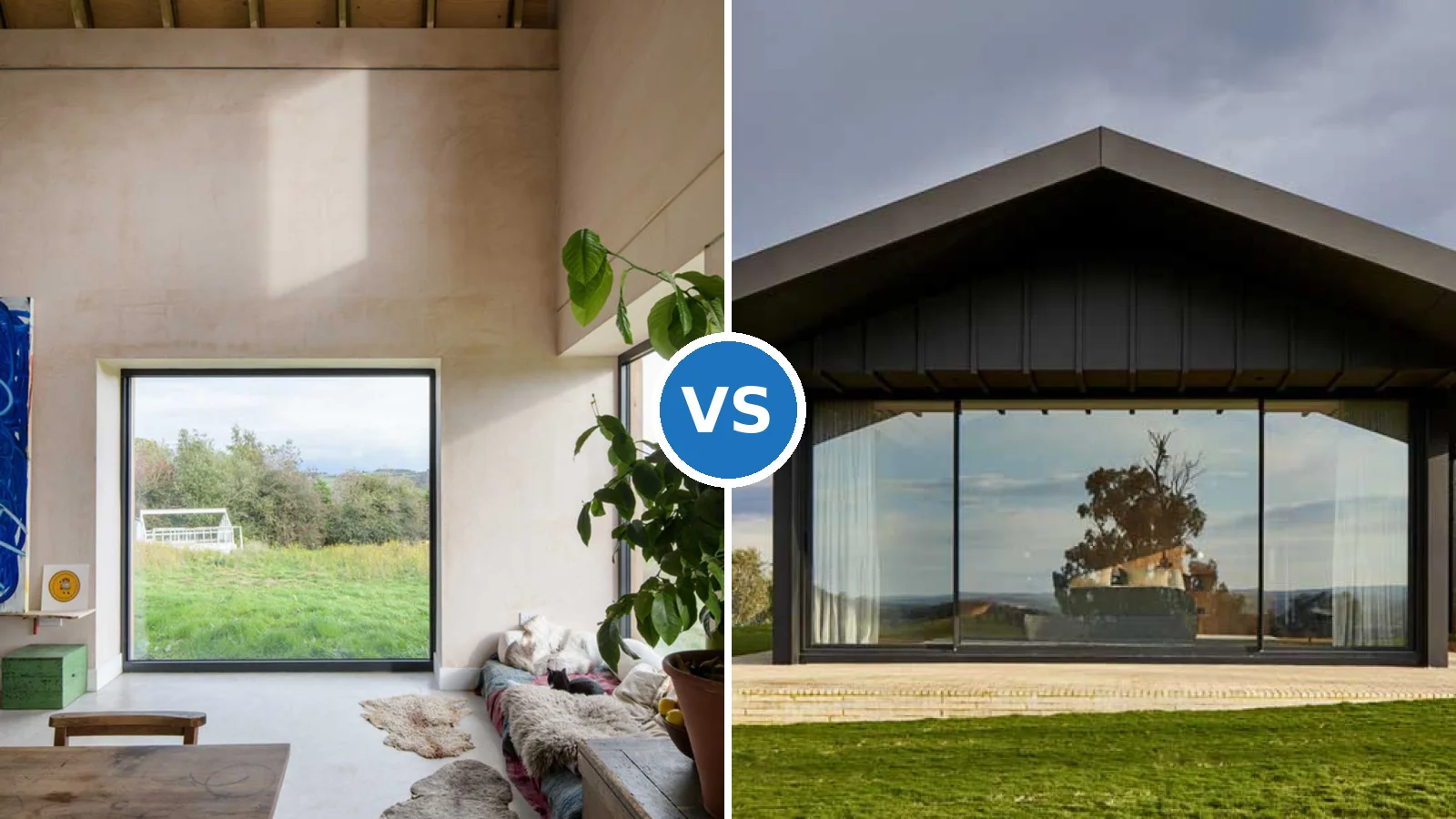
Deciding on a zinc roof vs metal roof for a country house comes down to how the building should look as it ages, not just on the day it is finished. Zinc brings a soft metallic sheen that deepens into a patina over the years, while metal roof cladding offers a range of earthy coloured finishes that hold their tone. Zinc suits owners who enjoy a material that visibly changes with the seasons, while metal cladding suits anyone who wants a steady colour that matches the fields around the house.

What each option actually is
Quick Verdict
- Choose zinc roof if you want a roof that ages visibly and develops a patina that blends it further into the landscape.
- Choose metal roof cladding if you want a steady earthy colour that matches the hills and one material for both walls and roof.
- Choose zinc roof if you care most about shaping complex forms and reflecting sunlight to keep the interior cooler.
- Choose metal roof cladding if you want a wider colour range and a lower cost level relative to zinc.
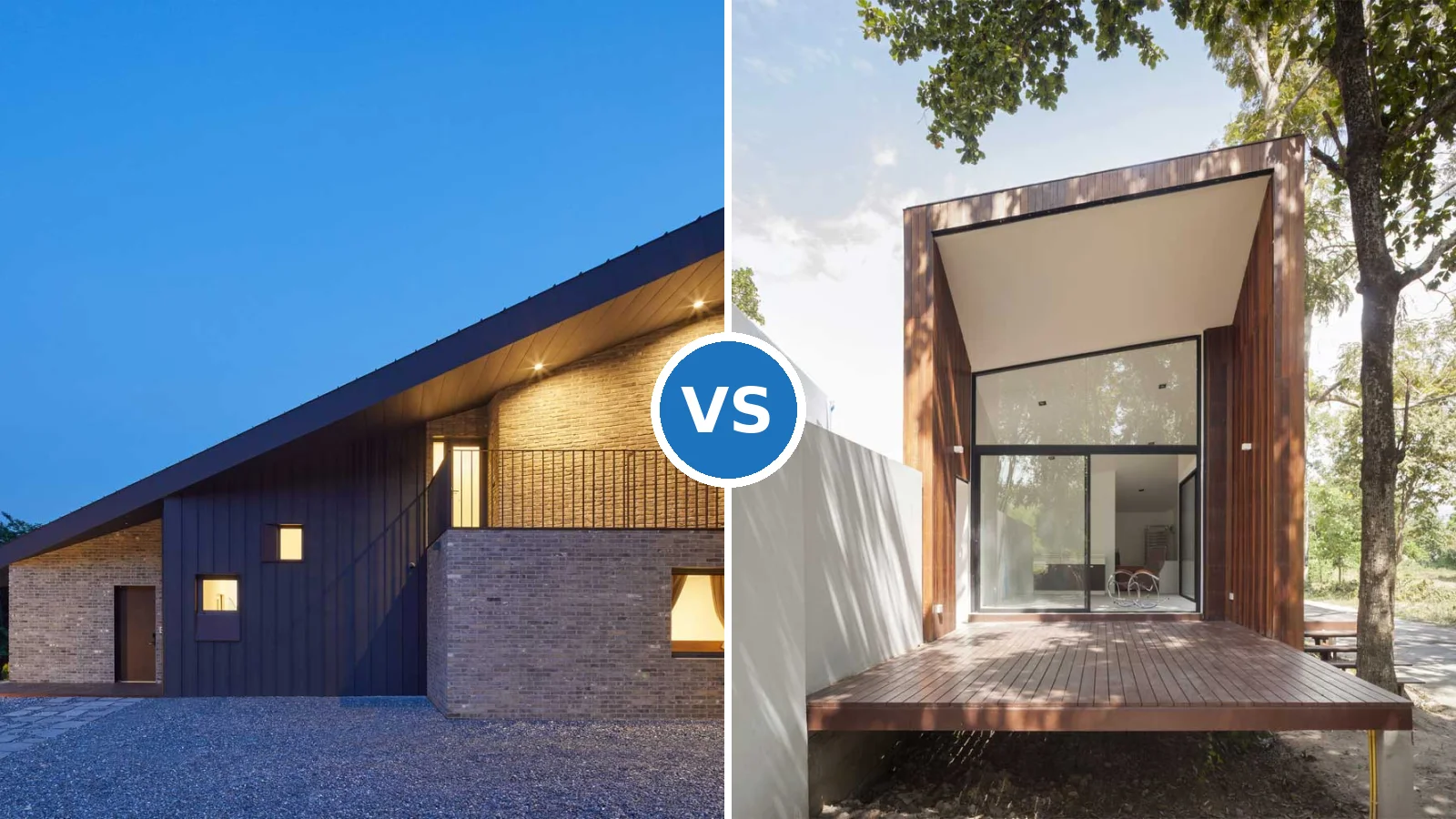
The first option comes from a modern rural retreat in Northumberland, where a zinc roof sits lightly on the structure and gives the house a sleek, minimalist profile. The roof’s angular form works alongside timber cladding on the walls, as explored in our zinc roof and timber design feature.
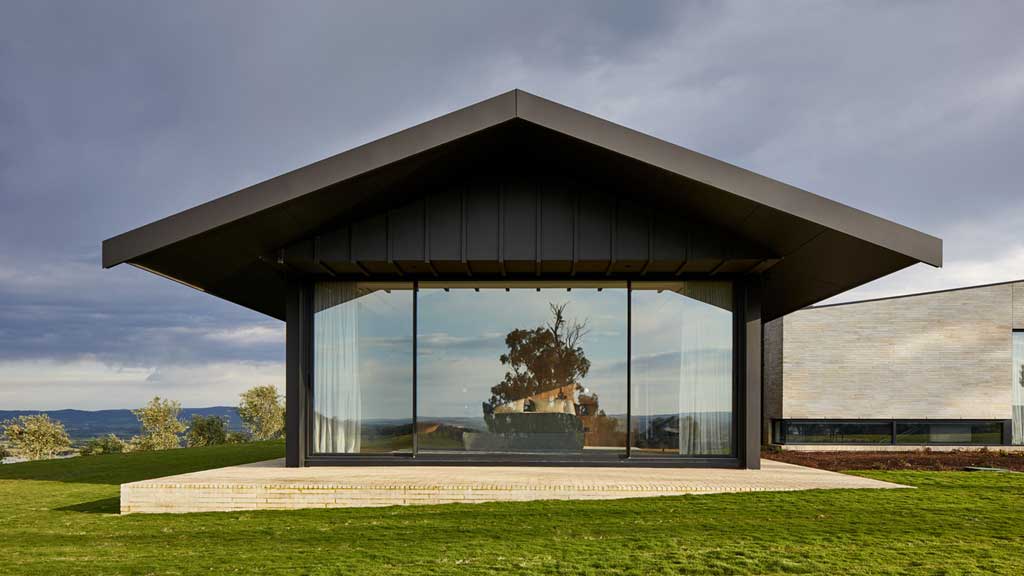
The second option is coated steel cladding, the material covered in our Colorbond cladding and pitched roofs piece. It can clad exterior walls, and it is also used on steeply pitched roofs, so one material can run from the walls up to the roof. Its surface is smooth, and it comes in earthy tones that echo the landscape.

Zinc roof vs metal roof on the criteria that count
Neither material is a clear loser on durability, so the decision turns on looks, upkeep and budget. Zinc resists corrosion and holds up well to unpredictable weather. Coated steel is robust too, standing up to wind, rain and sun. The table below shows where the two actually differ.
| Criteria | Zinc roof | Metal roof cladding |
|---|---|---|
| Look | Soft metallic sheen with sharp, geometric lines | Smooth, sleek finish in a range of earthy tones |
| Colour over time | Develops a natural patina that shifts its tone | Keeps the coloured finish you chose |
| Heat reflection | Reflects sunlight to reduce heat absorption | Reflects light subtly, but heat reduction is not its headline feature |
| Shaping complex forms | Adaptable to complex shapes | Suited to steep pitches and simple angles |
| Walls and roof | Used mainly for the roof | Clads both walls and roofs |
| Relative cost | Sits at the higher end of the range | Budget-friendly relative to zinc |

Where the zinc roof pulls ahead
Zinc wins on character that develops with time. Its soft sheen reflects the sky, and its patina gradually deepens so the roof blends further into the fields around it. For an owner who enjoys a material that visibly ages, that slow change is the main attraction.
Zinc also comes out ahead on form and heat. Its adaptability in shaping complex forms suits a building with sharp angles and clean geometry. Because it reflects sunlight, it helps reduce heat absorption, which keeps the interior cooler in warmer months.


Where metal roof cladding pulls ahead
Metal roof cladding wins on colour range and flexibility of use. Coated steel comes in earthy tones that echo the landscape, so it can be matched closely to its surroundings. You can also carry the same material down the walls, which keeps the whole exterior visually unified.
On cost, it generally sits lower than zinc, which makes it the budget-friendly pick for many projects. Its robust coating stands up to wind, rain and sun, so you do not give up durability to save money. Steeply angled pitched roofs in this material also shed rain and snow easily, which suits sloping rural rooflines.


The mistake that trips up most buyers
The most common error is choosing by a single photo and assuming the finish will stay exactly as shown. A buyer falls for a bright, silver zinc sample, then expects the roof to look identical years later. Zinc patinas over time, so a roof that looked crisp at handover can look noticeably darker and softer later on.
If you want a fixed colour that matches the landscape, choose a coated metal finish instead. If you want the patina, plan for the change from the start and ask for weathered samples. Decide whether that change suits you before you commit.

Final verdict on who should choose which
Choose zinc roof if you value a material that ages visibly, want sharp geometric forms, and prefer the cooler interior that sunlight reflection offers. It suits a rural retreat designed around the idea that the building should feel more at home as time passes.
Choose metal roof cladding if you want a steady earthy colour, one material for walls and roof, and a lower relative cost. It suits owners who want the house to match its surroundings from day one and stay that way.
Neither option wins on durability, since both hold up to wind, rain and sun. Test samples in your own daylight before committing. The colour you pick is the one you will live with every day.