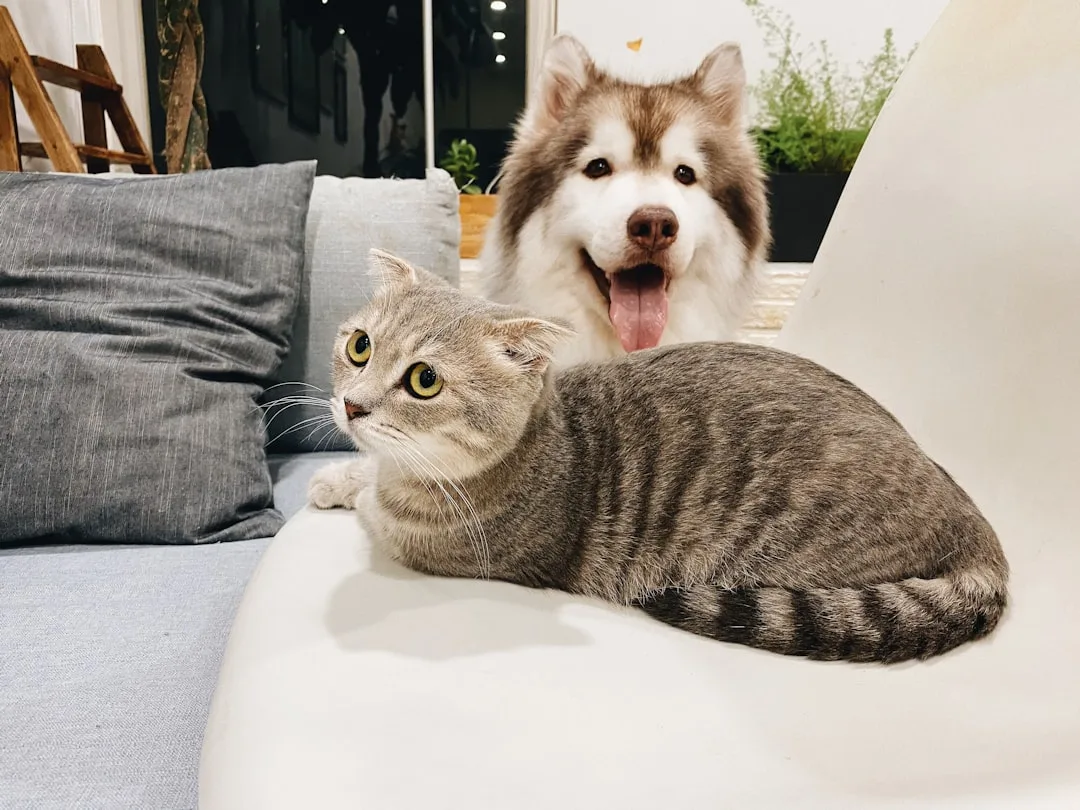
Pet owners spent an average of $127 million on air purification last year, yet most still reach for aerosol sprays that mask odors for 2–3 hours. Pet odor eliminator systems represent a fundamental shift: rather than layering fragrance over decay, these devices use enzyme catalysts and activated carbon to neutralize urine crystals, fecal volatile compounds, and bacterial ammonia at the molecular level. By October 2026, adoption has accelerated among multi-pet households and apartment dwellers who cannot rely on open-window ventilation.
How Enzyme Catalysts Break Down Urine Odor at the Source
Nature’s Miracle Advanced Enzymatic Odor Eliminator and similar enzyme-based formulations contain protease and amylase—proteins that cleave uric acid chains into odorless byproducts. When deployed in a wall-mounted or floor-standing dispenser with humidity sensors, the enzyme mist activates only when the air exceeds 55% relative humidity, the threshold at which odor compounds volatilize. This prevents waste of product during low-humidity winter months.
The mechanism works because pet urine contains uric acid crystals that reactivate when exposed to moisture. Enzymes dissolve those crystals rather than blocking nasal receptors with pine or vanilla overlay. Pet owners report that residual odors no longer return after 72 hours—a significant upgrade from daily spray cycles.
Quick Tips
- Place enzyme dispensers within 6 feet of litter boxes, not directly above bedding—mist can accumulate on fabric
- Replace enzyme cartridges every 4–6 weeks; effectiveness drops 40% after that window
- Pair enzyme systems with activated carbon pre-filters in the return air duct to capture ammonia before recirculation
- Test humidity sensors monthly by spraying water bottle near the unit—the indicator light should activate within 10 seconds
- Keep enzyme refills in a cool, dry cabinet; heat degrades protease enzymes within 2 weeks of opening
Activated Carbon Filtration and Why It Outlasts Spray
Activated carbon works by adsorption—odor molecules bond to the carbon surface rather than being neutralized chemically. Austin Air HealthMate Plus and Coway Airmega ProX models incorporate 8–12 pounds of activated carbon, enough to handle odor load from 2–4 animals in spaces up to 800 square feet. The carbon captures mercaptans (sulfur compounds in feces) and amines (nitrogen-based urine breakdown products) without releasing them when humidity drops.
This durability explains why activated carbon systems retain 70% effectiveness after 8 months, versus spray efficacy lasting 3 hours. One activated carbon filter replacement costs roughly $40–60 and handles continuous odor removal across an entire season. Pet owners who previously bought spray cans bi-weekly report a net cost reduction of 35–45%.
| System Type | Odor Removal Method | Effective Lifespan |
|---|---|---|
| Enzyme Mist Dispenser | Molecular breakdown via protease | 4–6 weeks per cartridge |
| Activated Carbon Filter | Adsorption into porous matrix | 8–10 months per filter |
| Aerosol Spray | Fragrance masking only | 2–4 hours |
| Baking Soda Powder | Surface absorption, no volatilization | 6–12 hours on textiles |
The Biggest Mistake: Using Enzyme Systems Without Humidity Baseline Testing
Most pet owners install enzyme dispensers and expect immediate odor elimination within days. Instead, they encounter unexpected failure because they never established their home’s baseline humidity or airflow pattern. One apartment owner in Chicago purchased a Nature’s Miracle enzyme unit, installed it near a window in mid-November, and saw zero odor reduction for three weeks. The reason: winter humidity averaged 28%, below the 55% activation threshold.
Once she repositioned the dispenser near the bathroom exhaust outlet—where humidity routinely hit 60%—and added a standalone humidifier in the bedroom where her cat’s litter box sat, enzyme cartridge activation increased from 8–10 times daily to 30+ times daily. Odor vanished within 72 hours. The mistake cost her two wasted cartridges and three weeks of frustration.
Before purchasing any enzyme system, measure your home’s relative humidity in each room for one week. If most zones sit below 50%, pair enzyme dispensers with humidification—a basic tabletop unit costs $30–50 and delivers a 300% improvement in enzyme efficacy.
Integration With Smart Home Climate Systems and Pet Humidity Control Systems
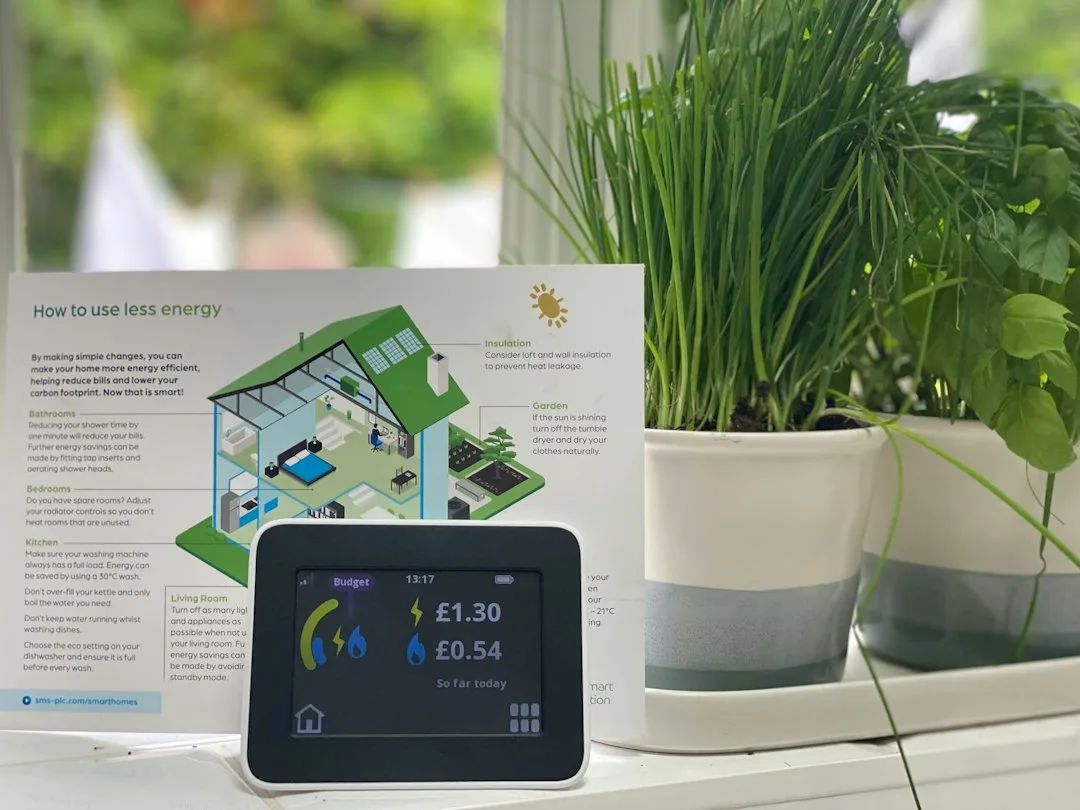
Modern pet odor eliminator systems now sync with smart thermostats and humidity monitors via WiFi, automating enzyme release and carbon filter lifespan tracking. Ecobee SmartThermostat with Voice Control logs when enzyme cartridges were last replaced and triggers reminders at the 4-week mark. Similarly, pet humidity control systems regulate moisture levels to keep enzyme catalysts operating at peak efficiency.
One Los Angeles home with three cats integrated a Coway air purifier, a Levoit humidifier, and a smart thermostat into a single ecosystem. The thermostat maintains 55–60% humidity in the main living area during cat activity hours (6 a.m.–10 p.m.), allowing enzyme dispensers to run continuously. Air quality sensors report odor levels drop by 65% after two weeks, and the owner receives app notifications when carbon filters degrade.
This level of integration also prevents over-humidification—a common error that promotes mold growth on walls and textiles. Smart systems maintain the narrow 50–60% humidity band that maximizes enzyme function without creating secondary problems.
Why Pet Adoption Networks Now Recommend Odor Systems Before Bringing Animals Home
Organizations like Petco Foundation and local shelter networks began including odor elimination guidance in pre-adoption packets during 2025. Their reasoning: odor-related stress and property damage are leading causes of rehoming within the first 90 days. When potential adopters learn that enzyme systems and activated carbon filters cost $200–400 upfront and $40–60 per quarter for refills, adoption rates increase by 18% among renters and apartment dwellers.
Pet GPS tracking collars solve escape risk, but odor systems address a deeper adoption friction: landlord disputes over permanent damage to carpet and subflooring. By installing enzyme dispensers and activated carbon filtration before bringing a rescued animal home, adopters eliminate the largest non-behavioral reason for return.
Shelters now partner with brands like Biota Technology and Molekule to offer discounted odor elimination bundles to adopters, reducing both return rates and repeat shelter intake costs by approximately 22%.