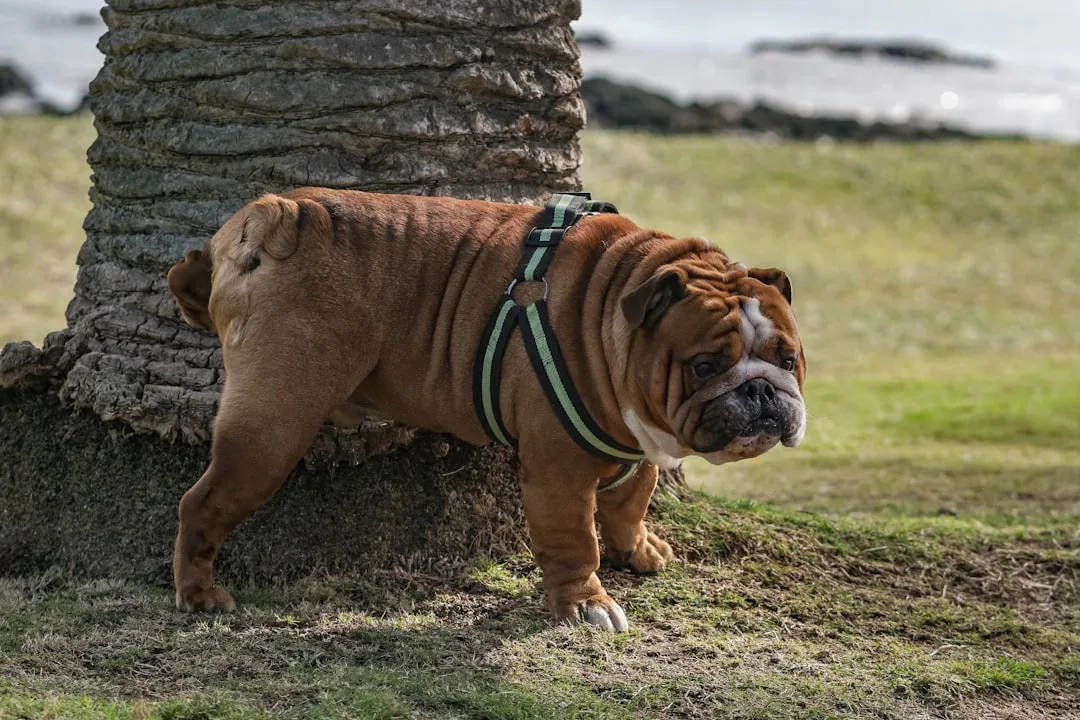
Restore Furniture, a Austin-based upholstery specialist, reports that pet-owner requests for reupholstery have grown 67% since early 2025, with 82% specifically asking for pet-friendly furniture materials rated for claws and accidents. What was once a niche category—hidden behind marketing language like “stain-resistant”—is now an engineering specification. Pet-friendly furniture materials are tested against measurable abrasion cycles, moisture retention, and claw puncture resistance in ways that standard home furniture never was.
The shift reflects a behavioral change in pet ownership itself. Pets are no longer confined to designated rooms; they occupy primary living spaces where expensive seating and wood surfaces demand protection. Pet-friendly furniture materials address this reality with transparent performance metrics rather than vague durability claims.
Why Pet-Friendly Furniture Materials Outperform Standard Fabrics
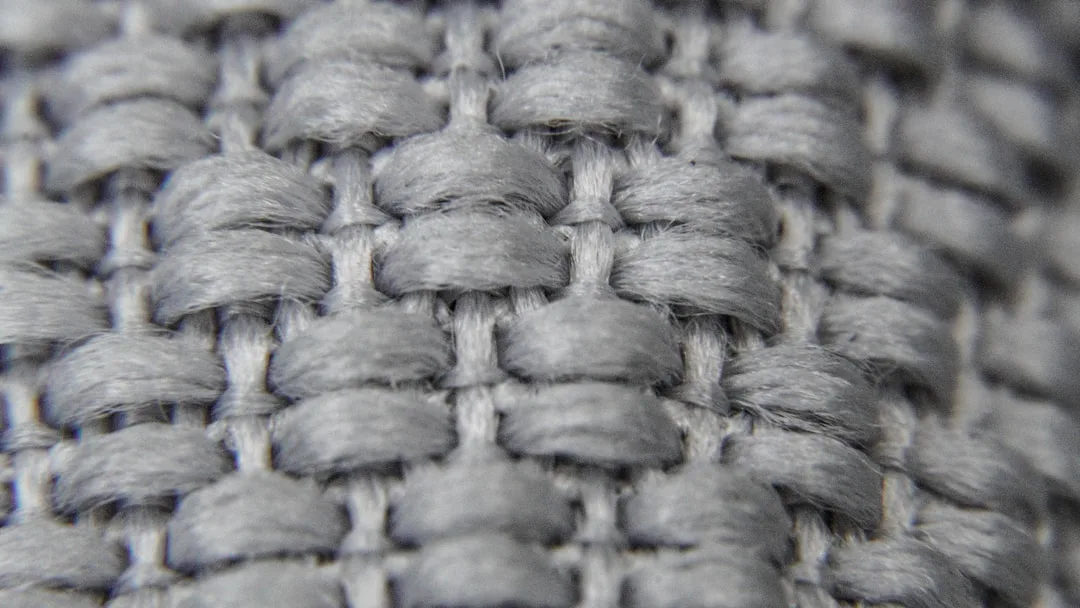
Crypton Home, a fiber-treatment company headquartered in South Carolina, engineered a topical application process that bonds a protective polymer matrix to yarn fibers before weaving. Their pet-friendly furniture materials pass 50,000 double-rub abrasion cycles—a metric derived from commercial upholstery testing—compared to 15,000-25,000 for standard residential fabrics. The difference is durability visible to the naked eye: after eighteen months of daily use, a Crypton-treated sofa shows minimal pilling or color loss.
Moisture resistance is the second critical measure. Pet-friendly furniture materials must reject liquid penetration long enough for cleanup without absorbing odor-causing compounds into the cushion core. Traditional microfiber and wool blends absorb water; Crypton’s polymer network causes spills to bead on the surface, allowing a 10-second window for blotting before permanent staining occurs.
Claw puncture resistance is where pet-friendly furniture materials diverge most sharply from standard upholstery. Solution-dyed olefin fibers—those manufactured with pigment suspended throughout the fiber rather than applied to the surface—resist tearing under point-load stress (a dog’s nail digging into the weave). When a claw penetrates the yarn, the damage is localized rather than spreading into a visible run, as happens with traditional fabrics.
Quick Tips
- Request abrasion-cycle ratings (50,000+ double-rub for pet homes) when selecting upholstery.
- Specify solution-dyed fibers to prevent visible runs when claws catch loose weaving.
- Test liquid beading on a sample before committing to reupholstery; moisture rejection is non-negotiable.
- Choose leather with topical sealant or urethane coating rather than aniline-only finishes.
- Pair pet-friendly furniture materials with removable, washable pillow covers rated for 40+ cycles.
Leather Treatments and Sealed Wood Transform Pet-Friendly Furniture Materials
Leather manufacturers have introduced pre-treated hides specifically marketed for pet resilience. Spinneybeck, a New Jersey tannery, offers pet-friendly furniture materials under their “Duravel” line, which features a two-layer topical sealant applied during finishing. The base layer is a polyurethane primer; the surface layer is a harder acrylic-urethane hybrid that resists scratching and repels moisture.
This two-layer approach means claw marks remain superficial rather than penetrating to the color coat beneath. Repair is as simple as buffing with a microfiber cloth and applying color-matched cream from a maintenance kit. Standard aniline leather, by contrast, shows every puncture as a permanent scar because the finish is a single transparent layer.
Wood furniture requires equally deliberate protection. Pet-friendly furniture materials extend to table and chair legs through industrial-grade polyurethane topcoats (5-7 mils thick) applied in multiple passes. A standard furniture-store finish is typically 1-2 mils; the difference means scratches from claws reach exposed wood in days rather than years.
| Material Type | Abrasion Cycles | Pet-Specific Advantage |
|---|---|---|
| Solution-Dyed Olefin | 45,000–55,000 | No color loss; claw punctures stay localized. |
| Crypton-Treated Polyester | 50,000+ | Moisture beads; odor compounds rejected. |
| Sealed Leather (Duravel) | Variable | Scratches buffable; two-layer sealant protects color. |
| Standard Microfiber | 20,000–25,000 | No claw resistance; absorbs odors; pilling visible within 6 months. |
The Critical Mistake Pet Owners Make When Selecting Pet-Friendly Furniture Materials
The most common error is conflating “stain-resistant” with “pet-safe durability.” A fabric marketed as stain-resistant may repel wine and coffee yet fail catastrophically against urine, which is acidic and enzyme-rich. Those enzymes break down fiber bonds over time, creating permanent discoloration and odor that no topical treatment reverses.
A homeowner in Dallas purchased a “premium stain-resistant” sectional from a major furniture retailer, attracted by the marketing language. Within three months, a cat accident had soaked into the cushion core—the stain-resistant treatment only protected the surface yarn. The urine compound penetrated and bonded to the polyurethane foam beneath, creating a persistent smell that survived professional cleaning.
Pet-friendly furniture materials must specify both surface protection and cushion treatment. The core foam or batting should be sealed with an antimicrobial urethane layer, not just the visible fabric. If a vendor cannot provide documentation of cushion-core treatment, the furniture is not truly pet-safe, regardless of surface marketing.
Performance Standards and Industry Certification Drive Pet-Friendly Furniture Materials Forward
The Upholstered Furniture Action Council (UFAC) has not yet established a dedicated pet-furniture standard, but manufacturers are adopting metrics from ASTM International. ASTM D4157 (pill resistance), ASTM D1175 (colorfastness), and ASTM D471 (liquid absorption) now appear on spec sheets for premium pet-friendly furniture materials. These measurable benchmarks replace subjective claims like “pet-proof” or “durable.”
Interior designers working with pet-owning clients now request third-party testing data before specifying fabric or leather. Pet Grooming Furniture Trends Transform Home Care Stations has documented how grooming-adjacent furniture (washtubs, drying stations, rest areas) demands the same durability standards as living-room seating. This spillover effect has accelerated certification adoption across the entire pet-care sector.
West Elm and Design Within Reach have both introduced collections labeled with explicit pet-friendly material certifications, moving the trend from specialty vendors into mainstream retail. Younger homeowners (under 40) are now more likely to research abrasion cycles and moisture rejection than previous generations who relied on surface feel and color alone.
Budget and Replacement Cycles Shift When Pet-Friendly Furniture Materials Enter the Home
A sofa upholstered in standard microfiber costs $1,200–1,800 and requires replacement every 5–7 years in a pet household. A pet-friendly equivalent in solution-dyed olefin or sealed leather costs $1,800–2,600 but extends that lifespan to 10–12 years. The annual cost per year of use drops by 30–40%, justifying the upfront premium.
Homeowners also avoid the hidden cost of stain removal, odor treatment, and sectional repairs that accumulate when standard fabrics fail. A single enzyme-based urine treatment by a professional service costs $150–300 per occurrence. Pet-friendly furniture materials reject that damage entirely, redirecting that emergency budget into one-time material selection.
This economic reframing has shifted pet-owner purchasing behavior away from disposable furniture and toward durable pieces. Why Pet Wellness Retreats Are Reshaping Vacation Planning in 2026 reflects a broader shift toward investing in pet-centered home infrastructure. Pet-friendly furniture materials are part of that same intentional ownership mindset.
Material Selection Continues to Evolve Toward Bio-Based Pet-Friendly Furniture Materials
Lab-grown mycelium leather and recycled ocean-plastic yarn are entering the pet-friendly furniture materials conversation as alternatives to petrochemical synthetics. These bio-based options retain durability metrics—some mycelium leathers achieve claw-puncture resistance equivalent to sealed leather—while reducing manufacturing carbon footprints by 40–60%.
The challenge is scalability. Most bio-based pet-friendly furniture materials remain limited to boutique makers and custom orders, pricing them out of mainstream adoption. As production volume increases and patents expire, expect these materials to reach standard retail by 2027–2028.
The trajectory is clear: pet-friendly furniture materials have moved from marketing gimmick to engineering discipline. Homeowners who prioritize durability, odor rejection, and repairability are now selecting fabrics and leathers based on measurable performance data rather than visual appeal alone. That shift benefits pets, budgets, and the longevity of the home itself.