Exotic pet ownership has tripled in the past four years, and with it, a quiet revolution in substrate bedding science. What was once a shelf-filler category—aspen shavings, newspaper—is now a design pillar that directly impacts animal metabolism, respiratory health, and owner labor. Pet substrate bedding trends are reshaping enclosure design because veterinarians and herpetologists have begun publishing data showing that incorrect substrate causes 40% of captive reptile respiratory infections and fungal issues. Owners are no longer buying the cheapest option; they’re buying materials that match the thermal and humidity profile of the animal’s natural habitat.
Coconut Fiber and Moisture-Regulating Compounds Lead Market Adoption
Exo Terra, a Hagen subsidiary, released their Coco Husk Bedding blend in early 2026 with a proprietary moisture-locking polymer matrix that maintains humidity levels without daily misting. This substrate holds water up to 400% of its dry weight while remaining structurally stable, preventing compaction and anaerobic decay—a major risk with traditional coconut fiber.
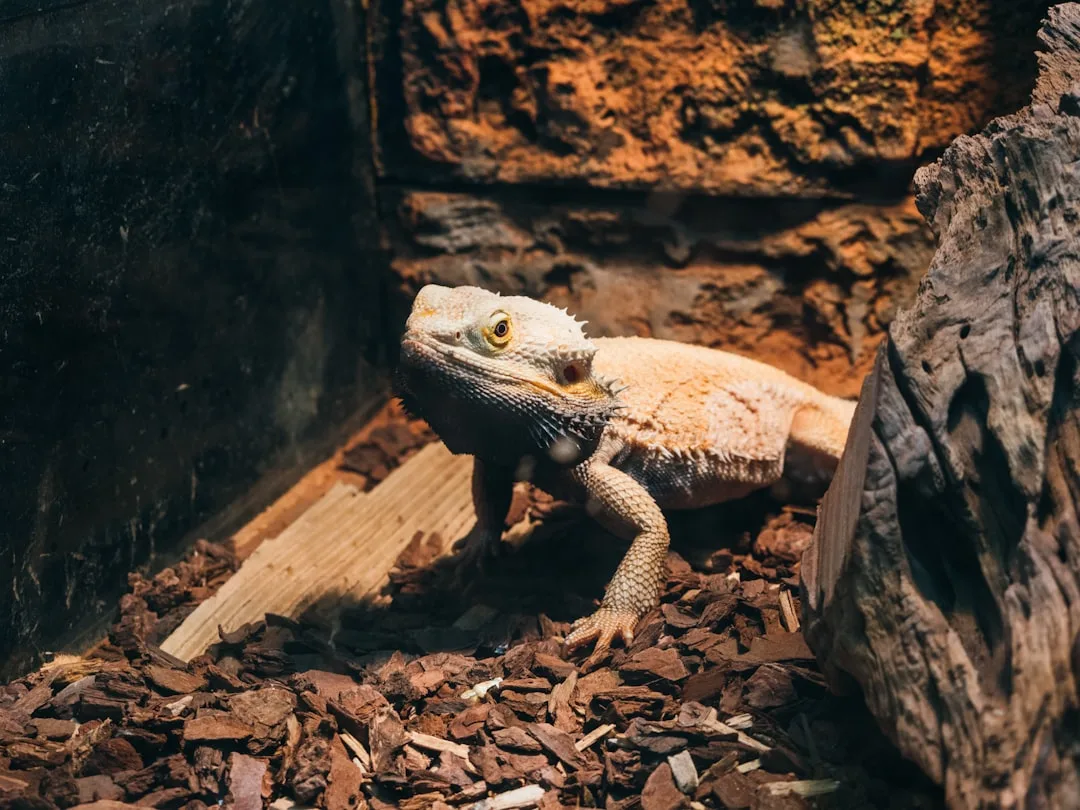
Why this matters: a bearded dragon enclosure using standard aspen requires full substrate replacement every 10 days. Exo Terra’s system extends that to 21 days without ammonia buildup.
Zilla and Komodo both launched competing moisture-gradient substrates in the same window, signaling genuine market demand rather than isolated innovation. Zoo Med’s new ForEarth line uses sustainably harvested sphagnum moss with built-in odor-control enzymes (the same technology now standard in Pet-Friendly Furniture Materials Transform Durability Standards in Modern Homes). The shift is clear: convenience and animal welfare now share equal weight in purchasing decisions.
Quick Tips
- Layer substrate in 3-4 inches minimum for burrowing species; measure depth before buying volume
- Test moisture retention by adding water, waiting 48 hours, and checking for ammonia odor before full enclosure application
- Switch substrates gradually over 2 weeks to avoid digestive stress in animals that consume small amounts during feeding
- Store opened substrate in sealed containers with humidity packets to prevent mold and maintain bacterial balance
Thermal-Responsive and Temperature-Adaptive Substrate Systems Emerge
A breakthrough in 2026 came from Zen Habitats, which introduced a substrate blend infused with phase-change materials—microparticles that absorb excess heat during day cycles and release it during cooling phases. This substrate type effectively extends warm-spot stability without constant heating pad adjustment.
The product targets ball python and corn snake owners who struggle with maintaining a 5-10 degree gradient across the enclosure floor. A 40-quart bag covers a 4x2x2 enclosure and costs roughly in the $45-60 range, versus standard aspen at $12-18 for equivalent volume.
| Substrate Type | Moisture Retention | Replacement Cycle |
|---|---|---|
| Aspen Shavings | Low (15-20%) | 7-10 days |
| Cypress Mulch | Medium (40-50%) | 14-18 days |
| Coco Fiber (Standard) | High (200-300%) | 18-21 days |
| Engineered Moisture-Lock | Very High (400%+) | 21-28 days |
| Phase-Change Thermal | High with heat regulation | 21-28 days |
The Common Mistake: Ignoring Substrate Particle Size and Ingestion Risk
The biggest ownership failure happens when people buy fine-grain substrates (particle size under 2mm) for ground-feeding species like leopard geckos and young bearded dragons. Accidental ingestion during feeding causes impaction—a life-threatening blockage that requires veterinary intervention costing $800-2000 in emergency care.
A real example: a gecko owner purchased Zoo Med Aspen based on price alone, not checking particle grade. During live cricket feeding, the gecko’s tongue flicked substrate into its mouth. Within 4 days, the animal stopped moving and required emergency endoscopy.
Current best practice: match particle size to mouth width. Bearded dragons and tegus need 4-6mm particles; smaller species like dart frogs need fine grain only if sterile, packaged, and specifically labeled for that species. Read the particle-size spec sheet, not just the marketing image.
Naturalistic Substrate Blending and Live Plant Integration Dominate Premium Segment
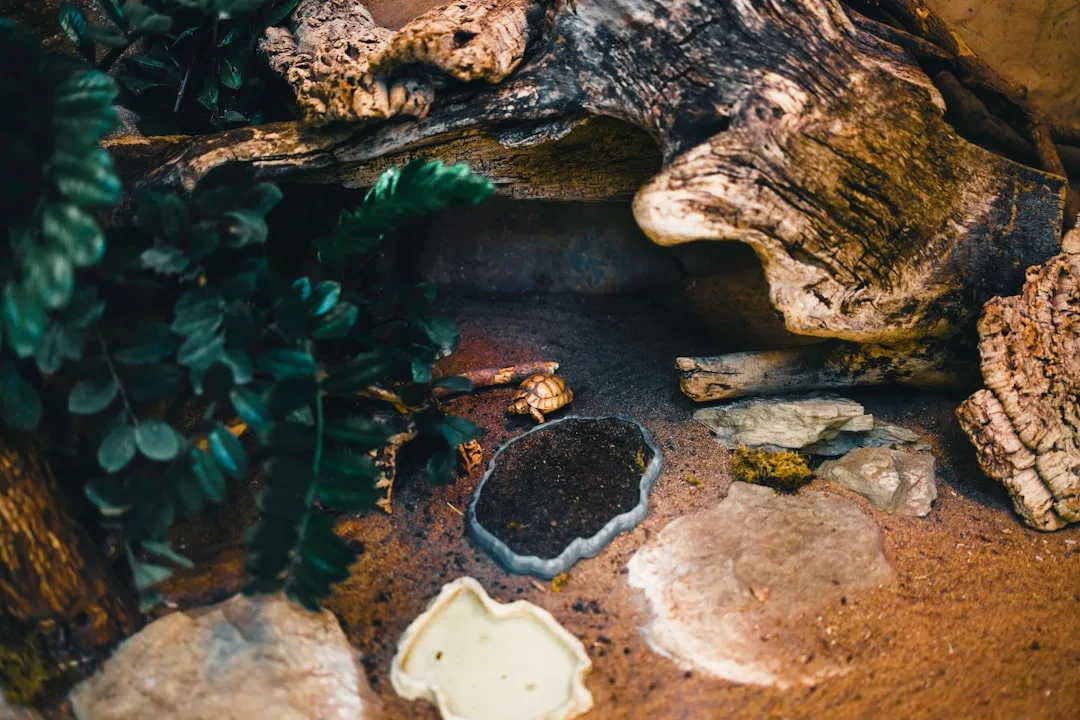
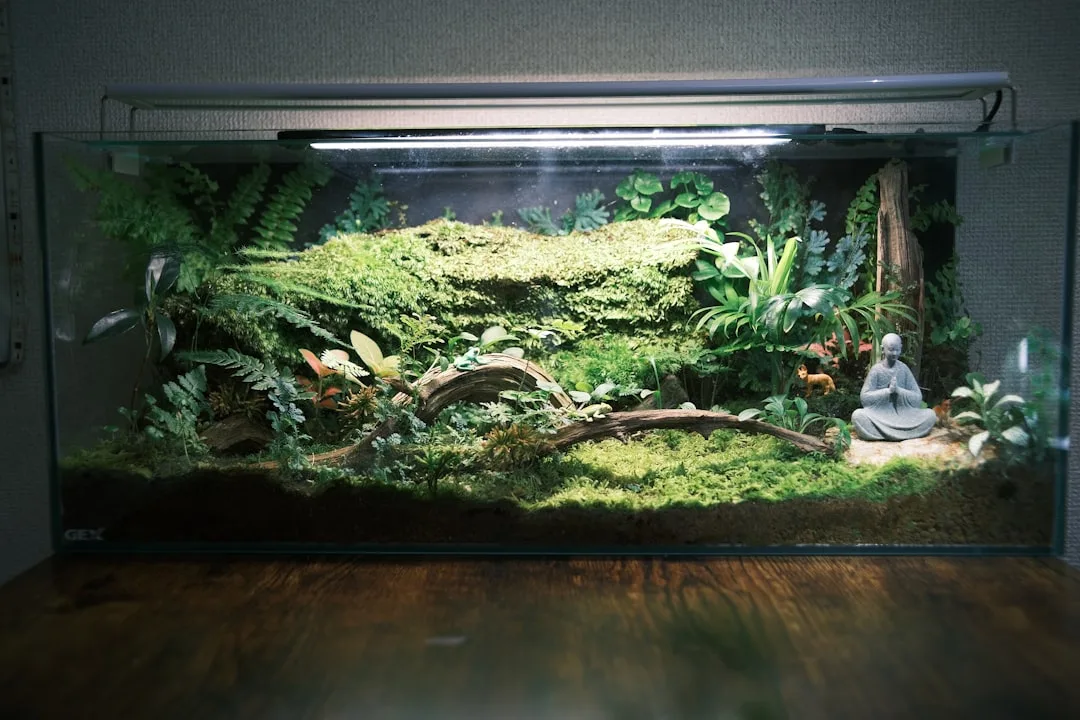
High-end enclosure builders are now layering substrates in three distinct zones: a base drainage layer (orchid bark), a middle moisture-holding layer (sphagnum), and a top bioactive layer (leaf litter and living microfauna). This approach, popularized by BioActive Enclosures Co. and Dubia.com’s educational content, creates a closed-loop waste processing system.
Isopods and springtails colonize the substrate, consuming waste and creating nutrient cycling that reduces ammonia spikes by 60-75%. A premium setup costs roughly $80-120 in substrate materials alone, but stretches replacement cycles to 45+ days and improves animal coloration, appetite, and stress markers measurably.
This shift is why Pet Grooming Furniture Trends Transform Home Care Stations matter too: the entire pet care ecosystem is moving toward integrated systems rather than isolated products. Substrate is now upstream of enclosure design, lighting choice, humidity management, and veterinary outcomes.
Sustainability and Ethical Sourcing Reshape Supplier Relationships
Carbon-neutral and FSC-certified substrate materials jumped from 8% of the market in 2023 to 31% in 2026. Owners aged 25-45 now actively research where coconut husk and sphagnum are sourced before purchase.
Brands like Arcadia Reptile have begun publishing supply-chain transparency reports, naming farms and harvest dates. This creates competitive pressure to abandon plastic packaging and switch to compostable bags—a trend that also drives down per-unit costs as volume scales.
The result: premium sustainability now costs only 10-15% more than conventional options, versus 40-50% premiums just three years ago. Adoption among mainstream owners accelerates when pricing aligns with conscience.