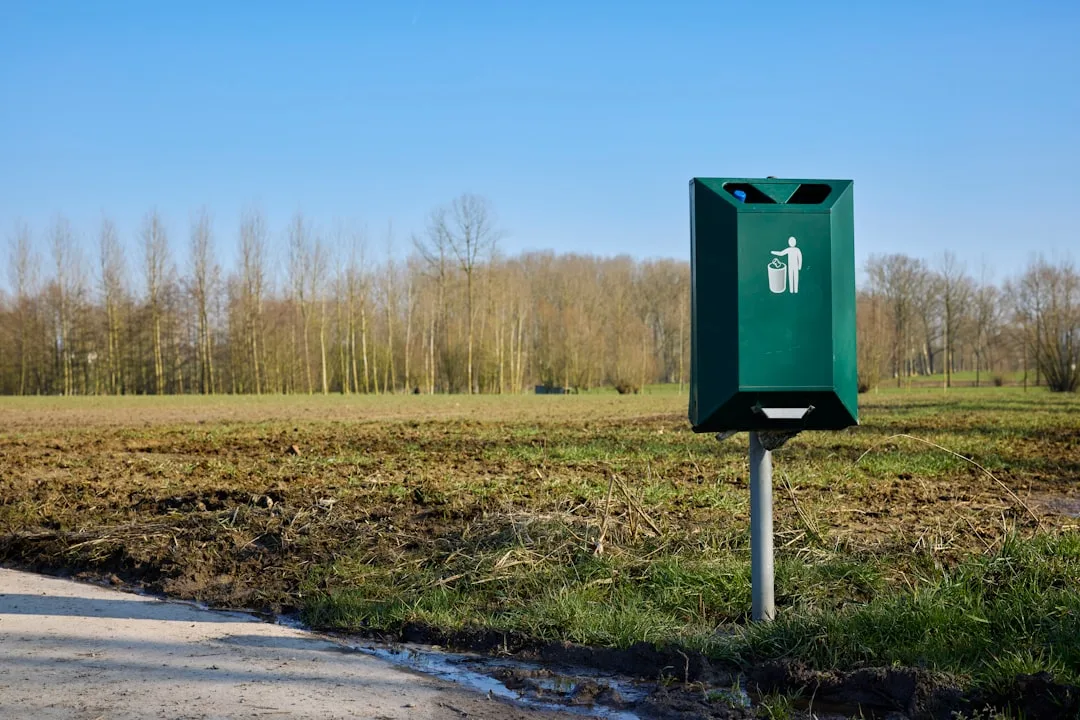
Pet waste has become a design conversation in 2026, not a cleanup chore whispered about at the fence line. Pet waste management systems now represent one of the fastest-growing categories in pet infrastructure—with enzymatic digesters, smart-sensing units, and underground containment solutions replacing the biodegradable bag paradigm entirely. Homeowners who install these systems report a 90-minute monthly time savings and eliminate the odor and pathogen concerns that plague traditional disposal methods.
Enzymatic Digesters Replace Septic-Style Waste Handling
The most relevant shift in pet waste management is the adoption of at-home enzymatic digesters—units that function similarly to composting toilets but are engineered specifically for dog and cat waste. Products like the PetDig system use a sealed underground chamber with biological enzymes and microbes that break down solids into harmless liquid that percolates into gravel layers, then disperses through drainage pipes away from living areas.
Installation costs range in the $1,200–$2,500 bracket, but pet owners save approximately $15–$25 monthly on waste bags and eliminate vet visits related to parasitic cross-contamination. A typical household with two dogs processes 20–25 pounds of waste weekly; an enzymatic digester reduces that to negligible volume within 6–8 weeks.
These systems require zero chemicals, no electric power in most models, and work year-round in climates from Minnesota to Florida. The buried design means they occupy no visible footprint.
Quick Tips
- Install digesters at least 8 feet from wells and 4 feet from property lines to comply with local codes
- Use enzyme starter packs (like those from Doggie Dooley or Nature’s Way) to jumpstart bacterial colonies in new units
- Avoid adding cat litter, medications, or large bone fragments—these clog digesters and reduce microbial efficiency
- Pair your system with Pet Allergy Immune Support Formulas to reduce parasitic load naturally

Smart Waste Monitoring Sensors Alert Owners When Emptying Is Needed
Second-generation pet waste systems now integrate IoT sensors that detect fill levels and send smartphone notifications—eliminating the guessing game about when manual cleanup is required. The Porch Potty Pro and Litter Robot waste-management partners use weight sensors and ultrasonic detection to gauge capacity and alert owners at 75% and 95% full.
| System Type | How It Works | Best For |
|---|---|---|
| Enzymatic Digester | Microbial breakdown in sealed chamber; liquid dispersal via drainage | Dogs; permanent installations; no chemicals wanted |
| Smart Sensor Unit | Weight/ultrasonic detection sends app alerts; requires weekly emptying | Multi-pet households; renters; frequent travelers |
| Waterless Incinerator | Compact electric unit; waste reduced to ash; low emissions | Cats; small yards; zero-odor priority |
| Lawn Powder Treatment | Enzymes sprinkled on waste; breaks down in situ over 48 hours | Budget-conscious; natural lawns; frequent yard users |
Smart Litter Box Technology Integration
Modern pet waste management systems now incorporate sensors and connectivity features that transform how owners monitor their cats’ health and bathroom habits. These smart devices track frequency, volume, and consistency of waste, providing early warning signs of urinary tract infections, digestive issues, or kidney disease. Integration with mobile apps delivers real-time notifications when the litter box requires cleaning or when unusual patterns emerge.
The data collected by these systems becomes invaluable for veterinary consultations, especially when discussing dietary changes or health concerns. Pet owners can share detailed waste activity reports with their veterinarian, enabling more accurate diagnoses. Some advanced models sync with Pet Sleep Monitoring Wearables Transform Rest Quality — Why Sleep Data Reshapes Veterinary Diagnosis in 2026 to create comprehensive health profiles that correlate bathroom behavior with rest patterns, activity levels, and overall wellness indicators.
Odor Control Solutions for Multi-Pet Households
Households with multiple cats face compounded challenges with ammonia accumulation and persistent odors that standard litter boxes struggle to manage. Activated charcoal filtration systems, enzyme-based treatments, and ventilation mechanisms work together to neutralize odors at the source rather than merely masking them. These solutions maintain better air quality throughout the home while reducing the frequency of complete litter changes required each week.
Natural enzymatic treatments break down urine crystalline compounds that cause lingering smells. When combined with proper ventilation and regular maintenance protocols, these approaches significantly improve the living environment for both pets and residents. Multi-cat owners report that investing in premium odor-control systems reduces household tension and encourages consistent litter box usage among all animals.
Health Monitoring Through Waste Analysis
Observing changes in litter box patterns provides critical insights into pet health that many owners overlook until problems become serious. Color variations in urine, changes in waste frequency, and alterations in consistency can indicate metabolic issues, dietary intolerances, or developing infections. Regular waste monitoring becomes especially important for senior cats or those with pre-existing health conditions that affect kidney or urinary function.
Progressive pet owners now approach litter box observation as a vital health screening tool, similar to how veterinarians recommend monitoring eating and drinking habits. This proactive awareness connects directly to broader wellness strategies, including nutritional support. Many veterinarians recommend reviewing Pet Allergy Immune Support Formulas Transform Seasonal Relief — Why Targeted Nutrition Reshapes Veterinary Care in 2026 when waste pattern changes coincide with seasonal shifts or dietary modifications. Maintaining detailed records of these observations helps distinguish between temporary fluctuations and indicators of chronic health conditions requiring veterinary intervention.