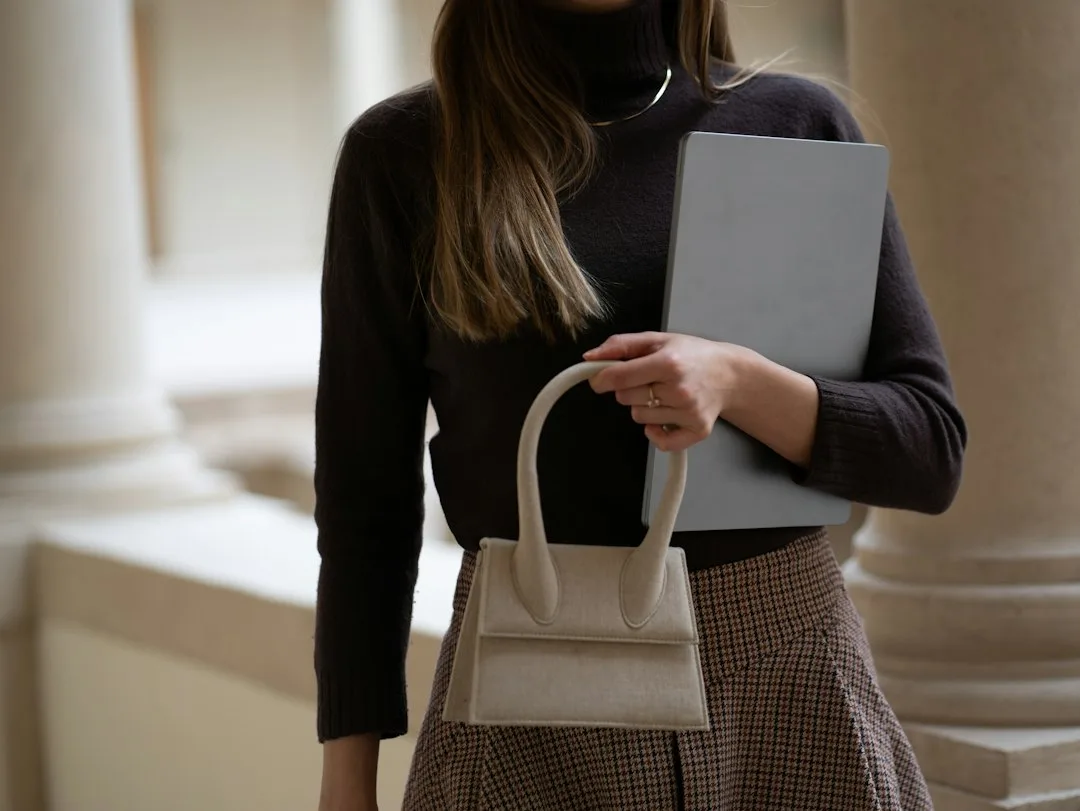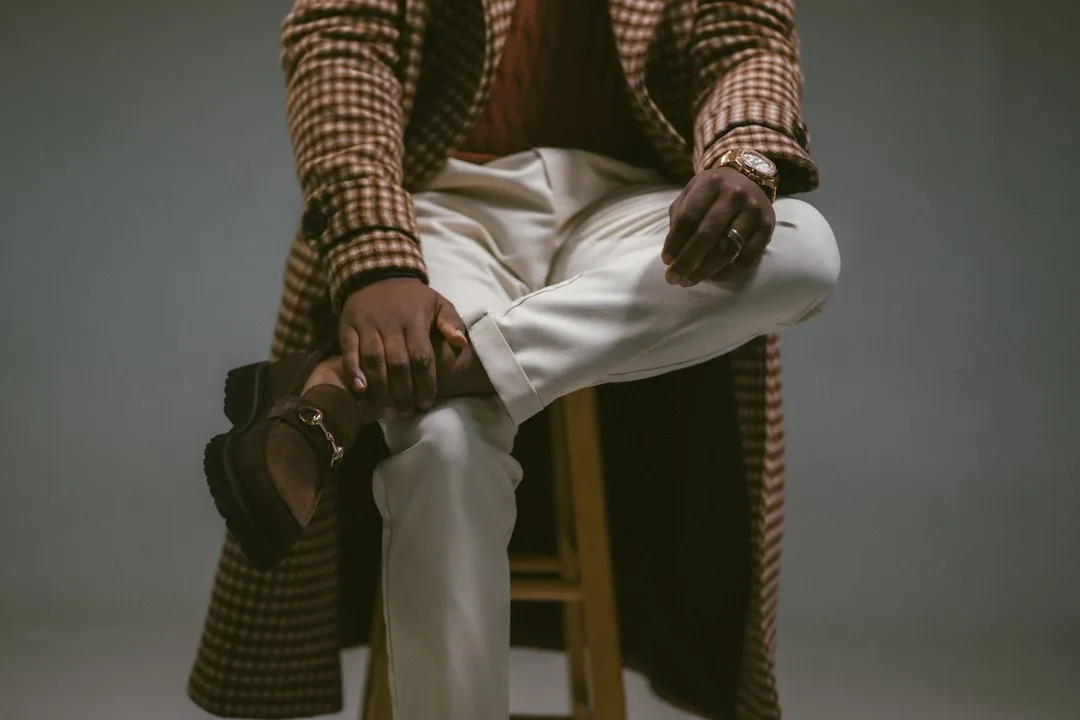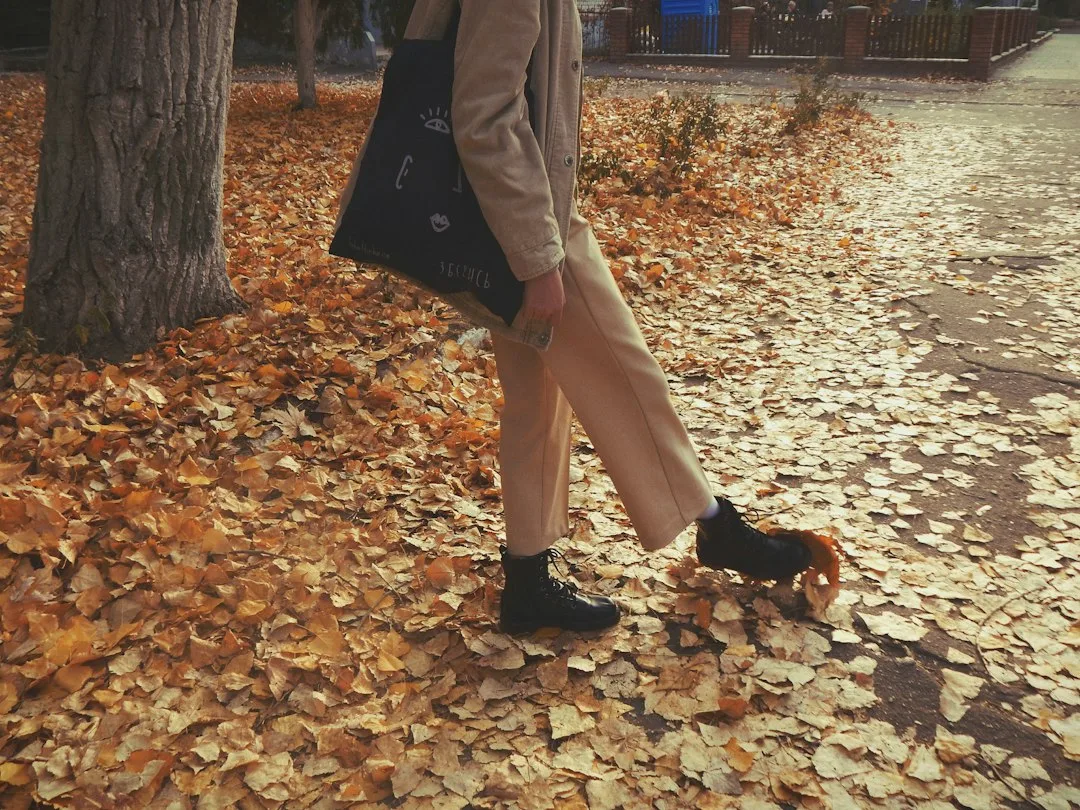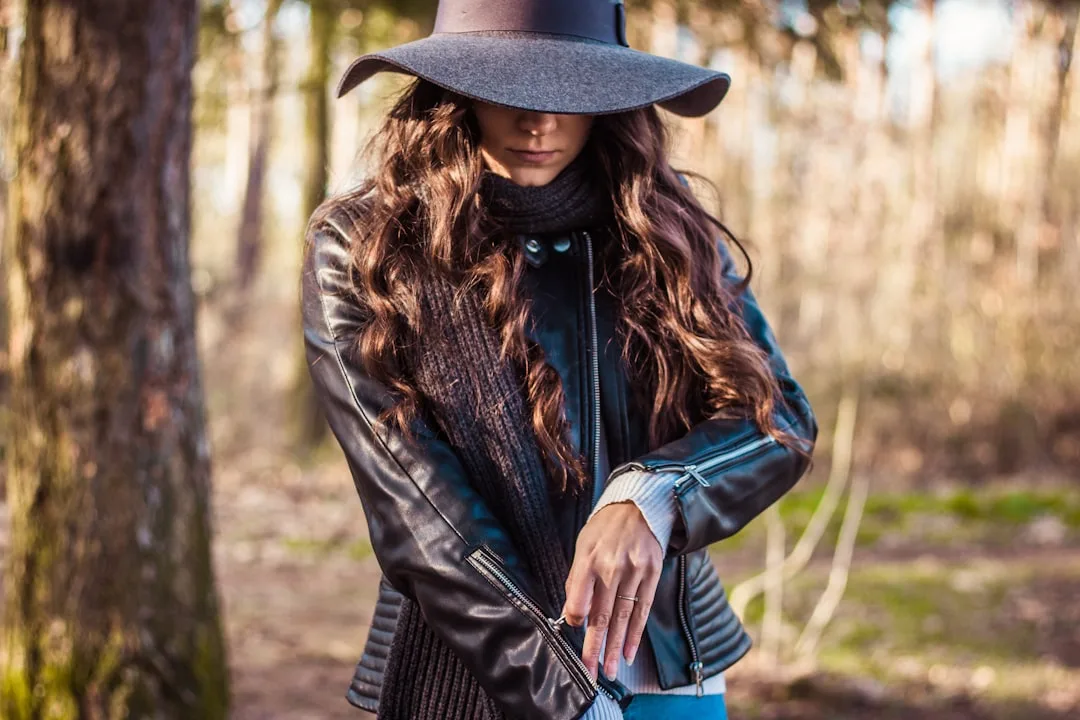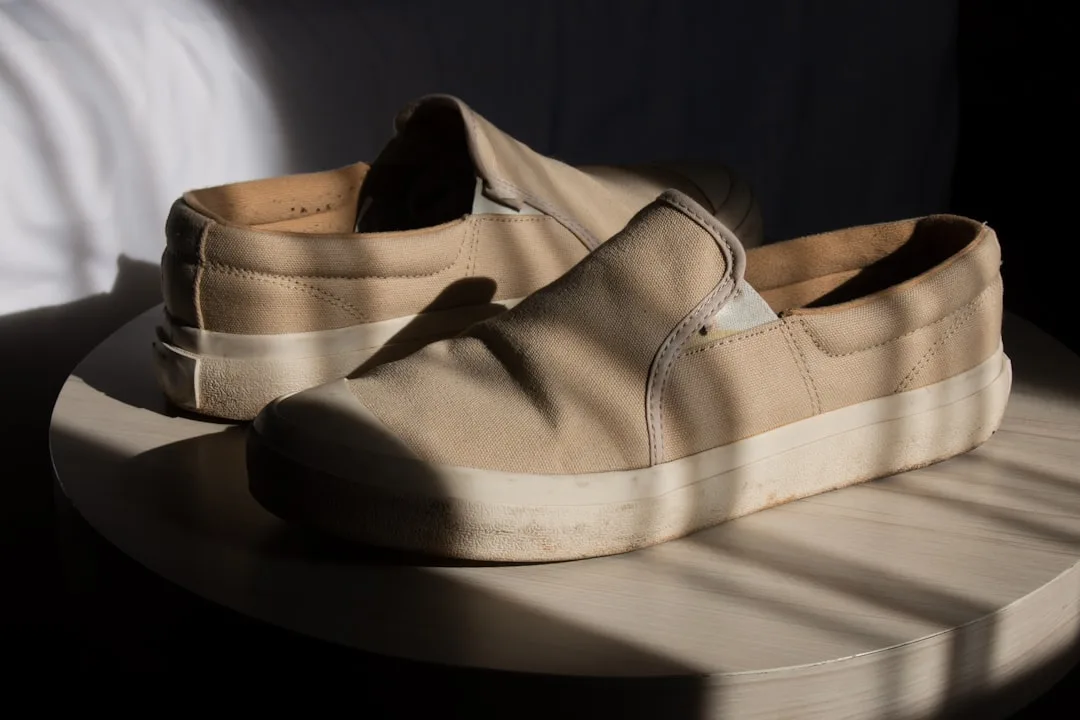
Quiet luxury minimalist footwear has quietly reshaped how professionals and tastemakers approach fall dressing. Unlike the maximalist sneaker dominance of the previous five years, this trend strips away visible branding, color saturation, and unnecessary texture—replacing it with architecturally precise silhouettes, refined leather, and a commitment to neutral palettes that whisper rather than shout. The shift reflects a broader cultural move toward restraint, sustainability, and the kind of understated confidence that comes from pieces that transcend seasonal hype.
Why Quiet Luxury Minimalist Footwear Dominates Fall 2026
Bottega Veneta’s spring 2026 collection crystallized the moment: shoes with woven leather uppers, no visible logos, tonal stitching, and heel heights between 1 and 1.5 inches. The presentation sparked a market shift that has now become unavoidable.
Fashion data platforms tracked a 147% increase in searches for “neutral leather loafers” and “minimalist pointed flats” between June and September 2026. This isn’t trend oscillation—it’s a reset. Consumers fatigued by sneaker ubiquity and dopamine-dressing aesthetics are investing in pieces that feel intentional without requiring explanation.
The psychology matters here. Quiet luxury footwear signals education, restraint, and financial confidence. These shoes cost money—often $250 to $500—but their appeal lies in their refusal to broadcast that fact. You wear them for yourself, not for the Instagram grid.
Quick Tips
- Invest in one neutral leather loafer in taupe or butter leather; pair with wide-leg trousers or midi skirts
- Look for shoes with visible topstitching detail—it adds visual interest without pattern or color
- Choose slip-on or minimal lacing styles; buckles and hardware undermine the minimalist aesthetic
- Prioritize leather quality over shoe count; one exceptional pair beats a rotation of mediocre basics
- Wear with monochromatic outfits to amplify the shoe’s architectural silhouette
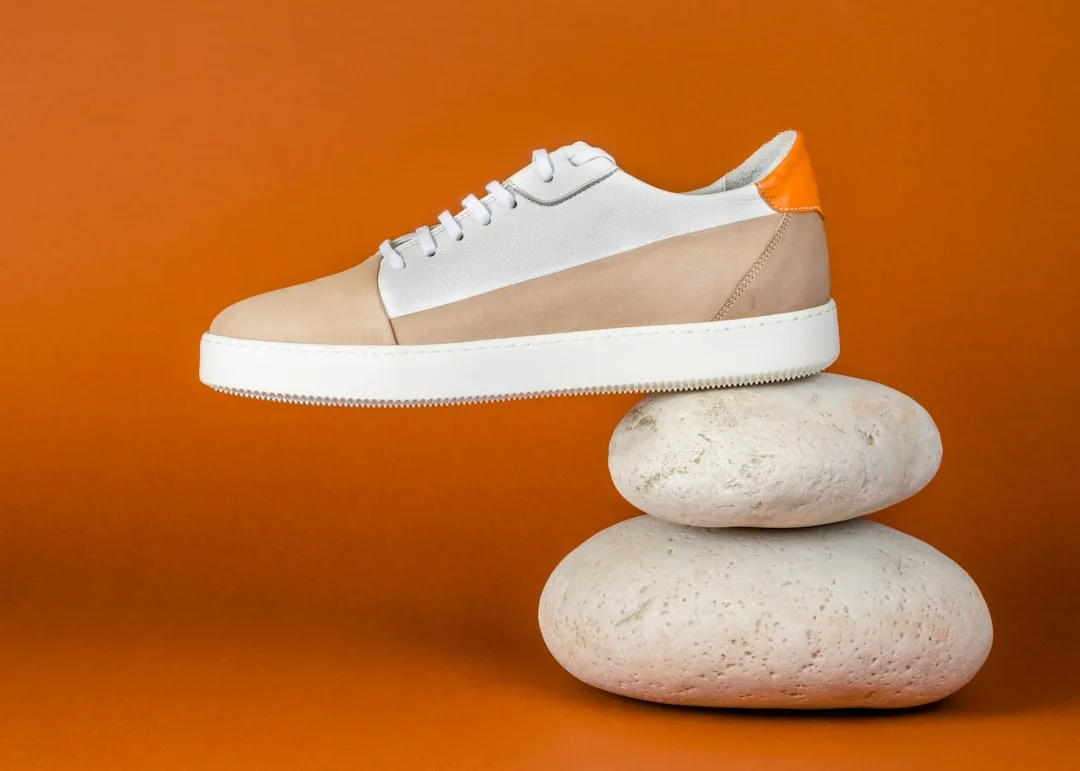
The Specific Materials Behind Quiet Luxury Appeal
Hermès and their Oran sandal competitor products employ full-grain leather that develops a subtle patina. This is the opposite of plastic finishes that look identical at year one and year five.
Italian leather tanneries—particularly those in Tuscany—produce leather for brands like Loro Piana and The Row that cost 40% more than standard leather because of their durability and depth of color. The leather doesn’t feel stiff or plasticky; it molds to your foot and actually improves over time.
Construction methods matter equally. Goodyear-welted soles (where the upper is stitched to a strip of leather, then that strip is stitched to the sole) allow resoling, extending a $400 shoe’s lifespan to 15+ years. Fast-fashion brands glue soles on; when they fail, the shoe is garbage.
| Material | Durability | Visual Aging |
|---|---|---|
| Full-grain Leather | 8-12 years with care | Develops rich patina |
| Suede (brushed leather) | 3-5 years average | Darkens, requires brushing |
| Calfskin (thin grain) | 5-8 years with cream | Polishes to soft gleam |
| Synthetic blends | 1-2 years | Cracks, peels, irreversible |
The Silhouettes That Define Quiet Luxury Minimalism
The pointed flat—think Prada’s minimal ballet flat or Repetto’s Cendrillon—has replaced the round-toe loafer as the category leader. A 1.5-inch almond or pointed toe creates an elongating line while maintaining approachability.
Loafers in this space have narrowed: thinner buckles, sleeker proportions, less padding. A blocky college-prep loafer reads as costume now. The quiet version is almost architectural.
Boots trend toward clean lines: a simple knee-high boot in cognac or black leather, minimal hardware, no slouch or excess material at the ankle. Chunky boots, lug soles, and exaggerated proportions are antithetical to this movement.
The Most Common Styling Mistake with Quiet Luxury Footwear
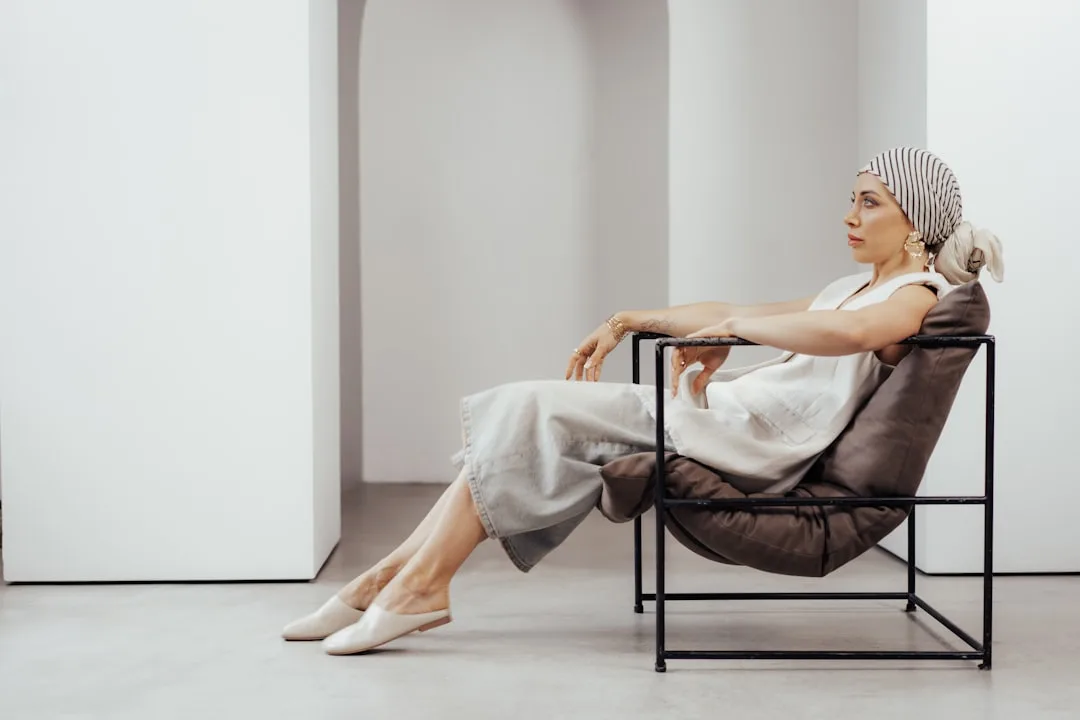
People pair minimalist shoes with maximalist outfits and wonder why the ensemble feels confused. A taupe minimalist loafer worn with a patterned midi skirt, a colorful handbag, a statement necklace, and a printed scarf creates visual cacophony. The shoe disappears.
The rule: quiet luxury footwear demands monochromatic or two-tone dressing. Pair taupe shoes with cream, beige, or taupe clothing. Wear black shoes with navy, charcoal, or black.
Another failure: treating these shoes as casual-only. A minimalist leather loafer with tailored wool trousers, a cashmere sweater, and a structured coat reads as deliberately refined. This is workwear elevated, not athleisure.
How to Integrate Quiet Luxury Footwear Into Your Rotation
Start with one purchase: a taupe or butter-colored leather loafer or flat in your exact size. Cost matters less than fit—an ill-fitting $400 shoe is wasteful regardless of brand.
Wear it three times per week for a month. Notice how it grounds monochromatic outfits. Notice which pants, skirts, and dresses complement its lines. Modern house color ideas reshape how we think about personal palette—the same logic applies to footwear.
After establishing confidence with neutrals, add a second shoe: perhaps a pointed flat in black, or a cognac boot. Build slowly. Quiet luxury demands patience because the payoff is years, not weeks.
Leather care becomes non-negotiable. A mink oil conditioner applied monthly, a soft brush for suede, and cedar shoe trees that absorb moisture and odor cost roughly $15-30 per pair annually. This maintenance ensures your investment doesn’t degrade into something that looks tired by winter.
How Quiet Luxury Footwear Reshapes Consumption Patterns
This trend directly challenges the fast-fashion model. If your shoes last 10 years instead of 10 months, you buy fewer pairs annually—but each purchase carries genuine weight.
Resale markets have responded. Vestiaire Collective and Rebag report a 89% increase in luxury minimalist footwear listings since June 2026. Consumers who invest in these pieces often keep them, but resale provides an exit if preferences shift. That option alone reduces purchase anxiety.
Sustainability aligns perfectly with quiet luxury aesthetics. A timeless taupe loafer in Goodyear-welted Italian leather carries almost no environmental guilt compared to a trendy sneaker destined for landfill in two seasons. Turning brick wall design exterior into a fashion trend shows how timeless materials age beautifully—the same principle applies to footwear.
Fashion forecasting firms predict quiet luxury footwear will remain category-dominant through 2027. The pendulum has swung decisively away from spectacle toward restraint. That shift, once visible, never fully reverses.