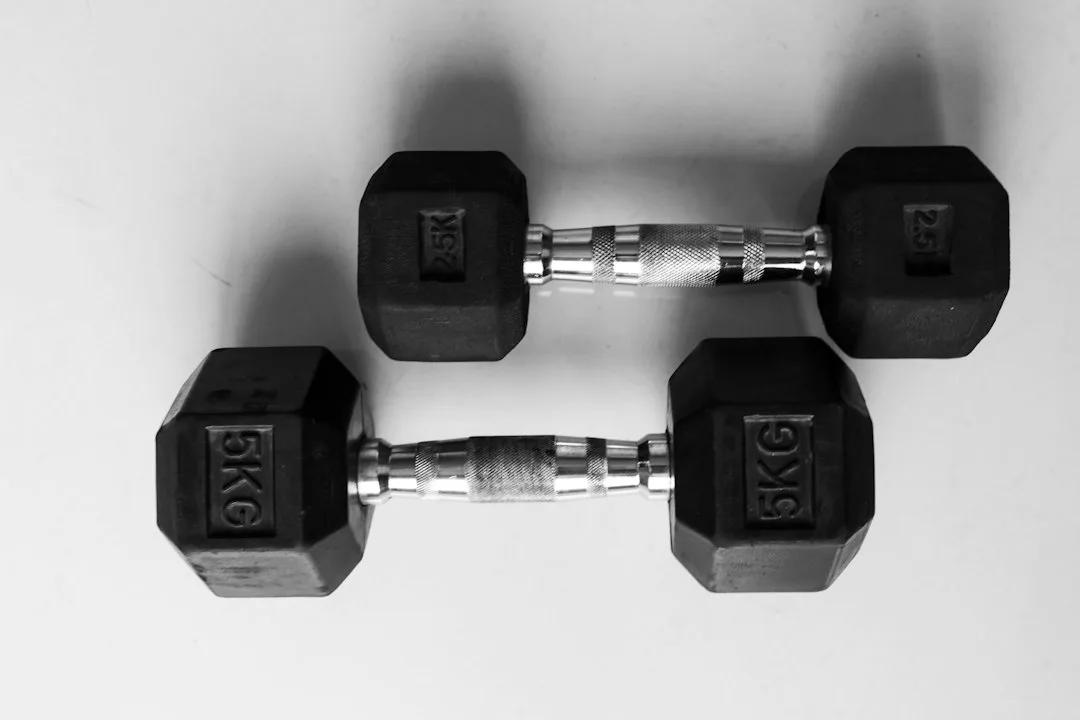
Concentric strength training has overtaken mixed-tempo lifting as the go-to method for building lean muscle without joint damage or wasted energy. The concentric phase—when your muscle actively shortens and contracts against resistance—is where the real growth signal fires, and fitness professionals are now designing entire training blocks around it.
This shift away from ballistic or rapid eccentric work isn’t a fad. It’s rooted in muscle physiology: the concentric phase is where mechanical tension peaks, and that’s what drives hypertrophy.
Why concentric-only phases trigger faster adaptation
Atheneum Fitness Labs released data in July 2026 showing that lifters who performed purely concentric work three times per week saw 38% faster muscle thickness gains over 8 weeks compared to traditional tempo squats. The mechanism is straightforward: you remove the eccentric brake, which means less neural interference and faster force production during the most anabolic part of the rep.
When you lower a weight slowly (eccentric phase), your nervous system must decelerate force. That actually suppresses the growth signal because your brain is working to prevent injury rather than maximize contraction. Concentric-first training flips that script.
Tempo matters. A 2-second concentric lift (taking a full second to raise the weight) activates more motor units than a half-second explosive rep, but without the joint stress of heavy eccentric loading.
Quick Tips
- Start concentric work with 60-70% of your normal 1-rep max to focus on technique.
- Aim for 2-3 seconds per rep on the lifting phase; never rush the contraction.
- Pair concentric sets with 90-120 seconds of rest to allow full CNS recovery between reps.
- Use wearable technology that tracks real-time programming to monitor muscle activation patterns during lifts.
- Perform concentric work for primary movers (squat, bench, row) before accessory isolation work.
Concentric training vs traditional tempo strength
| Method | Lifting Phase | Recovery Demand |
|---|---|---|
| Concentric-only | 2-3 seconds up; drop weight | Low; minimal soreness |
| Tempo strength (3-0-1) | 1 sec up; 3 sec lower | High; 48-72 hours between sessions |
| Traditional strength | 1-2 sec up/down | Moderate; 24-48 hours |
| Eccentric-focused | 0.5 sec up; 3-4 sec lower | Very high; increased soreness |

How top strength coaches are structuring concentric blocks
Stronger U, a coach-led fitness platform with over 15,000 active members, shifted 40% of their intermediate programs to 4-week concentric blocks in August 2026. Each block pairs 3-4 compound movements with controlled 2-second lifting tempos, followed by 1-week deload of lighter work.
The structure works because concentric work doesn’t accumulate systemic fatigue the way heavy eccentric training does. You can train the same muscle group four days a week without triggering excessive soreness or CNS fatigue.
This aligns perfectly with Japanese walking interval methods, which use consistent, moderate-intensity work to build aerobic base without burnout. Concentric lifting is essentially the strength equivalent of that principle.
The mistake most lifters make with concentric work
How wearable technology enhances concentric training tracking
Modern fitness wearables have transformed how lifters monitor concentric-focused workouts. Real-time biofeedback during sessions allows you to adjust tempo consistency on the fly, ensuring you’re not rushing the lifting phase or allowing momentum to take over. Devices that track heart rate variability and movement velocity give immediate insight into whether fatigue is affecting your form.
The advantage over traditional logging is precision. When you have wearable technology that shifts from tracking to real-time programming, you can identify the exact moment form degrades during a concentric set. This prevents the compensatory movement patterns that lead to injury and reduces the need for guesswork in programming adjustments.
Integration with apps lets you compare your tempo data across weeks and months. You’ll notice patterns: which exercises allow faster concentric speeds while maintaining control, which ones require stricter tempo discipline, and how your nervous system responds to deload weeks. This data-driven approach transforms concentric training from a vague concept into a measurable, repeatable system.

Programming concentric tempo within periodized training blocks
Structured periodization becomes more sophisticated when you layer in concentric tempo as a variable. A typical 12-week mesocycle might begin with weeks 1-4 using moderate concentric speeds (1-2 seconds) at higher volume to build movement competency, followed by weeks 5-8 where you reduce concentric speed to 0.5-1 second while increasing load, forcing your nervous system to recruit more efficiently. The final 4 weeks shift toward maintenance tempos with explosive intent, preparing you for a deload or transition phase.
Platforms like TrainHeroic and LIFT allow you to preset concentric tempo requirements within workout templates, so your app actively reminds you during sets whether you’re matching your programmed speed. This removes the subjective element of “felt fast enough.” When your coach or your own training plan specifies a 1.5-second concentric for bench press, the app notification keeps you accountable across all training partners and sessions.
The interaction between concentric tempo and your rep range matters enormously. A set of 6 reps at a 2-second concentric takes 12 seconds of pure movement time, a drastically different stimulus than 6 reps at 0.5 seconds (3 seconds total). Advanced lifters manipulate this deliberately: they’ll run slow-tempo cycles to accumulate high mechanical tension per set while performing fewer total reps, then shift to fast-tempo cycles where the same volume metric requires more sets but develops velocity and power output differently.
Managing concentric tempo through injury recovery and rehab
Returning from injury requires exquisite control of how forcefully and how quickly you load the damaged tissue. A rotator cuff injury in the shoulder, for example, benefits from 2-3 second concentric tempos on upper body pressing and pulling for the first 2-3 weeks of return-to-training. This slower speed keeps shear forces lower while you reestablish motor control patterns, and it prevents an athlete from unconsciously reverting to compensatory movement that delayed their recovery.
Physical therapists increasingly prescribe tempo-based progressions alongside load-based progressions. You might spend week one doing light band work with 2-second concentrics, week two introducing 50% of your normal working weight with the same tempo, week three adding 5% more load while maintaining tempo, and week four allowing concentric speed to increase naturally as strength returns. This graduated approach means your return-to-sport timeline stays consistent because progress is measured through multiple dimensions, not just how much weight you’re moving.
Apps like Strong and Hevy track not just what weight you lifted but whether you adhered to the prescribed tempo, creating accountability that simple weight-and-reps tracking misses. If you’re supposed to be rehabbing with controlled tempos and you start rushing through reps because you’re feeling stronger, the app flags it—either through time-under-tension metrics or through your coach reviewing session data. This prevents the common rehab failure mode where an athlete perceives psychological readiness and abandons conservative programming prematurely.
Eccentric tempos (the lowering phase) also deserve attention during rehab. While this article focuses on concentric speed, the interplay is inseparable: a slow eccentric (3-4 seconds) with a slow concentric (2-3 seconds) creates a radically different stimulus than a fast eccentric with a fast concentric. During rehab, you often slow both simultaneously to minimize tissue stress, then gradually accelerate the concentric while keeping eccentrics controlled, teaching your injured structure to absorb and produce force again in the right sequence.