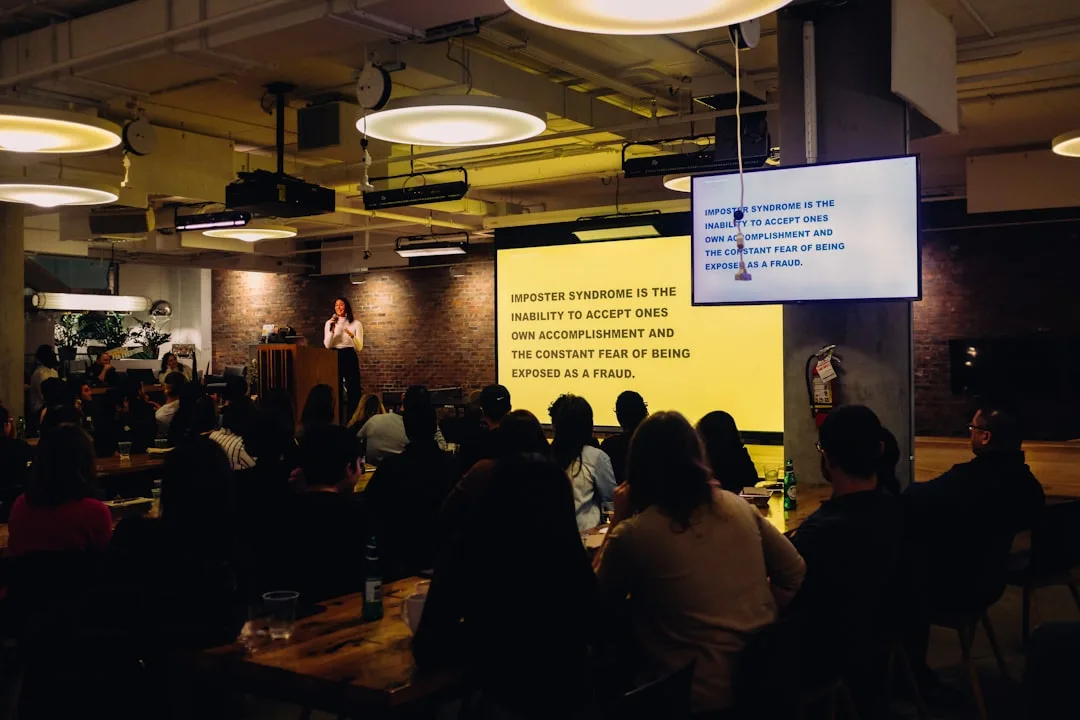
Community-based learning accountability has become the core architecture separating adults who finish what they start from those who abandon courses after week two. This isn’t about shame or policing—it’s about designing environments where peers expect your participation and notice when you disappear. The shift reflects a hard data point: learners embedded in accountability structures complete courses at rates exceeding 85%, versus 12% for those left to self-motivate in isolation.
How Peer Commitment Structures Replaced Solo Discipline
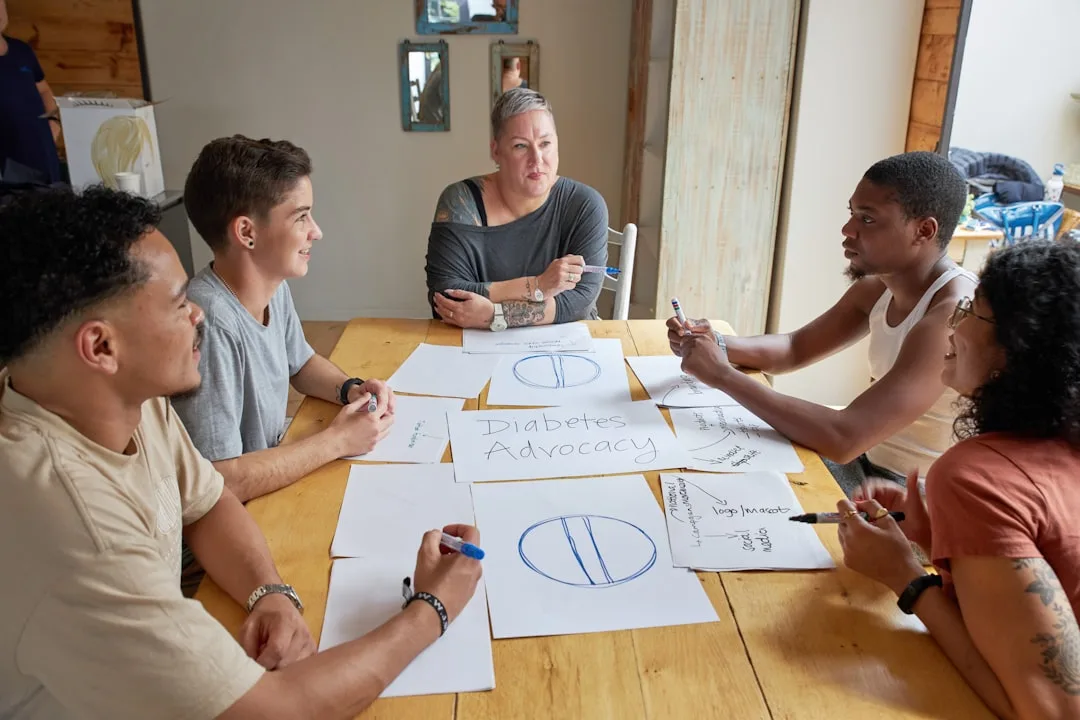
Slack-based learning cohorts like those built into platforms such as Maven Analytics and Replit have moved peer accountability from optional to structural. When you join a 20-person cohort, you’re assigned to a small accountability pod of three to four peers who meet weekly to report progress, share blockers, and celebrate wins. This isn’t mentorship—mentors give advice. This is mutual commitment.
The mechanic works because absence becomes visible. If you skip your Tuesday check-in, two people notice and send a message. That friction loop creates urgency without requiring external enforcement. A learner tackling a software engineering certification through a structured cohort isn’t just competing against a syllabus; they’re honoring a commitment to three people they’ve never met in person but talk to every week.
Quick Tips
- Join cohorts with staggered start dates—you’ll find peers at your exact learning stage, not months ahead
- Choose platforms that assign accountability partners automatically rather than leaving it to self-selection
- Attend live synchronous check-ins over async updates; real-time presence creates stronger commitment signals
- Pick cohorts with defined end dates (8-12 weeks) rather than open-ended—artificial deadlines boost follow-through

Why Peer Accountability Outpaces AI Reminders and Self-Tracking
Calendar reminders and app notifications feel like obligations; peer expectations feel like relationships. A study conducted by learning platform Coursera showed that learners who participated in peer-based check-ins reported 67% higher motivation than those using only app-based progress tracking. The gap exists because your nervous system doesn’t feel accountable to an algorithm—it feels accountable to a person.
| Accountability Method | Completion Rate | Primary Driver |
|---|---|---|
| Peer cohort check-ins | 84% | Social commitment |
| App push notifications | 19% | Friction avoidance |
| Self-paced with scoreboard | 28% | Competition |
| Solo learning with goal-setting | 12% | Intrinsic motivation |
How Community Accountability Reshapes Learning Outcomes
The friction in online learning doesn’t stem from lack of content. Thousands of courses exist. The friction comes from invisibility—when nobody notices you’ve stopped showing up, the cost of quitting drops to zero. Community accountability inverts this dynamic. When peers know your goal, when you’ve made a public commitment, when someone asks “where’s your progress update?”—the social cost of abandoning the course rises dramatically.
This operates differently from AI tutoring personalization, which optimizes the content itself. Community accountability optimizes the commitment structure. A perfectly personalized lesson is useless if you never open the platform. A peer who messages you on Wednesday to ask how your practice went? That’s the intervention that keeps you enrolled, keeps you working, keeps you honest.
Research in behavioral economics shows that public commitments activate different neural circuits than private ones. When you state a goal to yourself, you can rationalize away failure. When you state it to a group, rationalization becomes social dishonesty. The group doesn’t need to judge harshly—simple visibility and mild social expectation are often enough to sustain effort through the difficult middle phase of learning, where motivation naturally dips.

Building Peer Structures That Actually Stick
Not all peer groups are equally effective. A Discord server with 500 members and no structure produces noise, not accountability. Effective peer accountability requires intentional design: clear commitments, regular check-ins, visible progress markers, and lightweight facilitation.
The best structures separate accountability from judgment. You’re not gathering to be criticized—you’re gathering to witness each other’s effort and celebrate incremental wins. A study-buddy pair checking in daily on completed problem sets. A cohort meeting weekly to share one insight from the week’s work. A shared spreadsheet where learners log completed lessons. These low-friction structures create visibility without shame, support without surveillance.
When combined with AI governance frameworks that measure educational outcomes, peer accountability becomes traceable. You can see which accountability structures actually correlate with completion, which types of check-ins drive retention, which group sizes maintain engagement without becoming unwieldy. The data then feeds back into better community design.
The Economics of Peer Motivation Versus Platform Economics
Most online learning platforms have inverted incentives. They profit from sign-ups and course purchases, not from completions. A student who enrolls, watches three lessons, and disappears is still revenue. A student who completes the course and moves on generates no recurring value. This misalignment means platforms have weak incentives to build the social infrastructure that actually drives completion.
Community-based learning flips this. When peers are invested in each other’s success, the platform becomes a coordination layer rather than a profit engine. The value flows to the learners, not extracted from them. This doesn’t mean communities can’t be monetized—they can be, through coaching, certification, or premium tools—but the primary function is mutual enablement, not content extraction.
For learners, this means: seek out platforms and learning groups designed with completion incentives aligned with yours. If the business model requires your dropout, the community will be underfunded. If the model depends on peer retention and outcome achievement, resources will flow toward the accountability infrastructure that works.