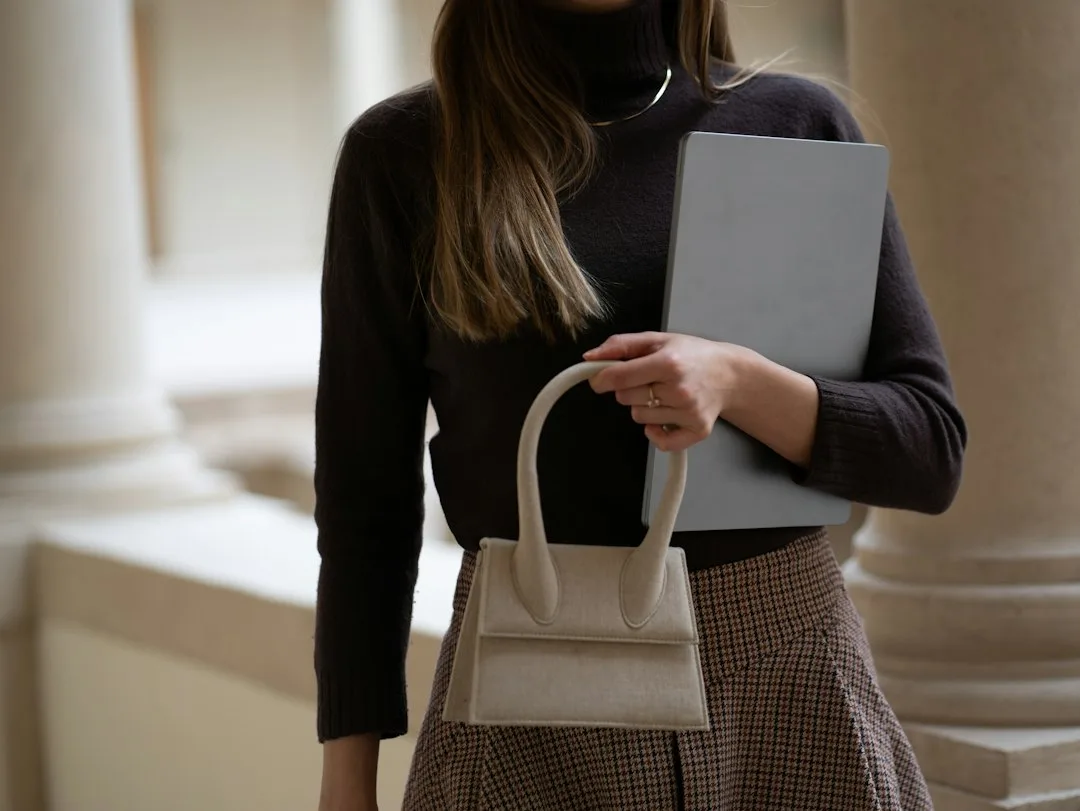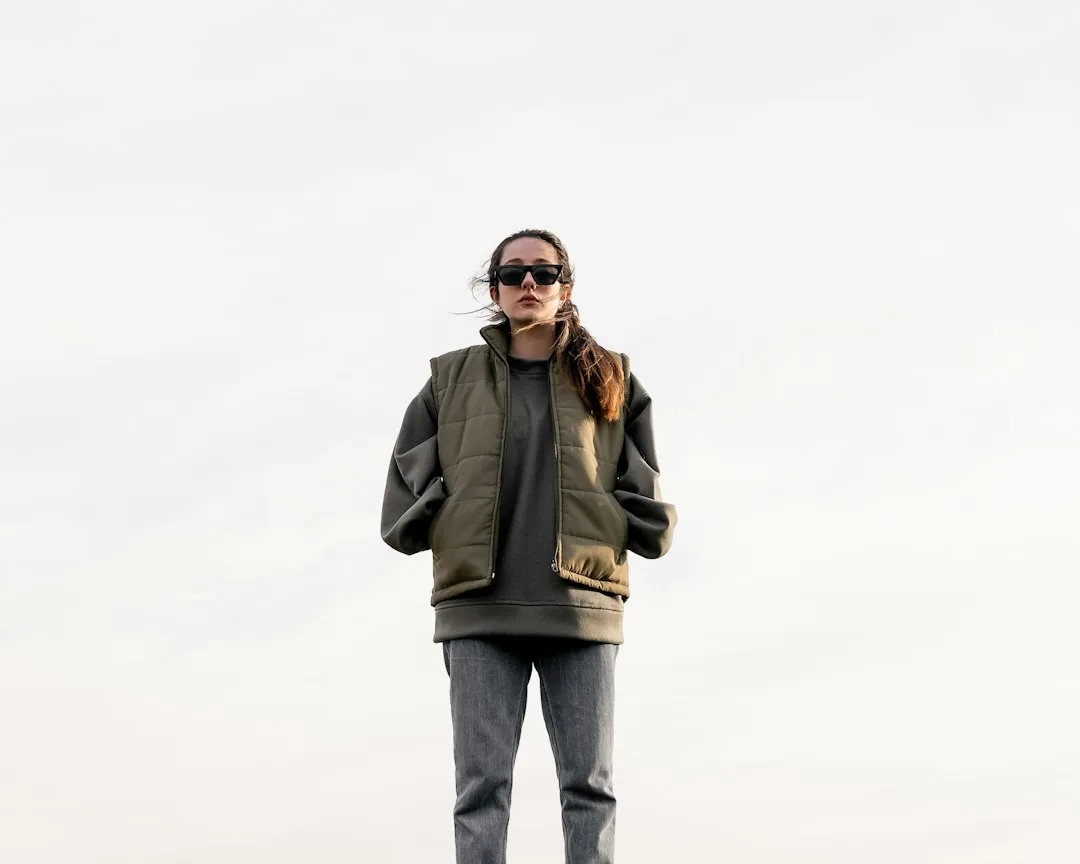
On September 15, 2026, streetwear imagery from London Fashion Week showed a decisive shift: utility vests worn over structured knitwear dominated the professional set, replacing the oversized blazer silhouettes that ruled spring. Utility vest layering has moved from workwear into high fashion and everyday professional dressing, and the reason is clear—this garment delivers structure without bulk, function without sacrifice. It answers the wardrobe question that fall 2026 keeps asking: how do you layer when you’re tired of heavy tailoring?
Why Utility Vests Emerged Now Over Traditional Blazers
Fear of Layers founder and trend forecaster Mathilde Renaud noted in a September 2026 industry report that professionals increasingly reject traditional blazer weight during transitional seasons. The utility vest solves this problem with architectural lines and zero unnecessary fabric. It sits cleanly over a shirt or sweater without adding thermal bulk.
Brands like Carhartt WIP and Arc’teryx have moved their technical vest designs into high-visibility professional colorways—olive, stone, and charcoal instead of neon safety orange. The practical DNA remains: cargo pockets, reinforced stitching, zip closures. What’s new is the intentionality of the styling context. This is not workwear borrowed by fashion; this is professional fashion that finally admits it needs pockets.
The silhouette also arrives at a moment when remote work and hybrid schedules mean fewer people need full suits. A vest layer allows professionals to signal polish without committing to a jacket that will sit unused on the back of a chair.
Quick Tips
- Layer your utility vest over a long-sleeve white or cream shirt for maximum polish
- Pair with straight-leg or wide-leg trousers in black, navy, or neutral tones
- Use the cargo pockets intentionally—store a slim phone case or small notebook, don’t leave them empty and bulging
- Choose vest fabrics in cotton-twill or technical blends, not cotton jersey
- Wear with minimal accessories; the vest itself is the statement

How to Construct a Utility Vest Layering Outfit
Start with your base layer. A fitted long-sleeve tee in white, cream, or soft gray works best—avoid anything oversized, as the vest already provides volume at the shoulders. Over this, add a structured knit: a cable-knit sweater, merino wool crew neck, or a fitted turtleneck in an earth tone.
Then comes the vest itself, buttoned or zipped, worn open if the layers underneath feel balanced, or closed for a more formal silhouette. Pair with trousers that have a clean line—no excessive pleating or gather at the waist. The bottoms should feel tailored but not restrictive.
Footwear matters here more than in traditional blazer styling. A utility vest over a sweater calls for intentional shoe choice: minimal leather flats, soft loafers, or understated sneakers in white, black, or taupe. Chunky or aggressively casual footwear breaks the line; the vest needs an anchor that feels considered.
| Scenario | Best Utility Vest Approach | Key Detail |
|---|---|---|
| Office meetings | Tailored charcoal vest + cream knit + tailored trousers | Vest zipped, minimal pocket visibility |
| Hybrid work from home | Oversized stone vest + white long-sleeve tee + track trousers | Vest worn open, relaxed fit acceptable |
| Casual meetings | Olive technical vest + gray sweater + wide-leg jeans | Pockets can show function without appearing sloppy |
| Evening events | Slim structured black vest + fitted turtleneck + tailored trousers | Choose matte fabric, no visible cargo stitching |
The Mistake That Breaks Utility Vest Styling
The most common error happens when people treat the utility vest like an oversized layer that can hide fit problems in pieces underneath. If your base sweater is too big, and your trousers are loose, and your vest is also oversized, the entire silhouette collapses into formless bulk. The vest’s whole purpose is to create clean, angular lines over a fitted foundation.
Another critical failure: stuffing pockets with visible objects or leaving them aggressively empty so they puff outward. Cargo pockets signal function, but they need restraint. A small phone or slim wallet creates a subtle line; a wallet, keys, and papers create an unprofessional bulge.
The final mistake is pairing the vest with footwear that’s too casual or too formal. Chunky hiking boots undermine the refined utility concept. So do strappy heels that suggest formal evening wear. The vest exists in a middle space—choose shoes that respect that balance.
Key Brands Defining Utility Vest Styling
Arc’teryx Veilance, the label’s urban line, has released tailored technical vests in GORE-TEX stretch fabric with a clean front pocket system that avoids cargo excess. These retail in the premium technical range and prioritize clean lines over gear aesthetics. The fabric is structured enough to hold shape when layered.
Carhartt WIP continues to refine its Detroit vest silhouette—a canvas piece with reinforced seaming, typically in duck brown or olive. The WIP line includes design-forward colorways and fits that work for non-construction professionals. This brand validates the aesthetic: utility belongs in professional spaces.
Barbour’s Bedale range now includes structured technical vests designed to layer over knitwear without the fabric heft of a traditional quilted gilet. The brand’s tailoring heritage ensures the silhouette stays polished even in athletic-inspired pieces. You can see how Turning Brick Wall Design Exterior Into a Fashion Trend mirrors this: professional structure meets raw material honesty.
Lemaire, the luxury house, has introduced architectural vests in wool and silk blends with subtle functional pockets—almost invisible unless you look directly. This iteration strips cargo down to its essence: you have pockets because you need them, not because they’re decorative.
Why Utility Vest Layering Stays Beyond Fall
This trend has structural staying power because it solves real problems. Professionals need flexible dressing options. Remote work means fewer people wear full suits. Climate control in buildings creates uneven temperature comfort. The utility vest addresses all three without requiring someone to buy into high-fashion thinking.
Unlike trends rooted in pure aesthetics, utility vest layering has function built into its logic. That’s why workwear borrows keep growing in professional fashion. The pieces are designed to last, and they’re designed to do work. When fashion embraces that durability, the trend becomes sustainable by default.
Color trends for 2026 continue to favor neutral earth tones, which makes the utility vest even more natural to adopt. Olive, stone, charcoal, and camel align with the broader palette shift away from pure black and white minimalism. As Modern House Color Ideas – How Diverse Is The Fashion Palette? explores, neutral complexity is the new sophistication, and the utility vest embodies that philosophy in fabric form.
Styling Utility Vests Beyond the Office
Utility vest layering works outside professional contexts too. Pair a slate-gray vest with a fitted cream knit and tailored jeans for casual Friday elevated. Add a canvas utility vest over a graphic tee and loose trousers for weekend confidence that reads intentional, not sloppy.
The vest’s architectural shoulders add visual interest to simple outfits. That same quality—the ability to anchor minimal base layers with structural silhouette—is why luxury and workwear brands are both investing here. The utility vest fills a genuine gap in how we layer for real life.