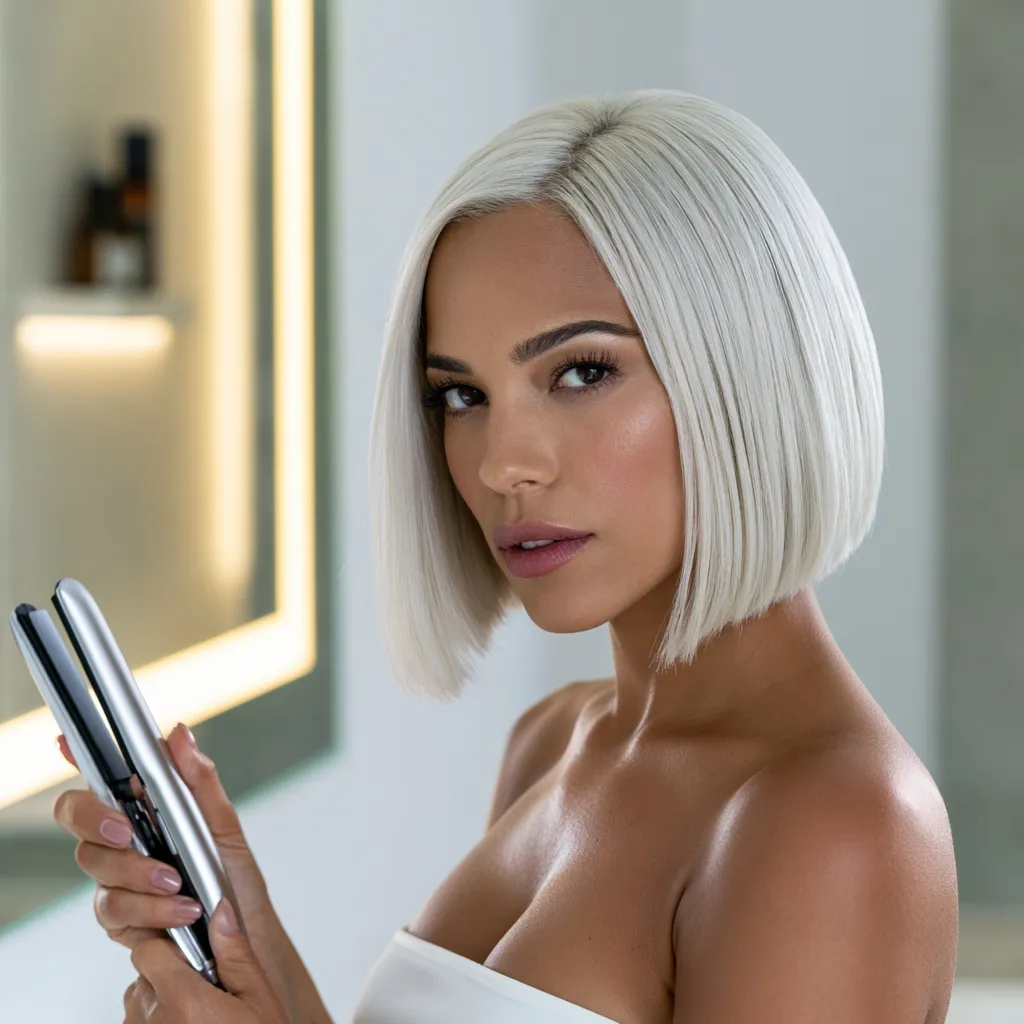
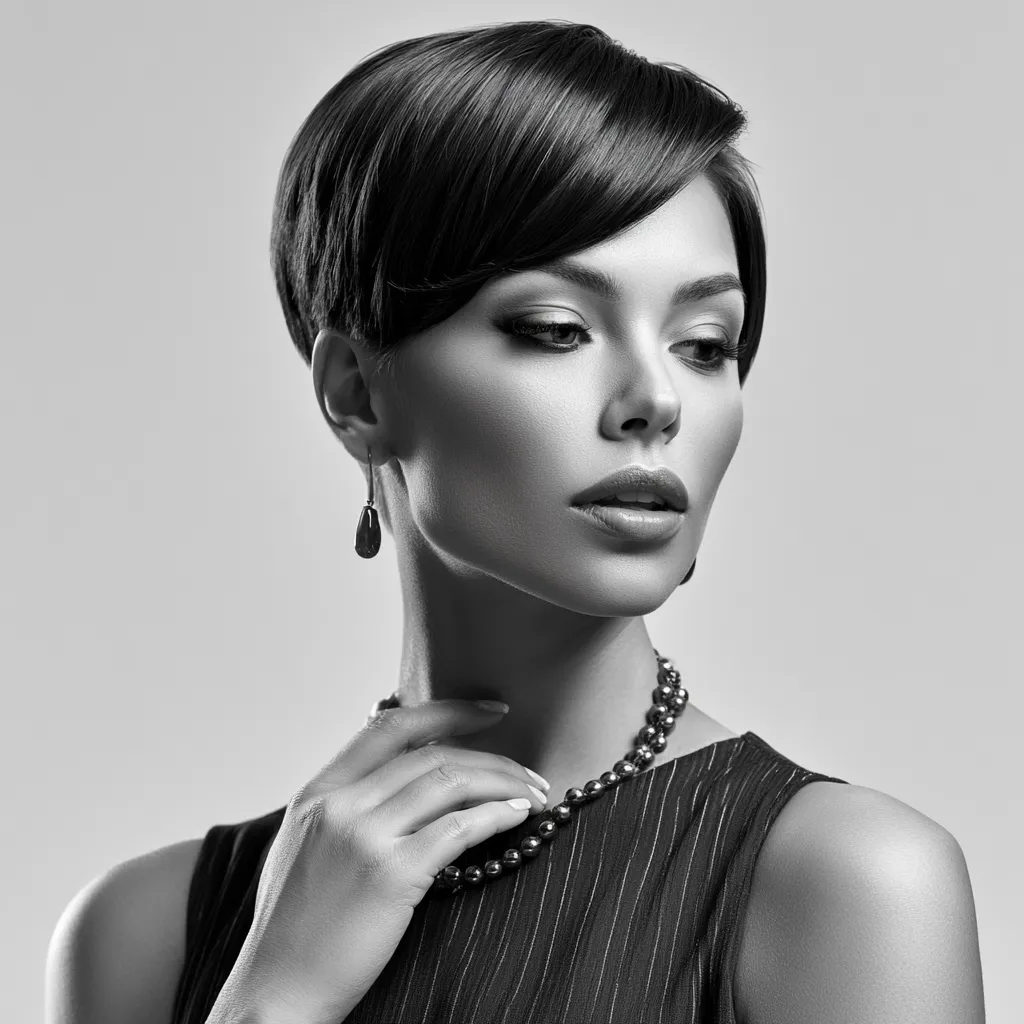
A sleek bixie haircut for a professional work look solves the problem that every bob-plus-pixie hybrid promises to solve but rarely delivers on: structured enough for a client-facing day, easy enough to style in under ten minutes. The bixie sits ear-to-jaw length with short textured layers at the crown and longer face-framing pieces at the front — shorter than a bob, more polished than a pixie, and well-suited to the kind of woman who does not have time to re-style at lunch.
Stylists across the U.S. have named the bixie the most-requested short cut of 2026, and salons pricing the initial cut between $50 and $150 are seeing repeat bookings every four to six weeks — a signal that clients are maintaining it, not growing it out. That consistency is the best endorsement a professional haircut can have. The three color variations below — chestnut, platinum blonde, and soft black with highlights — each approach the sleek bixie differently, but share the same structural logic: face-framing layers in front, close-cut volume at the crown, and a finish that holds its shape from the morning meeting to the after-work dinner.
What separates the bixie from a “long pixie” or a “short bob” is the internal layering. A bixie uses point-cut texture throughout the crown and mid-lengths, creating movement between layers rather than a single weight line. The color you choose amplifies or softens that movement — which is why chestnut, platinum, and dark tones read completely differently even on the same cut structure.
- The sleek bixie sits ear-to-jaw with short crown layers and longer face-framing pieces — it is the structured middle ground between a pixie and a bob.
- Trim every 4–6 weeks to keep the shape intentional; fringe needs a separate trim every 2–3 weeks if present.
- Chestnut reads warm and corporate; platinum blonde reads sharp and modern; soft black with highlights reads authoritative and low-maintenance.
- Each section below includes a color-specific product recommendation and a maintenance reality check.
- The bixie’s grow-out advantage over a pixie: it transitions into a textured short bob rather than an awkward mullet stage.
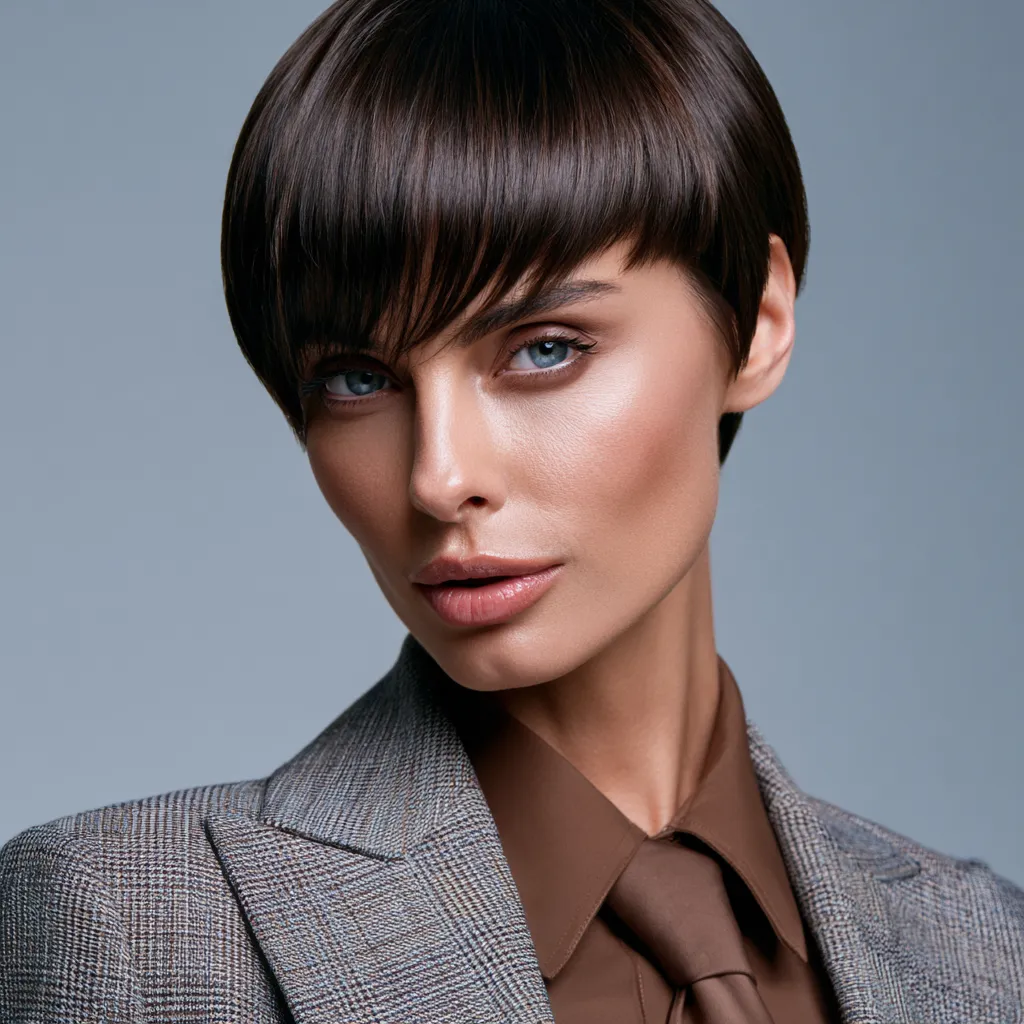
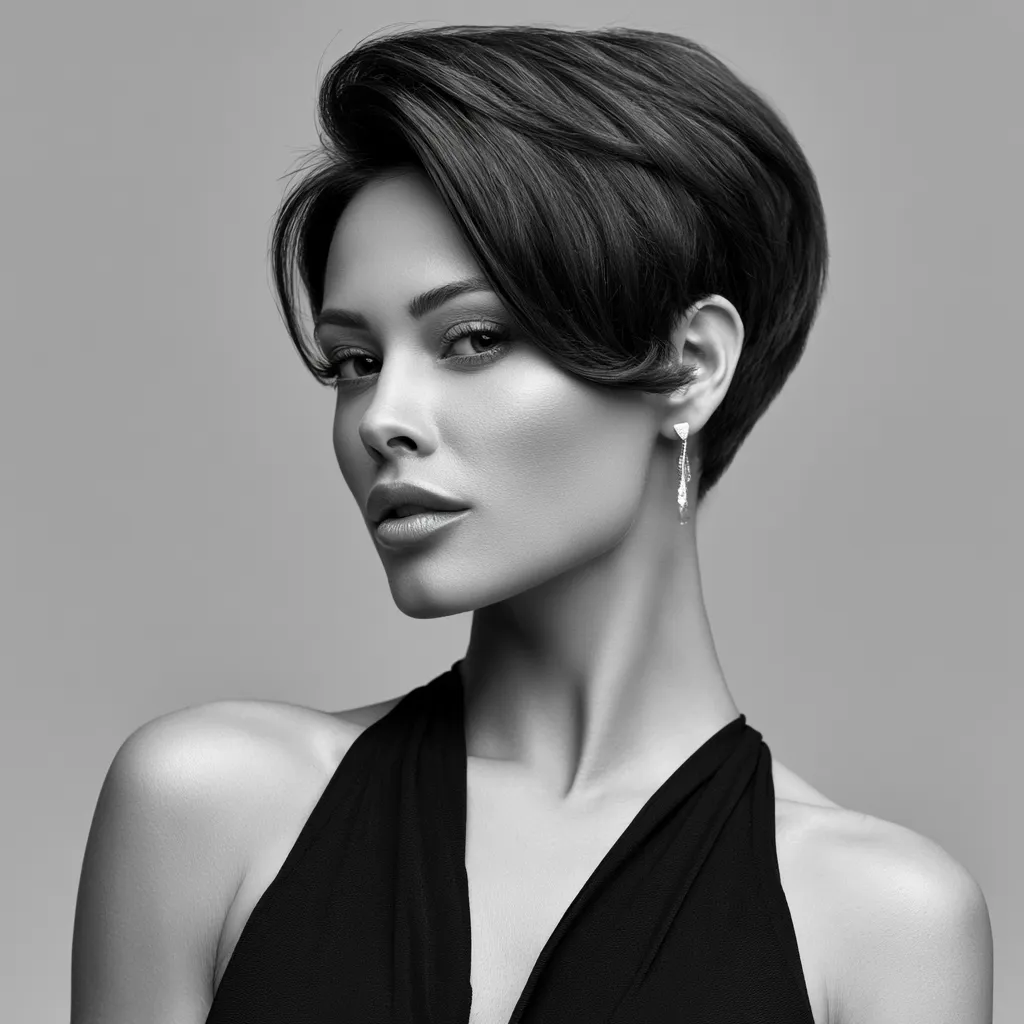
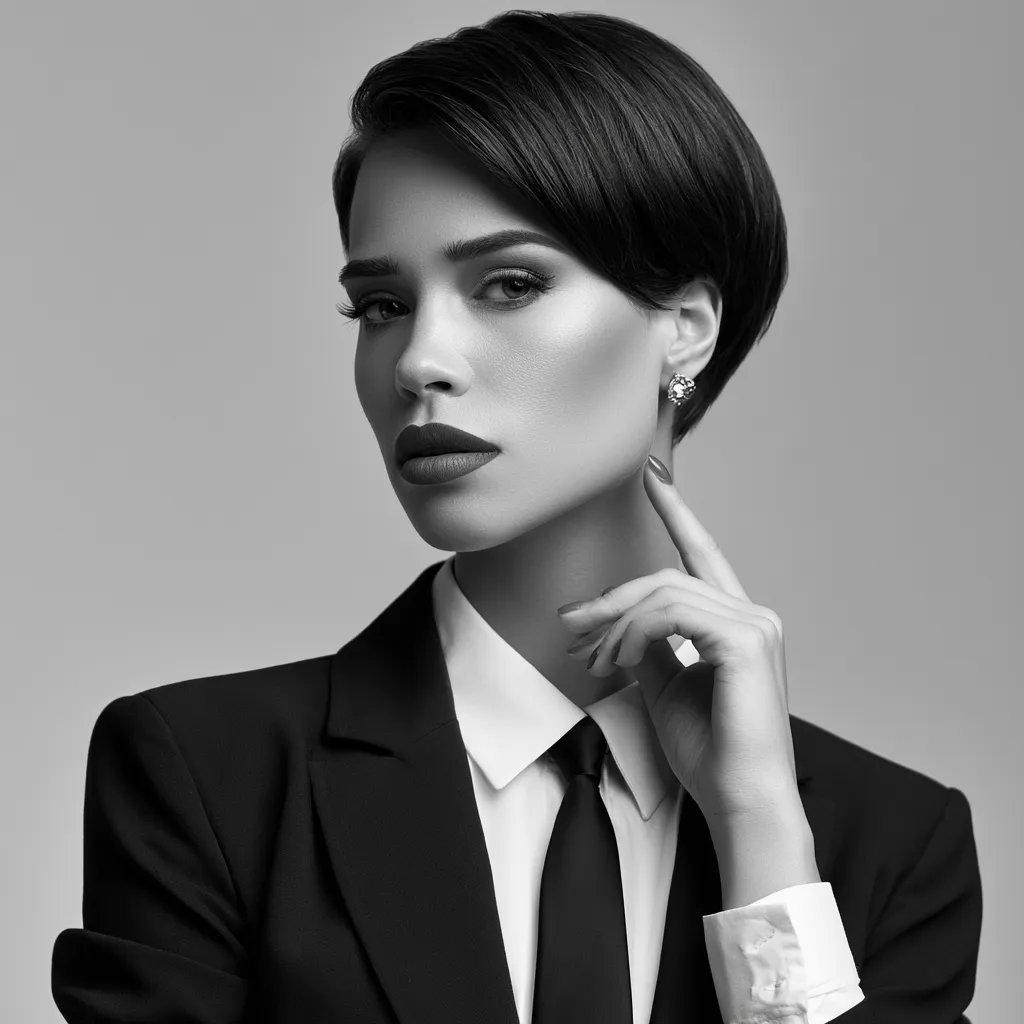
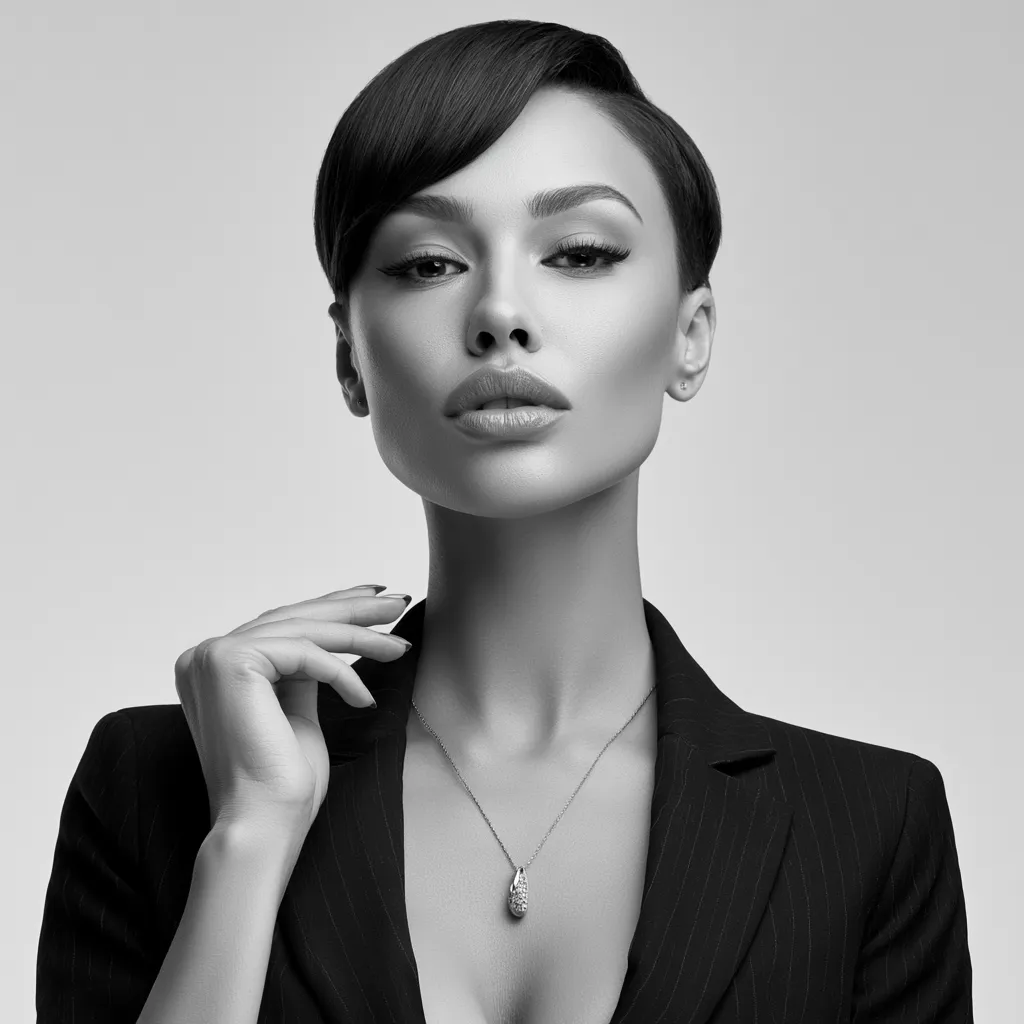
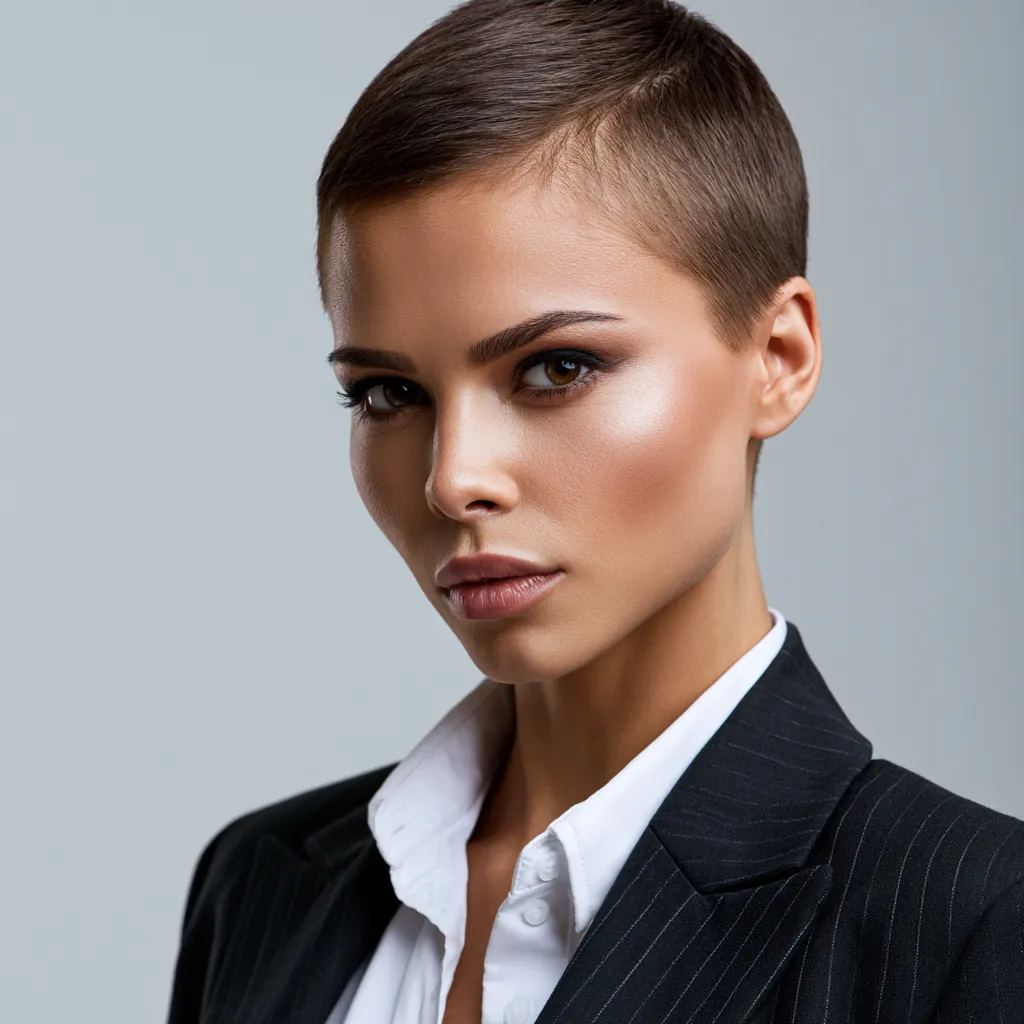
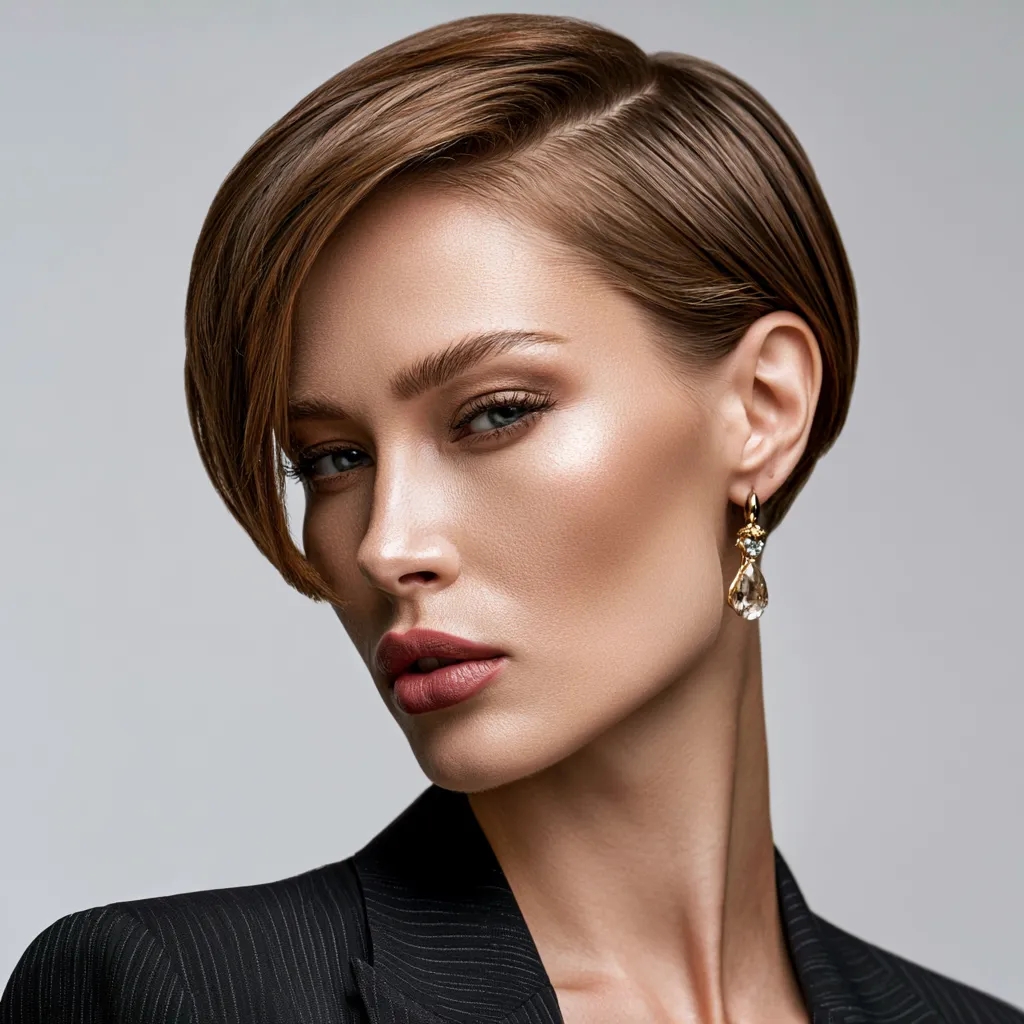
Chestnut Bixie Haircut Reads Differently in Office Light
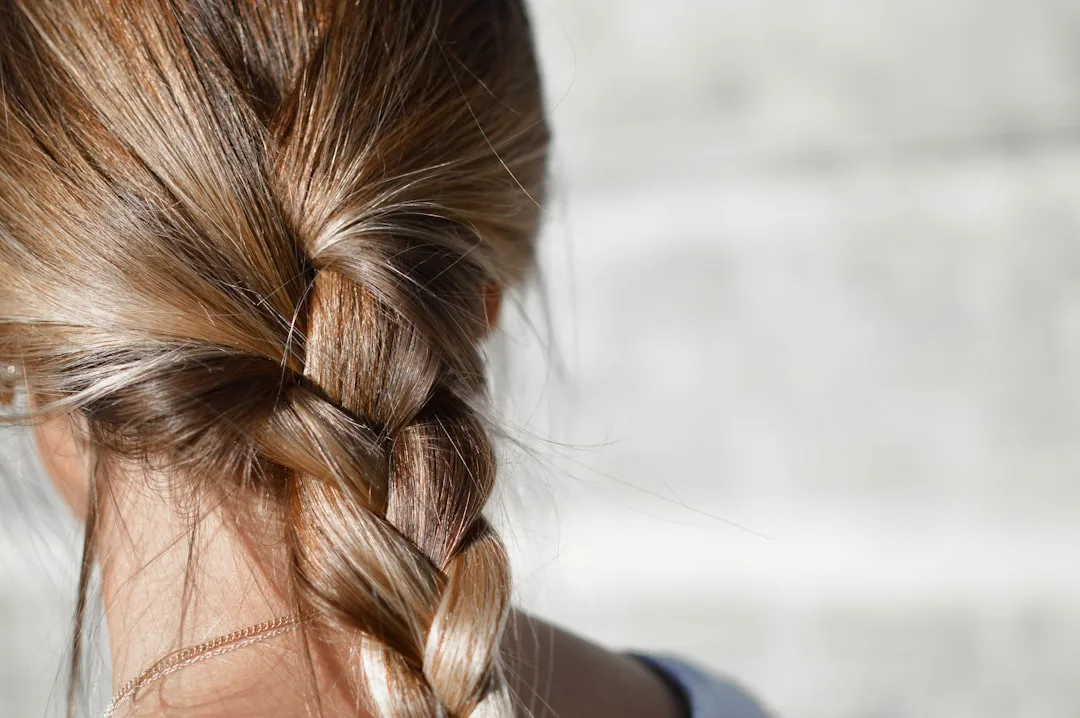
Chestnut brown works on a sleek bixie because the color’s warm undertones catch overhead fluorescent light the same way they catch sunlight — with depth rather than flatness. Warm chestnut occupies the space between brown and auburn, which means it photographs well in both natural and artificial light, a practical win for anyone presenting on a video call or appearing in team photos. The layered structure of the bixie amplifies this: the shorter crown layers create shadow behind the longer face-framing pieces, and chestnut’s reflective quality turns that contrast into dimension rather than just a length difference. What shade specifically? Redken Shades EQ 07Nb — labeled Chestnut — is a demi-permanent gloss that deposits warm neutral brown without ammonia. It retails at $14.99 for a 2 oz. tube at sleekshop.com, which is the professional formulation used in most color salons.
The trim schedule for this version matters more than the color maintenance does. A chestnut bixie needs reshaping every four to six weeks — not because the color fades fast, but because the nape and back grow out fastest and start reading as a growing-out style rather than an intentional one by week seven. Here is the anti-advice for this variation: do not blow-dry the crown layers flat in the name of “sleekness.” The chestnut bixie’s polish comes from the layers moving, not from them being pressed down. A light volumizing mousse at the roots followed by a medium-heat blowdry pointing downward gives you the polished look without the helmet effect. A round brush smaller than one inch handles the crown sections precisely.
What accessories work? Pearl or gold studs are the stylist’s consistent recommendation for the chestnut bixie in corporate settings — not because they are safe, but because they sit at the jawline level that the bixie’s face-framing pieces point toward, creating a visual line that ends at the ear rather than the shoulder. Drop earrings longer than 1.5 inches compete with the cut’s face-framing logic and pull the eye off the cheekbone. Does the chestnut shade need much maintenance between salon visits? A color-protecting shampoo extends the vibrancy by roughly two to three extra washes — not indefinitely, but enough to push a four-week touch-up to a five-week touch-up without the color looking dull in the interim.


Pairing the chestnut bixie with a tailored blazer or structured trench works because both the cut and the outerwear share a geometric logic — clean lines with visible internal structure. The bixie’s layered crown against a blazer’s collar creates a framing effect that longer hair cannot achieve because longer hair falls behind the collar and disappears. This is the structural argument for short hair in professional settings that most people do not articulate but instinctively recognize when they see it. The trick is keeping the nape clean: a single touch-up of the neck between salon visits with a small trimmer takes three minutes and extends the polished reading of the cut by two full weeks.
For reference, the bixie’s connection to broader short hair trends in 2026 is well-documented — the bixie cut’s summer 2026 momentum and how salon demand surged is covered in detail elsewhere on this site if you want the cultural context before booking your appointment.
Platinum Blonde Bixie Haircut Demands More Commitment Than Most Colors
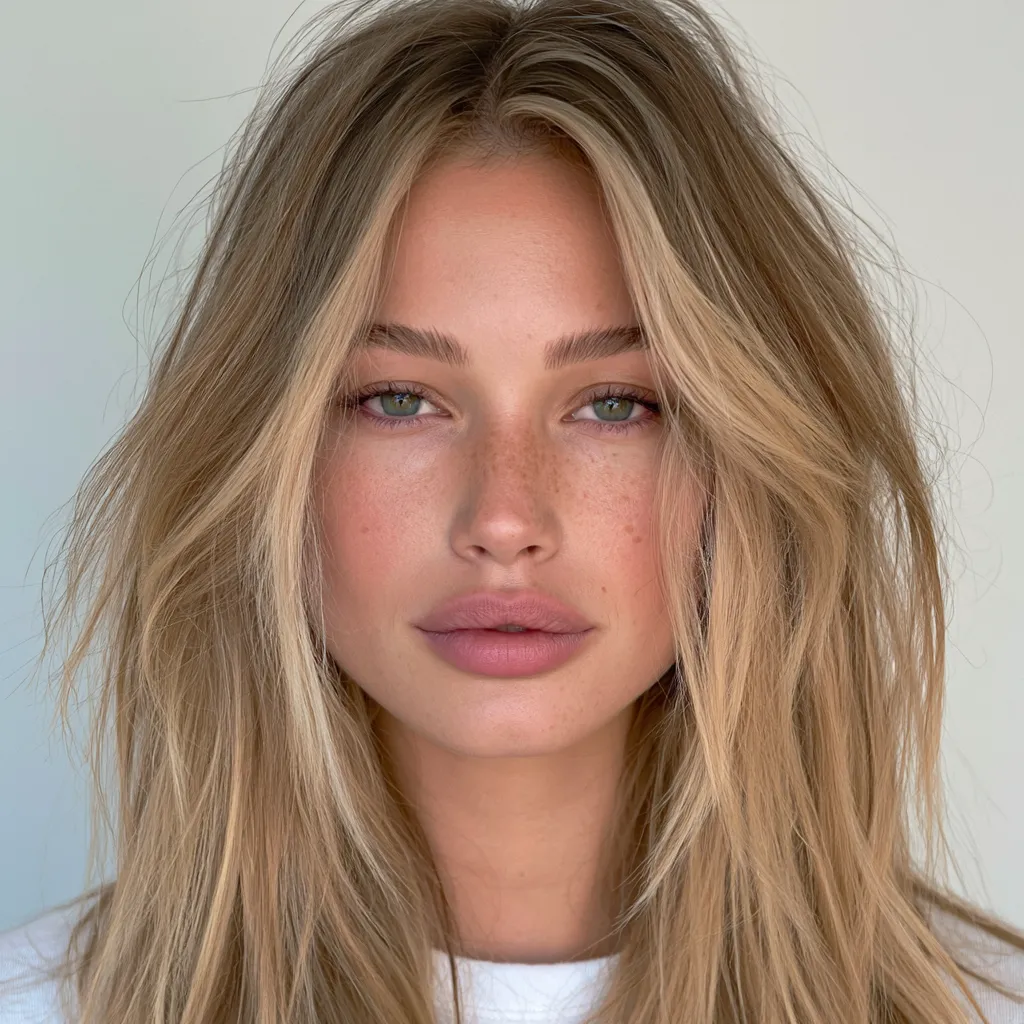
Platinum blonde bixie haircut ideas for the professional setting start with a fact that stylists tend to soften but probably should not: platinum is a high-maintenance color, and on a bixie, it needs more attention than almost any other option. The cut’s short crown layers mean roots show within three weeks of a bleach session — faster than on a bob or lob because the hair at the crown grows outward rather than downward, making regrowth more visible. Budget for a color appointment every six to eight weeks minimum if you are maintaining true platinum, which is a cool, near-white blonde with no visible yellow or brass. That schedule at a mid-tier salon typically adds $100–$200 per color visit on top of the $50–$150 cut cost, so the annual investment in a platinum bixie is real.
The brass problem is not optional to manage — it is the primary ongoing maintenance task for platinum on a bixie. At-home toning with a purple shampoo used once or twice a week neutralizes the yellow tones that develop as the bleach oxidizes. Clairol Shimmer Lights in the 16oz bottle retails at $14.99 at sleekshop.com and has been a professional-grade purple shampoo staple since the 1980s — it is not a drugstore placeholder, it is the product salon colorists recommend clients use between appointments. Apply on damp hair, wait three to five minutes, then rinse. Leaving it longer on very porous or damaged platinum will cause a slight violet cast, which in small amounts is not a problem but should be monitored.


- Do not skip the purple shampoo for more than two weeks — brass on platinum looks like a color mistake, not a styling choice, and in professional settings it reads as neglect rather than a trend.
- Do not use a heavy oil serum on the crown layers — platinum is already fragile from bleaching, and silicone-heavy products weigh down the short crown structure while making the color appear yellower.
- Do not blow-dry on high heat without a heat protectant — platinum hair has had its internal protein structure disrupted by the bleaching process, and repeated high heat causes breakage at the shortest layers first.
- Do not assume a “platinum” result is achievable in one session on dark or previously colored hair — a consultation and potentially two to three appointments are required, and rushing the process causes uneven lift that looks brassy even with toning.
What makes the platinum bixie work in corporate environments specifically is the contrast principle: a very pale, cool hair color against dark or neutral office clothing reads as deliberate and highly polished rather than casual. A navy blazer against platinum hair creates more visual authority than the same blazer against medium brown hair, because the contrast between the garment and the hair is sharp enough to register as a considered choice. This is the same logic behind the enduring appeal of platinum blonde in fashion editorials — it commands attention without requiring a dramatic cut or bold accessories. The bixie’s structured layering adds a second layer of intention to that signal. The combination does not read bold; it reads precise.
A smoothing serum applied to damp hair before blowdrying is the platinum bixie’s best styling tool — not a volumizing product. Bleached hair already has a rougher cuticle texture than unprocessed hair, which means it gains volume without help but loses smoothness easily. A pea-sized amount of serum through the mid-lengths and ends before a medium-heat blowdry with a small round brush creates the glossy, sleek finish that makes platinum pop rather than puff.
Dark Bixie Haircut Styles With Subtle Highlights Last Longer Between Colorist Visits
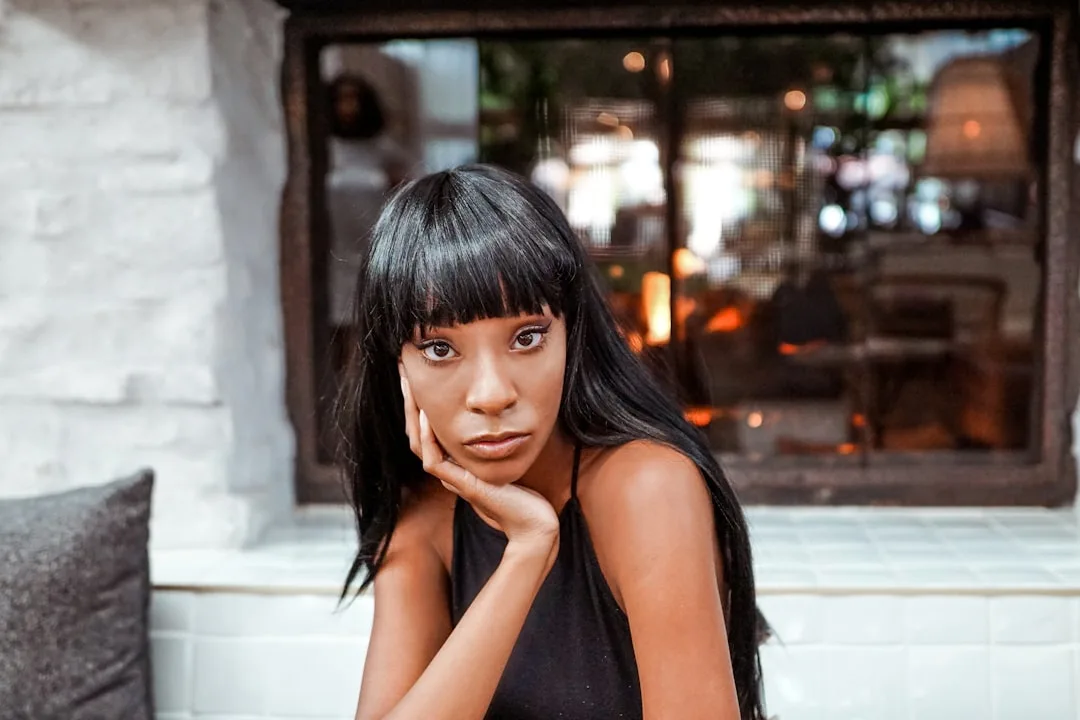
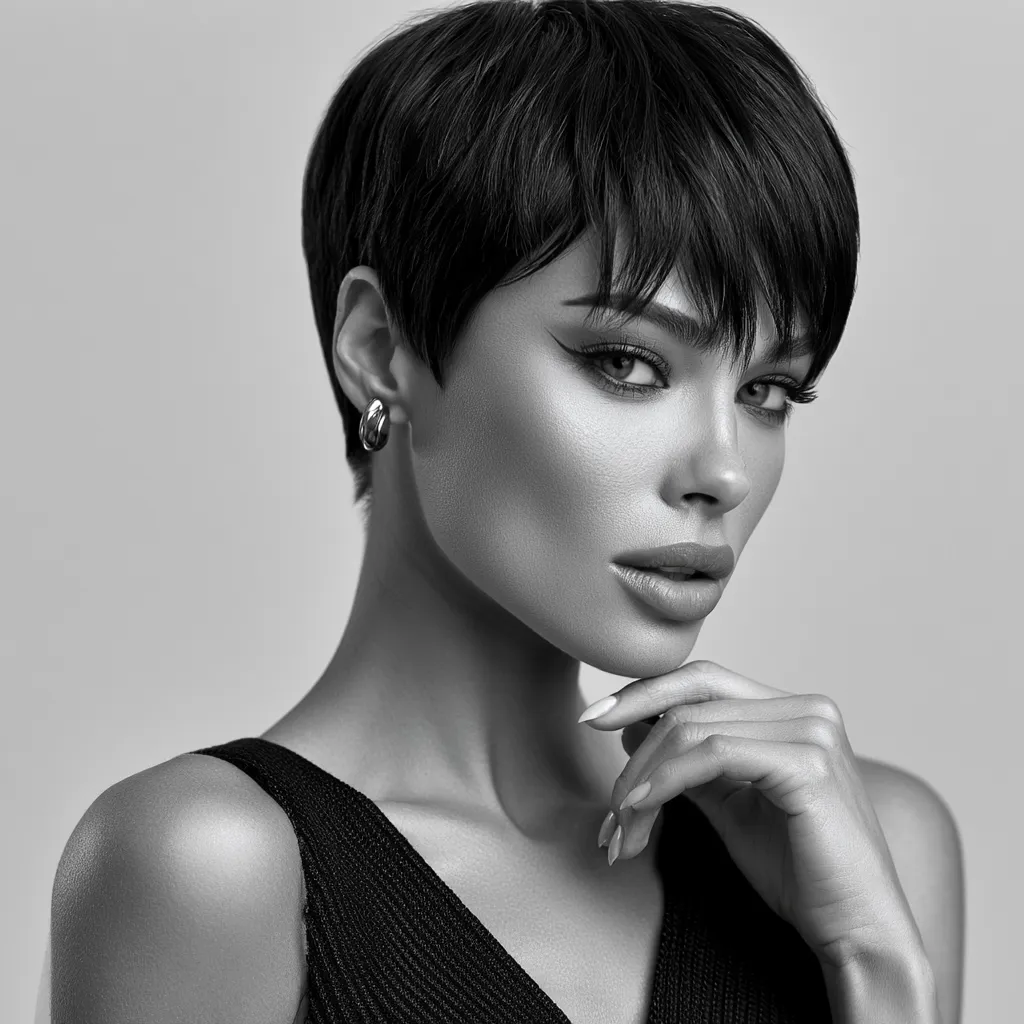
A soft black bixie haircut with subtle highlights operates on a maintenance logic that is the inverse of platinum: the darker the base, the less visible the root regrowth, which means the time between color appointments stretches to three to four months rather than six to eight weeks. This is the right color approach for a professional who wants a polished haircut without a rigid color schedule. The highlights — placed in shades of dark ash, espresso, or muted caramel — add the movement and dimension that a flat single-process black cannot achieve on its own, but they do not require the same maintenance frequency as an all-over lightening service. According to Lush Hair Folk Salon’s maintenance guidelines, highlights and balayage on dark hair typically need refreshing every six to eight weeks or three to four months respectively, compared to all-over color touch-ups every four to six weeks.
The bixie’s point-cut layers are what make dark tones work at this length. On a blunt-cut short bob, dark hair can look heavy and block-like. On a bixie, the same dark base breaks into individual pieces at the ends, catching light on different surfaces and creating the visual texture that keeps the style looking intentional rather than dense. The subtle highlights accelerate this effect by giving those individual pieces a slightly different tone at the tip — the eye reads it as dimensional rather than flat, even from a distance. Is this necessary? No. A pure soft black bixie with no highlights is also a legitimate professional look. But the highlights extend the relevance of the color between appointments, which is a practical argument independent of the aesthetic one.


Daily styling for this variation takes five to ten minutes and requires almost nothing beyond a lightweight hair oil or smoothing serum applied through damp hair before blowdrying. The dark base absorbs product differently than bleached hair — it resists frizz more readily and holds a blowdry longer, typically two to three days before needing a refresh rather than one. A flat iron on the face-framing pieces once or twice a week adds the sleek finish that the “office bixie” reading depends on, but it is not a daily requirement the way it might be on a lighter or more porous color. The bixie’s structural integrity on dark hair is its strongest argument: the cut grows out gracefully into a short bob, meaning a client who moves cities, changes jobs, or loses the time for a four-to-six-week trim schedule does not face an emergency situation. The shape simply transitions rather than collapsing.
For inspiration on where the bixie sits within the current short hair landscape more broadly, the trixie cut’s relationship to the bixie as a pixie-bixie hybrid is worth reading — it clarifies exactly where the bixie’s length ends and the trixie’s shorter territory begins, which is useful context if you are deciding between the two at a consultation.
For a full breakdown of face shapes, specific layer variations, and what to say to your stylist when booking, trendyhairpicks.com’s bixie haircut guide covers the technical detail at a stylist level — including dry versus wet cutting for curly textures, which is a conversation worth having before the appointment rather than during it.
| Variant | Best For | Color Maintenance | Key Risk |
|---|---|---|---|
| Glossy Chestnut | Warm skin tones, first-time bixie clients | Color gloss every 6–8 weeks | Brass if color-safe shampoo skipped |
| Platinum Blonde | High contrast office looks, cool undertones | Bleach every 6–8 weeks, purple shampoo 2x/week | Breakage from bleach plus heat |
| Soft Black + Highlights | Low-maintenance color, darker complexions | Highlights every 8–12 weeks | Flat appearance without textured layering |
The Takeaway
A Sleek Bixie Haircut for Work Is a Structural Argument, Not a Style Opinion
The bixie earns its place in professional settings because it does what longer hair cannot: it frames the face at the exact level where eye contact, cheekbones, and collar intersect. That is not aesthetics — it is geometry.
Chestnut amplifies depth and warmth. Platinum signals precision. Soft black with highlights minimizes maintenance while maximizing dimension. Choose based on your color schedule, not just your preference.
Save this post before your next salon appointment — it is the reference your stylist will appreciate you bringing in.
Related Topics