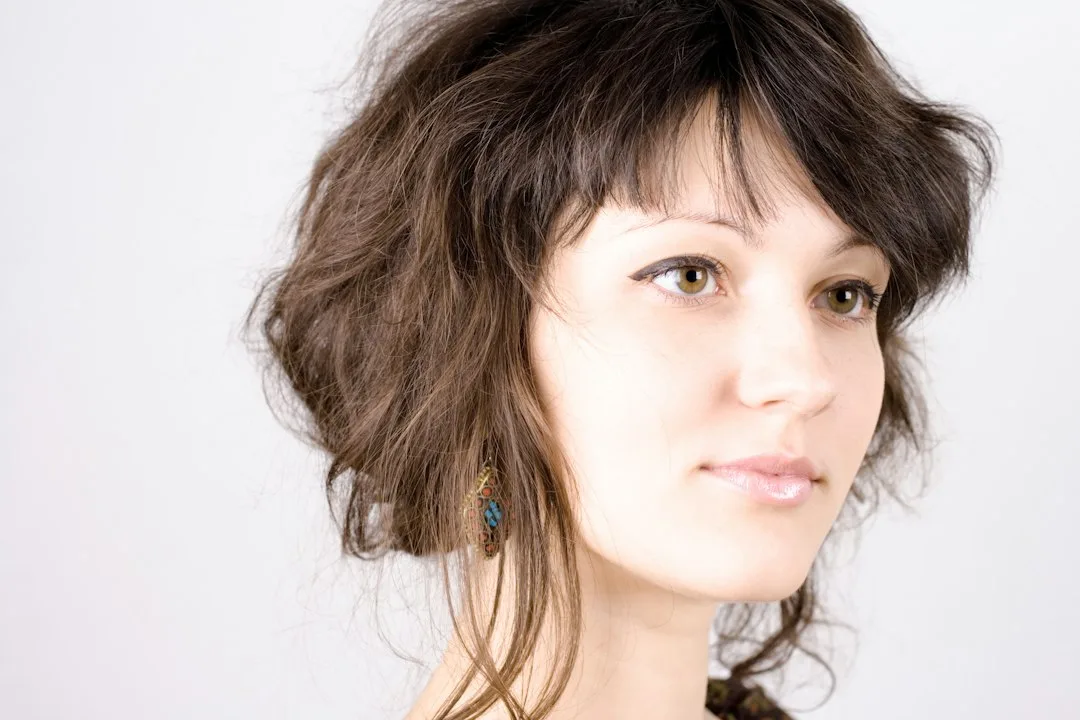
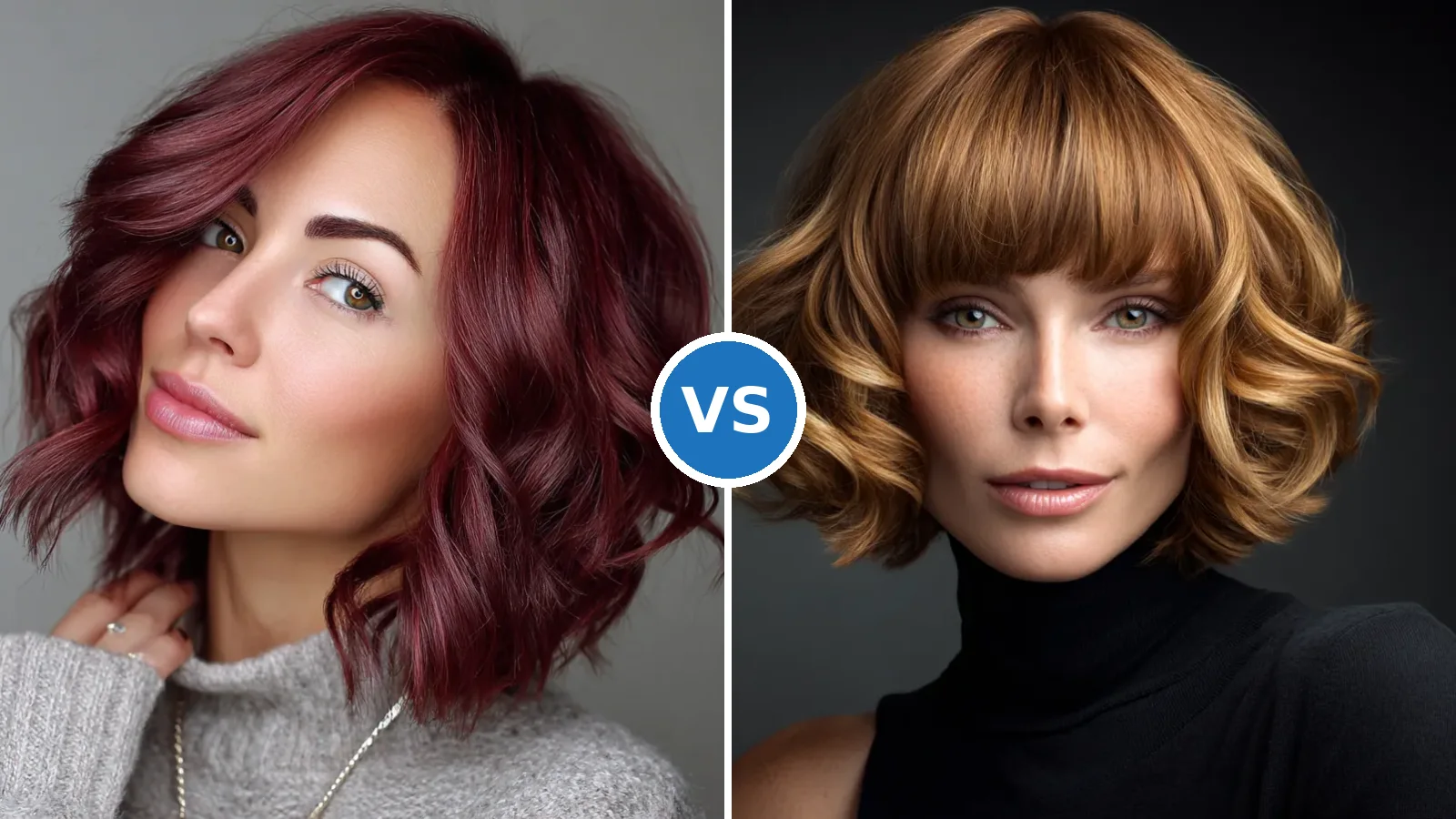
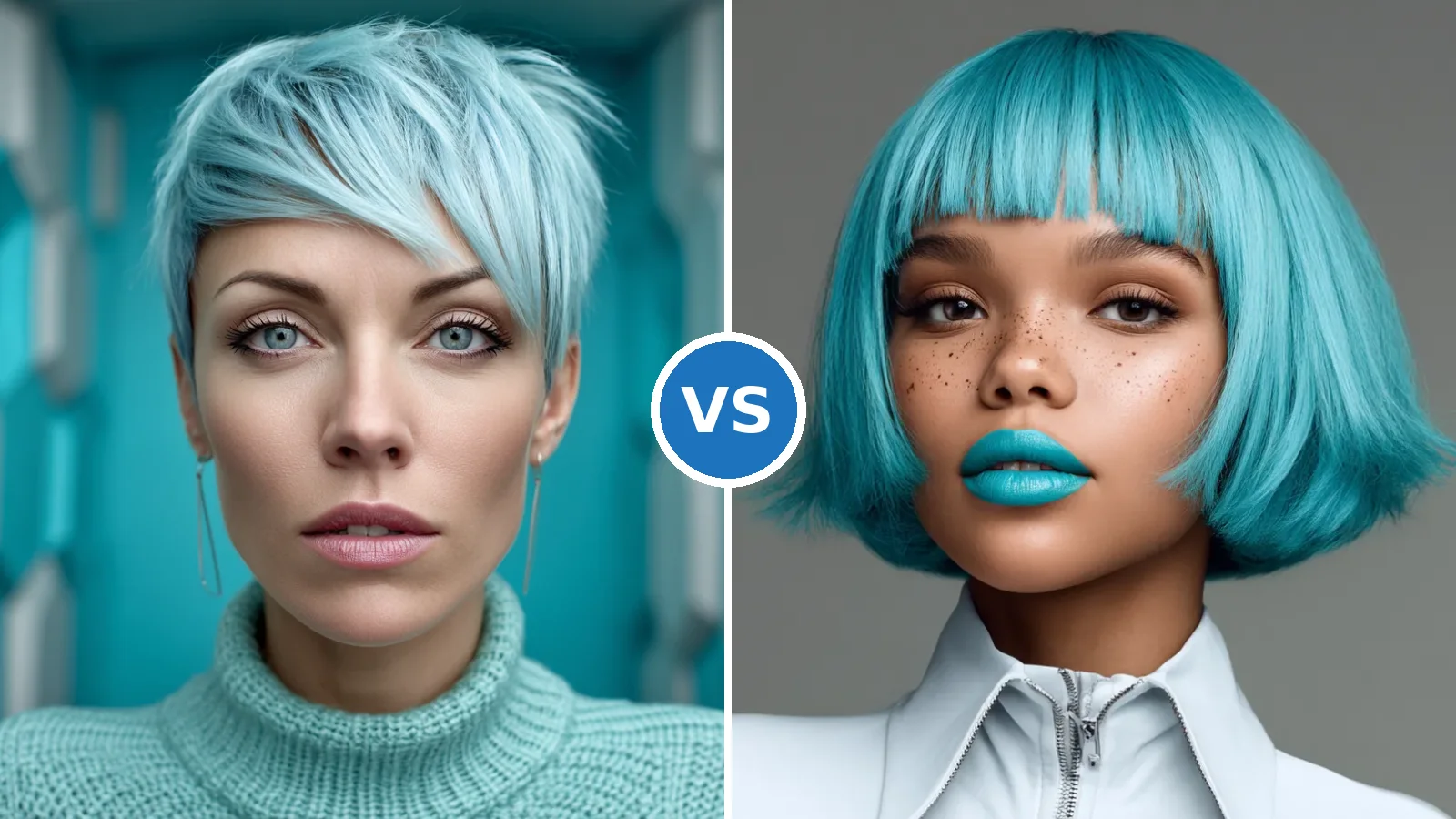
Walk into a salon this October and you will notice what is missing: the flat, glossy, one-length blowdry that dominated recent seasons. Stylists are reaching for the round brush again. The round brush blowout gives fine hair lift at the roots and soft movement through the ends, without a perm or heavy product.
The Round Brush Blowout Returns to Salon Chairs
Salon bookings for blowouts tend to rise as the weather cools, and stylists are hearing a new request. Clients want shape rather than sleekness, a finish with bounce at the crown and a gentle curve at the ends. That shift is why the round brush has moved back to the center of the styling station.
Mason Pearson, a London brand known for boar bristle round brushes, is the tool many professionals reference. Its boar bristle grips the hair just enough to create tension, and it is designed to smooth the cuticle as it passes through. The result is shine with lift, which is exactly what fine hair lacks when it air dries.
The look is a method rather than one haircut. It works on bobs, lobs, and layered mid-lengths. The barrel size you choose does most of the shaping work.
Quick Tips
- Start with damp hair, not soaking wet, and apply a light volumizing mousse at the roots.
- Section hair into four parts and work the brush from the root outward.
- Finish each section with a cool shot to set the shape.
- Match the barrel diameter to the size of curve you want at the ends.
Why Fine Hair Responds Better to Round Brush Tension
Fine hair has fewer strands per section, so each strand carries more visible weight. A round brush wraps the hair around a barrel, creating tension that lifts the root without flattening the midlength. Less tension is what makes fine hair collapse by mid-afternoon.
Dyson Airwrap uses interchangeable barrel attachments and Coanda airflow to wrap hair around the barrel, and many people use it for this at home. It is priced in the premium range, so it makes sense if you style several times a week. The cost replaces a standing salon appointment, which is where most of the savings add up over a season.
Drybar, a salon chain built around the blowout bar concept, has organized its menu around this shape-first finish. Watching a professional section and brush can show you the sequence faster than any written steps.
| Brush | Best for | Trade-off |
|---|---|---|
| Boar bristle round brush | Smooth, glossy finish on fine hair | Slower to build root lift |
| Synthetic round brush | Fast root lift on thick or wavy hair | Can frizz fine strands |
| Large barrel, two inch | Bouncy bends and bigger movement | Can look too full on short hair |
| Small barrel, one inch | Tight curls and defined ends | Takes longer to complete |
Brush Choice and Barrel Size Set the Finish
Barrel diameter is the setting most people overlook. A one-inch barrel creates tight bends and defined ends, while a two-inch barrel gives wider bends and bigger movement at the shoulder. Pick the barrel that matches the curve you want at the end of the blowout, not the size that looks easiest to handle.
Synthetic bristles grip more and build root lift quickly, which can help thick hair but tends to frizz fine strands. Boar bristle is slower but smooths the surface. If your hair is fine and you want shine, start with boar bristle.
Before drying, detangle wet hair with a flexible-tooth brush such as Tangle Teezer. Snags pull on fine ends and cause breakage. A clean start keeps the blowout’s shape even.
The Mistake That Flattens Volume by Lunch
The most common failure is brushing hair dry on the highest heat setting and pulling the brush straight from crown to ends in one long stroke. A client with shoulder-length fine hair might do this at home to save time, then find the roots collapsed before lunch. The pull flattens the root, and the heat sets the hair flat against the scalp.
Fix it by drying the roots first, with the nozzle pointed up and the brush lifting from underneath. Use medium heat at the root, then lower it as you move toward the ends. Cool shot. Release each section only after it cools for a few seconds.
Cuts That Hold a Round Brush Shape Longest
Shape retention depends on the cut more than the tool. Layers that start at the cheekbone add lift at the crown, while blunt perimeters keep the ends looking full. For a closer look at cuts that stay put through the day, see Short Black Hairstyles: 11 Cuts That Hold Shape All Day.
Shorter cuts respond quickly to a round brush because there is less length to wrap. Longer hair takes more time but keeps the finish longer. Pick based on how much time you have each morning.
Making the Blowout Last Two Days
Day two is where most blowouts fail. Hair that was smooth on day one loses its lift as oils build at the scalp. Dry shampoo applied at the roots, then brushed through, restores volume without weighing the ends down.
Sleep on a satin or silk pillowcase to keep the curve at the ends intact. Loose braids overnight can help a bend last into the second day. Plan to refresh the shape with a short brush pass rather than a full redo.